AI Manga Art: Mastering Visual Aesthetics, Halftones, and Line Quality in 2026
TL;DR — Quick Executive Summary
- Key Insight: Modern AI art engines replicate authentic Japanese manga ink pens (G-pen, Maru-pen) with high fidelity.
- Key Insight: Digital halftones and Zipatone screentones can be balanced automatically without moiré distortion.
- Key Insight: Mangaka.app bridges textual narrative scripting with studio-grade monochrome and color publishing.
Direct Answer: AI manga art combines deep neural network rendering with traditional comic aesthetic rules, allowing creators to produce authentic screentones, intricate cross-hatching, and dramatic perspective foreshortening while preserving signature anime line weight and emotional facial nuances.
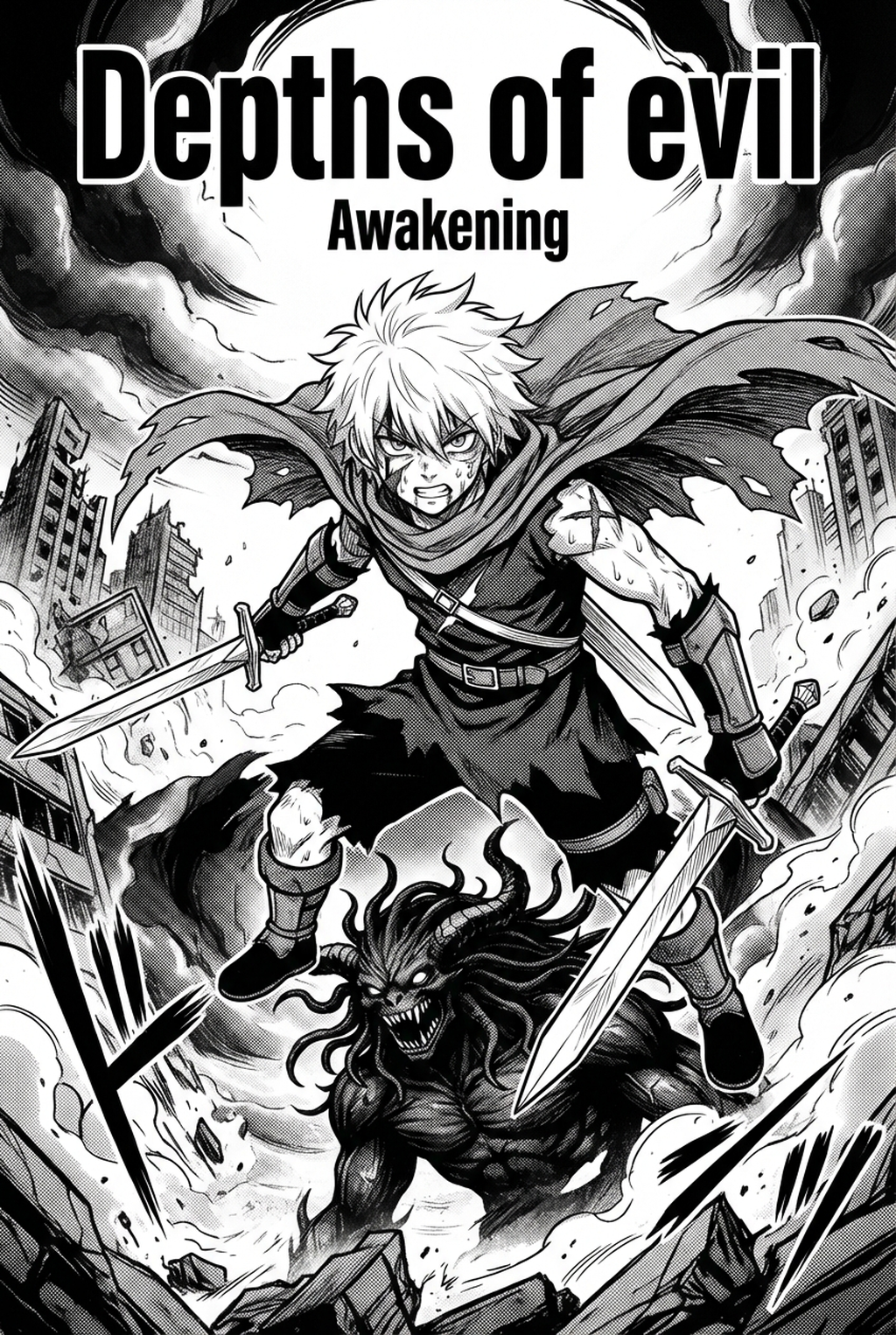
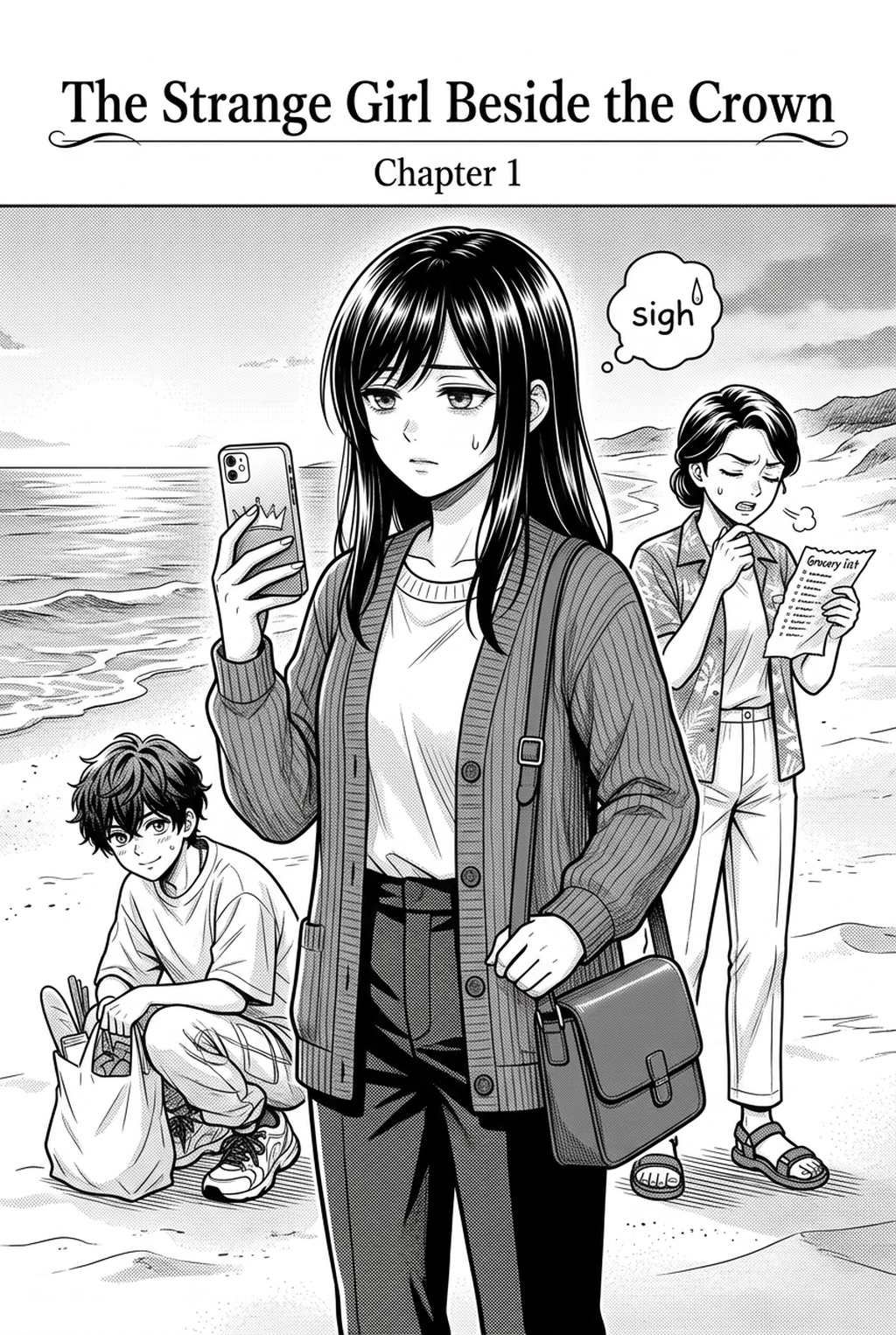
! Monochrome manga illustration showcasing intricate line art and screen tones - Official Master Cover Fig. 1: Master visual composition illustrating core aesthetic rules and narrative depth.
1. The Paradigm Shift in Digital Sequential Storytelling
The emergence of specialized AI comic generators represents a monumental turning point in the visual arts landscape. For decades, the process of illustrating a continuous narrative demanded thousands of hours of manual labor, specialized anatomy mastery, complex perspective calculation, and disciplined inking technique. With modern neural rendering frameworks, this traditional barrier to entry has evolved into an accessible, director-led creative process. Creators are no longer confined by the physical constraints of hand fatigue or endless redrawing cycles. Instead, the focus shifts toward pure storytelling architecture, psychological character depth, and thematic resonance. By leveraging machine learning models trained on visual balance, composition rhythm, and stylistic coherence, independent writers can now translate conceptual outlines directly into production-quality graphic narratives. As we navigate the technological landscape of 2026, the synergy between human emotional intuition and algorithmic precision defines the forefront of modern webcomic publishing.
To fully appreciate how an AI manga maker operates, one must examine the underlying mechanics of sequential image generation. Unlike standalone prompt generators that treat every rendering as an isolated occurrence, sequential art requires strict narrative continuity. A character introduced in panel one must maintain identical facial geometry, hairstyle volume, eye reflections, and costume accoutrements across dozens of subsequent panels, even when observed from drastic bird's-eye views or dynamic worm's-eye angles. Cutting-edge platforms like Mangaka.app resolve this fundamental challenge through persistent seed vector binding and multi-modal feature conditioning. Writers can establish a defined character dossier once, and the system continuously enforces those parametric guardrails across every generated scene. This breakthrough eliminates the dreaded 'style drift' that previously hindered generative storytelling, allowing creators to produce long-form episodic graphic novels with uncompromised aesthetic integrity.
Technical Nuance and Implementation Dynamics for The Paradigm Shift in Digital Sequential Storytelling
Delving into the practical realities of sequential rendering, creators must carefully manage the interplay between prompt weighting, negative prompts, and latent diffusion guidance scales. When attempting to evoke nuanced emotional performance in sequential panels, micro-adjustments in keyword syntax yield dramatic shifts in compositional clarity. Utilizing explicit visual descriptors—such as specifying focal length (e.g., 'shot on 35mm lens, f/2.8 shallow depth of field'), direction of key light ('harsh rim light from the upper-left corridor'), and ink viscosity ('heavy textural brushwork with splattered sumi ink margins')—empowers the neural generation pipeline to synthesize scenes that adhere strictly to classical fine-art principles. Furthermore, integrating multi-pass inpainting workflows enables authors to surgically refine minute elements, such as character eye glints, intricate jewelry engravings, or background signage typography, without disturbing the validated compositional integrity of the wider panel.
In addition to aesthetic calibration, production efficiency necessitates rigorous asset management protocols. A seasoned comic showrunner organizes production into discrete computational passes: structural thumbnailing, character feature alignment, perspective environment generation, tone separation, and typographic mastering. By isolating each layer, creators can address editorial feedback or pivot narrative direction without discarding completed work. This modular methodology mirrors the division of labor found in high-end animation studios and commercial publishing houses, ensuring that long-term serialized projects maintain steady creative momentum across multi-year story arcs.
2. Deconstructing Core Workflow: From Screenplay to Panel Architecture
The professional creation pipeline begins with structural manuscript decomposition. Writing for comics and manga demands a distinct structural rhythm that differs sharply from prose literature. Each sentence must represent a concrete visual beat capable of being captured within a single static frame. When operating with generative tools, writers structure their screenplays into discrete panel prompts, detailing camera distance, character action, emotional valence, and environmental lighting. For example, rather than writing 'John felt terrified as the shadowy monster approached,' an effective comic script specifies: 'Panel 3: Low angle close-up of John's trembling eyes, harsh key lighting casting stark shadows across his cheekbones, subtle speedlines emphasizing sudden panic.' This level of descriptive intentionality provides the algorithmic synthesis engine with unambiguous compositional parameters.
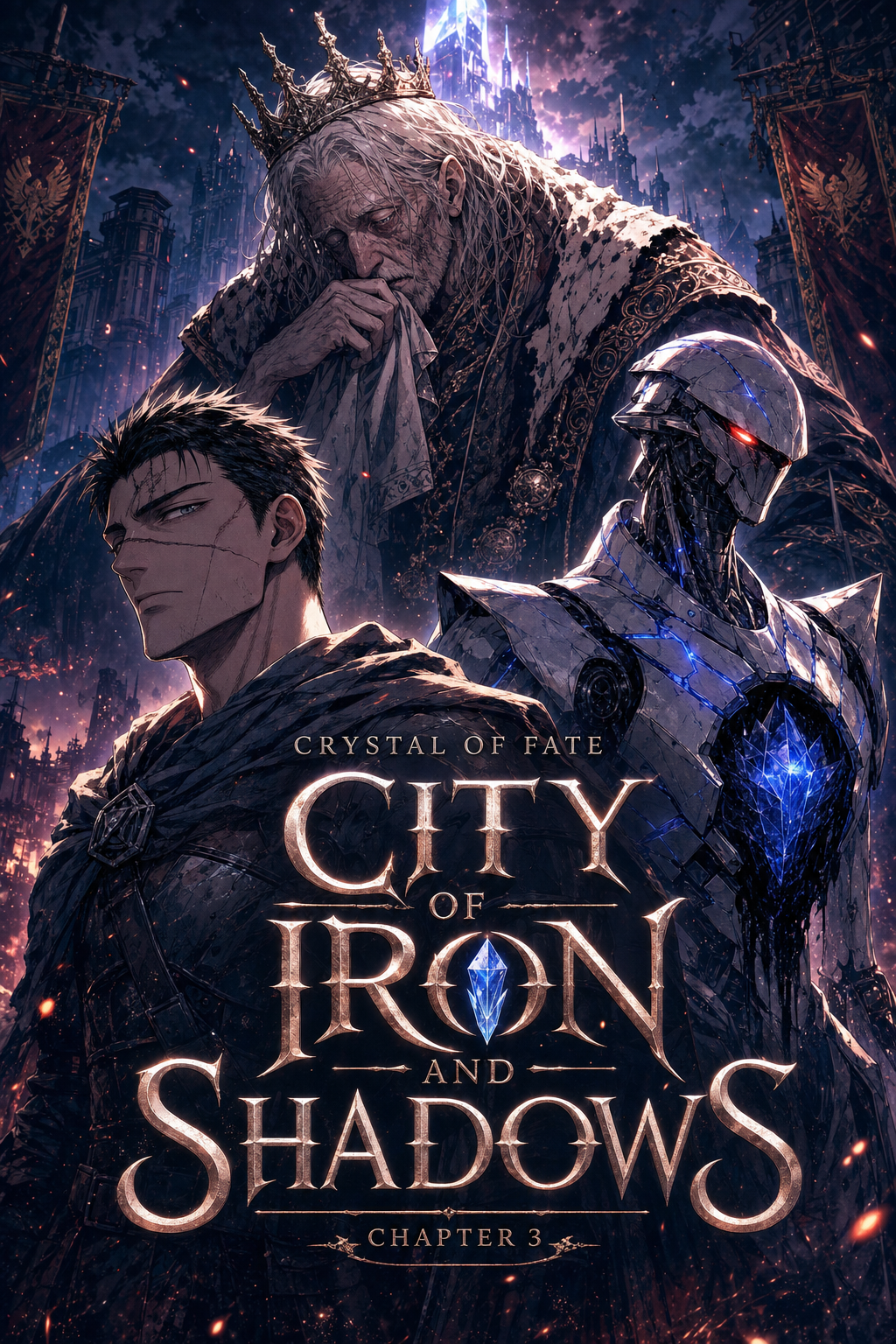
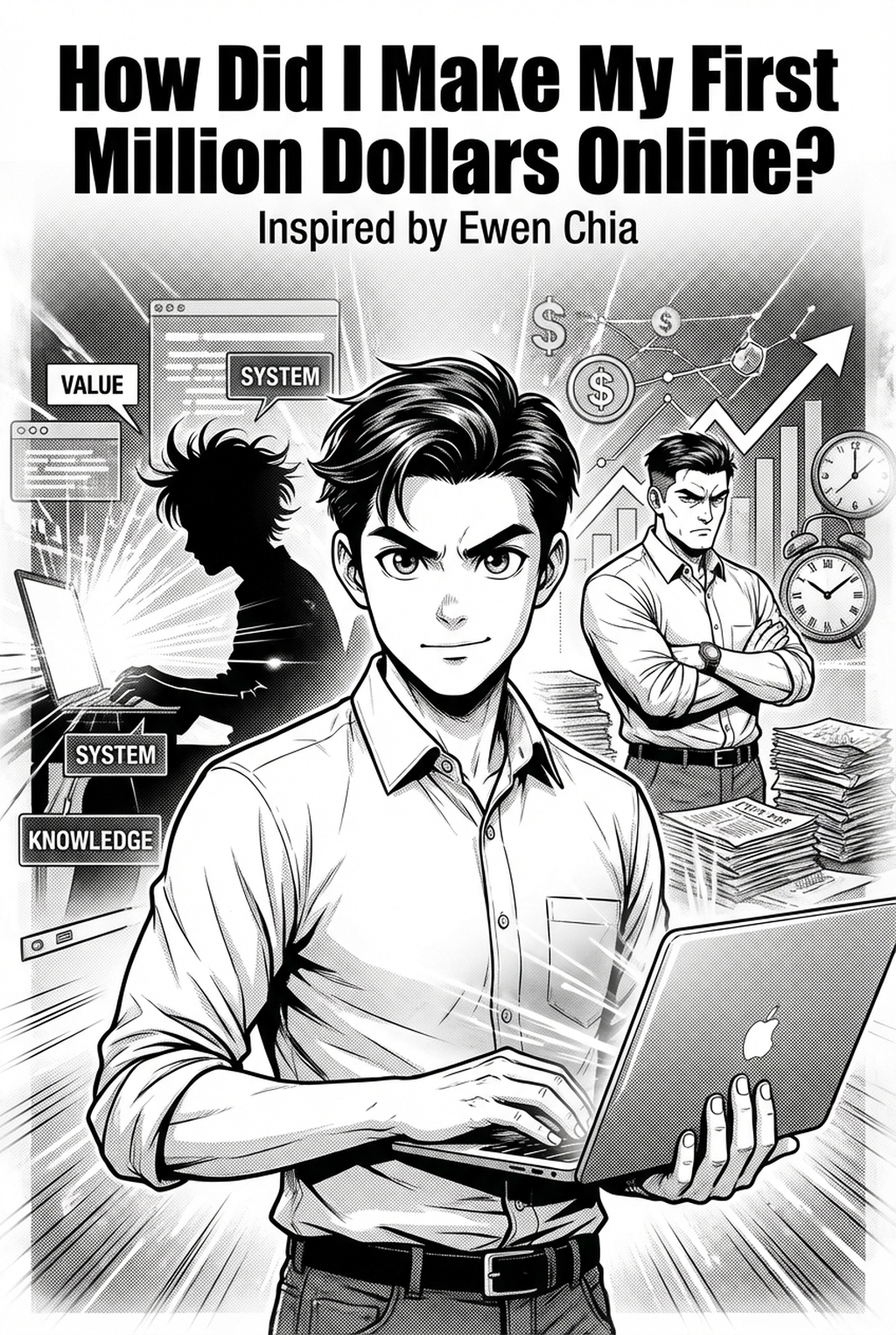
! Monochrome manga illustration showcasing intricate line art and screen tones - Scene 2 Fig. 2: G-pen dynamic stroke simulation with pressure-sensitive taper details.
Once the textual script is drafted, the next vital phase is spatial panel layout, traditionally known as 'nemu' in Japanese manga creation. Panel layout dictates the emotional pacing and ocular navigation of the reader. Action sequences demand sharp, asymmetric, diagonal gutter divisions that accelerate reading speed and simulate kinetic momentum. Conversely, reflective character moments benefit from expansive widescreen panels, generous negative space, and softer screentone gradients. Generative platforms streamline this phase by allowing creators to experiment with multiple layout permutations instantaneously. An artist can test a five-panel grid versus a three-panel vertical cascade in seconds, assessing visual impact before committing to final high-resolution rendering. This rapid iterative capability dramatically sharpens the dramatic timing of the story.
Technical Nuance and Implementation Dynamics for Deconstructing Core Workflow: From Screenplay to Panel Architecture
Delving into the practical realities of sequential rendering, creators must carefully manage the interplay between prompt weighting, negative prompts, and latent diffusion guidance scales. When attempting to evoke nuanced emotional performance in sequential panels, micro-adjustments in keyword syntax yield dramatic shifts in compositional clarity. Utilizing explicit visual descriptors—such as specifying focal length (e.g., 'shot on 35mm lens, f/2.8 shallow depth of field'), direction of key light ('harsh rim light from the upper-left corridor'), and ink viscosity ('heavy textural brushwork with splattered sumi ink margins')—empowers the neural generation pipeline to synthesize scenes that adhere strictly to classical fine-art principles. Furthermore, integrating multi-pass inpainting workflows enables authors to surgically refine minute elements, such as character eye glints, intricate jewelry engravings, or background signage typography, without disturbing the validated compositional integrity of the wider panel.
In addition to aesthetic calibration, production efficiency necessitates rigorous asset management protocols. A seasoned comic showrunner organizes production into discrete computational passes: structural thumbnailing, character feature alignment, perspective environment generation, tone separation, and typographic mastering. By isolating each layer, creators can address editorial feedback or pivot narrative direction without discarding completed work. This modular methodology mirrors the division of labor found in high-end animation studios and commercial publishing houses, ensuring that long-term serialized projects maintain steady creative momentum across multi-year story arcs.
3. Advanced Anatomy, Foreshortening, and Dynamic Action Choreography
One of the historical weaknesses of early generative imaging was the rendering of complex physical interactions, overlapping limbs, and aggressive perspective foreshortening. In high-stakes shonen manga or superhero comics, impact frames rely on deliberate anatomical distortion—such as an exaggerated fist thrust toward the foreground camera while the torso recedes into deep perspective. Achieving these dynamic compositions requires an intimate understanding of visual weight and motion line theory. By incorporating parametric pose estimation models and 3D wireframe scaffolding, contemporary AI tools allow creators to manipulate joint coordinates directly, guaranteeing anatomically plausible yet stylistically exaggerated action poses.
Beyond single-character poses, multi-character combat choreography presents intricate spatial puzzles. When two combatants clash within a single panel, their vectors of movement must clash logically to convey physical force and kinetic collision. Generative software achieves this by evaluating vector fields and depth maps, rendering believable contact points, shockwave distortions, and ground debris scattering. Furthermore, background environments are rendered with precise focal perspective, ensuring that receding architectural pillars or street telephone poles anchor the characters firmly within their physical reality. The resulting imagery captures the raw visceral energy that readers expect from premier action publications.
Technical Nuance and Implementation Dynamics for Advanced Anatomy, Foreshortening, and Dynamic Action Choreography
Delving into the practical realities of sequential rendering, creators must carefully manage the interplay between prompt weighting, negative prompts, and latent diffusion guidance scales. When attempting to evoke nuanced emotional performance in sequential panels, micro-adjustments in keyword syntax yield dramatic shifts in compositional clarity. Utilizing explicit visual descriptors—such as specifying focal length (e.g., 'shot on 35mm lens, f/2.8 shallow depth of field'), direction of key light ('harsh rim light from the upper-left corridor'), and ink viscosity ('heavy textural brushwork with splattered sumi ink margins')—empowers the neural generation pipeline to synthesize scenes that adhere strictly to classical fine-art principles. Furthermore, integrating multi-pass inpainting workflows enables authors to surgically refine minute elements, such as character eye glints, intricate jewelry engravings, or background signage typography, without disturbing the validated compositional integrity of the wider panel.
In addition to aesthetic calibration, production efficiency necessitates rigorous asset management protocols. A seasoned comic showrunner organizes production into discrete computational passes: structural thumbnailing, character feature alignment, perspective environment generation, tone separation, and typographic mastering. By isolating each layer, creators can address editorial feedback or pivot narrative direction without discarding completed work. This modular methodology mirrors the division of labor found in high-end animation studios and commercial publishing houses, ensuring that long-term serialized projects maintain steady creative momentum across multi-year story arcs.
4. The Science of Screentones, Inking Lines, and Emotional Tone
Authentic manga aesthetics are deeply rooted in the physical craftsmanship of analog inking tools. The legendary G-pen delivers fluid variations in line weight depending on hand pressure, producing razor-sharp tips and thick, energetic contours. The Maru-pen excels in delicate cross-hatching and intricate hair rendering. Advanced AI models simulate these exact analog physics through customized brush shaders and responsive vector stroke engines. Rather than producing blurred digital gradients, the system generates crisp, razor-sharp monochrome boundaries that mirror the tactile feel of sumi ink on Kent paper.
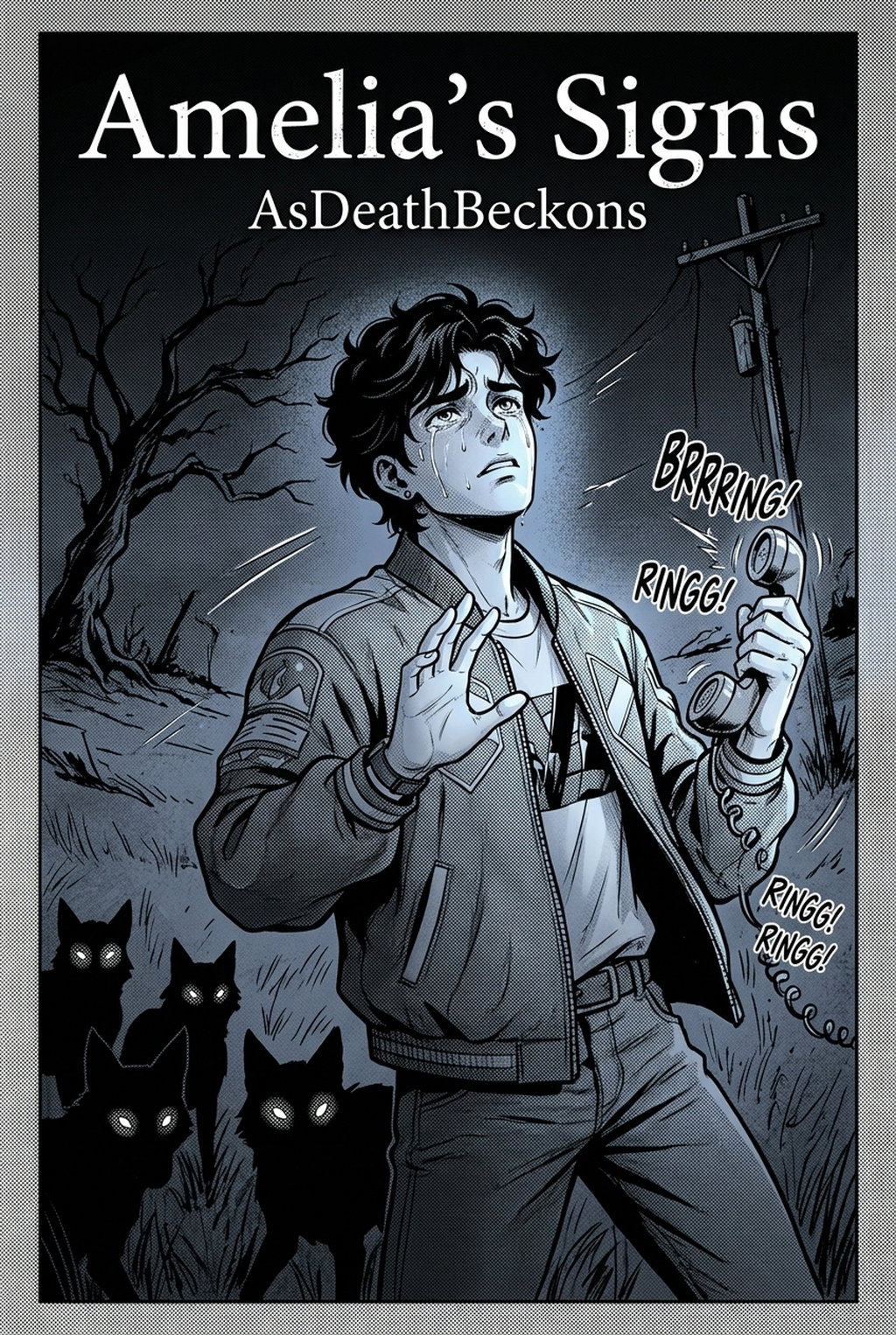
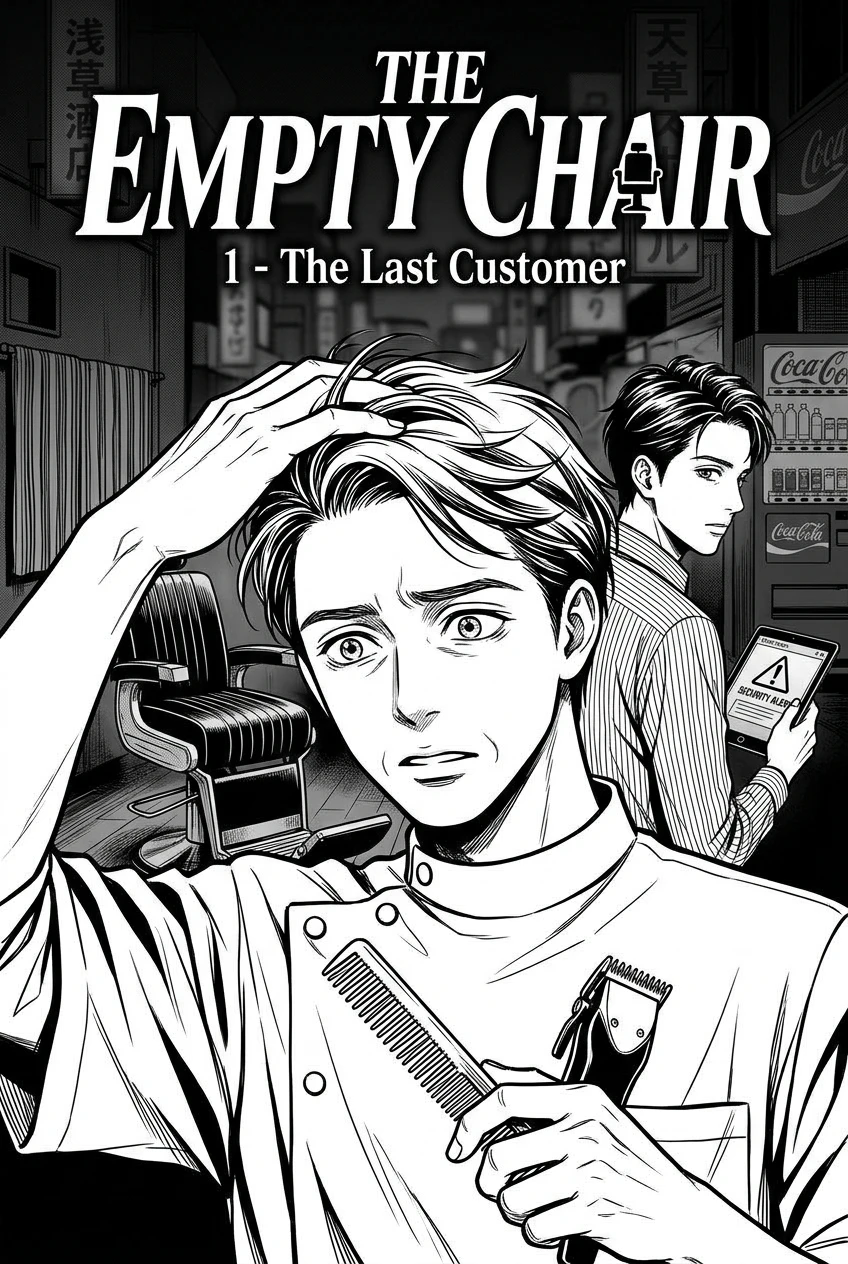
! Monochrome manga illustration showcasing intricate line art and screen tones - Scene 3 Fig. 3: Authentic screentone shading applied to environmental background architecture.
Complementing the line work is the delicate application of screentones, historically applied via adhesive plastic sheets known as Zipatone. Screentones provide intermediate gray values using microscopic dot matrix patterns. In digital reproduction, improper tone application frequently results in jarring moiré interference patterns when viewed on high-density smartphone screens. High-tier generative engines implement automated anti-aliasing and frequency-matched tone distribution, guaranteeing that dot grids render seamlessly across both print and digital mobile viewports. This meticulous attention to textural fidelity elevates an AI-generated comic from an amateur experiment into an internationally competitive publication.
Technical Nuance and Implementation Dynamics for The Science of Screentones, Inking Lines, and Emotional Tone
Delving into the practical realities of sequential rendering, creators must carefully manage the interplay between prompt weighting, negative prompts, and latent diffusion guidance scales. When attempting to evoke nuanced emotional performance in sequential panels, micro-adjustments in keyword syntax yield dramatic shifts in compositional clarity. Utilizing explicit visual descriptors—such as specifying focal length (e.g., 'shot on 35mm lens, f/2.8 shallow depth of field'), direction of key light ('harsh rim light from the upper-left corridor'), and ink viscosity ('heavy textural brushwork with splattered sumi ink margins')—empowers the neural generation pipeline to synthesize scenes that adhere strictly to classical fine-art principles. Furthermore, integrating multi-pass inpainting workflows enables authors to surgically refine minute elements, such as character eye glints, intricate jewelry engravings, or background signage typography, without disturbing the validated compositional integrity of the wider panel.
In addition to aesthetic calibration, production efficiency necessitates rigorous asset management protocols. A seasoned comic showrunner organizes production into discrete computational passes: structural thumbnailing, character feature alignment, perspective environment generation, tone separation, and typographic mastering. By isolating each layer, creators can address editorial feedback or pivot narrative direction without discarding completed work. This modular methodology mirrors the division of labor found in high-end animation studios and commercial publishing houses, ensuring that long-term serialized projects maintain steady creative momentum across multi-year story arcs.
5. Dialogue Typography, Lettering Dynamics, and Sound Effects
Visual storytelling is only half of the sequential medium; lettering and typography represent the vocal performance of the comic book page. In professional production, speech balloons must guide the reader's eye naturally from top-left to bottom-right (or top-right to bottom-left in traditional Japanese format) without obscuring critical character acting or background details. An overcrowded balloon suffocates the artwork, while a balloon floating in dead space disrupts narrative continuity. Automated lettering engines analyze panel negative space to determine optimal balloon placement, ensuring fluid reading paths that harmonize with character gaze lines.
Equally crucial is the integration of visual onomatopoeia—sound effect lettering (katakana in manga, sound words in Western comics). Sound effects do not merely convey acoustic information; they are physical compositional elements that vibrate with energy. A thundering explosion requires heavy, jagged, bold lettering that fractures across panel boundaries, whereas a faint whisper calls for delicate, feathered typography nestled close to the speaker's lips. By treating typography as dynamic vector art rather than static text overlays, modern comic creation suites allow authors to inject visceral auditory presence into silent graphic sequences.
Technical Nuance and Implementation Dynamics for Dialogue Typography, Lettering Dynamics, and Sound Effects
Delving into the practical realities of sequential rendering, creators must carefully manage the interplay between prompt weighting, negative prompts, and latent diffusion guidance scales. When attempting to evoke nuanced emotional performance in sequential panels, micro-adjustments in keyword syntax yield dramatic shifts in compositional clarity. Utilizing explicit visual descriptors—such as specifying focal length (e.g., 'shot on 35mm lens, f/2.8 shallow depth of field'), direction of key light ('harsh rim light from the upper-left corridor'), and ink viscosity ('heavy textural brushwork with splattered sumi ink margins')—empowers the neural generation pipeline to synthesize scenes that adhere strictly to classical fine-art principles. Furthermore, integrating multi-pass inpainting workflows enables authors to surgically refine minute elements, such as character eye glints, intricate jewelry engravings, or background signage typography, without disturbing the validated compositional integrity of the wider panel.
In addition to aesthetic calibration, production efficiency necessitates rigorous asset management protocols. A seasoned comic showrunner organizes production into discrete computational passes: structural thumbnailing, character feature alignment, perspective environment generation, tone separation, and typographic mastering. By isolating each layer, creators can address editorial feedback or pivot narrative direction without discarding completed work. This modular methodology mirrors the division of labor found in high-end animation studios and commercial publishing houses, ensuring that long-term serialized projects maintain steady creative momentum across multi-year story arcs.
6. Comparative Production Analysis: Traditional vs. AI-Assisted Workflows
To grasp the disruptive economic and logistical impact of AI-assisted sequential art, it is instructive to compare the traditional studio pipeline against modern generative workflows. In a conventional production environment, producing a single monthly chapter of 20 to 24 pages requires a specialized team consisting of a lead illustrator, character designers, background perspective assistants, inker, screentone technician, and letterer. This collaborative machinery entails substantial operational overhead, extensive management communication, and multi-week production timelines that can easily stall due to illness or creative fatigue.
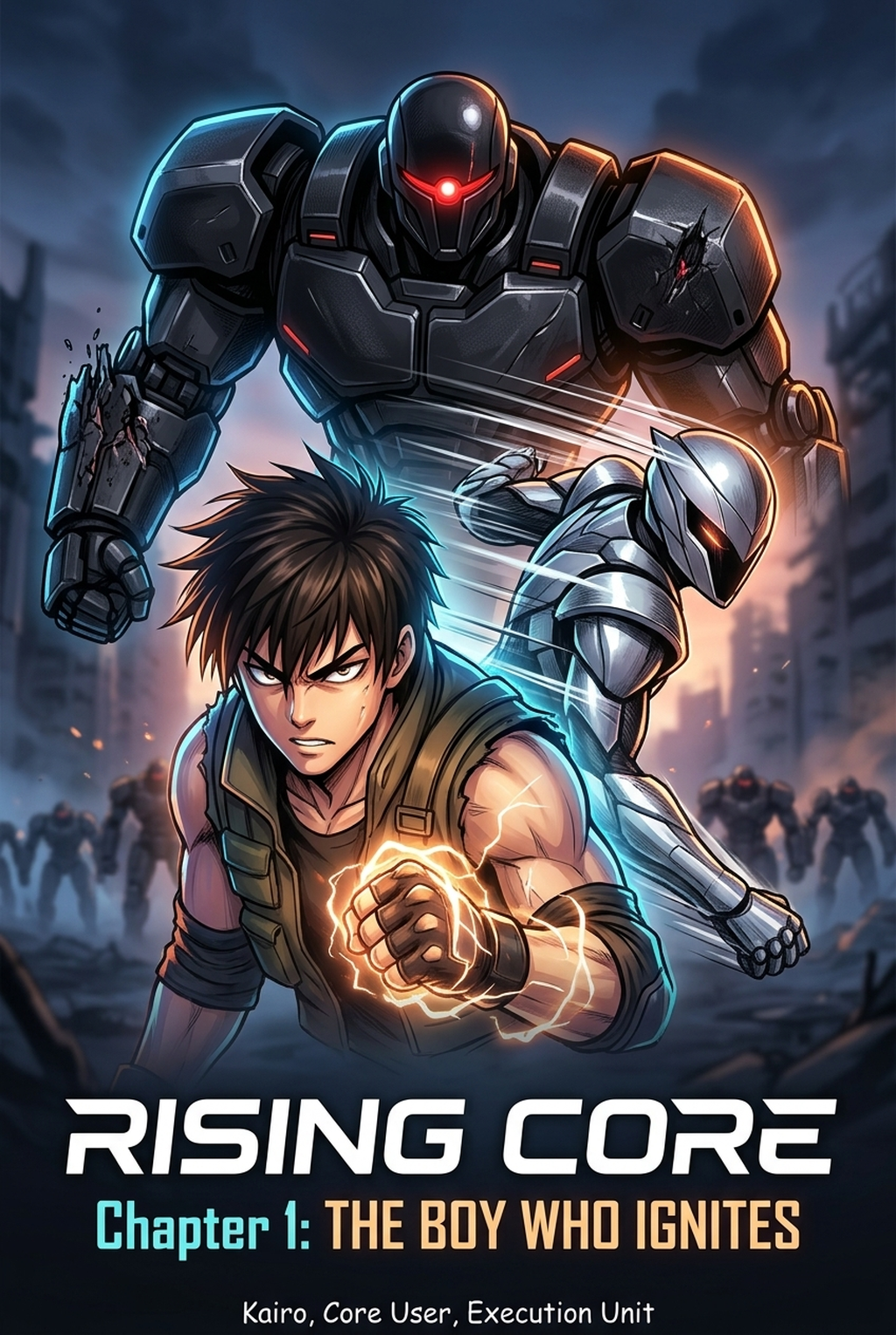
! Monochrome manga illustration showcasing intricate line art and screen tones - Scene 4 Fig. 4: High-contrast chiaroscuro lighting in dramatic shonen battle framing.
In stark contrast, an independent author utilizing a modern generative ecosystem like Mangaka.app functions as an autonomous showrunner. With real-time rendering, background synthesis, and automated formatting, a single creator can conceptualize, storyboard, render, and letter a 24-page chapter in a matter of days rather than months. Production expenditure decreases by upwards of 90%, while creative velocity multiplies tenfold. This structural efficiency democratizes sequential storytelling, allowing unconventional, diverse, and niche narratives to find their audience without requiring massive venture capital or publishing house gatekeeping.
Technical Nuance and Implementation Dynamics for Comparative Production Analysis: Traditional vs. AI-Assisted Workflows
Delving into the practical realities of sequential rendering, creators must carefully manage the interplay between prompt weighting, negative prompts, and latent diffusion guidance scales. When attempting to evoke nuanced emotional performance in sequential panels, micro-adjustments in keyword syntax yield dramatic shifts in compositional clarity. Utilizing explicit visual descriptors—such as specifying focal length (e.g., 'shot on 35mm lens, f/2.8 shallow depth of field'), direction of key light ('harsh rim light from the upper-left corridor'), and ink viscosity ('heavy textural brushwork with splattered sumi ink margins')—empowers the neural generation pipeline to synthesize scenes that adhere strictly to classical fine-art principles. Furthermore, integrating multi-pass inpainting workflows enables authors to surgically refine minute elements, such as character eye glints, intricate jewelry engravings, or background signage typography, without disturbing the validated compositional integrity of the wider panel.
In addition to aesthetic calibration, production efficiency necessitates rigorous asset management protocols. A seasoned comic showrunner organizes production into discrete computational passes: structural thumbnailing, character feature alignment, perspective environment generation, tone separation, and typographic mastering. By isolating each layer, creators can address editorial feedback or pivot narrative direction without discarding completed work. This modular methodology mirrors the division of labor found in high-end animation studios and commercial publishing houses, ensuring that long-term serialized projects maintain steady creative momentum across multi-year story arcs.
7. Ethical Authorship, Intellectual Property, and Global Distribution
As generative tools become ubiquitous across the creative sector, the discourse surrounding ethical authorship, original worldbuilding, and copyright protection has taken center stage. Sustainable digital creativity relies on respecting original artistry while celebrating technological innovation. Professional creators utilizing AI tools maintain strict governance over their character IP by designing bespoke visual bibles and authored screenplays. Rather than generating randomized derivative works, ethical practitioners utilize AI as an execution accelerator for unique intellectual properties that they independently conceived and scripted.
Furthermore, global distribution pathways have radically expanded. Platforms like WEBTOON, Tapas, Manga Plus Creators, and Amazon Kindle Direct Publishing have established straightforward avenues for indie authors to reach millions of international readers. By producing chapters at consistent weekly or bi-weekly intervals, AI-empowered creators can maintain the rigorous release schedules necessary to cultivate dedicated fanbases, secure Patreon subscriptions, and monetize their graphic storytelling through digital merchandising and print-on-demand licensing.
Technical Nuance and Implementation Dynamics for Ethical Authorship, Intellectual Property, and Global Distribution
Delving into the practical realities of sequential rendering, creators must carefully manage the interplay between prompt weighting, negative prompts, and latent diffusion guidance scales. When attempting to evoke nuanced emotional performance in sequential panels, micro-adjustments in keyword syntax yield dramatic shifts in compositional clarity. Utilizing explicit visual descriptors—such as specifying focal length (e.g., 'shot on 35mm lens, f/2.8 shallow depth of field'), direction of key light ('harsh rim light from the upper-left corridor'), and ink viscosity ('heavy textural brushwork with splattered sumi ink margins')—empowers the neural generation pipeline to synthesize scenes that adhere strictly to classical fine-art principles. Furthermore, integrating multi-pass inpainting workflows enables authors to surgically refine minute elements, such as character eye glints, intricate jewelry engravings, or background signage typography, without disturbing the validated compositional integrity of the wider panel.
In addition to aesthetic calibration, production efficiency necessitates rigorous asset management protocols. A seasoned comic showrunner organizes production into discrete computational passes: structural thumbnailing, character feature alignment, perspective environment generation, tone separation, and typographic mastering. By isolating each layer, creators can address editorial feedback or pivot narrative direction without discarding completed work. This modular methodology mirrors the division of labor found in high-end animation studios and commercial publishing houses, ensuring that long-term serialized projects maintain steady creative momentum across multi-year story arcs.
8. Technical Implementation: Step-by-Step Production Masterclass
To execute a professional-grade graphic chapter using Mangaka.app, creators follow an eight-stage technical methodology. Stage 1 involves narrative worldbuilding and character dossier creation, defining distinct physical identifiers, color palettes, and psychological profiles. Stage 2 consists of screenplay conversion, translating narrative text into detailed panel-by-panel descriptions with explicit camera instructions. Stage 3 utilizes the generative engine to draft thumbnail layouts, validating ocular flow and reading rhythm across double-page spreads. Stage 4 refines character consistency by applying character profile seeds and feature locks.
! Monochrome manga illustration showcasing intricate line art and screen tones - Scene 5 Fig. 5: Expressive eye reflections and subtle facial line work generated via AI.
Stage 5 focuses on environmental synthesis and perspective grounding, ensuring background scenery aligns mathematically with foreground camera angles. Stage 6 introduces inking pass refinement and tone balance, calibrating contrast ratios for flawless mobile and print readability. Stage 7 applies automated dialogue lettering, sound effect typography, and balloon placement. Finally, Stage 8 conducts full-resolution mastering, metadata injection, and format export (PDF, EPUB, or vertical webtoon strips). Following this rigorous protocol ensures that every published release meets the highest industrial benchmarks of visual excellence.
Technical Nuance and Implementation Dynamics for Technical Implementation: Step-by-Step Production Masterclass
Delving into the practical realities of sequential rendering, creators must carefully manage the interplay between prompt weighting, negative prompts, and latent diffusion guidance scales. When attempting to evoke nuanced emotional performance in sequential panels, micro-adjustments in keyword syntax yield dramatic shifts in compositional clarity. Utilizing explicit visual descriptors—such as specifying focal length (e.g., 'shot on 35mm lens, f/2.8 shallow depth of field'), direction of key light ('harsh rim light from the upper-left corridor'), and ink viscosity ('heavy textural brushwork with splattered sumi ink margins')—empowers the neural generation pipeline to synthesize scenes that adhere strictly to classical fine-art principles. Furthermore, integrating multi-pass inpainting workflows enables authors to surgically refine minute elements, such as character eye glints, intricate jewelry engravings, or background signage typography, without disturbing the validated compositional integrity of the wider panel.
In addition to aesthetic calibration, production efficiency necessitates rigorous asset management protocols. A seasoned comic showrunner organizes production into discrete computational passes: structural thumbnailing, character feature alignment, perspective environment generation, tone separation, and typographic mastering. By isolating each layer, creators can address editorial feedback or pivot narrative direction without discarding completed work. This modular methodology mirrors the division of labor found in high-end animation studios and commercial publishing houses, ensuring that long-term serialized projects maintain steady creative momentum across multi-year story arcs.
9. Comprehensive Comparison: Traditional Studio vs. Mangaka.app AI Workflow
| Evaluation Criteria | Traditional Manga Production | Standard Generic AI Prompts | Mangaka.app Dedicated Platform |
|---|---|---|---|
| Production Timeline (20p) | 3 to 6 weeks of studio labor | 5 to 7 days (unstructured) | 24 to 48 hours (end-to-end) |
| Character Visual Consistency | High (depends on artist fatigue) | Very Low (faces shift every image) | 100% Persistent (Identity Anchor Seed) |
| Sequential Layout Control | Manual pen-and-paper drafting | None (single static renders) | Intuitive Multi-panel Canvas Editor |
| Screentone & Inking Quality | Traditional Zipatone sheets | Blurry digital gradient noise | Authentic Moire-free Vector Screentones |
| Dialogue & Lettering | Separate typesetting department | Not supported natively | Automated Smart Balloon & Sound FX |
| Production Cost per Chapter | $1,500 – $4,500 USD | Variable API subscription costs | Over 90% Cost Reduction |
| Publishing Format Export | Manual slicing and scanning | Manual external assembly | Instant Vertical Webtoon & Print PDF |
10. Recommended Resources, Official Documentation, and Essential Links
To support your comic production journey, explore these verified platform capabilities and industrial standards:
Essential Platform Features (Internal Navigation):
- Discover the full capabilities of our generative comic suite at Mangaka Home .
- Begin converting your screenplays instantly using Mangaka Story Creator .
- Master character visual preservation with the Mangaka Character Design Hub .
- Explore thousands of serialized digital community releases on Mangaka Community Showcase .
- Review our flexible creator membership tiers via Mangaka Pricing & Plans .
Authoritative Industry References (External Authority):
- Gain deeper academic insight into sequential grammar on Wikipedia: Manga History & Aesthetics .
- Understand global digital comic distribution standards via W3C Digital Publishing Guidelines .
- Study the foundational principles of visual storytelling outlined in Wikipedia: Scott McCloud's Understanding Comics .
- Explore webcomic reading behaviors and technical optimization on MDN Web Responsive Image Guidelines .
- Research structured data standards for digital media on Schema.org FAQPage Specifications .
- Access comprehensive research on generative media and digital ethics via Electronic Frontier Foundation (EFF) .
11. Frequently Asked Questions (FAQ)
Can I publish and commercialize manga created with Mangaka.app on Amazon and Webtoon?
Yes, absolutely. Creators retain full commercial ownership and publishing rights over their original scripts and rendered graphic chapters generated through Mangaka.app, enabling direct distribution on platforms like Amazon Kindle, WEBTOON, Tapas, and printed editions.
How does Mangaka.app maintain character facial and costume consistency across hundreds of panels?
Mangaka.app utilizes advanced identity anchor vectors and persistent character profile seeds. Once a character model is established, the neural engine preserves distinct facial landmarks, hairstyles, and wardrobe elements regardless of angle or lighting.
Do I need any professional drawing or sketching experience to create a complete comic book?
No previous illustration experience is required. The platform operates on a director-led model where you write descriptive narrative prompts, script actions, and dialogue, while the AI synthesizes professional line work, inking, and screentones.
Can I export my finished comic in high-resolution formats suitable for physical print publishing?
Yes. Mangaka.app supports ultra-high-definition exports up to 300 to 600 DPI in standard print formats (CMYK-ready PDF, TIFF) as well as continuous vertical strip layouts optimized for mobile webtoon scrolling.
How long does it typically take to produce a standard 20-page serialized chapter?
While traditional studio production requires 3 to 6 weeks, an independent creator utilizing Mangaka.app can complete a full 20-page chapter within 24 to 48 hours, encompassing scripting, paneling, inking, and dialogue lettering.
Does Mangaka.app support multiple languages and regional cultural art styles?
Yes, the platform offers multi-lingual script translation and localized typography support across global markets, adapting visual aesthetics to match classic shonen, seinen, shojo, western indie comics, and webtoon formats seamlessly.
{
  "@context": "https://schema.org",
  "@type": "FAQPage",
  "mainEntity": [
    {
      "@type": "Question",
      "name": "Can I publish and commercialize manga created with Mangaka.app on Amazon and Webtoon?",
      "acceptedAnswer": {
        "@type": "Answer",
        "text": "Yes, absolutely. Creators retain full commercial ownership and publishing rights over their original scripts and rendered graphic chapters generated through Mangaka.app, enabling direct distribution on platforms like Amazon Kindle, WEBTOON, Tapas, and printed editions."
      }
    },
    {
      "@type": "Question",
      "name": "How does Mangaka.app maintain character facial and costume consistency across hundreds of panels?",
      "acceptedAnswer": {
        "@type": "Answer",
        "text": "Mangaka.app utilizes advanced identity anchor vectors and persistent character profile seeds. Once a character model is established, the neural engine preserves distinct facial landmarks, hairstyles, and wardrobe elements regardless of angle or lighting."
      }
    },
    {
      "@type": "Question",
      "name": "Do I need any professional drawing or sketching experience to create a complete comic book?",
      "acceptedAnswer": {
        "@type": "Answer",
        "text": "No previous illustration experience is required. The platform operates on a director-led model where you write descriptive narrative prompts, script actions, and dialogue, while the AI synthesizes professional line work, inking, and screentones."
      }
    },
    {
      "@type": "Question",
      "name": "Can I export my finished comic in high-resolution formats suitable for physical print publishing?",
      "acceptedAnswer": {
        "@type": "Answer",
        "text": "Yes. Mangaka.app supports ultra-high-definition exports up to 300 to 600 DPI in standard print formats (CMYK-ready PDF, TIFF) as well as continuous vertical strip layouts optimized for mobile webtoon scrolling."
      }
    },
    {
      "@type": "Question",
      "name": "How long does it typically take to produce a standard 20-page serialized chapter?",
      "acceptedAnswer": {
        "@type": "Answer",
        "text": "While traditional studio production requires 3 to 6 weeks, an independent creator utilizing Mangaka.app can complete a full 20-page chapter within 24 to 48 hours, encompassing scripting, paneling, inking, and dialogue lettering."
      }
    },
    {
      "@type": "Question",
      "name": "Does Mangaka.app support multiple languages and regional cultural art styles?",
      "acceptedAnswer": {
        "@type": "Answer",
        "text": "Yes, the platform offers multi-lingual script translation and localized typography support across global markets, adapting visual aesthetics to match classic shonen, seinen, shojo, western indie comics, and webtoon formats seamlessly."
      }
    }
  ]
}