What Is AI Manga Character Designer for Seinen Manga?
Reader expectations should shape how creators review pacing, expression, and genre clarity after generation. MyAnimeList manga news keeps that audience context visible, so Seinen pages should be judged by whether readers can follow the action, character role, and visual rhythm.
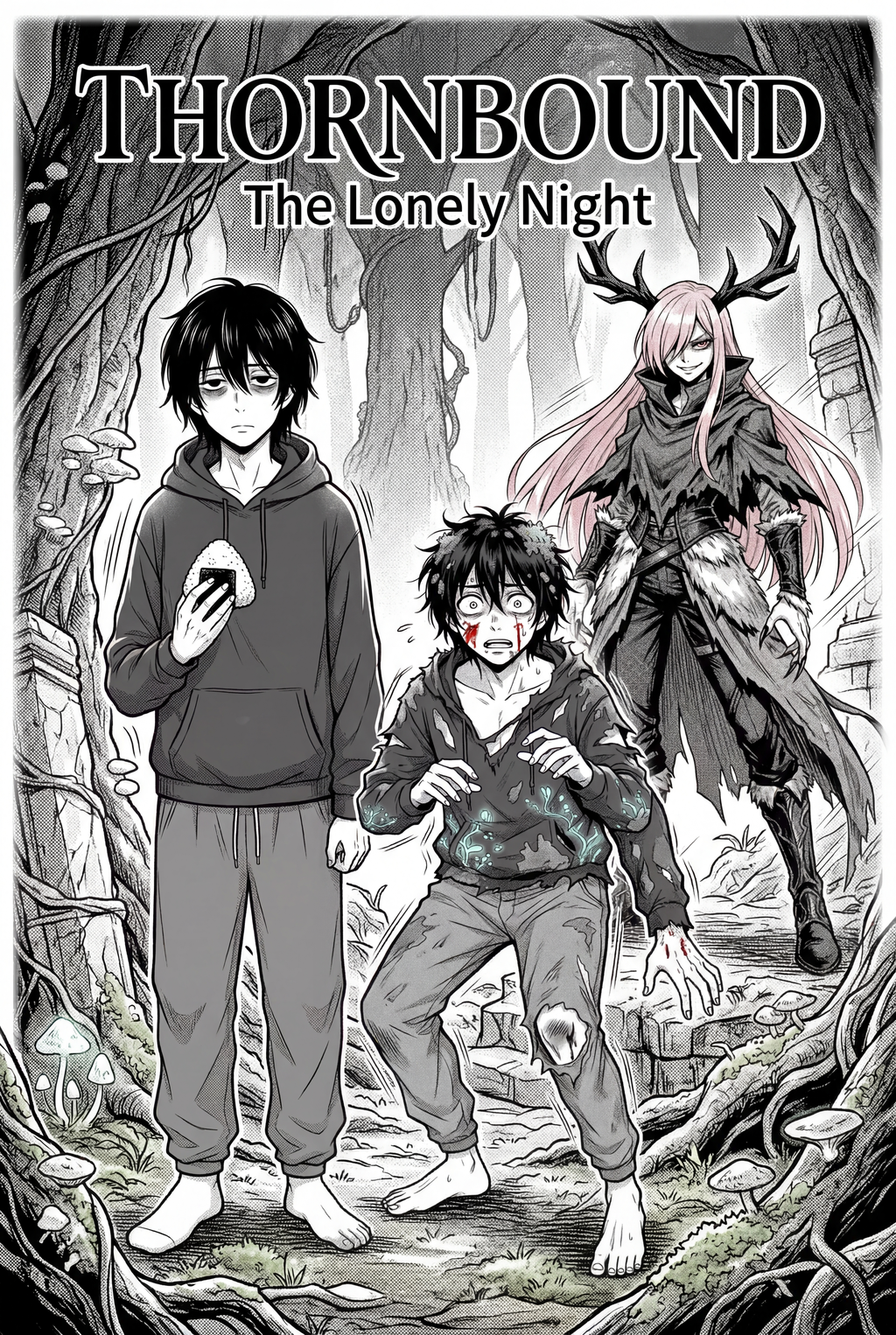
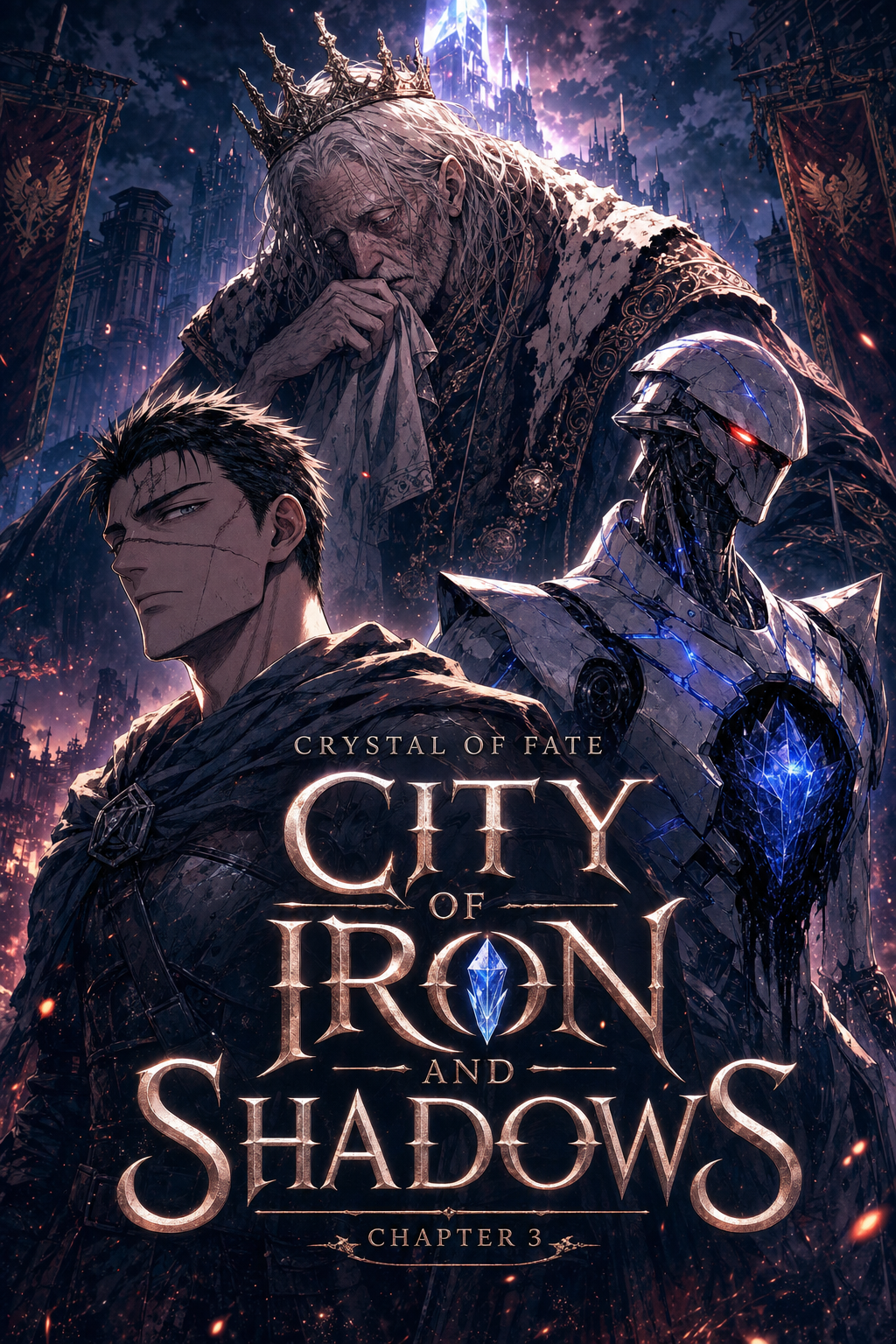
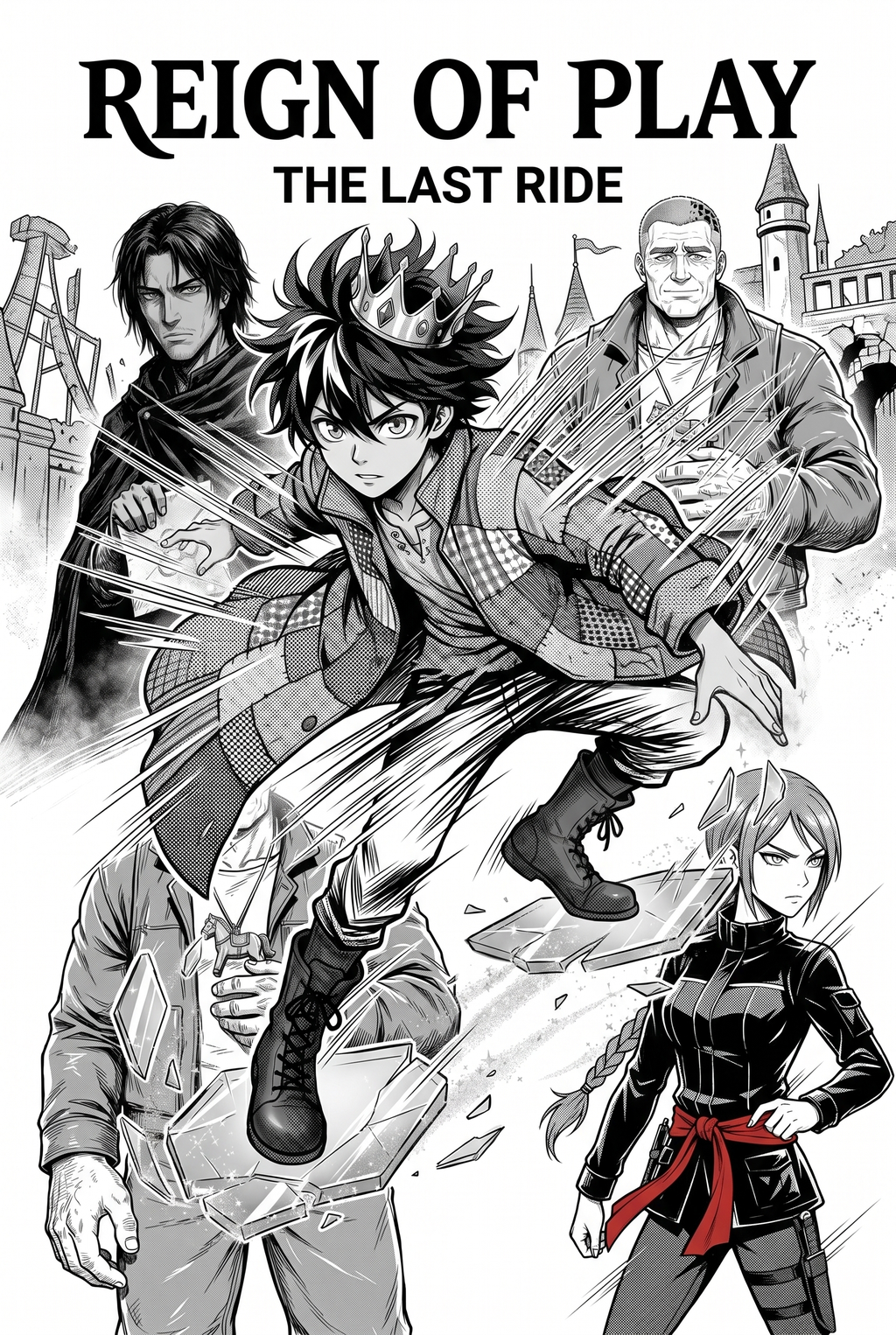
A useful manga workflow ties setup, review responsibility, and export conditions to the page a creator needs to finish. That keeps the decision focused on sketch cleanup, character intent, panel readability, and the publishing handoff. An AI manga character designer acts as a digital reference anchor, utilizing machine learning to generate consistent character sheets and expressions from text descriptions. These tools go beyond generic image synthesis by focusing on the specific anatomical proportions and grit-heavy aesthetic requirements inherent to the Seinen demographic.
Why AI Manga Character Designer Matters for Seinen in 2026
How AI Manga Character Designer Works for Seinen in Soft B&W Panels
Creators can test Seinen manga inking workflow with Mangaka with one rough sketch, one page goal, and one export target before they commit a full chapter. That keeps the product link tied to the real review path instead of a generic call to action.
You can achieve high-quality results by treating the AI as an extension of your own hand rather than a replacement for your creative vision. The goal is to establish a set of visual constraints that the engine respects across every generation. To maintain the specific soft B&W aesthetic, start by defining your character’s DNA"—their core silhouettes, scars, and outfit markings—in your initial creative brief. Once the AI generates the base character, use the persistent identity features to generate different angles and emotive states, ensuring that lighting remains consistent with your story's tone.
- Anatomical Anchoring: Always verify joints and hand proportions, as Seinen art demands a higher degree of anatomical accuracy than lighter genres.
- Contrast Balancing: Ensure your creative briefs specifically request "stippled shadows" or "soft-tone shading" to avoid the flat, high-contrast look common in basic AI models.
- Manual Review: Never treat the output as a final master file. Use these generations as underlays, tracing and refining the linework to ensure the line weight matches your existing panels, a standard practice discussed in industry guides on manga production .
Use Cases for Seinen Creators
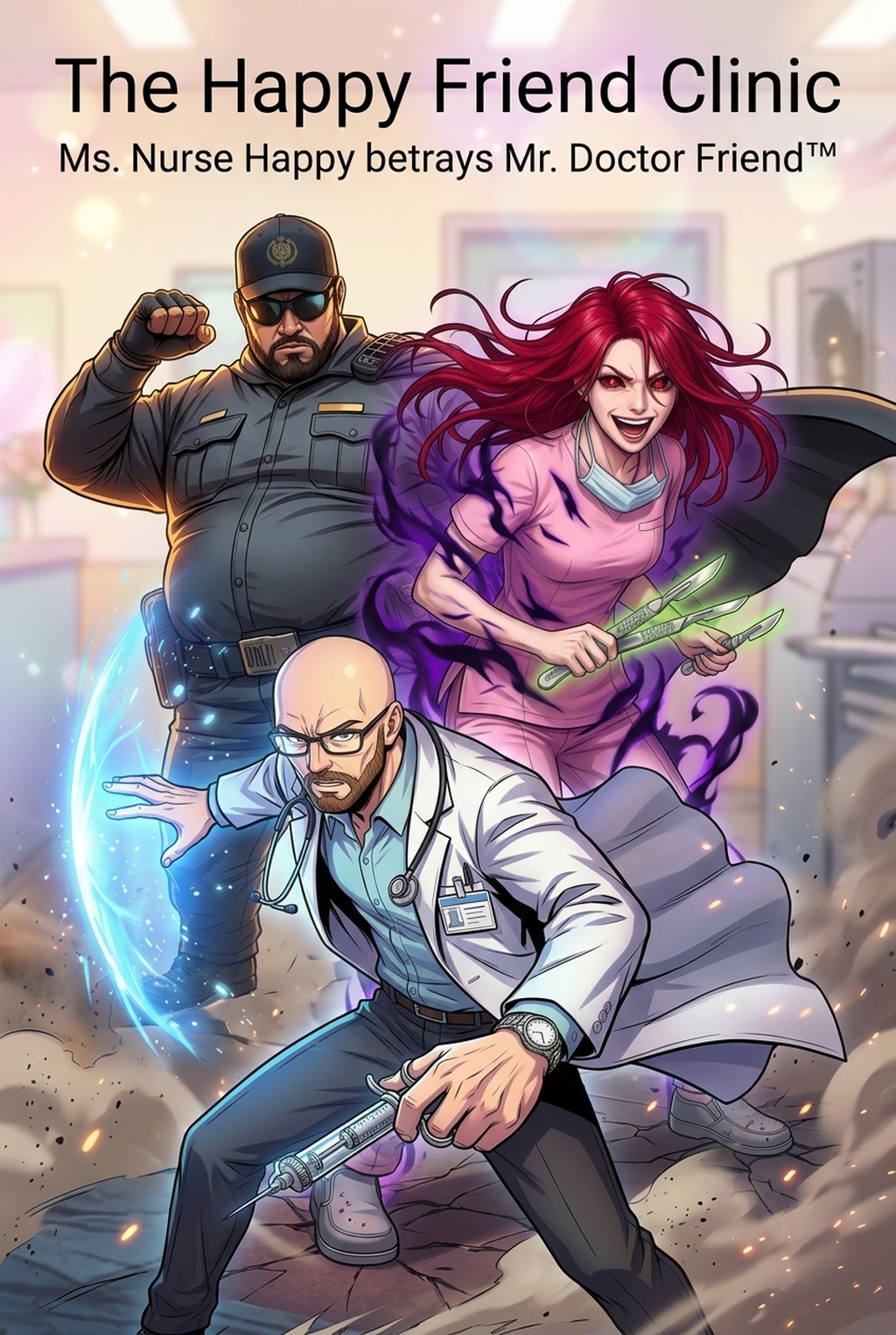
Use cases are strongest when the story goal, genre expectation, visual risk, and final export format are clear. A useful example names the page detail a creator checks before the page moves into lettering, coloring, or publishing. Beyond simple character design, these tools serve as a force multiplier for complex, detail-oriented storytelling.
- Complex Costume Continuity: Use the system to lock in highly detailed outfits, like tactical gear or historical uniforms, so they don’t change when the camera angle shifts. * Crowd and Background Character Population: Quickly fill out dense, urban Seinen environments with NPCs that follow the same art style as your main cast without slowing down your primary production. * Expression Sheet Development: Generate a wide range of intense, psychological reactions for your lead characters, which can be referenced during the penciling stage to keep the character's personality recognizable.
Step-By-Step Guide to Start with Mangaka
Hands-on drawing control still matters after an AI first pass because creators may need to adjust line weight, cleanup, and export settings. The Wacom comic and manga creation guide anchors that review in practical art production rather than broad AI-image claims. Mangaka Features and Export Review.
Start by preparing the creative brief, reference notes, character constraints, and export target before generation. The setup matters because a clearer brief gives the review pass something specific to judge: silhouette, expression, panel readability, and file readiness. You can integrate this tool into your existing production process in minutes by following three simple stages that prioritize your creative control.
- Sign up: Create your account to access the character design suite specifically optimized for manga-style output. 2.
Input Details: Paste your detailed character descriptions or upload a rough sketch to guide the model’s initial interpretation of your character's anatomy. 3. Generate and Refine: Generate your character sheets, download the high-resolution files, and import them directly into your drawing software for the final inking pass. Export quality depends on whether the creator can still adjust cleanup, line weight, and handoff settings after AI assistance.
Creators should define the scene goal, character references, page count, reading direction, and target Soft B&W panels. That gives AI Manga Character Designer enough context to support the story instead of producing disconnected panels. For visual quality, creators should check line weight, facial expression, pose clarity, panel order, and space for dialogue before export.
Those checks matter more for Seinen pages because action beats and emotional pauses need to read quickly. For comparison, a useful tool should save time without flattening the creator's style. The best choice keeps the first pass editable, makes revisions visible, and leaves final judgment with the artist. Creators can use each revision decision to clarify panel readability, character consistency, and export quality before publishing or sharing.
- For Production. Creators should keep a small reference sheet for recurring characters, outfits, props, and backgrounds. That makes it easier to compare generated pages and decide which panel needs a redraw.
- For Export. Creators should confirm the final PNG, PDF, or editable file can move into lettering, coloring, or layout cleanup without rebuilding the page. A clear export routine keeps the next chapter faster.
- For Team Review. Creators should separate story feedback from art feedback. One pass can focus on pacing, another on panel readability, and a final pass on file quality before publishing or sharing.
- For Style Control. Creators should compare the generated page against the intended genre mood rather than judging only technical polish. A clean page still needs the right energy, expression, and visual rhythm. Creators can use each revision decision to clarify panel readability, character consistency, and export quality before publishing or sharing.
- Production context. Anime News Network's manga production feature describes manga as staged work from rough draft to finished page. Use it to judge whether AI inking helps cleanup without weakening review.
Craft Gritty Realism and Nuanced Psychological Characters with Mangaka.app
Seinen manga narratives demand mature character proportions, weathered battle scars, subtle micro-expressions, and grounded psychological depth. Mangaka.app provides the dedicated sequential production engine built specifically for seinen manga and comic creators:
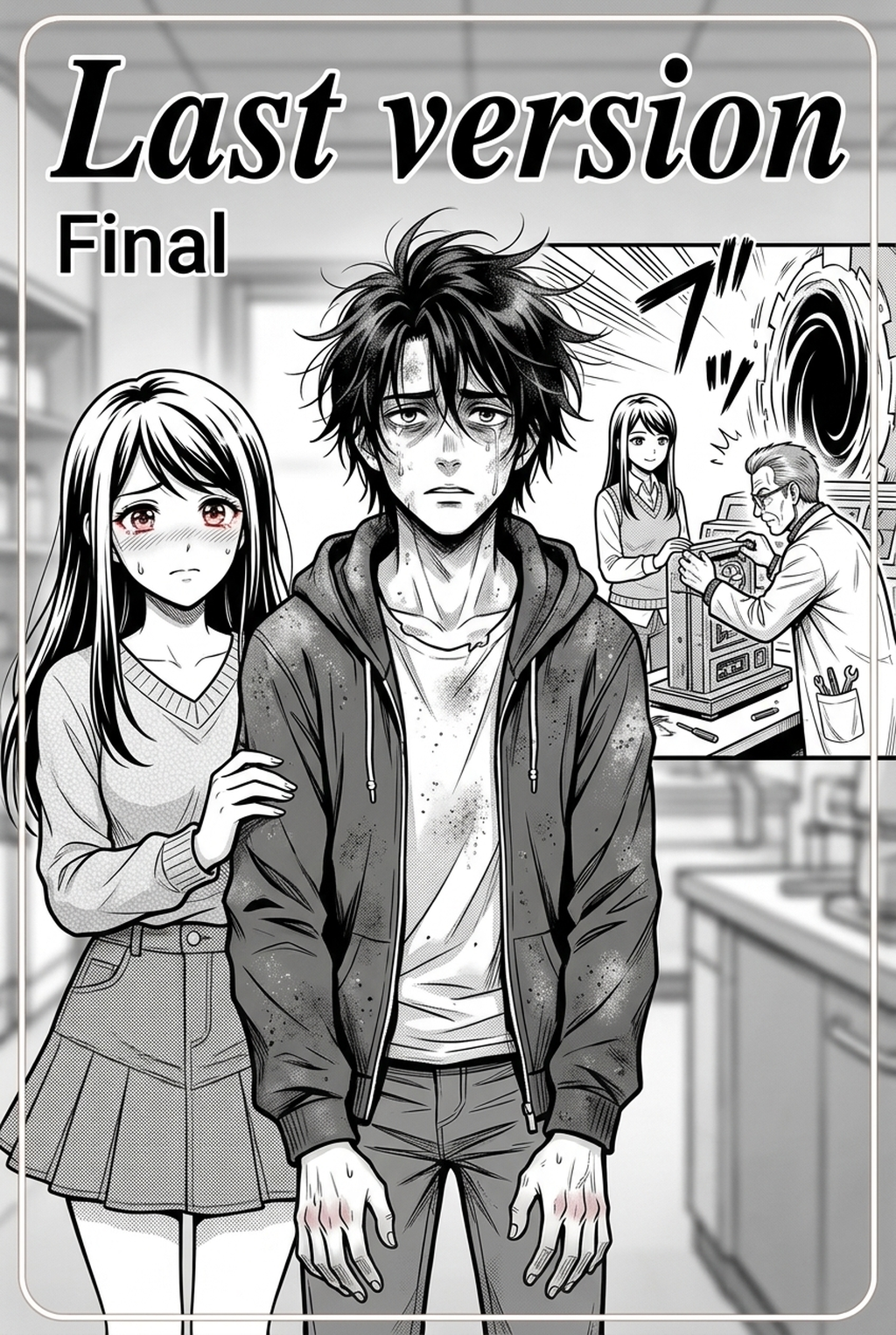
- Realistic Facial Weight & Battle Wear: Render weary eyes, rugged facial lines, and nuanced micro-expressions tailored for mature suspense.
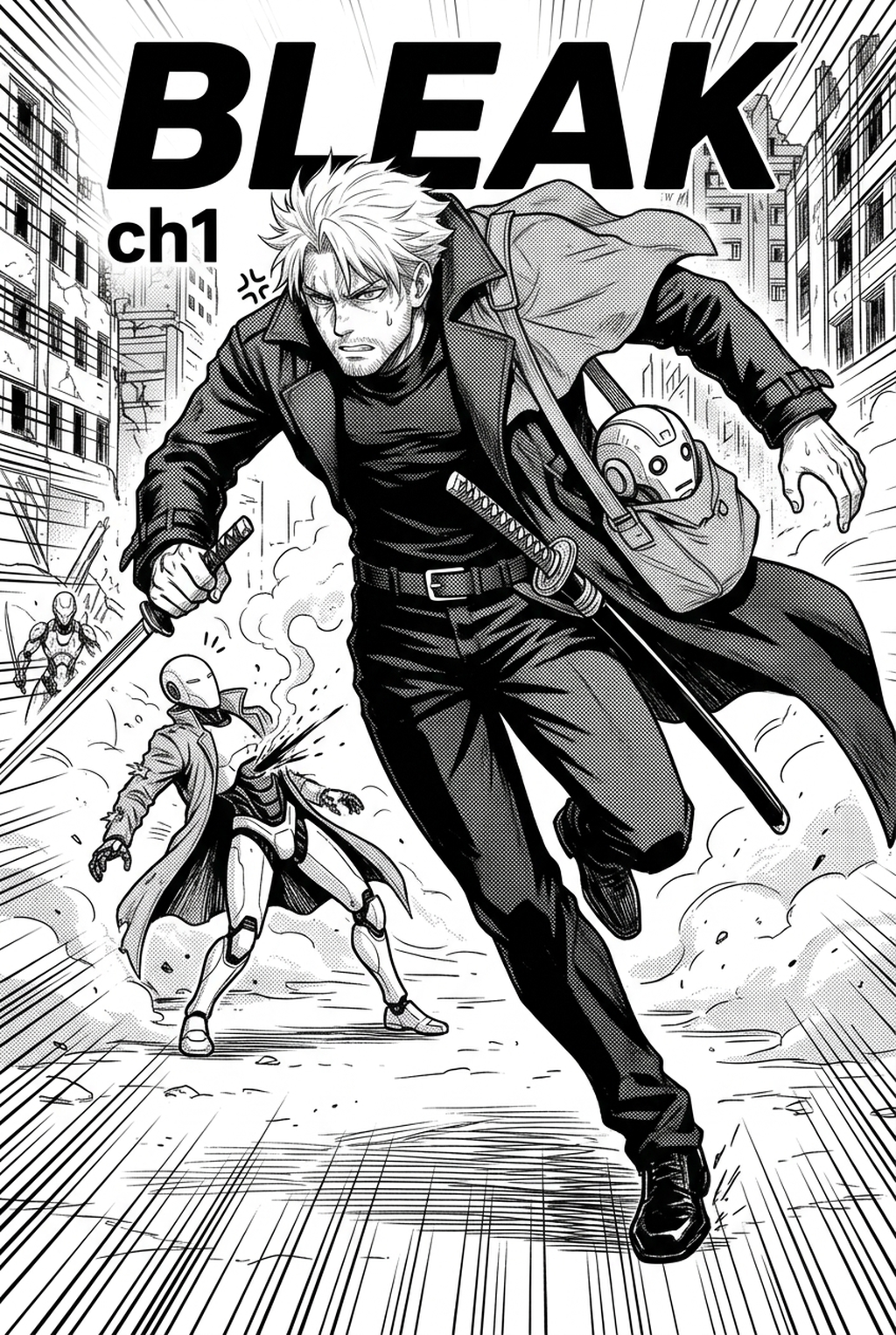
- Multi-Angle Gritty Character Turnarounds: Maintain precise musculoskeletal anatomy across complex low-angle, high-angle, and foreshortened combat poses.
- Detailed Tactical Wardrobe Continuity: Ensure combat rigs, period-accurate garments, and fabric wear remain flawlessly consistent across chapters.
- Authentic Noir & Hatch Inking Renders: Produce rich screentone densities and nuanced ink weight that elevate psychological graphic drama.
The Bottom Line
A useful creator workflow keeps the story goal, visual style, and review step clear before export. AI Manga Character Designer gives creators a faster first pass without removing the final human review. Start creating with AI Manga Character Designer for Seinen manga when you are ready to turn the reviewed idea into finished manga pages. Test it with one real page goal, one reference boundary, and one export requirement so the decision stays tied to production quality.