What Is AI Manga Character Designer for Shojo Manga?
Reader expectations should shape how creators review pacing, expression, and genre clarity after generation. MyAnimeList manga news keeps that audience context visible, so Shojo pages should be judged by whether readers can follow the action, character role, and visual rhythm.
The Anime News Network feature on how manga is made describes manga as staged work from rough draft to finished page. That production context matters for Shojo creators because AI assistance is useful only when the sketch, inking pass, and final page review stay connected.
A useful manga workflow ties setup, review responsibility, and export conditions to the page a creator needs to finish. That keeps the decision focused on sketch cleanup, character intent, panel readability, and the publishing handoff. An AI manga character designer acts as a digital reference engine that produces consistent, high-contrast black and white character sheets based on your specific narrative needs. It moves beyond standard image generation by utilizing specialized models trained on the distinct anatomy, large expressive eyes, and flowing line weights characteristic of the Shojo genre. Key features include persistent trait retention, pose-specific rendering, and native support for traditional screentone patterns.
Why AI Manga Character Designer Matters for Shojo in 2026
How AI Manga Character Designer Works for Shojo in High-Contrast B&W
Creators can test Shojo manga inking workflow with Mangaka with one rough sketch, one page goal, and one export target before they commit a full chapter. That keeps the product link tied to the real review path instead of a generic call to action.
Your creative workflow relies on clear, distinct lines that jump off the page without the need for color depth. Achieving this with digital tools requires a deliberate approach to line weight and contrast balancing. The effectiveness of your character sheets depends on how well the tool handles pure black-and-white ink work.
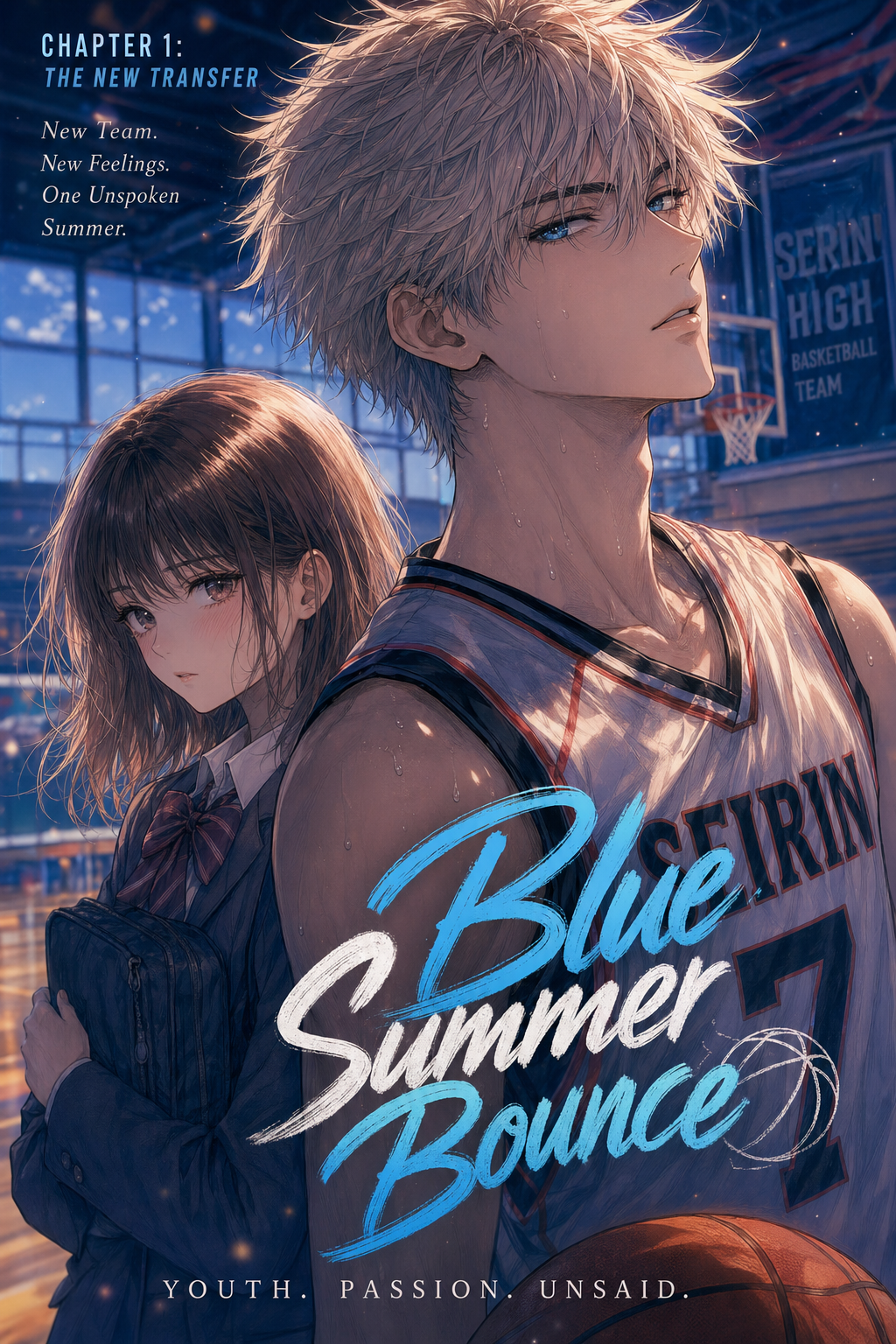
Unlike photo-realistic generators, a specialized Shojo tool prioritizes crisp edges and deliberate open spaces that allow for traditional screentone placement. When you define your character, focus on the silhouette; because Shojo manga relies heavily on emotive poses and elegant, flowing line work, ensure your descriptions emphasize hair movement and fabric folds, which are essential for maintaining the genre’s signature romantic visual language. Consistency is maintained by defining a "base design" that the tool references for every new expression or angle. Maintaining a stable "visual vocabulary" is critical for reader immersion; by locking in these traits, you ensure that your protagonist looks the same in a tense classroom scene as they do in a sweeping emotional reveal.
Use Cases for AI Manga Character Designer
Use cases are strongest when the story goal, genre expectation, visual risk, and final export format are clear. A useful example names the page detail a creator checks before the page moves into lettering, coloring, or publishing. - Consistent Protagonist Sheets: Quickly generate a 360-degree character turn-around or a grid of emotions (sad, blushing, determined) that matches your story’s specific art style.
- Background Character Variety: Populate busy festival or school scenes with unique background characters that share your world’s design language without spending hours sketching background extras. - Fashion and Costume Design: Experiment with various Shojo-style outfits—from period-accurate uniforms to elaborate ballgowns—while keeping the character’s physical proportions identical. - Panel Refinement: Generate specific, difficult-to-draw poses, such as perspective-heavy "shoujo-ai" embraces or intricate hair-flow shots, to use as high-fidelity underlays for your final ink work.
Step-By-Step Guide to Start with Mangaka
Hands-on drawing control still matters after an AI first pass because creators may need to adjust line weight, cleanup, and export settings. The Wacom comic and manga creation guide anchors that review in practical art production rather than broad AI-image claims. Line Quality Through Revision. Creators can use each revision decision to clarify panel readability, character consistency, and export quality before publishing or sharing. Start by preparing the creative brief, reference notes, character constraints, and export target before generation. The setup matters because a clearer brief gives the review pass something specific to judge: silhouette, expression, panel readability, and file readiness.
Workflow Fit for Creator Output
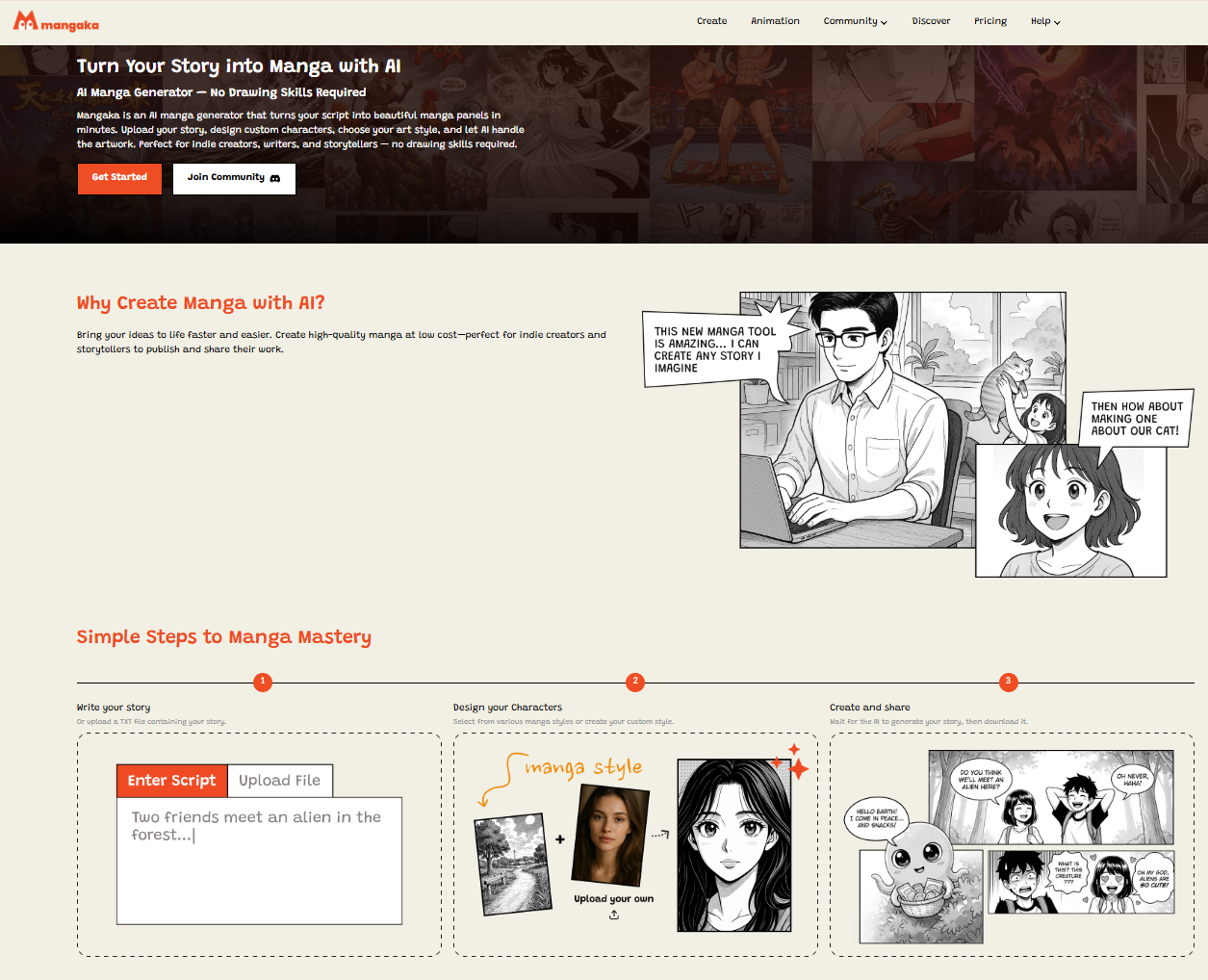
- Sign Up: Create your creator account to access your personalized design dashboard.
- Paste/Upload: Input your descriptive text or upload a rough sketch that defines your character’s key features and aesthetic.
- ) project. Release cadence belongs in the production context for manga tools. For creators, the useful product question is whether pages stay readable when schedule pressure rises. Export quality depends on whether the creator can still adjust cleanup, line weight, and handoff settings after AI assistance. Ties that point to drawing practice instead of broad AI-image claims.
Creators should define the scene goal, character references, page count, reading direction, and target High-contrast B&W. That gives AI Manga Character Designer enough context to support the story instead of producing disconnected panels. Creators should check line weight, facial expression, pose clarity, panel order, and space for dialogue before export. Those checks matter more for Shojo pages because action beats and emotional pauses need to read quickly. For comparison, a useful tool should save time without flattening the creator's style.
Review Controls Before Export
The best choice keeps the first pass editable, makes revisions visible, and leaves final judgment with the artist. For production, creators should keep a small reference sheet for recurring characters, outfits, props, and backgrounds. That makes it easier to compare generated pages and decide which panel needs a redraw.
Creators should confirm the final PNG, PDF, or editable file can move into lettering, coloring, or layout cleanup without rebuilding the page. A clear export routine keeps the next chapter faster. For team review, creators should separate story feedback from art feedback.
One pass can focus on pacing, another on panel readability, and a final pass on file quality before publishing or sharing. Creators can use each revision decision to clarify panel readability, character consistency, and export quality before publishing or sharing. For style control, creators should compare the generated page against the intended genre mood rather than judging only technical polish. A clean page still needs the right energy, expression, and visual rhythm.
Design Expressive Shojo Characters Consistently with Mangaka.app
Creating memorable shojo protagonists demands consistent fashion styles, intricate hairstyles, and highly expressive emotional range. Mangaka.app ensures perfect character fidelity:
- Locked Multi-Angle Turnarounds: Maintain exact facial proportions, eye shapes, and costume ornamentation across 360-degree panel angles.
- Rich Costume and Wardrobe Libraries: Switch effortlessly between school uniforms, period dresses, and modern casualwear while preserving character identity.
- Dynamic Emotional Expression Presets: Instantly render blushing flustered glances, tearful dramatic beats, and radiant comedic chibi smiles.
- Complete Character Model Sheets: Generate comprehensive turnaround sheets with clean turnarounds and detailed accessory close-ups.
For comic artists, manga creators, and indie publishers looking to elevate their production workflow, Mangaka.app provides an end-to-end AI creation suite with consistent character generation, automated komawari paneling, and professional 600 DPI monochrome inking.
The Bottom Line
A useful creator workflow keeps the story goal, visual style, and review step clear before export. AI Manga Character Designer gives creators a faster first pass without removing the final human review. Start creating with AI Manga Character Designer for Shojo manga when you are ready to turn the reviewed idea into finished manga pages. Test it with one real page goal, one reference boundary, and one export requirement so the decision stays tied to production quality.