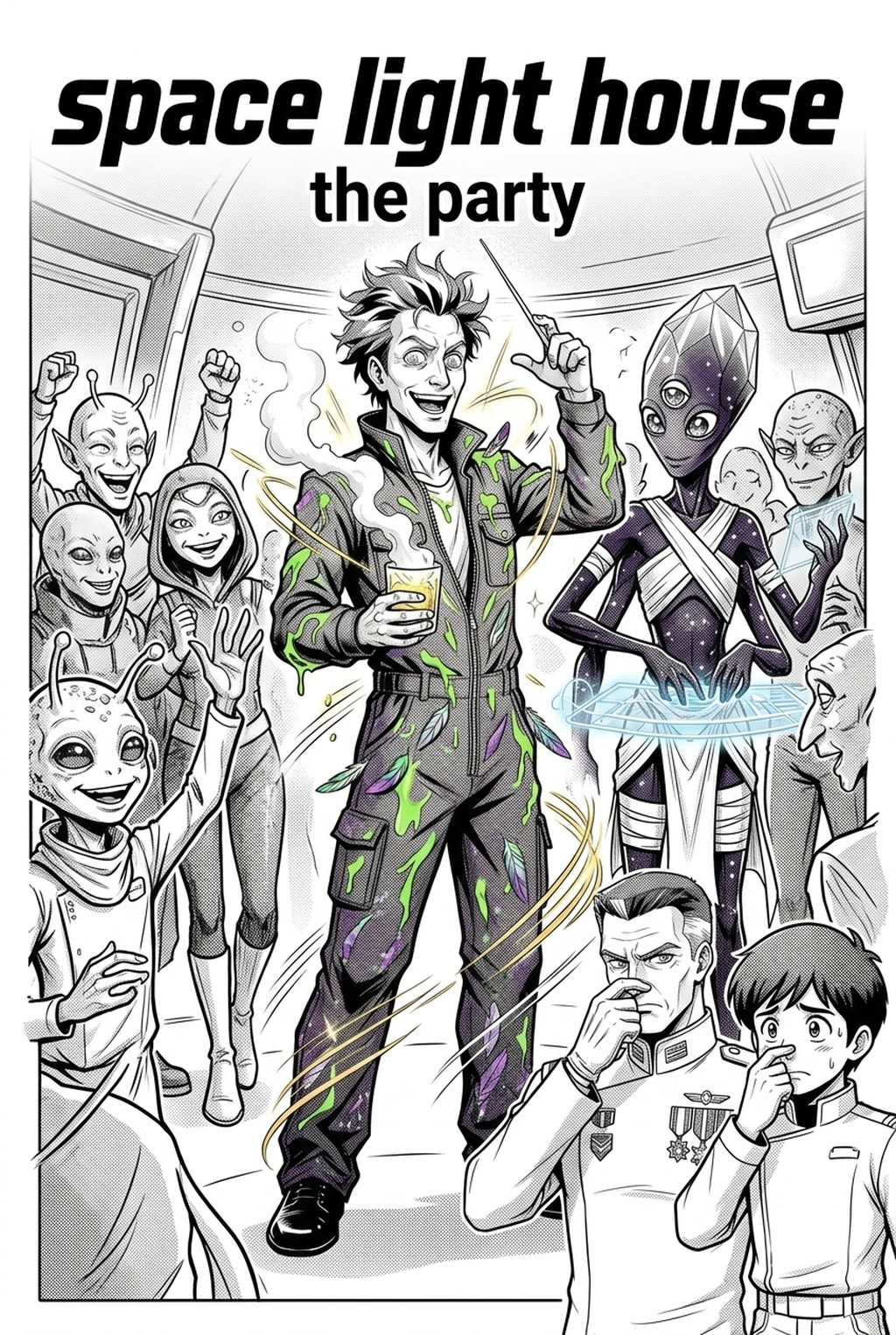
AI Manga Colorist: What Mangaka Brings to Serial Publishing Creators
The Anime News Network feature on how manga is made describes manga as staged work from rough draft to finished page. That production context matters for Slice of Life creators because AI assistance is useful only when the sketch, inking pass, and final page review stay connected.
AI Manga Colorist for Slice of Life manga helps creators choose the right Mangaka workflow for cleaner pages, steadier style, and review-ready output. You deserve a tool that treats your art with the same care you put into every stroke.
Workflow Fit for Creator Output
Your serial production schedule is demanding, leaving little room for tedious manual coloring of flat base layers. Mangaka integrates into your existing rhythm by accepting your high-resolution AI Manga Colorist for Slice of Life manga with Mangaka and applying color intelligence that understands the spatial depth of your scenes. By automating the foundational color blocking, you regain the bandwidth to focus on complex emotional beats and scene-specific shading that define your characters' growth.
Review Controls Before Export
Control is essential when your brand relies on a specific visual tone. Instead of a "one-click" approach that might wash out your finer details, the platform provides granular oversight. This ensures that the final export feels like a natural extension of your original creative vision.
Optimizing AI Manga Colorist Output for Serial Publishing
Beyond simple automation, you must consider how color affects the readability of your layouts. Slice of life titles benefit from consistent color palettes that establish mood without distracting from the narrative flow.
Creative Decisions and Export Quality
When you compare automated tools, you will find that general-purpose image editors often struggle with the specific line-weight variation found in traditional manga pens. While standard AI upscalers might smooth out your textures, Mangaka is engineered to recognize and protect the delicate pen pressure nuances that distinguish professional hand-drawn panels. By maintaining the distinction between character lines and background environmental elements, the coloring stays grounded in your original intent.
Workflow Fit and Review Needs
Every serialized page requires a level of consistency that ensures your cast looks the same from chapter one to the finale. When evaluating output, prioritize tools that allow for style-locking or custom palette mapping.
Use Cases
Creators should map each scenario to the panel goal, reference need, and revision limit before generating art. That keeps examples useful instead of turning them into another generic feature list.
Scenario Fit and Creator Goals
- Atmospheric Consistency: Maintaining a unified color identity across multiple scenes in a single chapter to emphasize the passage of time. * Volume Retrospectives: Refreshing early black and white chapters for digital re-releases or special deluxe editions. * Merchandising: Preparing specific key panels for posters or character goods where full-color renders are standard requirements.
Page Cases and Manga Genre Fit
It is important to acknowledge that AI coloring acts as a professional assistant rather than a replacement for artistic judgment. Manual intervention remains necessary for complex sequences, such as:
- Abstract or Dream Sequences: Where colors need to represent non-linear or emotional states that an AI cannot interpret. * Complex Character Interaction: Moments where multiple characters overlap in dense compositions, requiring specific layer separation that only you can define.
Pros & Cons
Creators need the page problem and review standard in view before choosing a workflow. For manga production, that means checking sketch cleanup, character consistency, panel readability, and export quality together.
Reader Impact Before Publishing
For this criterion, check character consistency, panel readability, line quality, and export readiness before publishing. Creators should also record why the page passed review, which panel details still need manual cleanup, and which export format the next collaborator will use. That makes the subsection useful instead of leaving a short checklist under a large heading.
Quality Checks Before Export
Before You Publish. Always verify the alignment of colors with your line art. Check for any color leakage into white spaces that are meant to signify negative space or bright light, which is common in minimalist slice of life aesthetics. Ensure that your text bubbles remain clear and that your color saturation doesn't compete with the legibility of your dialogue.
Publishing Checklist for Serial Publishing
A useful manga workflow ties setup, review responsibility, and export conditions to the page a creator needs to finish. That keeps the decision focused on sketch cleanup, character intent, panel readability, and the publishing handoff. * Export Resolution: Ensure your input files meet the 300-600 DPI standard for print and high-quality digital distribution.
- Layer Inspection: If working with layered files, verify that the color depth does not flatten the perceived distance between foreground characters and background settings. Release cadence belongs in the production context for manga tools. For creators, the useful product question is whether pages stay readable when schedule pressure rises.
Creators should define the scene goal, character references, page count, reading direction, and target Soft B&W panels. That gives AI Manga Colorist enough context to support the story instead of producing disconnected panels. For visual quality, creators should check line weight, facial expression, pose clarity, panel order, and space for dialogue before export.
Those checks matter more for Slice of Life pages because action beats and emotional pauses need to read quickly. For comparison, a useful tool should save time without flattening the creator's style. The best choice keeps the first pass editable, makes revisions visible, and leaves final judgment with the artist.
Creators can use each revision decision to clarify panel readability, character consistency, and export quality before publishing or sharing. For production, creators should keep a small reference sheet for recurring characters, outfits, props, and backgrounds. That makes it easier to compare generated pages and decide which panel needs a redraw. A clear export routine keeps the next chapter faster.
- Reader expectations. MyAnimeList manga news keeps genre expectations visible for readers who scan action, character acting, and page rhythm quickly. Shonen inking should preserve panel clarity, not just cleaner lines.
- Drawing practice. Wacom's comic and manga creation guide ties tool choice to brush control, cleanup effort, and export readiness. That keeps review grounded in creator workflow.
Craft Warm Pastel Tones and Cozy Everyday Ambience with Mangaka.app
Slice of life coloring relies on gentle pastel aesthetics, warm golden-hour lighting, soft watercolor textures, and welcoming domestic palettes. Mangaka.app provides the dedicated sequential production engine built specifically for slice-of-life manga and comic creators:
- Comfort-Tone Watercolor & Copic Shading: Simulate soft analog watercolor washes and delicate marker gradients effortlessly.
- Golden Hour & Seasonal Lighting Profiles: Apply seasonal daylight filters—from springtime cherry blossom pinks to cozy autumn amber warmth.
- Subtle Character Skin & Clothing Tones: Soften contrast for friendly, approachable character rendering with natural blushing and highlights.
- Effortless Multi-Panel Flatting: Accelerate episodic daily comic production by auto-filling color flats with zero manual lassoing.
The Bottom Line
A useful coloring pass keeps the story goal, visual style, and review step clear before export. AI Manga Colorist gives creators a faster first pass without removing the final human review. Start creating with AI Manga Colorist for Slice of Life manga when you are ready to turn the reviewed idea into finished manga pages. Test it with one real page goal, one reference boundary, and one export requirement so the decision stays tied to production quality.