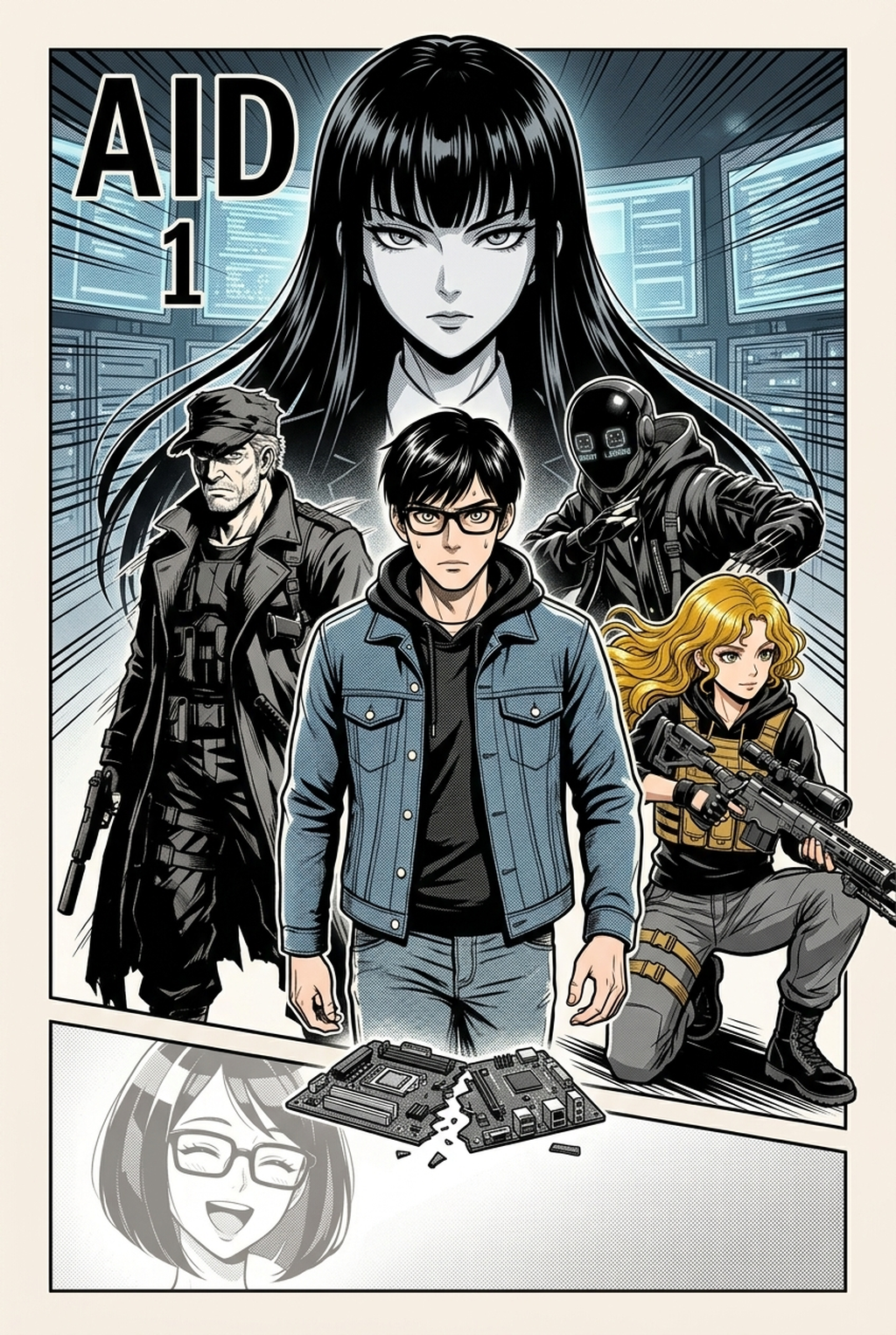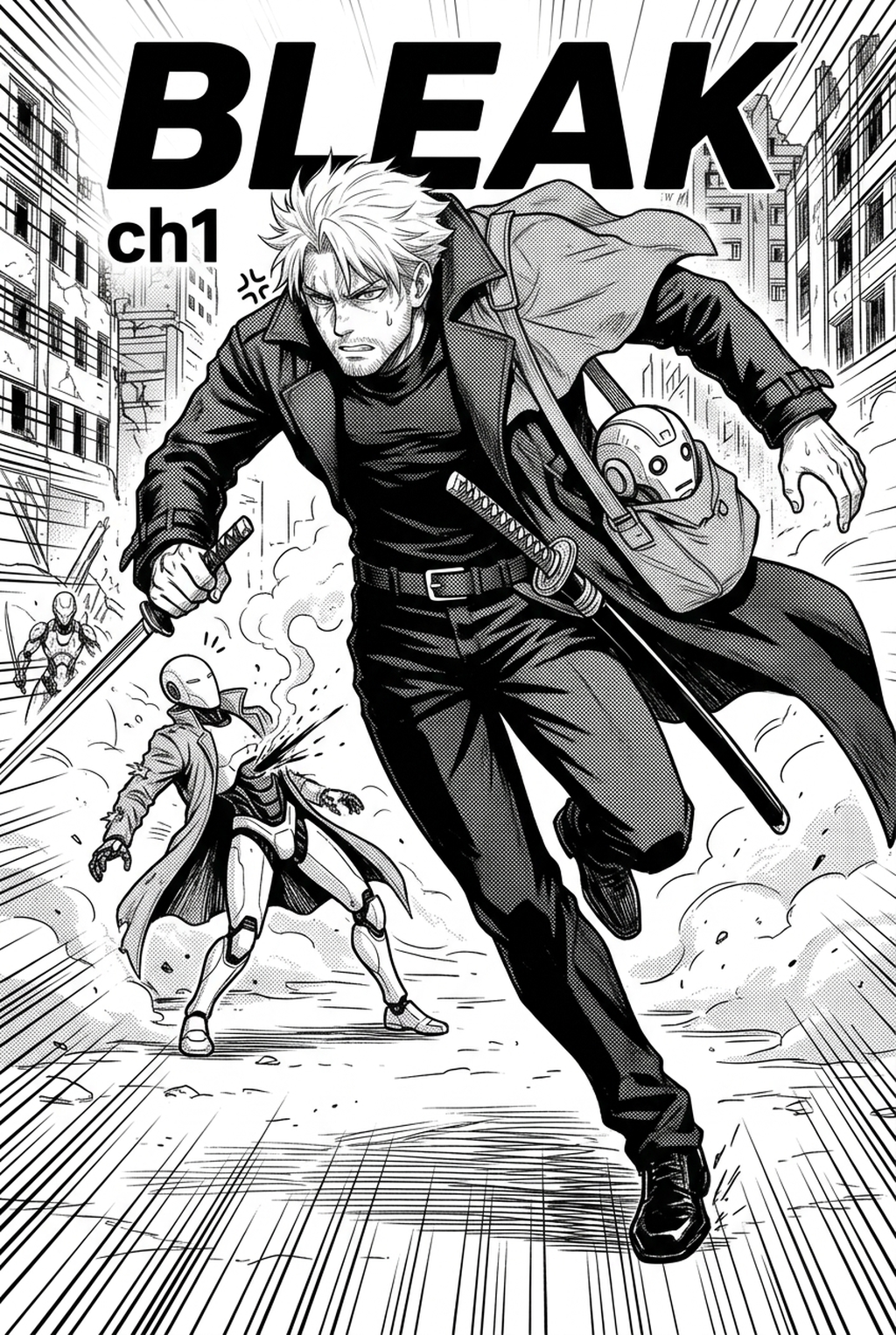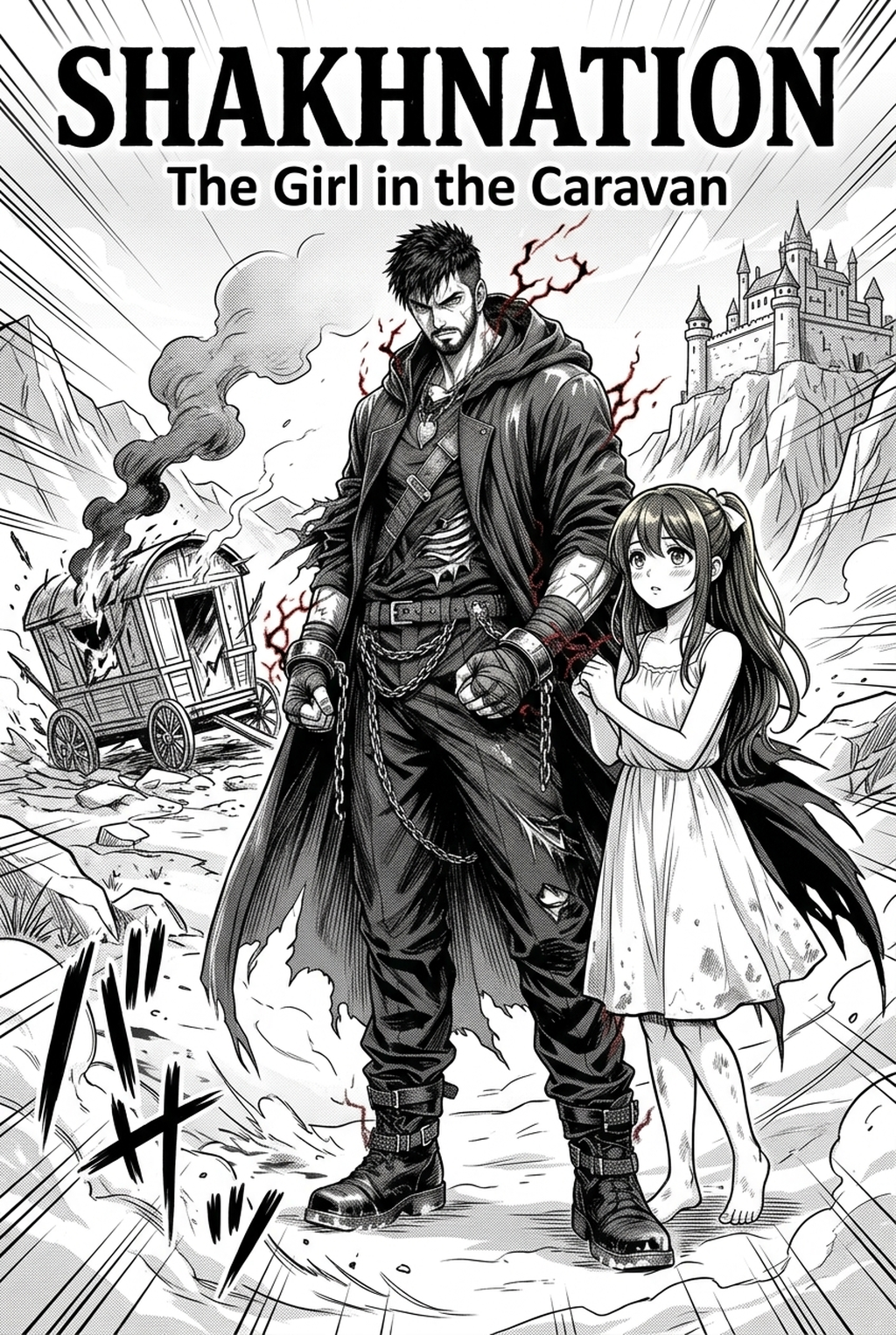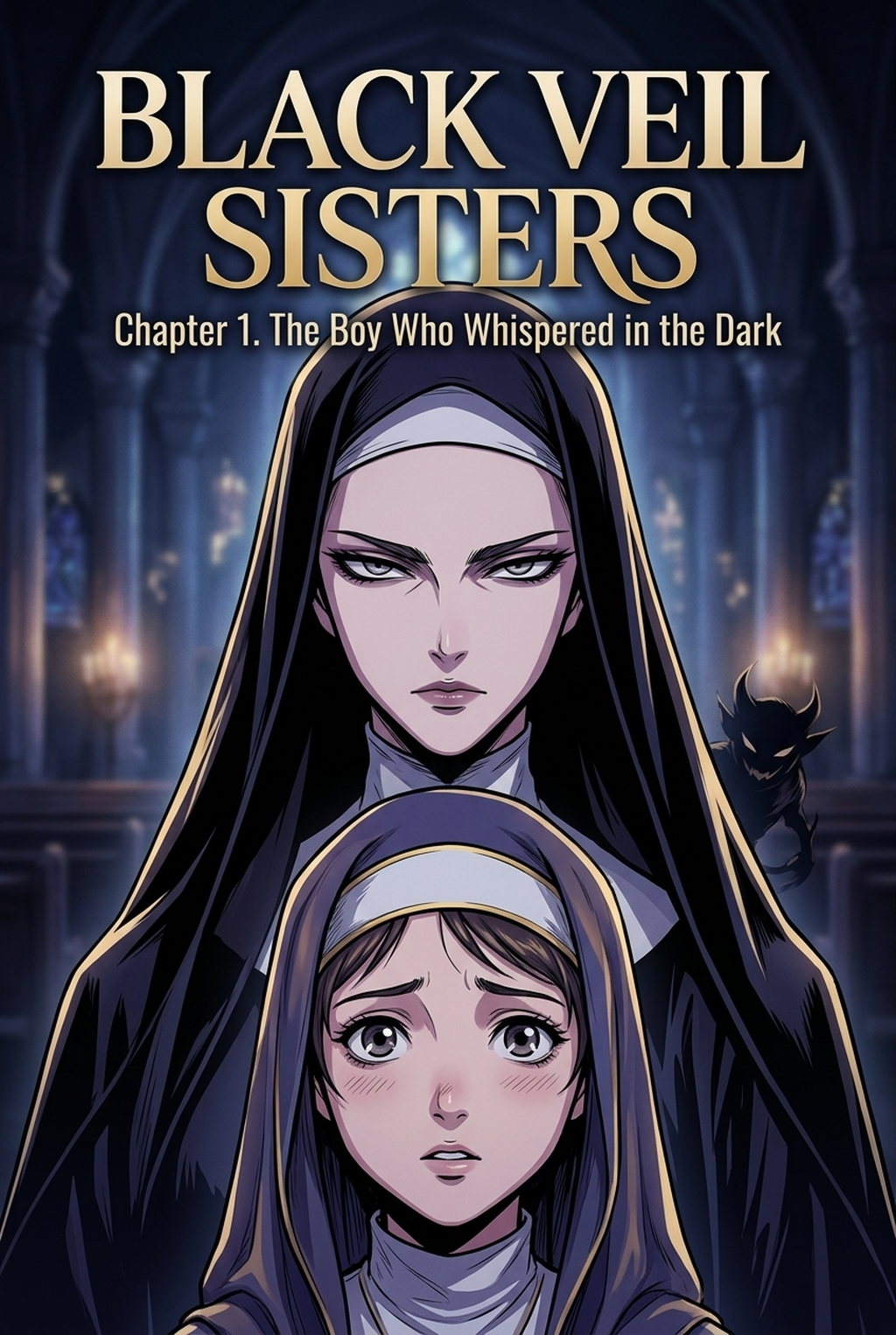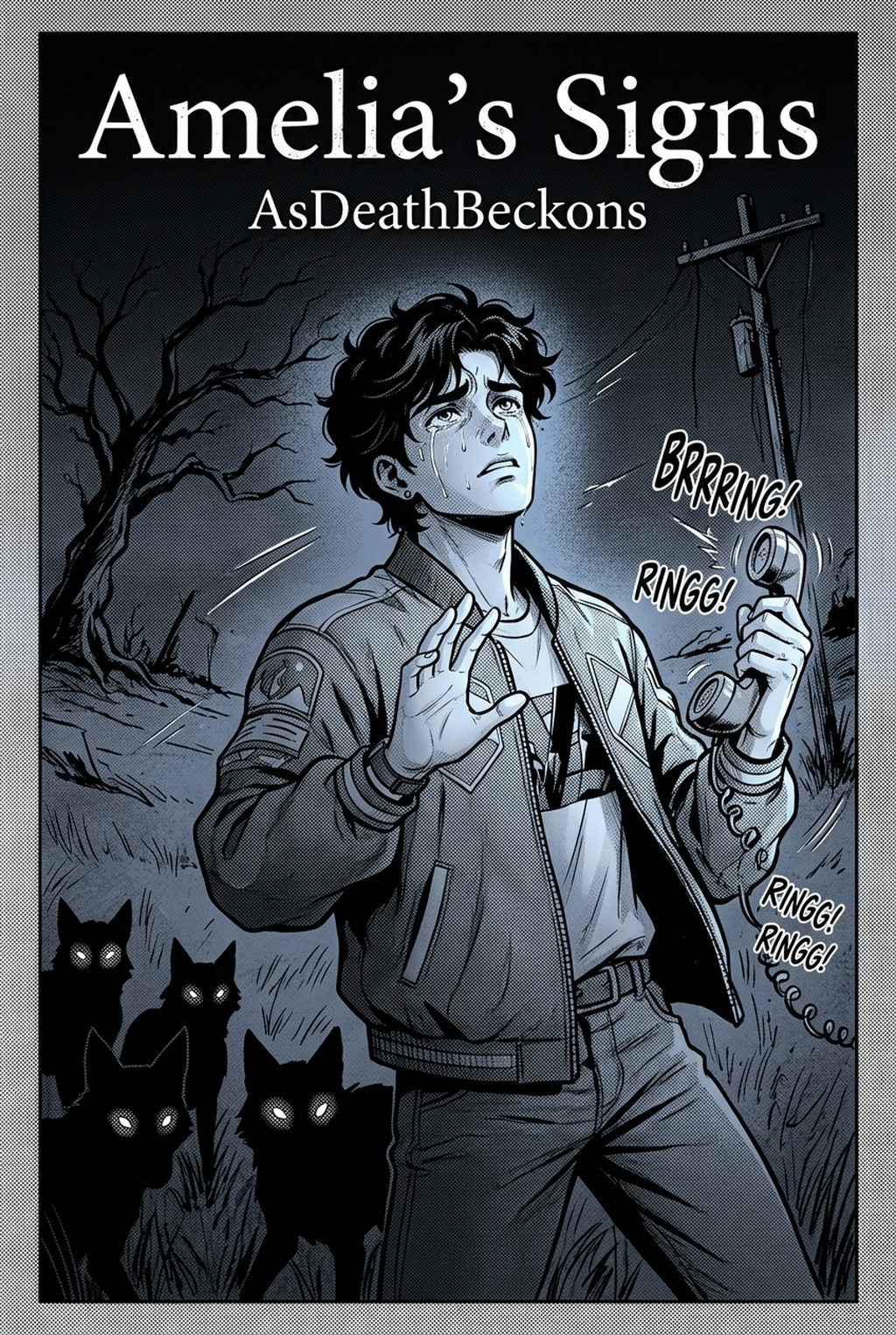
Indie creators producing chilling narratives often find that using an AI Manga Inker for Horror manga significantly cuts production time, allowing for more focus on unsettling composition and shadow placement. When your workflow relies on capturing the precise tension of a ghost encounter or a psychological thriller, the transition from messy pencil sketches to refined, professional-grade line art is the most time-consuming bottleneck. By delegating the repetitive inking process to specialized tools, you can ensure your soft B&W panels maintain a cohesive visual rhythm throughout your series.
What Is AI Manga Inker for Horror Manga?
AI Manga Inker workflow refers to a specialized software solution designed to scan pencil sketches and automatically convert them into clean, crisp black-and-white line art while respecting the subtle gradients of soft shading. This technology functions by identifying the underlying strokes of an artist's drawing and rendering them into high-resolution paths that mimic traditional dip-pen line weights. For horror artists, this is critical; the AI must differentiate between the sharp outlines of a character’s face and the atmospheric, hazy gray tones often used to indicate fog, shadows, or supernatural decay.
Key features include adjustable stroke sensitivity, which allows the artist to dictate how much "noise" from the sketch is preserved, and automatic layer separation for tones. Because horror storytelling relies heavily on negative space and high-contrast visuals, a reliable inker must handle thin, wispy hair lines just as effectively as the heavy, jagged outlines of an encroaching monster. This Horror manga inking workflow with Mangaka technology ensures that your final page retains the organic, hand-drawn soul of your initial sketch while meeting the strict demands of digital publication.
Why AI Manga Inker Matters for Horror in 2026
Creators in 2026 face unprecedented pressure to maintain consistent, high-frequency release schedules, yet horror manga requires a meticulous level of detail in shadow and texture that can stall progress. Traditional inking is a linear, time-intensive process where every panel demands total focus to avoid smudges or uneven line-weight drift. When you utilize an automated inker, you shift your energy from mechanical tracing to the creative decisions that define your genre, such as panel pacing and the framing of shocking reveals.
On digital workflows, the integration of automation into the drafting phase is a standard evolution for independent creators aiming to sustain long-term serializations. By removing the physical labor of line-weight adjustment, you effectively eliminate the most common cause of "artist burnout" in the indie scene. This shift allows a solo creator to produce a weekly horror update that looks like it received dozens of hours of studio-level attention. The tool serves as an extension of your own hand, cleaning up stray pencil marks and standardizing the aesthetic of your dark, moody environments without sacrificing the original intent of your character expressions.
How AI Manga Inker Works for Horror in Soft B&W Panels
The process of inking your horror pages involves a blend of advanced image processing and artistic direction, ensuring your soft B&W panels retain their specific, haunting mood. First, your pencil sketches are uploaded as high-resolution images, where the tool analyzes the intensity of your graphite strokes to determine where heavy ink lines should be placed. During this conversion, the system intelligently distinguishes between sharp contours—essential for character eyes and mouths—and softer, diffuse textures that are staples of horror art.
Consistency is the primary consideration during this phase of production. To keep your work recognizable, the AI applies a consistent line weight that mimics a uniform nib size, ensuring that a character’s silhouette remains identifiable regardless of the panel's proximity or lighting conditions. This creates a balanced visual flow across the entire chapter, preventing the "drift" that occurs when an artist grows tired and manually varies their line pressure toward the end of a long work session. For those interested in seeing these capabilities firsthand, you can explore the Horror manga inking workflow with Mangaka to understand how your own sketches translate into finalized frames.
Use Cases for AI Manga Inker
Horror artists leverage automated inking in various ways to elevate their storytelling, particularly when time is scarce and the need for atmosphere is absolute. This keeps the review focused on story intent, line weight, panel readability, and the export quality behind the final AI Manga Inker output.
- Atmospheric Backgrounds: Horror depends on decaying, detailed environments. Automated inking handles the intricate patterns of cracked walls or tangled, skeletal trees that would take hours to ink manually. * Monster and Creature Design: Intricate textures like scales, oozing slime, or jagged fur can be automatically rendered into distinct line art. This ensures your creatures remain intimidating and detailed even in quick action panels. * Sequential Pacing: During fast-paced chase sequences, automated inking allows for the rapid generation of multiple panels. This keeps the reader trapped in the intensity of the scene without the creator having to pause for tedious line cleanup.
Step-By-Step Guide to Start with Mangaka
Getting started with Mangaka is a straightforward process designed to integrate seamlessly into your existing drawing routine. App to access your free trial without needing a credit card. 2. Paste your script details or upload your rough pencil sketches directly to the editor. 3. Generate your manga page using the AI engine and download the high-quality, inked result for your final edit.
Creators should compare the generated line art with the original sketch and confirm that facial expressions, props, speed lines, and speech-bubble space still support the scene. Creators can use each revision decision to clarify panel readability, character consistency, and export quality before publishing or sharing.
The Bottom Line
Transforming the way you produce your horror manga doesn't have to mean sacrificing your unique artistic vision. By utilizing a specialized AI tool to handle the mechanical burden of inking, you can dedicate more time to the complex framing and atmospheric world-building that define the genre. Whether you are working on a short supernatural one-shot or a long-form series, automating your line work ensures your production stays on schedule without sacrificing quality. Horror manga inking workflow with Mangaka and see how it transforms your sketches into professional manga panels.