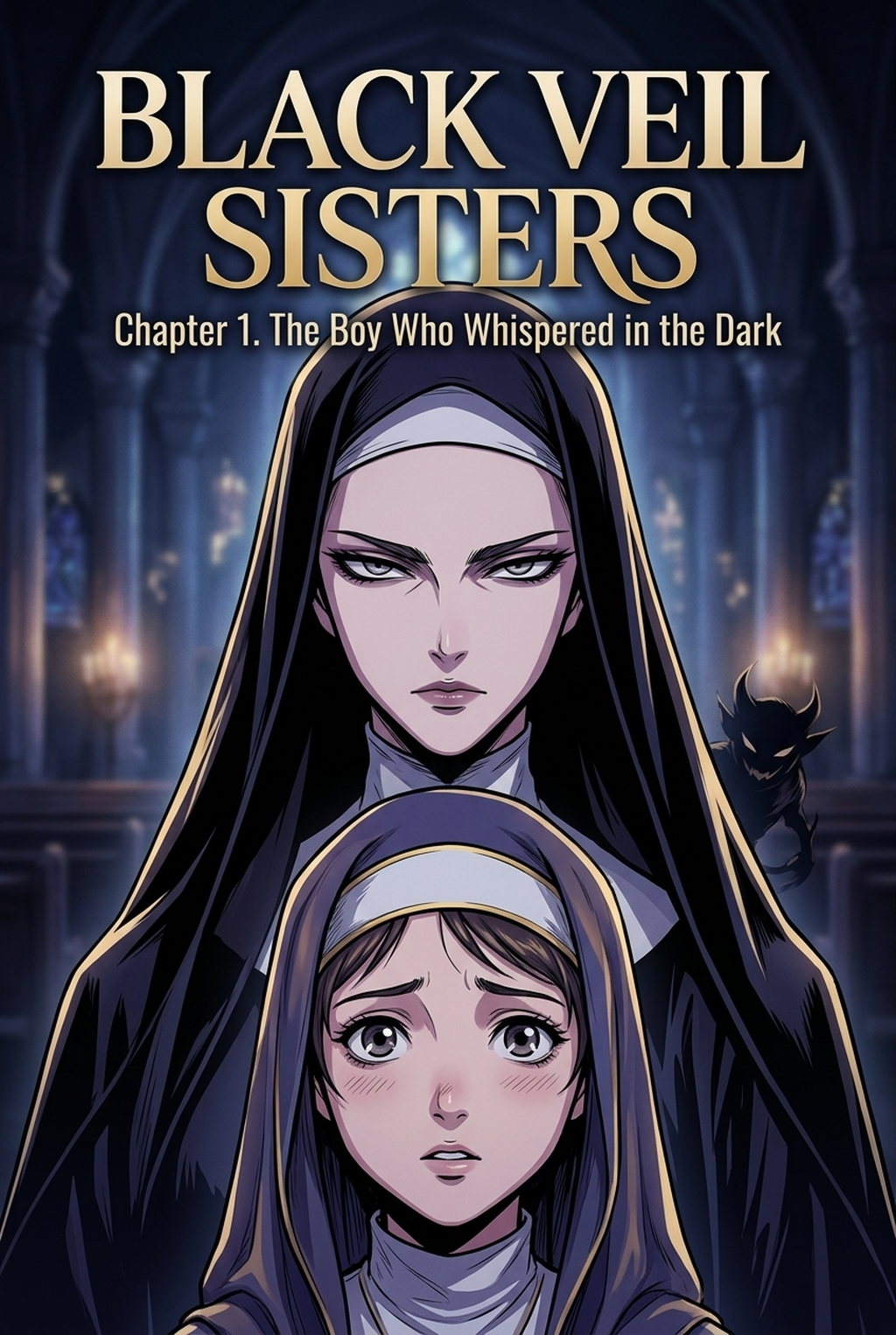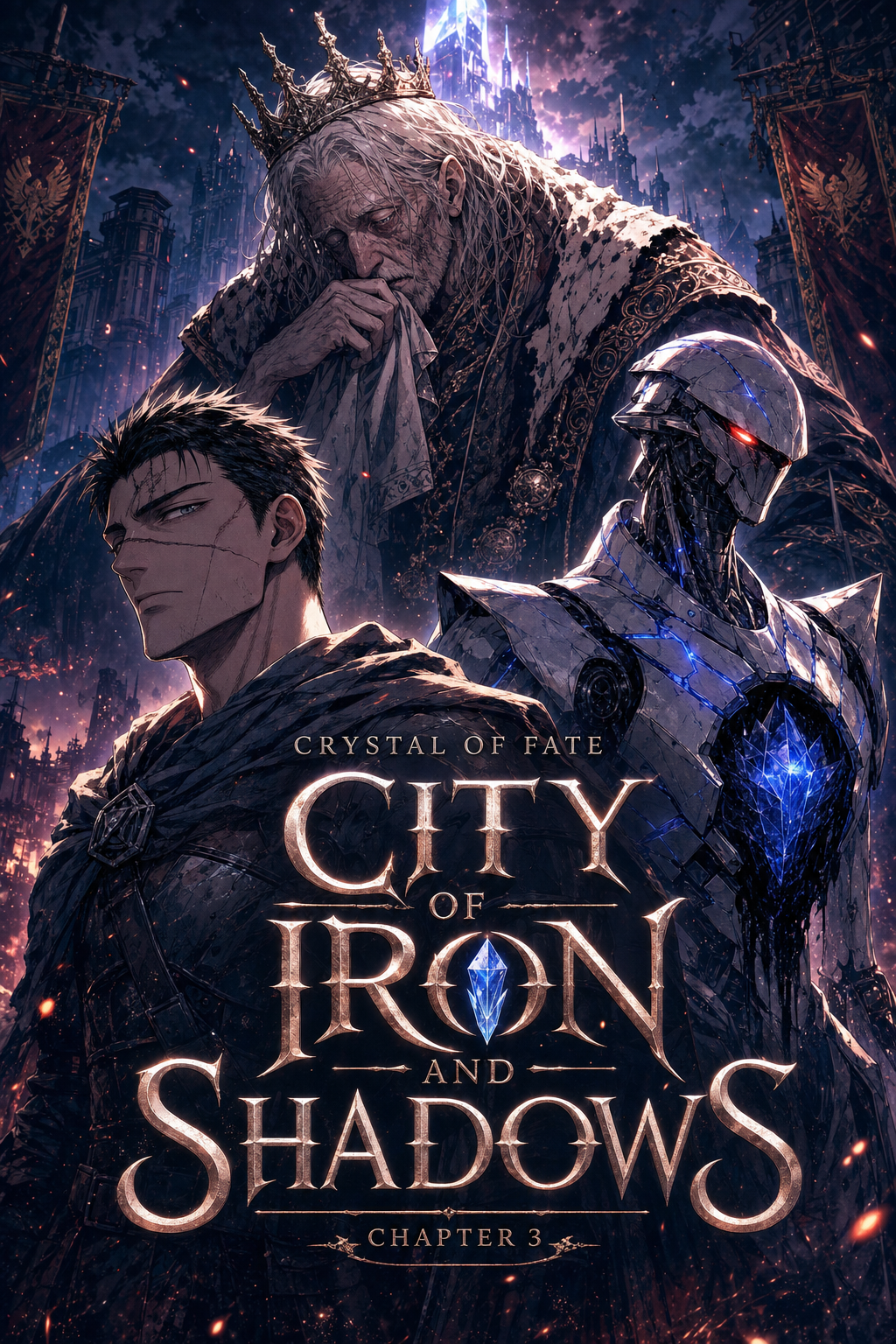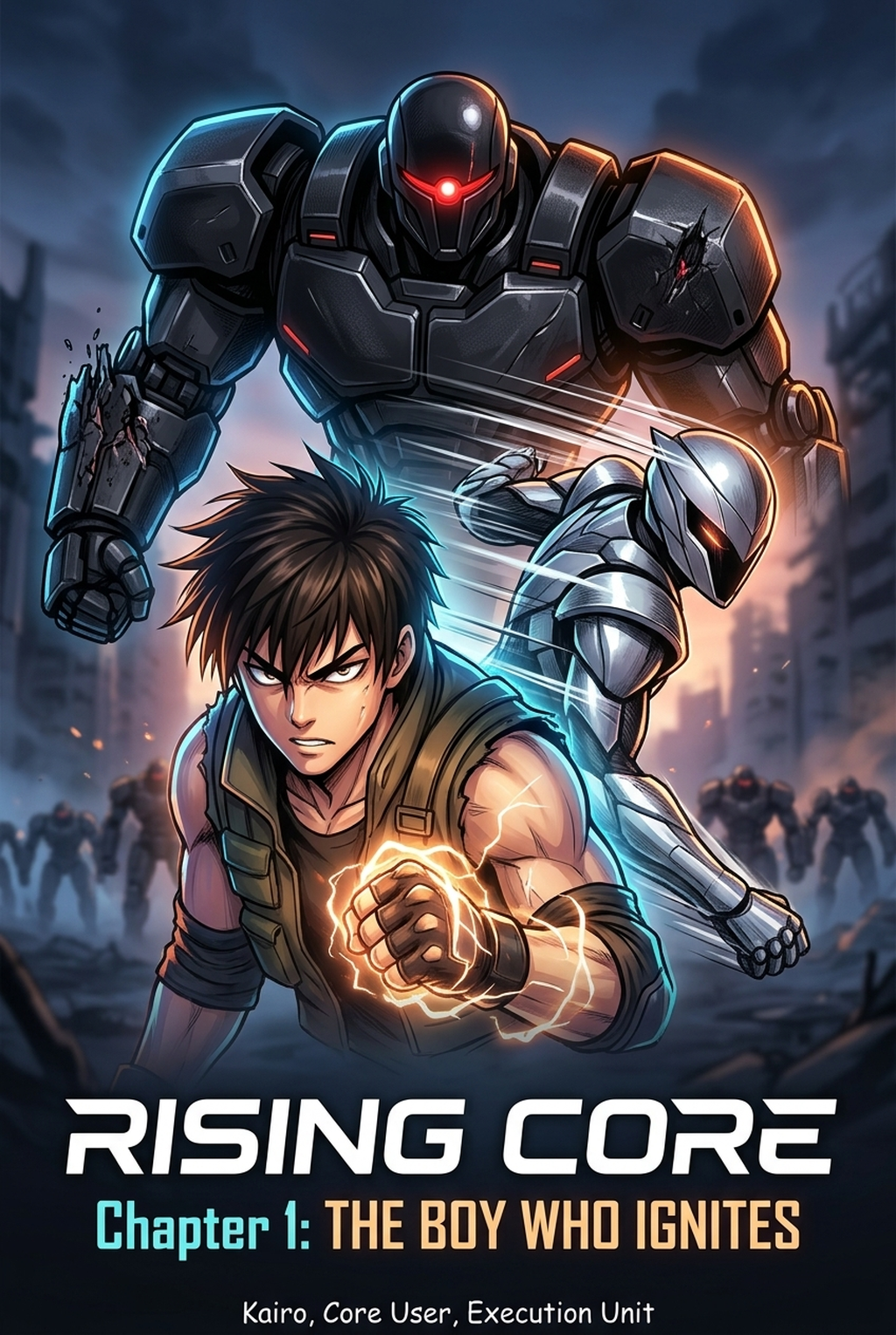
Creating terrifying, atmospheric panels for your latest project is often slowed by the tedious nature of traditional tracing. Using an AI Manga Inker for Horror manga ensures that the raw, frenetic energy of your initial pencil sketches survives the transition into clean, professional line art without manual cleanup. By leveraging advanced computer vision models to distinguish between intentional shadow depth and accidental smudges, creators can finally focus on the pacing of their scares rather than the precision of a digital brush stroke.
What Is AI Manga Inker for Horror Manga?
An AI Manga Inker workflow serves as a specialized tool that automates the transition from rough, hand-drawn pencils to professional-grade digital line art. It identifies distinct anatomical lines, hatch marks, and high-contrast shadow shapes, effectively locking them into place as clean, vector-like paths. This technology is critical for horror artists who need to maintain intense, jagged line work that conveys dread, as it removes the repetitive strain of manually tracing every single frame on a page.
The core function of this technology is to interpret the user's intent from messy input. By focusing on line-weight consistency, it ensures that your character's proportions do not drift between panels, which is a common failure mode when working under tight deadlines. Furthermore, it treats high-contrast areas with specialized logic, preserving the thick, dark strokes that define a horror aesthetic while thinning out redundant graphite noise. This produces a final asset that is ready for flatting, toning, or the application of dynamic color panels.
Why AI Manga Inker Matters for Horror in 2026
Production speed in horror manga is often dictated by the complexity of the art, but in 2026, creators are bypassing long hours of manual inking to focus on high-impact visual storytelling. Maintaining a fluid, uninterrupted workflow is essential for artists aiming to produce high-volume narrative content without succumbing to burnout.
Automating the inking phase allows you to move directly from layout and rough composition to the final rendering phase. For horror, this is a massive advantage, as the raw pencil sketches often contain the most visceral emotional expression. When a tool can convert these sketches into clean inked line art automatically, the artist retains the original "feel" of the character's distorted expression or the terrifying atmosphere of a dark environment. This shift turns the production process into an iterative loop of refinement rather than a grueling exercise in tracing, enabling solo creators to compete with the output of larger studio teams.
How AI Manga Inker Works for Horror in Dynamic Color Panels
The engine utilizes sophisticated segmentation to understand the hierarchy of your drawing, separating background elements from key foreground characters. This separation is vital for horror, where the environment often needs to feel oppressive and dark while the protagonist remains distinct and readable. By isolating the line work, the software reinforces the edges of your figures, ensuring that when you apply vibrant or mood-heavy colors, the lines remain sharp and crisp.
Quality and consistency are maintained by the model's ability to recognize consistent stroke weight across different poses. If your character changes position or scale within the page, the AI maintains a uniform line thickness that prevents the "sketchy" look common in early drafts. For those interested in the technical standards of digital ink, the W3C Scalable Vector Graphics specifications provide a foundational understanding of how these digital paths are constructed to remain clear at any resolution. When you prioritize high-quality line art production at the start of your workflow, you save countless hours during the final export pass.
Use Cases for AI Manga Inker
- Atmospheric Shadowing: Horror relies on heavy, claustrophobic shading. You can use the inker to emphasize deep black patches in hair or clothing without losing the underlying line detail. - Dynamic Action Scenes: During high-intensity chase sequences, rapid pencil strokes can easily become messy. The inker standardizes these, making sure the action remains readable for the reader even when the page is crowded with motion lines. - Consistent Character Portraits: Keep your monsters and protagonists looking identical across the entire story. The tool ensures that unique physical traits—like specific scars or gear—remain sharp every time they appear on the page.
- Chapter cadence. Use the AI pass for pages where speed matters most, such as repeated action poses, transformation beats, or dense speed-line panels. Keep manual cleanup for hero panels where the line style defines the emotional peak.
- Character continuity. Compare the generated lines against the same model sheet, costume notes, and facial-expression range used during sketching. This prevents a fast inking pass from drifting away from the character identity readers recognize.
- Export readiness. Check whether the Dynamic color panels can move into lettering, coloring, or final layout without rebuilding panel borders or speech-bubble space. A good Horror workflow should save time while keeping the next production step predictable.
Step-By-Step Guide to Start with Mangaka
Getting your project off the ground is a seamless process designed for indie creators who need immediate results. You can Horror manga inking workflow with Mangaka by following these three simple steps to transform your rough concepts into finished, inked pages:
- Sign up at https. //mangaka.app for your free trial; no credit card is required to begin testing your sketches.
- Paste your script details or upload your rough pencil sketches directly into the interface.
- Generate your professional manga page and download the clean result for your coloring software.
Creators should compare the generated line art with the original sketch and confirm that facial expressions, props, speed lines, and speech-bubble space still support the scene. A repeatable review pass should cover character consistency, panel readability, background clarity, and whether the final file is ready for coloring, lettering, or editor feedback. For longer projects, creators should save approved examples of line weight, face detail, clothing folds, and background density. Those references keep later chapters closer to the intended style.
The Bottom Line
Transitioning to an automated inking workflow is the most effective way to scale your horror manga production without sacrificing the visceral, terrifying detail your audience expects. By removing the manual labor of tracing, you gain the freedom to focus on panel layout, pacing, and the dark narrative beats that define your work. Start today and see how quickly your sketches become print-ready pages. Horror manga inking workflow with Mangaka .