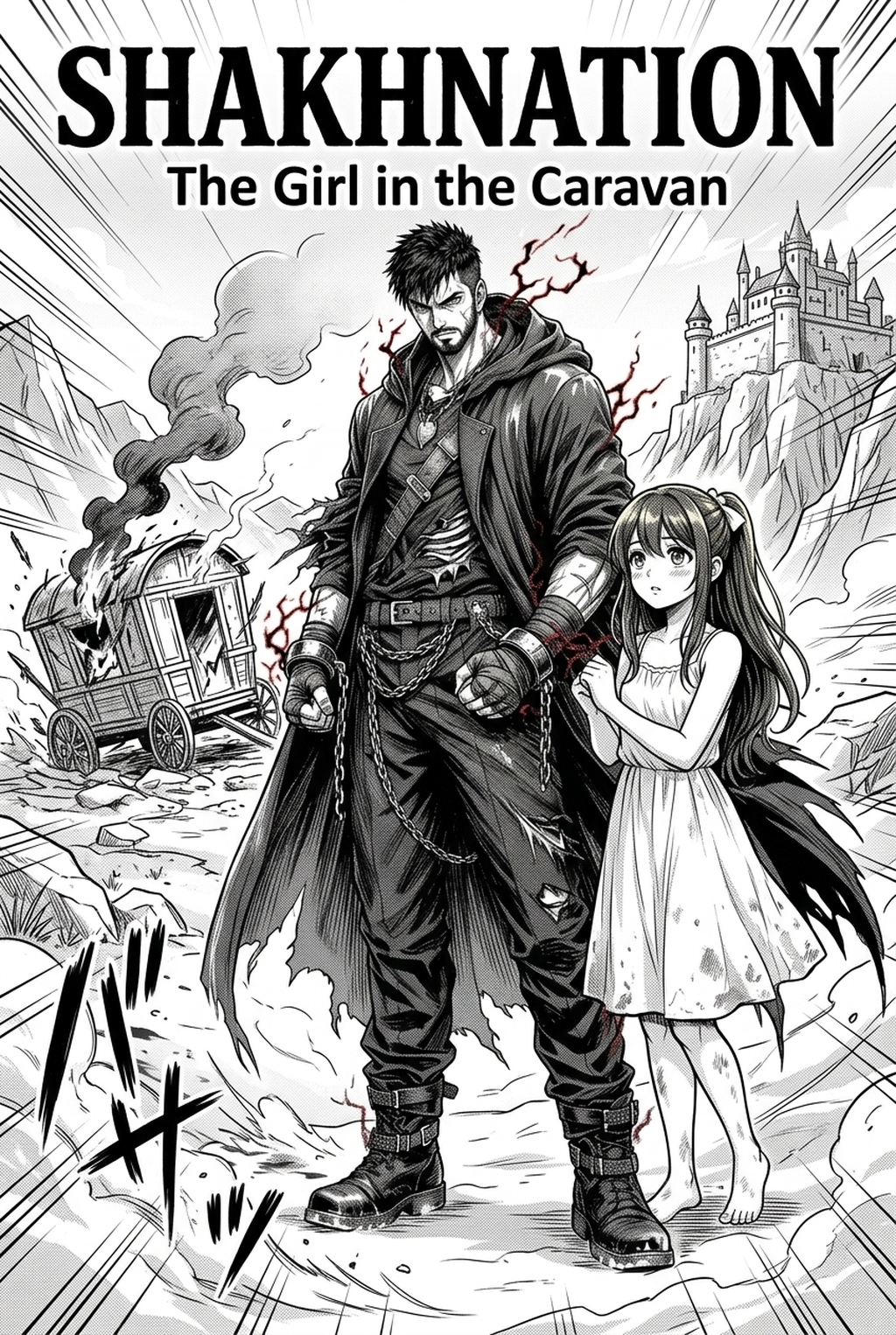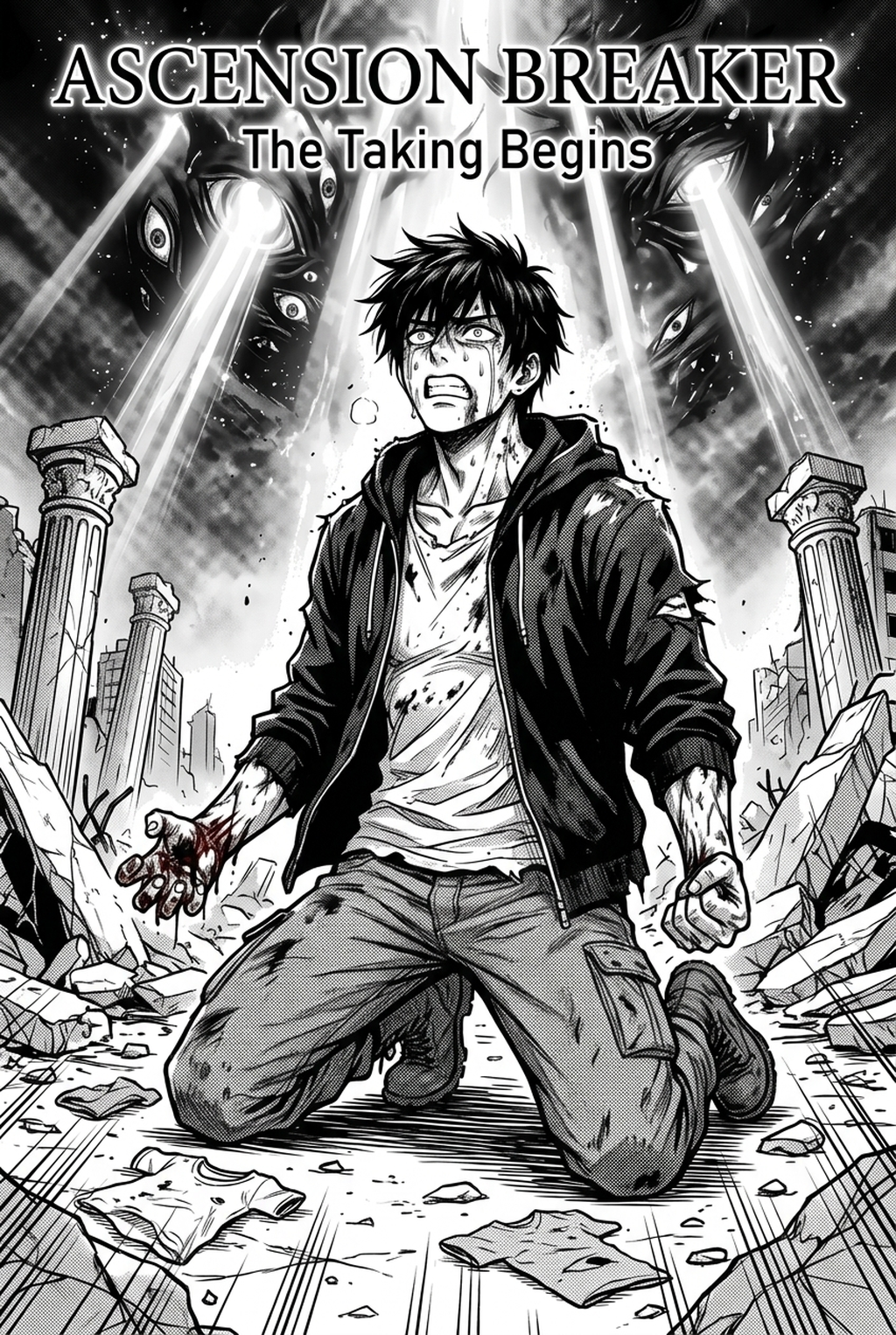
Creating a consistent aesthetic for your next fantasy epic becomes significantly faster when you use an AI Manga Inker for Isekai manga to handle the labor-intensive line-weight adjustments. Many indie creators struggle to maintain character model sheet integrity while manually inking dense magical environments, often leading to visual fatigue or inconsistent line thickness across dozens of pages. By automating the conversion of your initial pencil sketches into clean, publishable inked line art, you regain the creative bandwidth to focus on complex panel pacing and narrative structure.
What Is AI Manga Inker for Isekai Manga?
An AI Manga Inker workflow is a specialized creative tool designed to interpret the varying pressure and texture of your pencil sketches and convert them into crisp, digital ink paths. These systems utilize deep learning models trained specifically on comic-style line work to distinguish between intentional character outlines, intricate background hatching, and stray graphite marks. Key features include adaptive line stabilization, automatic gap closing in open paths, and the ability to maintain uniform weight across high-contrast fantasy scenes typical of the genre. By automating the conversion of pencil sketches into clean inked line art, these tools allow creators to bypass the tedious manual tracing phase that often delays chapter delivery.
Why AI Manga Inker Matters for Isekai in 2026
The production speed of an creator workflow directly dictates how frequently you can update your series on web-publishing platforms. The transition from rough draft to final line work is the most time-consuming stage for independent teams, often serving as a primary bottleneck for regular distribution. By offloading this technical labor to an automated system, you reduce physical strain while ensuring every character silhouette remains sharp and legible, regardless of how many magical effects or intricate armor details you include in a single panel.
How AI Manga Inker Works for Isekai in Full Color Manga
The core function of this technology is to interpret your hand-drawn visual data and map it onto a standardized, high-resolution vector or high-DPI raster output. This process preserves the specific artistic intent of your full color manga pages, ensuring that shading regions and color-fill boundaries remain clearly defined for your colorist team.
- Sketch Submission: You upload your rough pencil compositions, ensuring that the primary character outlines are distinct enough for the system to identify. - Automated Processing: The software parses your input and calculates optimal line thickness based on your pre-set aesthetic parameters. - Refinement Pass: You review the generated line art, making final adjustments to line density or specific foreground elements to ensure character consistency across the page.
Maintaining visual parity in a long-running series requires a stable source file format and high-resolution output. Using an AI system that provides consistent line weight across different panel sizes prevents the "floating ink" effect, where lines look thinner or thicker depending on the zoom level of the panel. For creators interested in the technical standards for line art quality, Mozilla's developer documentation on vector path behavior provides a foundational look at why path consistency is essential for high-fidelity web display. By using a tool that automatically converts your sketches into clean, uniform lines, you ensure that every chapter looks as if it were drawn in a single continuous session.
Use Cases for AI Manga Inker
- Armor and Mechanical Detail: Manually inking complex medieval fantasy armor or magical artifacts is notoriously difficult; an automated inker simplifies these patterns without losing structural definition.
- Sprawling Fantasy Landscapes: Creating wide-angle shots of high-fantasy cities requires immense detail, where this tool helps maintain distinct silhouettes across architectural elements that would otherwise be blurred.
- Action Sequence Pacing: During high-motion combat, maintaining clean lines is vital for readability; automated inking ensures that even during fast-paced movement, the character and their impact effects remain crisp.
- Rapid Prototyping for Character Sheets: When finalizing a protagonist’s design, you can quickly test multiple ink weights and styles Isekai manga inking workflow with Mangaka to see which best fits the intended tone of your Isekai world.
- Chapter cadence. Use the AI pass for pages where speed matters most, such as repeated action poses, transformation beats, or dense speed-line panels. Keep manual cleanup for hero panels where the line style defines the emotional peak.
- Character continuity. Compare the generated lines against the same model sheet, costume notes, and facial-expression range used during sketching. This prevents a fast inking pass from drifting away from the character identity readers recognize.
- Export readiness. Check whether the Full color manga can move into lettering, coloring, or final layout without rebuilding panel borders or speech-bubble space. A good Isekai workflow should save time while keeping the next production step predictable.
Step-By-Step Guide to Start with Mangaka
Getting your workflow running is a straightforward three-step process designed for creators who need to move quickly from story concept to final line art. This keeps the review focused on story intent, line weight, panel readability, and the export quality behind the final AI Manga Inker output.
- App to access the full suite of inking tools through a free trial with no credit card required. 2. Upload Sketch: Navigate to the creation dashboard and upload your high-resolution pencil sketches, ensuring that your layout is organized by page or chapter segment. 3. Generate Output: Select your desired ink density and style preferences, generate your clean, professional-grade line art, and download the high-quality assets directly for your coloring phase.
Creators should compare the generated line art with the original sketch and confirm that facial expressions, props, speed lines, and speech-bubble space still support the scene. A repeatable review pass should cover character consistency, panel readability, background clarity, and whether the final file is ready for coloring, lettering, or editor feedback.
Creators should save approved examples of line weight, face detail, clothing folds, and background density. Those references keep later chapters closer to the intended style. For collaboration, creators should mark which panels are final and which panels still need redraws. Clear status labels prevent an assistant, editor, or colorist from polishing the wrong version.
The Bottom Line
Achieving a professional finish in your manga project no longer requires endless hours of manual tracing or traditional inking. By leveraging automated tools to handle the heavy lifting of line refinement, you can focus entirely on the narrative tension and character development that make your story unique. For creators ready to streamline their production cycle, Isekai manga inking workflow with Mangaka to transform your drafts into polished assets today.