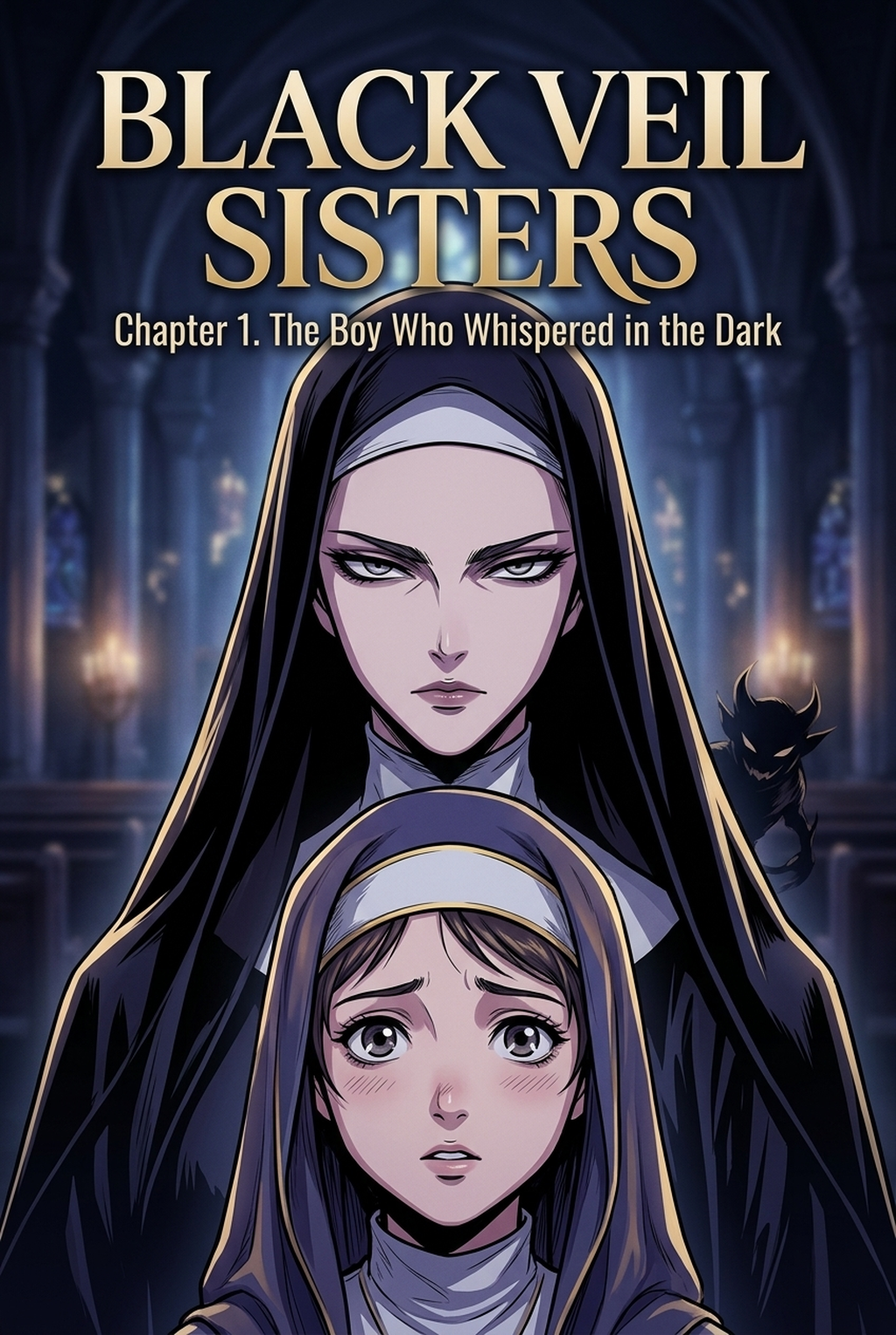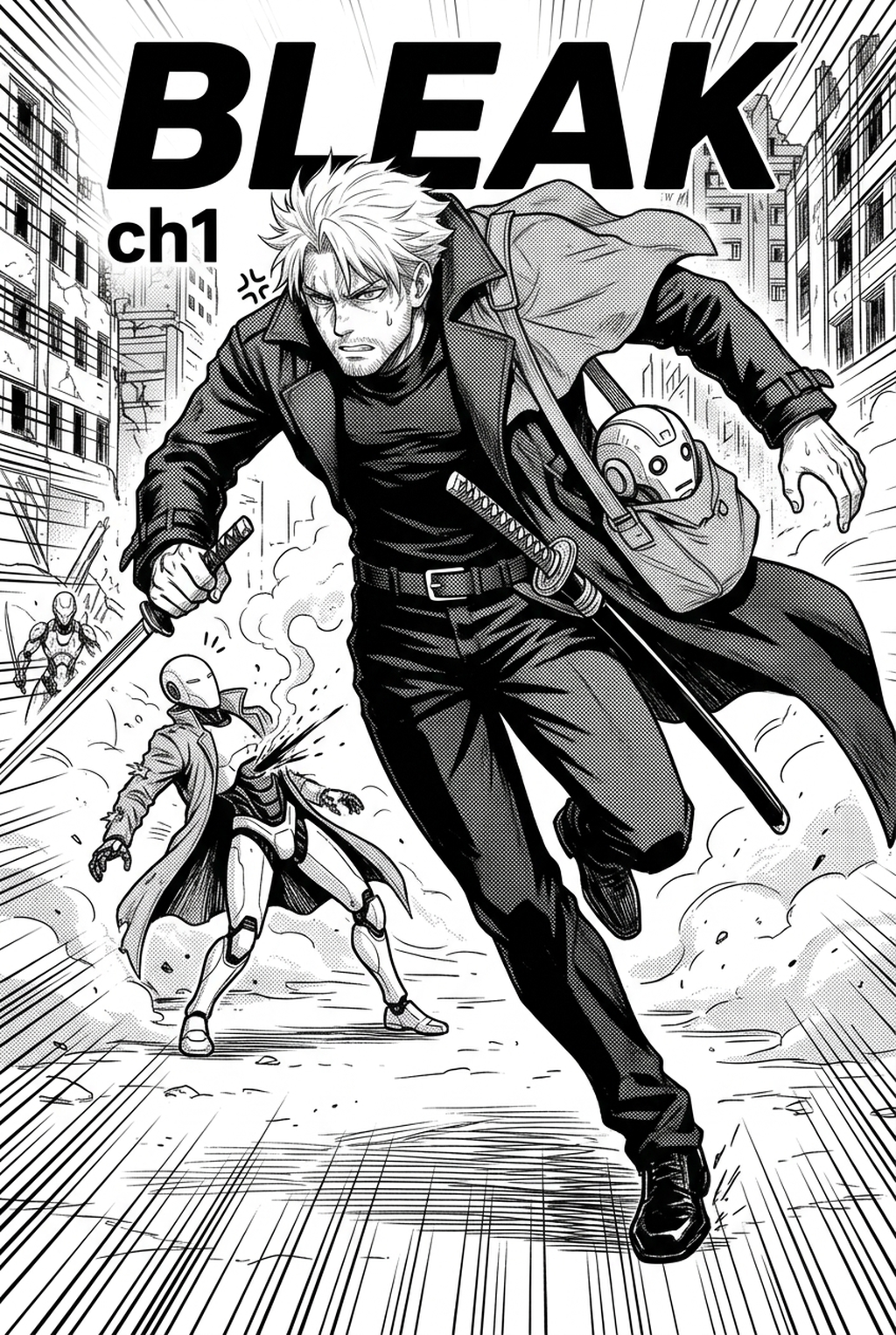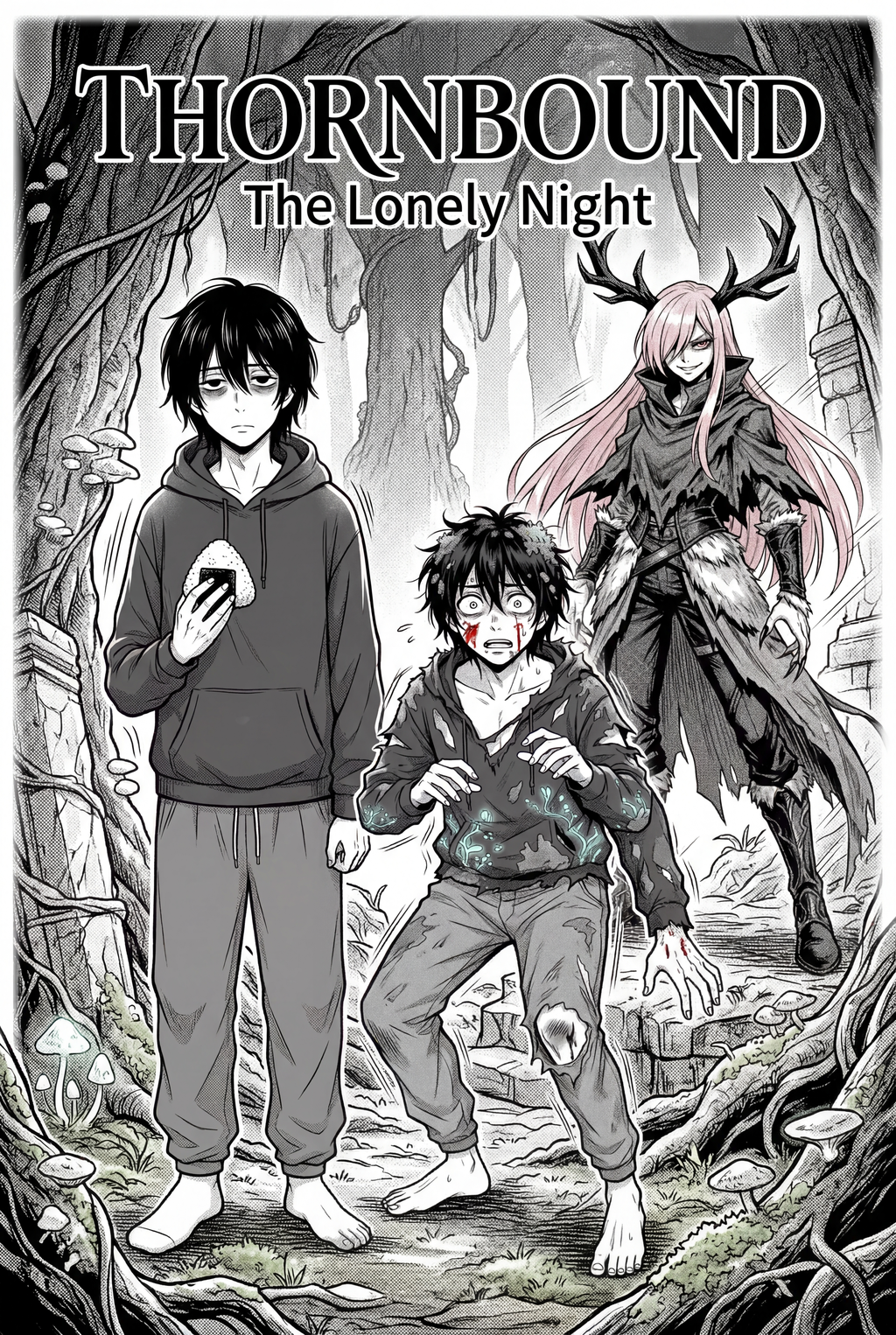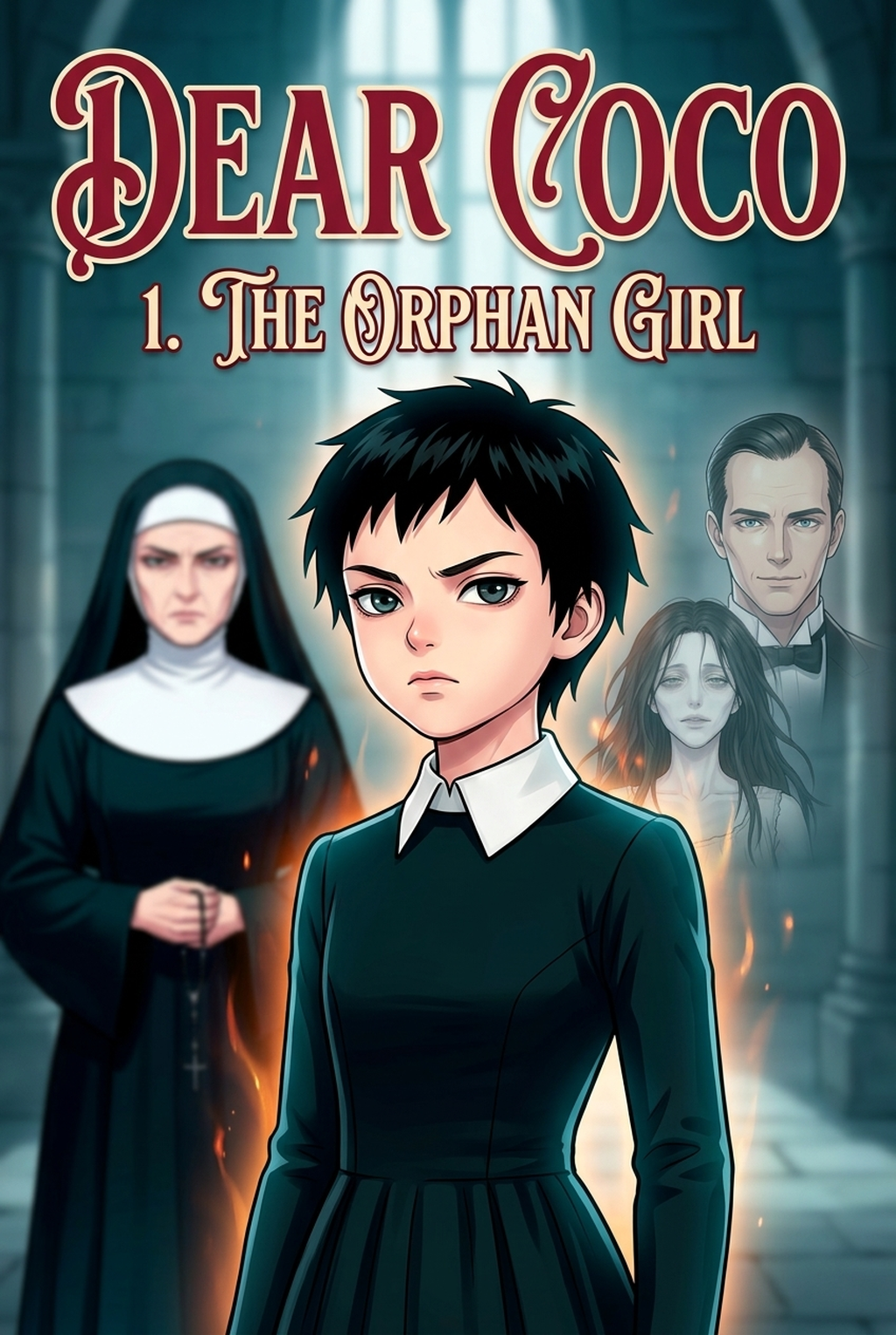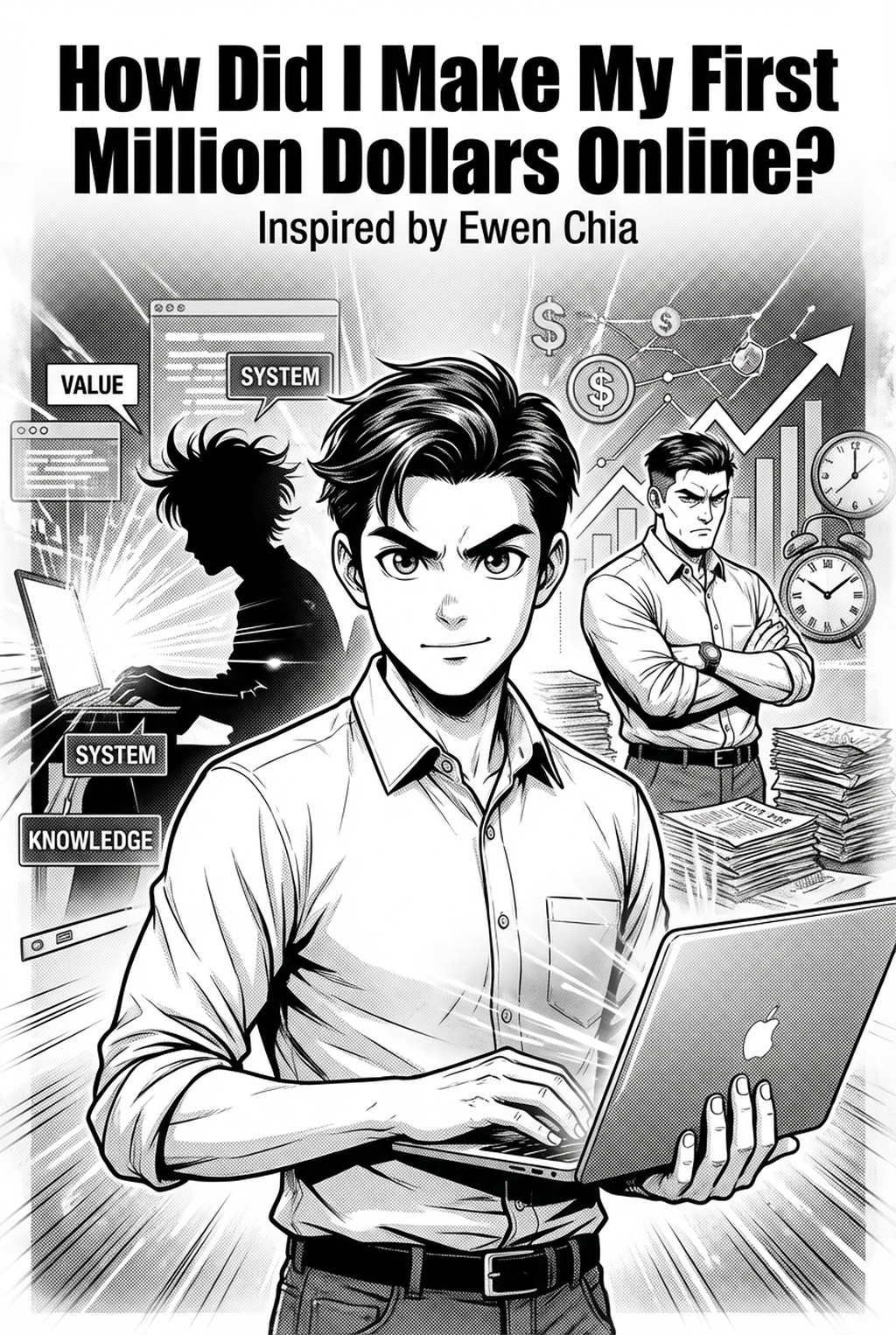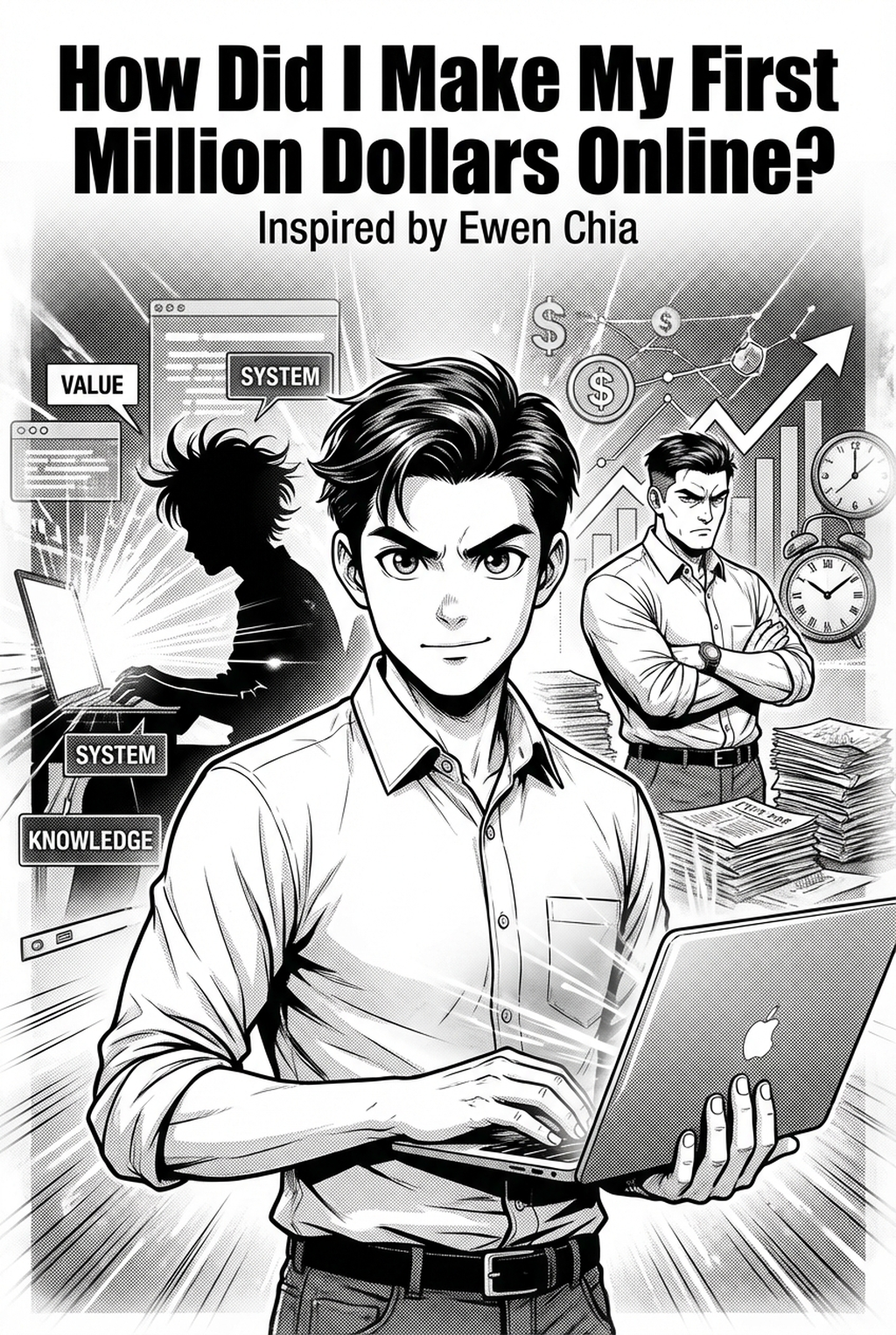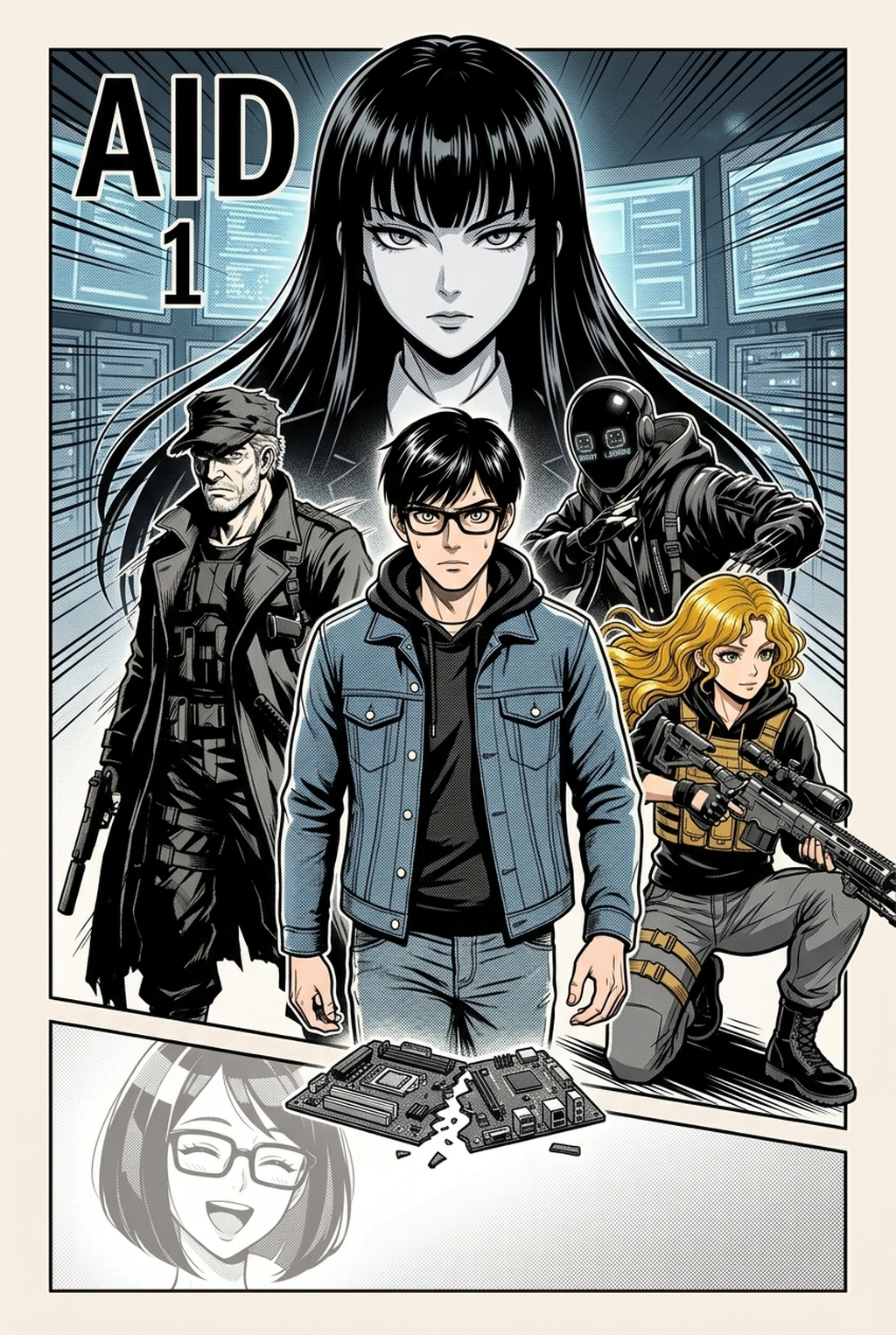
Producing an Isekai masterpiece requires a rigorous balance between intricate portal sequences and rapid character movement, which is why an AI Manga Inker for Isekai manga has become the go-to solution for independent creators today. Many artists find that the transition from initial pencil roughs to final inking is where their production pace slows, specifically when trying to maintain consistent line density across high-fantasy battle panels. By leveraging automated tools to handle the heavy lifting of line refinement, you can focus on the composition of your fantasy world rather than struggling with inconsistent ink smears or shaky digital hand-strokes.
What Is AI Manga Inker for Isekai Manga?
An AI Manga Inker workflow is a specialized tool designed to process pencil sketches into crisp, industry-standard black-and-white ink work. It interprets the depth and intention of your hand-drawn lines, effectively digitizing the artist's touch into clear, vectorized-style line art that is ready for toning or final assembly.
The core value lies in the conversion of analog or digital roughs into clean, high-contrast B&W output. By utilizing an creator workflow, you ensure that even complex character designs—such as detailed magical armor or sprawling portal environments—maintain distinct edges. This process automatically handles the noise and grain often found in scanned pencil drafts, allowing for a cleaner aesthetic that mirrors the clarity of modern print-ready manga pages.
Why AI Manga Inker Matters for Isekai in 2026, Digital Illustration Efficiency Remains the Primary Obstacle for Indie Authors Who Manage Every Step of the Creative Process Themselves. When Your Project Involves the Scale and Detail Typically Found in the Isekai Genre, the Volume of Panels Required for a Single Chapter Can Feel Overwhelming.
Using an AI-driven inking layer drastically reduces the hours spent on tedious cleanup, preventing the burnout that often plagues one-person creative teams. Instead of manually tracing every sketch, you can Isekai manga inking workflow with Mangaka and verify that your line quality remains consistent even when switching between intense fight choreography and quiet, world-building character interactions. By shifting the technical burden of inking to an automated system, you retain full creative control over the storyboard and narrative pacing while significantly accelerating your production speed for a competitive 2026 launch.
How AI Manga Inker Works for Isekai in High-Contrast B&W
The conversion process relies on analyzing your source sketches to detect line intersections, density, and stroke pressure. By optimizing your input for high-contrast B&W output, you can ensure that the AI preserves the character's core features while discarding messy sketch lines and residual graphite artifacts.
Consistency is the primary challenge in long-form manga, especially for independent publishers who need to match line thickness across dozens of pages. To manage this effectively, you should prepare your sketches with uniform pressure, which helps the algorithm distinguish between intentional ink lines and background noise. By providing clear, high-contrast input, you enable the tool to produce a clean, professional-grade product that stands up to the standard of high-quality digital publishing. Always verify that your source files have a clear resolution, as higher-quality inputs directly improve the crispness of the final output.
Use Cases for AI Manga Inker
There are specific scenarios where automated inking provides a massive competitive advantage for creators working within the fantasy and Isekai genres. These use cases highlight how you can integrate the tool into your regular workflow to overcome common artistic hurdles.
- Battle Sequence Pacing: Use the inker to maintain stable line quality during high-speed action scenes, where character proportions might otherwise drift due to hasty, frantic sketching. * Intricate Magical Architecture: Leverage the tool to define the hard edges and geometric details of fantasy castles, portals, and summoning circles, ensuring they appear distinct against the background tones. * Character Archetype Consistency: Apply the inking process to character reference sheets to ensure that costume details—such as glowing armor runes or unique fabric textures—stay consistent throughout the entire story arc. * Rapid Chapter Production: Utilize the automation to ink background characters and secondary props, which allows you to dedicate your human effort to foreground characters and emotional expressions.
Step-By-Step Guide to Start with Mangaka
Integrating an AI tool into your workflow is a simple, three-step process designed for speed. By moving from your sketch to a high-contrast final, you regain hours of production time every week. App for a free trial to test the tool with your current project.
- Paste your script or upload your source pencil sketch files directly into the platform interface. 3.
Generate your manga page and download the resulting clean inked line art for your finishing touches.
- Before Export. Creators should compare the generated line art with the original sketch and confirm that facial expressions, props, speed lines, and speech-bubble space still support the scene. A repeatable review pass should cover character consistency, panel readability, background clarity, and whether the final file is ready for coloring, lettering, or editor feedback.
- For Longer Projects. Creators should save approved examples of line weight, face detail, clothing folds, and background density. Those references keep later chapters closer to the intended style. For collaboration, creators should mark which panels are final and which panels still need redraws. Clear status labels prevent an assistant, editor, or colorist from polishing the wrong version.
- For Publishing. Creators should review the page at the actual reading size before export. Small screens expose crowded dialogue, weak silhouettes, and line details that looked fine while zoomed in. This keeps the review focused on story intent, line weight, panel readability, and the export quality behind the final AI Manga Inker output.
The Bottom Line
Effective manga production in 2026 demands tools that respect your creative vision while eliminating the tedious manual labor of line refinement. By choosing an AI-powered assistant, you can focus on the heart of your storytelling while ensuring every panel meets a professional standard of visual clarity. When you are ready to speed up your ink production, Isekai manga inking workflow with Mangaka .
Supercharge Your Manga Creation with Mangaka.app
Transforming character drafts and rough thumbnails into serialized chapters demands precision and narrative momentum. Mangaka.app provides an integrated production pipeline crafted for manga creators:
- Intelligent Dynamic Layouts: Quickly lay out panels with authentic Japanese komawari spacing and reading flow.
- Consistent Model Sheets: Lock character anatomy, clothing details, and hairstyles across multiple angles.
- Authentic Manga Tones & Line Art: Apply screentones, speedlines, and sharp digital inks in seconds.
- High-DPI Ready: Export pages optimized for print serialization and high-resolution web platforms.
Build your manga workflow today at Mangaka.app .