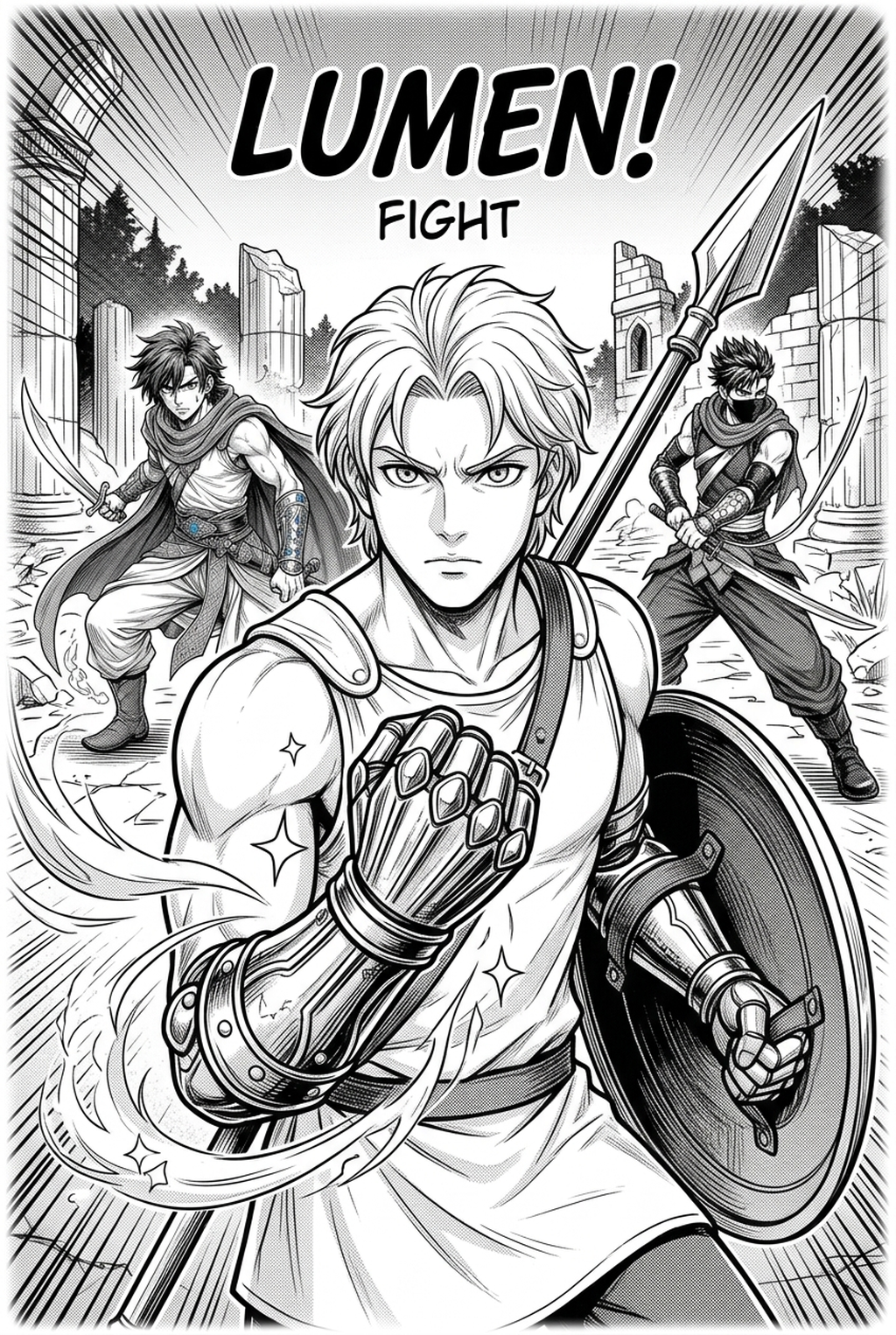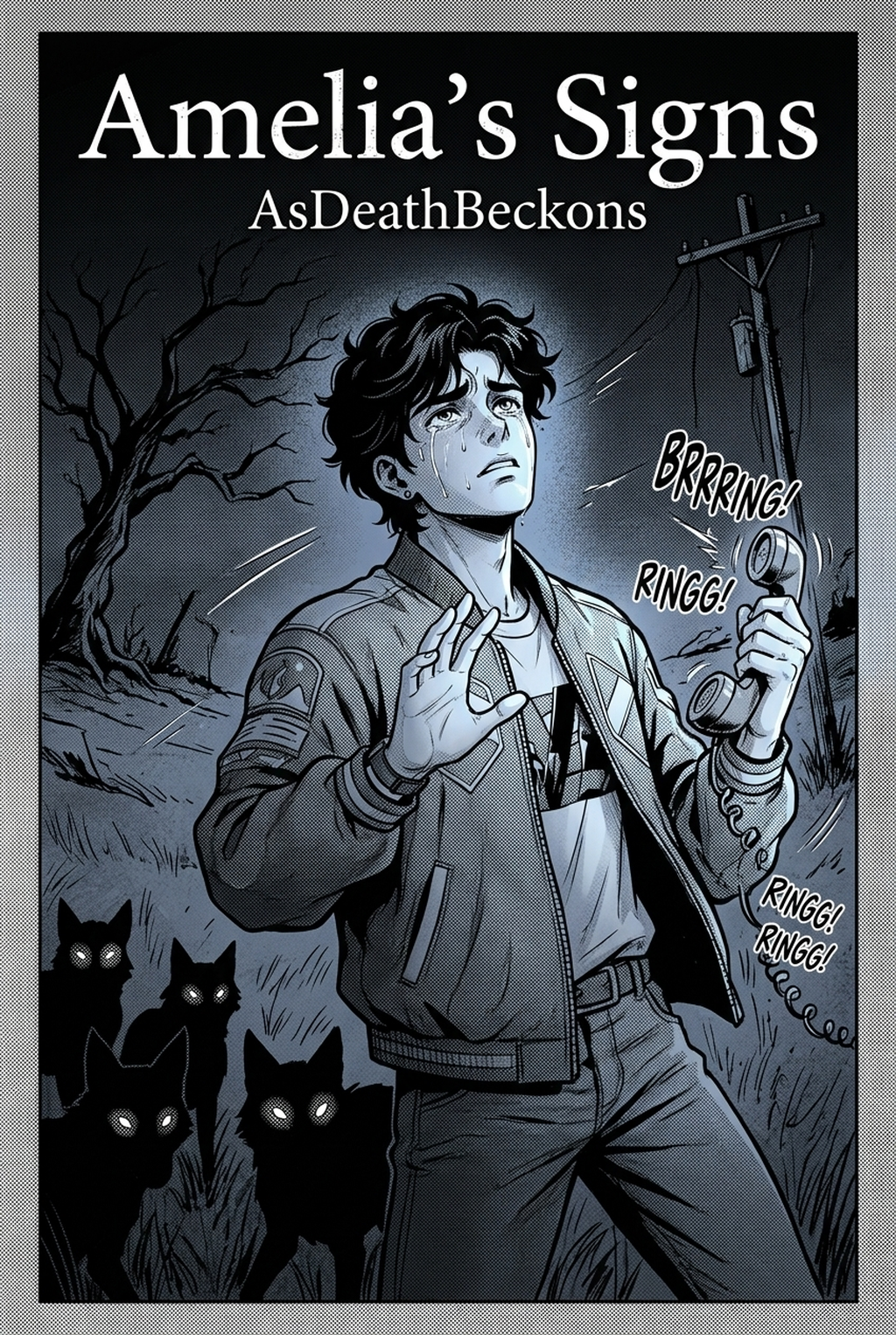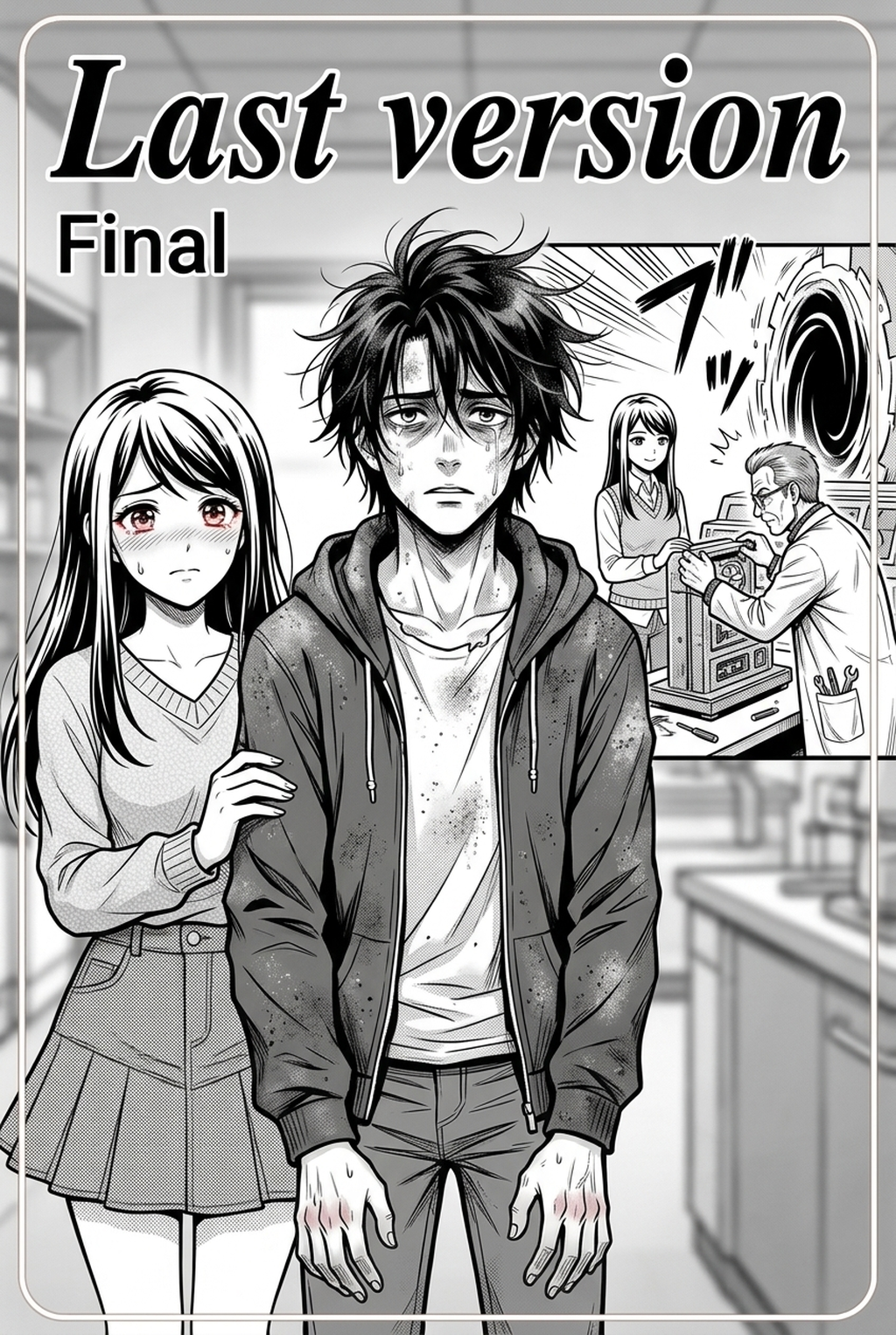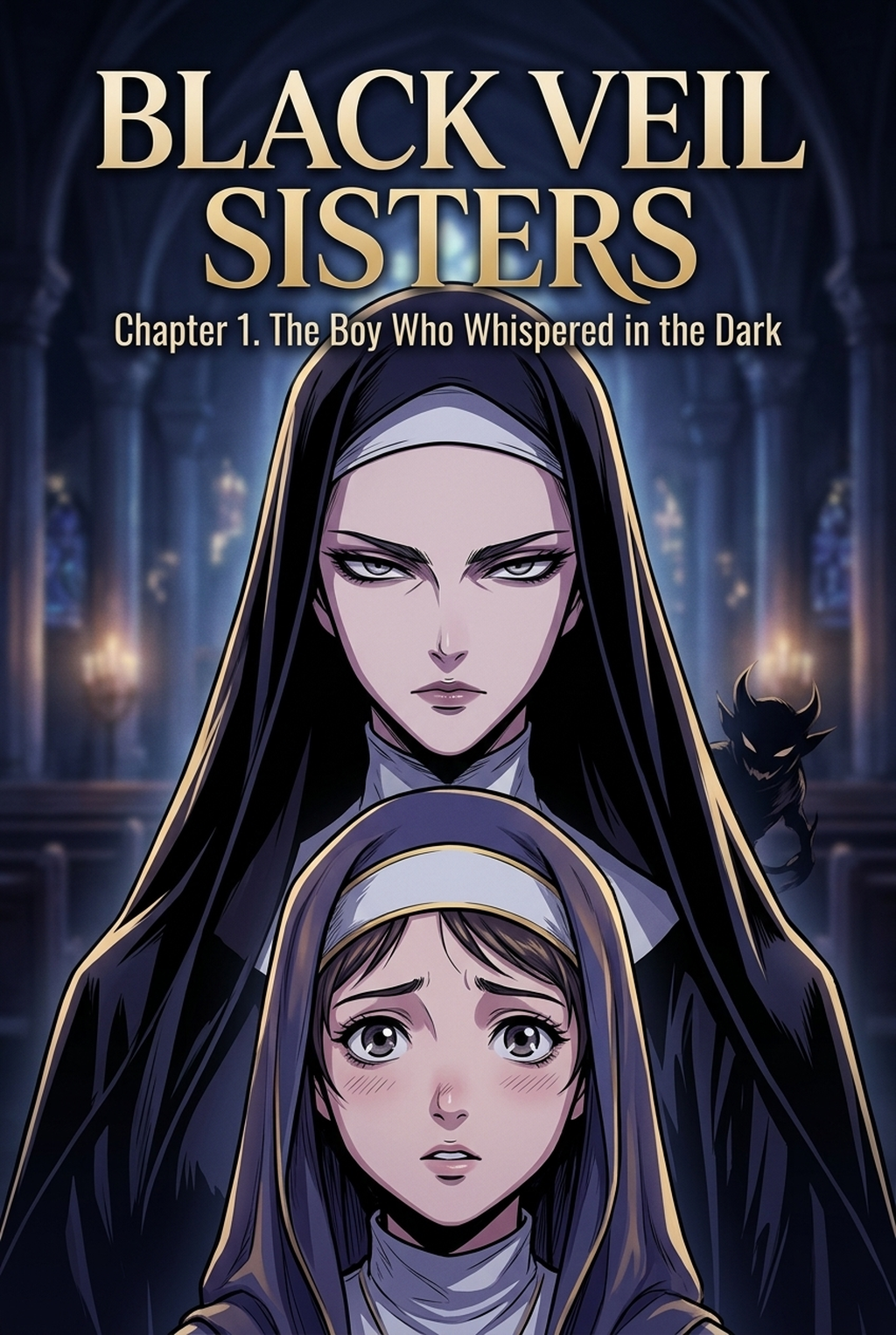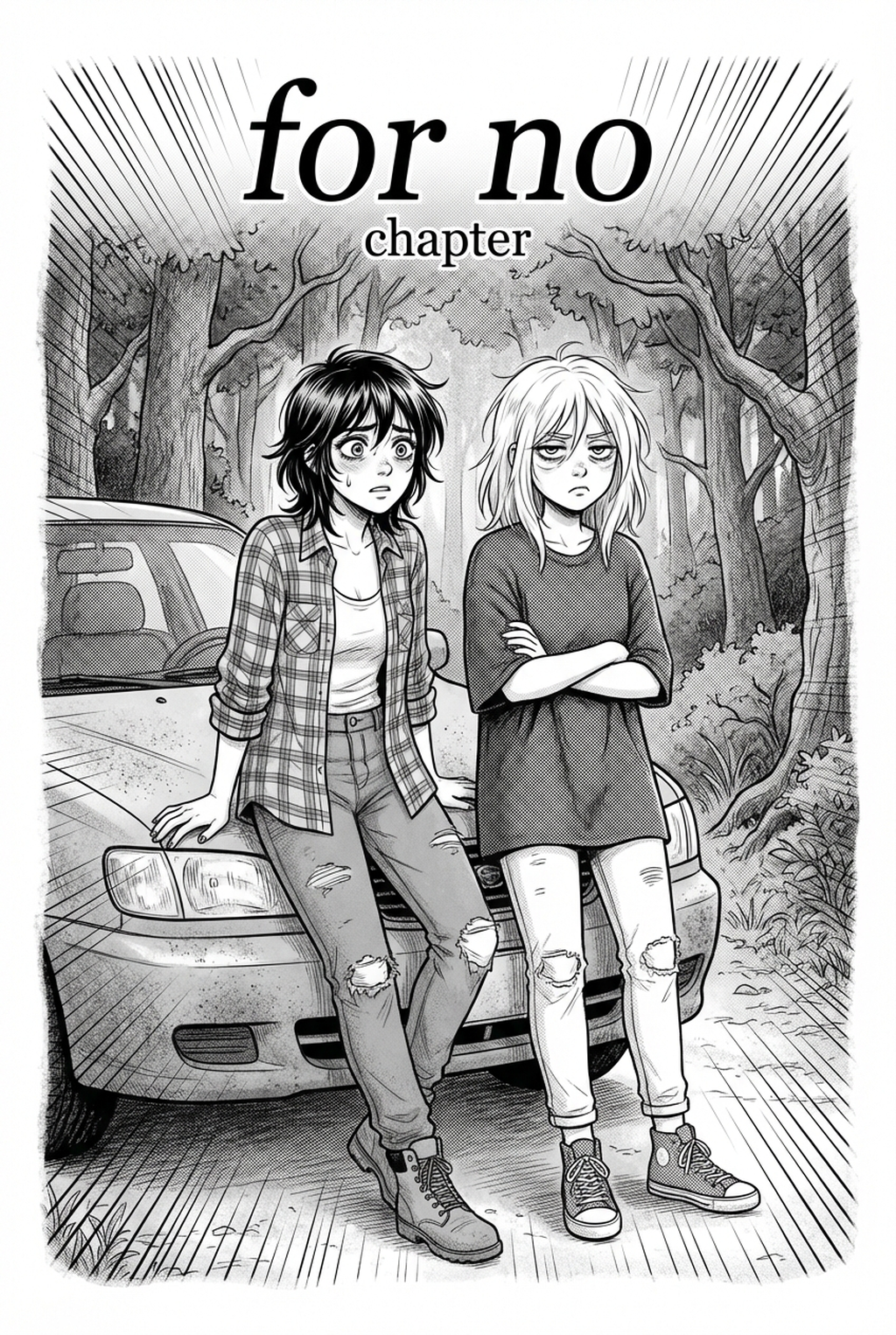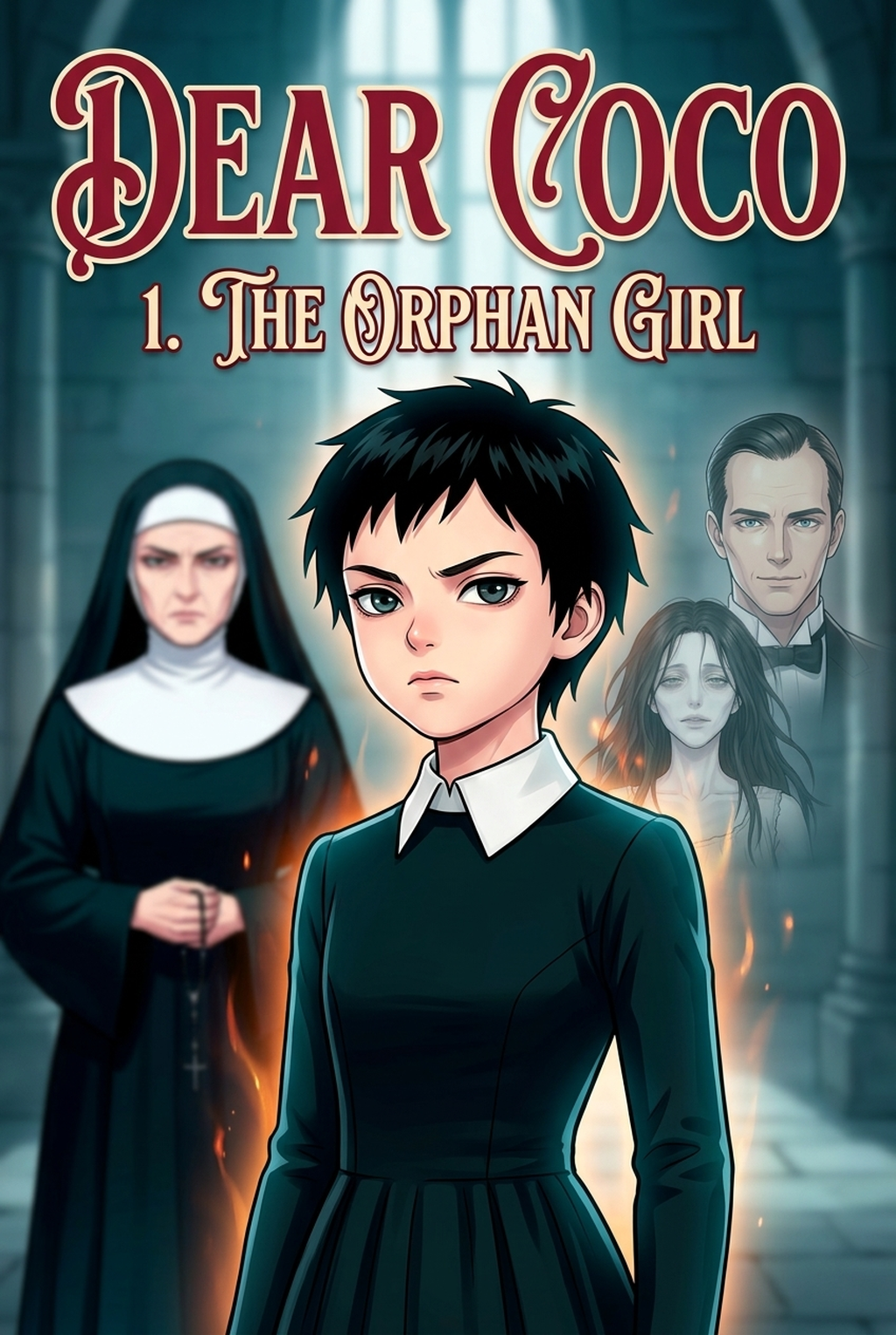
Creating high-quality pages requires a reliable AI Manga Inker for Shojo manga that can bridge the gap between initial graphite sketches and the final polished, vibrant look of a professional release. When you are balancing complex character expressions and intricate floral backgrounds common in romantic drama, the manual cleanup process often slows down production. Automating the conversion of your pencil drafts into professional, scalable line art ensures your pages maintain the delicate, ethereal aesthetic essential to the genre while significantly reducing your per-page overhead.
What Is AI Manga Inker for Shojo Manga?
An AI Manga Inker workflow is a specialized creative tool designed to interpret the nuances of expressive pencil sketches and transform them into refined, high-resolution digital lines. This technology excels at recognizing varying line weights and stylistic cues that define romantic manga, effectively eliminating the need for frame-by-frame manual tracing. By leveraging sophisticated computer vision, the tool identifies intent in your strokes—such as the subtle curves of hair or the sharp focus on eyes—and produces clean, closed-path vectors that are ready for the coloring phase. Key features include automatic noise reduction for stray graphite marks, adaptive line-weight smoothing, and the ability to preserve original character proportions while applying a consistent, professional finish across a sequence of panels.
Why AI Manga Inker Matters for Shojo in 2026
The primary struggle for independent creators in the current digital landscape is the sheer time investment required to ink complex, page-long spreads while maintaining character consistency across dozens of panels. Wacom. The professional workflow often hinges on the quality of the base line art; by automating this foundation, you ensure that your digital workflow tools are working in tandem to support your creative vision rather than hindering your pace. This technological shift enables you to maintain a consistent output frequency, which is vital for building and retaining a loyal readership on modern platforms.
How AI Manga Inker Works for Shojo in Dynamic Color Panels
The workflow centers on translating the organic feel of a hand-drawn sketch into a polished, production-ready asset that remains fully compatible with color layering. You begin by uploading your high-resolution pencil sketches, which the system then parses for structural data, ignoring smudges and light guidelines to output a pristine, high-contrast inked layer. Once the automated line conversion is complete, you receive a transparent file that allows for immediate application of dynamic color panels and dramatic lighting effects.
To ensure your final output matches your artistic vision, the software evaluates the intended line density in your original sketch to adjust the stroke thickness accordingly. This prevents the "flat" look common in early-generation tools and preserves the delicate, emotive qualities often required in romantic character close-ups.
Because the resulting inked art is provided in a high-resolution, transparent format, you can easily place these lines on a dedicated layer above your flat colors. This separation is critical for applying soft gradients or cell-shading styles common in Shojo, ensuring that your lines remain crisp even when the color palette beneath them is intricate or highly saturated.
Use Cases for AI Manga Inker
Integrating this technology into your production process offers several strategic advantages for creators working in the romantic drama genre: This keeps the review focused on story intent, line weight, panel readability, and the export quality behind the final AI Manga Inker output. This keeps the review focused on story intent, line weight, panel readability, and the export quality behind the final AI Manga Inker output.
- Complex Character Sequences: Quickly ink detailed close-ups where facial features and eye glint are essential, saving you hours on redundant character-model cleanup. * Background and Environment Design: Effortlessly process architectural sketches or crowded scenes that would otherwise take days to ink by hand, keeping the focus on your central narrative.
- Dynamic Color Panel Prep: Generate clean base layers for complex, multi-layered color panels, allowing you to experiment with different lighting moods and palettes without risking the integrity of your original line work.
Step-By-Step Guide to Start with Mangaka
- App to access your workspace and start your free trial. 2. Paste your narrative script or upload your scanned pencil sketches directly into the application interface. 3. Generate your refined manga page with a single click and download the clean, inked result for final coloring.
- Before Export. Creators should compare the generated line art with the original sketch and confirm that facial expressions, props, speed lines, and speech-bubble space still support the scene. A repeatable review pass should cover character consistency, panel readability, background clarity, and whether the final file is ready for coloring, lettering, or editor feedback.
- For Longer Projects. Creators should save approved examples of line weight, face detail, clothing folds, and background density. Those references keep later chapters closer to the intended style. For collaboration, creators should mark which panels are final and which panels still need redraws. Clear status labels prevent an assistant, editor, or colorist from polishing the wrong version.
- For Publishing. Creators should review the page at the actual reading size before export. Small screens expose crowded dialogue, weak silhouettes, and line details that looked fine while zoomed in. Creators can use each revision decision to clarify panel readability, character consistency, and export quality before publishing or sharing.
- For Style Control. Creators should keep a short reference board beside the draft and compare hair shapes, eye details, costume folds, and texture choices before approving the final page. For revision planning, creators should separate art fixes from story fixes. Line cleanup, panel order, dialogue clarity, and character acting each need a different review question.
Creators can evaluate AI Manga Inker for Shojo manga with Mangaka mid-workflow when they need the product path tied directly to review, refinement, and export. A real test should use the same sketch, character goal, or panel sequence that would otherwise need manual cleanup after generation.
The Bottom Line
Achieving a professional look in your manga is no longer a matter of exhausting, manual labor but a result of choosing the right tools to augment your natural drawing ability. By incorporating an automated inker into your routine, you gain the freedom to focus on your story’s emotional resonance while the system handles the technical cleanup. For creators ready to streamline their production and elevate their art, Shojo manga inking workflow with Mangaka and see the difference in your next chapter.