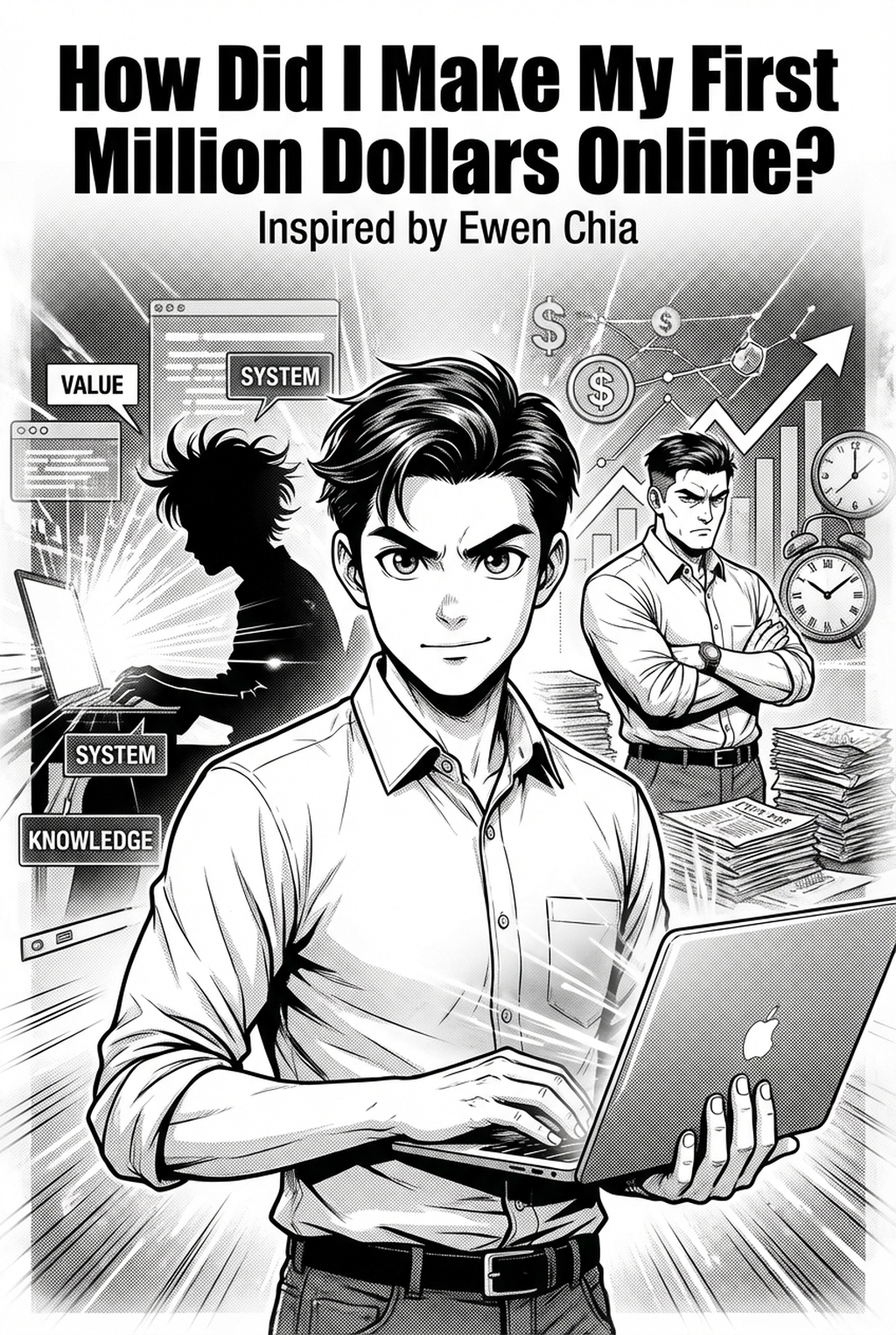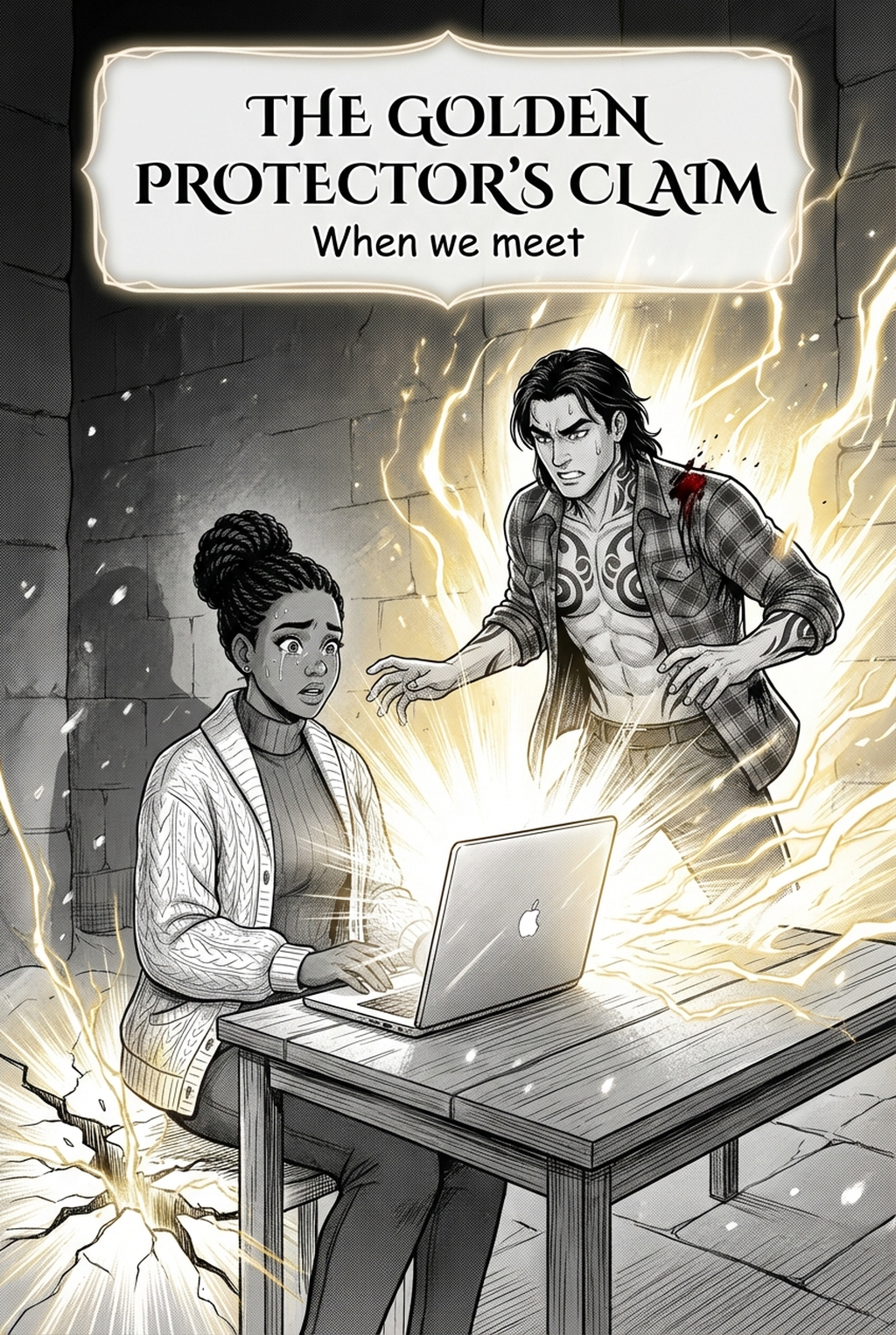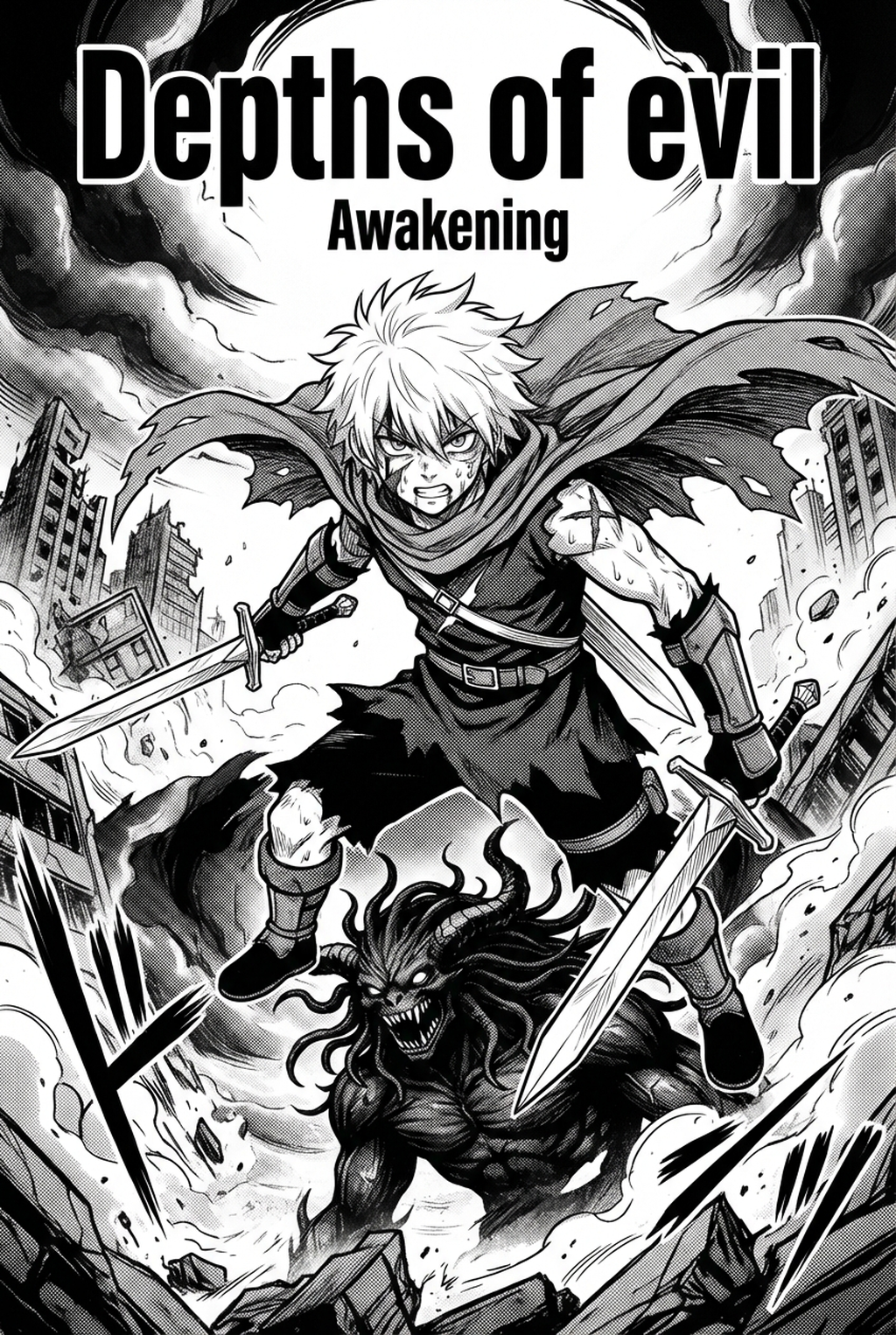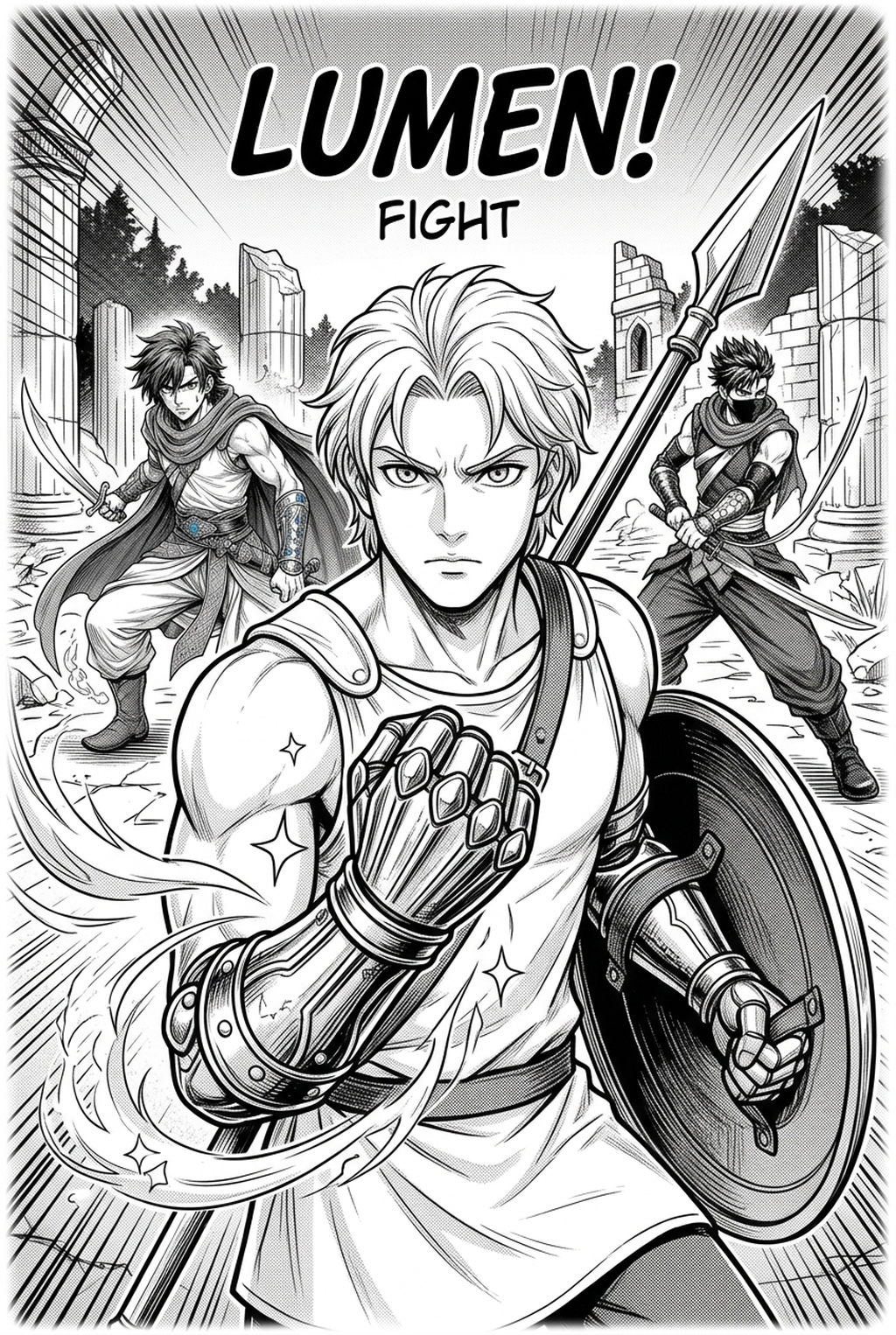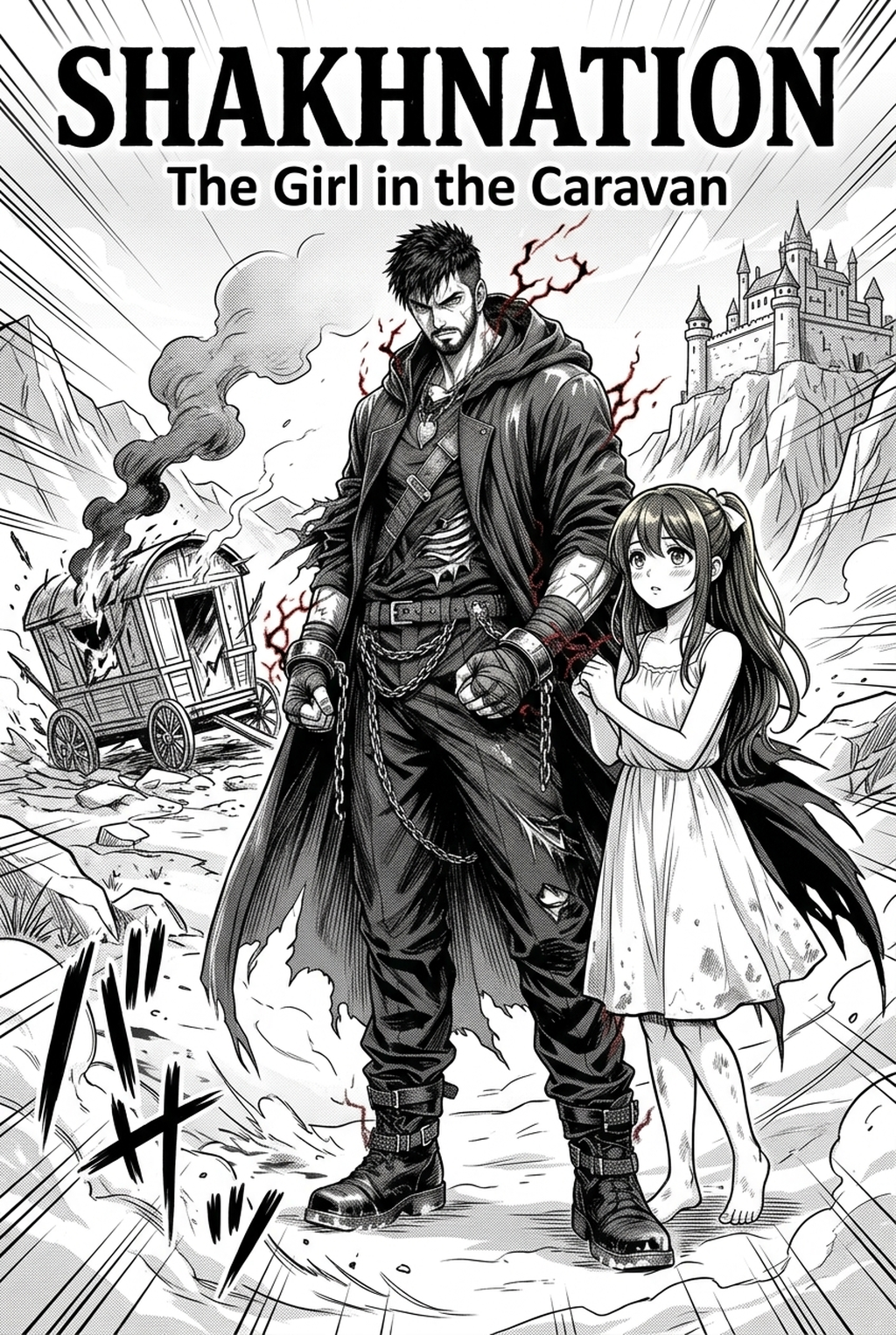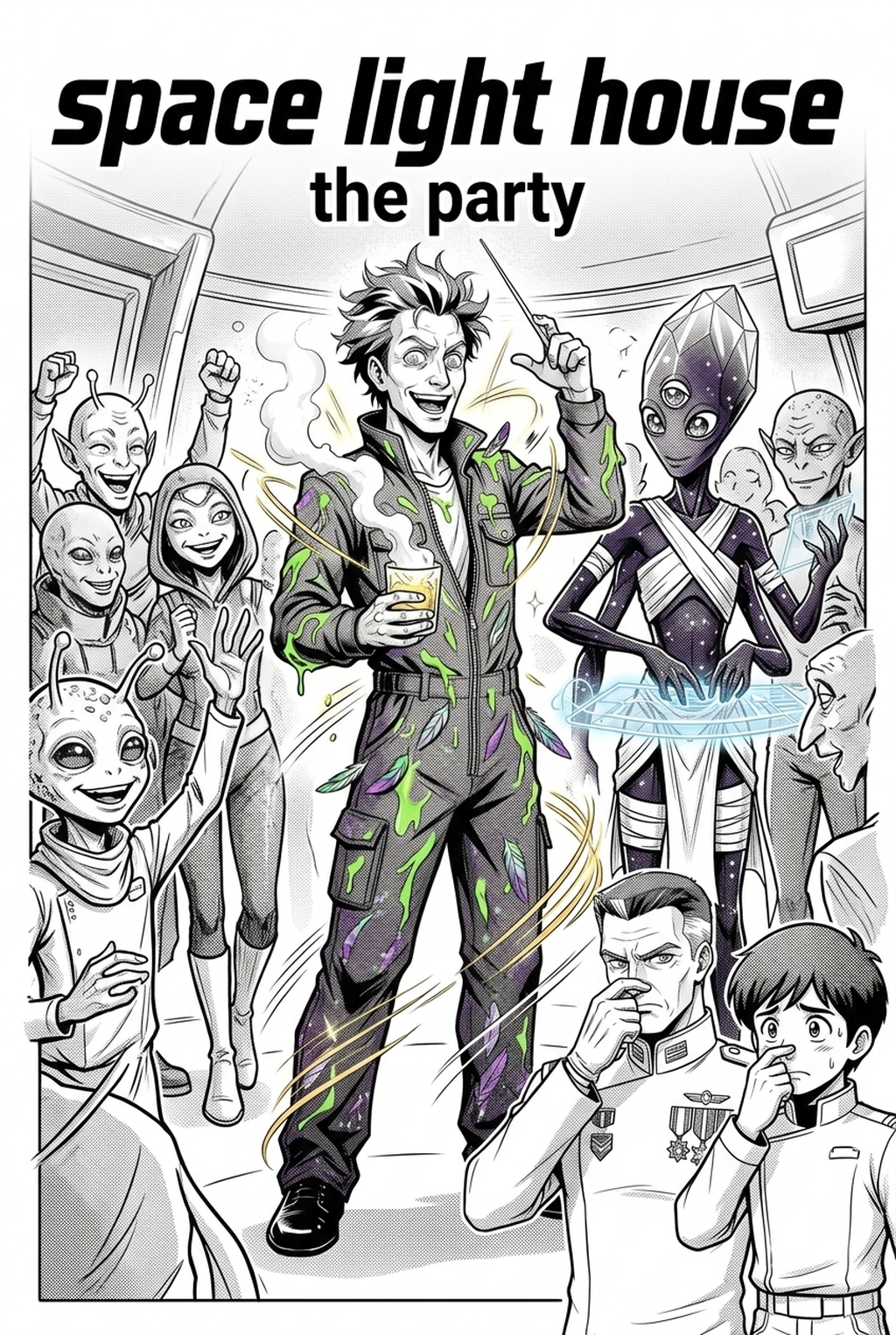
Indie creators producing high-action Shonen titles can now leverage an AI Manga Inker for Shonen manga to transform rough pencil sketches into polished, professional line art without the labor-intensive hours traditionally spent at a desk. By automating the transition from loose graphite to crisp, defined ink, you can focus your creative energy on complex panel pacing and dynamic character composition rather than tracing repetitive lines. This shift in production allows solo artists to meet the aggressive weekly page quotas standard in the industry, maintaining a high volume of visual output without sacrificing the specific line-weight intensity that defines the Shonen aesthetic.
What Is AI Manga Inker for Shonen Manga?
An AI Manga Inker workflow is a specialized generative tool designed to interpret the intent of your hand-drawn sketches and map them into consistent, high-contrast inked paths. Unlike generic filters that blur or distort art, this technology understands the anatomy of line weight, prioritizing the varying thickness required to emphasize character silhouettes and dramatic action lines. These tools handle the technical heavy lifting by converting pencil sketches into clean inked line art automatically, ensuring that every panel remains sharp, readable, and ready for color application in a digital workspace.
Why AI Manga Inker Matters for Shonen in 2026
Creators face the constant friction of balancing the speed of production with the high visual quality expected in modern color manga. The "ink-and-cleanup" phase is arguably the most time-consuming stage of manga creation, often accounting for 60% of the total time spent per page. By integrating an automated inker, you drastically reduce the physical fatigue and repetitive strain associated with manual inking, allowing for faster iterative changes to character designs or action poses.
High-octane Shonen scenes, which often require complex speed lines and multiple foreground elements, become significantly more manageable when an AI handles the foundational line work. Maintaining a steady, professional workflow is essential for long-term project sustainability, and automation acts as a force multiplier for solo artists looking to expand their portfolio.
How AI Manga Inker Works for Shonen in Color Manga
The workflow for an AI Manga Inker involves a streamlined process where your original high-resolution sketches are processed through an engine trained on professional manga linework. The engine analyzes your uploaded sketches, identifies key contours, and applies vector-like precision to clean up "noisy" lines or shaky pencil strokes. This results in a clean, high-contrast file that separates your primary art from the background, which is critical for color manga where background painting and shading layers need to interact seamlessly with the ink.
- Scan or export your pencil roughs at a minimum of 300 DPI to ensure enough detail for the engine to analyze. 2. Feed your sketches into the tool, which then identifies individual panels, character boundaries, and action lines. 3. Apply the processing filter that converts your gray-toned pencil lines into crisp, black digital ink, maintaining your original artistic intent while purging unwanted smudges.
Consistency is vital in Shonen manga, where characters often undergo mid-battle transformations or extreme posture changes. Using an AI tool helps maintain uniform line weights, preventing the "line-drift" that occurs when hand-inking under a time crunch. Since the tool Shonen manga inking workflow with Mangaka , you can achieve a consistent look across hundreds of pages, which is a major hurdle when balancing the complexities of color manga production. As noted in the W3C guidelines for web image quality, high-quality source files are the foundation for consistent rendering across various platforms.
Use Cases for AI Manga Inker
- High-Volume Battle Sequences: Shonen manga relies on intense, multi-panel fight scenes; an AI inker ensures that speed lines and impact frames remain sharp and clear even when the composition becomes cluttered. * Rapid Character Design Iterations: When iterating on complex costume changes or power-up states, you can quickly ink multiple versions of a sketch to see how they look in a final, professional format before committing to full color. * Maintaining Stylistic Continuity: For artists working on long-running series, keeping the line style consistent over several years is a challenge; the AI acts as a baseline, ensuring your current work matches the style of your earliest chapters.
- Chapter cadence. Use the AI pass for pages where speed matters most, such as repeated action poses, transformation beats, or dense speed-line panels. Keep manual cleanup for hero panels where the line style defines the emotional peak.
- Character continuity. Compare the generated lines against the same model sheet, costume notes, and facial-expression range used during sketching. This prevents a fast inking pass from drifting away from the character identity readers recognize.
- Export readiness. Check whether the Color manga can move into lettering, coloring, or final layout without rebuilding panel borders or speech-bubble space. A good Shonen workflow should save time while keeping the next production step predictable.
Step-By-Step Guide to Start with Mangaka
- App for a free account to begin your professional manga production journey. 2. Upload your source file, such as your hand-drawn pencil sketches or digital rough drafts, directly into the creation dashboard. 3. Generate your manga page by triggering the tool, then download your clean, professional inked result for immediate coloring or publishing.
- Before Export. Creators should compare the generated line art with the original sketch and confirm that facial expressions, props, speed lines, and speech-bubble space still support the scene. A repeatable review pass should cover character consistency, panel readability, background clarity, and whether the final file is ready for coloring, lettering, or editor feedback.
- For Longer Projects. Creators should save approved examples of line weight, face detail, clothing folds, and background density. Those references keep later chapters closer to the intended style. For collaboration, creators should mark which panels are final and which panels still need redraws. Clear status labels prevent an assistant, editor, or colorist from polishing the wrong version.
- For Publishing. Creators should review the page at the actual reading size before export. Small screens expose crowded dialogue, weak silhouettes, and line details that looked fine while zoomed in. This keeps the review focused on story intent, line weight, panel readability, and the export quality behind the final AI Manga Inker output.
The Bottom Line
Achieving a professional finish in a demanding genre like Shonen requires balancing artistic expression with the technical reality of high-volume output. By automating the tedious process of inking, you can regain control over your schedule and ensure every panel meets your standards for clarity and impact. If you are ready to stop spending hours on manual line cleanup, Shonen manga inking workflow with Mangaka .