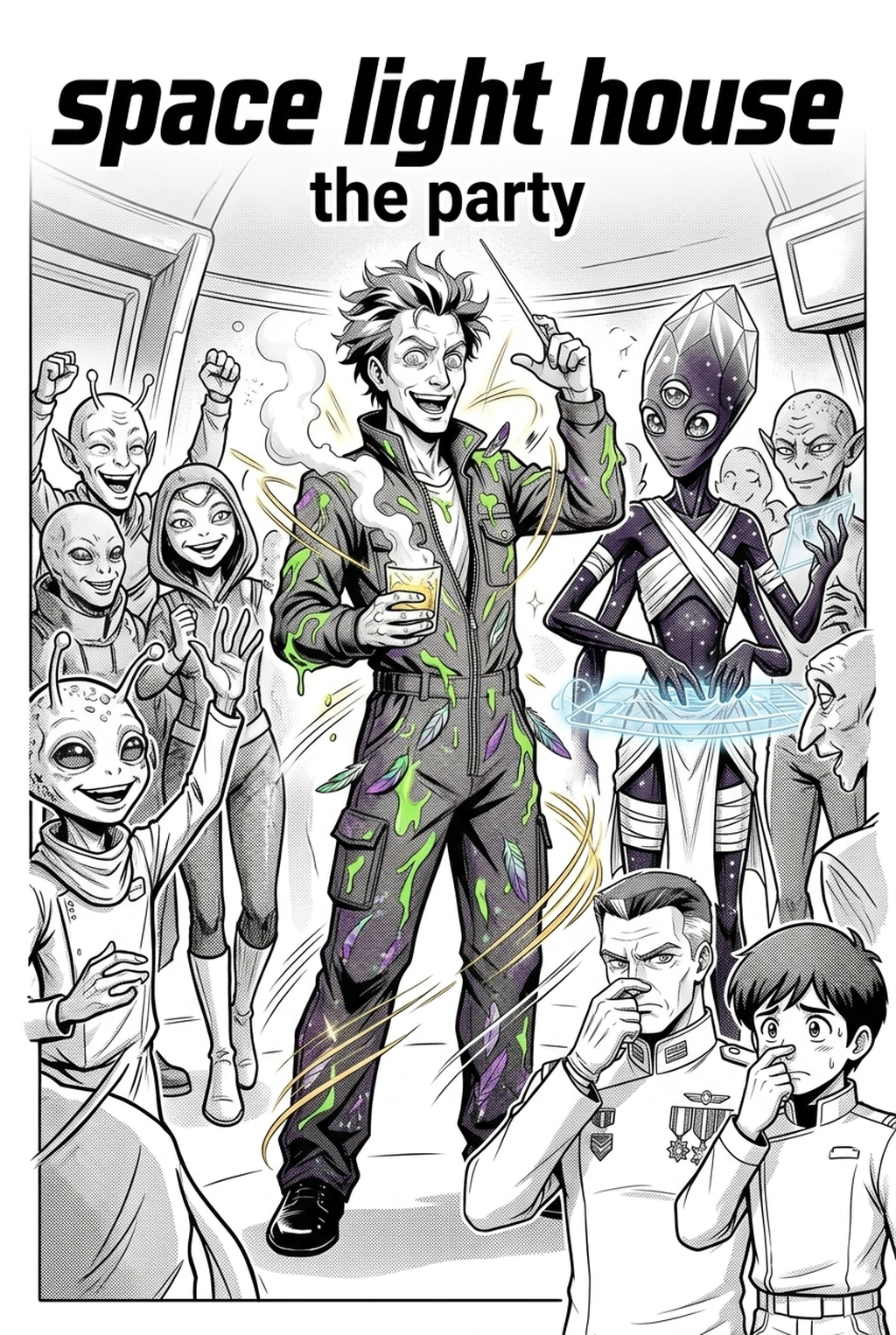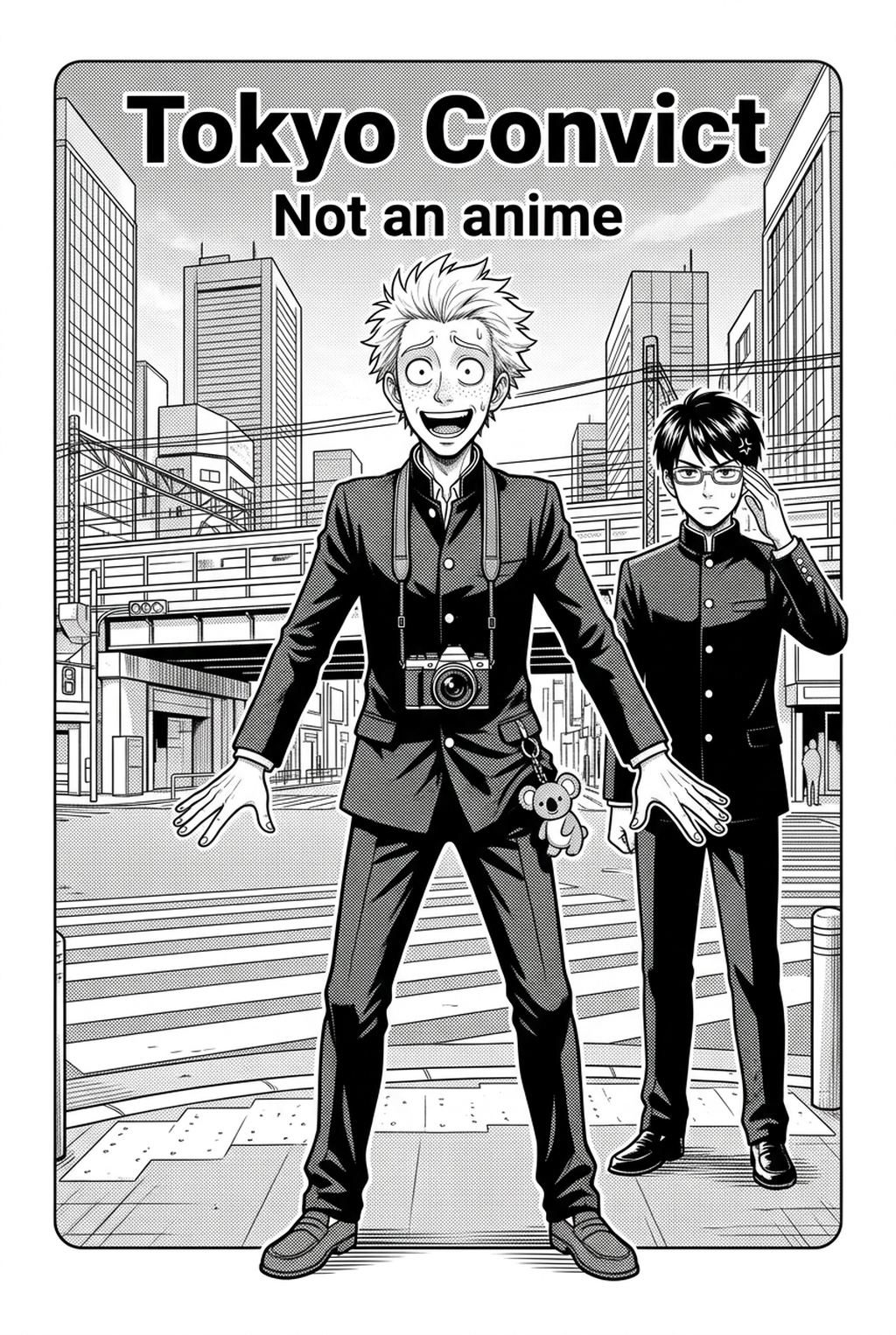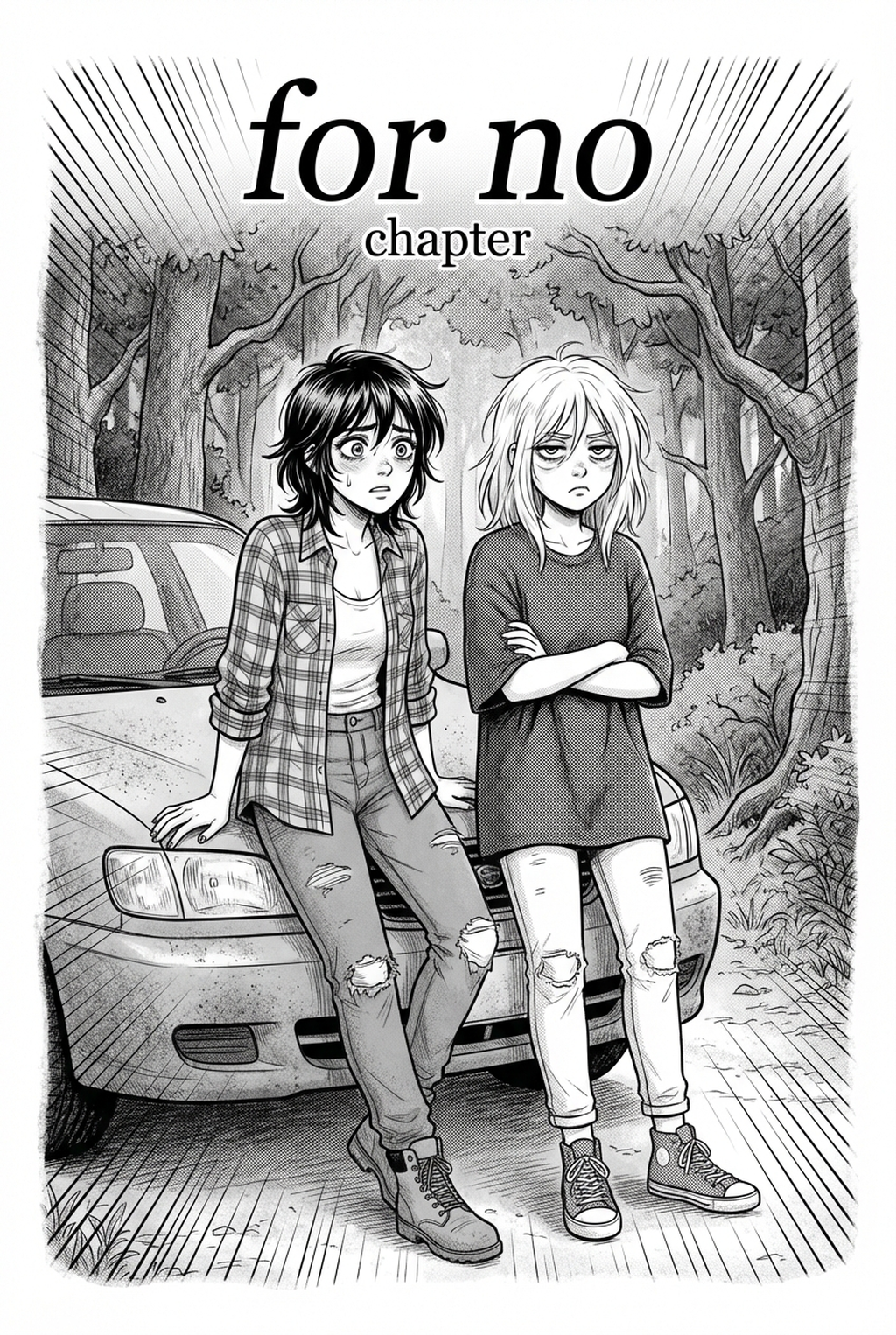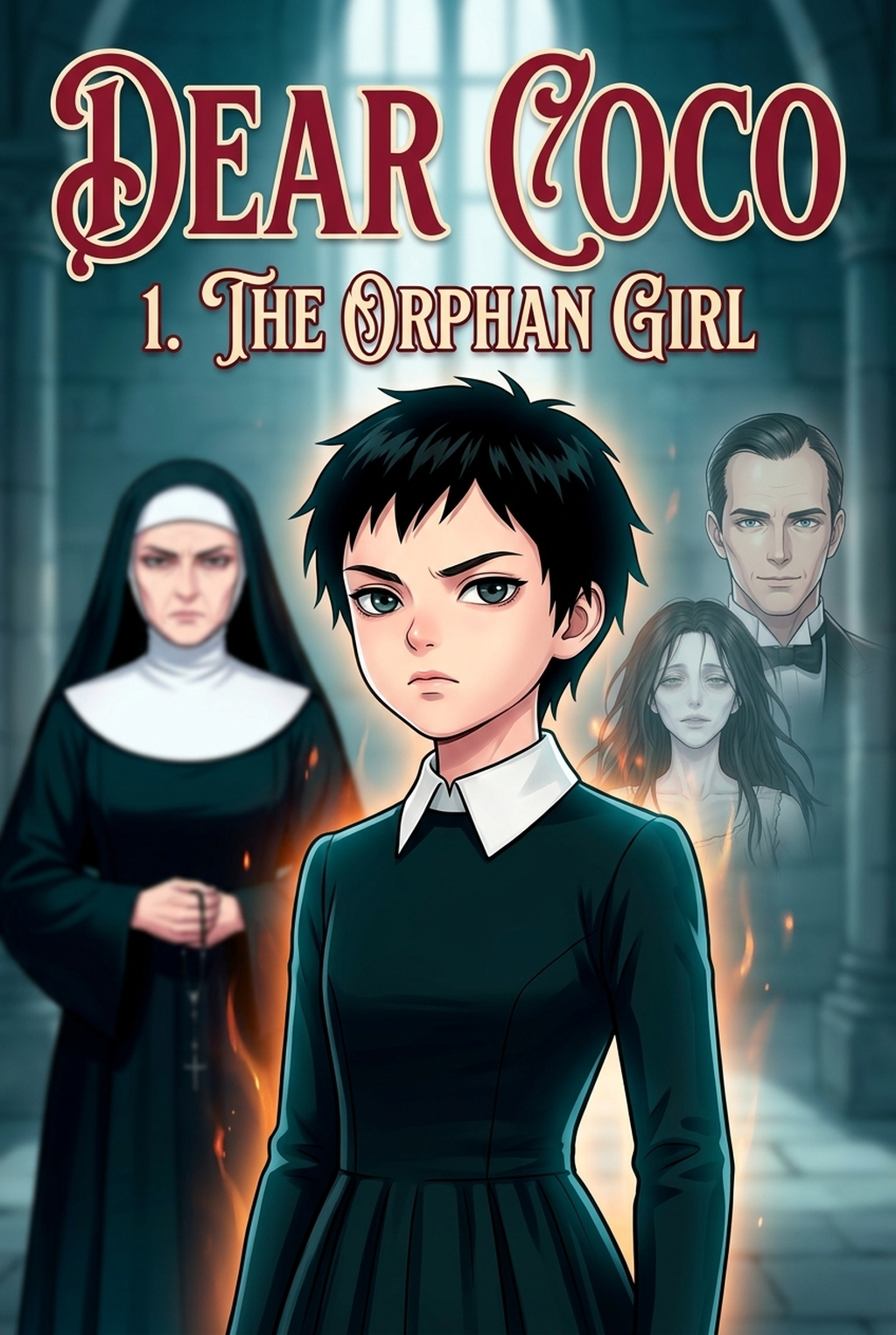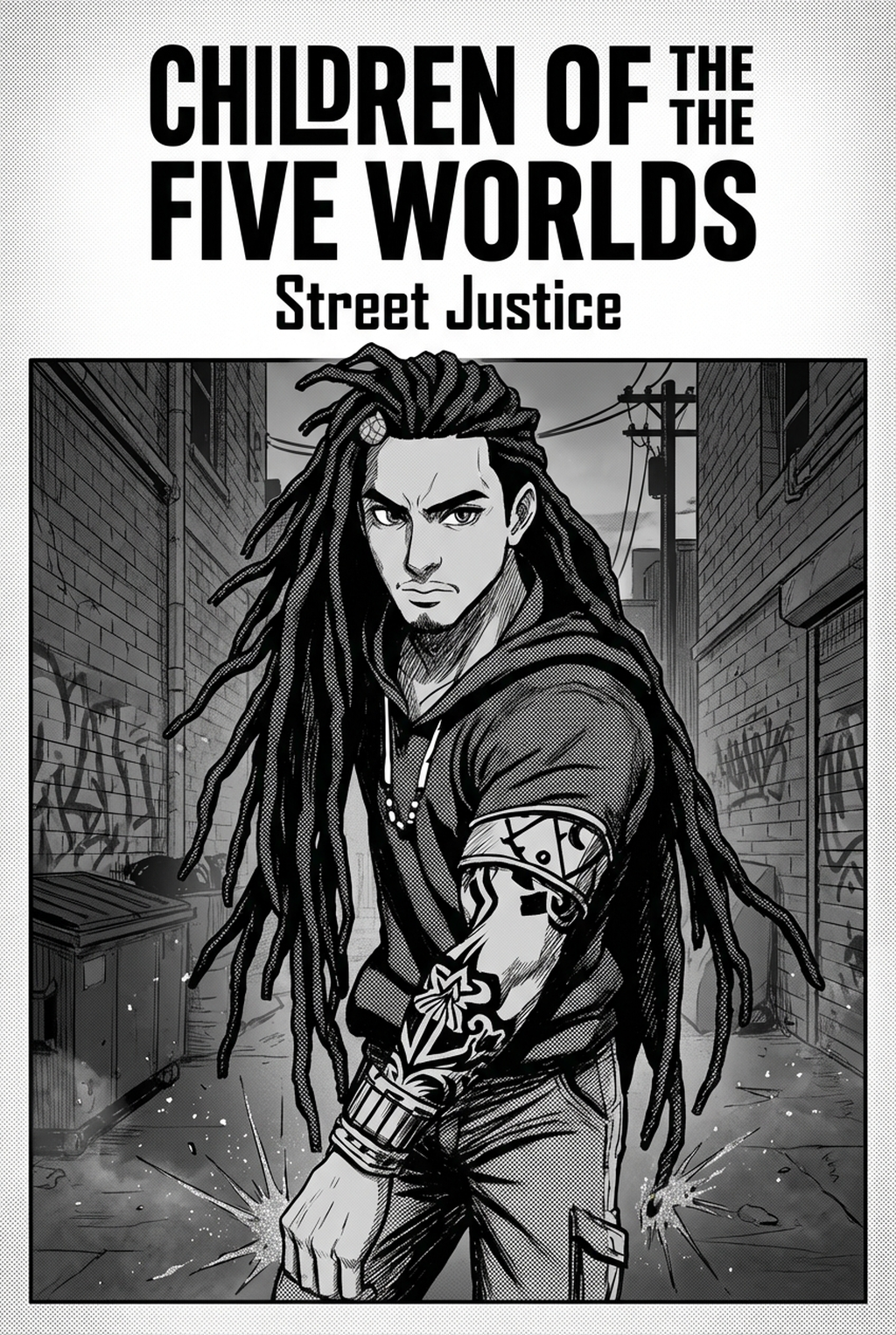
Professional Shonen artists often spend weeks refining complex fight choreography, but using an AI Manga Inker for Shonen manga allows you to automate the most tedious parts of your production. By digitizing the traditional inking process, you can focus on composition and narrative pacing instead of spending hundreds of hours manually tracing over graphite layers. This technological shift ensures that your high-impact action sequences maintain the crisp, clean aesthetic required for professional digital platforms.
What Is AI Manga Inker for Shonen Manga?
An AI Manga Inker workflow is a specialized creative tool that identifies raw pencil strokes and converts them into professional-grade digital ink lines. These tools are built to handle the unique demands of Shonen, such as preserving high-speed motion lines, dramatic character expressions, and intricate background details that define the genre's intense visual style.
Key features include automated line weight adjustment and noise reduction, which ensure that even the most chaotic battle scenes remain readable for your audience. Instead of manually correcting smudged ink or inconsistent line thickness, Shonen manga inking workflow with Mangaka refines your work to provide a clean base layer that is ready for digital colorists. This process bridges the gap between traditional sketch work and the polished look of a finished Pastel vertical comic platforms.
Why AI Manga Inker Matters for Shonen in 2026
Creators facing tight weekly release schedules need a way to streamline their workflow without sacrificing the aesthetic quality that fans expect from a serialized Shonen series. In 2026, the industry is increasingly demanding high-density panel work that can be viewed clearly on mobile screens, making manual inking a significant bottleneck for indie teams and solo artists alike.
By using automation, you address the primary pain point of line-weight drift, where traditional tools might lead to uneven edges or character inconsistency across multiple pages. Maintaining consistent pressure and line quality is essential for visual clarity, a standard that modern AI tools now replicate by instantly converting your rough pencil sketches into clean inked line art automatically.
How AI Manga Inker Works for Shonen in Pastel Vertical Comic Platforms
The workflow for creating a Pastel vertical comic platforms relies on clear, non-distracting lines that provide a perfect canvas for soft lighting and color grading. AI inkers facilitate this by separating your primary linework from the underlying sketch noise, resulting in a crisp file that pops against the subtle color palettes favored in the vertical comic platforms format.
Creating your pages involves moving from a raw scan to a polished output that fits the standard vertical layout of current platforms. First, ensure your pencil sketches have enough contrast to define the key edges of characters and foreground objects. Once you have your scan, the tool processes the data to remove gray artifacts while reinforcing essential details like hair highlights or weapon outlines. This ensures that the final result remains clean and ready for your preferred digital painting software.
Maintaining a high quality of output requires paying attention to how the tool handles fine details versus bold silhouettes. Because Shonen relies on heavy action, you must ensure that your sketch includes clear markers for motion, which the tool will then translate into sharp, dynamic ink lines. Consistency is achieved by applying the same setting profiles across your entire chapter, ensuring that character proportions and line weight remain stable even during rapid movement or combat scenes.
Use Cases for AI Manga Inker
Implementing an automated inker offers distinct advantages for various stages of the manga production process, particularly for artists working under high-pressure deadlines. This keeps the review focused on story intent, line weight, panel readability, and the export quality behind the final AI Manga Inker output.
- Action Sequence Refinement: Shonen fight scenes require precise, sharp lines to convey speed and power. Using an automated inker ensures that every motion line is clear and every impact frame has the necessary line weight to feel weighted and professional.
- Background and Environment Cleanup: Filling in detailed urban environments or rocky terrains manually is time-consuming. You can use automated tools to quickly clean up complex backgrounds, allowing you to focus your creative energy on character acting and central panel composition.
- Scaling and Asset Prep: If you need to resize your artwork for different platforms, having clean, high-resolution inked layers makes the process much smoother than working with noisy graphite sketches. This ensures your work looks crisp on everything from tablets to high-resolution monitors.
- Prototyping New Designs: When testing character outfits or armor designs, rapid inking allows you to see the finalized look immediately. This speed allows for more iterations before you commit to final colors, which digital drawing standards suggest is critical for maintaining overall aesthetic integrity in digital design.
- Chapter cadence. Use the AI pass for pages where speed matters most, such as repeated action poses, transformation beats, or dense speed-line panels. Keep manual cleanup for hero panels where the line style defines the emotional peak.
- Character continuity. Compare the generated lines against the same model sheet, costume notes, and facial-expression range used during sketching. This prevents a fast inking pass from drifting away from the character identity readers recognize.
- Export readiness. Check whether the Pastel webtoon can move into lettering, coloring, or final layout without rebuilding panel borders or speech-bubble space. A good Shonen workflow should save time while keeping the next production step predictable.
Step-By-Step Guide to Start with Mangaka
Getting your project ready for publication is faster than ever with a simplified, three-step generation workflow designed for independent creators. And start your project without the need for a credit card. 2. Paste your script details or upload your scanned source files directly into the intuitive workspace dashboard. 3. Generate your high-quality manga page and download the final clean inked results to your machine for further coloring or lettering.
Creators should compare the generated line art with the original sketch and confirm that facial expressions, props, speed lines, and speech-bubble space still support the scene. A repeatable review pass should cover character consistency, panel readability, background clarity, and whether the final file is ready for coloring, lettering, or editor feedback.
The Bottom Line
Mastering the transition from sketch to finished ink is the best way to keep up with the demands of the modern manga industry. By incorporating automated tools into your workflow, you save hundreds of hours while maintaining the high visual standards required for your Shonen series. If you are ready to speed up your production and achieve professional results, Shonen manga inking workflow with Mangaka today.
Accelerate Your Manga Production with Mangaka.app
Bringing serialized manga or webtoon projects from draft to polished pages requires efficient panel layout, consistent characters, and crisp digital inks. Mangaka.app gives creators a dedicated end-to-end comic workflow:
- AI-Assisted Storyboard Layouts: Turn written scripts into dynamic panel compositions and balanced komawari grids instantly.
- Persistent Character Consistency: Keep face shapes, hair silhouettes, and costume details identical across every scene and angle.
- Digital Screentones & Inking: Apply authentic halftones, clean G-pen line art, and dramatic cross-hatching with one click.
- Multi-Format Export: Export production-ready pages at 300/600 DPI suitable for print publishing or vertical digital platforms.
Experience the next evolution of comic creation today at Mangaka.app .