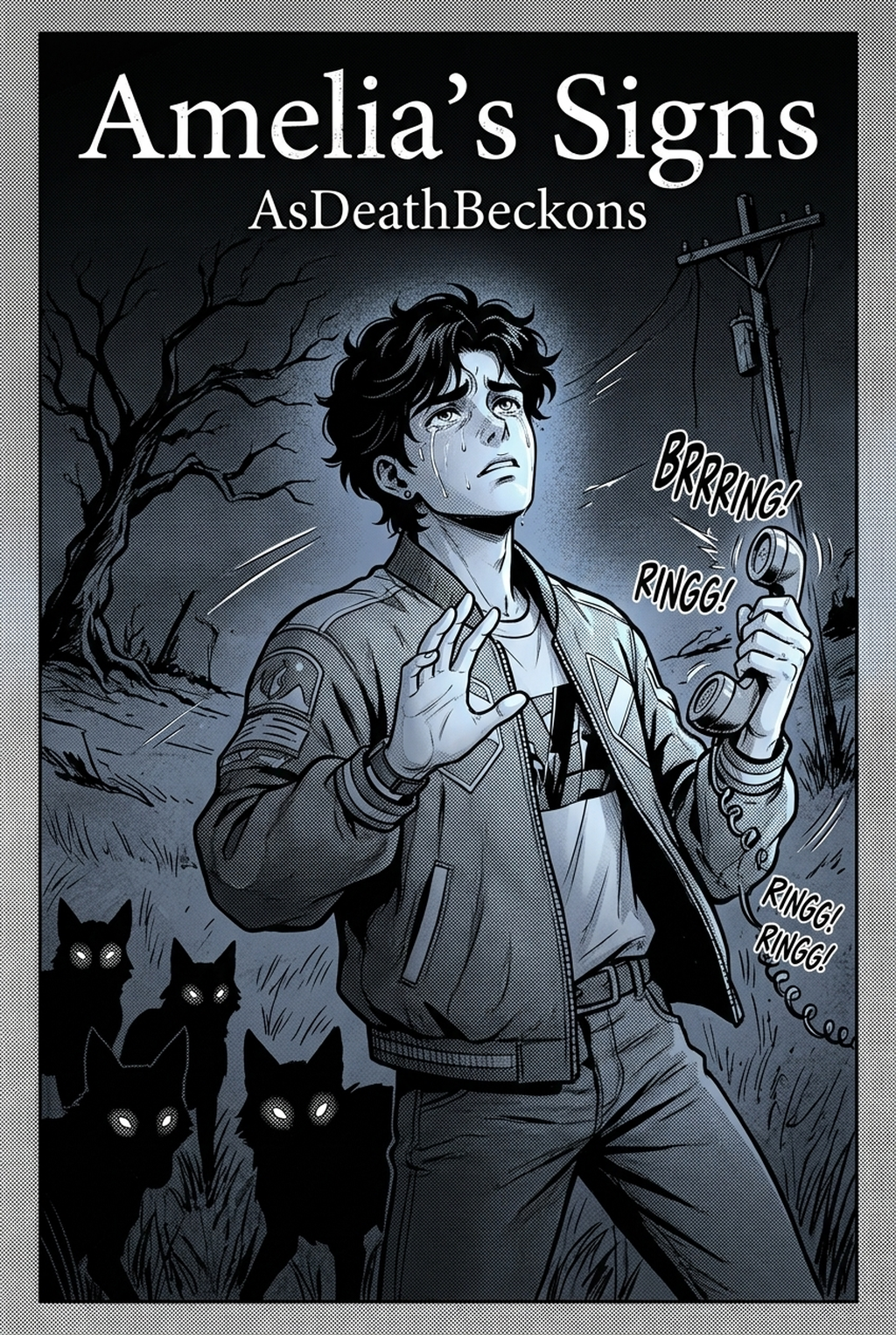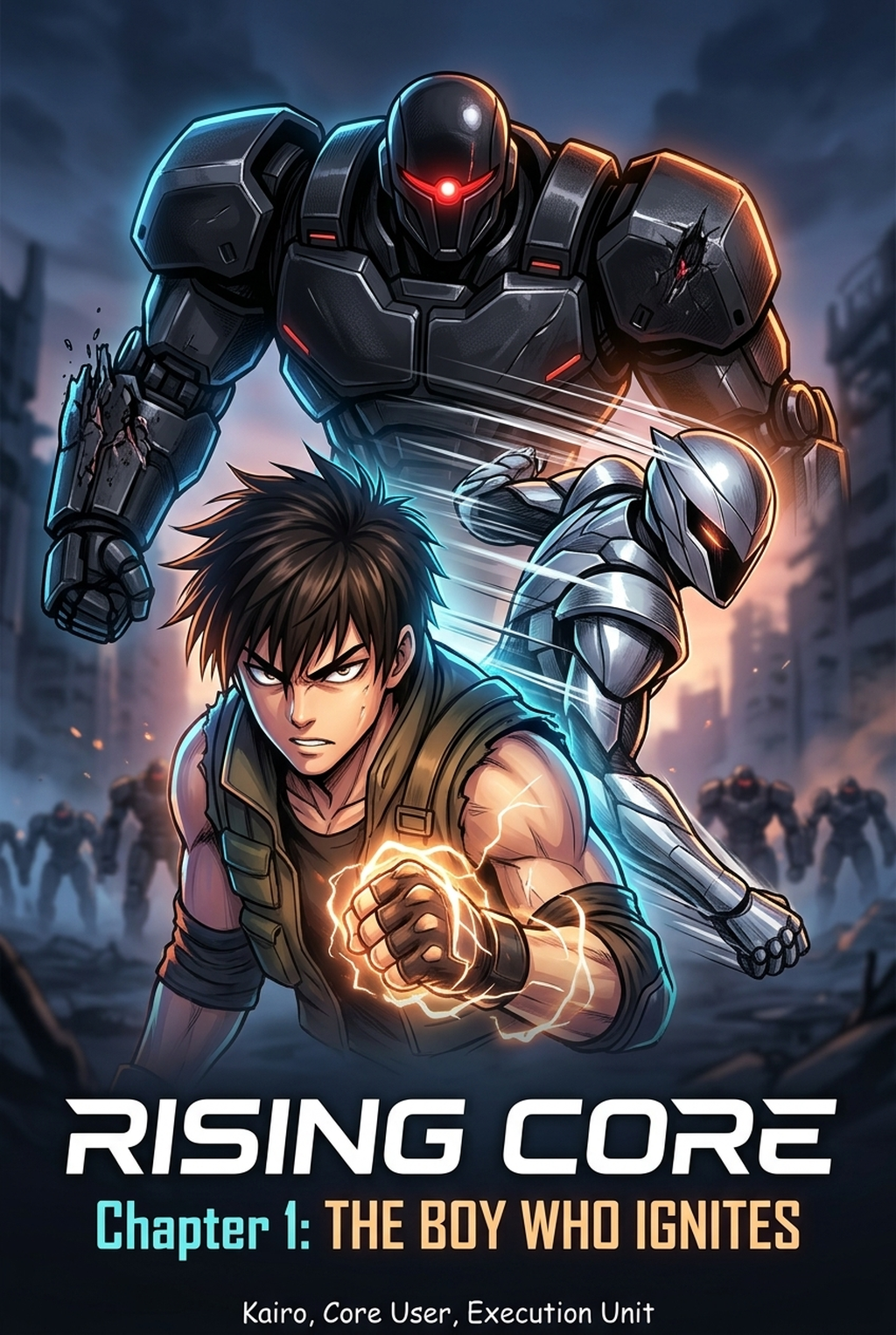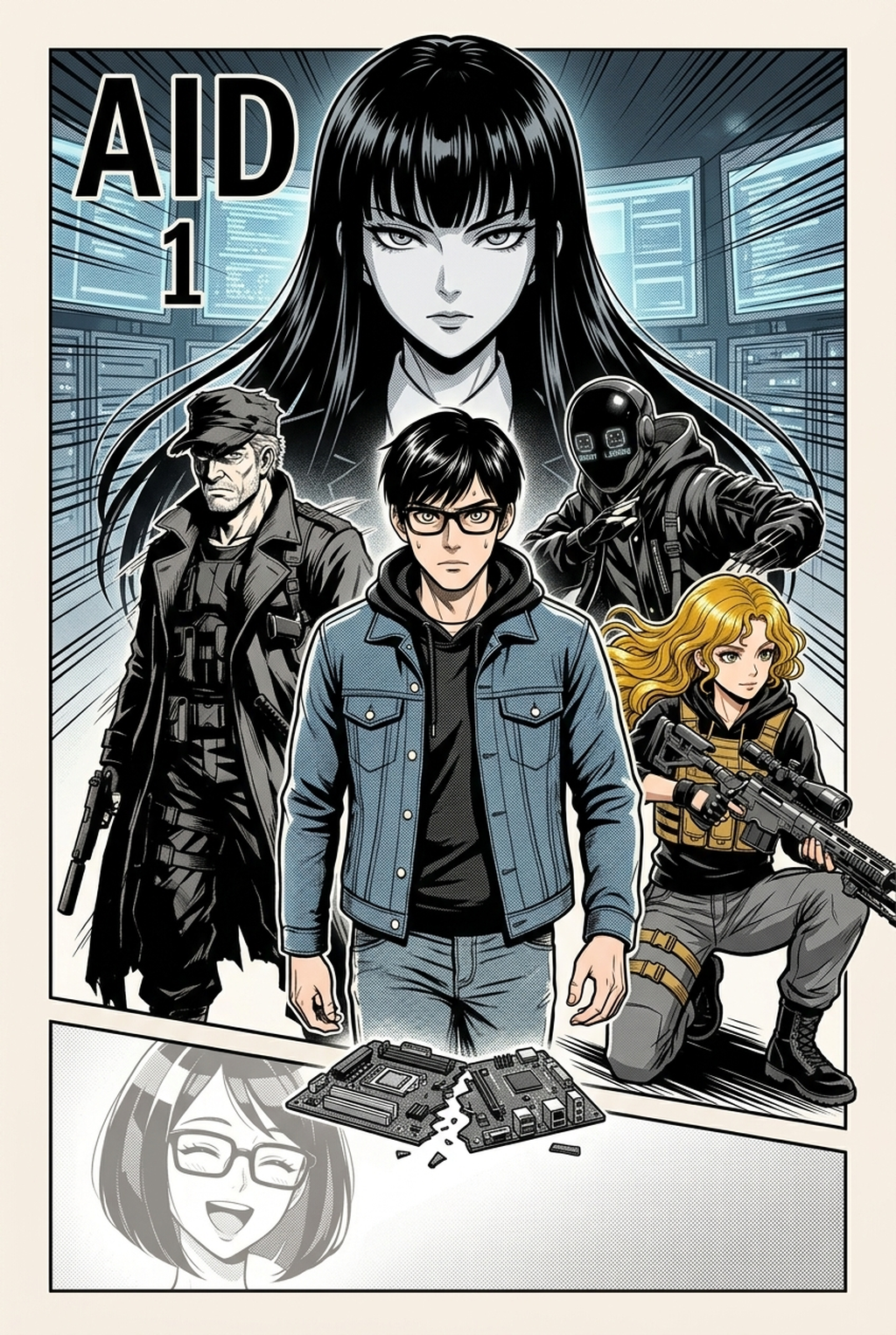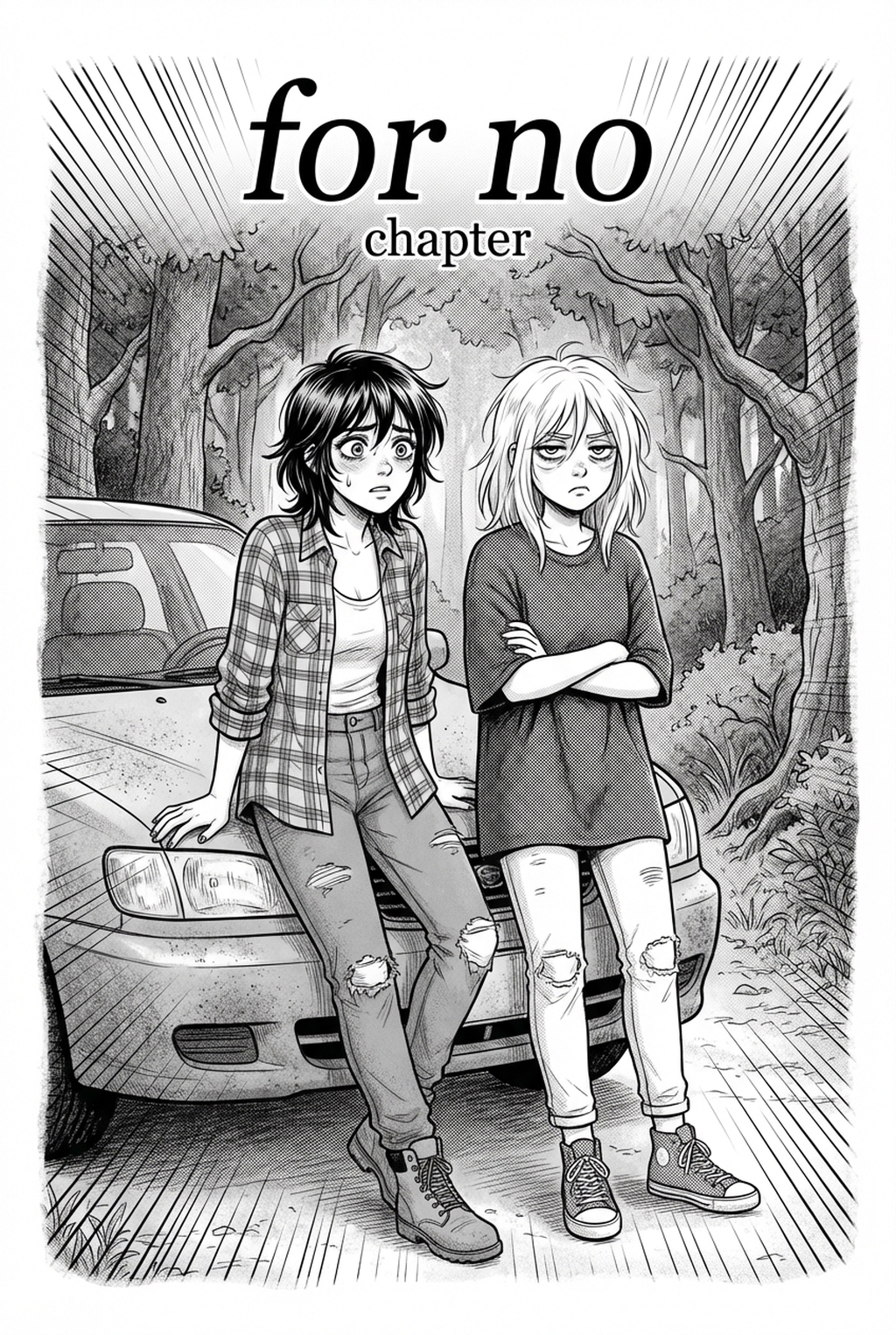
What Is AI Manga Inker for Shonen Manga?
The Anime News Network feature on how manga is made describes manga as staged work from rough draft to finished page. That production context matters for Shonen creators because AI assistance is useful only when the sketch, inking pass, and final page review stay connected.
- Line Weight Optimization: The ability to preserve varying thickness in lines, essential for giving Shonen characters weight and volume. * Gap Closure: Smart algorithms that automatically connect broken lines, saving you from tedious manual fixes. * Resolution Scaling: High-fidelity conversion that allows your sketches to be resized for print or high-resolution digital viewing without pixelation.
Why AI Manga Inker Matters for Shonen in 2026
You face the constant pressure of tight deadlines where every hour spent on repetitive technical tasks is an hour lost on storytelling and creative development. Inking, while vital, is the primary bottleneck in Shonen production, where complex battles and detailed costume designs demand meticulous line maintenance that is physically exhausting to execute by hand.
| Feature | Traditional Manual Inking | Standard Filter Tools | AI Manga Inker (Mangaka) |
|---|---|---|---|
| Workflow Speed | Very Slow (1-2 days) | Medium (manual cleanup) | Fast (minutes) |
| Line Quality | Professional/Organic | Often Pixelated | High-Resolution Vector |
| Technical Skill | High (years of practice) | Medium (layer management) | Low (automatic) |
By automating the mechanical aspects of line cleanup, you gain the freedom to focus on panel composition and impact. When you AI Manga Inker for Shonen manga with Mangaka to handle the heavy lifting, you ensure that your character transformations and high-speed action scenes retain a professional consistency that was once only achievable by large studio teams.
How AI Manga Inker Works for Shonen in Color Manga
You can integrate AI inking by treating the process as a smart filter that understands the "intent" of your original sketch rather than just pixel values. By focusing on the structural geometry of your characters, these tools differentiate between a deliberate contour line and a stray construction mark.
- Preprocessing: Prepare your rough sketch on a clean white background, ensuring contrast is high to help the AI detect the lines. * AI Interpretation: The engine processes the sketch, applying a vectorized layer that mimics the pressure-sensitive strokes of a G-pen. * Manual Touch-ups: Import the resulting clean layer into your coloring software, where you can add flats and cell-shading to your finalized inks.
For Shonen manga, costume continuity is critical. If your AI tool produces lines that look too "digital," you may want to overlay a traditional brush texture to maintain the organic feel of physical ink. Always review the final output to ensure that intricate details like glowing energy or complex mechanical designs remain sharp throughout multi-panel sequences, as noted in general best practices for digital manga production .
Use Cases for AI Manga Inker
Use cases are strongest when the story goal, genre expectation, visual risk, and final export format are clear. A useful example names the page detail a creator checks before the page moves into lettering, coloring, or publishing. Creators often struggle with maintaining consistent energy across hundreds of pages.
- Action Sequence Consistency: Use the inker to quickly standardize lines across multiple panels showing a character moving at high speed, preventing the "jitter" common in hand-inked rapid sequences. * Background Asset Integration: If you are sketching complex urban environments, the AI can convert your loose, perspective-heavy sketches into clean, architectural line art, allowing you to focus on character performance. * Transformation Heavy Pages: When a character undergoes a visual change (like a power-up), the AI inker helps maintain consistent line density between the "before" and "after" designs, which is essential for visual storytelling.
Step-By-Step Guide to Start with Mangaka
Line Quality Through Revision. Workflow Fit for Creator Output.
Workflow Fit for Creator Output
Start by preparing the creative brief, reference notes, character constraints, and export target before generation. The setup matters because a clearer brief gives the review pass something specific to judge: silhouette, expression, panel readability, and file readiness. Getting your project off the ground is a straightforward process that moves you from rough draft to clean art in three distinct steps.
- Sign Up: Create your account on the Mangaka platform to gain access to the secure cloud processing environment.
- Upload: Navigate to your dashboard and upload your high-resolution pencil sketches or digital roughs as PNG or JPG files.
- Generate & Download: Process the image, review the clean line output, and download your file for Shonen manga inking workflow with Mangaka to integrate it directly into your preferred coloring software.
Release cadence belongs in the production context for manga tools. For creators, the useful product question is whether pages stay readable when schedule pressure rises. For setup, creators should define the scene goal, character references, page count, reading direction, and target Color manga. That gives AI Manga Inker enough context to support the story instead of producing disconnected panels. Creators can use each revision decision to clarify panel readability, character consistency, and export quality before publishing or sharing. For visual quality, creators should check line weight, facial expression, pose clarity, panel order, and space for dialogue before export. Those checks matter more for Shonen pages because action beats and emotional pauses need to read quickly. For comparison, a useful tool should save time without flattening the creator's style. The best choice keeps the first pass editable, makes revisions visible, and leaves final judgment with the artist. That extra context helps the reader connect the creative choice to character consistency, composition, speech-bubble space, and final file format. For production, creators should keep a small reference sheet for recurring characters, outfits, props, and backgrounds. That makes it easier to compare generated pages and decide which panel needs a redraw. For manga creators, the practical value comes from reducing redraw loops before the artwork reaches a reader-facing page or reusable asset. For export, creators should confirm the final PNG, PDF, or editable file can move into lettering, coloring, or layout cleanup without rebuilding the page. A clear export routine keeps the next chapter faster.
Review Controls Before Export
- Reader expectations. MyAnimeList manga news keeps genre expectations visible for readers who scan action, character acting, and page rhythm quickly. Shonen inking should preserve panel clarity, not just cleaner lines.
- Drawing practice. Wacom's comic and manga creation guide ties tool choice to brush control, cleanup effort, and export readiness. That keeps review grounded in creator workflow.
The Bottom Line
A useful inking pass keeps the story goal, visual style, and review step clear before export. AI Manga Inker gives creators a faster first pass without removing the final human review. Creators can use each revision decision to clarify panel readability, character consistency, and export quality before publishing or sharing. Start creating with Shonen manga inking workflow with Mangaka when you are ready to turn the reviewed idea into finished manga pages. Test it with one real page goal, one reference boundary, and one export requirement so the decision stays tied to production quality.