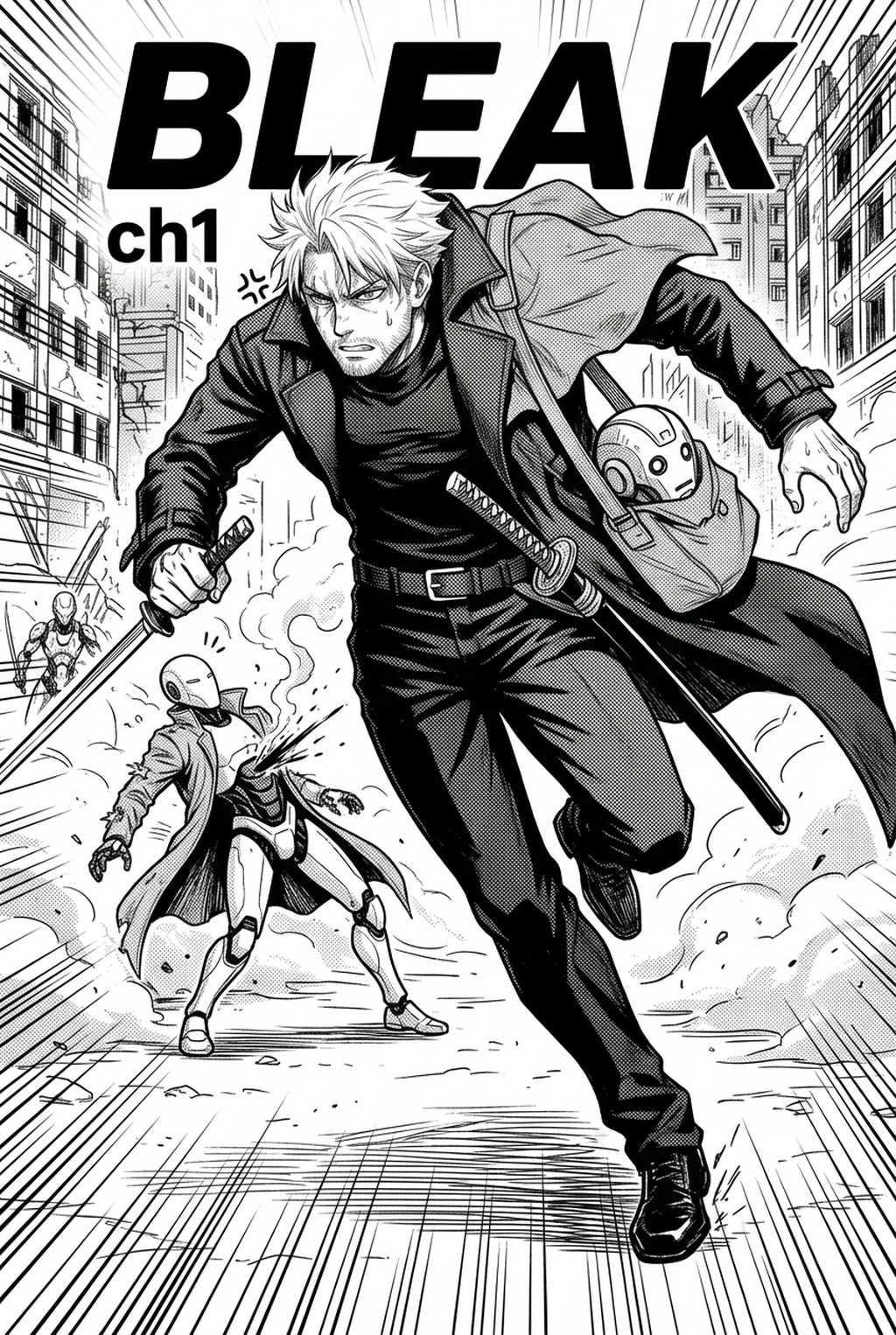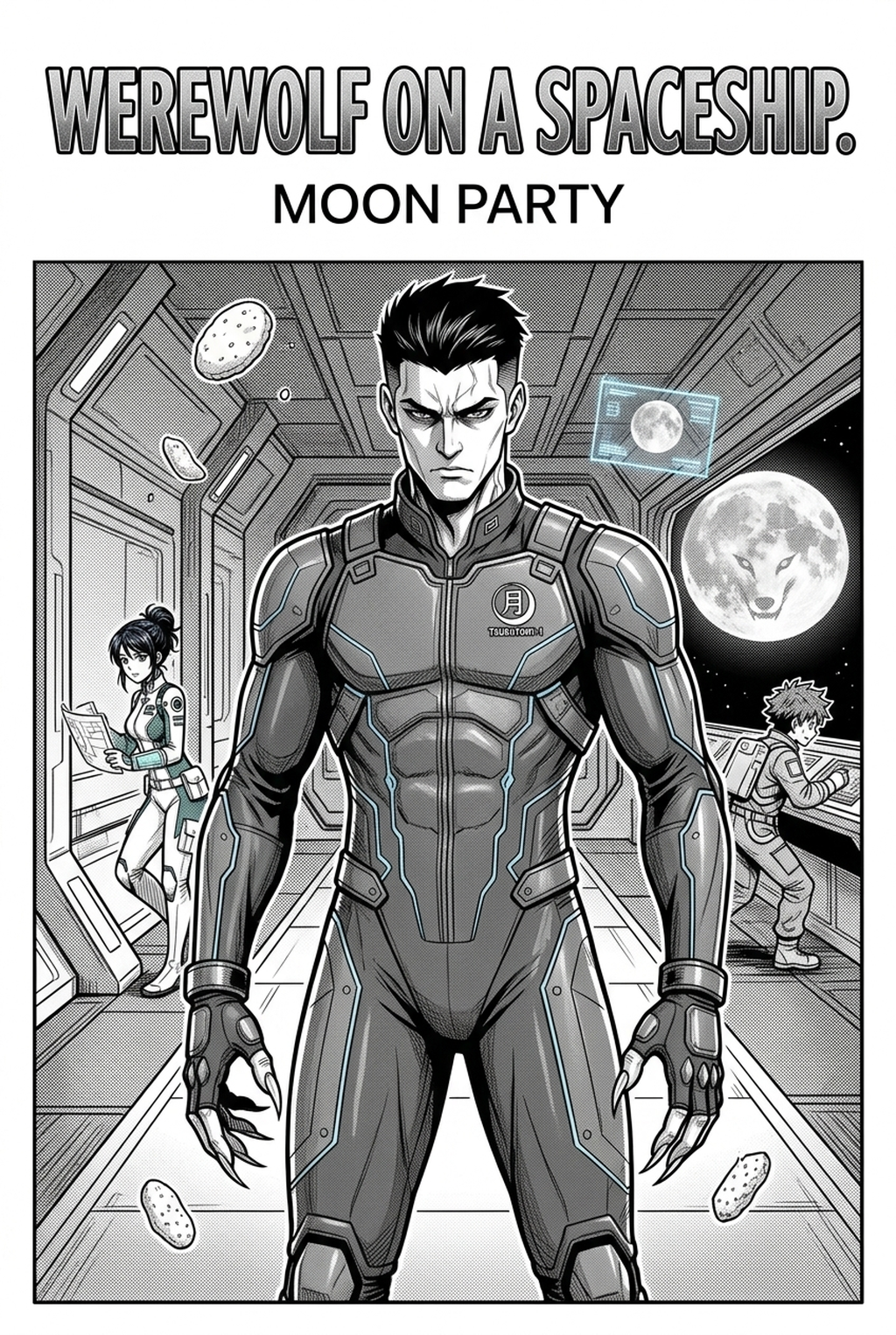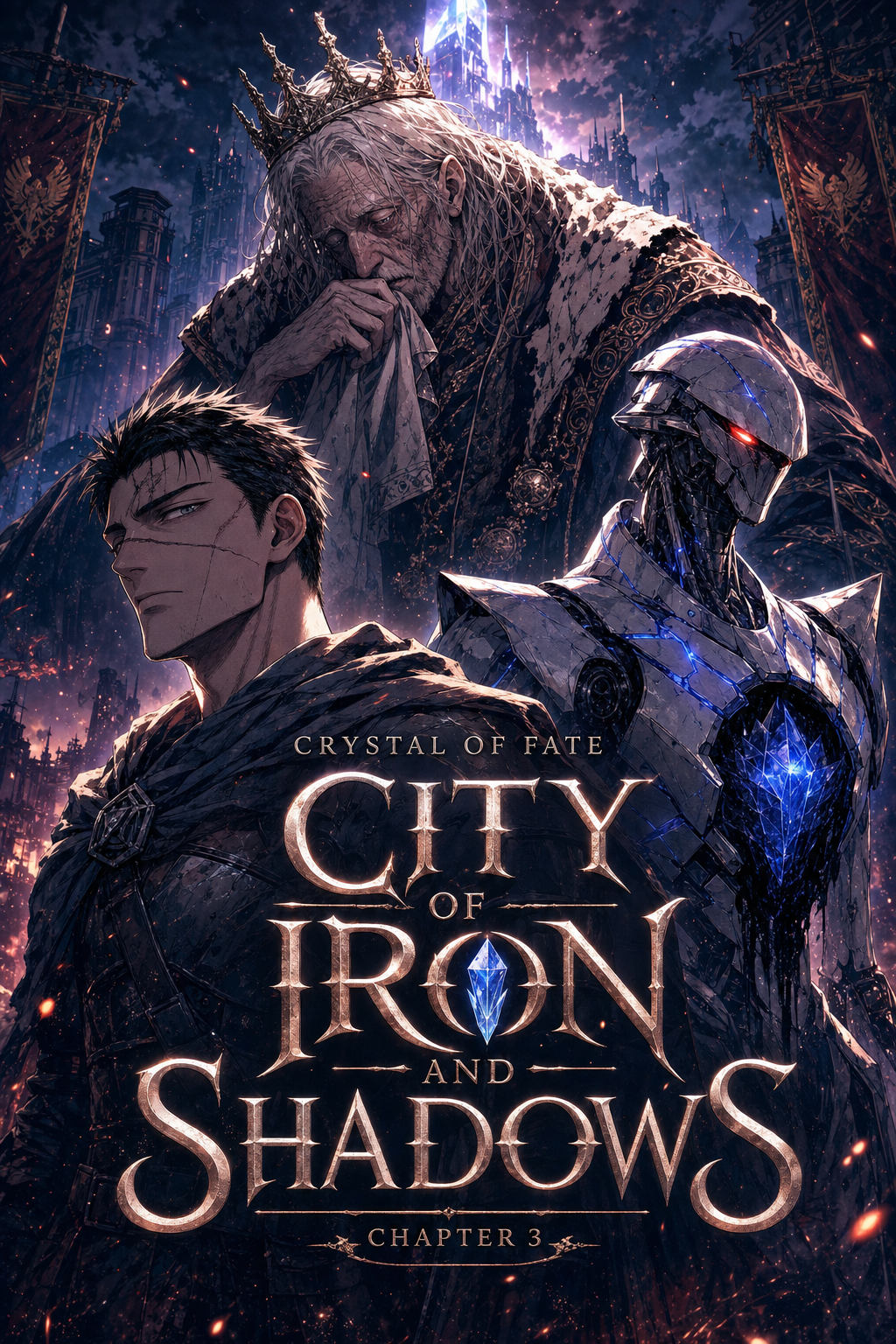
AI Manga Inker for Slice of Life manga helps creators compare generation speed, manual art control, line quality, and Shonen page-readiness before choosing a production workflow. The main tradeoff is fast first-pass page output versus deeper manual control before export.
AI Manga Inker: Why AI Manga Inker Workflows Slow Down Slice of Life Creators
The Anime News Network feature on how manga is made describes manga as staged work from rough draft to finished page. That production context matters for Slice of Life creators because AI assistance is useful only when the sketch, inking pass, and final page review stay connected.
You face a unique set of challenges when you choose to focus on the mundane beauty of everyday life. Unlike genres that rely on speed lines and heavy shading to mask imperfections, your work lives and dies by the clarity of your lines and the softness of your tones.
Creative Brief and Generation Quality
The "slice of life" label often masks the fact that these stories are incredibly time-intensive to draw. You are tasked with rendering complex, grounded environments that need to feel lived-in and authentic. When you set ambitious page goals, the mechanical act of inking becomes a barrier to your storytelling, turning creative sessions into sessions of rote manual labor. The pressure to stay consistent across dozens of pages per chapter often leads to burnout before the story even reaches its climax.
Where Style Consistency Breaks
Maintaining a cohesive look across a long-form story is a common point of failure for independent creators. Even with high-end digital tablets, your hand fatigue changes the way your lines look from the first panel of the day to the last. When you rely on traditional digital inking methods, subtle drift in line weight and shading texture can accumulate, leaving the middle of your chapter looking disjointed compared to your opening pages. This is where automated assistance, like that found at AI Manga Inker for Slice of Life manga with Mangaka , changes the dynamic by ensuring your pencil intent is translated into professional-grade ink every single time.
Workflow Bottleneck 1: Character Consistency Between Panels
Mangaka features matter when they remove friction from the actual revision path. If the pain point is rough sketches, line-weight drift, unclear panels, or export cleanup, clean line-art output should make those review points easier to judge before publishing. When you are drawing characters in quiet, observational moments, even a slight change in the thickness of an eyebrow or the angle of a shoulder can break the reader's immersion.
You need the character to remain recognizable and emotive, even as the camera angle shifts across a conversation. Relying on manual line art often results in "wobble" or slight alterations in costume details, forcing you to spend hours on retouching. By using Slice of Life manga inking workflow with Mangaka , you can trust that your foundational pencil work is converted into clean, consistent line art that respects your specific character sheets.
Workflow Bottleneck 2: Soft B&W Panels Style Drift
Mangaka features matter when they remove friction from the actual revision path. If the pain point is rough sketches, line-weight drift, unclear panels, or export cleanup, clean line-art output should make those review points easier to judge before publishing. The "soft" aesthetic requires careful management of light and negative space. Traditional software filters often lean toward high-contrast, aggressive black-and-white conversion that loses the gentle nuance of a charcoal or graphite sketch. | Feature | Generic AI Inking Tools | Mangaka Inker |
|:--- |:--- |:--- |
| Line Quality | Often harsh/binary | Mimics hand-drawn flow |
| Tone Preservation | High contrast loss | Keeps soft grayscale nuance |
| Pencil Intent | Strips sketch textures | Refines and preserves style |
| Batch Workflow | Basic automation | Creator-centric adjustment | Mangaka distinguishes itself here by focusing on the artistic integrity of the sketch, prioritizing the soft, atmospheric lines necessary for slice of life settings.
Workflow Bottleneck 3: Panel Pacing for Slice of Life Storytelling
Workflow Bottleneck 4: Dialogue Placement and Export Review
How Mangaka Improves AI Manga Inker for Slice of Life in Soft B&W Panels
You deserve a tool that views your sketch as a creative blueprint rather than just a set of pixels. Mangaka is designed to bridge the gap between your artistic vision and the technical demands of publishing.
Mangaka Features and Export Review
Mangaka is built to understand the specific needs of manga creators. It doesn't force a "one-size-fits-all" digital look; instead, it offers parameters that allow you to dictate how much of your original pencil work carries over into the ink. This is particularly vital for slice of life, where you might want a very light touch for a dream sequence or a heavier, grounded look for a rainy afternoon scene.
Quality Checks Before Export
Mangaka provides a structured environment to review how the inks interact with your panel composition. Because the tool is optimized for the soft B&W aesthetic, you are less likely to encounter the "banding" or pixelated edges common in standard software. You can trust that the subtle details of your backgrounds and expressions remain intact, providing a seamless transition from your sketch-phase to the finished page.
Release cadence belongs in the production context for manga tools. For creators, the useful product question is whether pages stay readable when schedule pressure rises. Export quality depends on whether the creator can still adjust cleanup, line weight, and handoff settings after AI assistance. Wacom comic and manga creation guidance ties that point to drawing practice instead of broad AI-image claims.
- Reader expectations. MyAnimeList manga news keeps genre expectations visible for readers who scan action, character acting, and page rhythm quickly. Shonen inking should preserve panel clarity, not just cleaner lines.
- Drawing practice. Wacom's comic and manga creation guide ties tool choice to brush control, cleanup effort, and export readiness. That keeps review grounded in creator workflow.
Streamline Everyday Manga Inking and Backgrounds with Mangaka.app
Slice-of-life manga lives in character warmth, subtle expressions, and cozy background environments. Mangaka.app helps indie creators sustain steady serialization without creative burnout:
- Consistent Casual Character Inking: Maintain relaxed, expressive character outlines across comedic and heartwarming daily story arcs.
- Architectural & Domestic Inking Presets: Cleanly ink school desks, kitchen interiors, and neighborhood streetscapes with balanced line density.
- Fast Panel Cleanup: Turn rough story sketches into crisp, readable panel sequences ready for screentone shading in minutes.
- Indie-Friendly Rapid Turnaround: Produce recurring slice-of-life comic strips and webtoons on weekly schedules without hiring assistant inking teams.
For comic artists, manga creators, and indie publishers looking to elevate their production workflow, Mangaka.app provides an end-to-end AI creation suite with consistent character generation, automated komawari paneling, and professional 600 DPI monochrome inking.
The Bottom Line
A useful inking pass keeps the story goal, visual style, and review step clear before export. AI Manga Inker gives creators a faster first pass without removing the final human review. Creators can use each revision decision to clarify panel readability, character consistency, and export quality before publishing or sharing. Start creating with Slice of Life manga inking workflow with Mangaka when you are ready to turn the reviewed idea into finished manga pages. Test it with one real page goal, one reference boundary, and one export requirement so the decision stays tied to production quality.