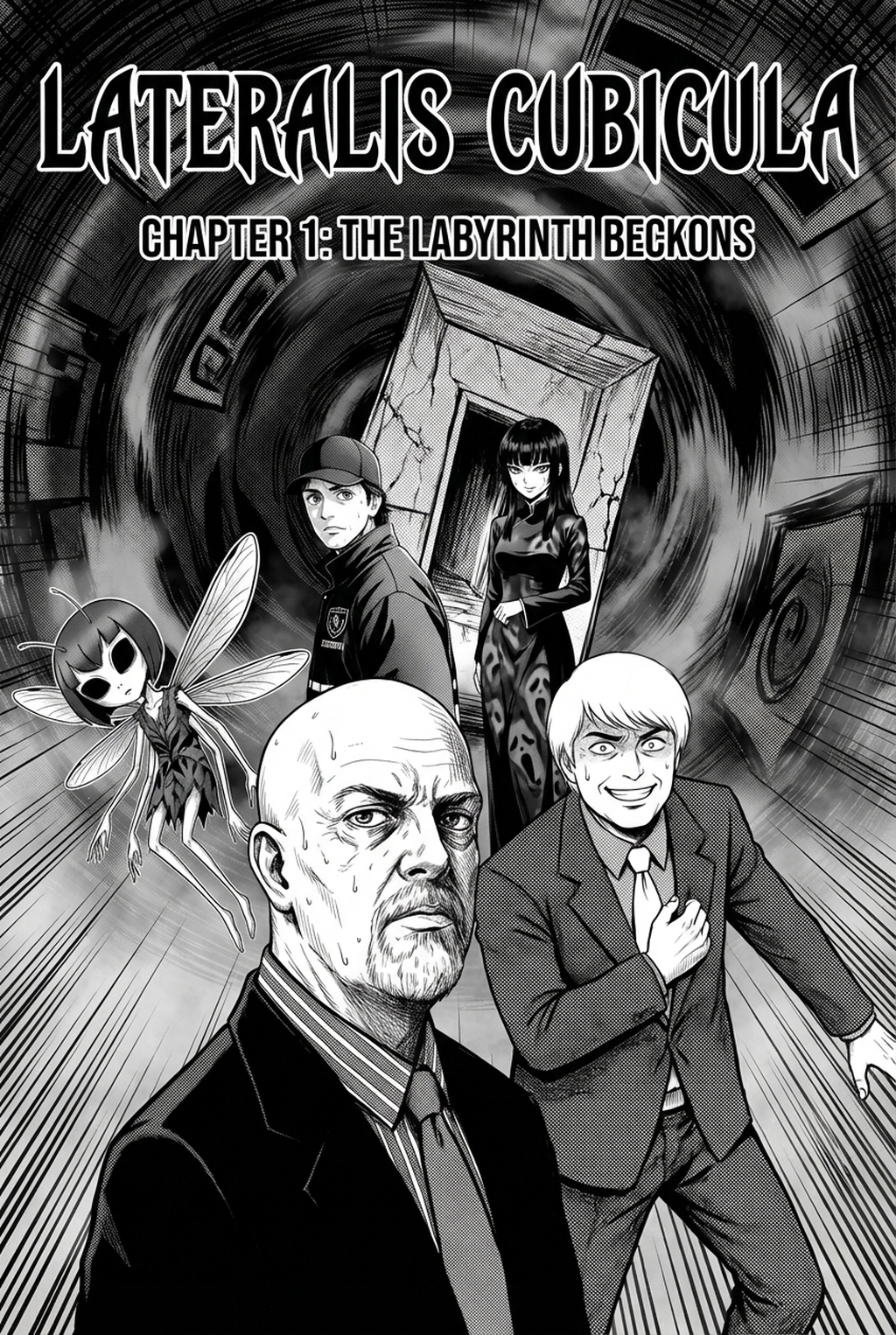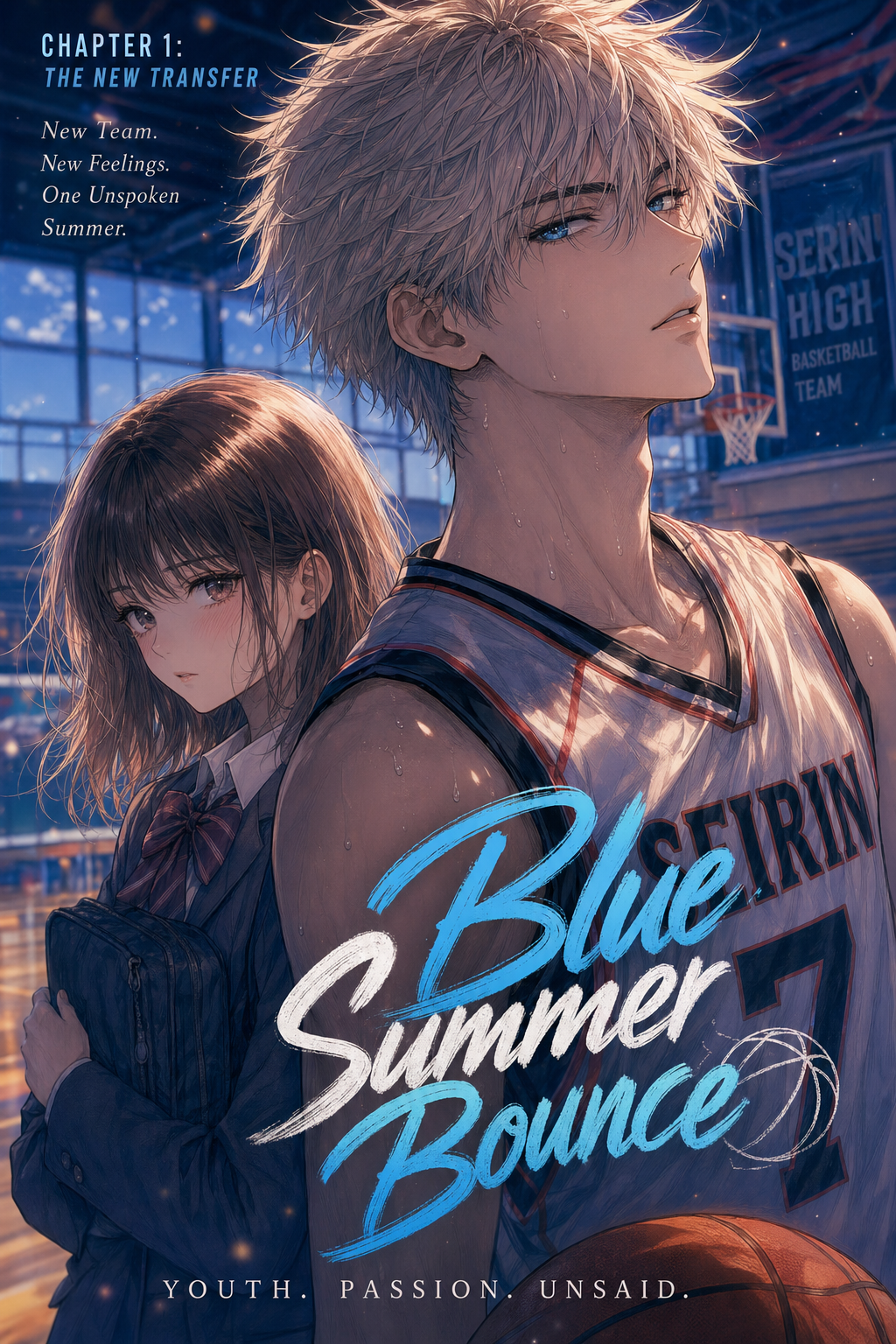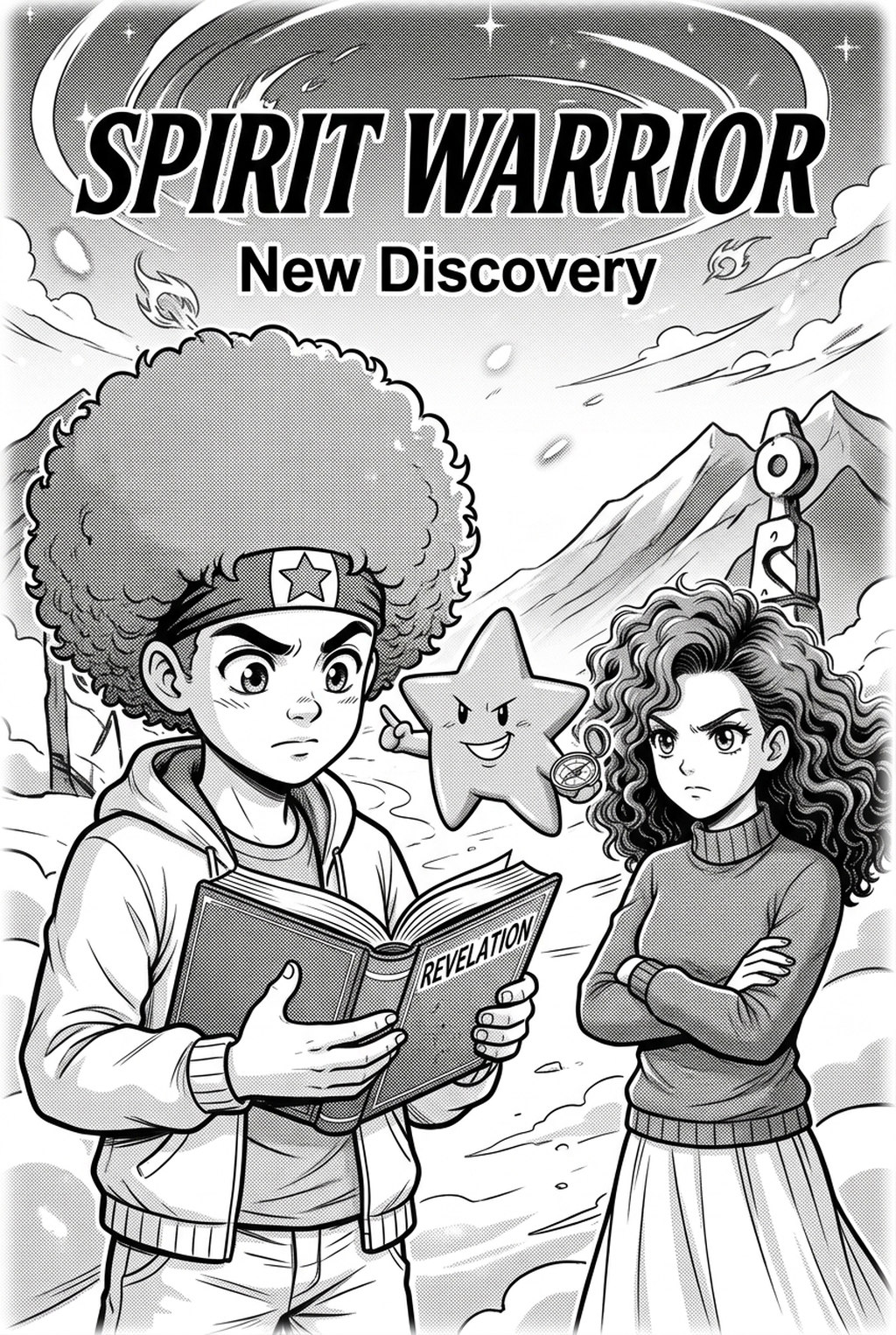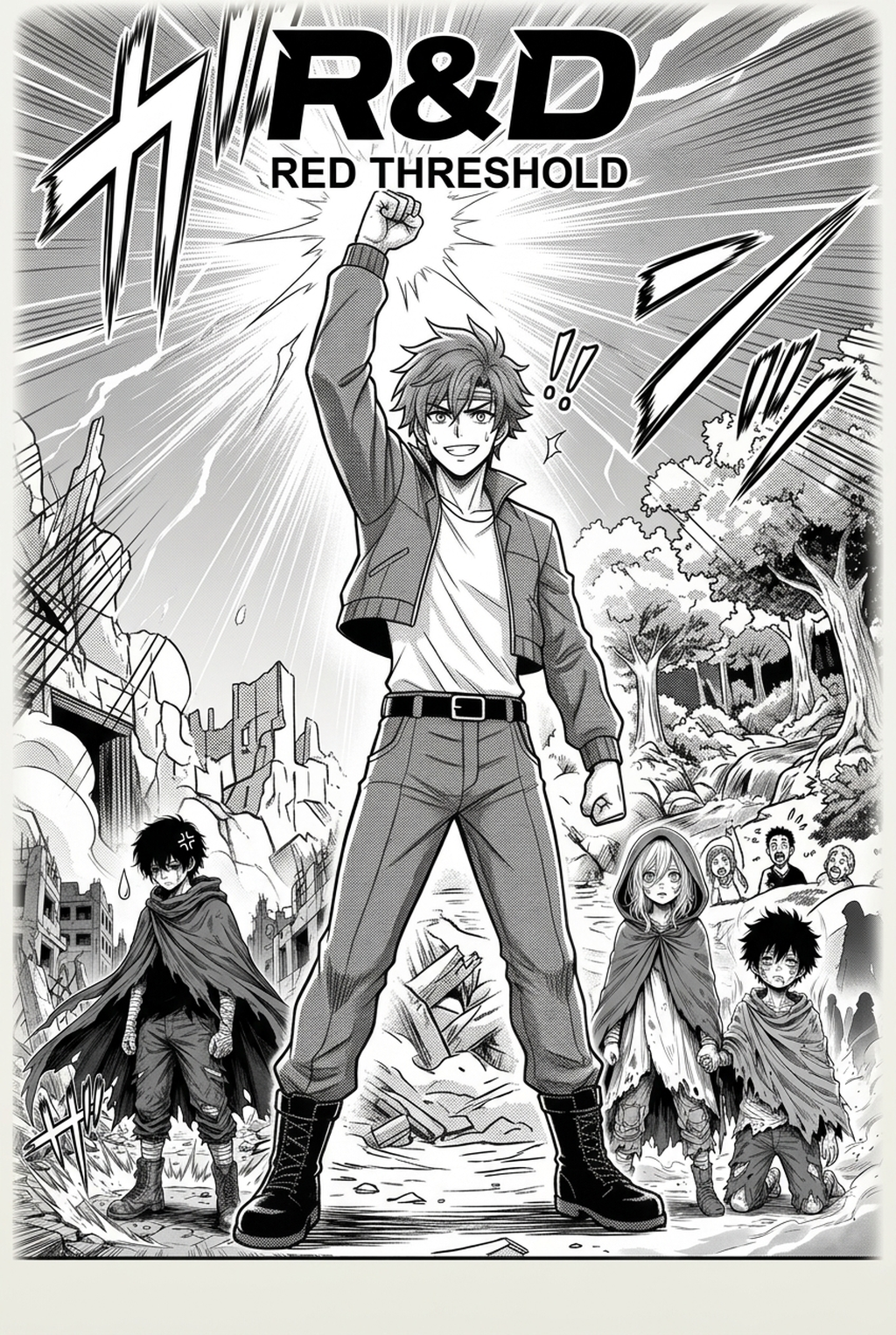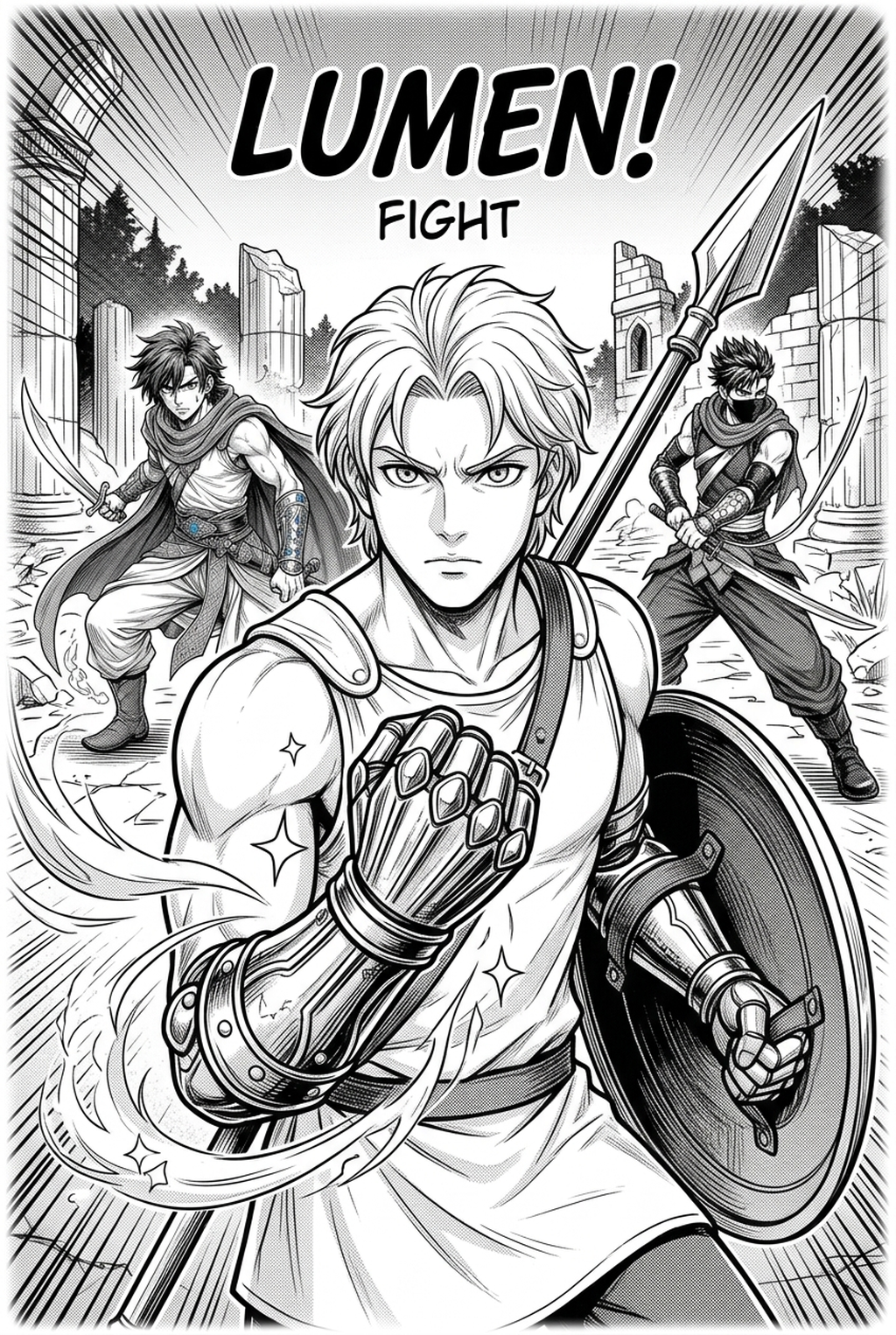
AI Manga Inker for Slice of Life manga helps creators compare generation speed, manual art control, line quality, and Shonen page-readiness before choosing a production workflow. The main tradeoff is fast first-pass page output versus deeper manual control before export.
AI Manga Inker: What Mangaka Brings to Manga Reader Apps Creators
The Anime News Network feature on how manga is made describes manga as staged work from rough draft to finished page. That production context matters for Slice of Life creators because AI assistance is useful only when the sketch, inking pass, and final page review stay connected.
You know that the "slice of life" aesthetic relies heavily on clean linework to ground the reader in the story's world. When you spend hours chasing shaky lines or correcting cross-hatching, you lose the time better spent on narrative pacing and character development. Mangaka serves as your digital assistant, specifically tuned to recognize the nuances of traditional pen-and-ink styles, ensuring your final output remains consistent across long-form chapters.
Workflow Fit for Creator Output
Mangaka is designed to integrate directly into your existing drawing environment. By uploading your rough sketches, you allow the tool to interpret your gestural lines and convert them into crisp, vector-ready strokes. This is particularly useful when you have dozens of background panels or simple character shots that don't require the extreme detail of an action manga, allowing you to maintain a steady cadence for your serial release. You can try the tool yourself at AI Manga Inker for Slice of Life manga with Mangaka to see how it handles your specific brush pressure and texture preferences.
Review Controls Before Export
You remain the final authority on the look of your manga. Mangaka provides a dedicated preview stage where you can adjust the sensitivity of the ink detection, ensuring that the "soft" feel of your slice-of-life style is preserved rather than turned into harsh, overly digital-looking lines. You can toggle the intensity of the inking to ensure it matches your hand-drawn style, preventing the AI-generated" look that often distracts readers from an immersive story.
Optimizing AI Manga Inker Output for Manga Reader Apps
When you optimize your sketches for AI inking, you are essentially preparing a roadmap for the tool to follow. Success depends on how clearly you define your silhouettes and foreground elements, as the software needs to distinguish between your character outlines and the subtle background textures often found in slice-of-life scenes.
Creative Decisions and Export Quality
Manual inking tools often require you to trace over every single mark, which is essentially doing the work twice. While general-purpose vectorizers exist, they often create overly simplified or "rounded" line endings that feel unnatural for professional manga. Mangaka is calibrated to respect the "taper" of a real G-pen or nib, maintaining the varying line weight that gives your panels depth and character.
Workflow Fit and Review Needs
Perform a quick "density check" on your panels. Ensure that your pencil lines are distinct enough for the AI to recognize your intent—this reduces the need for heavy post-processing edits. If you are drawing on a tablet, keep your sketch layer clean of stray marks, as the tool will interpret every visible pixel as potential linework. This discipline significantly reduces the need for post-export cleanup, which is a major time-saver for creators working on tight deadlines.
Use Cases
Not every panel requires the same level of intervention, and understanding when to use an automated tool versus when to ink by hand is the mark of an efficient creator.
Scenario Fit and Creator Goals
- Repetitive Backgrounds: Use AI inking for complex room layouts, streets, or school interiors where the focus is on mood rather than intricate linework. * Large-Scale Production: When you are managing a weekly serialization, automate the base inking of non-essential panels to focus your hand-drawn energy on close-up emotive expressions. * Sketch Cleanup: Use the tool to quickly convert "pencil-sketch" draft chapters into clean B&W line art for editors to review before you commit to final inking.
Page Cases and Manga Genre Fit
Manual work is still paramount for your "hero" panels. com/) tablets for this level of precision, confirming that AI should be seen as a support tool, not a replacement for your artistic voice.
Pros & Cons
Reader Impact Before Publishing
Mangaka is best suited for the creator who has a high volume of panels to output each month. The "pro" is the significant reduction in wrist strain and time-per-page, while the "con" is that it requires you to refine your sketching habits to get the best results.
Quality Checks Before Export
Always zoom in to 200% on your preview window before finalizing. Look for "ghosting" lines or broken connections in complex areas like overlapping fabric. If the AI misses a connection, a quick stroke with your digital pen in the software's review phase usually resolves the issue instantly.
Publishing Checklist for Manga Reader Apps
A useful manga workflow ties setup, review responsibility, and export conditions to the page a creator needs to finish. That keeps the decision focused on sketch cleanup, character intent, panel readability, and the publishing handoff. Before uploading your finished pages to a digital platform, ensure your files meet the technical standards required for mobile readability.
- Resolution: Maintain at least 300-600 DPI for your source files, as readers are increasingly viewing content on high-resolution mobile devices. * Contrast Balance: Ensure your ink is true black and your background is pure white; avoid gray mid-tones unless you are using specific screen tones. * Line Weight Consistency: Check that background lines are thinner than character lines to maintain visual depth and ensure the reader's eye is drawn to the characters.
Release cadence belongs in the production context for manga tools. For creators, the useful product question is whether pages stay readable when schedule pressure rises.
- Reader expectations. MyAnimeList manga news keeps genre expectations visible for readers who scan action, character acting, and page rhythm quickly. Shonen inking should preserve panel clarity, not just cleaner lines.
- Drawing practice. Wacom's comic and manga creation guide ties tool choice to brush control, cleanup effort, and export readiness. That keeps review grounded in creator workflow.
Generate Clean, Expressive Lineart and Cozy Contours with Mangaka.app
Inking slice of life manga requires delicate, consistent line weights, gentle rounded contours, and crisp non-intrusive background architectural lines. Mangaka.app provides the dedicated sequential production engine built specifically for slice-of-life manga and comic creators:
- Analog G-Pen & Maru-Pen Vector Simulation: Replicate the responsive tactile weight variations of traditional Japanese inking nibs.
- Automated Pencil Clean-Up & Line Extraction: Transform rough sketch drafts into pristine, scalable monochrome lineart without line jitter.
- Gentle Everyday Environmental Line Work: Ink detailed school desks, cafe counters, and suburban streets with perfect perspective lines.
- Vector-Based Non-Destructive Editing: Tweak line thickness, curvature, and intersecting overlaps without redrawing entire panels.
The Bottom Line
A useful inking pass keeps the story goal, visual style, and review step clear before export. AI Manga Inker gives creators a faster first pass without removing the final human review. Creators can use each revision decision to clarify panel readability, character consistency, and export quality before publishing or sharing.
Start creating with Slice of Life manga inking workflow with Mangaka when you are ready to turn the reviewed idea into finished manga pages. Test it with one real page goal, one reference boundary, and one export requirement so the decision stays tied to production quality.