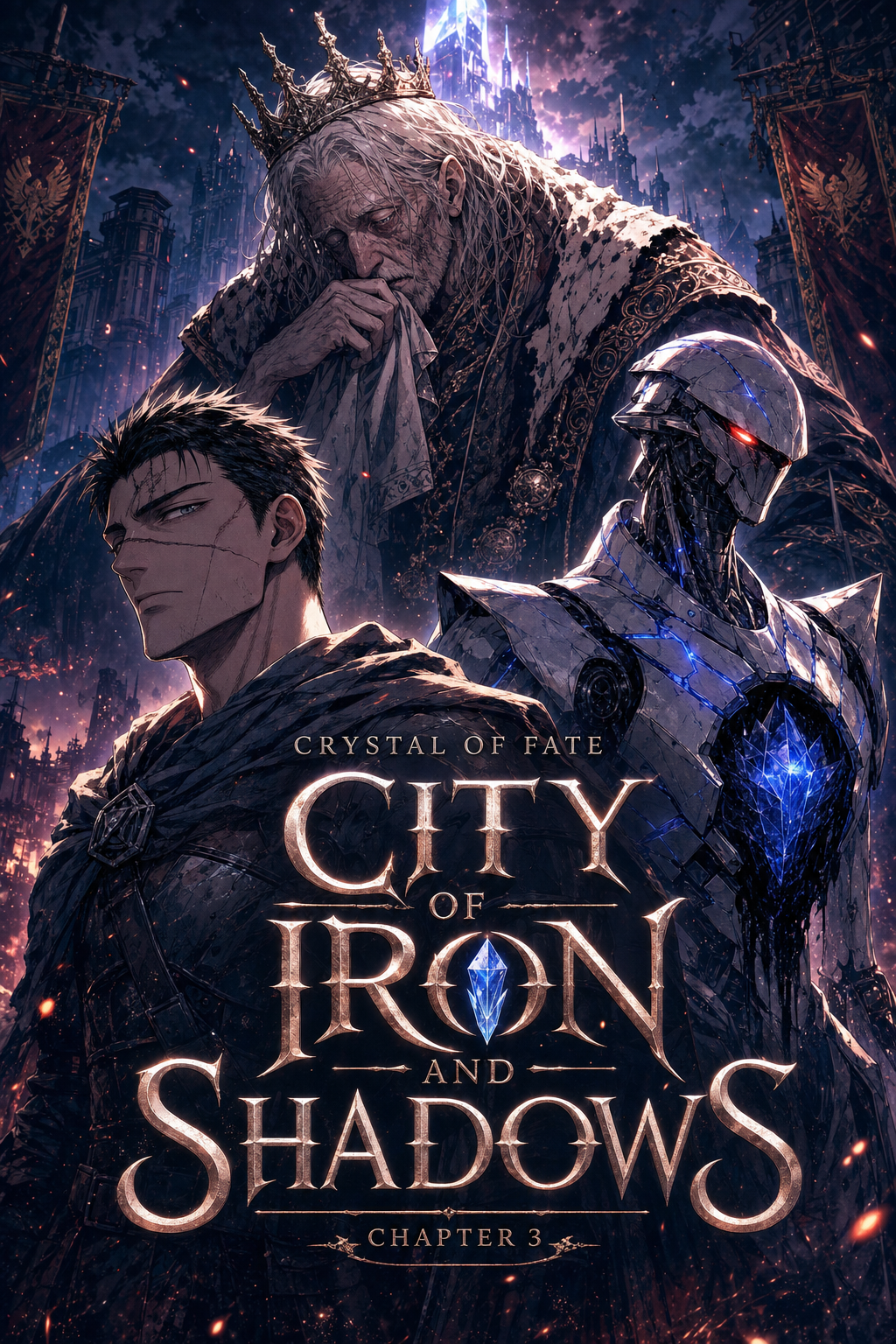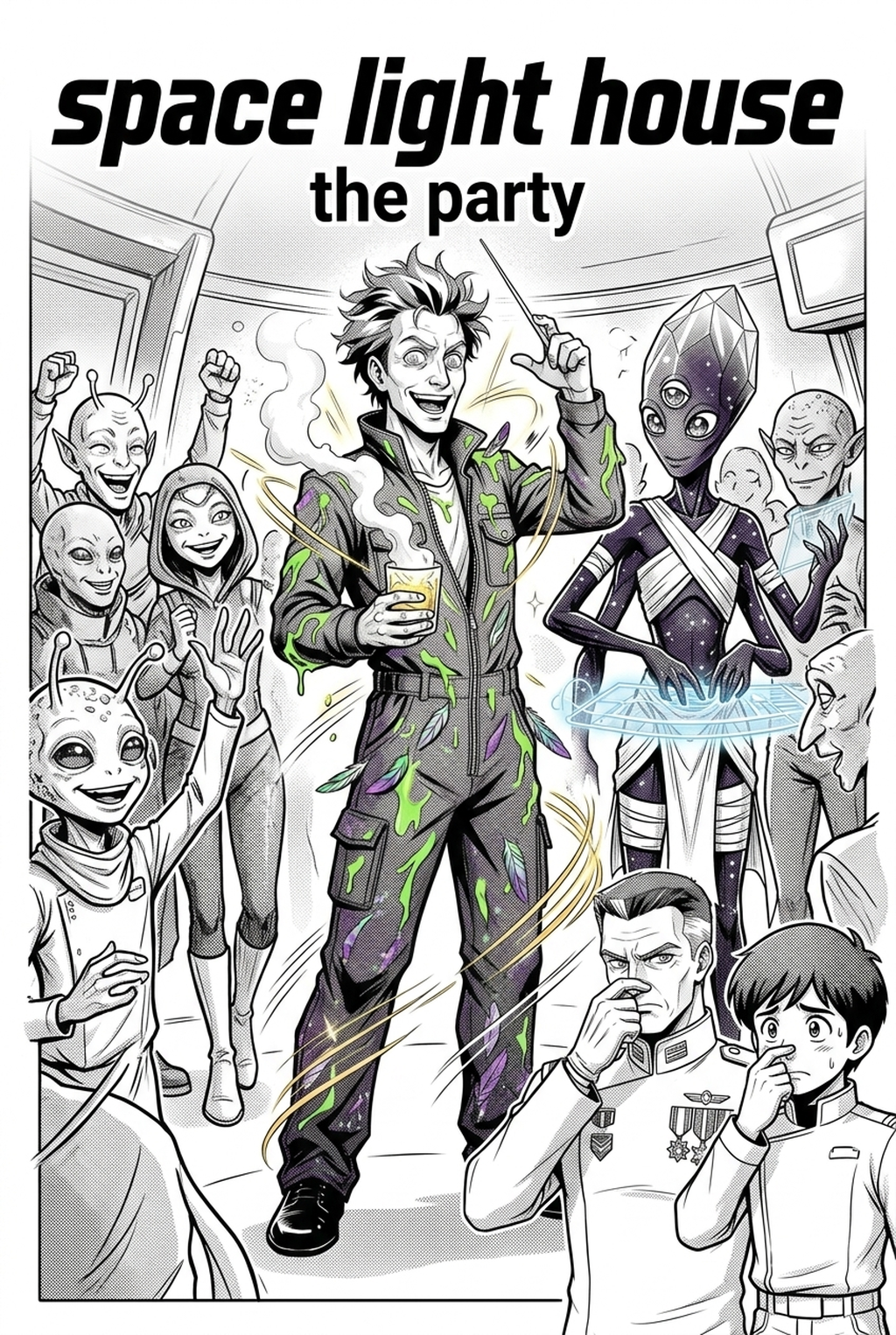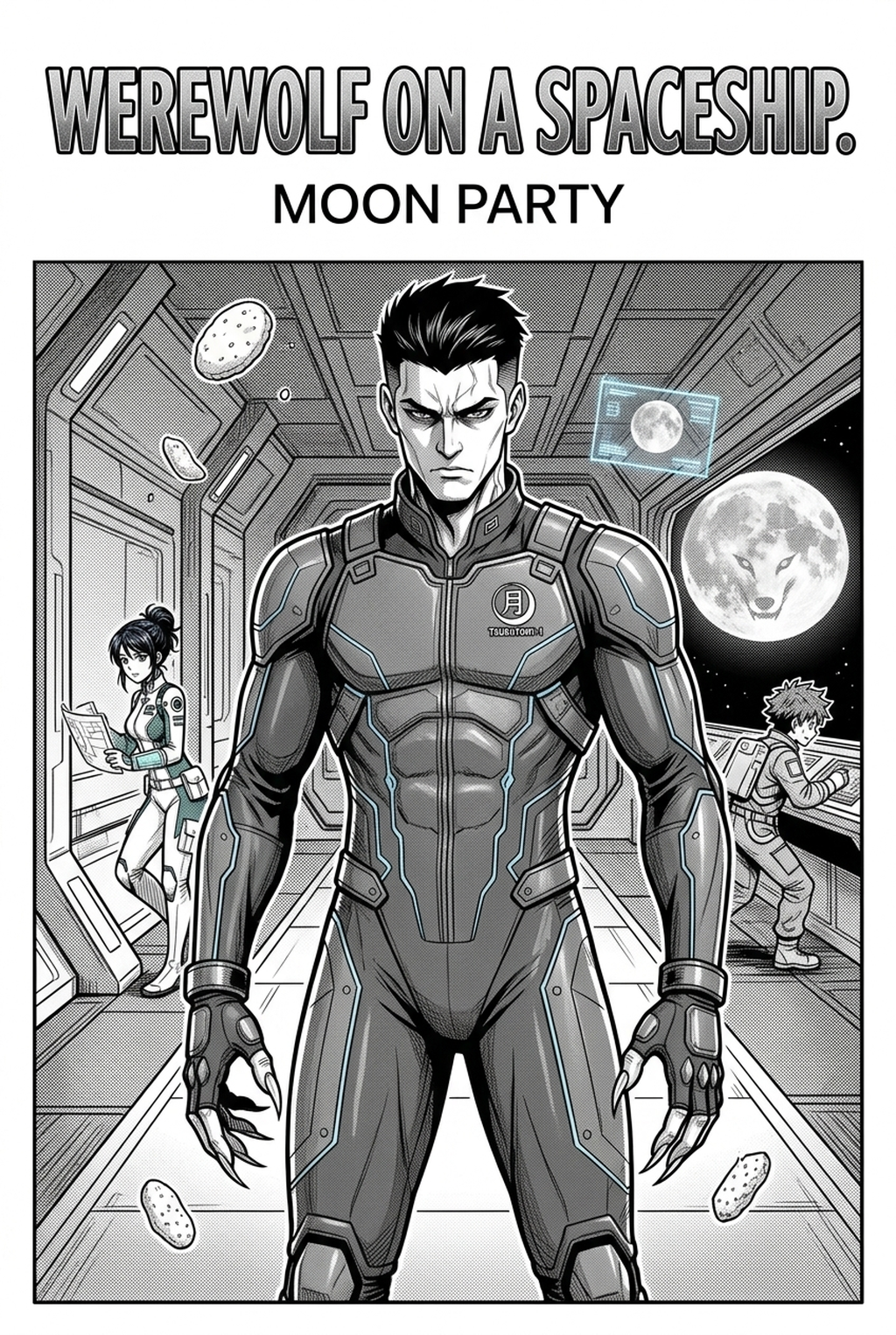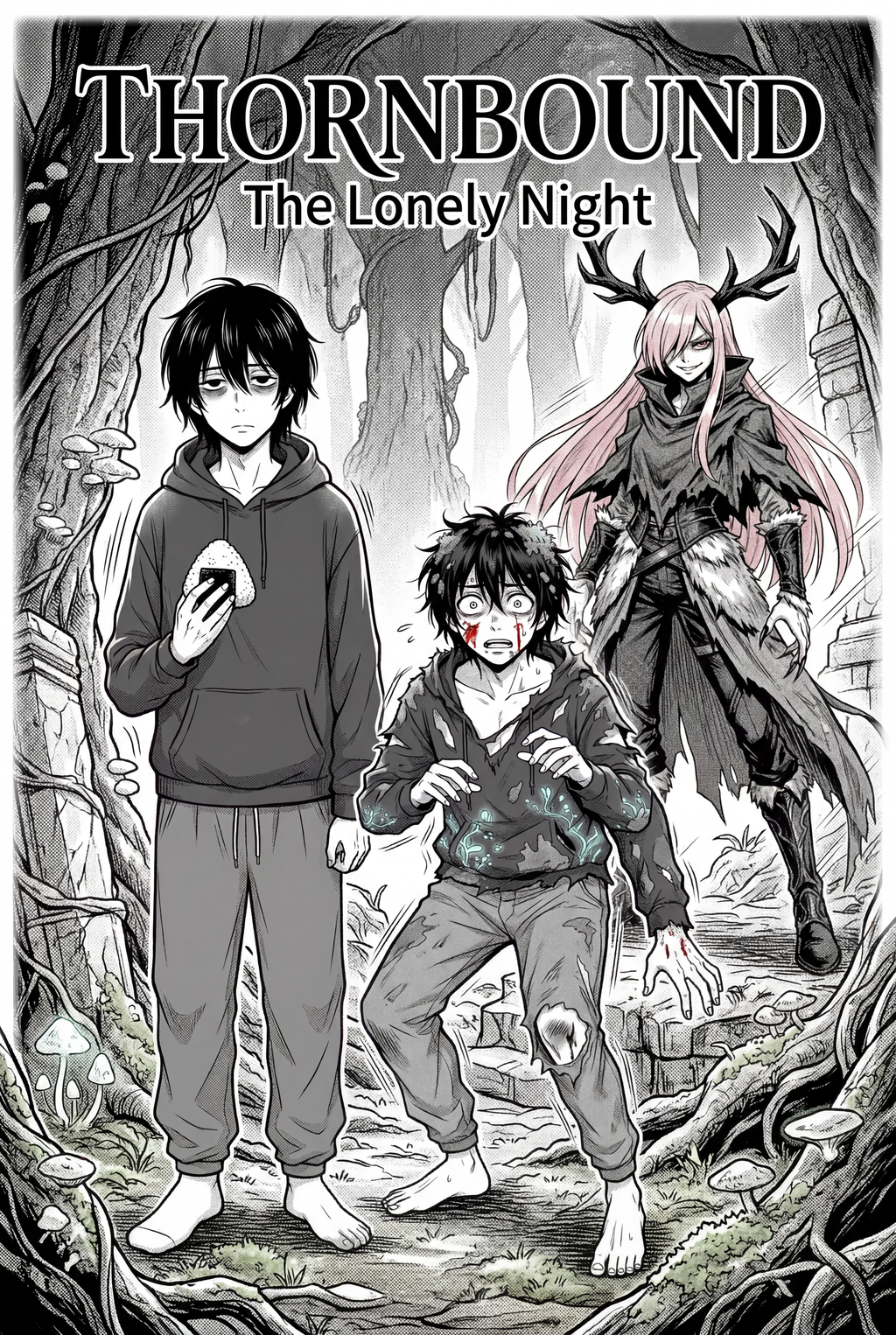
Creating professional sports manga requires intense focus on dynamic poses and high-energy motion, but using an AI Manga Inker for Sports manga can transform your workflow by automating the most tedious phase of production. When you are juggling the fast-paced movement of basketball games or the fluid precision of tennis matches, spending dozens of hours hand-inking every pencil sketch often stalls your creative momentum. By automating the transition from loose, energetic graphite sketches to crisp, final line art, you gain the freedom to focus on panel pacing, character expressions, and overall visual narrative without losing the distinct charm of a pastel vertical comic platforms style.
What Is AI Manga Inker for Sports Manga?
An AI Manga Inker workflow is a specialized digital tool designed to interpret rough pencil drawings and convert them into high-fidelity, production-ready vector or raster lines. These tools utilize neural networks trained on traditional ink aesthetics to distinguish between necessary action lines and stray, corrective graphite marks, effectively acting as an automated digital assistant that maintains your specific visual intent. Key features include automatic line-weight calibration, which ensures that foreground athletes remain distinct from court or stadium backgrounds, and noise reduction that cleans up smudges without flattening the drawing's original personality. By leveraging these systems, creators can bypass the repetitive strain of traditional digital inking, ensuring that every frame in a high-octane sports sequence maintains a professional, uniform appearance.
Why AI Manga Inker Matters for Sports in 2026
The demand for rapid-release vertical comic platforms means that indie creators face immense pressure to output high-quality chapters on tight deadlines, often struggling with the physical fatigue of manual inking. When drawing sports, where every frame must capture specific, anatomical accuracy during intense physical exertion, even a minor case of line-weight drift can ruin the impact of a pivotal game-winning shot or a complex athletic maneuver. By incorporating an automated inking solution, you solve the primary bottleneck of production speed, as the tool allows for the instantaneous cleanup of complex action scenes.
This technological shift is essential for indie artists aiming to compete with studio-level quality, as it allows you to dedicate your energy to storyboarding and visual composition rather than manual line correction. With these systems, you can move from draft to finished panel in a fraction of the time, allowing for more frequent updates and a more sustainable long-term production schedule.
How AI Manga Inker Works for Sports in Pastel Vertical Comic Platforms
The process begins by converting your rough sketches—which often contain layers of construction lines and kinetic speed lines—into a clean, digitized format that preserves the softness of a pastel vertical comic platforms palette. Consistency is the primary challenge in sports manga, as character proportions must remain identical even when players are mid-sprint or jumping for a header. Advanced AI tools analyze the structural integrity of your anatomy, ensuring that the inked output respects your original brush pressure and stroke variation, which is vital for maintaining the stylistic requirements of the vertical comic platforms genre.
The workflow generally involves scanning your physical or digital sketches and uploading them to the platform for processing. Once the tool recognizes the underlying line work, it performs a multi-stage refinement pass where it suppresses unintended artifacts while highlighting the intended contours of the characters and their environment. This pixel-perfect accuracy ensures that the final result remains scalable for mobile viewing, which is the standard medium for most contemporary vertical comic platforms.
Maintaining high visual standards requires selecting a tool that understands the nuance of the pastel vertical comic platforms style, which relies on lighter, gentler lines compared to traditional black-and-white print manga. When working with AI-assisted art, you should prioritize systems that offer adjustable sensitivity, allowing you to control how much "ink" is applied to the subtler background elements. This flexibility ensures that the foreground characters pop against the court, creating the depth necessary for an engaging reader experience.
Use Cases for AI Manga Inker
- Action-Heavy Sequences: Quickly ink the high-motion frames of a soccer match or swimming race, where manual inking often leads to inconsistent limb proportions or messy speed lines.
- Background and Arena Detail: Automatically clean up the intricate textures of stadium stands or court markings that would otherwise consume hours of your production time.
- Character Consistency Passes: Ensure that main athletes maintain their defining features across different panels, using the inker to unify disparate sketches into a cohesive art style.
- Draft Rapid Prototyping: Use the Sports manga inking workflow with Mangaka as a foundational layer to quickly test new uniform designs or character expressions before committing to full-color rendering.
- Chapter cadence. Use the AI pass for pages where speed matters most, such as repeated action poses, transformation beats, or dense speed-line panels. Keep manual cleanup for hero panels where the line style defines the emotional peak.
- Character continuity. Compare the generated lines against the same model sheet, costume notes, and facial-expression range used during sketching. This prevents a fast inking pass from drifting away from the character identity readers recognize.
- Export readiness. Check whether the Pastel webtoon can move into lettering, coloring, or final layout without rebuilding panel borders or speech-bubble space. A good Sports workflow should save time while keeping the next production step predictable.
Step-By-Step Guide to Start with Mangaka
Mangaka offers a streamlined interface designed to help sports manga creators transition from draft to ink in minutes, minimizing technical friction. App to access the dashboard and start your free trial without needing a credit card. 2. Upload your pencil sketches, ensuring that the resolution is sufficient for the system to identify your primary contours and character silhouettes. 3. Generate your manga page by selecting the inking mode, then download the result as a high-quality file ready for your digital art software.
Creators should compare the generated line art with the original sketch and confirm that facial expressions, props, speed lines, and speech-bubble space still support the scene. This keeps the review focused on story intent, line weight, panel readability, and the export quality behind the final AI Manga Inker output.
The Bottom Line
Modern sports manga creation requires a balance of artistic passion and efficient technology. By removing the repetitive burden of manual line work, you free yourself to focus on the high-energy storytelling that makes sports narratives so compelling for readers. When you are ready to modernize your workflow and maintain your unique pastel vertical comic platforms style, you can Sports manga inking workflow with Mangaka .