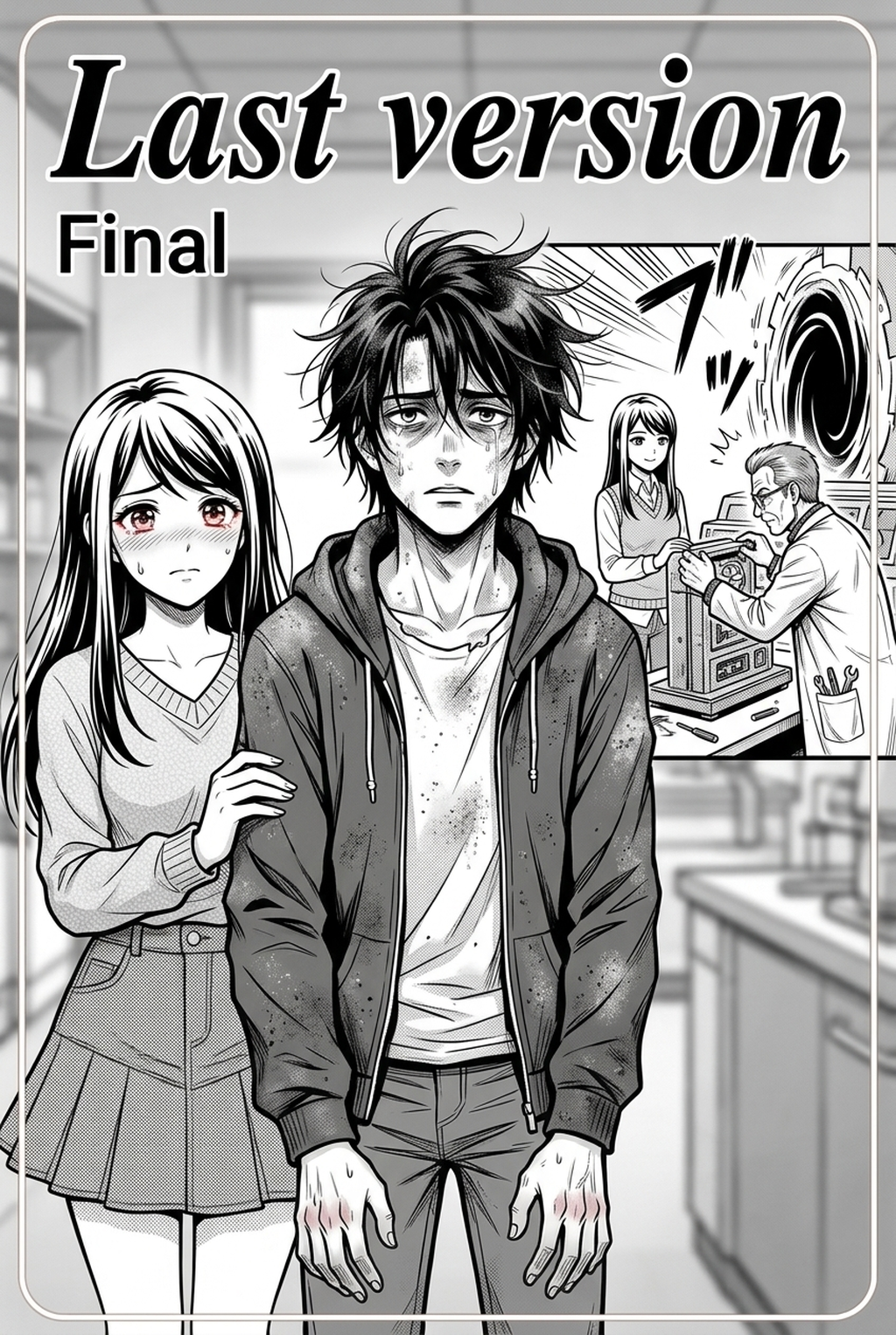
<h1>AI Manga Inking Styles: From Traditional Dip Pen to Digital Lineart (2026)</h1><p>Traditional manga inking relies on nib flexibility, ink flow control, and paper texture. Digital inking recreates pressure sensitivity, tapering and crisp monochrome output through brush engines and line refinement.</p><h2>Traditional and digital tools</h2><p>G-pen supports expressive line variation; Maru-pen supports fine details; Kabura-pen supports consistent contours; brush pens support broad black areas. Digital equivalents reproduce these functions with pressure curves, velocity tapering and vector smoothing.</p><h2>AI-enhanced workflow</h2><ol><li>Prepare a clean sketch.</li><li>Set pressure and line-weight rules.</li><li>Extract and refine lineart.</li><li>Check foreground, midground and background hierarchy.</li><li>Inspect monochrome output at publication size.</li></ol><h2>FAQ</h2><h3>What is the difference between G-pen and Maru-pen?</h3><p>G-pen provides wider pressure variation, while Maru-pen produces finer lines.</p><h3>Can AI preserve an artist’s style?</h3><p>It can assist with consistent line refinement when the artist supplies clear references and rules.</p><h3>Why use high resolution?</h3><p>Higher resolution helps preserve crisp monochrome edges.</p><h3>How can digital lines avoid looking stiff?</h3><p>Vary speed, pressure and deliberate line weight.</p><h3>Can AI clean manga lineart?</h3><p>AI-assisted refinement can reduce mechanical cleanup, while the artist remains responsible for the final result.</p><h3>What should be checked before export?</h3><p>Check edges, black fills, line hierarchy and readability at the target size.</p>
AI Manga Inking Styles: From Traditional Dip Pen to Digital Lineart (2026)
A practical guide to traditional and digital manga inking styles, line weight, pressure and AI-assisted cleanup.
Get more insights like this Get the latest tutorials and AI manga news from Mangaka.
Visit Mangaka