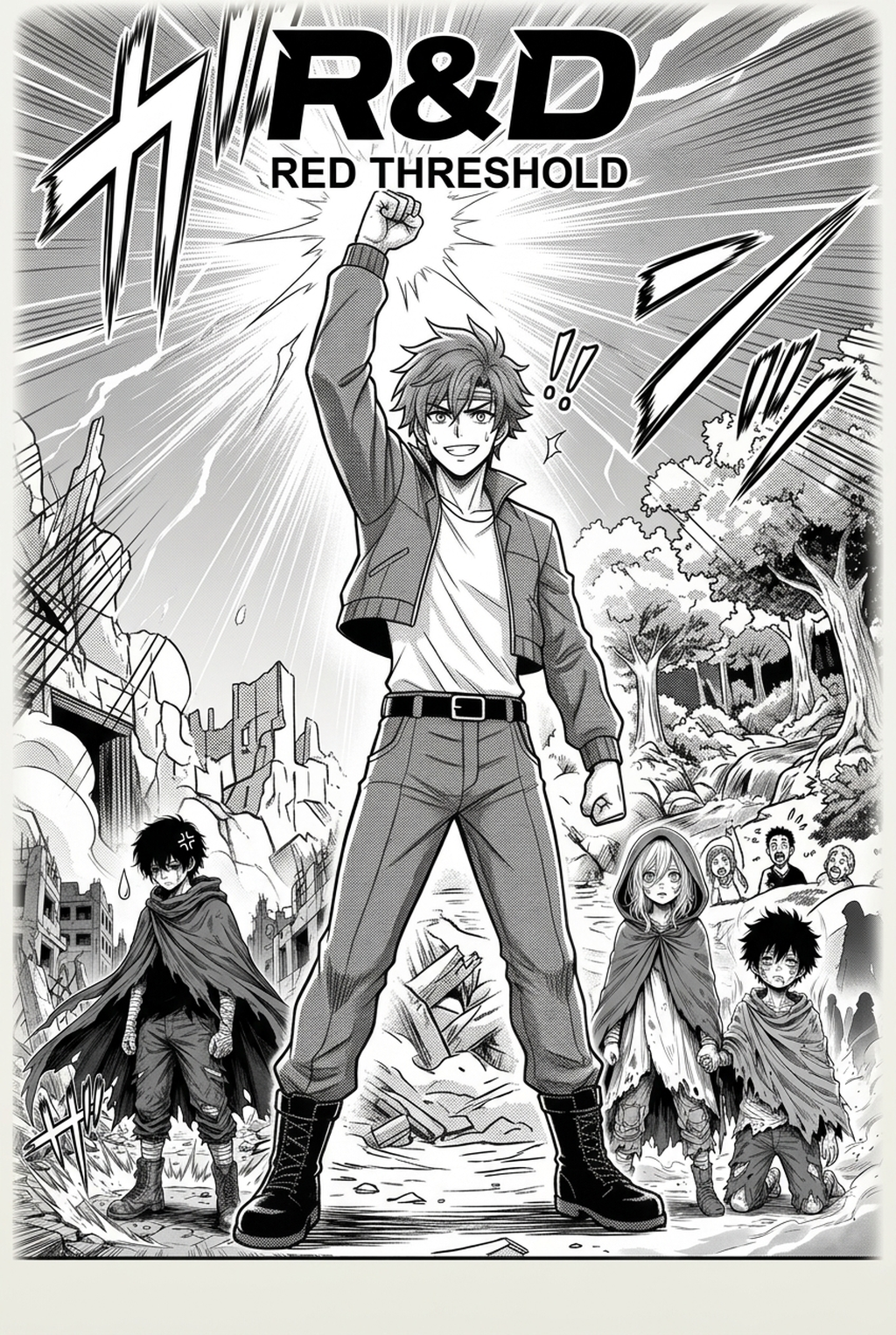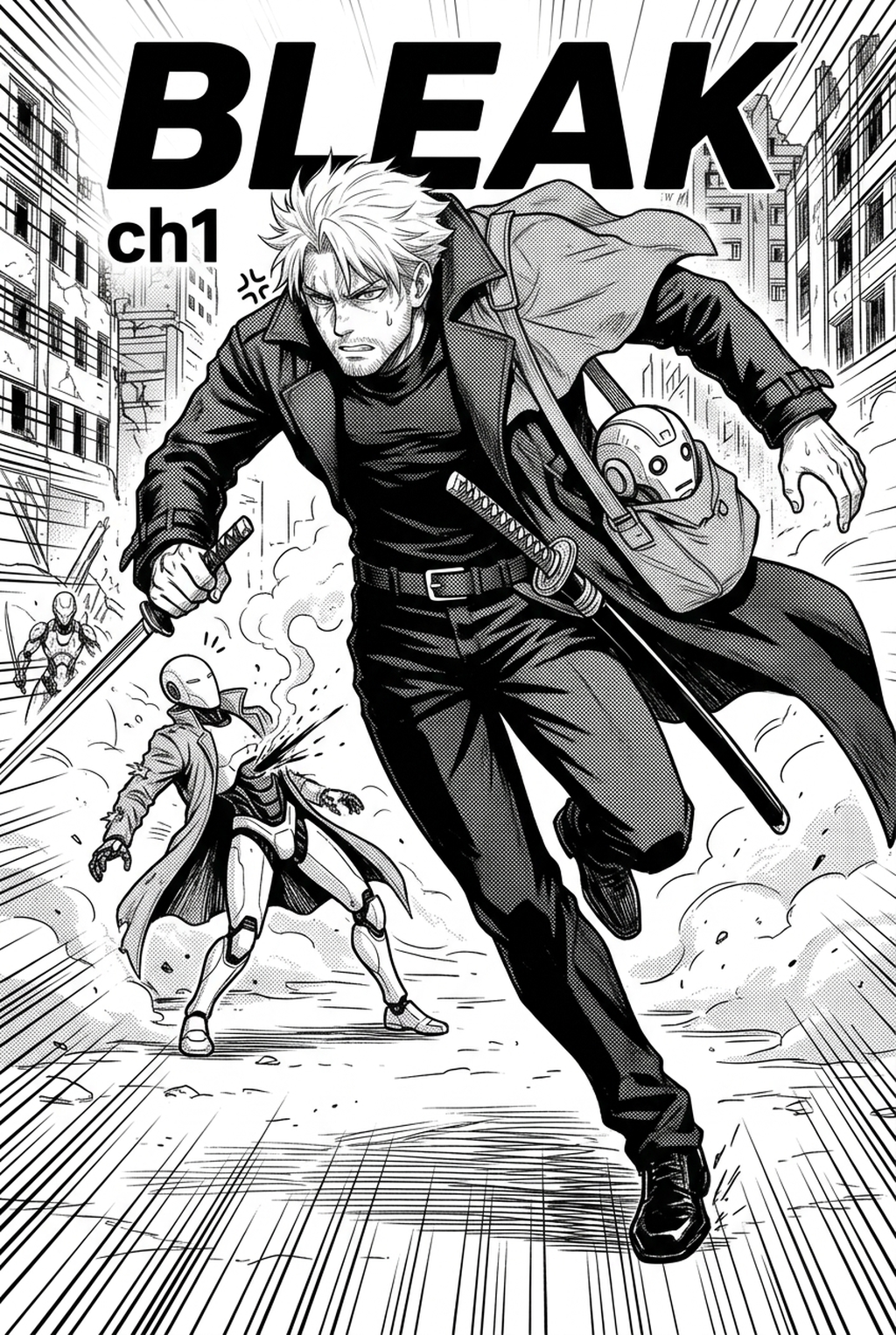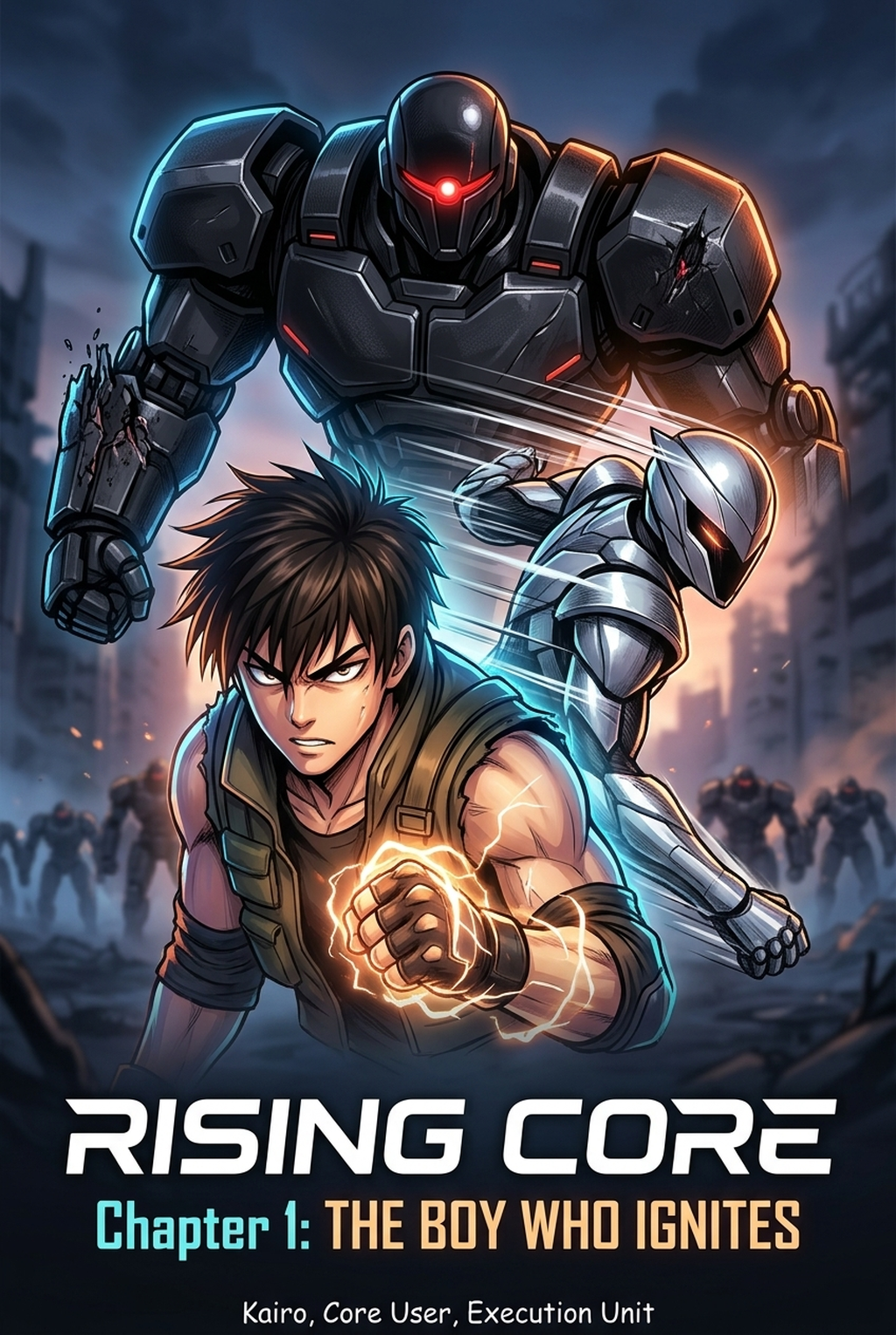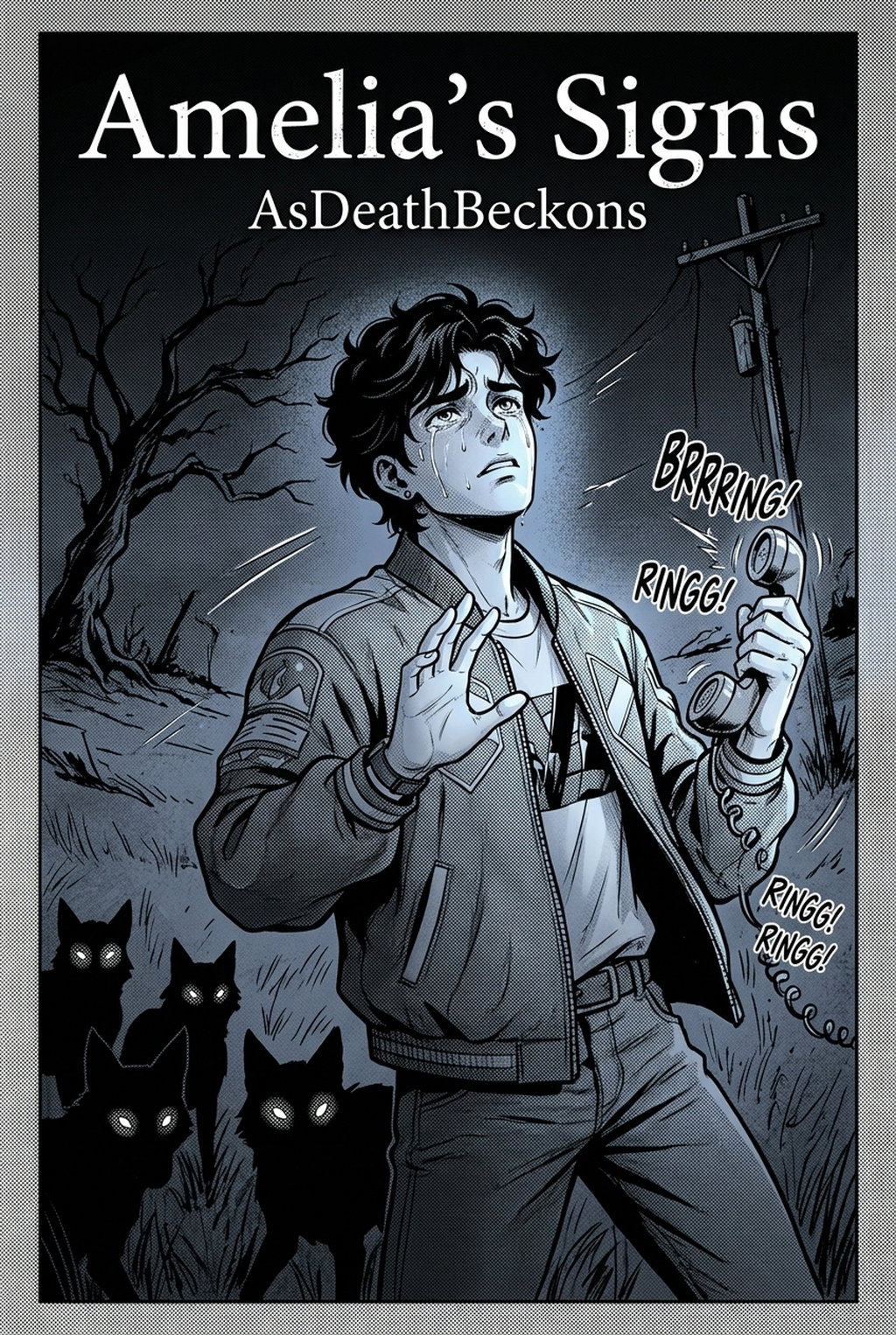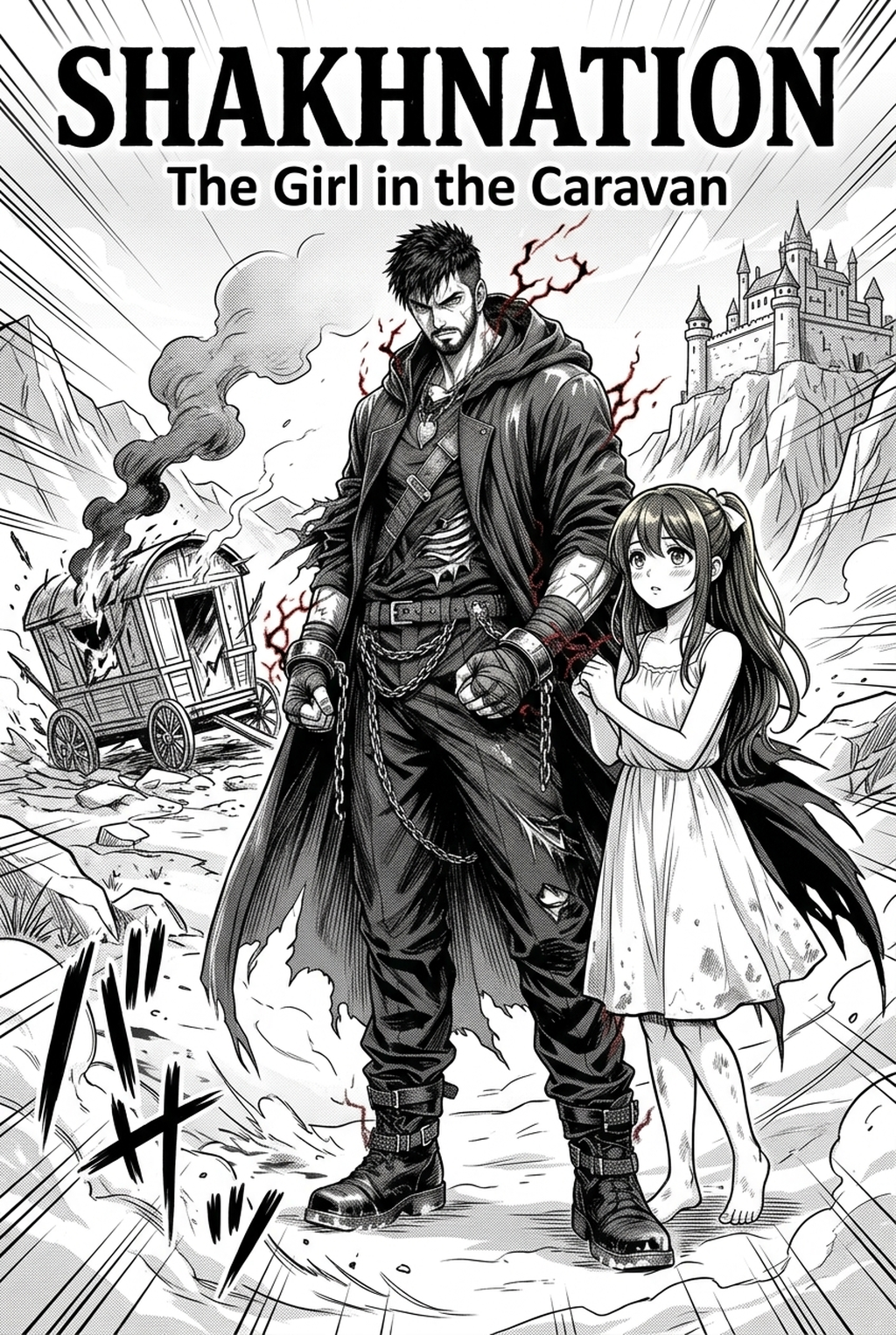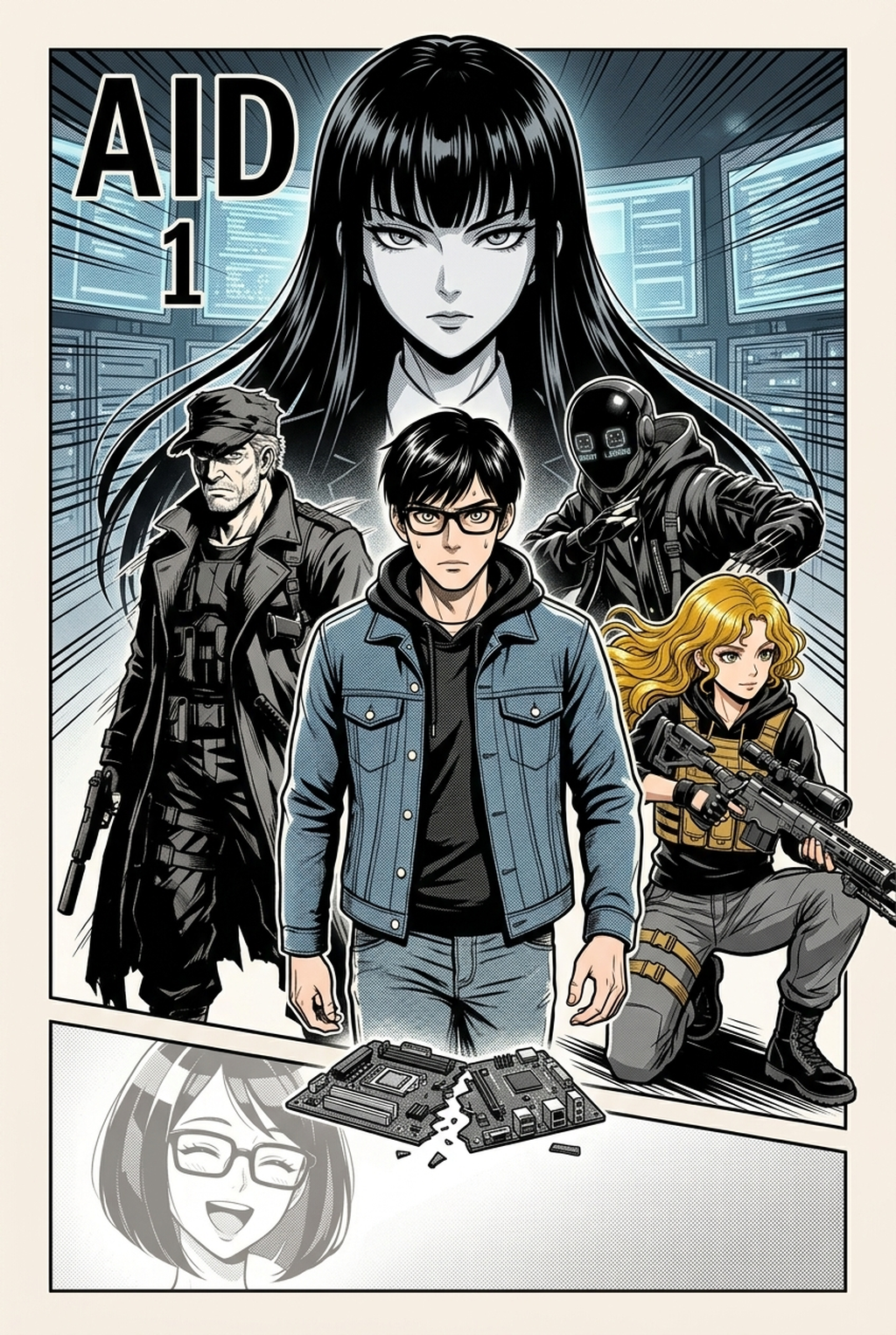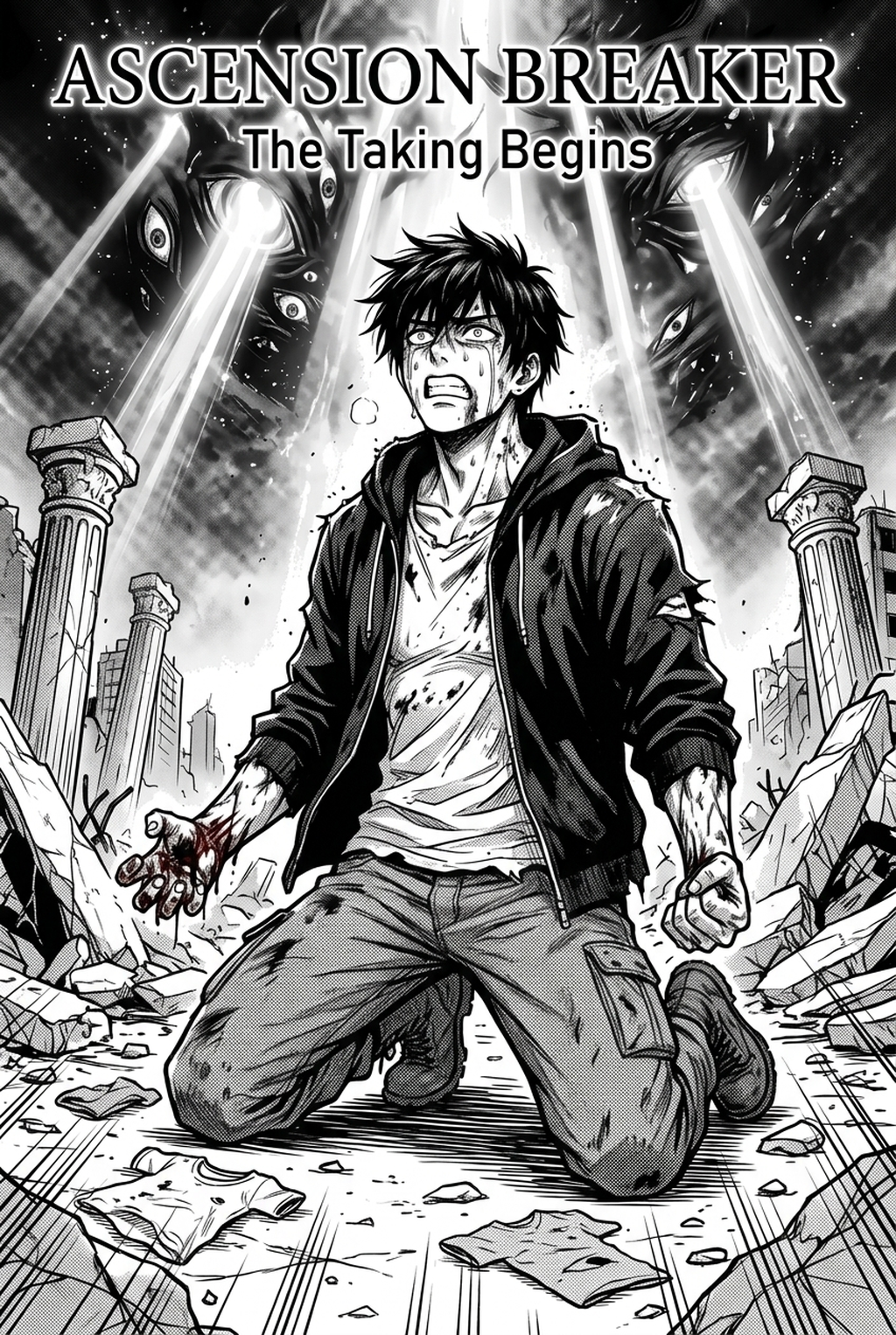
What Is AI Manga Panel Generator for Horror Manga?
The Anime News Network feature on how manga is made describes manga as staged work from rough draft to finished page. That production context matters for Horror creators because AI assistance is useful only when the sketch, inking pass, and final page review stay connected.
A useful manga workflow ties setup, review responsibility, and export conditions to the page a creator needs to finish. That keeps the decision focused on sketch cleanup, character intent, panel readability, and the publishing handoff. An AI manga panel generator is a specialized tool designed to interpret narrative scripts and output sequential, stylistically consistent color panels. By utilizing machine learning models trained on manga aesthetics, these generators allow you to translate descriptions of lighting, shadows, and visceral character expressions into visual form without drawing every frame from scratch. Key features include:
Script-to-Visual Mapping: Direct translation of dialogue and scene descriptions into panel layouts. * Atmospheric Consistency: Maintaining a specific color palette that emphasizes the "dark and moody" tones essential for horror. * Panel Sequencing: Preserving the logical flow of a story while adjusting composition for dramatic impact.
Why AI Manga Panel Generator Matters for Horror in 2026
A useful manga workflow ties setup, review responsibility, and export conditions to the page a creator needs to finish. That keeps the decision focused on sketch cleanup, character intent, panel readability, and the publishing handoff. You face the constant pressure of maintaining a consistent visual "language" while managing the sheer volume of pages required for a full horror story. Production speed is the primary barrier to finishing a serial. ) to handle the foundational composition of your scenes, you regain the capacity to spend your energy on the specific, high-detail horror beats that define your signature style.
How AI Manga Panel Generator Works for Horror in Color Manga
Creators can test Horror manga inking workflow with Mangaka with one rough sketch, one page goal, and one export target before they commit a full chapter. That keeps the product link tied to the real review path instead of a generic call to action.
The engine interprets these inputs to generate a base layer of color and composition that fits the horror genre's aesthetic requirements. * Narrative Input: You provide the script segment.
Compositional Guidance: You define the camera angle, focus, and lighting intensity. * Iterative Refinement: You adjust the generated output to ensure the horror elements are visually coherent. For this criterion, check character consistency, panel readability, line quality, and export readiness before publishing.
That makes the subsection useful instead of leaving a short checklist under a large heading. Consistency is the most critical hurdle in color manga, as mismatched lighting or shadow depth can break a reader's immersion.
Use Cases for AI Manga Panel Generator
Use cases are strongest when the story goal, genre expectation, visual risk, and final export format are clear. A useful example names the page detail a creator checks before the page moves into lettering, coloring, or publishing. Creators can apply these tools across several stages of the manga production lifecycle:
Storyboarding and Pacing: Quickly visualize an entire script to see if the "scare" beats are landing with the intended timing. * Environment Rendering: Generate background plates for scenes involving sprawling, abandoned locations, which saves hours of perspective work. * Character Expression Sheets: Create variations of a protagonist’s terrified expression under different lighting scenarios to maintain visual intensity. * Atmospheric Color Pass: Apply horror-centric color grading to drafted panels, ensuring the "spooky" aesthetic is consistent across a full chapter.
Step-By-Step Guide to Start with Mangaka
Line Quality Through Revision. Workflow Fit for Creator Output.
Start by preparing the creative brief, reference notes, character constraints, and export target before generation. The setup matters because a clearer brief gives the review pass something specific to judge: silhouette, expression, panel readability, and file readiness. Getting your project off the ground requires a minimal, focused process designed to move you from script to visual concept as quickly as possible.
Sign up: Create your account to access the generation suite. * Paste your script: Input your panel descriptions directly into the interface. * Generate and refine: Trigger the sequence, review the panels, and download them to your preferred editing software.
Release cadence belongs in the production context for manga tools. For creators, the useful product question is whether pages stay readable when schedule pressure rises. Export quality depends on whether the creator can still adjust cleanup, line weight, and handoff settings after AI assistance. Wacom comic and manga creation guidance ties that point to drawing practice instead of broad AI-image claims.
Creators should define the scene goal, character references, page count, reading direction, and target Color manga. That gives AI Manga Panel Generator enough context to support the story instead of producing disconnected panels. For visual quality, creators should check line weight, facial expression, pose clarity, panel order, and space for dialogue before export.
Those checks matter more for Horror pages because action beats and emotional pauses need to read quickly. For comparison, a useful tool should save time without flattening the creator's style. The best choice keeps the first pass editable, makes revisions visible, and leaves final judgment with the artist.
Creators can use each revision decision to clarify panel readability, character consistency, and export quality before publishing or sharing. For production, creators should keep a small reference sheet for recurring characters, outfits, props, and backgrounds. That makes it easier to compare generated pages and decide which panel needs a redraw.
Creators should confirm the final PNG, PDF, or editable file can move into lettering, coloring, or layout cleanup without rebuilding the page. A clear export routine keeps the next chapter faster. For team review, creators should separate story feedback from art feedback.
One pass can focus on pacing, another on panel readability, and a final pass on file quality before publishing or sharing. For style control, creators should compare the generated page against the intended genre mood rather than judging only technical polish. A clean page still needs the right energy, expression, and visual rhythm.
Reader expectations. MyAnimeList manga news keeps genre expectations visible for readers who scan action, character acting, and page rhythm quickly. Shonen inking should preserve panel clarity, not just cleaner lines.
Drawing practice. Wacom's comic and manga creation guide ties tool choice to brush control, cleanup effort, and export readiness. That keeps review grounded in creator workflow.
Generate Unsettling Horror Panels and Macabre Tension with Mangaka.app
Horror manga requires claustrophobic panel splits, suffocating black-ink density, and disturbing page-turn reveals that shock readers. Mangaka.app provides the dedicated sequential production engine built specifically for horror manga and comic creators:
Asymmetrical Claustrophobic Paneling: Construct oppressive narrow panels and sudden bleeding full-page splash pages for terrifying reveals.
Deep Shadow & Gritty Ink Shading: Render decaying textures, crosshatched shadows, and psychological screentones automatically.
Terrifying Page-Turn Climax Staging: Automate left-page suspense engineering so readers turn right into horrifying climax panels.
High-Definition 600 DPI Tankōbon Export: Export publication-grade monochrome files matching strict Japanese horror manga standards.
Craft Spine-Chilling Horror Manga Pacing with Mangaka.app
Psychological horror and grotesque supernatural manga require deliberate claustrophobic paneling, page-turn dread, and creeping suspense. Mangaka.app arms horror creators with specialized layout tension tools.
- Claustrophobic Gutter & Narrow Framing: Compress panel dimensions to heighten character panic and psychological isolation.
- Page-Turn Jump Scare Staging: Automatically position grotesque monster reveals and climactic shock frames on the turn of the page.
- Macabre Crosshatching & Heavy Black Tone: Lay down dense, oppressive black ink pools, rotting textures, and unsettling hatched shadows.
- Sound Effect (Katakana) Distortion: Shape jagged, dripping onomatopoeia vector typography that blends directly into the artwork.
For mangaka and creative teams looking to streamline chapter production without sacrificing signature style, Mangaka.app provides industry-leading AI tools for storyboarding, character model sheet locking, clean line inking, and expressive multi-panel layouts.
The Bottom Line
A useful creator workflow keeps the story goal, visual style, and review step clear before export. AI Manga Panel Generator gives creators a faster first pass without removing the final human review. Start creating with AI Manga Panel Generator for Horror manga when you are ready to turn the reviewed idea into finished manga pages. Test it with one real page goal, one reference boundary, and one export requirement so the decision stays tied to production quality.