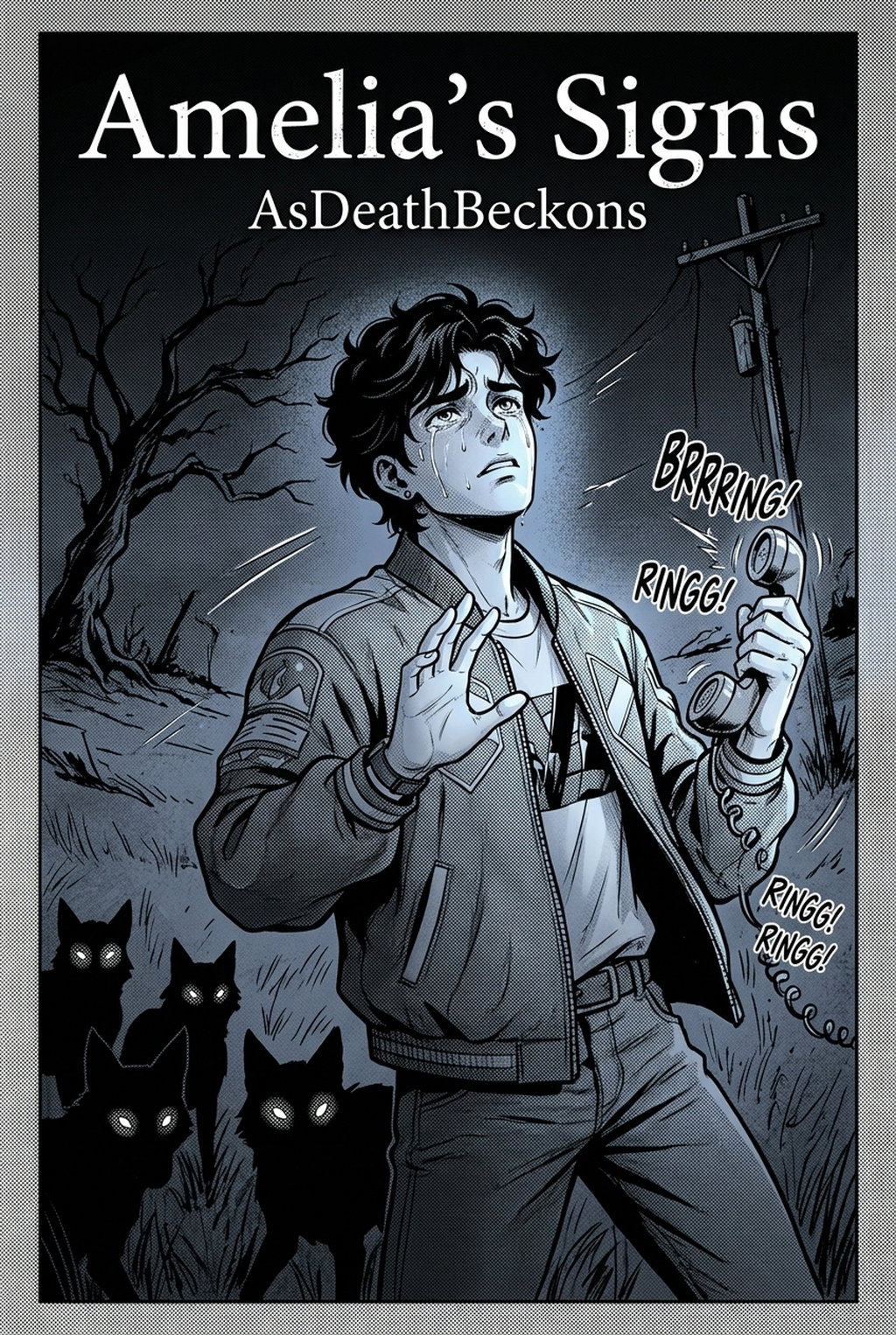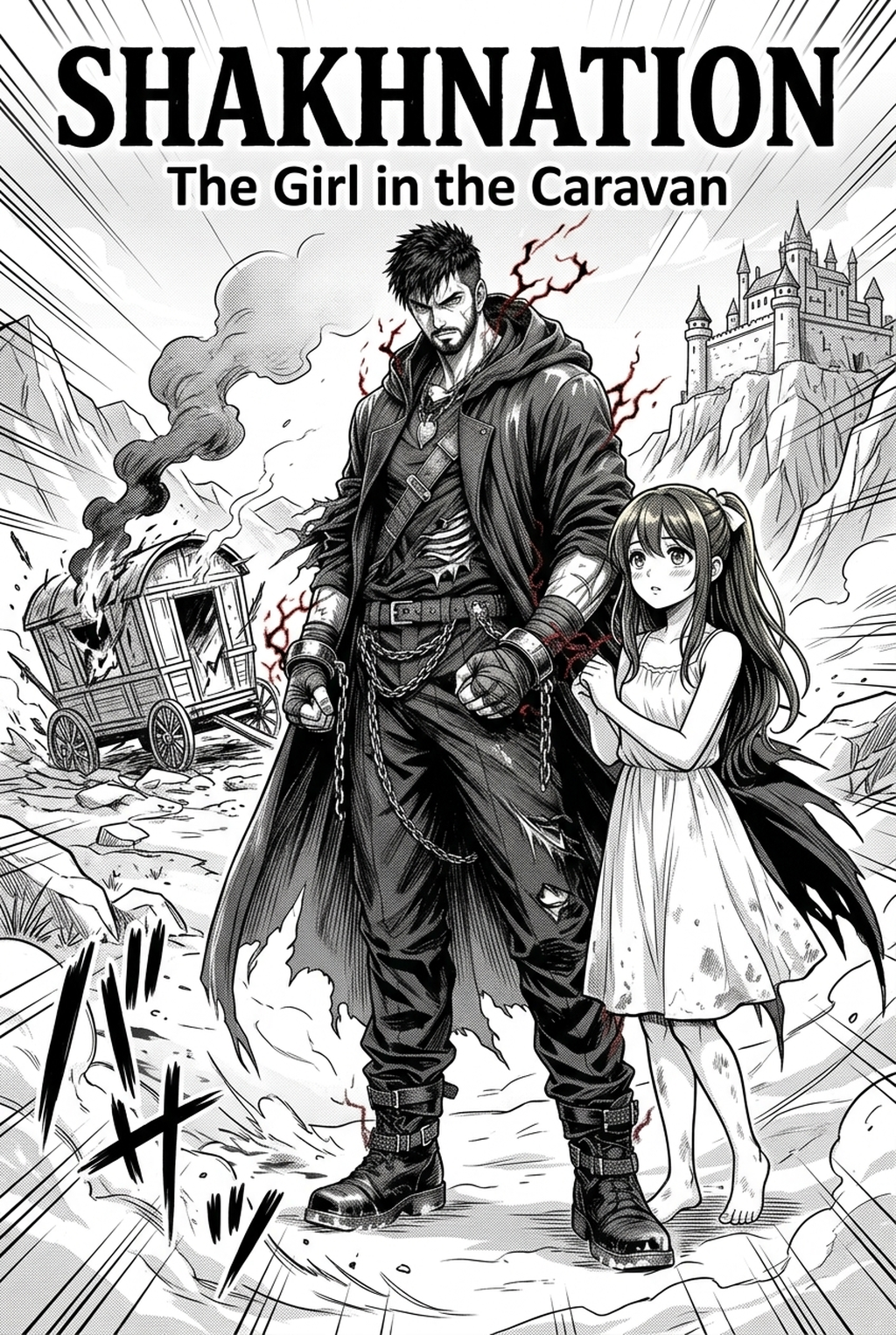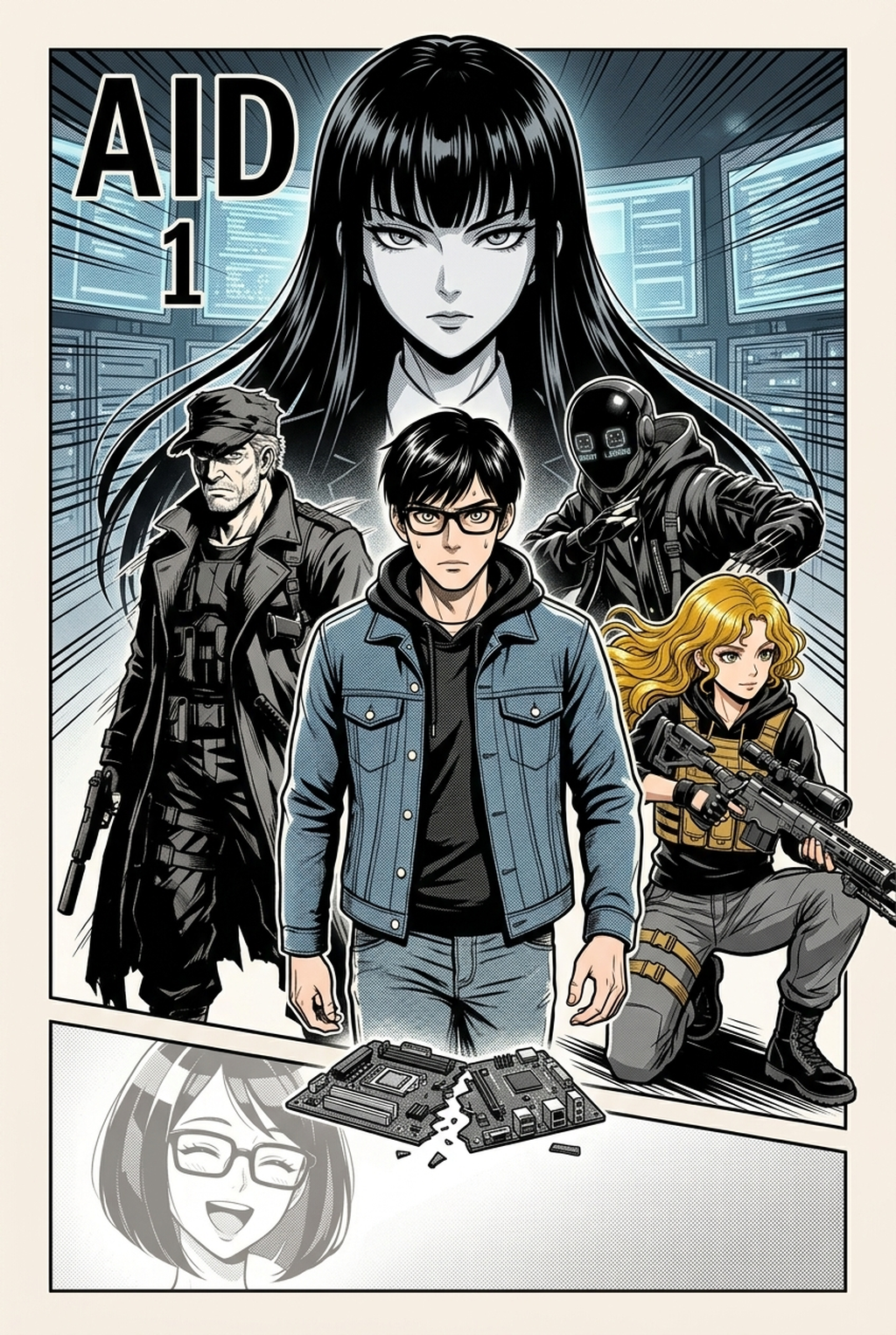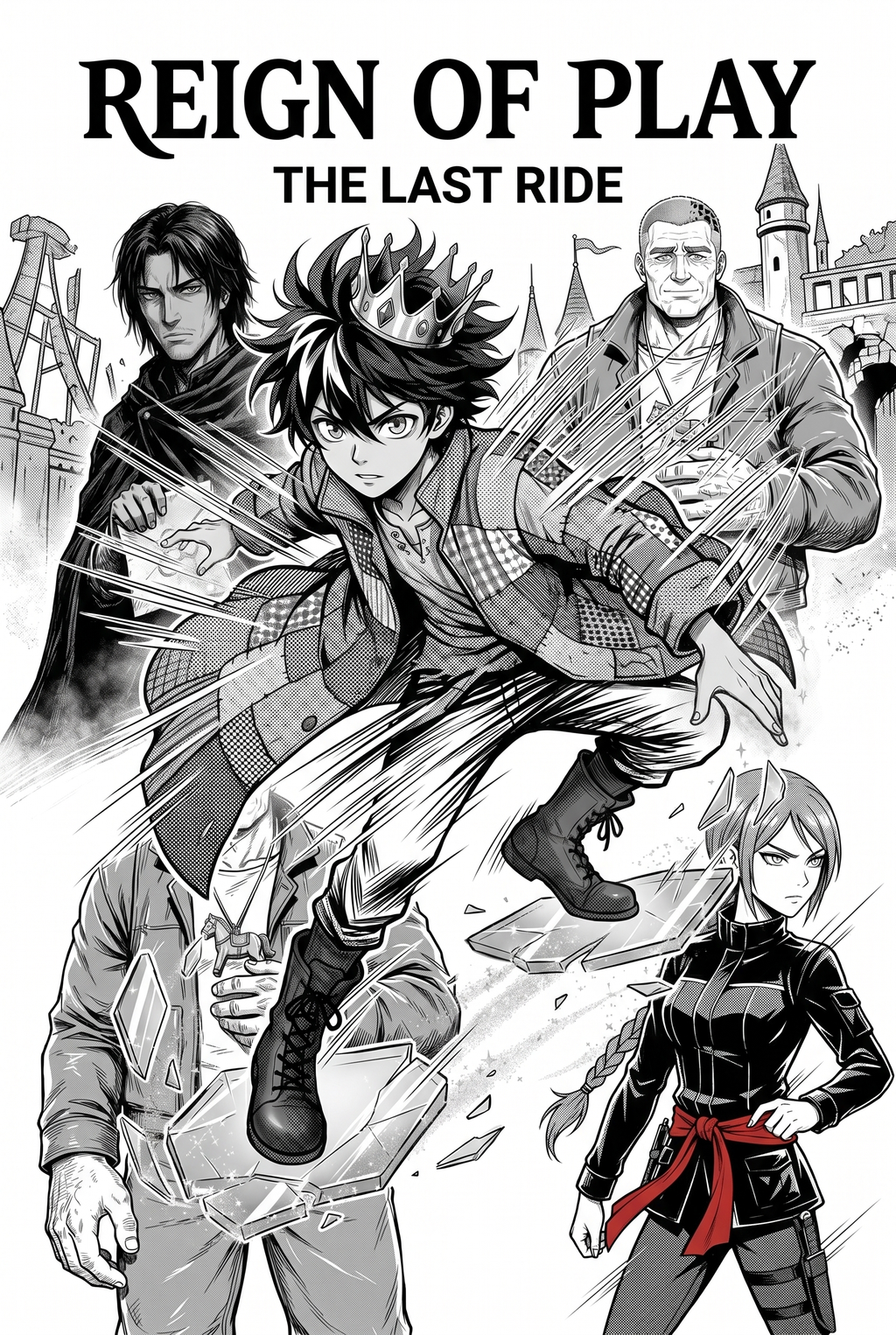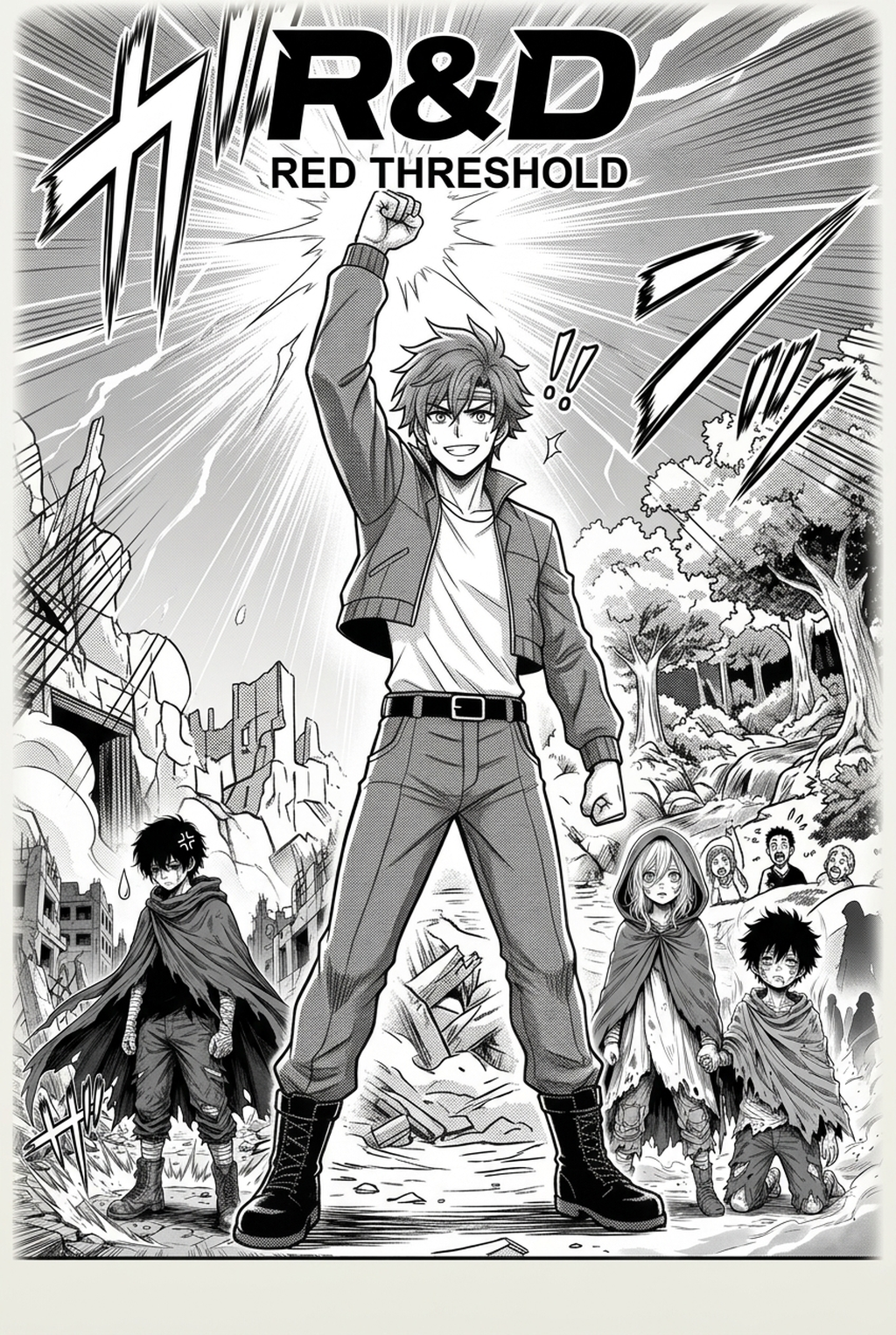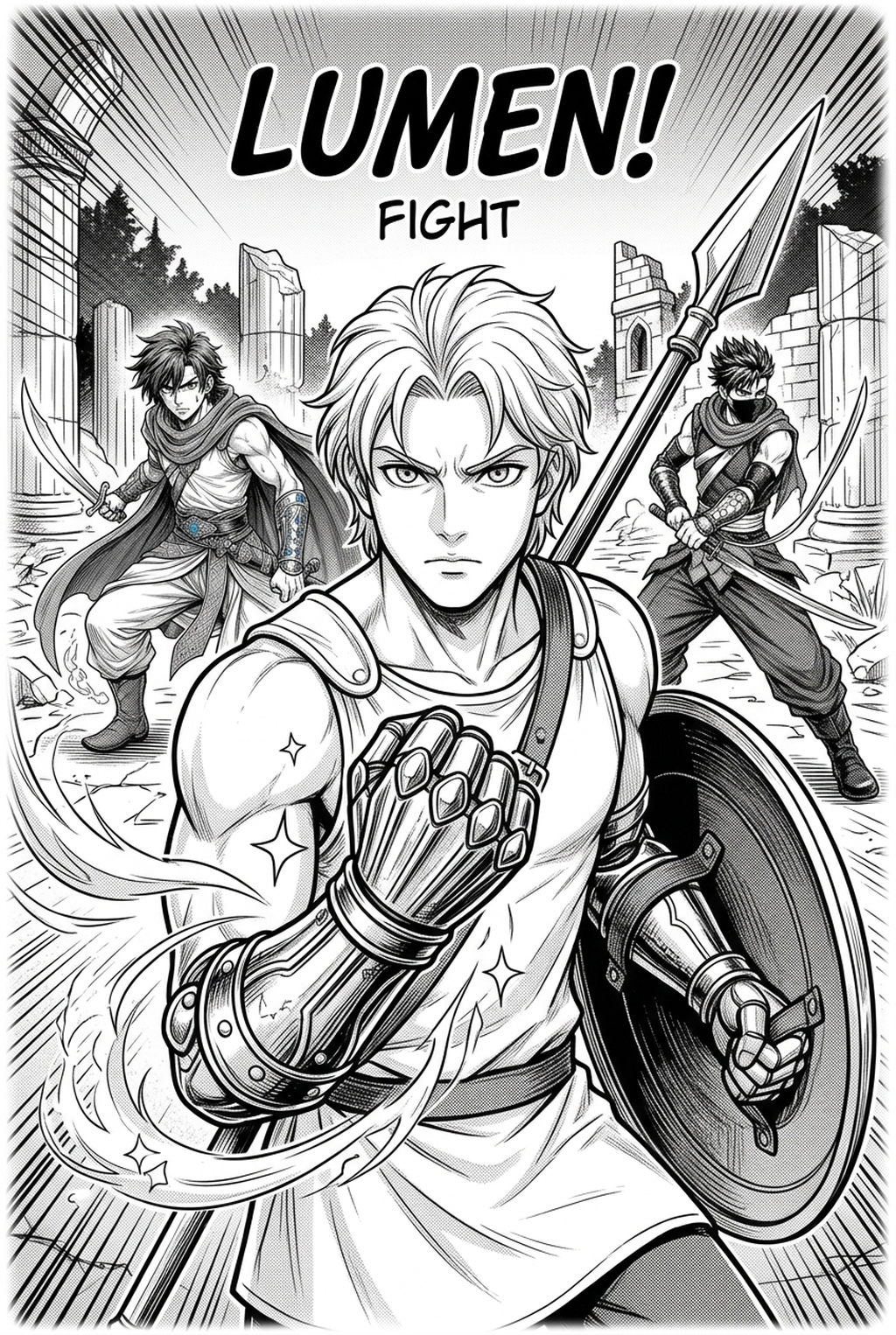
Integrating an AI Manga Speech Bubble Layout for Shonen manga into your production workflow eliminates the tedious manual alignment that often disrupts the pacing of high-octane action sequences. Indie creators frequently struggle with balloon placement, as dense dialogue can easily obscure critical impact frames or character expressions during intense fight scenes. By automating the integration of text containers, you ensure that your story flows naturally, allowing the reader to follow the rapid-fire choreography typical of the Shonen genre without visual confusion.
What Is AI Manga Speech Bubble Layout for Shonen Manga?
AI Manga Speech Bubble Layout workflow refers to the use of intelligent algorithms to automatically calculate and place dialogue balloons within your black-and-white panels based on text length and character positioning. This technology identifies the most effective negative space, ensuring that your bubbles never crowd the ink work or cover key facial details.
Key features include dynamic anchor points that shift based on the specific reading direction, smart padding that prevents text from touching bubble borders, and adaptive sizing that expands or contracts based on your dialogue volume. These systems analyze the composition of your pages to maintain a clear line of sight from one panel to the next. By utilizing this AI Manga Speech Bubble Layout for Shonen manga , you can maintain the high-energy aesthetic of your drawings while ensuring the text remains legible, even in fast-paced spreads.
Why AI Manga Speech Bubble Layout Matters for Shonen in 2026
Efficiency is the primary driver for creators who need to balance complex inking with demanding weekly or monthly publishing schedules. When producing Shonen, where a single chapter might span 20 or more pages, the mechanical task of placing, resizing, and aligning hundreds of balloons is a significant bottleneck that can lead to burnout. Managing the flow of information is as vital as the technical quality of your ink lines. By using AI to handle the spatial logic of your bubbles, you remove the risk of "line-weight drift," where the visual balance of the page shifts because the artist spent more time on formatting than on the actual composition. This shift allows you to focus on the grit and kinetic energy of your art, ensuring that the final output looks consistent, polished, and professional.
How AI Manga Speech Bubble Layout Works for Shonen in Black-And-White Panels
The workflow focuses on preserving your high-contrast aesthetic while mapping text to the most relevant zones of each panel. You begin by uploading your source files, which the software then analyzes for empty space and primary subjects. The system evaluates the density of your black-and-white ink work to identify high-interest areas that should remain visible. It then maps the dialogue flow, ensuring that the bubbles follow the standard reading sequence—top-right to bottom-left—which is essential for maintaining the intended narrative arc in Japanese-style comics.
Consistency is maintained by defining strict guidelines for balloon tails, which must point toward the speaker's mouth without intersecting important background elements or screen tones. When the software handles this, it avoids the messy overlap that often occurs during rapid manual letter placement. As noted in Anime News Network’s industry reports , reader engagement in long-running series hinges on clarity, and automated tools ensure that your visual style remains consistent from the first page to the last.
Use Cases for AI Manga Speech Bubble Layout
- High-Intensity Battle Sequences: During rapid exchanges, characters often overlap with dialogue. AI layout keeps text outside the primary focus zone, protecting your character designs and impact lines. * Long-Dialogue Exposition: When characters deliver lore or internal monologues, the system balances the text distribution to prevent "wall-of-text" fatigue, splitting dialogue into multiple, well-spaced bubbles automatically. * Rapid Panel Transitions: In fast-moving sequences, the tool calculates the optimal placement to bridge the visual gap between panels, ensuring that the dialogue serves as a bridge rather than a barrier for the reader’s eye. * Consistent Series Branding: If you are producing multiple chapters of an ongoing series, the AI ensures that your balloon styles and padding remain identical across all releases, creating a cohesive professional look.
- Chapter cadence. Use the AI pass for pages where speed matters most, such as repeated action poses, transformation beats, or dense speed-line panels. Keep manual cleanup for hero panels where the line style defines the emotional peak.
- Character continuity. Compare the generated lines against the same model sheet, costume notes, and facial-expression range used during sketching. This prevents a fast inking pass from drifting away from the character identity readers recognize.
- Export readiness. Check whether the Black-and-white panels can move into lettering, coloring, or final layout without rebuilding panel borders or speech-bubble space. A good Shonen workflow should save time while keeping the next production step predictable.
Step-By-Step Guide to Start with Mangaka
- App to access the dashboard and start your free trial, no credit card required. 2. Paste your script or upload your source files directly into the platform to allow the AI to process your page structure. 3. Generate your manga page with the optimized dialogue layout and download the final high-resolution file for your project.
- Before Export. Creators should compare the generated line art with the original sketch and confirm that facial expressions, props, speed lines, and speech-bubble space still support the scene. A repeatable review pass should cover character consistency, panel readability, background clarity, and whether the final file is ready for coloring, lettering, or editor feedback.
- For Longer Projects. Creators should save approved examples of line weight, face detail, clothing folds, and background density. Those references keep later chapters closer to the intended style. For collaboration, creators should mark which panels are final and which panels still need redraws. Clear status labels prevent an assistant, editor, or colorist from polishing the wrong version.
- For Publishing. Creators should review the page at the actual reading size before export. Small screens expose crowded dialogue, weak silhouettes, and line details that looked fine while zoomed in. For style control, creators should keep a short reference board beside the draft and compare hair shapes, eye details, costume folds, and texture choices before approving the final page.
Direct High-Impact Shonen Shouting Bursts and Battle Dialogue with Mangaka.app
Shonen action demands explosive scream bursts, jagged explosive tails, sound effect integration, and high-energy dialogue placement. Mangaka.app provides the dedicated sequential production engine built specifically for shonen manga and comic creators:
- Explosive Scream Bursts & Spiked Balloons: Automatically generate jagged battle exclamation balloons that match attack climax energy.
- Action-Preserving Collision Avoidance: Place high-volume dialogue cleanly around dynamic character strikes, speedlines, and weapons.
- Integrated Manga Sound Effects (Katakana SFX): Layer dynamic onomatopoeia alongside speech balloons for maximum visceral impact.
- High-Octane Reading Pacing: Organize panel dialogue flow to accelerate reader heartbeat through intense tournament battles.
The Bottom Line
Achieving a professional finish in your manga requires balancing intricate ink work with intuitive text placement that never obscures the action. By offloading the technical constraints of dialogue flow to an automated system, you regain the time needed to refine your art and deepen your story beats. Experience the efficiency of AI-driven layout tools by visiting AI Manga Speech Bubble Layout for Shonen manga .