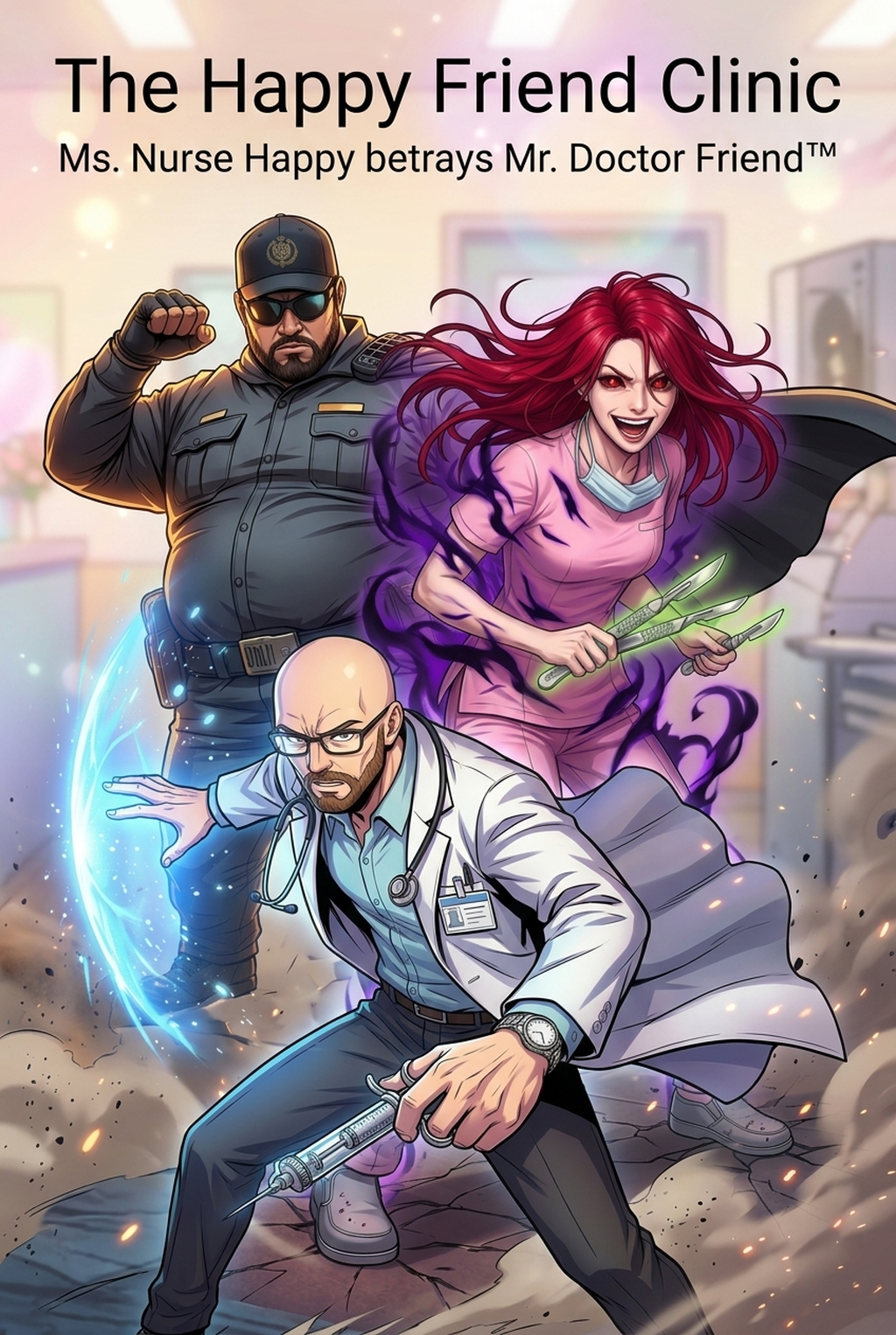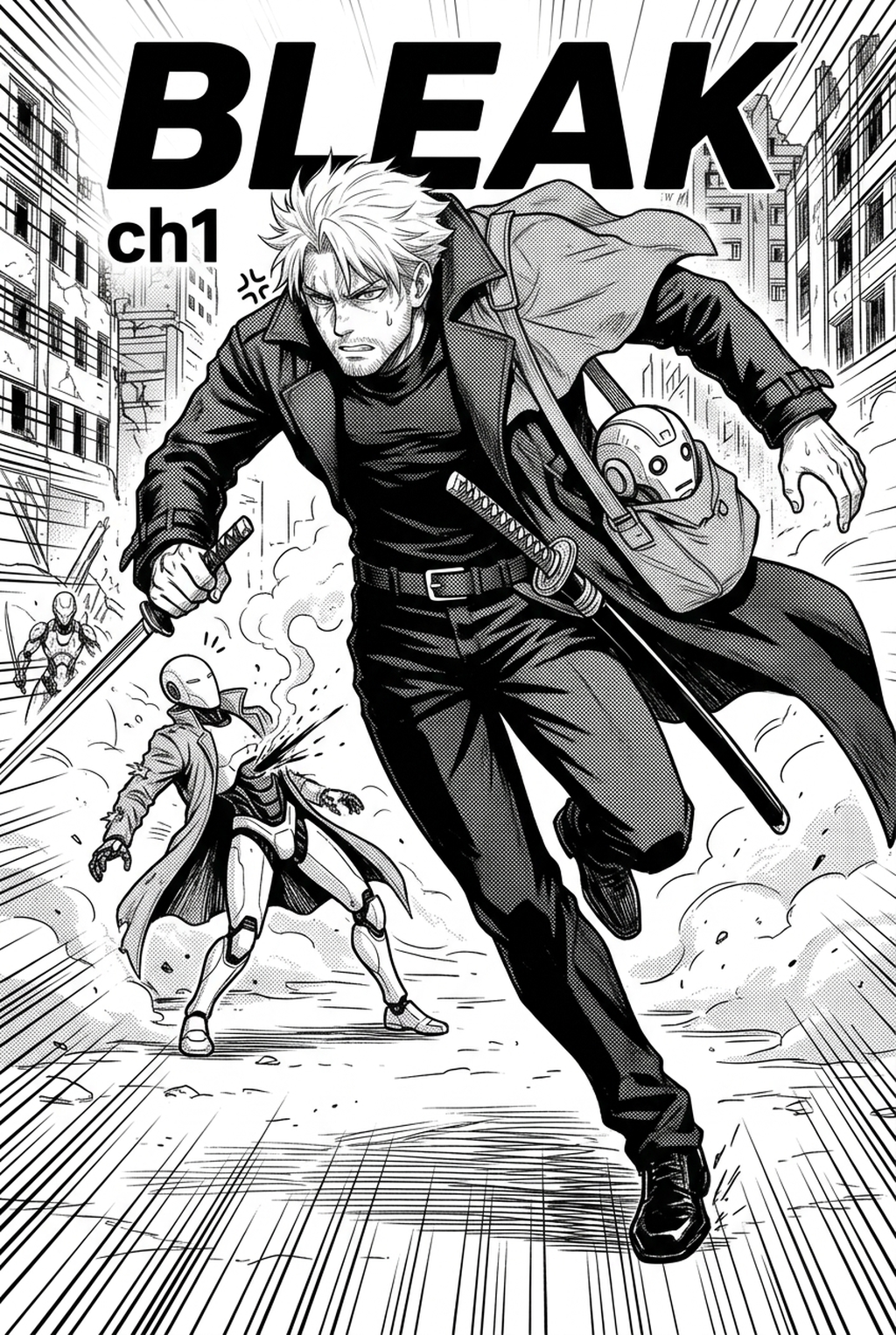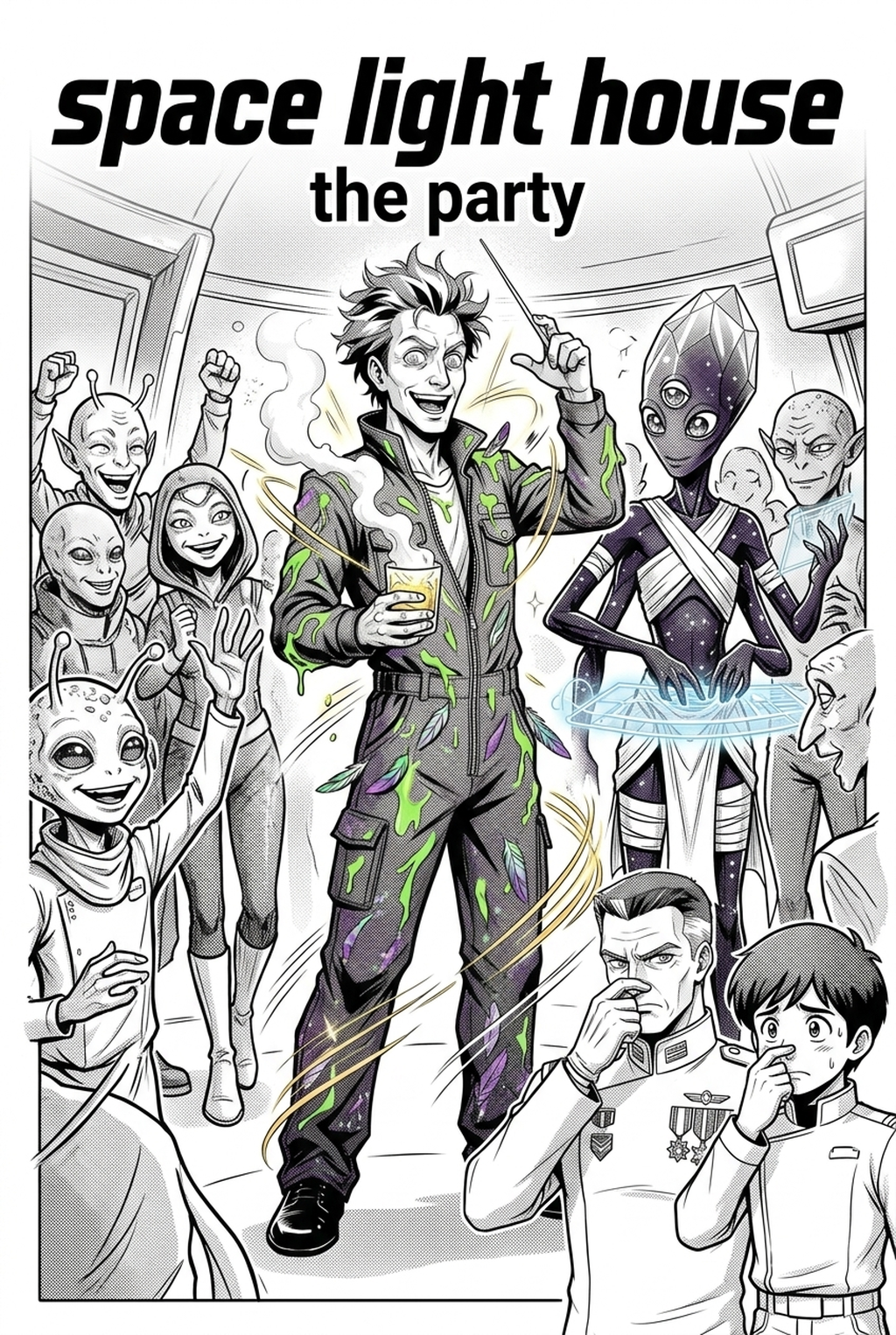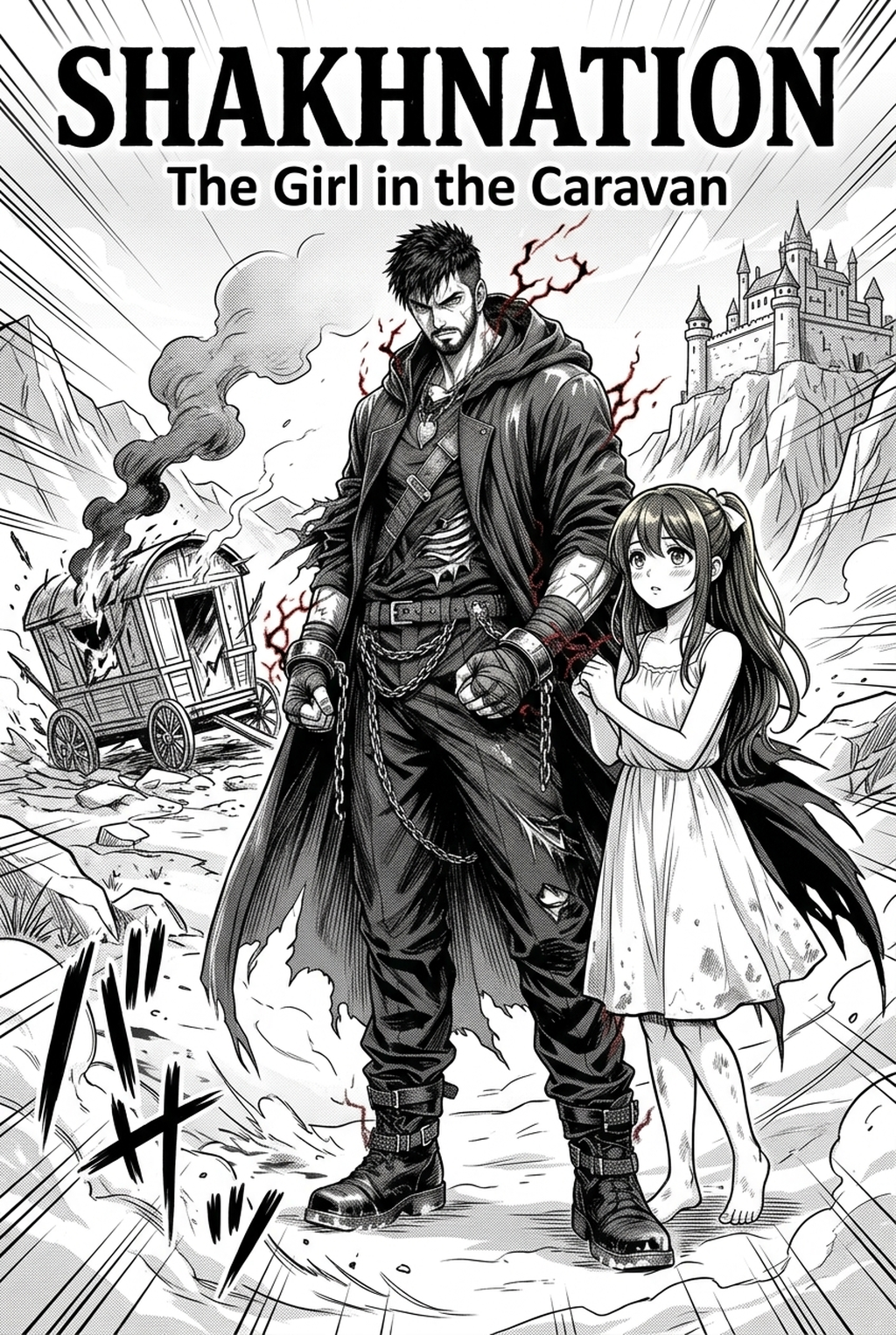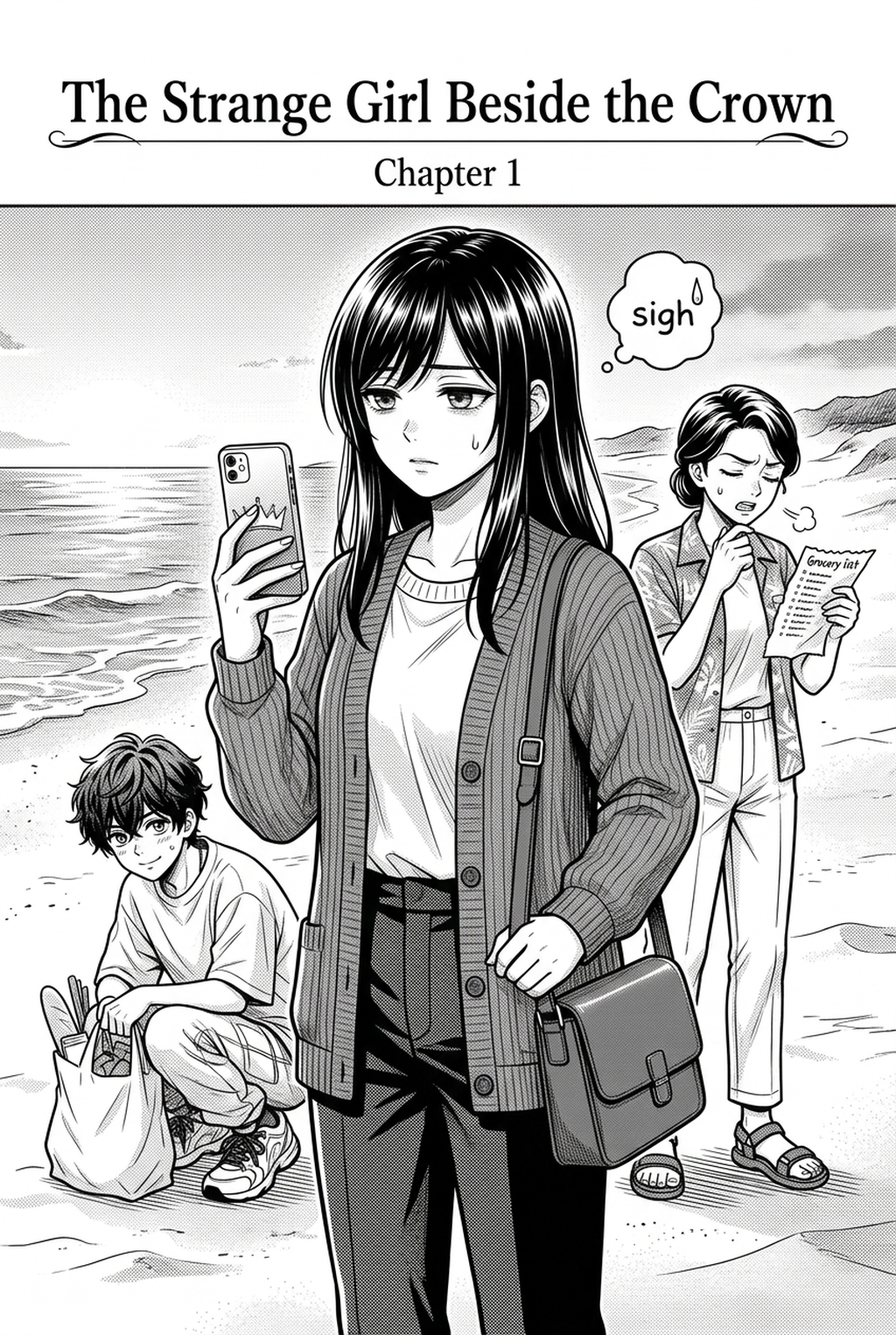
What Is AI Manga Storyboard Builder for Horror Manga?
A useful manga workflow ties setup, review responsibility, and export conditions to the page a creator needs to finish. That keeps the decision focused on sketch cleanup, character intent, panel readability, and the publishing handoff. An AI storyboard builder is a specialized pre-production tool that generates spatial layouts and panel sequences based on your horror script. Unlike standard image generators that create isolated illustrations, this tool focuses on the architecture of the page, ensuring that shadows, text placement, and visual rhythm align with the genre’s demand for suspense. Key features include:
- Narrative Sequencing: It translates written script beats into a logical flow of panels, prioritizing the "scare" reveal. * Automatic Composition: It manages the rule of thirds and framing angles to keep the reader’s eye moving toward the climax of the page. * Horror-Centric Spacing: It leaves room for sound effects and tense, atmospheric gaps that define the modern horror aesthetic.
Why AI Manga Storyboard Builder Matters for Horror in 2026
A useful manga workflow ties setup, review responsibility, and export conditions to the page a creator needs to finish. That keeps the decision focused on sketch cleanup, character intent, panel readability, and the publishing handoff. You face the constant tension between artistic ambition and the reality of production time, especially when working in color.
app/create), you remove the bottleneck of manual layout drafting. Instead of spending days drawing thumbnails that might not convey the intended dread, you can test dozens of visual permutations instantly. This efficiency allows you to focus your limited creative energy on the final color saturation and lighting effects that define high-quality horror work.
How AI Manga Storyboard Builder Works for Horror in Color Manga
Creators benefit from a structured workflow that prioritizes readability before committing to the intensive process of coloring. The process ensures that your color palette isn't wasted on a poorly composed scene. First, you provide a descriptive narrative or script of your horror sequence.
The system parses this text to understand the required mood—such as "claustrophobic," "haunting," or "visceral"—and then generates a storyboard grid. Once the structure is set, you can refine the framing of specific panels to amplify the tension before moving to color rendering. Consistency is vital for horror, particularly regarding character features and recurring environmental shadows.
Because the builder creates the structural foundation first, it prevents the common pitfall of having inconsistent lighting or camera angles between panels. By finalizing your layout, you create a "blueprint" that ensures every colored panel feels like part of a cohesive, terrifying whole. According to industry discussions on manga production workflows , establishing a clear composition phase early on is the best way to maintain visual clarity in complex, action-heavy scenes.
Use Cases for AI Manga Storyboard Builder
Use cases are strongest when the story goal, genre expectation, visual risk, and final export format are clear. A useful example names the page detail a creator checks before the page moves into lettering, coloring, or publishing. You can apply this technology to solve specific genre-based challenges that often plague indie projects.
- The Atmospheric Reveal: Building a sequence where a shadow slowly consumes a room requires precise panel sizing. Use the tool to slowly shrink the light source across four panels, building unbearable tension. * Visceral Action Sequences: When a creature attacks, you need frantic, jagged panel edges that mimic the chaos of the moment.
The builder helps you break from traditional grids to emphasize the physical terror. * Emotional Pacing: Horror isn't just jumpscares; it is the silence between them. You can use the tool to insert "breather" panels that allow the reader to reset before the next scare.
Step-By-Step Guide to Start with Mangaka
Line Quality Through Revision. Creators can use each revision decision to clarify panel readability, character consistency, and export quality before publishing or sharing. Workflow Fit for Creator Output.
Start by preparing the creative brief, reference notes, character constraints, and export target before generation. The setup matters because a clearer brief gives the review pass something specific to judge: silhouette, expression, panel readability, and file readiness. Getting your horror manga from script to storyboard is a straightforward, three-part process designed for creators who want to jump straight into production.
- Sign up: Create your account on the Mangaka platform to access the design interface. 2. Paste your script: Upload your scene description or dialogue to allow the tool to interpret the necessary panel layouts. 3. Generate and download: Review the suggested storyboard, make final adjustments to the flow, and export the file to begin your color work.
Export quality depends on whether the creator can still adjust cleanup, line weight, and handoff settings after AI assistance. Wacom comic and manga creation guidance ties that point to drawing practice instead of broad AI-image claims.
Creators should define the scene goal, character references, page count, reading direction, and target Color manga. That gives AI Manga Storyboard Builder enough context to support the story instead of producing disconnected panels. For visual quality, creators should check line weight, facial expression, pose clarity, panel order, and space for dialogue before export.
Those checks matter more for Horror pages because action beats and emotional pauses need to read quickly. For comparison, a useful tool should save time without flattening the creator's style. The best choice keeps the first pass editable, makes revisions visible, and leaves final judgment with the artist.
Creators should keep a small reference sheet for recurring characters, outfits, props, and backgrounds. That makes it easier to compare generated pages and decide which panel needs a redraw.
A clear export routine keeps the next chapter faster. For team review, creators should separate story feedback from art feedback. One pass can focus on pacing, another on panel readability, and a final pass on file quality before publishing or sharing. Creators can use each revision decision to clarify panel readability, character consistency, and export quality before publishing or sharing.
- Production context. Anime News Network's manga production feature describes manga as staged work from rough draft to finished page. Use it to judge whether AI inking helps cleanup without weakening review.
- Reader expectations. MyAnimeList manga news keeps genre expectations visible for readers who scan action, character acting, and page rhythm quickly. Shonen inking should preserve panel clarity, not just cleaner lines.
- Drawing practice. Wacom's comic and manga creation guide ties tool choice to brush control, cleanup effort, and export readiness. That keeps review grounded in creator workflow.
Orchestrate Psychological Dread and Page-Turn Jumpscares with Mangaka.app
Horror manga lives and dies by reveal timing, claustrophobic framing, and the visceral shock of turning the physical or digital page. Mangaka.app provides the dedicated sequential production engine built specifically for horror manga and comic creators:
- Calculated Page-Turn Shock Pacing: Stage suspenseful panel progressions that build suffocating dread leading directly to dramatic left-page jumpscare reveals.
- Claustrophobic Panel Compression: Constrict panel borders and gutter margins to induce psychological pressure before bursting into explosive full-page spreads.
- Distressed Ink & Macabre Textures: Apply heavy pitch-black shadows, decayed linework, and unsettling psychological screentones without manual pixel cleanup.
- Dynamic Sound Effect Typography: Place jagged, dripping vector onomatopoeia directly into the panel geometry for terrifying visual impact.
The Bottom Line
A useful creator workflow keeps the story goal, visual style, and review step clear before export. AI Manga Storyboard Builder gives creators a faster first pass without removing the final human review. Start creating with AI Manga Storyboard Builder for Horror manga when you are ready to turn the reviewed idea into finished manga pages. Test it with one real page goal, one reference boundary, and one export requirement so the decision stays tied to production quality.