AI Manga Style Transfer: Cost Factors for AI Manga Style Transfer in Horror
The Anime News Network feature on how manga is made describes manga as staged work from rough draft to finished page. That production context matters for Horror creators because AI assistance is useful only when the sketch, inking pass, and final page review stay connected.
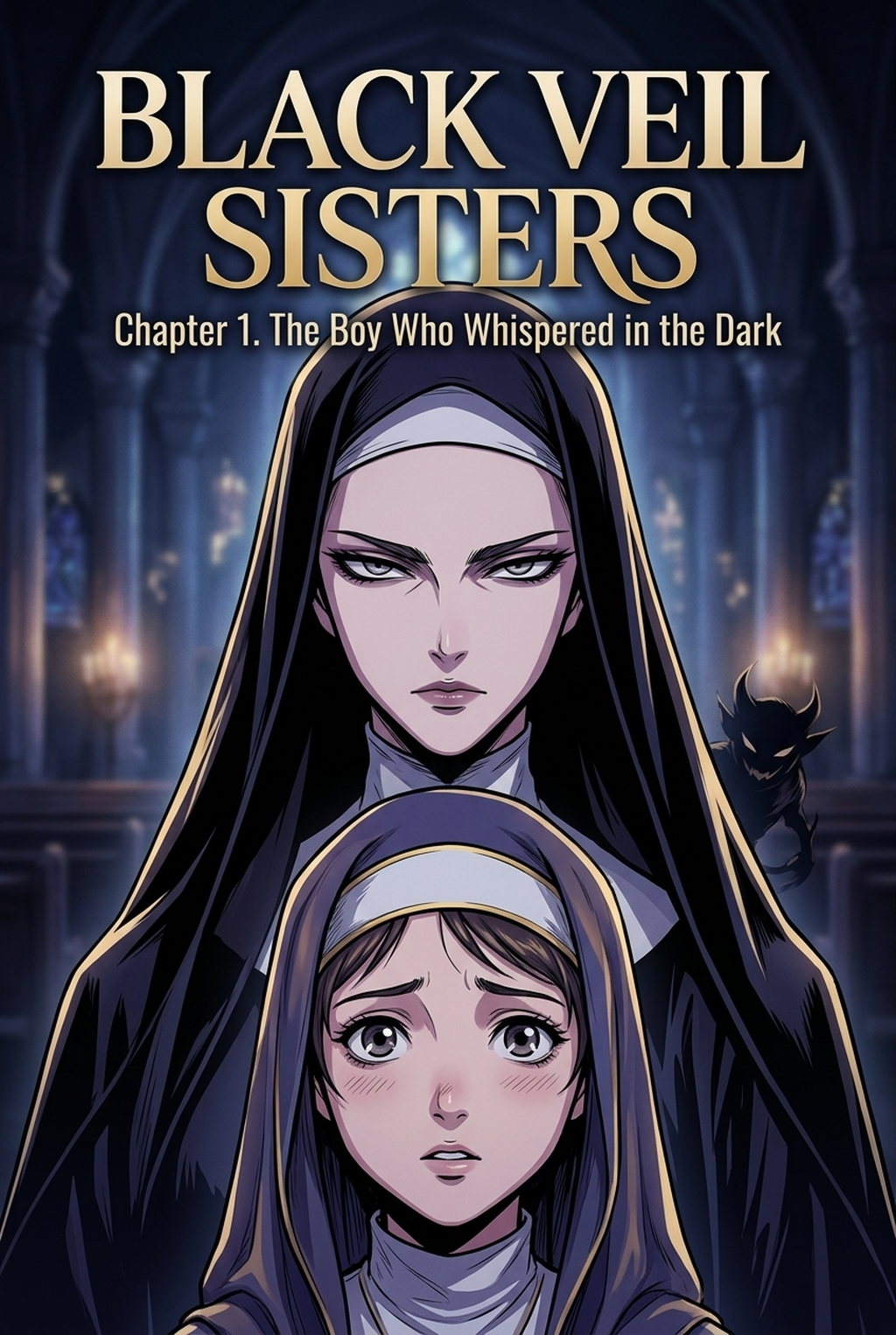
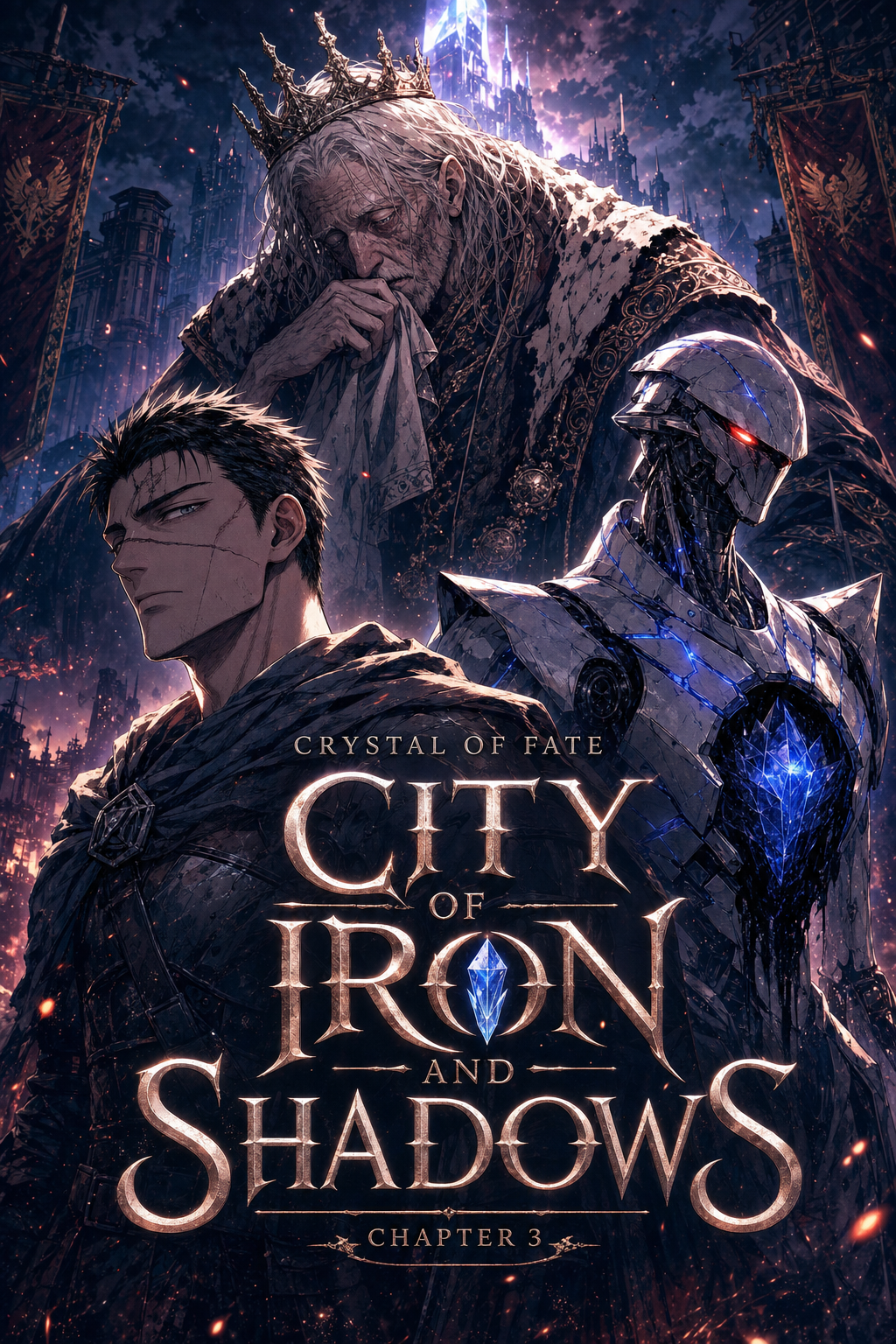
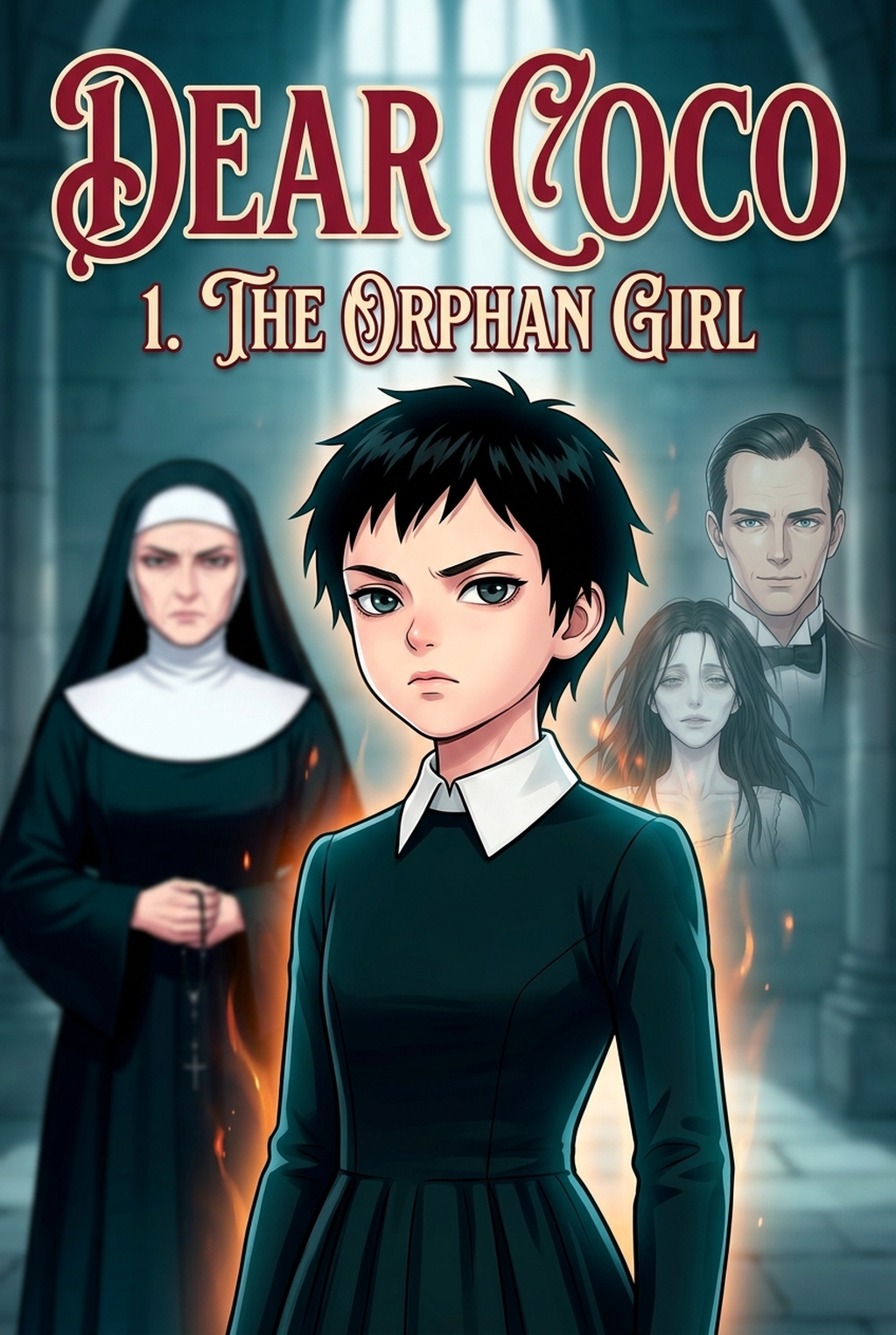
AI Manga Style Transfer for Horror manga helps creators choose the right Mangaka workflow for cleaner pages, steadier style, and review-ready output. You are often caught between the desire for cinematic, terrifying panels and the grueling labor required to hand-render complex shadows.
Creative Decisions and Export Quality
Every minute spent on repetitive linework is a minute you cannot spend on storyboarding or character development. By reducing the manual labor on "filler" panels, you can dedicate more time to the high-impact horror reveals that define your work.
Workflow Fit and Review Needs
The cost of your project isn't just in subscription fees—it is in the value of your own time. When evaluating tools, factor in the "fix-up" time. A truly budget-fit tool integrates into your workflow, taking your raw sketches and outputting high-contrast, ready-to-use horror assets in one click.
How Mangaka Supports AI Manga Style Transfer for Horror Creators
When you choose to integrate AI Manga Style Transfer for Horror manga with Mangaka into your workflow, you are trading hours of manual cross-hatching for a structured, subscription-based model that prioritizes predictability. You avoid the "pay-per-use" anxiety that often plagues creators dealing with high-volume horror projects.
Mangaka handles the heavy lifting of converting loose, high-contrast sketches into polished, ink-ready manga panels. Because the tool is trained specifically to understand the nuances of manga art, it preserves the skeletal structure of your horror character designs. This consistency significantly lowers your revision load, as you no longer need to spend hours fixing anatomy errors introduced by general-purpose image generators.
Mangaka provides a fixed-cost environment. You know exactly what your production costs are for the month, regardless of how many panels you generate. This eliminates the "variable cost" trap, allowing you to scale your production to match your project milestones without worrying about escalating usage fees mid-chapter.
Comparing Free vs Paid Manga AI Tools
Deciding where to allocate your resources is a critical step in maintaining your series' production schedule. While free tools offer a low entry barrier, paid solutions often provide the reliability and privacy required for professional creator workflows.
Reader Impact Before Publishing
Free tools usually rely on public servers, meaning your original horror concepts and character designs may be used to train future iterations of those models. If you are building a unique visual brand, this lack of exclusivity is a major long-term cost. Mangaka fits creators who need a professional, reliable environment where their work remains their own.
Quality Checks Before Export
Before Exporting Your Panels. You should perform a "black-level test" to ensure your shadows don't lose definition during the conversion process. Professional Wacom artists often note that the difference between a amateur horror manga and a professional one lies in the crispness of the line weight. Mangaka assists this by maintaining your original intent through a specific style transfer engine designed for high-contrast horror.
Hidden Costs to Watch for
You must remain vigilant against tools that hide their true costs behind high computational requirements or significant "cleanup" labor. A tool that produces a visually impressive image but fails to respect your specific horror aesthetic is essentially a decorative burden.
Reader Impact Before Publishing for Hidden Costs to Watch for
Many free AI models require complex technical setups, which drain your creative energy. Even if the tool itself is "free," you are paying in the form of lost focus and technical fatigue. A dedicated tool like Mangaka minimizes these hidden costs by automating the style transfer process directly in the browser.
Creative Decisions and Export Quality for Hidden Costs to Watch for
Always review your output for "ghosting" effects in high-contrast areas. While AI is powerful, a quick pass on line weight adjustment remains essential. By choosing a tool built specifically for manga, you reduce the likelihood of having to redraw half your panels because the AI failed to interpret your shadow placement correctly.
Budget Checklist for Horror Creators
A useful manga workflow ties setup, review responsibility, and export conditions to the page a creator needs to finish. That keeps the decision focused on sketch cleanup, character intent, panel readability, and the publishing handoff.
- Asset Ownership: Ensure the platform grants you full rights to the output. * Style Preservation: Does the tool respect your specific horror art direction? * Time Efficiency: Does it offer one-click conversion, or does it require constant tweaking? * Scalability: Can the tool handle a full 20-page chapter consistently?
Release cadence belongs in the production context for manga tools. For creators, the useful product question is whether pages stay readable when schedule pressure rises.
- Reader expectations. MyAnimeList manga news keeps genre expectations visible for readers who scan action, character acting, and page rhythm quickly. Shonen inking should preserve panel clarity, not just cleaner lines.
- Drawing practice. Wacom's comic and manga creation guide ties tool choice to brush control, cleanup effort, and export readiness. That keeps review grounded in creator workflow.
The Bottom Line
A useful creator workflow keeps the story goal, visual style, and review step clear before export. AI Manga Style Transfer gives creators a faster first pass without removing the final human review. Start creating with AI Manga Style Transfer for Horror manga when you are ready to turn the reviewed idea into finished manga pages. Test it with one real page goal, one reference boundary, and one export requirement so the decision stays tied to production quality.