What Is AI Manga Style Transfer for Shojo Manga?
The Anime News Network feature on how manga is made describes manga as staged work from rough draft to finished page. That production context matters for Shojo creators because AI assistance is useful only when the sketch, inking pass, and final page review stay connected.
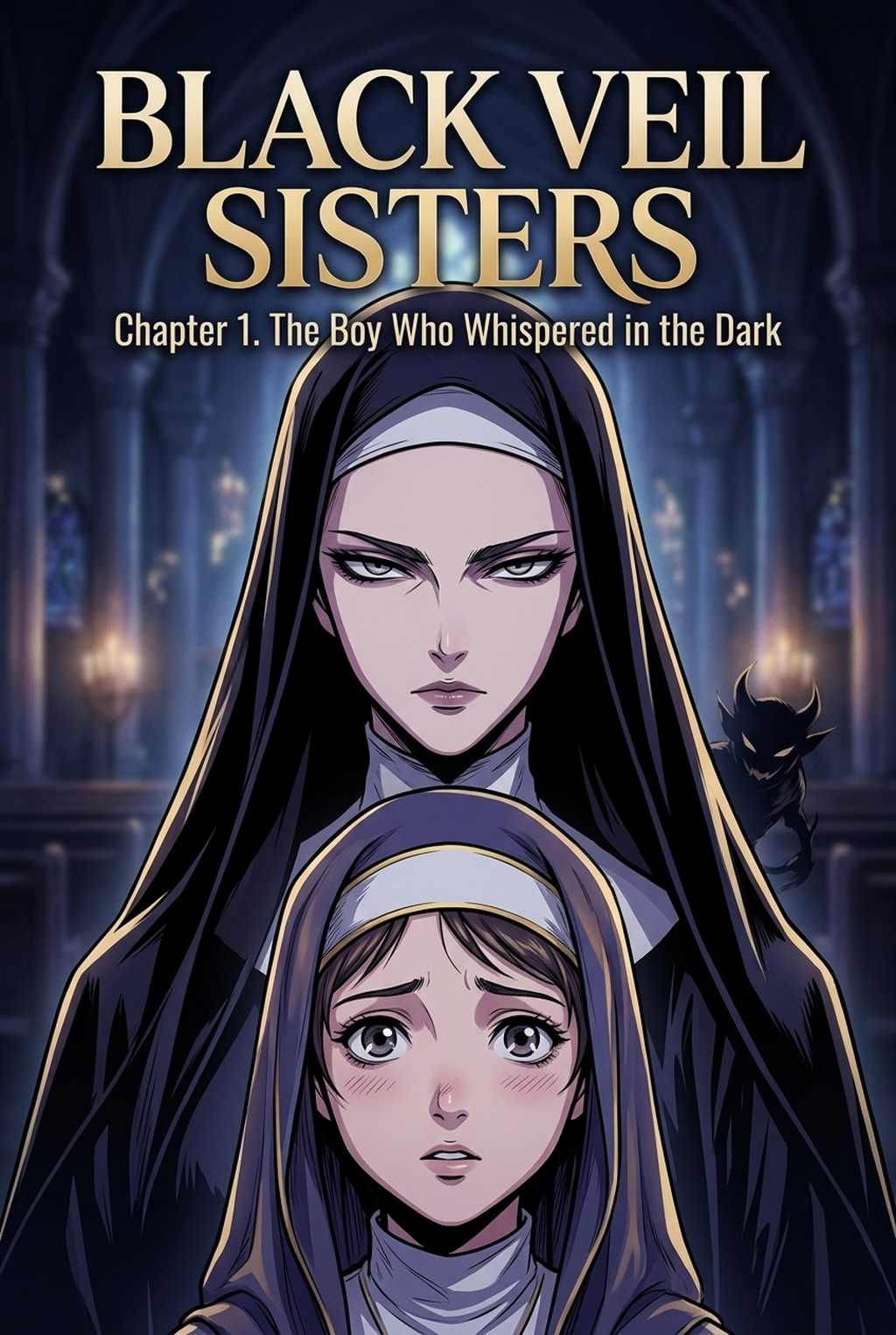
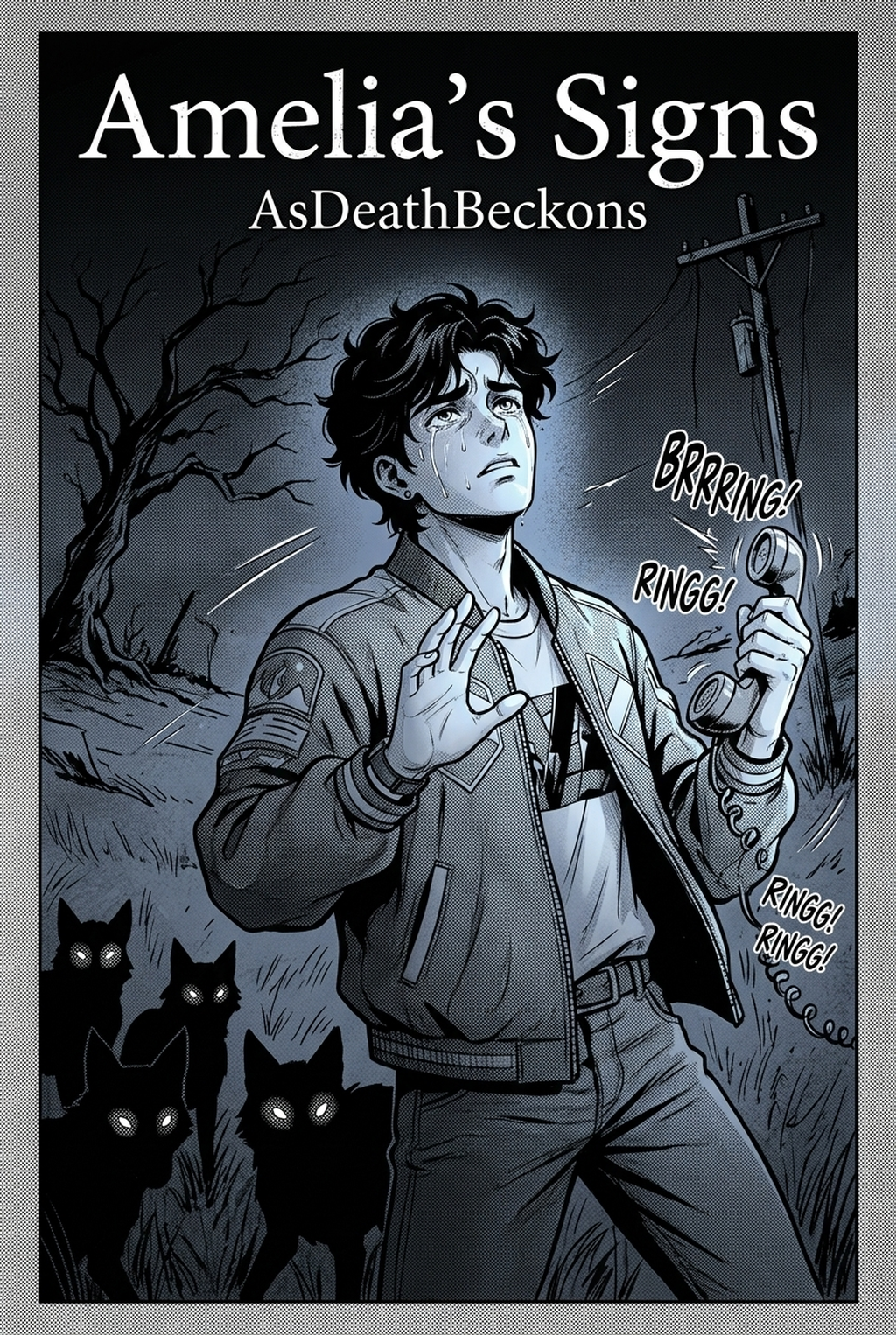
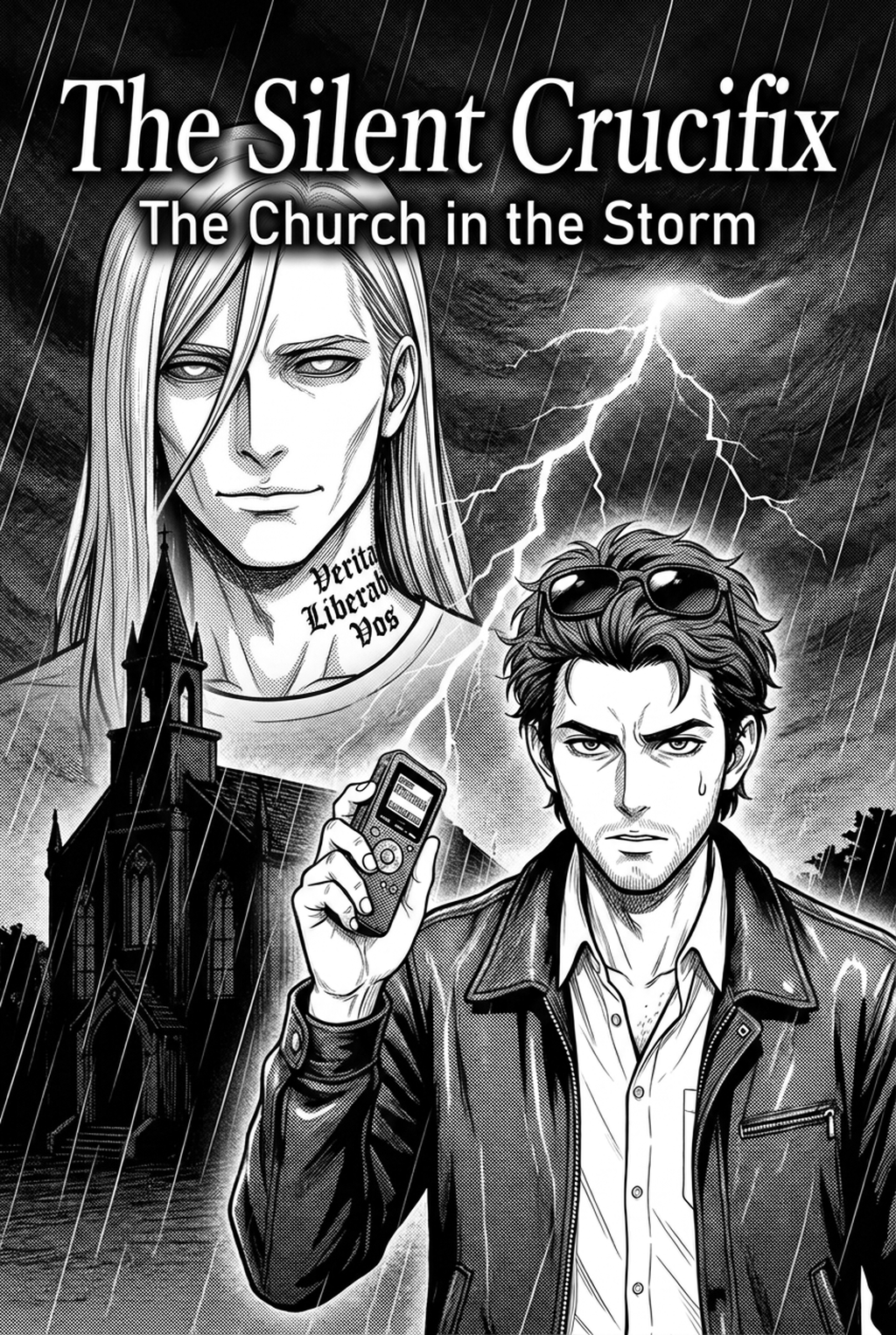
A useful manga workflow ties setup, review responsibility, and export conditions to the page a creator needs to finish. That keeps the decision focused on sketch cleanup, character intent, panel readability, and the publishing handoff. AI manga style transfer is a specialized process that uses neural networks to re-render rough line art into a refined, genre-specific artistic aesthetic. It focuses on the hallmark visual language of Shojo: shimmering eyes, soft lighting, floral motifs, and delicate line work that captures ephemeral emotional states. By training models on specific artistic nuances, these tools map the "look and feel" of professional manga onto your unique hand-drawn compositions.
Why AI Manga Style Transfer Matters for Shojo in 2026
How AI Manga Style Transfer Works for Shojo in Color Manga
Understanding the underlying process helps you better integrate these tools into your existing creative rhythm. The goal is to move from a structural sketch to a finished page through a controlled refinement process that respects your original intent. Your workflow benefits most when the tool treats your sketch as the "source of truth" for geometry and composition.
Instead of asking an AI to invent a scene, you provide the blueprint. The system interprets your line weight and panel flow, layering specific Shojo textures and palette palettes that evoke the classic, shimmering quality of the genre. When you AI Manga Style Transfer for Shojo manga with Mangaka using this method, the AI preserves the emotional weight of your facial expressions and gestures, which are the cornerstone of any impactful Shojo story.
Consistency is maintained by defining style parameters that govern color temperature and line definition before generation begins. Creators should aim for high-contrast sketches, as cleaner base lines translate into more accurate rendering of hair flow and intricate costumes. For those interested in the technical side of how digital manga assets are processed, Wacom’s guides on digital drawing provide excellent context on how foundational anatomy and lighting principles remain essential even when leveraging automated tools.
Use Cases for Shojo Creators
Use cases are strongest when the story goal, genre expectation, visual risk, and final export format are clear. A useful example names the page detail a creator checks before the page moves into lettering, coloring, or publishing. Style transfer is most effective when applied to specific phases of your production production process where manual execution becomes repetitive or tedious. * Atmospheric Background Rendering: Shojo manga relies on soft-focus, dreamy backgrounds. Style transfer can instantly render rough sketches of school hallways or gardens into lush, colored settings while maintaining the depth of field characteristic of the genre. "
- Expressive Close-ups: Capturing the subtle nuances of a character’s eyes or hair during a pivotal dialogue sequence is often time-consuming. These tools help maintain the high-detail, ethereal look required for intense emotional scenes.
Step-By-Step Guide to Start with Mangaka
Generation Setup and Final Export. Workflow Fit for Creator Output.
Workflow Fit for Creator Output
Start by preparing the creative brief, reference notes, character constraints, and export target before generation. The setup matters because a clearer brief gives the review pass something specific to judge: silhouette, expression, panel readability, and file readiness. You can begin integrating this tool into your project immediately by following a straightforward, three-step process designed for creator efficiency.
- Sign up: Create your account at the official site to access your secure workspace. 2. Paste or Upload: Simply upload your rough sketch or digital line art panel into the designated canvas area. 3. Generate and Download: Select your desired Shojo-specific style profile, hit the generate button, and download the finished, high-resolution color page.
Release cadence belongs in the production context for manga tools. For creators, the useful product question is whether pages stay readable when schedule pressure rises. For setup, creators should define the scene goal, character references, page count, reading direction, and target Color manga. That gives AI Manga Style Transfer enough context to support the story instead of producing disconnected panels.
Creators should check line weight, facial expression, pose clarity, panel order, and space for dialogue before export. Those checks matter more for Shojo pages because action beats and emotional pauses need to read quickly. For comparison, a useful tool should save time without flattening the creator's style.
The best choice keeps the first pass editable, makes revisions visible, and leaves final judgment with the artist. Creators can use each revision decision to clarify panel readability, character consistency, and export quality before publishing or sharing. For production, creators should keep a small reference sheet for recurring characters, outfits, props, and backgrounds.
Review Controls Before Export
That makes it easier to compare generated pages and decide which panel needs a redraw. For export, creators should confirm the final PNG, PDF, or editable file can move into lettering, coloring, or layout cleanup without rebuilding the page. A clear export routine keeps the next chapter faster.
Creators should separate story feedback from art feedback. One pass can focus on pacing, another on panel readability, and a final pass on file quality before publishing or sharing. For style control, creators should compare the generated page against the intended genre mood rather than judging only technical polish. A clean page still needs the right energy, expression, and visual rhythm.
- Reader expectations. MyAnimeList manga news keeps genre expectations visible for readers who scan action, character acting, and page rhythm quickly. Shonen inking should preserve panel clarity, not just cleaner lines.
- Drawing practice. Wacom's comic and manga creation guide ties tool choice to brush control, cleanup effort, and export readiness. That keeps review grounded in creator workflow.
Master Delicate Shojo Visual Aesthetics with Mangaka.app
Shojo manga thrives on emotional intimacy, delicate atmospheric linework, and expressive decorative screentone fills. Mangaka.app equips creators with nuanced aesthetic control:
- Delicate Feathered Inking: Emulate fine-point Maru nib contours and airy hairline details essential for romantic sequences.
- Atmospheric Tone Patterns and Sparkles: Apply soft gradient screen tones, shimmering light effects, and floral motifs directly into panel frames.
- Subtle Gaze and Expression Shading: Enhance eye highlights and dramatic emotional close-ups with dedicated character detail refinement.
- Clean Monochrome Separation: Keep foreground figures and atmospheric backgrounds on separate layers for non-destructive digital editing.
For comic artists, manga creators, and indie publishers looking to elevate their production workflow, Mangaka.app provides an end-to-end AI creation suite with consistent character generation, automated komawari paneling, and professional 600 DPI monochrome inking.
The Bottom Line
A useful creator workflow keeps the story goal, visual style, and review step clear before export. AI Manga Style Transfer gives creators a faster first pass without removing the final human review. Start creating with AI Manga Style Transfer for Shojo manga when you are ready to turn the reviewed idea into finished manga pages. Test it with one real page goal, one reference boundary, and one export requirement so the decision stays tied to production quality.