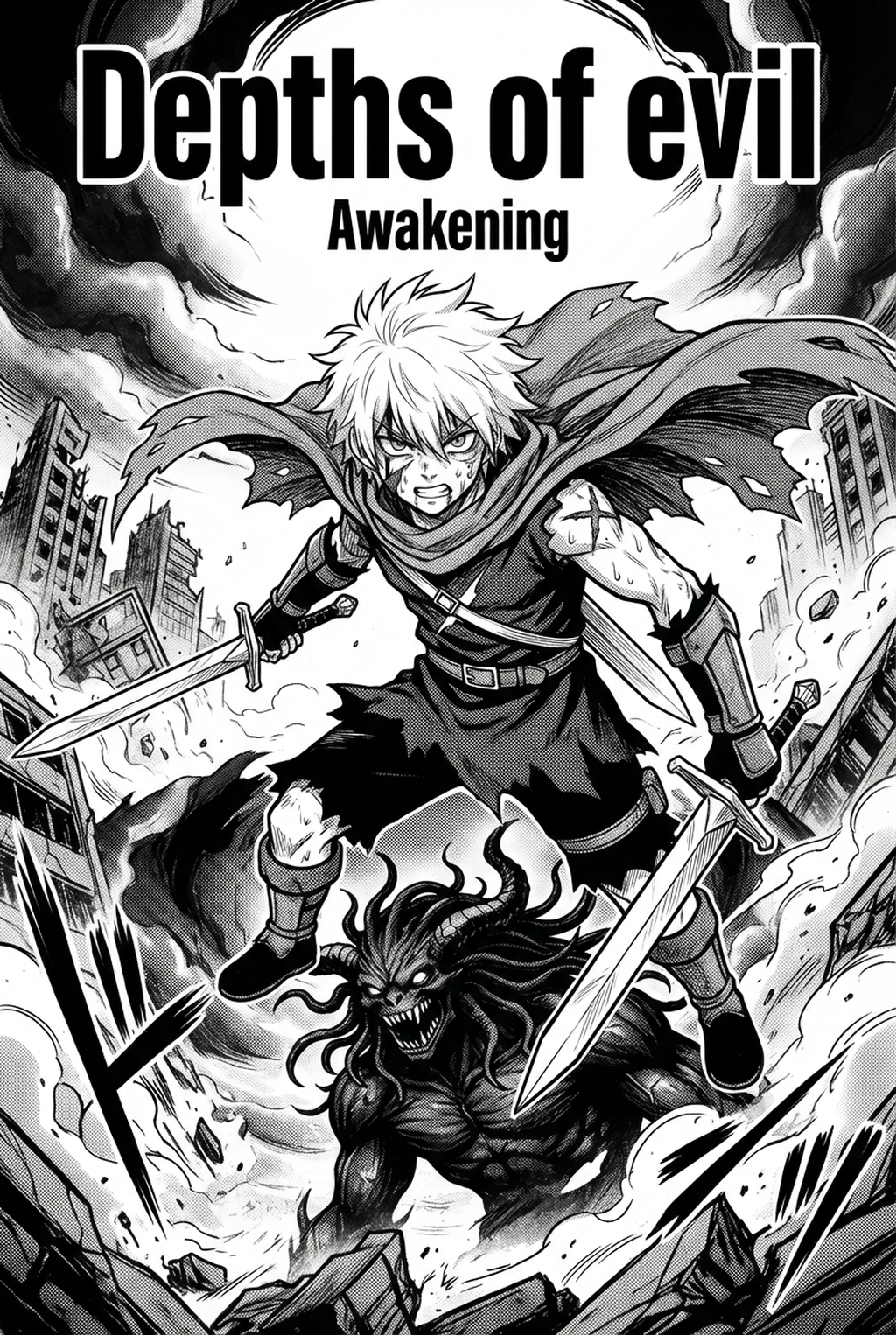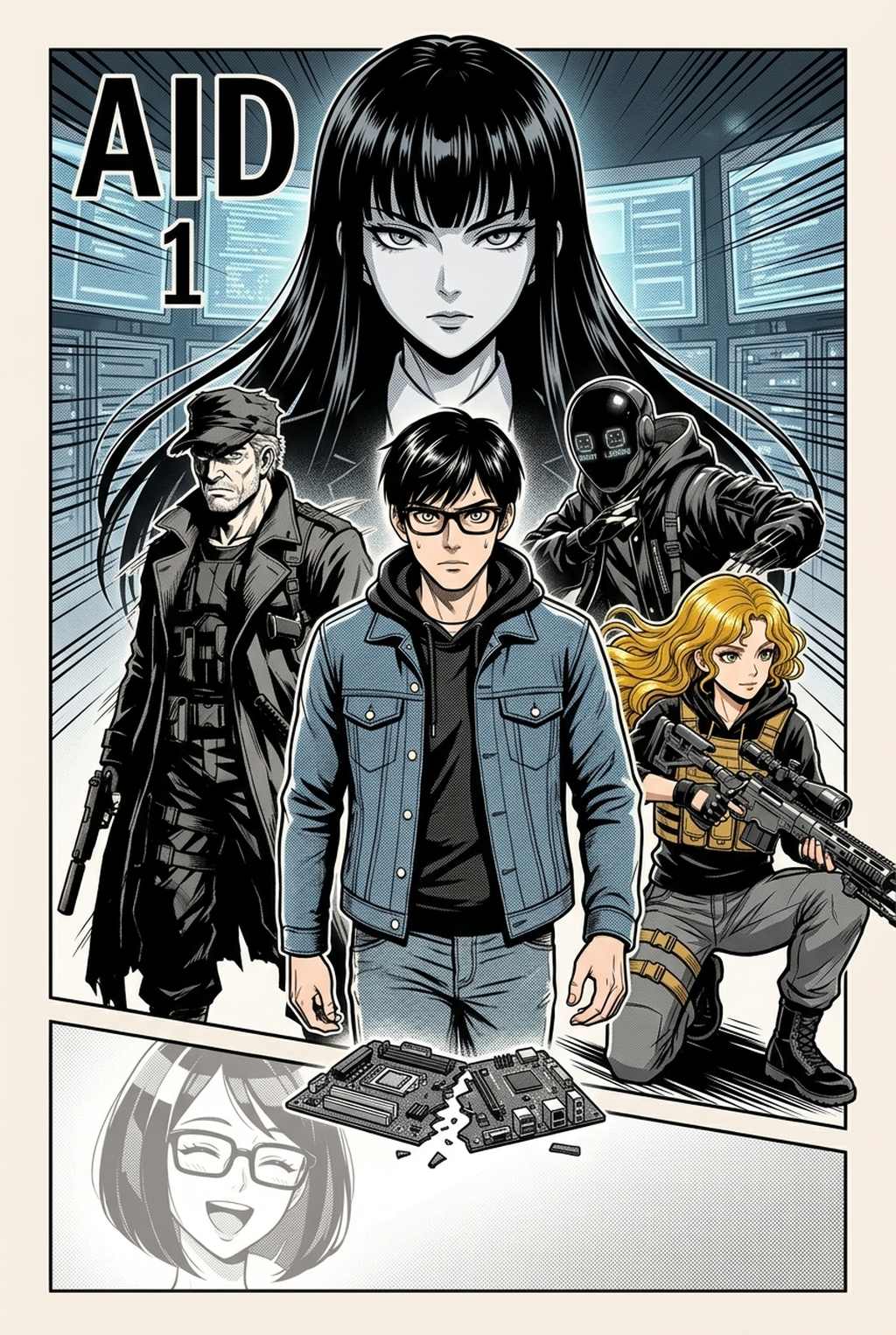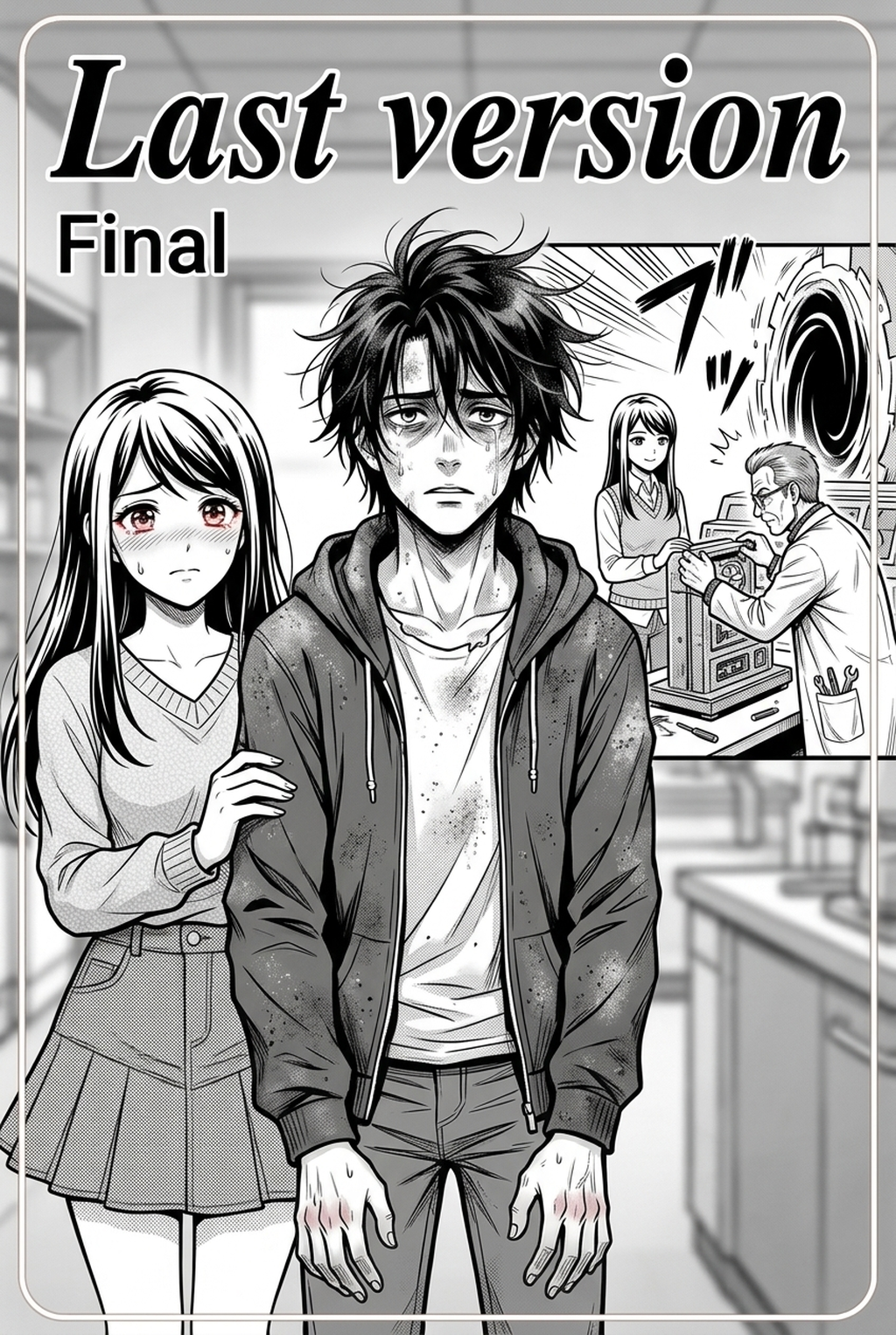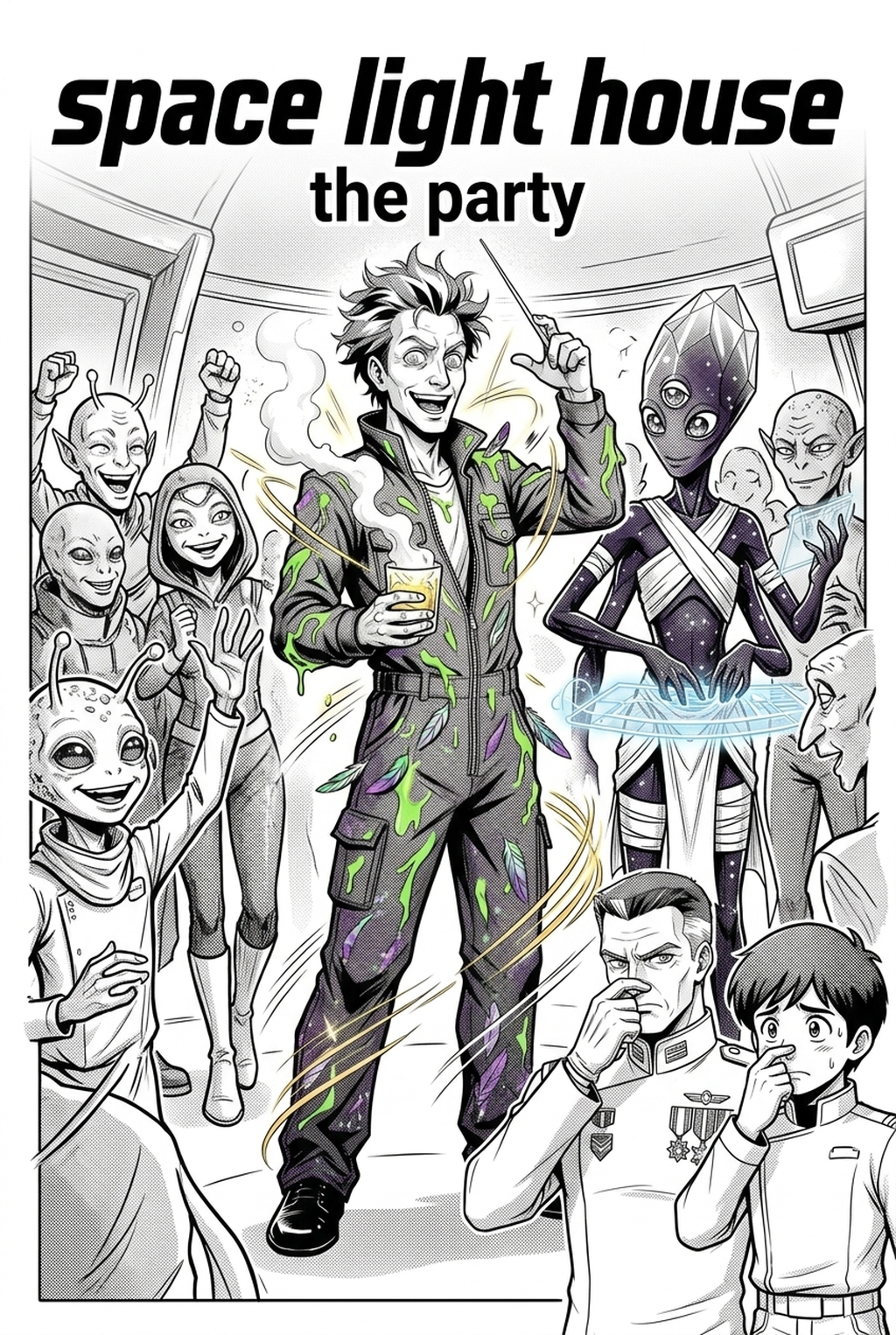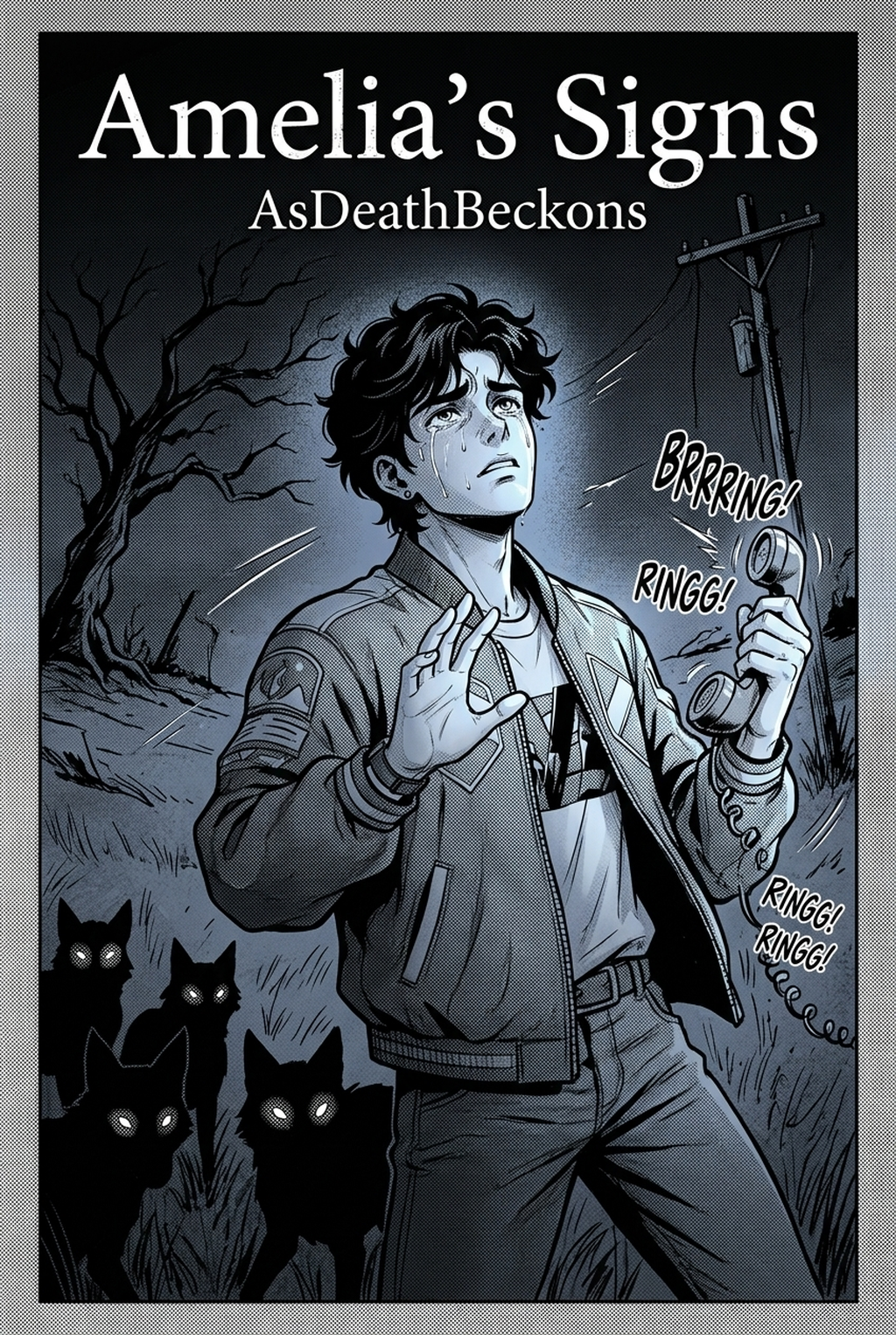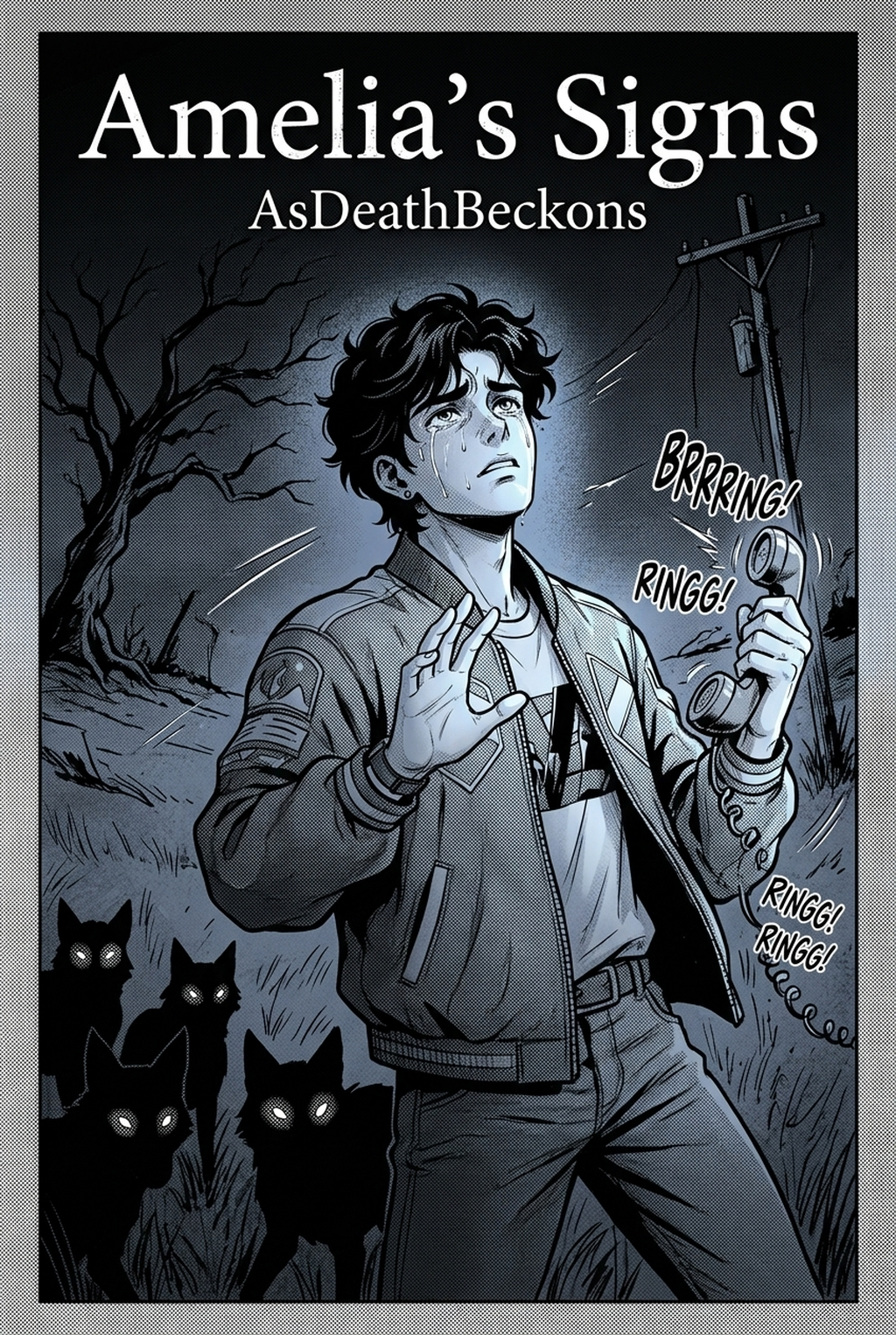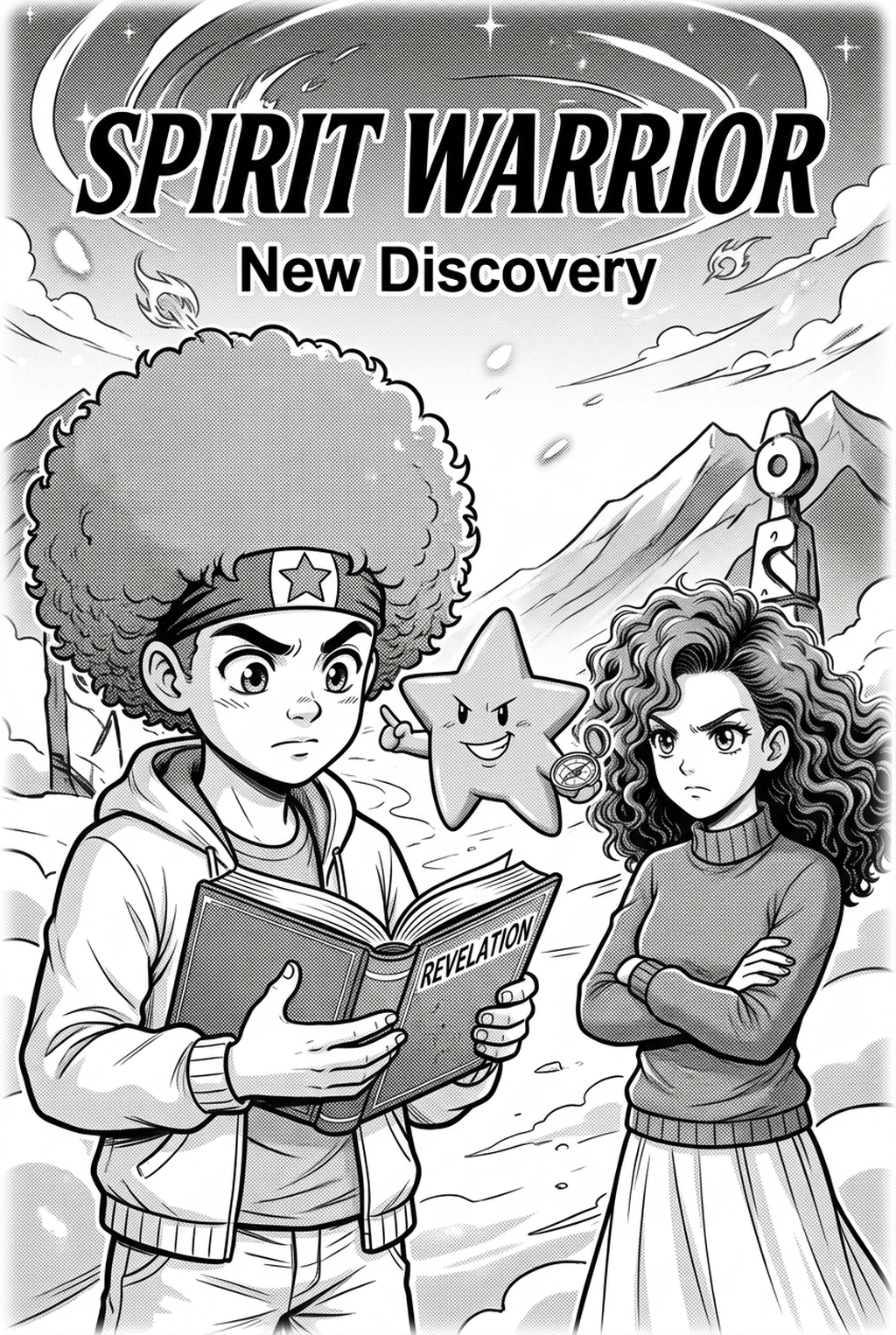
What Is Anime Character Design?
Reader expectations should shape how creators review pacing, expression, and genre clarity after generation. MyAnimeList manga news keeps that audience context visible, so manga pages should be judged by whether readers can follow the action, character role, and visual rhythm.
The Anime News Network feature on how manga is made describes manga as staged work from rough draft to finished page. That production context matters for manga creators because AI assistance is useful only when the sketch, inking pass, and final page review stay connected.
Creators need practical context before they can judge whether anime character design belongs in their production process. You should connect each recommendation to the story goal, visual decision, review owner, and export outcome. AI Manga Character Designer workflow should solve a specific creator problem instead of repeating a broad manga workflow.
The first review area is defining the core components: silhouette, color palette, and iconic accessories, so creators can compare the result against story role, panel readability, and export quality. That keeps the output useful when readers scan the page quickly. AI Manga Character Designer should stay tied to the creator's brief, panel purpose, and export review instead of becoming a broad AI-art checklist. The next review area is understanding the role of character design in storytelling beyond just visual appeal, because a strong manga result needs both visual appeal and production discipline.
Why AI Manga Character Designer Matters for Manga Creators
Creators lose time when rough sketches, line weight, panel readability, and export cleanup are reviewed in separate passes. You should judge creator workflow by how much first-pass cleanup it removes without weakening the story beat or character intent. Creator workflow should solve a specific creator problem instead of repeating a broad manga workflow.
The first review area is the critical need for visual consistency in long-form serialized manga, so creators can compare the result against story role, panel readability, and export quality. The next review area is define silhouette, expression range, costume details, and recurring props before generation, because a strong manga result needs both visual appeal and production discipline. Finally, creators should balancing 'appealing' designs with the simplicity required for repetitive drawing so revision notes stay tied to the actual page or character goal.
How Anime Character Design Works with Mangaka
Hands-on drawing control still matters after an AI first pass because creators may need to adjust line weight, cleanup, and export settings. The Wacom comic and manga creation guide anchors that review in practical art production rather than broad AI-image claims.
If your main pain point is rough sketches, line-weight drift, unclear panels, inconsistent characters, or export cleanup, Mangaka should be judged against those exact problems. Mangaka connects the creator brief to manga-specific output so creators can review readability, style consistency, and export quality together. Page planning workflow should solve a specific creator problem instead of repeating a broad manga workflow.
The first review area is automating the creation of character model sheets to ensure internal consistency, so creators can compare the result against story role, panel readability, and export quality. That keeps the output useful when readers scan the page quickly. For product fit, anime character design should answer the exact creator pain points: rough sketches, line-weight drift, panel readability, character consistency, and export cleanup.
Generates consistent manga-style characters from text descriptions. That keeps the first pass close enough for creator review instead of forcing the artist to redraw the whole page. The next review area is using text-to-image creative briefs to iterate on costume designs without starting from zero, because a strong manga result needs both visual appeal and production discipline. Finally, creators should maintaining stylistic uniformity when generating new panels or recurring characters so revision notes stay tied to the actual page or character goal.
Use Cases for AI Manga Character Designer
Your production process should connect the creative brief to the page problem it is meant to solve. Creators can use this part to decide whether the keyword fits character exploration, sketch cleanup, panel layout, inking, coloring, or final export review.
The first review area is building distinct visual archetypes for diverse shonen protagonist groups, so creators can compare the result against story role, panel readability, and export quality. The next review area is rapid prototyping of background characters to populate complex, crowded scenes, because a strong manga result needs both visual appeal and production discipline.
How to Get Started with Mangaka
The first review area is setting up your first character creative brief library within the tool, so creators can compare the result against story role, panel readability, and export quality. Mangaka should answer the exact creator pain points: rough sketches, line-weight drift, panel readability, character consistency, and export cleanup. The next review area is refining character outputs to match your specific, desired art style, because a strong manga result needs both visual appeal and production discipline.
Finally, creators should integrating AI-generated outputs into your existing digital inking workflow so revision notes stay tied to the actual page or character goal. Release cadence belongs in the production context for manga tools. For creators, the useful product question is whether pages stay readable when schedule pressure rises. Export quality depends on whether the creator can still adjust cleanup, line weight, and handoff settings after AI assistance. Ties that point to drawing practice instead of broad AI-image claims.
The Bottom Line
A useful creator workflow keeps the story goal, visual style, and review step clear before export. AI Manga Character Designer gives creators a faster first pass without removing the final human review. Creators can use each revision decision to clarify panel readability, character consistency, and export quality before publishing or sharing. Start creating with anime character design when you are ready to turn the reviewed idea into finished manga pages. Test it with one real page goal, one reference boundary, and one export requirement so the decision stays tied to production quality.