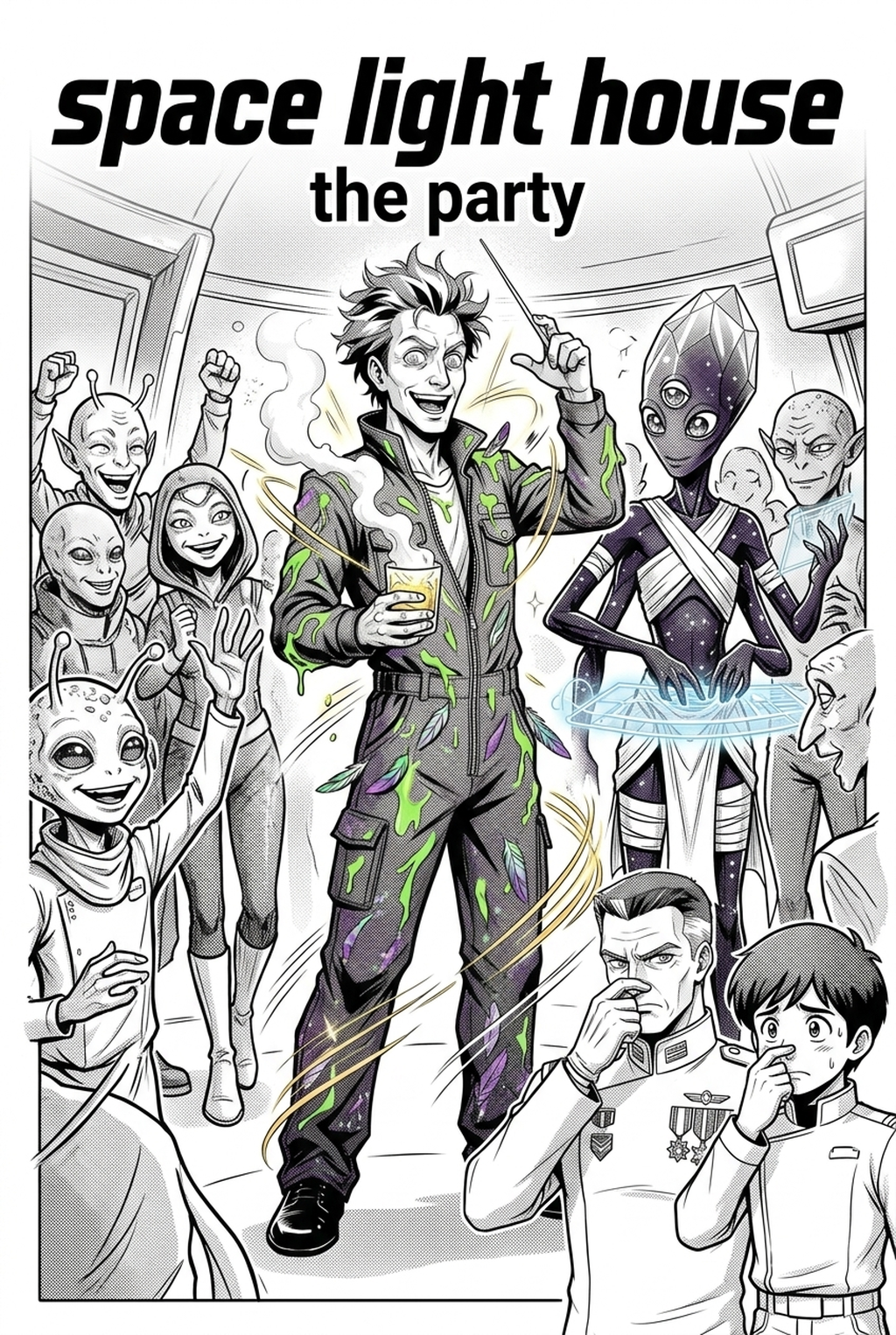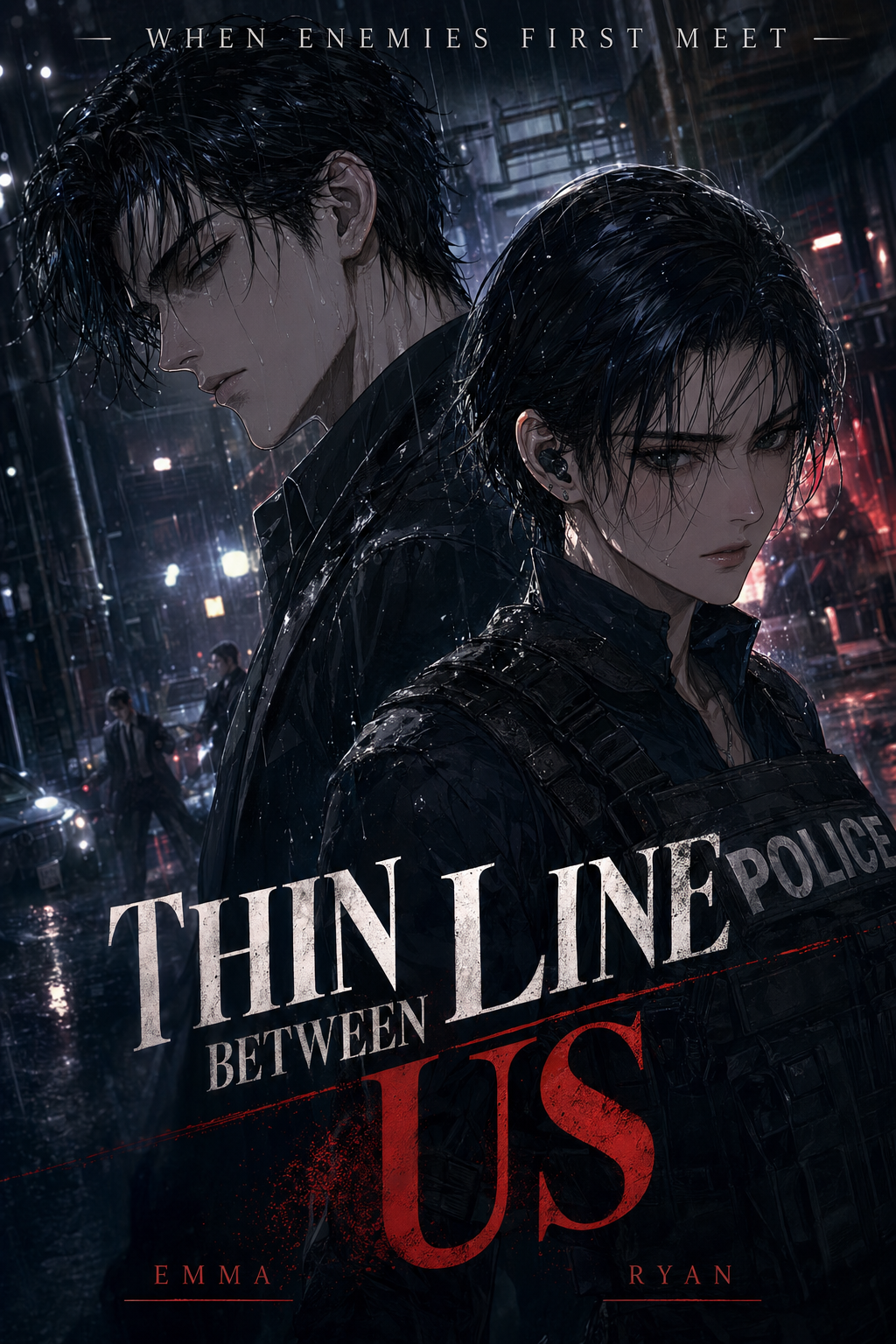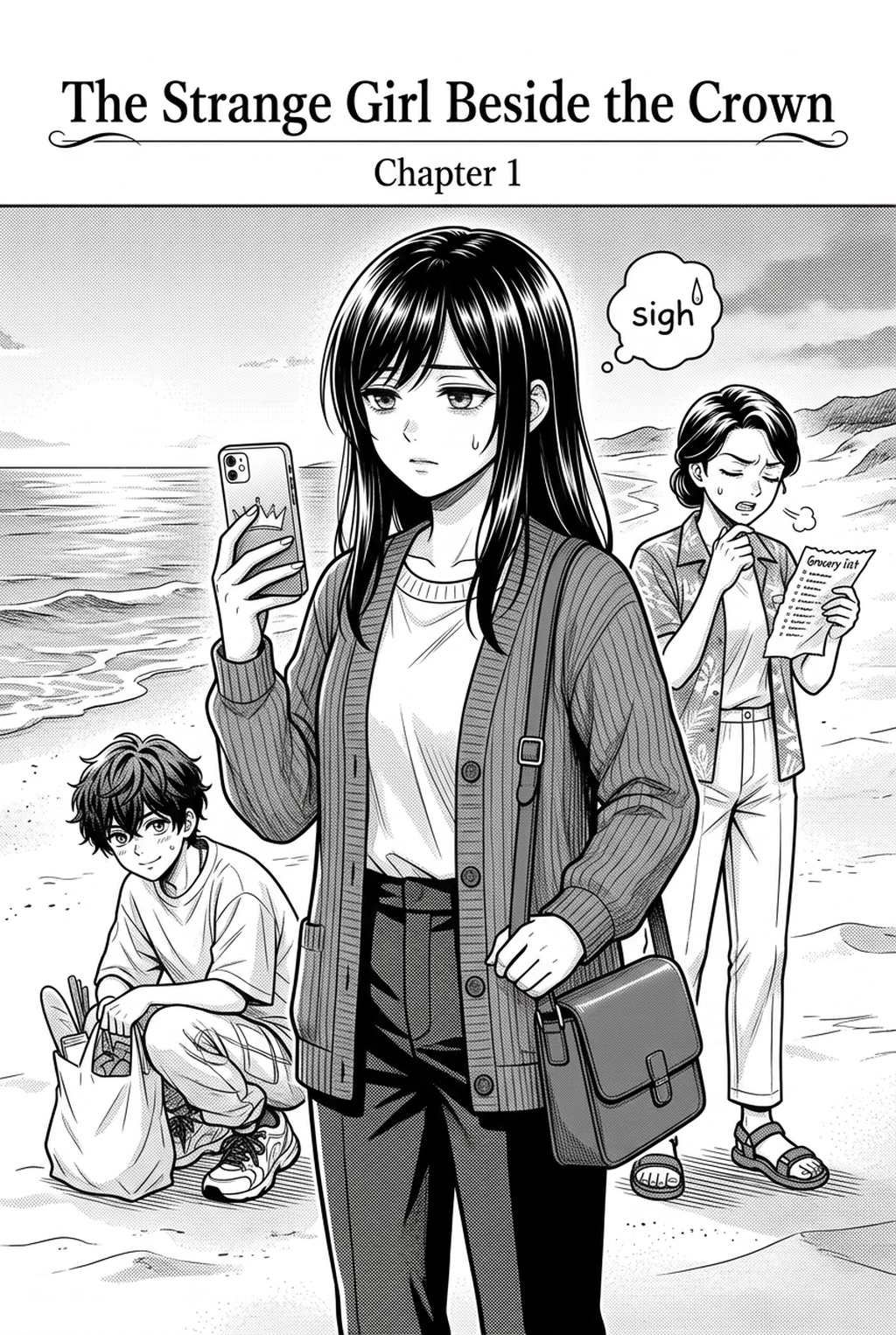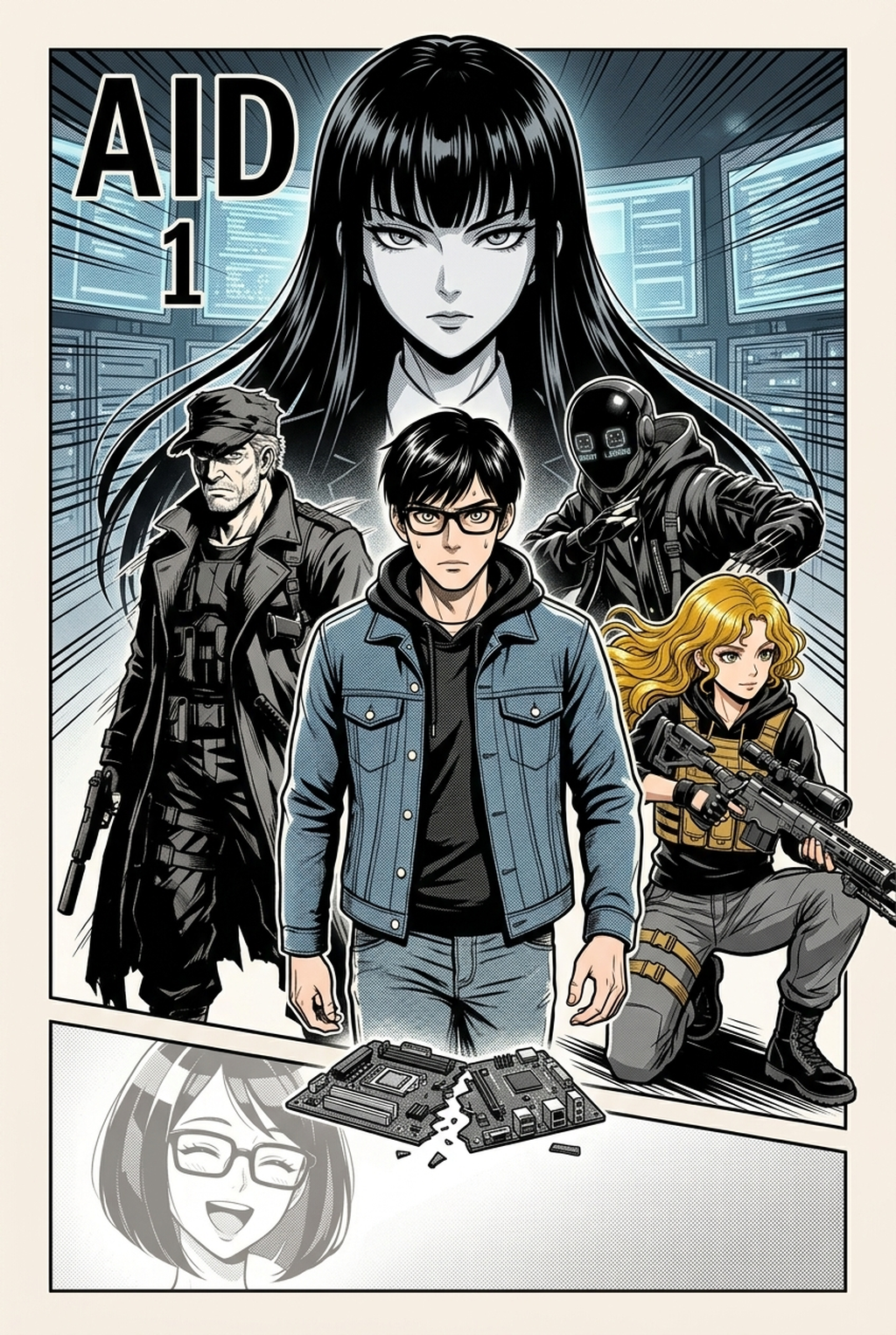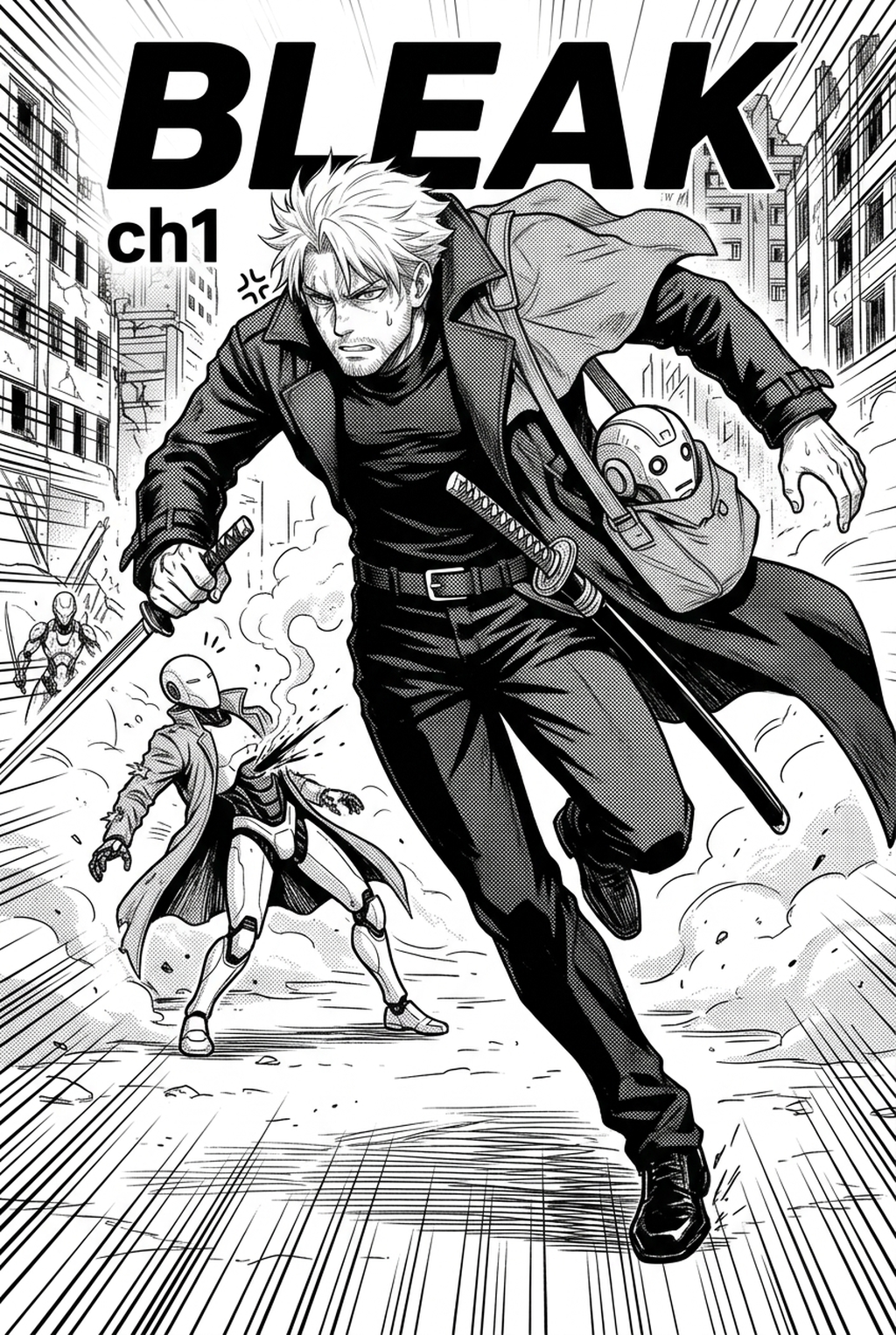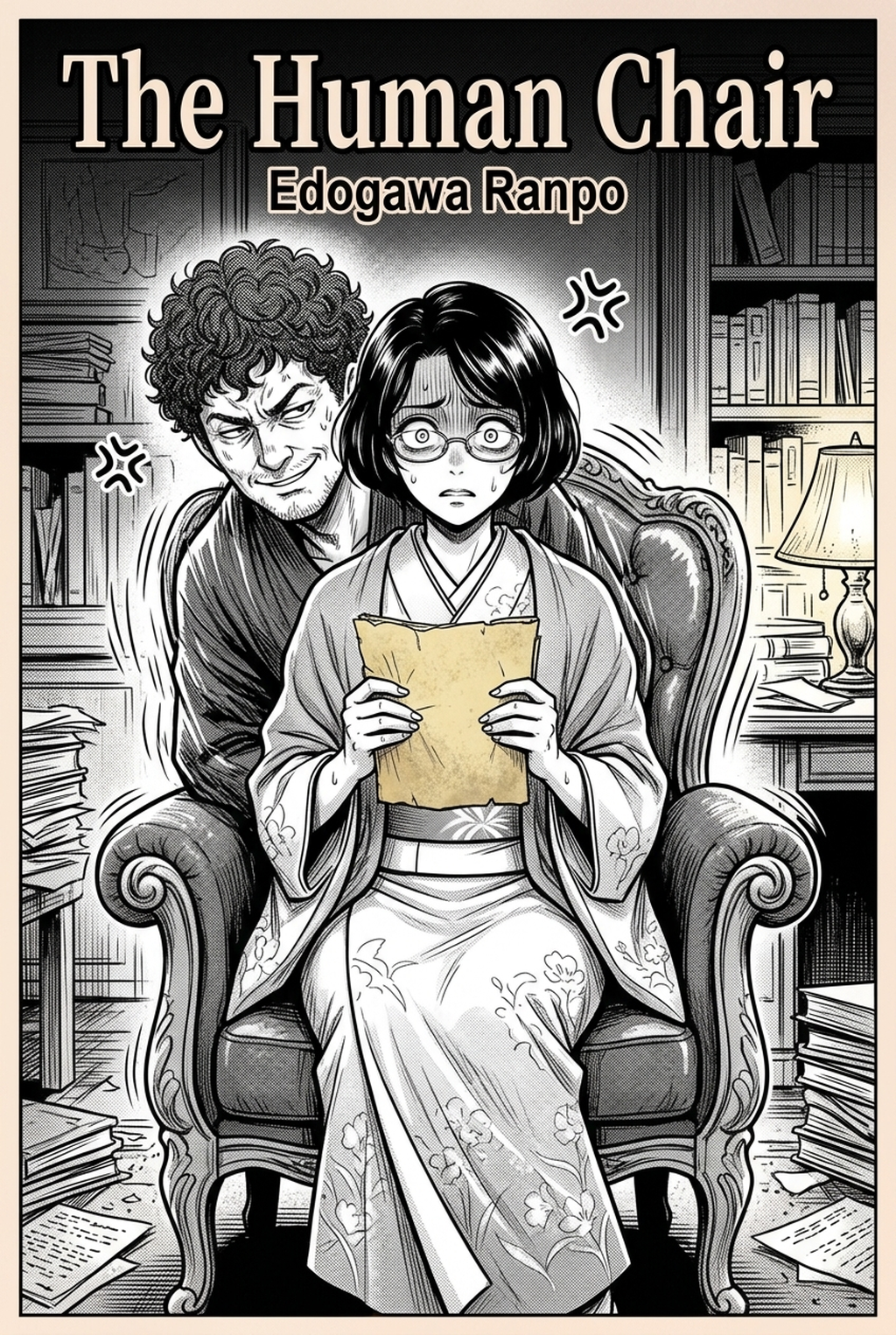
Why AI Manga Colorist Matters for Manga Creators
The primary benchmark for any AI solution is the integrity of the original line work through mask-based color separation. When you utilize these tools, you are effectively offloading the repetitive, time-consuming labor of base-flatting, which can take up to four hours per chapter page. By ensuring the AI recognizes the distinct depth of your digital screentones versus your physical ink lines, you avoid the common failure mode of "line-weight drift," where the AI inadvertently thickens or blurs your clean line art during the color fill.
Secondary criteria include the flexibility of the color palette injection. You need a system that reads your character style sheets—not just vague genre tropes—to apply consistent hair, eye, and armor colors across hundreds of panels. Reviewers must prioritize tools that offer non-destructive workflows where original source files remain unflattened. If a tool flattens your ink to the background, it creates a "dead-end" file, preventing the micro-edits required for professional print-ready proofs where you might need to adjust a single shadow or correct a color bleed in a speech bubble.
How AI Manga Colorist Works with Mangaka
Mangaka serves as an end-to-end ecosystem where the colorist module recognizes the unique needs of ink-heavy manga panels. Instead of applying a generic filter, the software utilizes a dedicated "ink-detection" pass, isolating your high-contrast line work before assigning color data to the underlying white space.
- Complex Edge Detection: The engine analyzes the intersection of panel gutters and character silhouettes to ensure that color does not bleed across borders or outside of defined ink boundaries. * Workflow Integration: You can import your native canvas files, let the colorist module process the batch, and receive a multi-layer result that mimics the exact organizational structure of your preferred drawing software. * Experimental Style-Seeding: While the system provides robust defaults, you can feed it a reference character sheet if your art style features non-standard palette choices, such as high-contrast cyberpunk lighting or soft watercolor-style backgrounds.
However, once calibrated, it maintains consistent color application even through high-speed action sequences or complex, multi-character layouts. Creators can use each revision decision to clarify panel readability, character consistency, and export quality before publishing or sharing.
Use Cases for AI Manga Colorist
Generic generative tools offer broad stylistic flexibility but often fail the 'line preservation' test required for professional publishing. You might encounter "hallucinated" lines or fuzzy edges that require massive cleanup, effectively negating the time saved by the AI. Manual assistance plugins, conversely, are ideal for micro-edits but significantly increase the total project production cost for serialized creators. Finally, you should contrast the delivery format of cloud-based AI tools versus localized software. Large-scale manga production requires handling multi-gigabyte PSD files; a localized, secure architecture is superior because it avoids the bandwidth bottlenecks and privacy concerns associated with uploading unreleased, copyright-sensitive intellectual property to public, cloud-based generative platforms.
How to Get Started with Mangaka
For artists aiming to maintain a traditional manga aesthetic at industrial output speeds, Mangaka offers the most reliable architecture. You should start by testing a single, complex panel—preferably one with overlapping character designs and dense screentone usage—before committing your entire chapter to the tool. Ensure your ink and tone layers are cleaned of stray pixels or floating debris that might confuse the edge-detection algorithm.
Workflow Fit for Creator Output
Workflow Fit for Creator Output. Provide a 1-page sample sheet featuring your main cast to ensure the character consistency algorithm learns the correct color distribution. Always retain human intervention in the final proofing stage before color delivery, checking for localized artifacts around tight areas like speech bubbles or intricate costume details. Use the system as a direct integration into your current digital canvas environment to avoid redundant file exports and ensure the metadata remains attached to each panel.
By utilizing the workflow with AI Manga Colorist workflow workflow with Mangaka available within the platform, you can significantly lower your per-page labor overhead while maintaining the visual standards of a professional studio. Before export, creators should compare the generated line art with the original sketch and confirm that facial expressions, props, speed lines, and speech-bubble space still support the scene. A repeatable review pass should cover character consistency, panel readability, background clarity, and whether the final file is ready for coloring, lettering, or editor feedback. Before export, creators should compare the generated line art with the original sketch and confirm that facial expressions, props, speed lines, and speech-bubble space still support the scene.
Review Controls Before Export
A repeatable review pass should cover character consistency, panel readability, background clarity, and whether the final file is ready for coloring, lettering, or editor feedback. For longer projects, creators should save approved examples of line weight, face detail, clothing folds, and background density. Those references keep later chapters closer to the intended style. For collaboration, creators should mark which panels are final and which panels still need redraws. Clear status labels prevent an assistant, editor, or colorist from polishing the wrong version.
The Bottom Line
Automated coloring is no longer an experimental feature but a vital component for professional manga throughput. Mangaka stands out by preserving the crucial 'analog feel' of hand-inked work while automating the tedious labor of flatting and shading. For creators ready to scale, the best approach is to test a single complex panel using the creator workflow tool at AI manga colorist before committing your entire project production process to an automated solution.
Related articles
4-Koma Manga Creation: A Guide to Mastering Short Stories
What Is 4-Koma Manga? A Beginner’s Guide to 2026 Art
4-Koma Manga Creation: A Complete Guide for 2026