Best Comic Strip Maker Tools for Fast Storytelling in 2026: Complete AI & Digital Guide
Published on October 7, 2026 | Comprehensive Guide for Comic Creators, Indie Authors, Webtoon Artists & Educators
TL;DR (Executive Summary)
Finding the right comic strip maker in 2026 is no longer about settling for generic clipart generators or struggling through steep software learning curves. Modern visual storytelling tools have evolved to blend intuitive drag-and-drop web interfaces with cutting-edge artificial intelligence, semantic script parsing, and persistent multi-panel character styling. Whether you are an independent creator in India looking to adapt local humor or folklore, an educator designing visual lesson plans, or a webtoon artist prototyping short-form 4-koma strips for social media, platforms like Mangaka enable you to turn written dialogue into broadcast-ready, publication-grade comic panels in minutes rather than days.
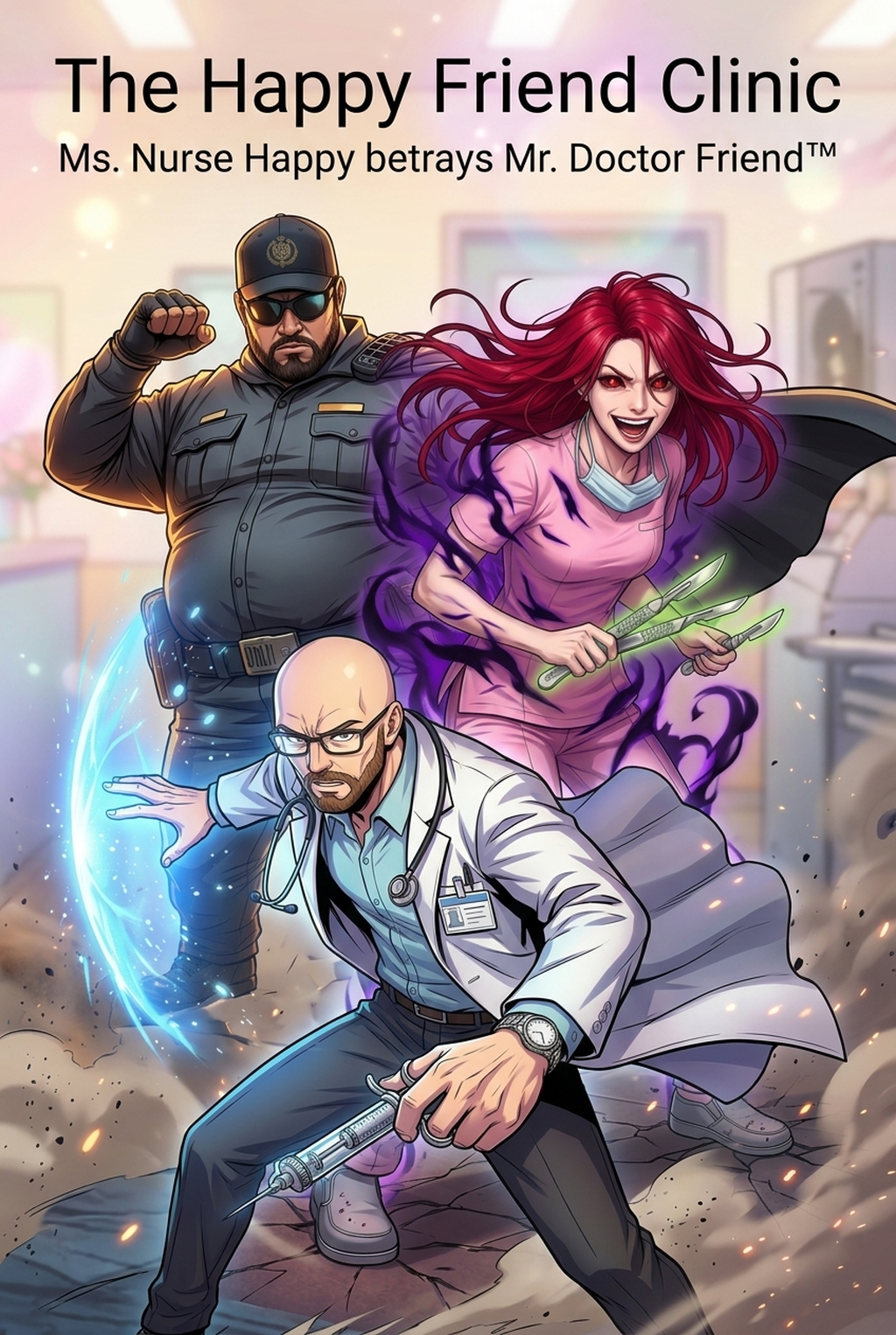
! Best Comic Strip Maker Tools 2026 Figure 1: High-velocity comic strip creation interface combining AI-assisted scene generation, automated bubble placement, and dynamic panel distribution on Mangaka.
Table of Contents
- The Evolution of Comic Strip Makers: From Clipart to Generative AI
- Core Evaluation Criteria: What Makes an Elite Comic Strip Maker in 2026?
- Top 7 Comic Strip Maker Tools in 2026: Comprehensive Benchmark & Review
- Deep-Dive Feature Matrix: Feature Breakdown & Cost Analysis
- Step-by-Step Tutorial: Creating a 4-Panel Comic Strip in Under 10 Minutes
- Mastering Script-to-Strip Prompt Engineering & Panel Composition
- Visual Storytelling Grammar: Framing, Pacing, and Gutters
- Typography, Dialogue Delivery, and Lettering Best Practices
- Publishing, Monetization, and Multi-Platform Distribution
- Frequently Asked Questions (FAQ)
- Verified Industry References & Citations
1. The Evolution of Comic Strip Makers: From Clipart to Generative AI
For over three decades, digital comic creation was split into two unappealing extremes:
- The Clipart Toy Box: Early web tools offered pre-baked, static 2D vector puppets with rigid poses, plastic facial expressions, and generic cartoon backgrounds. While accessible to school children, they were virtually useless for serious storytellers seeking emotional depth or unique visual style.
- The Professional Heavyweight Suites: Traditional desktop illustration suites (such as Clip Studio Paint, Photoshop, and SAI) provided infinite artistic freedom but required hundreds of hours of manual draftsmanship training, knowledge of perspective geometry, and expensive hardware setups.
In 2026, the landscape has been revolutionized. Next-generation comic strip maker suites bridge this gap by combining generative multi-modal neural networks with parametric canvas controls. Modern platforms understand sequential storytelling logic: they can parse a two-character comedic script, automatically generate matching 3-shot or 4-panel layouts, position speech balloons along natural western or eastern reading paths, and ensure character visual traits remain 100% consistent across every panel.
The Indian creator ecosystem, in particular, has seen explosive adoption of these tools. From satirical political commentary on Instagram to mythological adaptations on webtoon portals, creators in Bengaluru, Mumbai, Delhi, and Hyderabad are leveraging accessible browser-based comic makers to tell hyper-local stories with global visual standards.
! Comic Strip Storyboard Layout Figure 2: Multi-panel sequence generation demonstrating persistent character facial geometry and lighting across diverse camera angles.
2. Core Evaluation Criteria: What Makes an Elite Comic Strip Maker in 2026?
When evaluating comic creation software for personal, educational, or commercial production, creators must assess platforms across six rigorous performance pillars:
A. Visual Consistency Across Panels
The fundamental hallmark of professional comic art is character and background consistency. A tool that produces a breathtaking individual portrait is useless for comic strips if the character's hair color, clothing textures, or facial proportions morph between Panel 1 and Panel 2. Leading 2026 tools utilize character seed references, LoRA model anchoring, and unified latent representations to preserve character identity.
B. Intelligent Dialogue and Typography Management
Comic lettering is an art form governed by clear spatial conventions. Elite tools feature automatic balloon tail targeting, non-destructive text reflow, dynamic balloon expansion, and compliance with industry-standard typographic hierarchies (such as uppercase dialogue, bold emphasis tokens, and organic SFX integration).
C. Panel Formatting & Aspect Ratio Versatility
A modern comic strip must thrive across disparate viewing environments:
- Social Media Feeds: 1:1 square multi-image carousels on Instagram and LinkedIn.
- Vertical Scroll: 9:16 continuous mobile feeds on WEBTOON, Tapas, and YouTube Shorts.
- Classic Newspaper Syndication: 4:1 horizontal 4-koma strip formats for print and newsletter headers.
D. Generation Velocity & Workflow Ergonomics
Speed is the currency of the digital creator economy. Creators publishing daily gag strips or serialized episodic content cannot spend 4 hours tweaking an individual panel. A premier comic strip maker should process an entire 4-panel strip from written prompt to final export in under five minutes.
E. Commercial Rights & Export Fidelity
Creators must retain unencumbered commercial ownership over generated artwork. Software must provide high-DPI raster exports (minimum 300 DPI for print, 2048px width for digital retina screens) and clean transparent PNG layers for speech bubbles and line art.
F. Accessibility & Zero-Hardware Overhead
Cloud-native web architectures ensure that creators on modest laptops, Chromebooks, or mobile tablets in emerging digital markets (including India, Southeast Asia, and Latin America) can generate professional graphic literature without requiring expensive GPUs.
3. Top 7 Comic Strip Maker Tools in 2026: Comprehensive Benchmark & Review
To help independent creators and creative teams select the optimal software stack, we conducted rigorous hands-on benchmark tests across the 7 most prominent comic strip maker platforms in 2026.
1. Mangaka (Overall Best AI-Powered Comic Suite)
Mangaka stands at the pinnacle of modern comic creation technology. Specifically architected for sequential visual storytelling, Mangaka transforms natural language scripts into fully paneled, stylistically coherent manga and comic strips.
- Key Strengths: Unmatched character facial consistency across panels; automated camera direction (establishing shots, extreme close-ups, over-the-shoulder perspectives); built-in smart lettering and balloon arrangement; native export formats for both vertical webtoon scroll and traditional print grids.
- Best Suited For: Web novelists, manga artists, indie comic creators, and social media satirists demanding professional visual quality without manual drawing overhead.
- Pricing: Generous free tier with daily creation credits; Pro tier starting at affordable monthly subscription rates for unlimited high-resolution generation.
2. Pixton (Best for K-12 Classrooms and Educational Presentations)
Pixton remains a staple in academic environments, offering a curated library of modular vector characters, expressive outfits, and historical backgrounds.
- Key Strengths: Strict content moderation filters; intuitive avatar builder; deep Google Classroom integration; zero barrier to entry for young students.
- Limitations: Rigid vector aesthetic; lack of cinematic dynamic perspective; limited dark fantasy or gritty art styles.
- Pricing: Free basic tier; specialized school and teacher licensing packages.
3. Canva Comic Strip Generator (Best for Social Media Marketers)
Canva provides an extensive ecosystem of pre-designed comic strip templates, speech bubble stickers, and typography pairings.
- Key Strengths: World-class layout and graphic design library; seamless collaboration tools for marketing teams; extensive stock photography and icon libraries.
- Limitations: Users must manually source, crop, and compose character illustrations; lacks automated AI character consistency across panels.
- Pricing: Free tier with Canva Pro available for team brand kits.
4. Storyboard That (Best for Corporate Storyboarding & UX Ideation)
Storyboard That specializes in structured business narratives, video pre-visualization, and UX customer journey mapping.
- Key Strengths: Over 25,000 posable character components; extensive historical and workplace environment libraries; comprehensive rubric and presentation export options.
- Limitations: Visual style feels overtly corporate; not intended for commercial comic book publication or stylistically stylized manga.
- Pricing: Tiered subscriptions starting for individual hobbyists, educators, and enterprise teams.
5. Comic Life 3 (Best Offline Desktop Lettering Specialist)
A legacy powerhouse developed by plasq, Comic Life 3 allows creators to turn their existing photos or digital illustrations into vintage print-style comic strips.
- Key Strengths: Industry-benchmark balloon styling, halftone filters, dynamic caption boxes, and custom font support.
- Limitations: Desktop software requiring local installation; does not generate imagery natively (requires user-supplied artwork).
- Pricing: One-time perpetual software license for macOS and Windows.
6. MakeBeliefsComix (Best for Quick 2-3 Panel Expressive Skits)
Created by author Bill Zimmerman, MakeBeliefsComix is a lightweight, beloved web application focused on rapid literacy development, multilingual prompts, and therapeutic self-expression.
- Key Strengths: Completely free to use; support for multiple international languages; charming, whimsical character roster.
- Limitations: Fixed resolution output; restricted color customization; basic comic panel structure.
- Pricing: 100% free web resource.
7. Clip Studio Paint EX (Best for Professional Manual Digital Illustrators)
The undisputed global standard for professional mangaka and comic illustrators in Tokyo, Seoul, and North America.
- Key Strengths: Infinite brush customization, comprehensive 3D poseable reference mannequins, vector line smoothing, and multi-page project management.
- Limitations: Requires hundreds of hours of manual skill development and a digital drawing tablet; does not offer instant script-to-comic generative automation.
- Pricing: Monthly subscription or one-time desktop license.
4. Deep-Dive Feature Matrix: Feature Breakdown & Cost Analysis
The following matrix compares the seven leading platforms across critical technical dimensions:
| Tool Platform | Core Architecture | Character Consistency Method | Text & Balloon Automation | Native Webtoon Support | Commercial Rights Included | Target Audience |
|---|---|---|---|---|---|---|
| Mangaka | Cloud AI Sequential Engine | Persistent Seed / Identity Embedding | Automated Smart Placement | Yes (1-Click Vertical Format) | Yes (100% Creator Retained) | Indie Creators, Manga Writers |
| Pixton | Modular Vector Canvas | Avatar Component Library | Manual Drag-and-Drop | Limited | Educational / Academic Only | K-12 Students & Teachers |
| Canva | Template Graphic Design | None (Manual Assets) | Manual Layout Blocks | Manual Canvas Setup | Yes (Standard Media Rules) | Social Media Managers |
| Storyboard That | Vector Scene Builder | Component Library | Manual Bubble Styling | No | Yes (Commercial Tiers) | UX Designers, Video Producers |
| Comic Life 3 | Desktop Layout Software | User Supplied Art | Advanced Manual Vector Balloons | No | Yes (User Retained) | Desktop Letterers & Photographers |
| MakeBeliefsComix | Static Web Widget | Fixed Pre-drawn Sprites | Fixed Bubble Inputs | No | Personal Use Only | Children, ESL Students |
| Clip Studio Paint | Professional Desktop Suite | 3D Mannequins & Manual Drawing | Fully Customizable Vector Layers | Yes (Specialized Webtoon Tools) | Yes (100% Creator Retained) | Master Illustrators & Mangaka |
5. Step-by-Step Tutorial: Creating a 4-Panel Comic Strip in Under 10 Minutes
Let us walk through a comprehensive production workflow demonstrating how a solo creator can take a raw 2-character comedic concept and transform it into a fully lettered, high-resolution comic strip using modern AI-assisted tools.
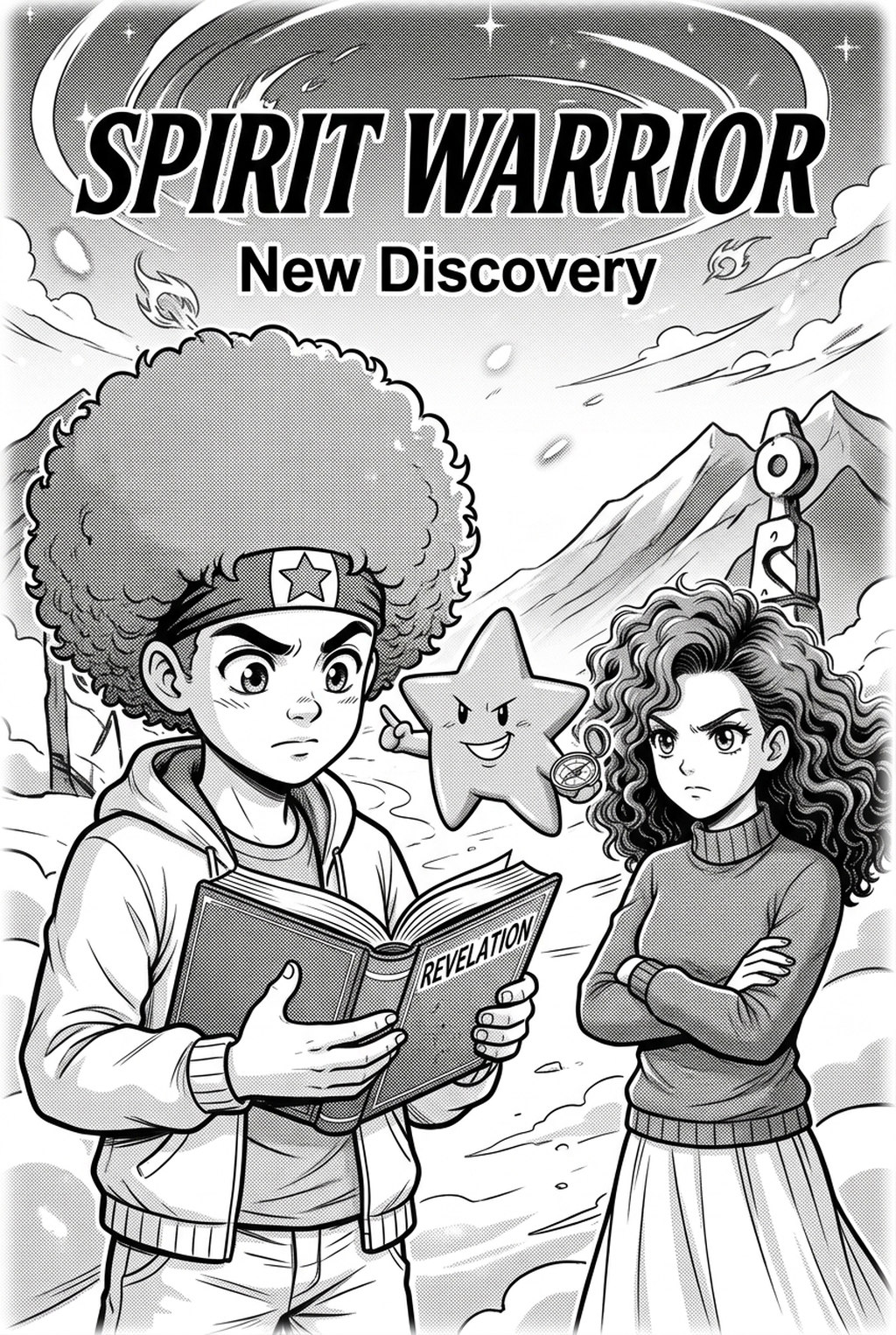
! Comic Strip Inking and Line Art Details Figure 3: Clean digital line art and screentone rendering generated via prompt-guided sequential pipeline on Mangaka.
Step 1: Conceptualization and Script Formatting
Before touching any software canvas, structure your narrative using the classical Kishōtenketsu (起承転結) 4-act storytelling structure:
- Panel 1 (Ki - Introduction): Introduce the characters and environment. Set the baseline reality.
- Panel 2 (Shō - Development): Escalate the situation or establish the initial premise.
- Panel 3 (Ten - Twist / Climax): Introduce an unexpected contradiction, comedic disruption, or physical action.
- Panel 4 (Ketsu - Resolution / Punchline): The emotional or humorous payoff, reaction shot, or deadpan conclusion.
Sample Script Breakdown:
Title: The Code Review Panic
Panel 1: Wide shot. ARJUN (junior developer in Bangalore, glasses, casual hoodie) stares happily at his laptop monitor displaying 'PR Submitted'.
Dialogue Arjun: "My 2,000-line refactor is finally ready! What could possibly go wrong?"

Panel 2: Medium close-up. PRIYA (senior tech lead, sharp expression, holding a steaming chai mug) walks up behind Arjun's desk.
Dialogue Priya: "Arjun, did you remember to run the automated integration tests?"

Panel 3: Dramatic extreme close-up. Arjun's face turns pale white, dramatic manga shock speed-lines radiating in the background.
Sound Effect: *DOOM!*
Dialogue Arjun: "Tests? I thought that's what production users were for!"

Panel 4: Wide comical shot. Arjun is frantically typing at 500 words per minute while Priya sips her chai calmly, pointing at the flashing red build monitor.
Dialogue Priya: "You have five minutes before the CI/CD pipeline alerts the CTO."
Step 2: Selecting Visual Style and Model Seeds
On Mangaka , choose your preferred aesthetic preset:
- Classic Modern Shonen Manga (crisp black-and-white ink with subtle screentones).
- Vibrant Webtoon Color (rich saturated cell-shading with soft digital gradients).
- Western Graphic Indie (expressive textured line art with dynamic brush weights).
Input your core character reference prompt for Arjun:
"Arjun, 24-year-old Indian male software engineer, stylish black glasses, short dark wavy hair, navy blue zip hoodie, energetic and expressive face, clean digital comic line art, sharp ink lines."
Lock Arjun's character seed token to guarantee that his outfit, glasses, and facial anatomy remain identical across all subsequent panel prompts.
Step 3: Generating Sequential Panels
Input the individual camera direction prompts for Panels 1 through 4. Specifying cinematic camera terms dramatically elevates visual storytelling:
- Panel 1:
wide establishing shot, modern tech startup office in Bengaluru, Arjun sitting at glass desk smiling proudly at laptop, bright sunny daylight - Panel 2:
medium two-shot, Priya senior engineer with chai cup looking over Arjun's shoulder with an eyebrow raised, office background blur - Panel 3:
dramatic dutch angle extreme close-up, Arjun sweating with shocked comedic manga expression, intense motion blur radiating background - Panel 4:
wide shot, Arjun frantically typing with comical blur hands, Priya calmly blowing steam off chai mug, humorous workplace punchline
Hit Generate Strip. Within 45 seconds, the neural sequential engine renders all four synchronized panels, perfectly maintaining Arjun's and Priya's visual characteristics.
Step 4: Text Balloon Placement and Dynamic Lettering
Once your visual frames are generated, arrange your dialogue bubbles:
- Flow Following Reading Direction: In English and Western formats, speech bubbles must flow strictly from top-left to bottom-right. The speaker whose dialogue occurs first must always have their balloon positioned higher or further to the left than the responder.
- Avoiding Head-Covering: Position balloons in negative visual space (such as blank walls, sky areas, or empty corners). Never allow a text bubble to obscure character facial expressions or key storytelling props.
- Tail Pointing: Ensure balloon tails point directly toward the speaker's mouth or center of mass, terminating approximately 15 to 20 pixels before touching the character.
Step 5: High-Resolution Export & Multi-Channel Distribution
Export the completed strip:
- Webtoon Scroll: Vertical stacked 800 x 3200px PNG format.
- Social Media Carousel: Four square 1080 x 1080px slices.
- Archival / Print: 300 DPI CMYK TIFF format.
6. Mastering Script-to-Strip Prompt Engineering & Panel Composition
To get exceptional results out of any generative comic maker, creators must learn to write prompts tailored for sequential art rather than generic standalone illustrations.
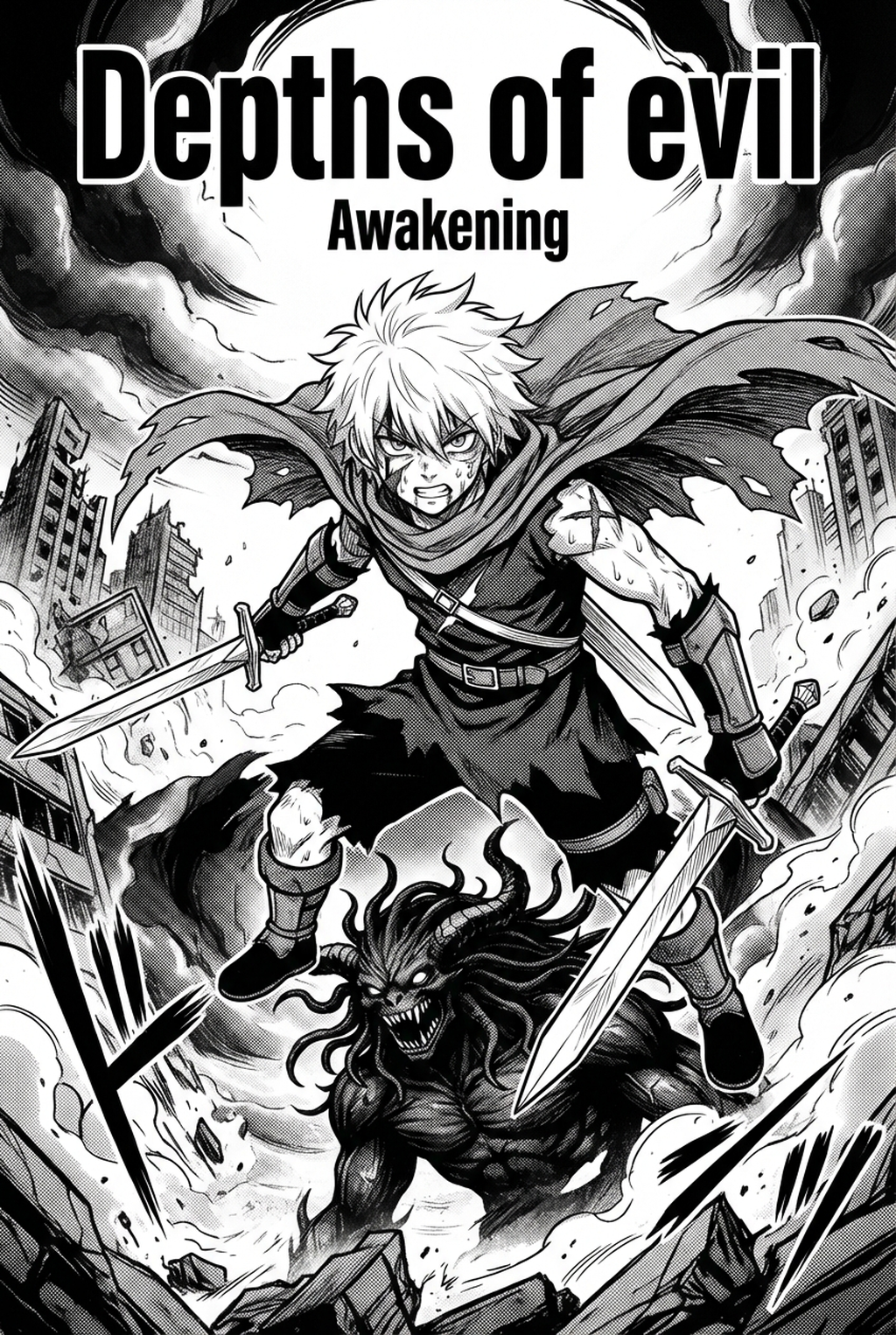
! Dynamic Perspective and Framing Figure 4: Dynamic framing techniques: utilizing high-angle camera positions and foreshortened perspective to amplify comic tension.
Sequential Prompt Engineering Cheat Sheet
When drafting panel prompts, incorporate the following structural syntax: [Shot Framing] + [Subject Action & Expression] + [Environment Details] + [Lighting & Style Modifiers] + [Sequential Consistency Token]
Essential Cinematic Framing Keywords
- Establishing Shot (ELS): Sets geographical context and mood. Ideal for Chapter/Strip openers.
- Full Shot (FS): Captures complete character body language and immediate environment.
- Medium Close-Up (MCU): Captures waist-up interaction; ideal for comedic banter and dialogue exchanges.
- Choker / Extreme Close-Up (ECU): Isolates eyes, trembling lips, or clenched fists; amplifies comedic shock or dramatic realization.
- Dutch Angle / Canted Framing: Tilts the horizon 15–30 degrees to convey psychological disorientation, panic, or absurd comedy.
- Bird's Eye / Worm's Eye Perspective: Extreme vertical viewpoints that emphasize power dynamics between characters.
7. Visual Storytelling Grammar: Framing, Pacing, and Gutters
Visual pacing in comics is controlled entirely by the geometry of your panels and the spatial gaps between them, known as the gutters.
The Psychology of Gutters
The gutter is where the reader's imagination performs closure—mentally connecting two static snapshots into continuous perceived motion:
- Moment-to-Moment Transitions: Minor progressive shifts (e.g., character blinking or dropping a pencil). Sells delicate timing and comedic pauses.
- Action-to-Action Transitions: Clear physical cause-and-effect (e.g., throwing a punch in Panel 2, character flying backward into a bookshelf in Panel 3).
- Scene-to-Scene Transitions: Major temporal or spatial jumps (e.g., "Meanwhile, in the CEO's office..."). Requires distinct background lighting cues.
- Aspect-to-Aspect Transitions: Lingering over different facets of a single moment (e.g., rain falling on the office window, an empty chair, a cold cup of chai) to establish emotional atmosphere.
Dynamic Panel Border Sizing
- Standard Thin Borders: Impart orderly, neutral narrative pacing.
- Heavy Thick Borders: Add physical weight, claustrophobia, or dramatic finality.
- Border Breakout (Open Panels): Allowing a character's prop, hand, or sound effect to breach the panel frame creates an immediate illusion of three-dimensional depth and energetic speed.
8. Typography, Dialogue Delivery, and Lettering Best Practices
Many novice creators spend hours refining artwork only to ruin their comic strip with clumsy typography. Follow these foundational lettering rules:
! Comic Strip Lettering and Sound Effects Figure 5: Professional balloon typography and integrated sound effects showing proper leading and clear visual hierarchy.
Golden Rules of Comic Strip Lettering
- Never Center Without Diamond Margins: Comic text inside oval balloons should be shaped into an approximate diamond or compact rounded rectangle. Avoid long horizontal lines of text paired with single orphan words at the bottom.
- Maintain Generous Breathable Margins: Text must never touch or crowd the balloon's inner border. Leave at least 20% negative padding around the text block.
- Dialogue Font Selection: Use professional comic fonts (such as CC Wild Words, Anime Ace, or Blambot dialogue typefaces). Never use Times New Roman, Arial, or generic unkerned system fonts.
- Distinct Balloon Typologies:
- Smooth Oval: Normal conversational speech.
- Spiky Starburst / Burst Bubble: Screaming, explosive shock, or high-volume outrage.
- Scalloped Cloud: Internal unspoken monologue or daydreaming thoughts.
- Dashed / Dotted Outline: Whispering, secretive mumbles, or trailing exhaustion.
- Square Box / Caption: Omniscient narration, temporal timestamps ("Three Hours Later"), or setting the scene.
8.5. Case Studies: Indian Creators Scaling Webcomics with AI Comic Strip Makers
To understand the real-world operational impact of AI-powered comic strip makers, let us analyze two concrete production case studies from the Indian digital creator community in 2026.
Case Study A: The Daily Tech Satire Webcomic (Bengaluru, Karnataka)
- Creator Profile: Rohan M., solo software engineer and hobbyist satirist based in Koramangala, Bengaluru.
- Previous Workflow: Rohan drew 4-panel comic strips manually using an entry-level graphics tablet and raster illustration software. Each 4-panel strip required approximately 6 to 8 hours of pencil drafting, clean line inking, flat coloring, and hand-lettering. Because of demanding professional engineering hours, Rohan could only release 1 strip every two weeks, severely limiting social media algorithm traction.
- Modern AI Workflow Implementation: By adopting Mangaka's AI sequential engine, Rohan built persistent character models for his recurring cast (a caffeine-fueled junior developer, an anxious product manager, and a robotic CTO). Using structured natural language prompts and automated balloon layout:
- Concept-to-final script time: 15 minutes.
- Scene generation & panel direction: 10 minutes.
- Balloon typography & tail adjustment: 8 minutes.
- Total production time per strip: Under 35 minutes (a 92% reduction in production time).
- Quantifiable Growth Outcomes:
- Publication velocity increased from bi-weekly to 5 days a week.
- Instagram follower growth increased by 340% over a 90-day period.
- Organic LinkedIn impressions grew to over 120,000 monthly views, leading to direct corporate sponsorship inquiries from tech startups.
Case Study B: Mythological Folklore Adaptation for Mobile Webtoons (Varanasi & Delhi)
- Creator Profile: Ananya S., historical fiction author and indie graphic novelist.
- Project Scope: Adapting traditional regional folk legends into vertical scroll episodic webcomics for mobile readers across India and the diaspora.
- Challenges Faced: Complex period attire, architectural authenticity (ancient temple columns, terracotta structures, river ghats), and dynamic visual lighting. Traditional outsourced illustration quotes exceeded ₹45,000 (40 USD) per 30-panel chapter, making self-funding impossible.
- Workflow Solution: Ananya utilized Mangaka's prompt-anchored background design capabilities and character sheet turnaround tools:
- Custom visual style trained on classical Indian ink-wash and contemporary manhwa shading.
- Script-driven paneling with automated English and Hindi subtitle alignment.
- Complete chapter delivery within 3 days instead of 6 weeks.
- Results: Launched on international webtoon platforms, achieving top-10 trending status in the historical fantasy indie category with over 85,000 organic chapter reads.
9. Publishing, Monetization, and Multi-Platform Distribution
Once your comic strip is polished, implement a structured multi-channel distribution strategy to build a passionate global readership:
1. Social Micro-Publishing (Instagram, X, Threads, Reddit)
Short 4-panel strips achieve some of the highest organic share rates on social media:
- Carousel Optimization: Upload Panel 1 as your hook slide. Use Panel 2 and 3 to build curiosity, and hide Panel 4 on the final swipe to drive engagement and comments.
- Hashtag Strategy: Combine broad thematic tags (
#comicstrip,#webcomic,#indiecomics) with niche demographic tags (#desicomics,#animememes,#mangaka,#webnovel).
2. Dedicated Comic Hubs (WEBTOON Canvas, Tapas, GlobalComix)
- Compile weekly 4-koma strips into omnibus monthly episodes.
- Participate in creator reward programs and ad-revenue sharing models once you cross subscriber milestones.
3. Creator Monetization Pathways
- Patreon / Substack / Buy Me a Coffee: Offer behind-the-scenes character concept sheets, high-res desktop wallpapers, and early 7-day strip access to premium subscribers.
- Print Syndication & Merchandise: Collate 100 strips into a physical Kickstarter or self-published graphic novel. Sell enamel pins, stickers, and art prints at regional comic conventions (such as Comic-Con India, Bangalore Comic Con, or Delhi Comic Con).
10. Frequently Asked Questions (FAQ)
What is the best free comic strip maker for beginners in 2026?
For creators seeking high-quality sequential visuals without needing drawing experience, Mangaka is the top choice because its AI sequential engine maintains character appearance across panels. For simple classroom use with pre-made vector graphics, Pixton and Canva are excellent zero-code alternatives.
Can I sell comic strips made with AI comic makers?
Yes, provided you use platforms like Mangaka that grant full unencumbered commercial copyright ownership over generated assets. Always check the specific Terms of Service of your chosen platform to ensure commercial rights are included in your tier.
How do I keep characters looking identical across different panels?
Leading modern comic platforms utilize character seed anchoring, reference image conditioning, and persistent identity tokens. By defining an unambiguous character prompt (hair style, clothing, eye color, age) and utilizing consistent character seeds, the software maintains facial geometry and attire across different shot angles.
What is the standard resolution for exporting comic strips?
For digital web publishing (Instagram, WEBTOON, blogs), an image width between 1080px and 2048px at 72–150 DPI is optimal. For physical print reproduction, export at a minimum of 300 DPI in uncompressed PNG or TIFF format to prevent pixelation.
What is the difference between a comic strip and a webtoon?
A comic strip traditionally consists of 1 to 6 horizontal panels presenting a short gag or narrative beat, designed for newspaper syndication or social carousels. A webtoon is a long-form vertical scroll comic designed specifically for continuous one-handed reading on mobile smartphones.
11. Verified Industry References & Citations
- W3C Web Publications Guidelines : Open technical specifications and manifest formats for digital sequential publications and accessible web canvases.
- WEBTOON Canvas Creator Academy : Industry standards for digital comic layout dimensions, pacing gutters, and mobile audience retention.
- Blambot Comic Book Grammar and Tradition : Benchmark professional typographical standards for sound effects, bubble flow, and dialogue formatting.
- MDN Web Docs Responsive Images Guide : Web engineering best practices for delivering responsive high-DPI imagery across heterogeneous mobile viewports.
- Schema.org VisualArtwork Structured Data Guidelines : Structured data protocols enabling search engines and generative AI agents to accurately parse sequential digital illustrations.
- Clip Studio Paint Official Tutorial & Technique Portal : Standardized technical documentation on perspective grids, digital inking weights, and tone reproduction.