AI Manga Colorist: Why Convert B&W Manga Page to Full-Color Manga Page
The Anime News Network feature on how manga is made describes manga as staged work from rough draft to finished page. That production context matters for Horror creators because AI assistance is useful only when the sketch, inking pass, and final page review stay connected.
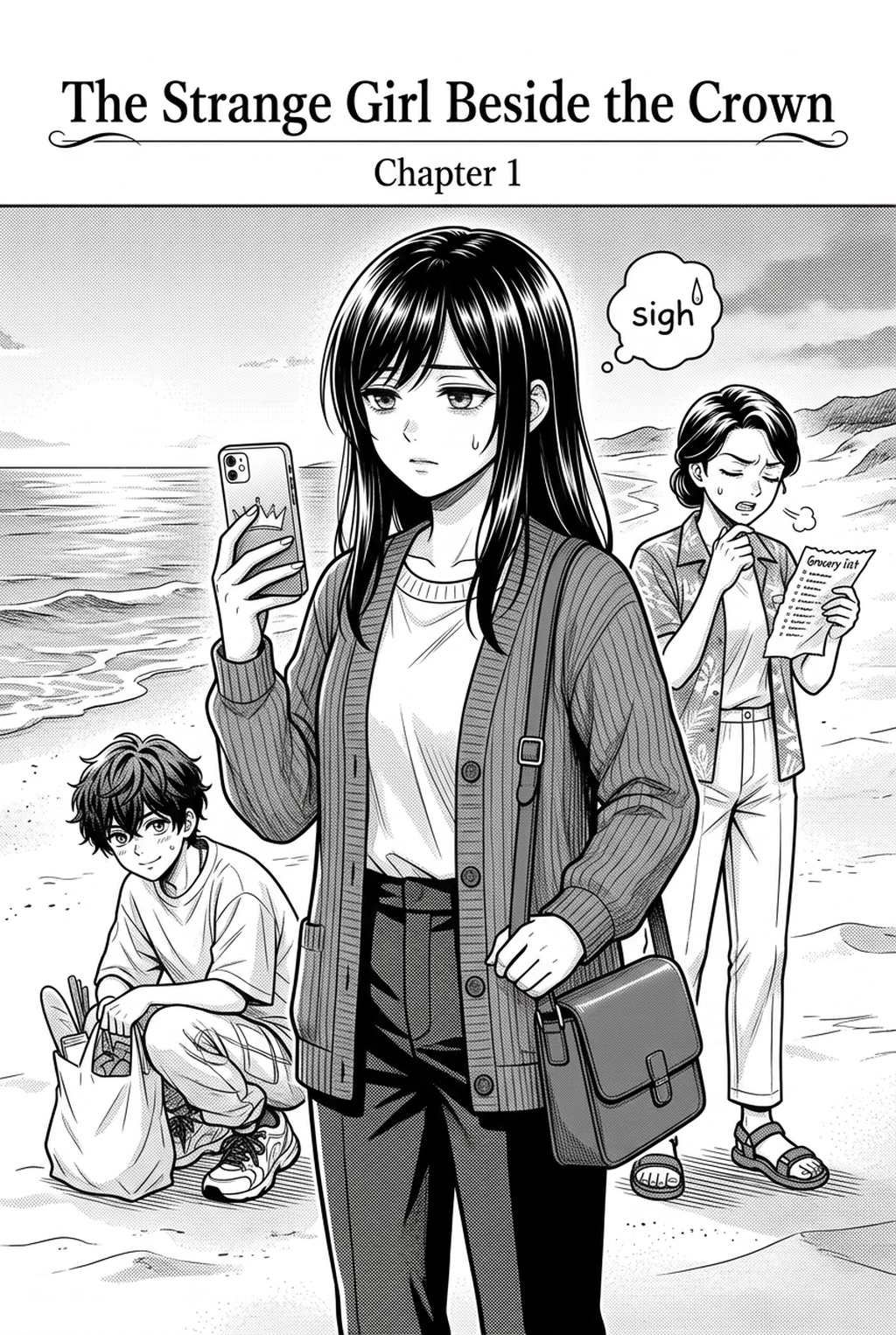
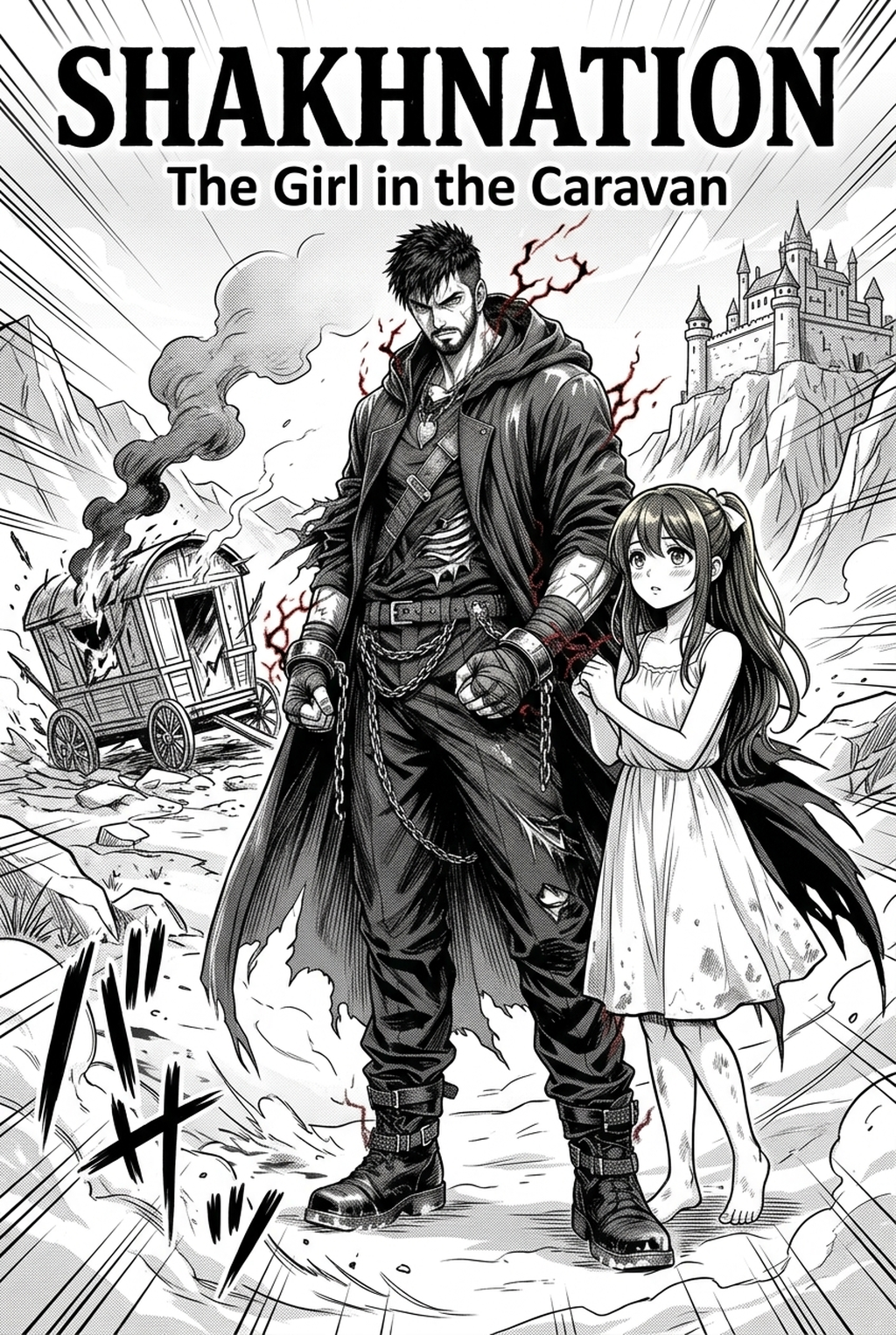
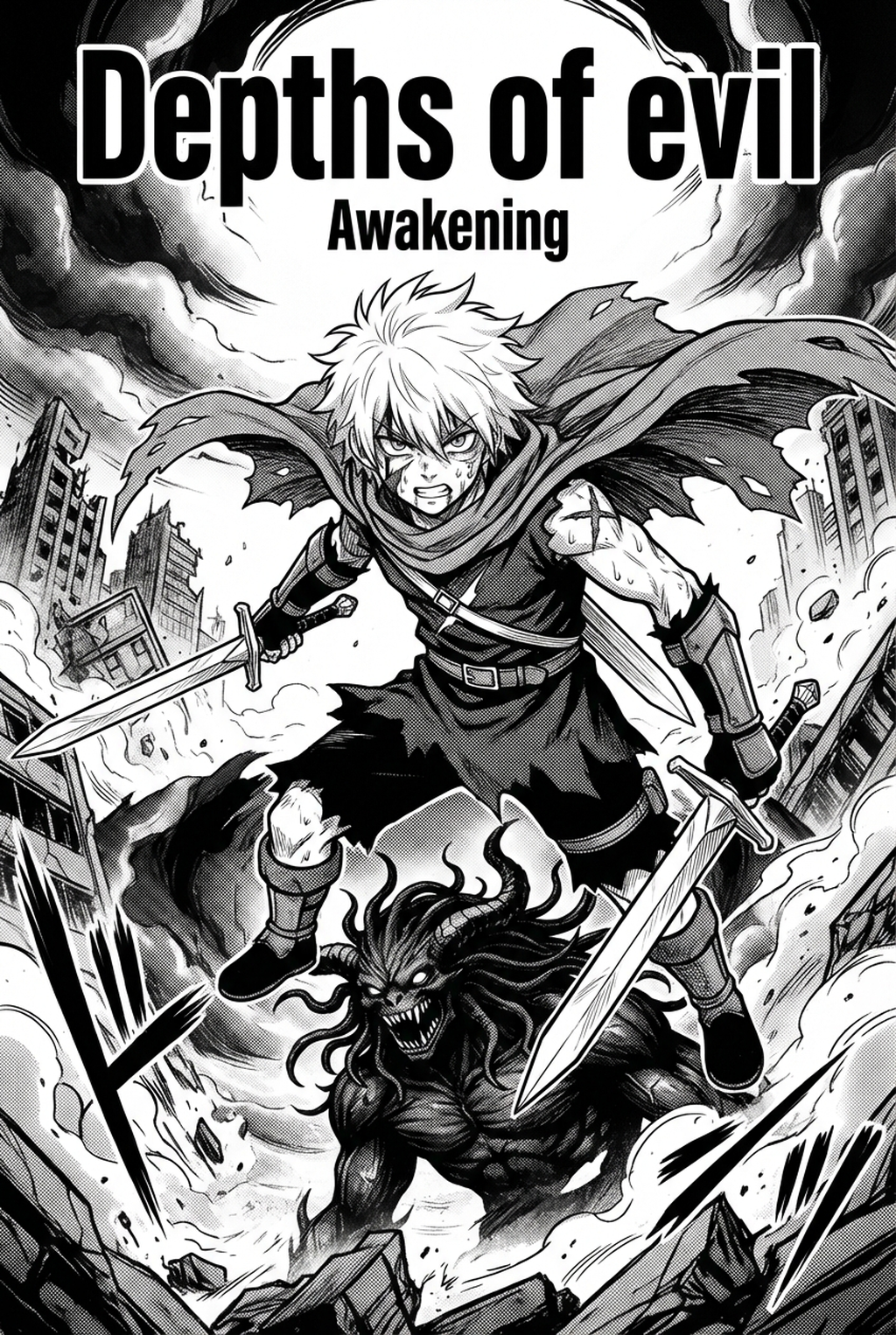
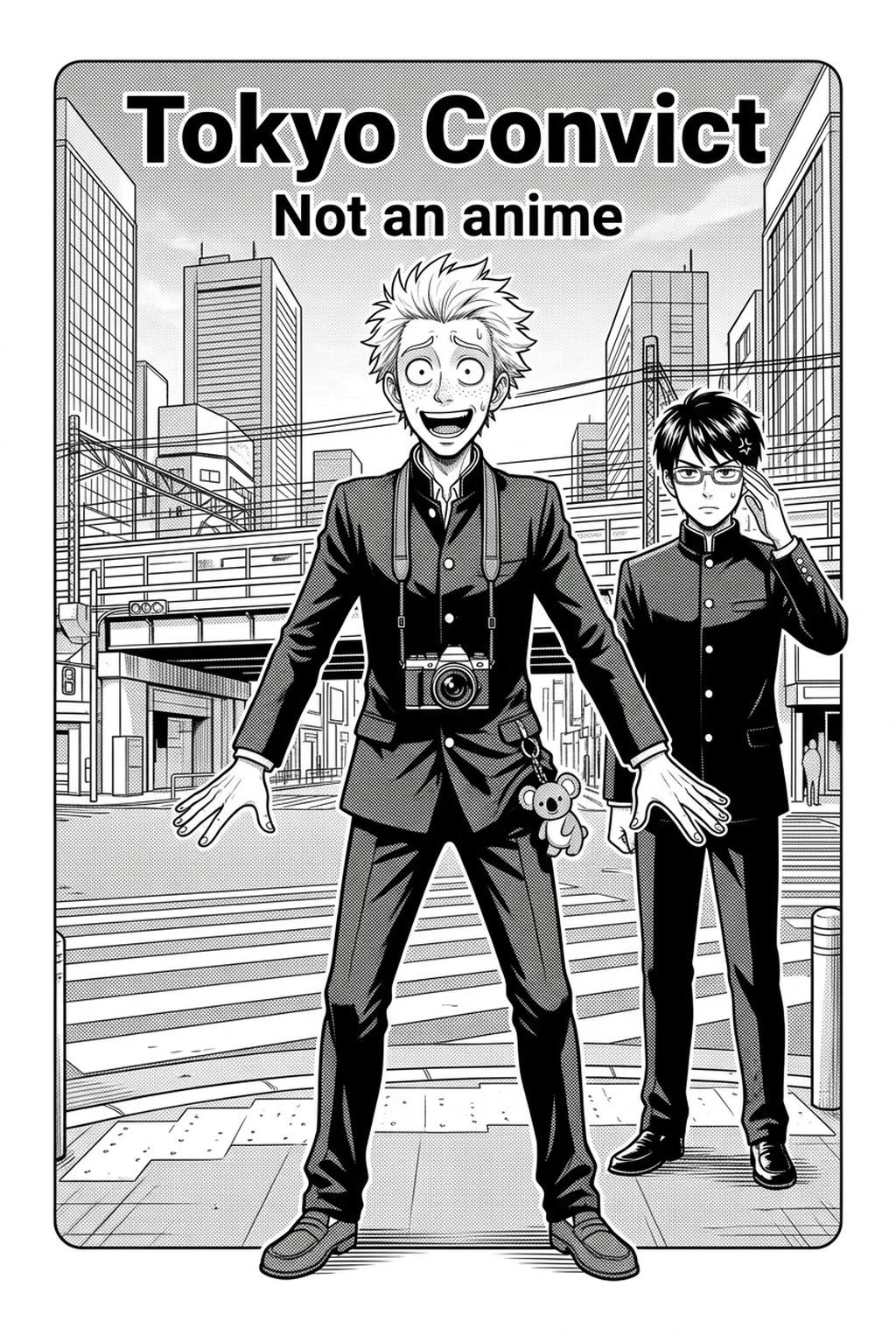
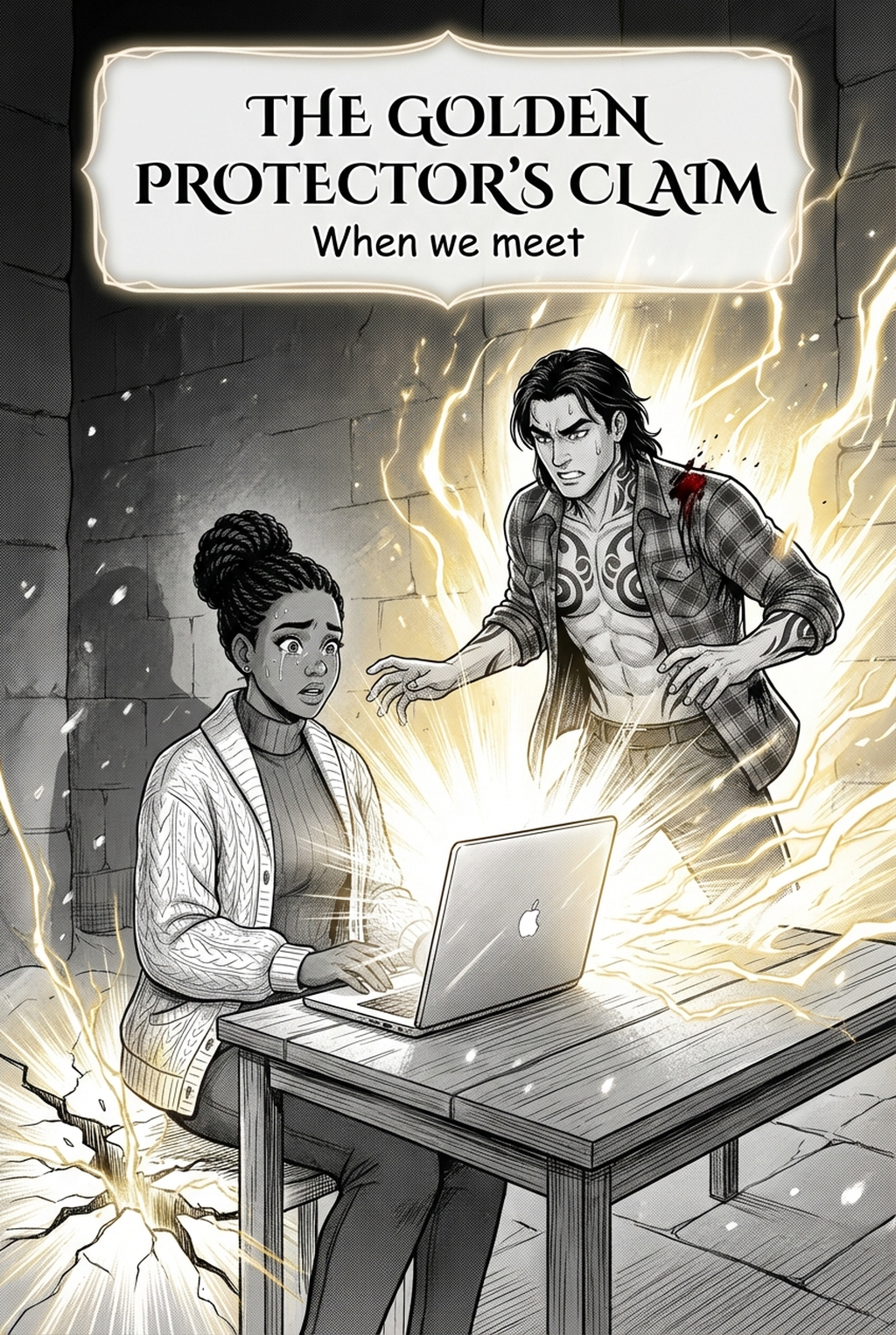
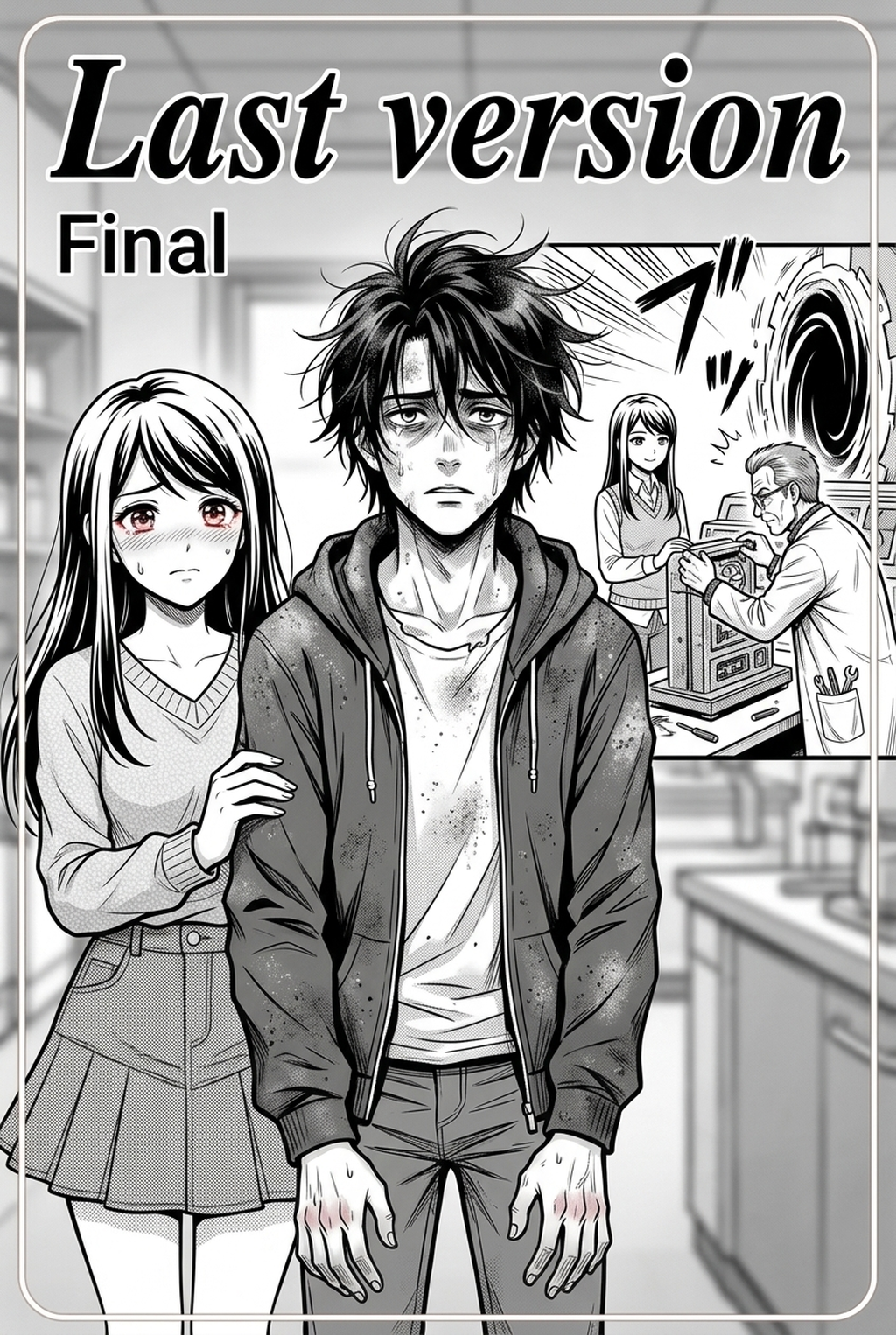
B&W manga page to full-color manga page manga helps creators choose the right Mangaka workflow for cleaner pages, steadier style, and review-ready output. The comparison starts with production speed, manual control, line quality, and export readiness because those factors shape whether a page can move into final review. You are likely looking to expand your reach or add a new dimension to your storytelling by bringing your scenes into the modern color standard. Horror is a genre that benefits immensely from subtle color grading, where blood red or cold, decaying shadows can amplify the dread you have already established with your ink work.
Reader Expectations and Visual Quality
The demand for color is driven by the shift toward digital-first platforms, where readers expect a more immersive visual experience. However, the physical pressure of hand-coloring a 20-page horror chapter is immense. When you try to color your own work, you often find that the process takes longer than the actual penciling and inking, leading to creator burnout and missed deadlines. Your primary goal is to produce professional-grade color that matches the mood of your B&W originals without sacrificing your release schedule.
Where Style Consistency Breaks
Maintaining consistency across a long-running horror series is difficult when color is applied manually. You might find that the specific shade of a character’s decaying skin or the intensity of a shadow changes from page to page. This visual drift happens because manual coloring is subjective, especially when trying to replicate specific lighting conditions across dozens of panels.
Once your style consistency breaks, the immersion of the horror atmosphere shatters, making the narrative feel disjointed to the reader. Authority checks. - Reader expectations. MyAnimeList manga news keeps genre expectations visible for readers who scan action, character acting, and page rhythm quickly. Shonen inking should therefore preserve panel clarity, not just produce cleaner lines.
How Mangaka Handles B&W Manga Page to Full-Color Manga Page
You need a solution that acts as an extension of your own hand, rather than something that attempts to "reimagine" your art from scratch. Mangaka is built to treat your high-contrast line work as the foundational layer, ensuring that the heavy shadows and precise hatching you spent hours creating remain the focal point of the page.
Workflow Fit for Creator Output
Mangaka respects the unique requirements of the horror genre by emphasizing line integrity. Instead of washing out your fine details with heavy paint or textures, it applies color underneath your ink layer. ), you can maintain the intensity of your horror panels while letting the system handle the time-consuming process of flatting and shading.
Review Controls Before Export
You need to ensure the color palette fits the specific "vibe" of your narrative. Mangaka provides controls that allow you to adjust the saturation and brightness, ensuring that you don't lose the dark, heavy atmosphere that characterizes horror art. You can evaluate how the colors interact with your high-contrast style, making small tweaks to ensure the final export matches your creative vision before you hit the final render.
Step-By-Step Guide
To ensure your transition to color is seamless, follow this approach to protect the integrity of your horror pages.
- Prepare your files: Ensure your scans are clean, with high-contrast lines. Remove any stray dust or smudges that might confuse the color mapping process.
- Upload to Mangaka: Use the B&W manga page to full-color manga page manga to upload your B&W source files. The system works best with high-resolution images that clearly distinguish between your character lines and background shadows.
- Review and adjust: Once the color is applied, check the highlights and shadows. Horror often requires cooler, muted tones; adjust the output if the color appears too saturated or bright.
- Final Export: Once satisfied, export at 300 DPI or higher to ensure the quality remains high for both digital and print formats.
Creative Brief and Generation Quality
When you approach coloring, remember that the "best" result is one that feels intentional. Using this tool to automate the tedious parts allows you to focus your energy on the final artistic polish.
Quality Checks Before Export
Before You Finalize. Run these checks to ensure your art still holds up under the intensity of color: Creators can use each revision decision to clarify panel readability, character consistency, and export quality before publishing or sharing. | Check Item | Focus Area | Why it matters |
|:--- |:--- |:--- |
| Line Weight | Are lines still crisp? | Color should not blur your ink work. |
| Shadow Depth | Are blacks still dark? | Horror relies on contrast to create dread. |
| Color Balance | Is the mood consistent? | Avoid overly bright colors in night scenes.
Tips for Cleaner Output
You can achieve professional results by maintaining a standardized approach to your base files. Always aim for a "clean" ink style; if your lines are too sketchy or overly textured with grey tones, the tool may struggle to distinguish between ink and paper.
Creative Decisions and Export Quality
Horror manga succeeds through its silhouette and atmosphere. Ensure that your original B&W files have deep blacks, as the color mapping will respond more effectively to clear, high-contrast boundaries. Avoid using intermediate shades of grey, as these can create muddy results when translated into color. As noted in Wacom’s guidance on digital art standards , keeping your scan settings optimized for black and white is the first step toward a high-quality color conversion.
Export Checks Before Publishing
Always preview your pages on the target screen size. Digital horror often relies on the "scroll effect" where the reader enters a dark panel suddenly. Check how your colored pages look when scrolling quickly, ensuring that the color palette remains coherent and doesn't distract from the pacing of your narrative. Release cadence belongs in the production context for manga tools. For creators, the useful product question is whether pages stay readable when schedule pressure rises.
- Drawing practice. Wacom's comic and manga creation guide ties tool choice to brush control, cleanup effort, and export readiness. That keeps review grounded in creator workflow.
The Bottom Line
A useful coloring pass keeps the story goal, visual style, and review step clear before export. AI Manga Colorist gives creators a faster first pass without removing the final human review. That extra context helps the reader connect the creative choice to character consistency, composition, speech-bubble space, and final file format. Start creating with B&W manga page to full-color manga page manga when you are ready to turn the reviewed idea into finished manga pages. Test it with one real page goal, one reference boundary, and one export requirement so the decision stays tied to production quality.
Transform B&W Manga Pages into Full-Color Webtoons with Mangaka.app
Colorizing classic black-and-white ink work for vertical digital platforms often results in muddy gradients and lost line weights. Mangaka.app preserves your crisp vector linework while intelligently separating screentone layers, allowing creators to produce full-color webtoon editions with authentic Japanese cell-shading.
Key benefits for creators using Mangaka.app :
- Persistent Character Models: Maintain identical faces, distinctive hairstyles, and signature outfits across every page.
- Automated Storyboarding & Panel Layouts: Build cinematic panel sequences with intuitive right-to-left Komawari pacing.
- Authentic Screentones & Inking: Generate publication-grade line art, shading gradients, and dynamic speech balloons in seconds.
Ready to elevate your manga production pipeline? Colorize Your Manga Pages with Mangaka today and turn your story into publication-ready pages.