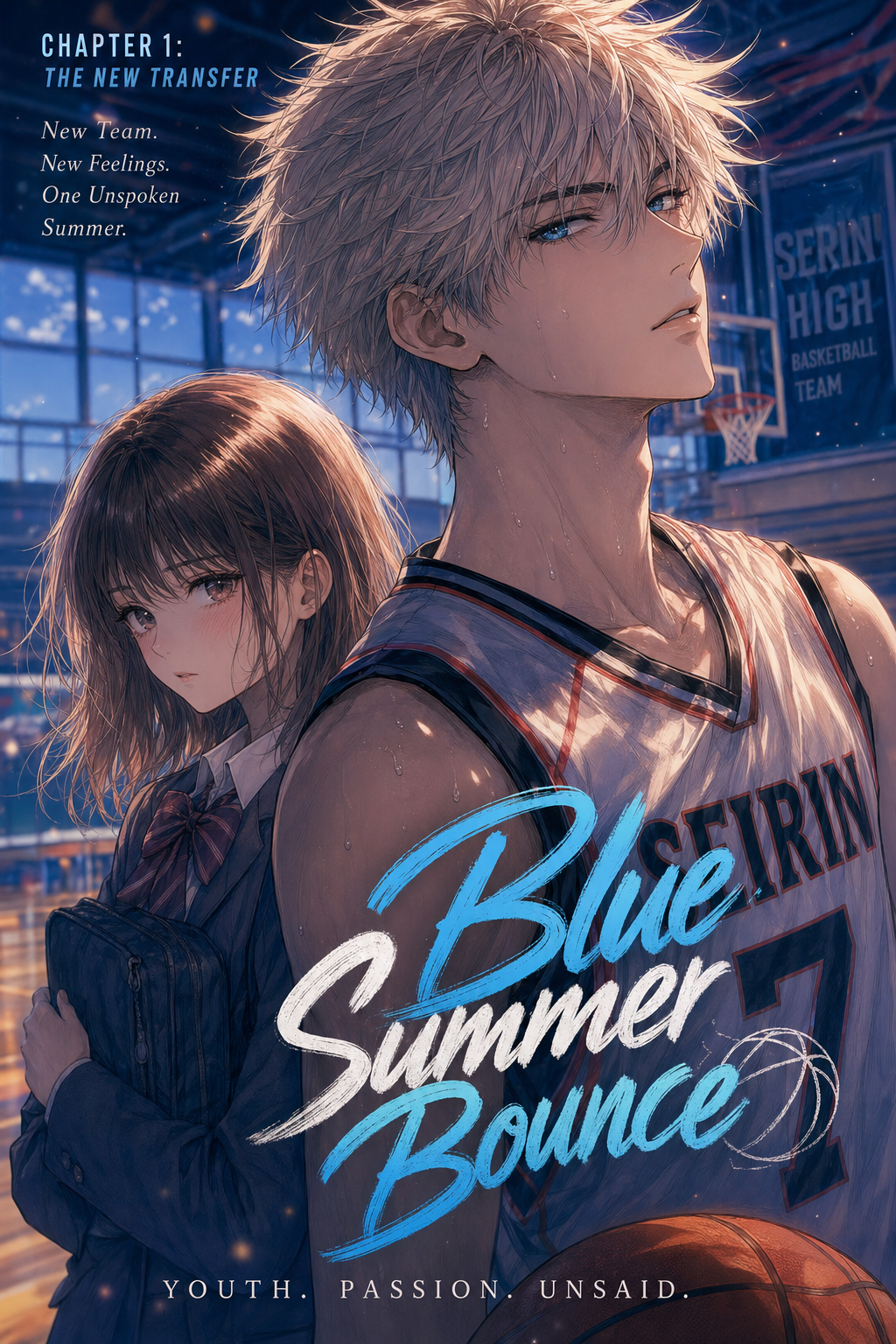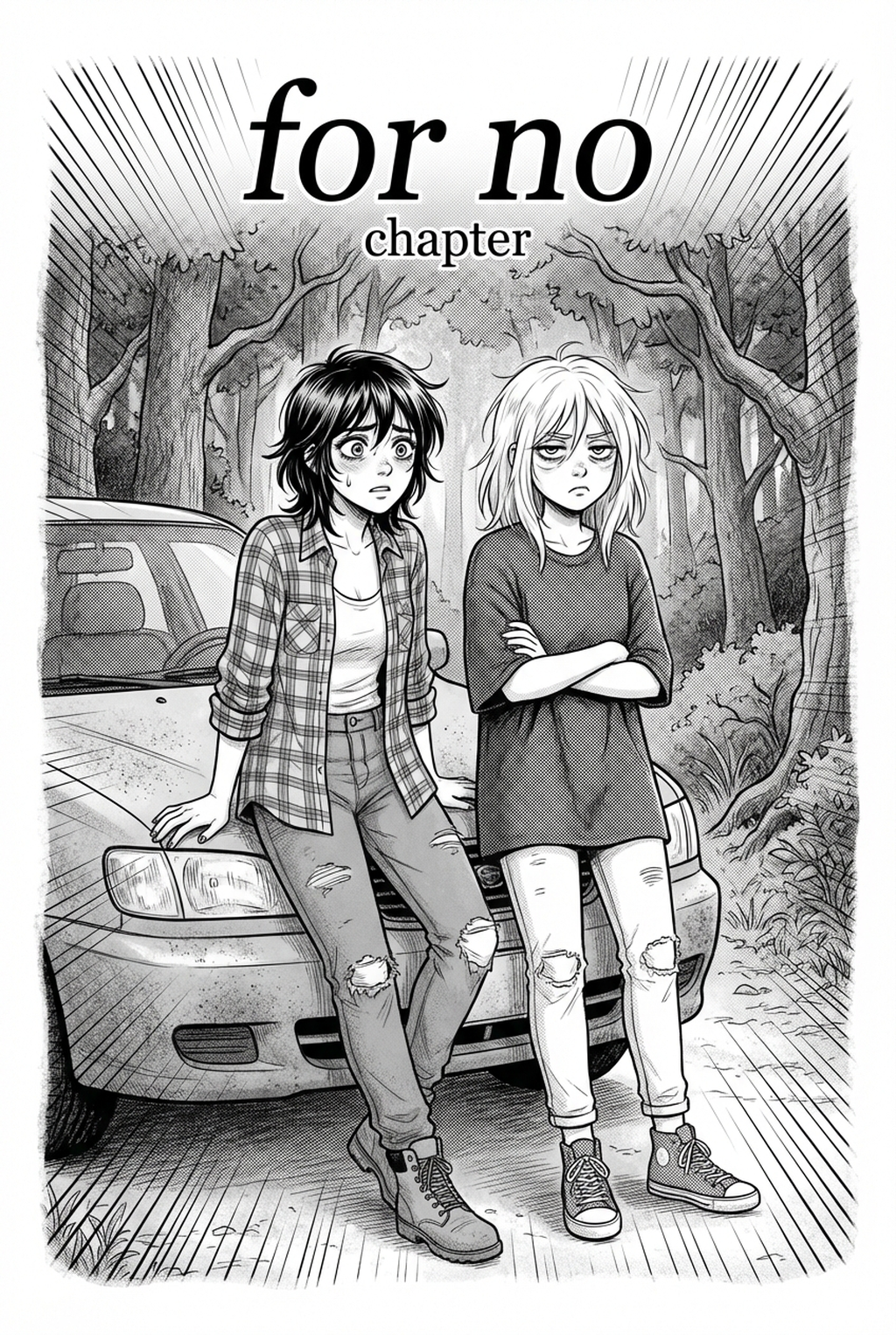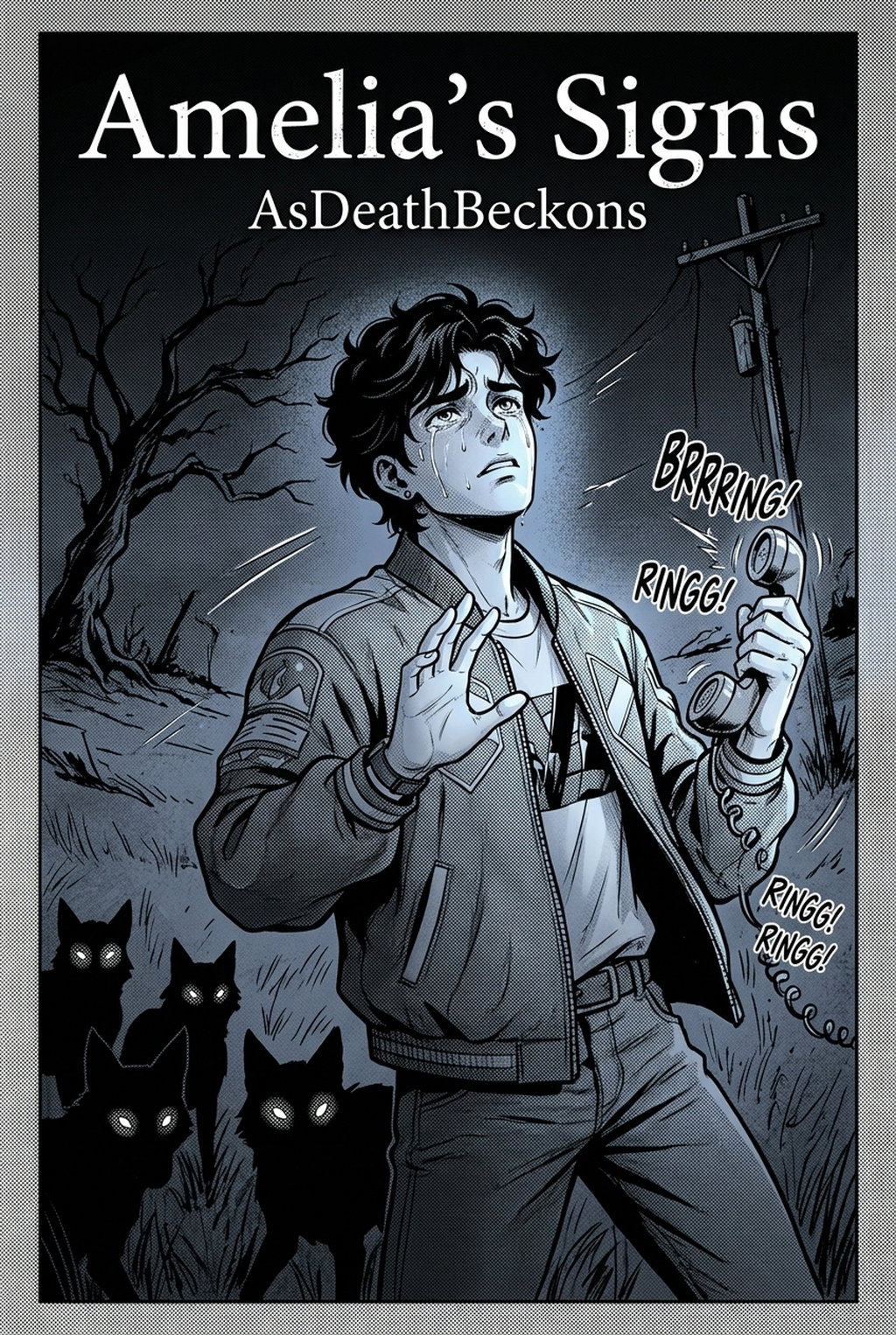
What Is Character Design?
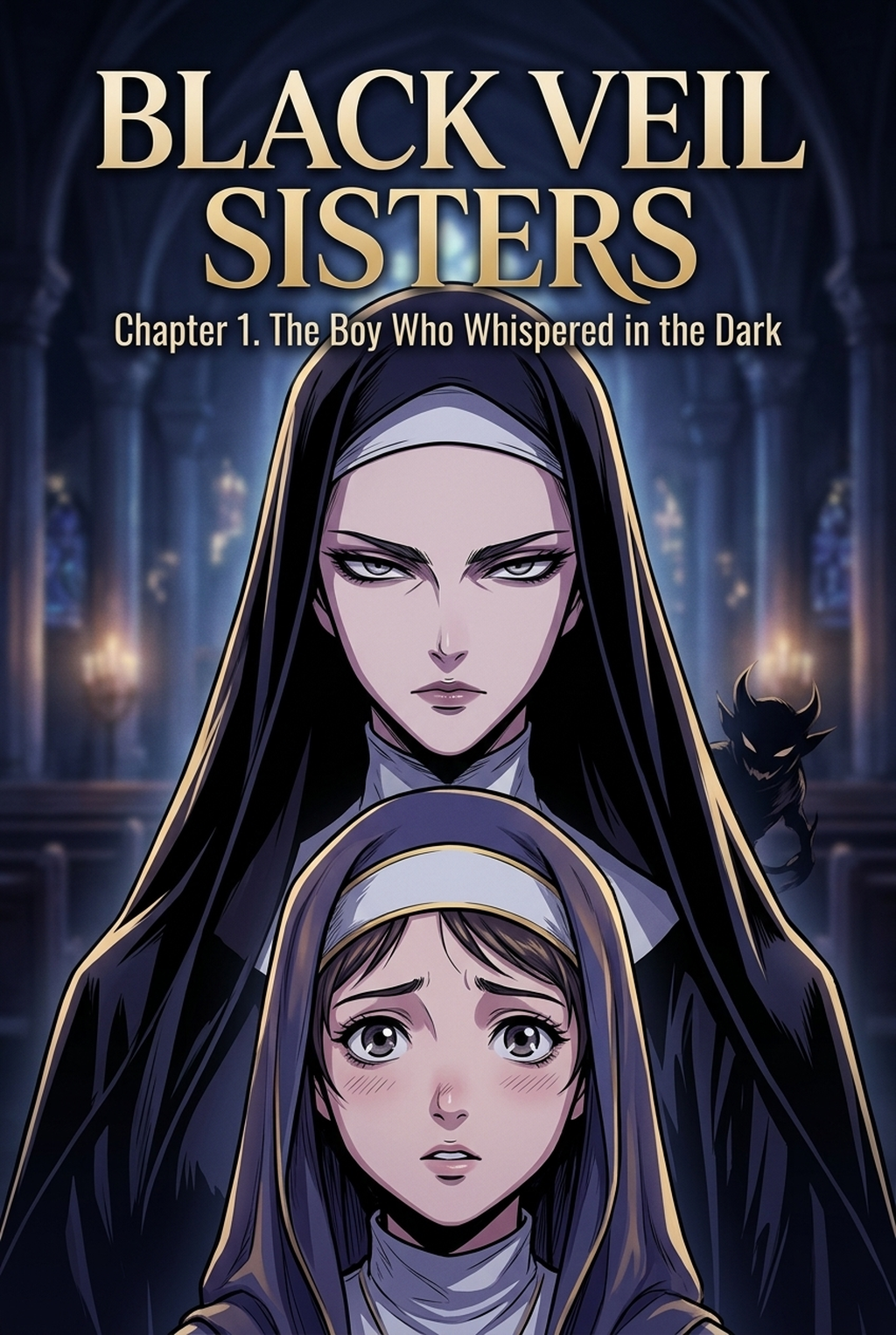
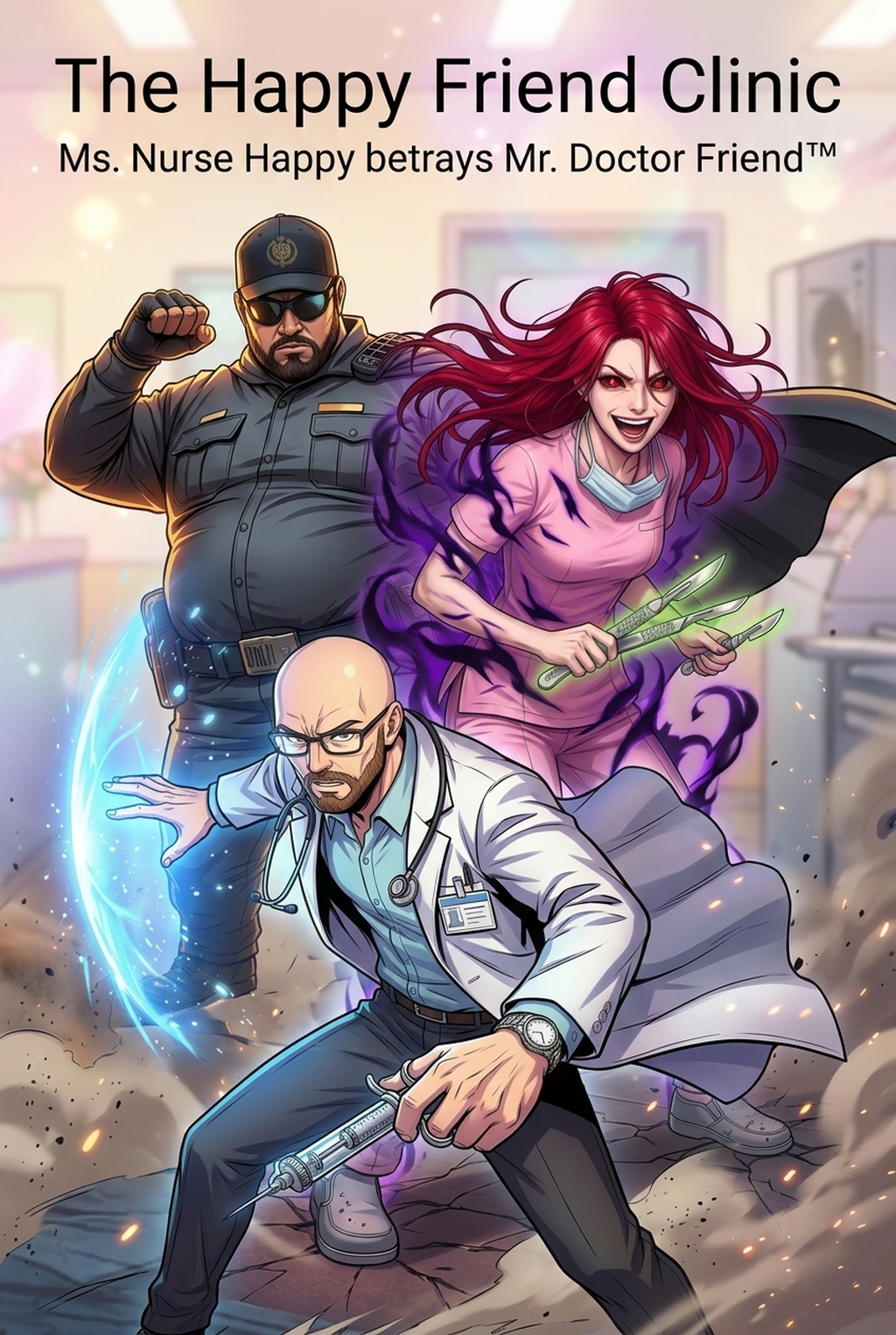
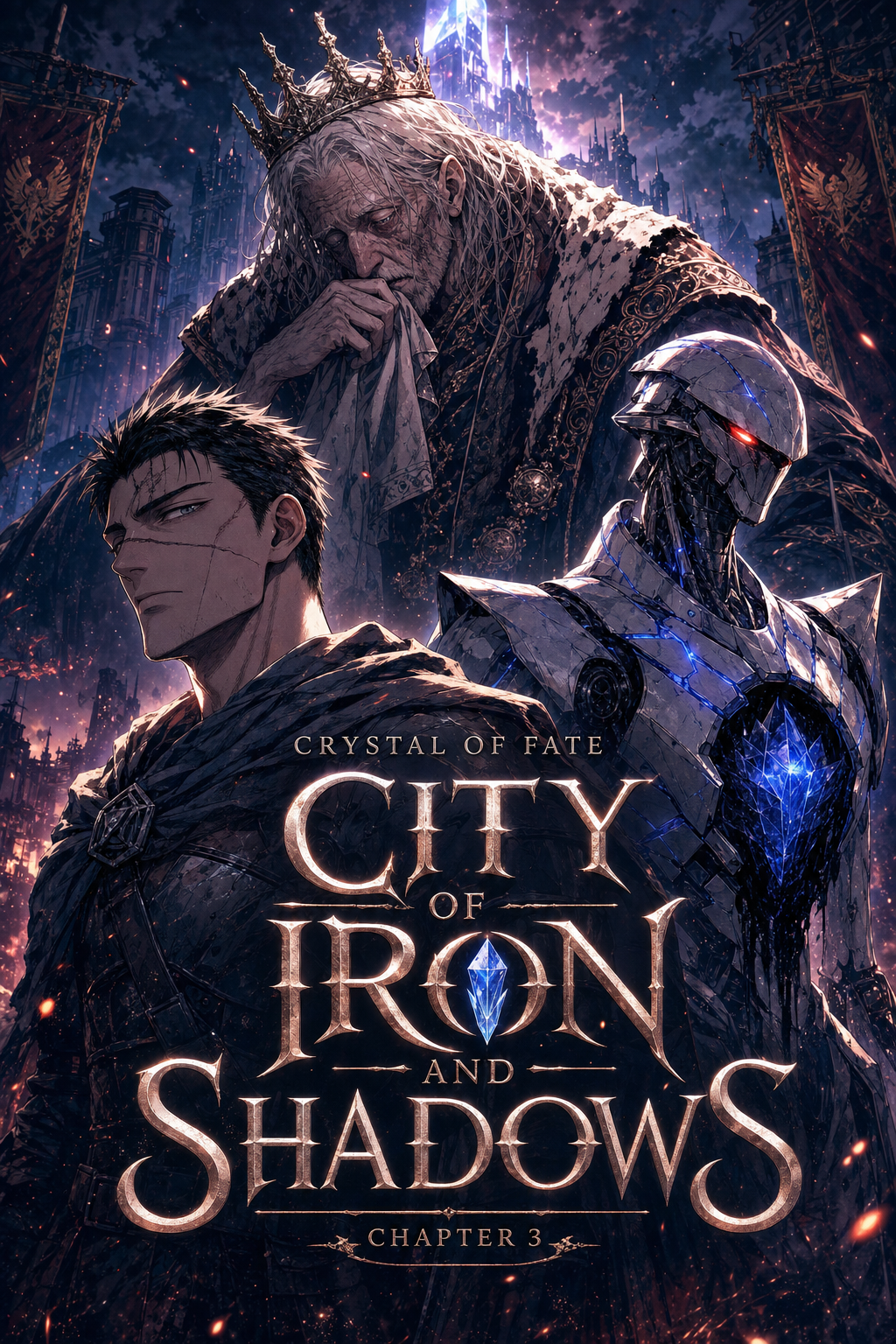
Character design is the foundational process of defining a protagonist or antagonist through repeatable visual shorthand that stays recognizable at any scale. The core of this discipline relies on creating a distinct silhouette, where the character’s unique hair patterns, weapon handles, or signature collar shapes remain identifiable even when the character is obscured by heavy background tones or dynamic action blur.
- Silhouette Logic: Effective designs utilize distinct physical contours that distinguish the character from environment clutter. * Iconic Features: Repeated motifs like specific eye-patch placement or unique shoulder-pad textures act as anchor points for the reader. * Expression Libraries: Defining a recurring set of personality-driven expressions ensures that emotional resonance remains consistent even as your art style evolves over time. * Line-Work Simplicity: Overly complex patterns often fail in long-form manga because they demand excessive inking time and are prone to visual noise during high-speed, 120dpi scan exports.
Why AI Manga Character Designer Matters for Manga Creators
Model sheets act as your primary source of truth, providing a master reference for every physical dimension, costume seam, and character accessory. Relying on memory during an intense production schedule often leads to 'artist drift,' a common failure mode where a character’s proportions gradually shift from the first chapter’s sharp, angular features to a softer, rounded appearance by chapter five.
A standardized design process prevents this by creating a rigid baseline for your visual language. By adhering to a master reference, you ensure that body types and recurring gear remain static, allowing you to focus on panel pacing and composition instead of troubleshooting mismatched anatomy during the final export pass. Without this central reference, even simple scenes like a tea-drinking sequence can result in accidental changes to a character's height or shoulder width, undermining the believability of your story world.
How Character Design Works with Mangaka
Mangaka automates the most time-consuming aspects of the design workflow by allowing you to upload a base character reference that locks in your aesthetic vision. You can AI Manga Character Designer workflow with Mangaka by providing a detailed text description that the system uses to generate multiple angles, including essential front, side, and three-quarter views.
- Turnaround Generation: The system builds the necessary geometry for every angle, removing the need for manual redrawing when moving from a close-up reaction panel to a full-body action shot. * Visual Continuity: By anchoring your creative briefs to a previously defined character model, the tool enforces consistency in attire and hair volume, preventing the common issue of 'costume morphing' during multi-page sequences. * Workflow Pivot: Creators shift from being manual line-art laborers to becoming high-level directors who manage aesthetic variables through refined input control rather than grinding through repetitive ink work.
Use Cases for AI Manga Character Designer
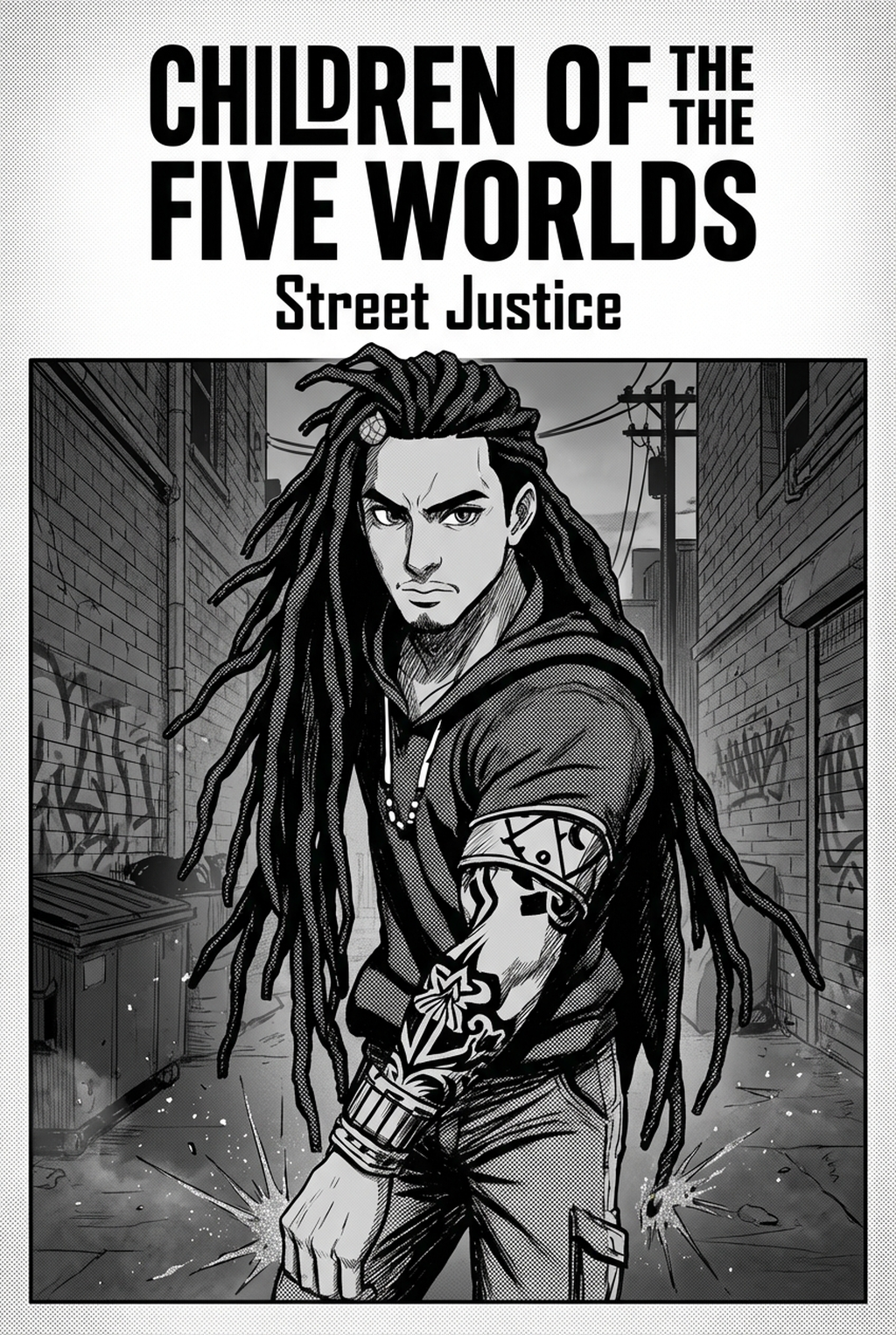
The practical application of your design hinges on how it functions within the constraints of black-and-white print or digital display. You should prioritize high-contrast elements that pop against complex screen tones, ensuring the reader’s eye moves naturally across the page without getting lost in overly dense cross-hatching or ornate clothing detail.
- Line Weight Hierarchy: Distinguish your characters from the background using heavier, bolder outlines on the figures while keeping environmental lines thinner. * Emotional Marking: Utilize high-contrast face markings or distinct shadow shapes to signal a character's morality, such as sharp, jagged accents for anti-heroes that stand out in monochrome layouts. * Dynamic Utility: Test your designs in high-motion storyboard sketches; if a character’s gear design or cape length makes it difficult to draw them in a combat crouch, simplify the shape before finalizing the model sheet. * Sequential Pacing: Design gear that allows for efficient inking; excessive buckles, chains, or complex layering often leads to smudged ink lines or alignment errors when rushing toward a deadline.
How to Get Started with Mangaka
To begin, you must establish a primary reference sheet as your source context, defining signature traits that the AI can reliably reproduce. This sheet is the most important part of your design, as it provides the essential turnarounds (front, back, and side views) needed to grasp the character’s volume, silhouette, and movement range.
- Maintaining Consistency: Always pull from a saved master reference rather than relying on new creative brief chains, ensuring the AI inherits your specific aesthetic parameters. * Creative Authority: Remember that the tool acts as a production engine; it generates the visual output, but your specific lore, personality descriptions, and aesthetic intent remain the critical input that drives the project. * Iterative Refinement: If a specific feature like a headband or scarf consistently drifts during generation, adjust your text description to emphasize that feature's permanence and exact location relative to the character's brow or shoulders.
Creators should compare the generated line art with the original sketch and confirm that facial expressions, props, speed lines, and speech-bubble space still support the scene. A repeatable review pass should cover character consistency, panel readability, background clarity, and whether the final file is ready for coloring, lettering, or editor feedback. For longer projects, creators should save approved examples of line weight, face detail, clothing folds, and background density. Those references keep later chapters closer to the intended style.
The Bottom Line
Effective design is the bridge between a reader and a believable story world, relying on strict adherence to a established visual reference. If you are ready to stabilize your workflow and eliminate proportion drift, you can character design and see how quickly you can achieve professional, consistent results.
Related articles
Essential Character Design Tips for Better Manga Panels 2026
Essential Character Design Techniques for Modern Manga 2026
Effective Character Design Techniques for Manga Artists 2026