AI Manga Character Designer: Foundational Principles of Character Reference Documents
A character sheet acts as a comprehensive reference document that documents a figure from multiple perspectives, typically including head-on, profile, and three-quarter back views. It serves as your primary source context, housing critical data on accessory placement, specific hair length in inches relative to the jawline, and consistent color palettes that must remain stable from the first chapter to the finale.
Defining your character’s anatomy requires more than a simple drawing; it demands a technical audit packet of your character’s appearance. You must document specific markers, such as the exact distance between the eyes or the precise curve of a sleeve cuff, to ensure that every assistant or secondary artist on your team interprets the design exactly as intended. This level of granularity prevents "exception notes" where a character’s defining feature, like a jagged scar or a specific piece of armor, changes size or location during the heat of a production cycle.
Consistency serves as the bedrock of reader immersion, and character sheet design acts as your primary defense against the gradual morphing of designs over hundreds of pages. When a character’s proportions shift between panels, the reader’s focus breaks, pulling them out of the narrative flow and toward the technical errors on the page. A solid reference sheet functions as an audit trail for the artist, making it significantly easier to verify that your current page layout aligns with the original creative brief established at the start of your series.
Professional Manga Workflow and Consistency
Your sheet acts as the "control notes" for your entire creative team, ensuring that every panel maintains high fidelity. By implementing a standardized delivery format for character references, you enable collaborators to perform their inking and tone work without constantly checking back against previous chapters for accidental deviations.
- Chapter cadence. Use the AI pass for pages where speed matters most, such as repeated action poses, transformation beats, or dense speed-line panels. Keep manual cleanup for hero panels where the line style defines the emotional peak.
- Character continuity. Compare the generated lines against the same model sheet, costume notes, and facial-expression range used during sketching. This prevents a fast inking pass from drifting away from the character identity readers recognize.
- Export readiness. Check whether the final manga output can move into lettering, coloring, or final layout without rebuilding panel borders or speech-bubble space. A good manga workflow should save time while keeping the next production step predictable.
How AI Tools Simplify Character Design
AI tools like Mangaka shift your production from manual sketching to a Living Design" process by generating accurate turnarounds based on your initial text description or base image. These tools generate consistent manga-style characters from text descriptions, effectively acting as a review owner that checks your character’s proportions against your defined parameters.
By using AI to lock in proportions and facial features early, you bypass the tedious process of redrawing complex character turnarounds every time you introduce a new outfit or age advancement. You can quickly generate variations, such as different seasonal uniforms or combat-ready expressions, while the AI preserves the integrity of the underlying character structure. This allows you to focus on the narrative and storyboarding rather than manually correcting the placement of accessories or the alignment of facial features on every single page.
Maintaining a centralized repository of these AI-generated sheets allows you to use them as a gatekeeping mechanism before final production. Every time you ink a complex storyboard, you can verify the character’s alignment against your master sheet to ensure total visual harmony. You can begin building your own library today at character sheet design to see how these automated turnarounds speed up your page-layout workflow while eliminating the risk of line-weight drift.
Defining Requirements by Genre
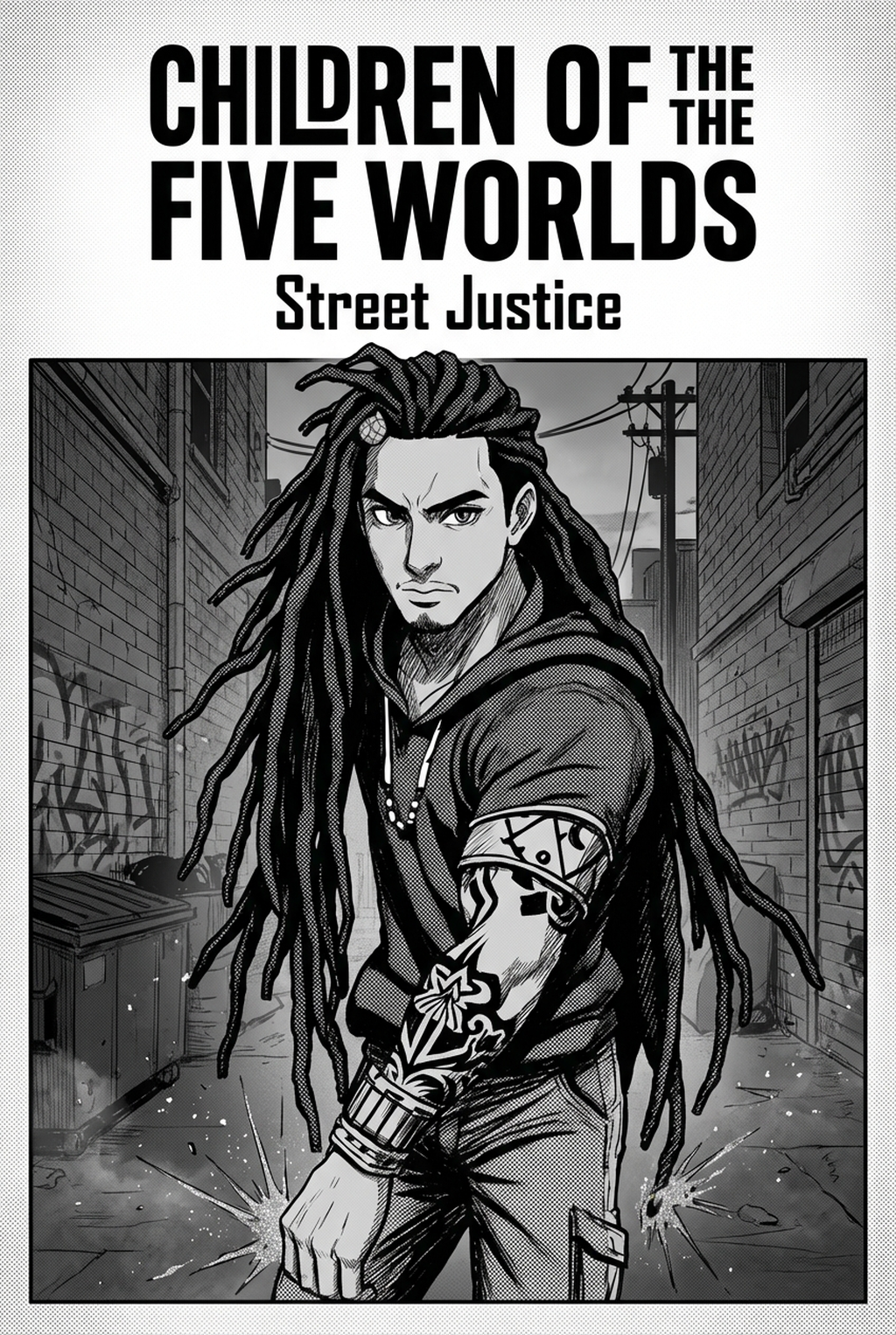
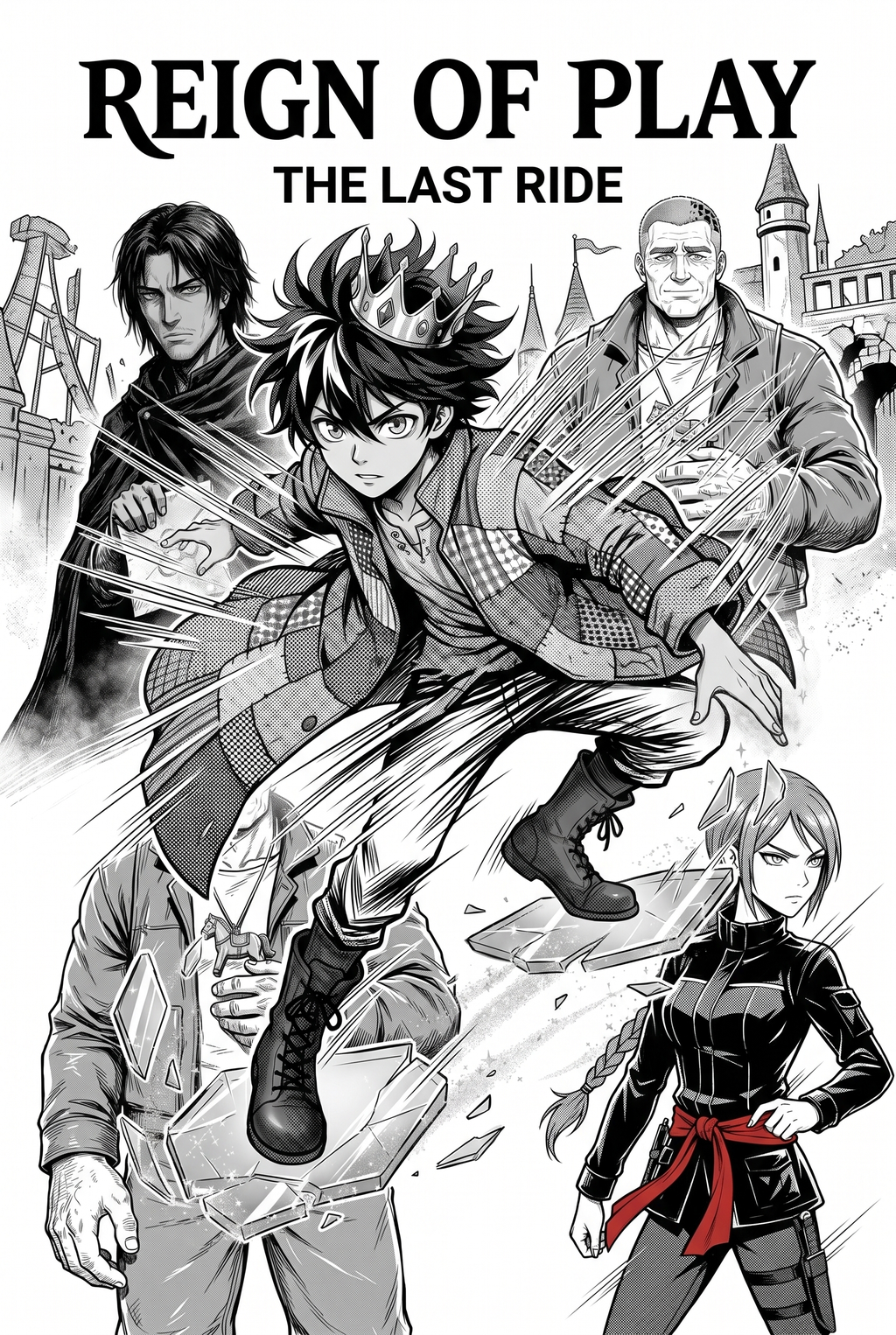
Different manga genres require distinct focus areas in their design sheets to maximize visual impact. For instance, Shonen designs prioritize high-action potential, documenting dynamic movement and armor detailing that must remain recognizable even during fast-paced fight sequences.
- Shonen Archetypes: Focus on Action Posing Frames" that define how kinetic movement impacts fabric physics, muscle contraction, and hair flow during heavy action. * Seinen Realism: Emphasize subtle aging markers, anatomical precision, and realistic environmental interactions that ground the character in a believable world. * Design Utility: Regardless of genre, all sheets must include at least three standard views—front, side, and back—plus one key action pose to ensure full-range character coverage.
Implementing Your Living Design Process
Moving from static sketches to a living design process means treating your character sheet as a fluid document that evolves alongside your story. Update your references whenever a character undergoes a significant visual change, such as a major injury or a permanent equipment upgrade, to maintain an accurate master record.
Keep your character sheets in a centralized folder reachable by your entire production team. By making these sheets the master reference for your coloring and inking phases, you ensure that every member of the team is working with the same visual truth, eliminating the common issue of inconsistent design elements across different panel compositions.
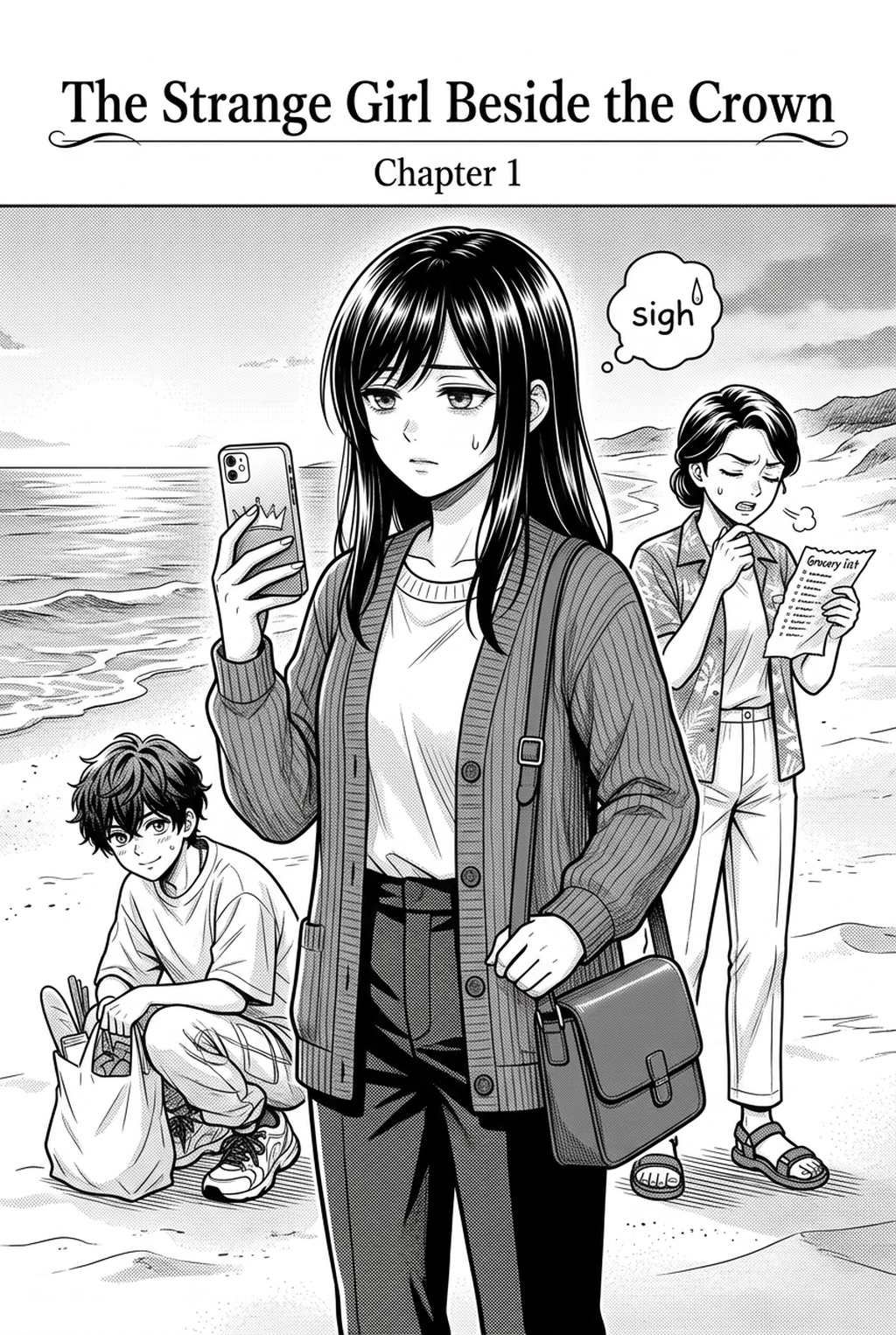
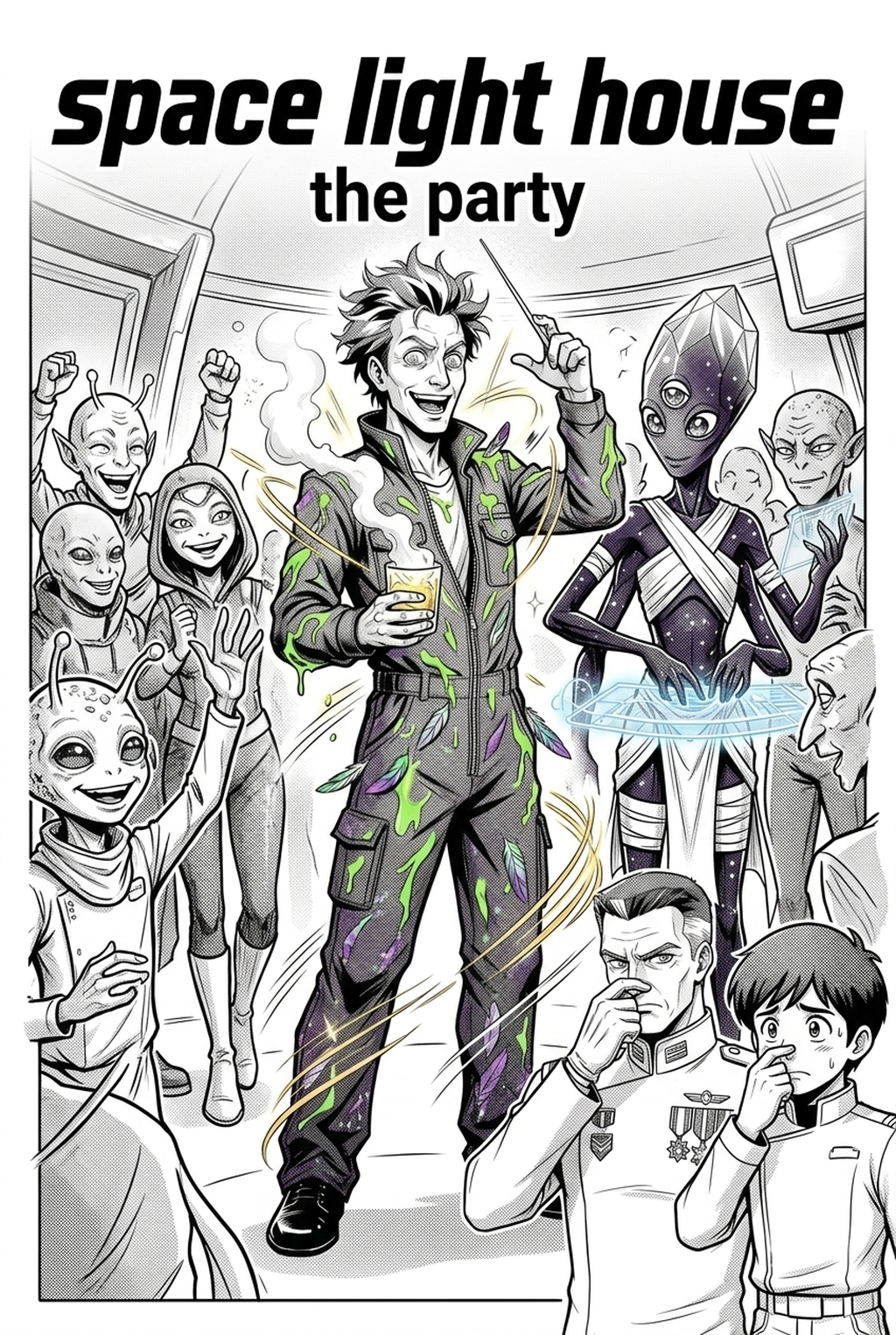
Creators should compare the generated line art with the original sketch and confirm that facial expressions, props, speed lines, and speech-bubble space still support the scene. A repeatable review pass should cover character consistency, panel readability, background clarity, and whether the final file is ready for coloring, lettering, or editor feedback. For longer projects, creators should save approved examples of line weight, face detail, clothing folds, and background density. Those references keep later chapters closer to the intended style.
The Bottom Line
creator workflow remains the most effective method for eliminating art drift and improving the overall production efficiency of professional manga. By utilizing character sheet design to handle the generation of consistent character references, you can transform your design process from tedious manual labor into a streamlined workflow that perfectly supports the demands of long-form storytelling.
Generate Multi-Angle Manga Character Model Sheets with Mangaka.app
Visual character consistency is the foundation of serialized storytelling. Mangaka.app provides creators with dedicated model sheet generation:
- Standardized Turnaround Proportions: Align eye levels, shoulder lines, and limb lengths across 360-degree rotation angles.
- Key Emotional Matrices: Lock facial landmarks while generating dramatic screams, playful smirks, and subtle expressions.
- Signature Outfit & Armor Callouts: Isolate costume layers, accessories, and props for rapid studio assistant handoffs.
- Integrated Project Model Library: Save character sheets directly into your story workspace for one-click storyboard panel staging.
Ready to elevate your manga creation workflow? Experience professional AI-assisted storyboarding, character consistency, and digital inking with Mangaka.app today.