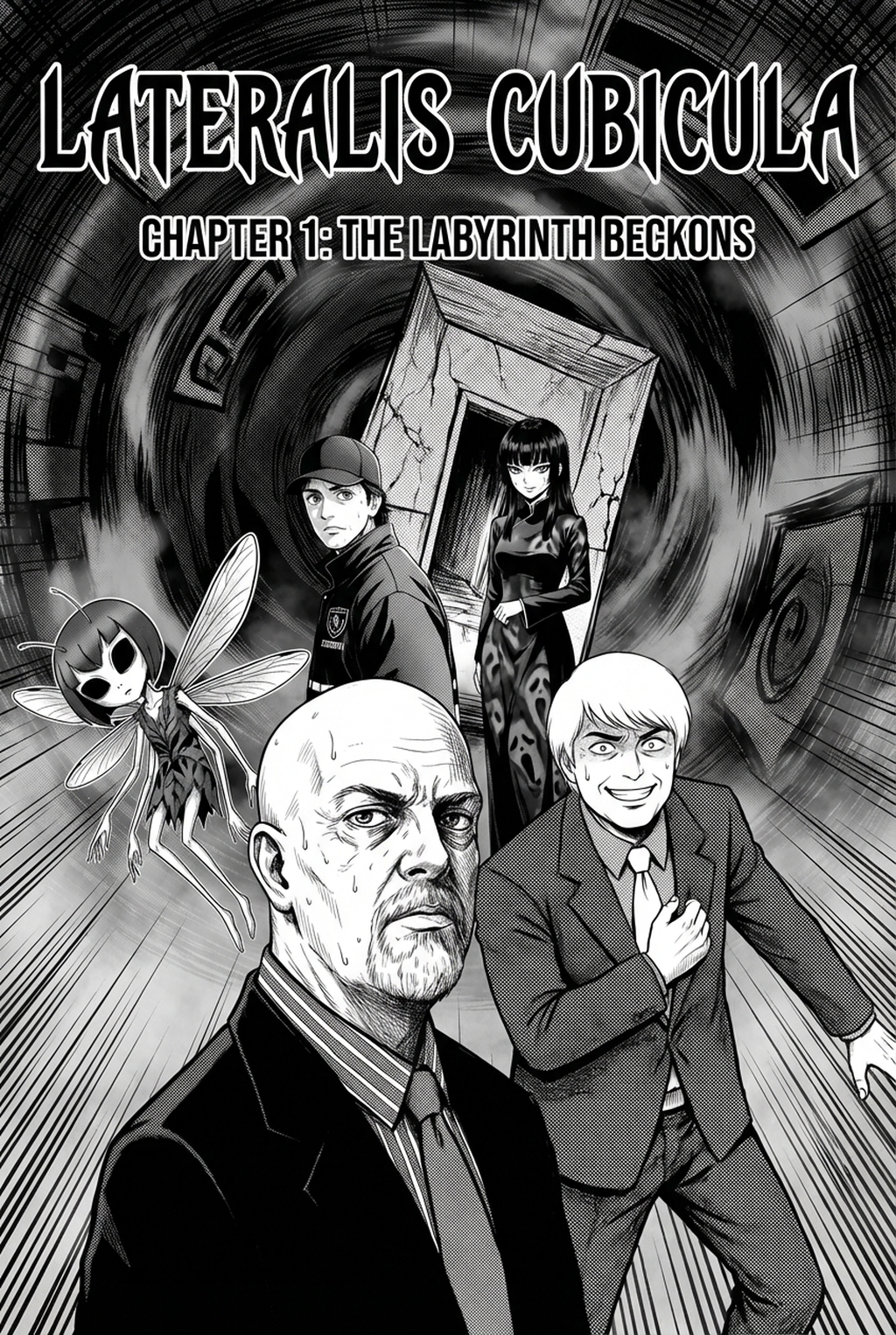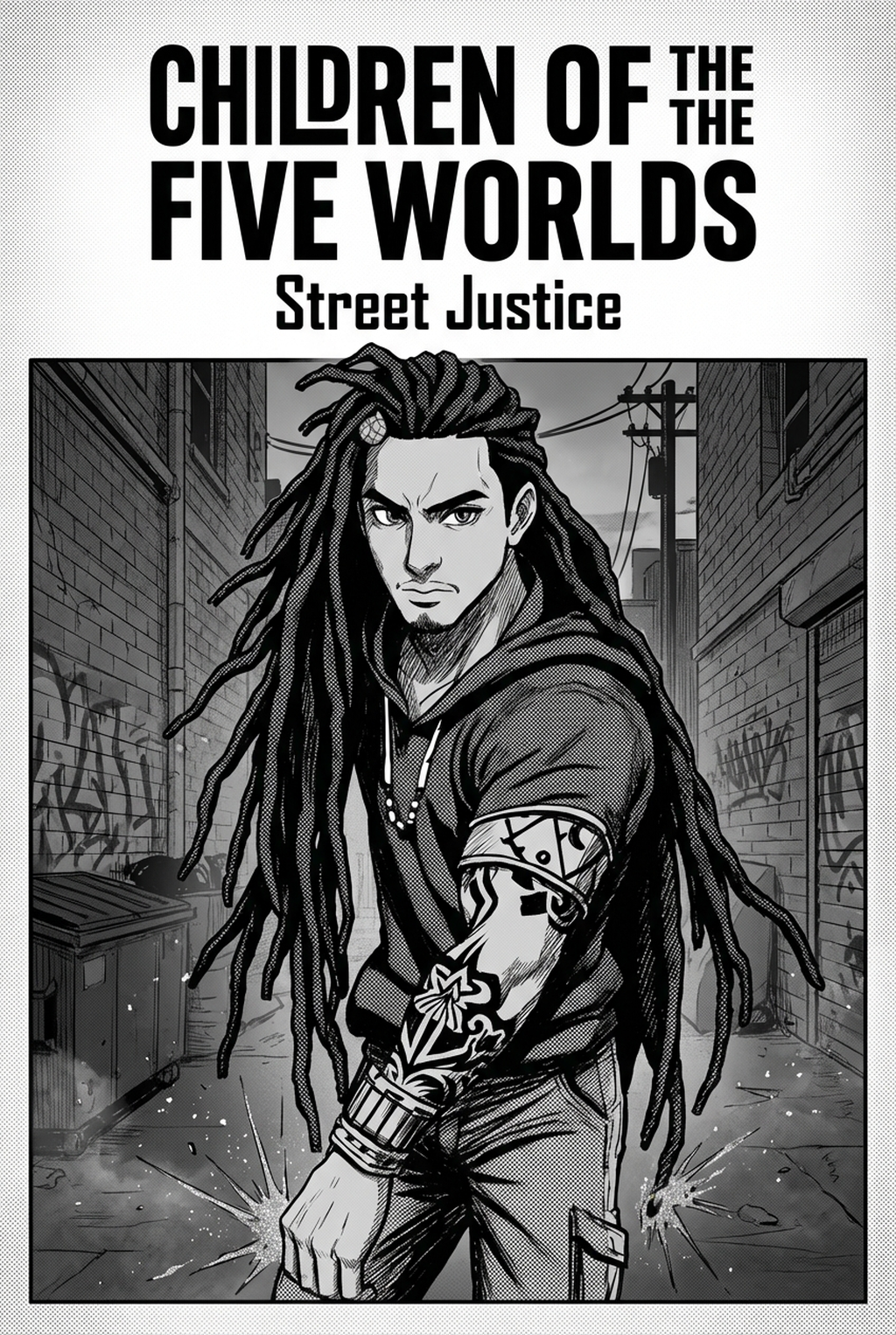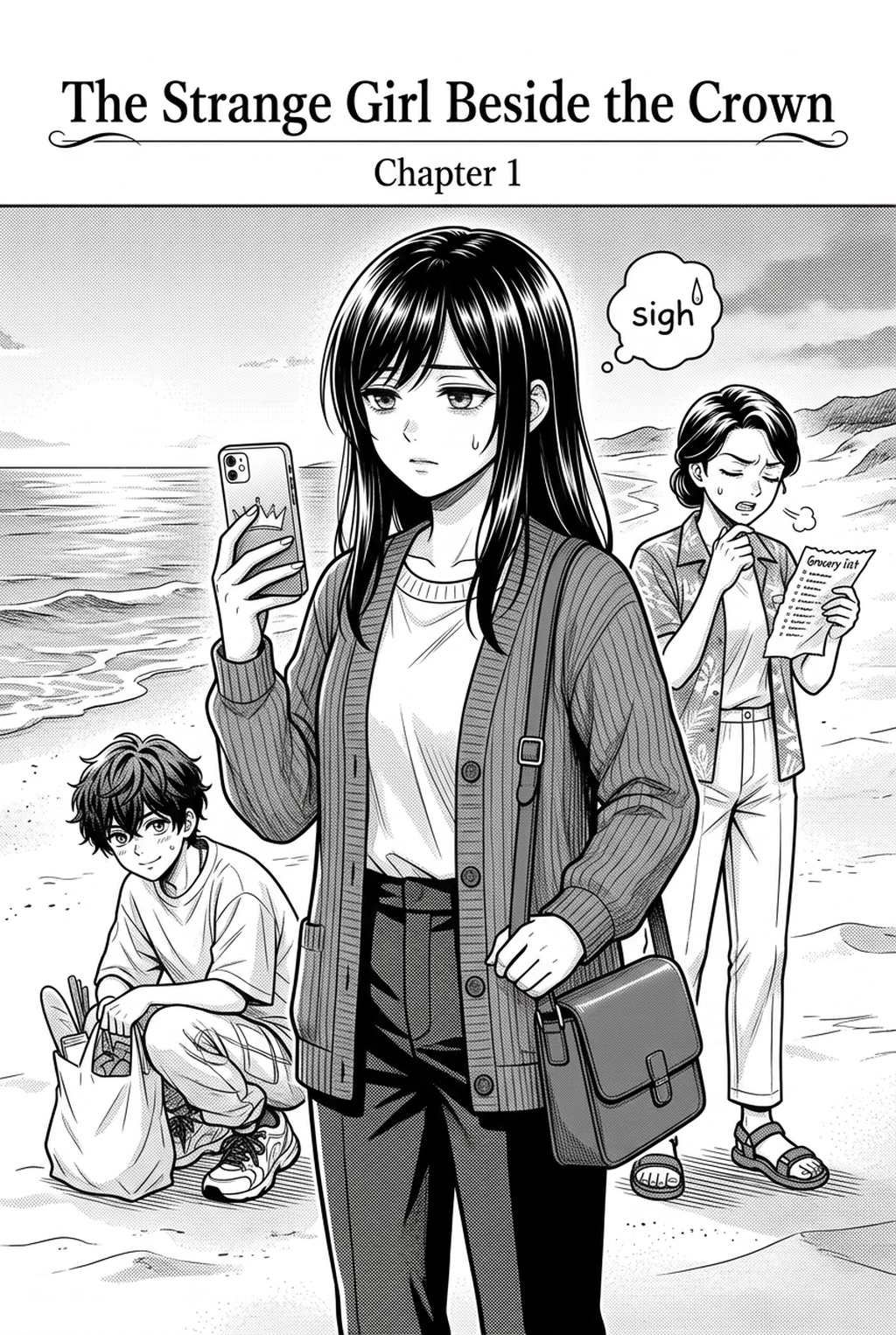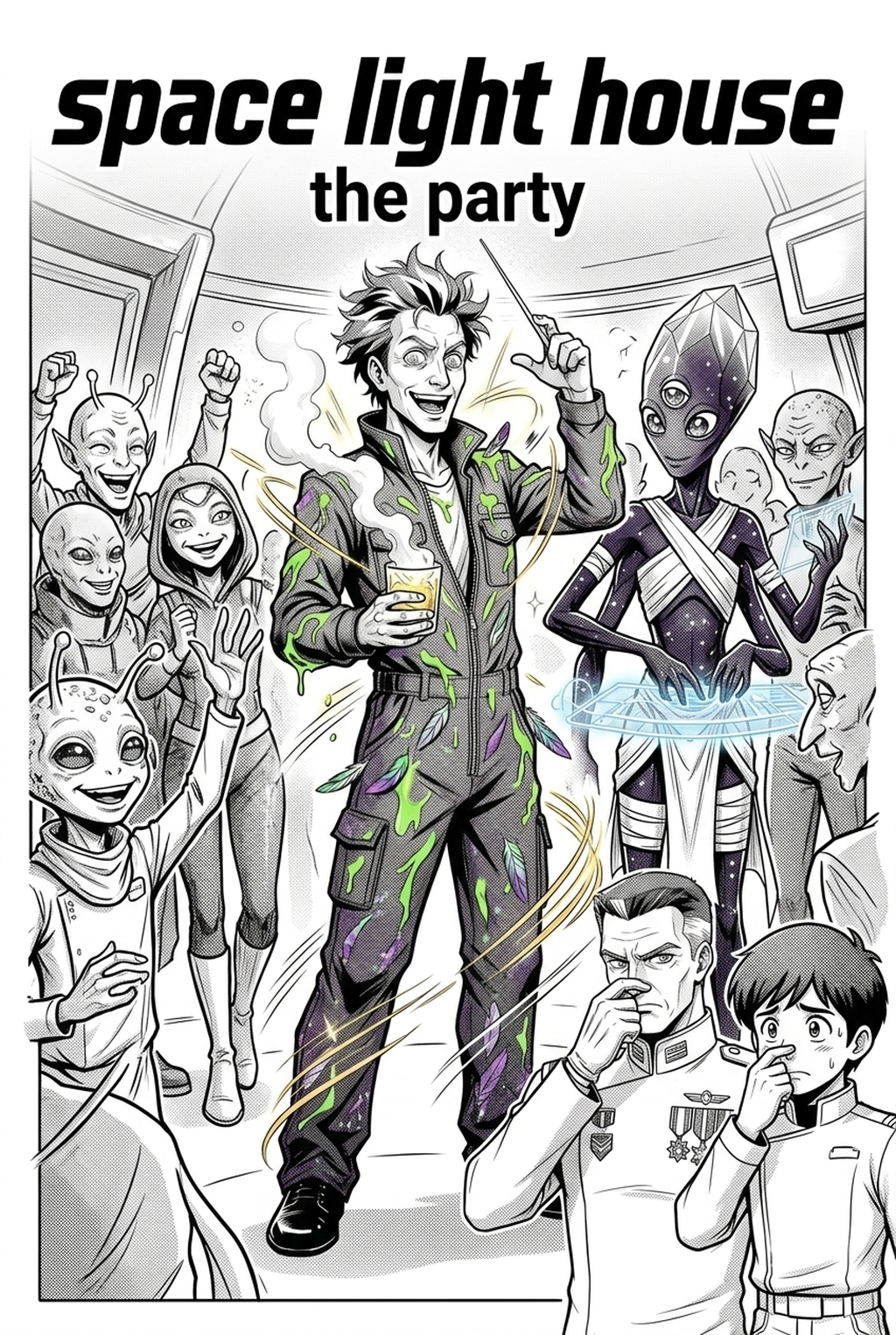
AI Manga Character Designer: The Foundations of Character Reference Documents
A professional reference document acts as the definitive source for your character’s physical appearance, ensuring every silhouette remains recognizable from the first panel to the final spread. It functions as a geometric anchor, defining the specific rules for how clothing folds, where highlights fall on hair, and how the character moves within a 3D space.
- The T-Pose Reference: A neutral, arms-extended view that establishes the exact limb-to-torso ratio and height markers without the distraction of dynamic posing. * Three-Quarter Profile Views: These provide the necessary depth data for your line art, showing how features like noses and ears translate when the head turns away from the reader. * The Expressions Grid: A collection of at least five emotional states—joy, rage, melancholy, shock, and determination—that catalog how your character’s features warp during high-stakes dialogue. * Rear-View Anatomy: A mandatory component for identifying cape attachments, armor segments, or distinct hair patterns that are often missed when focusing exclusively on facial shots.
Industry-standard reference sheets serve as the primary audit document for your inking team or AI training modules. If your line weight deviates by more than 15% between the initial sketch and the final panel, the character will feel like an imposter within its own story. Consistency is not just about drawing the same face; it is about keeping the visual density of the character’s design static across every page layout.
Why Consistency Dictates Story Quality
Character sheets exist to eliminate 'model drift', the gradual and often unintentional morphing of a protagonist’s design that occurs as deadlines tighten and fatigue sets in. When you lack a master reference, your eyes naturally adjust to the mistakes made in previous panels, creating a feedback loop of anatomical decline.
Well-defined sheets act as a high-speed engine for your production workflow, allowing you to bypass the hours of re-calculating designs when starting a fresh chapter. Instead of sketching from memory, you cross-reference the sheet, ensuring that accessories like specific belts or scar placements are always positioned correctly. This reduces the need for expensive, time-consuming revisions during the review phase of your page creation.
How Mangaka Integrates into Your Workflow
Modern AI-driven design tools replace the manual, exhausting process of sketching dozens of views from scratch. By using character sheet design with Mangaka to generate your references, you translate text-based descriptions into production-ready character assets, allowing you to iterate on costume variants and archetypes in seconds rather than days.
The tool works by ingesting your specific artistic parameters and outputting high-fidelity images that maintain consistent proportions across various angles. If you find your character’s eyes are too small, you simply adjust the creative brief and regenerate the view, rather than redrawing the entire sheet from the base up. This eliminates the technical bottleneck of the initial characterization stage and lets you focus on panel pacing and narrative.
Strategic Application by Genre
Different manga genres demand unique approaches to character sheets, with shonen requiring extreme readability in motion and seinen focusing on internal, nuanced shading details. Ignoring these genre conventions leads to characters that feel disjointed from the world they inhabit, regardless of how clean the linework is.
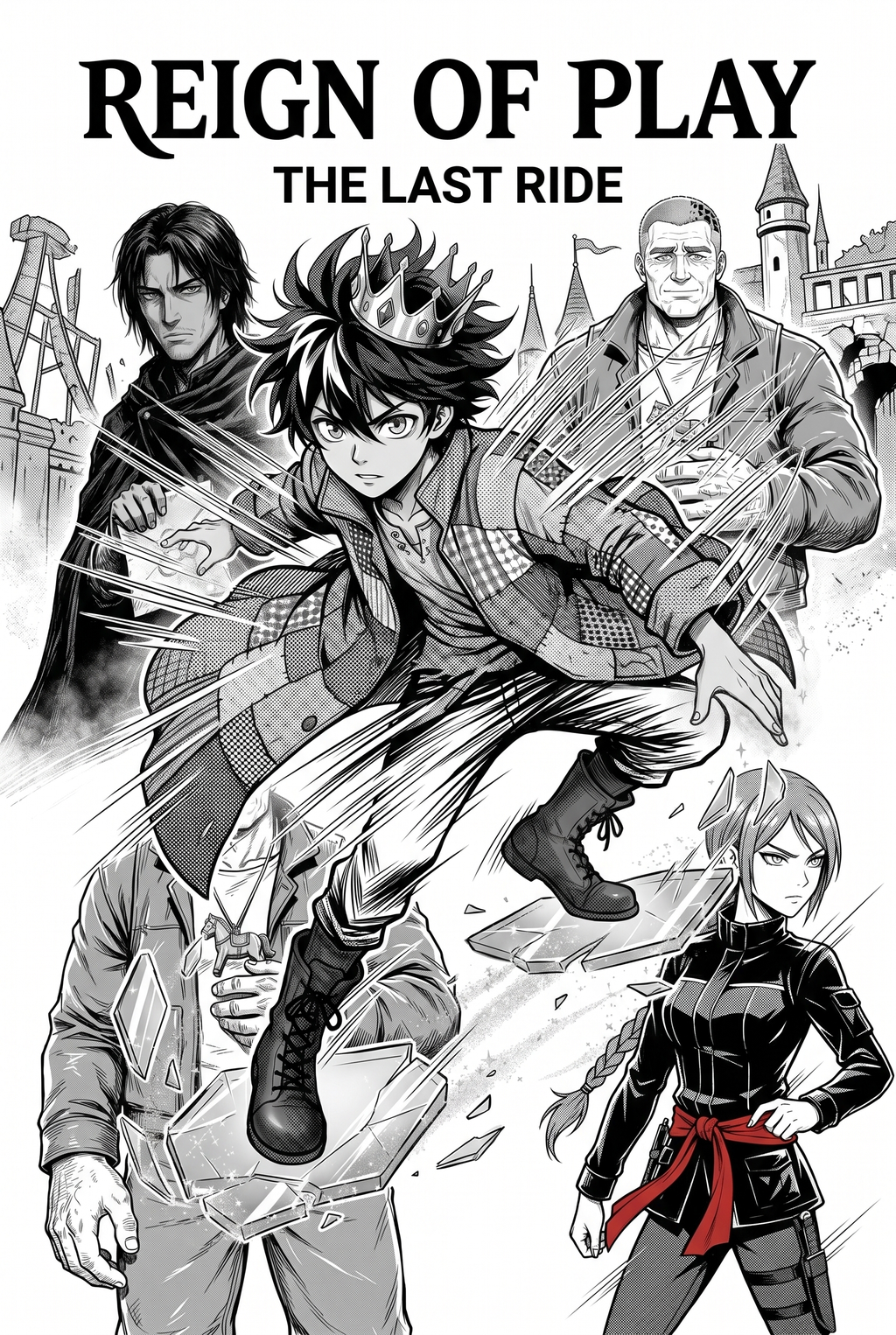
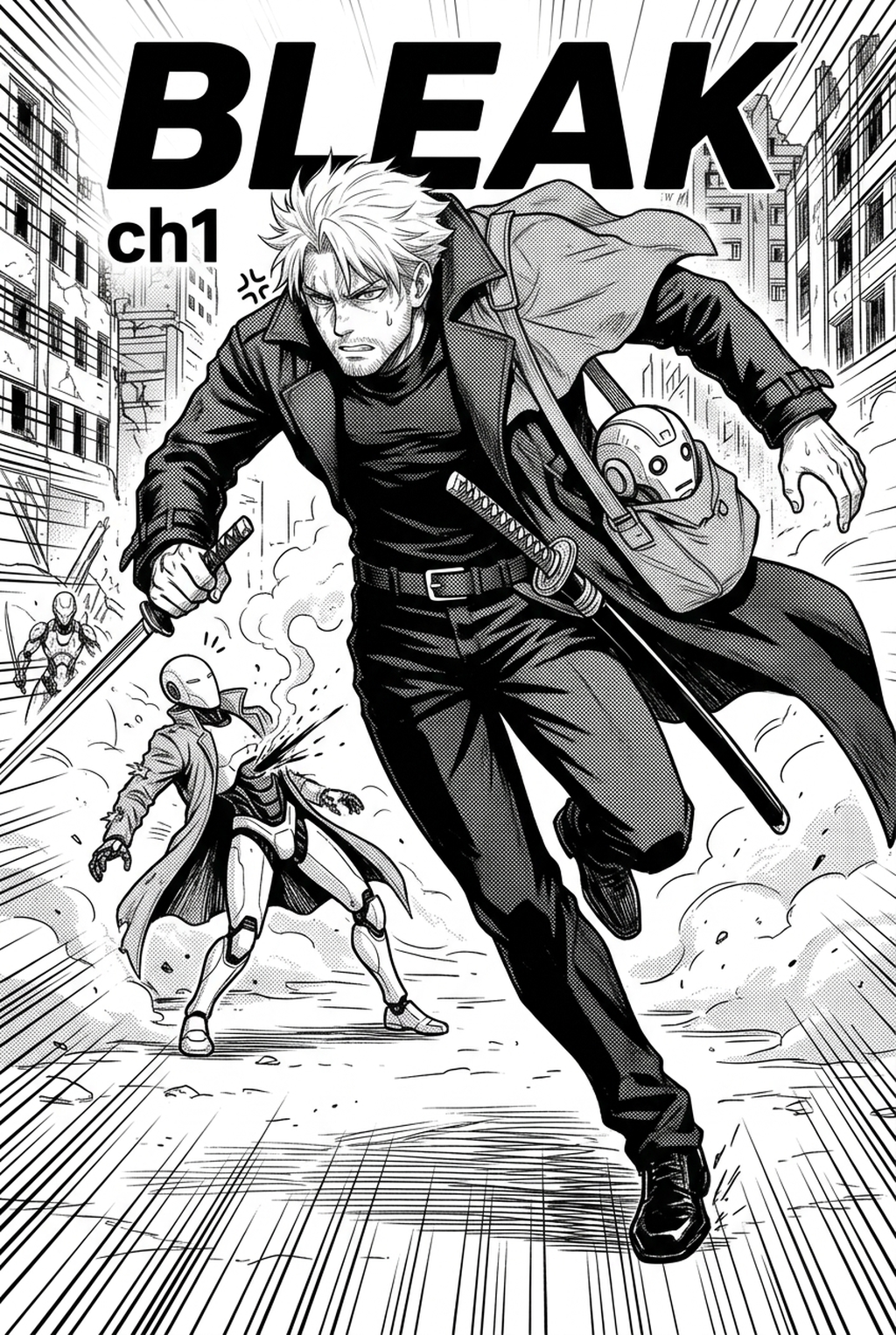
Shonen designs prioritize high-energy, kinetic silhouettes that remain legible even during chaotic action sequences. Your character sheet must highlight these 'anchor details'—like a signature weapon or a unique hairstyle—that remain locked to the character regardless of how much motion blur or speed-line effect is applied during the inking process.
Seinen characters, by contrast, require a deeper catalog of shading reference points. You should include specific lighting samples on your sheet to demonstrate how the character’s face reacts to high-contrast or low-key lighting environments common in mature thematic storytelling. Using these reference points ensures that your dramatic scenes maintain a grounded, professional atmosphere that differentiates your work from more simplistic styles.
Initiating Your Design Process
You must commit to a minimum threshold of visual documentation to ensure your work holds up under scrutiny. Aim for a foundational package consisting of three distinct views—front, side, and back—complemented by at least three emotional states to handle the basic narrative requirements of your first volume.
- Color Palette Cataloging: Even for black-and-white manga, flat-color references are mandatory for cover art, volume posters, and social media promotional materials. * Style Calibration: Use creative brief engineering to tune the AI output until it matches your existing inking density and line weight; do not accept the default output if it does not fit your established aesthetic. * Annotation of Anchor Details: Physically label specific scars, birthmarks, or mechanical implants on the sheet; if it is not documented as an anchor detail, you will inevitably forget to draw it in a high-pressure scene.
Creators should compare the generated line art with the original sketch and confirm that facial expressions, props, speed lines, and speech-bubble space still support the scene. This keeps the review focused on story intent, line weight, panel readability, and the export quality behind the final AI Manga Character Designer output.
The Bottom Line
Professional manga creation relies on the rigid, uncompromising consistency found in high-quality character sheets. By character sheet design with precision, you secure the structural integrity of your series and free yourself to focus on the storytelling. Use these tools to build a robust foundation for your characters so you never have to guess about proportions again.