What Constitutes the AI Manga Style Transfer
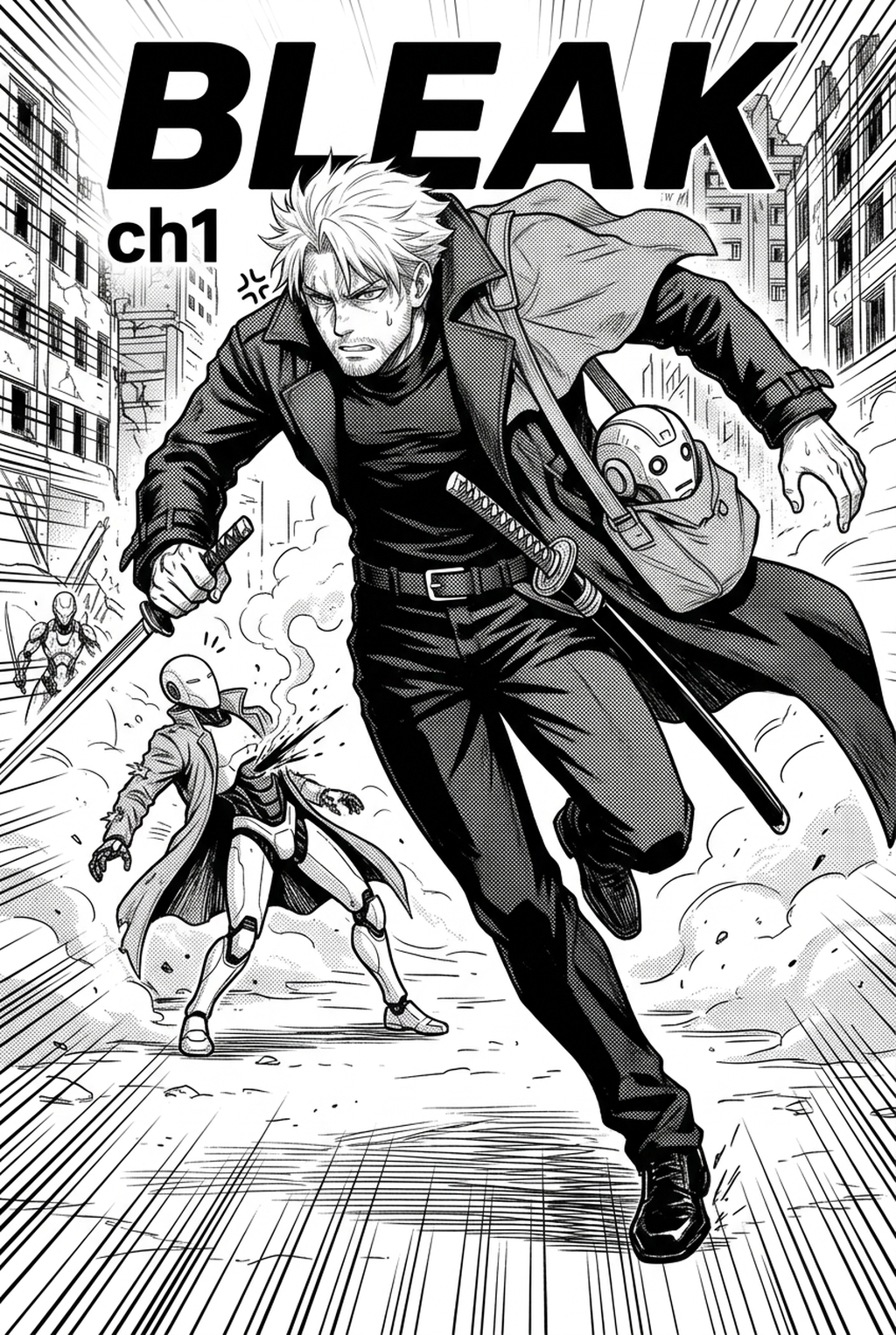
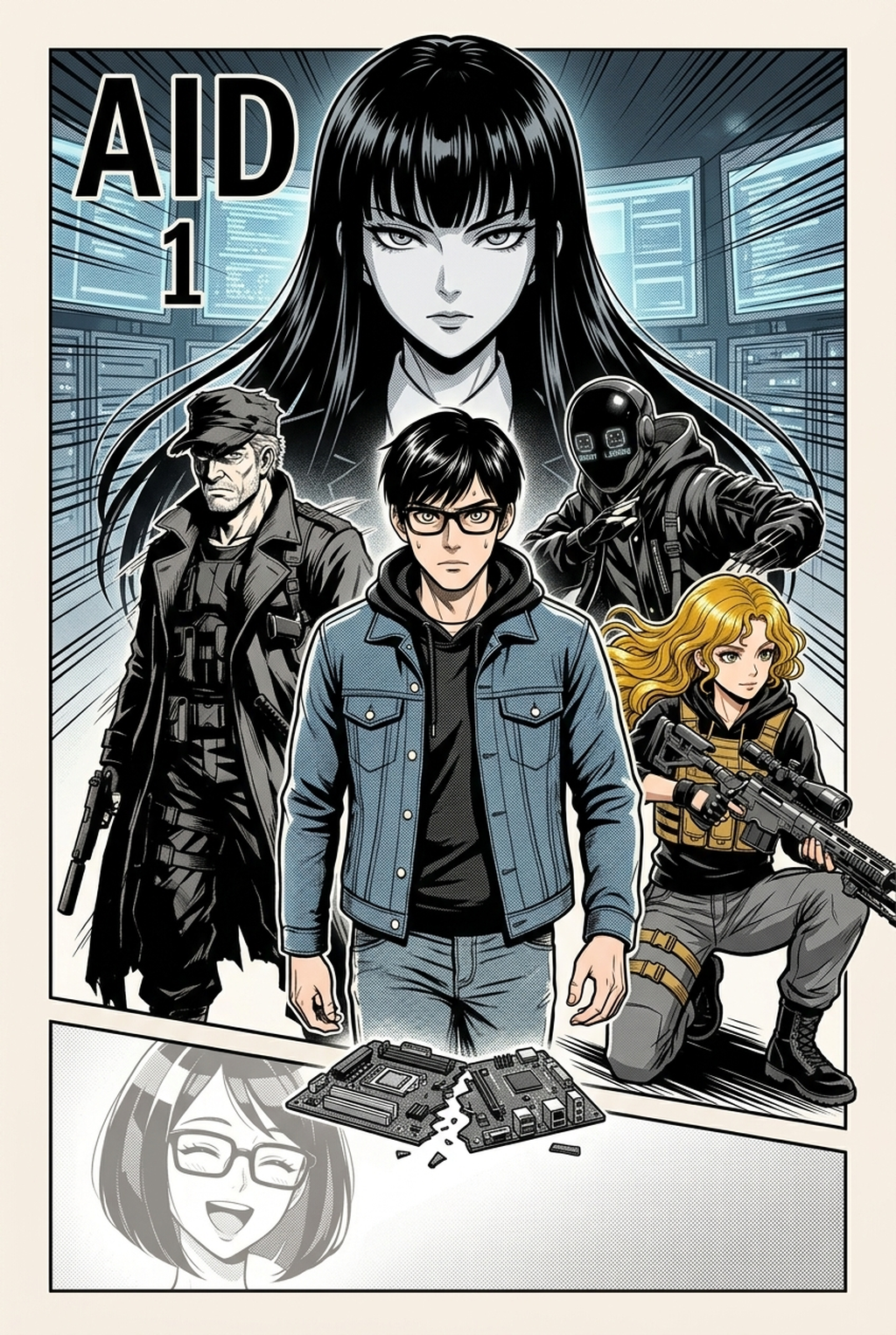
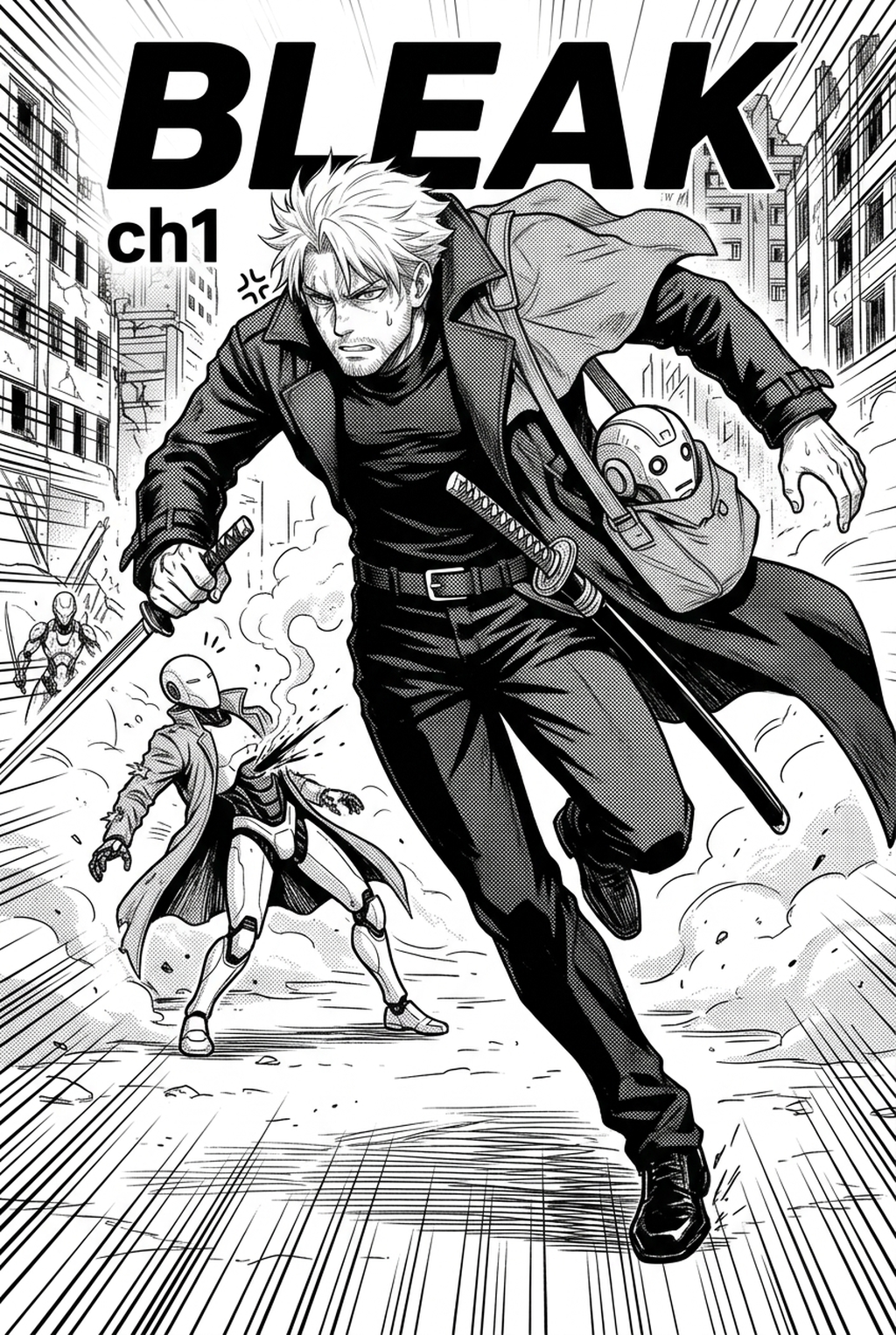
The aesthetic is built upon a foundation of techno-realism, prioritizing intricate mechanical linework that defines the physical presence of cybernetic technology. Artists employ precise cross-hatching to simulate the weight of heavy, industrial machinery, ensuring that every bolt, hydraulic line, and steel beam feels grounded within the page composition.
You must emphasize a cinematic approach by utilizing low-angle perspectives that highlight the scale of urban decay in your backgrounds. By balancing complex depth-of-field with sharp, foreground character focus, you create an atmosphere that feels expansive yet oppressive.
Check character consistency, panel readability, line quality, and export readiness before publishing. Creators should also record why the page passed review, which panel details still need manual cleanup, and which export format the next collaborator will use. That makes the subsection useful instead of leaving a short checklist under a large heading.
Heavy ink weights are necessary to distinguish between fragile human figures and the cold, unyielding environment of a high-tech cityscape. Dense screentones provide the necessary texture to suggest smog, concrete, or reflective surfaces, effectively trapping the reader within the world's architectural constraints rather than letting the composition float in empty white space.
Why AI Manga Style Transfer Matters for Manga Creators
Mastering this visual language allows you to establish immediate shorthand for themes like transhumanism and corporate hegemony without relying on excessive exposition. When your environment feels like a living, breathing mechanical entity, the reader intuitively understands the oppressive power dynamics governing your characters' lives.
Consistent application of these visual markers provides a necessary sense of persistence in your setting, preventing futuristic elements from feeling like abstract digital artifacts. You are not just drawing a backdrop; you are defining a world where hardware design impacts the narrative arc of every character.
The style forces you to focus on the tension between small-scale character design and massive, industrial infrastructure. Successful pages require you to balance the organic movement of your subjects against the rigid, unmoving geometry of the cityscape, a task that often dictates the pacing of your dialogue bubbles and panel flow.
How Ghost in the Shell Art Style Works with Mangaka
Modern neural networks allow you to map these complex visual textures onto your foundational rough sketches, preserving your original composition while applying professional-grade finish. Instead of manually inking thousands of circuit board components, you can leverage trained models that understand the specific stroke-weight and hatching density inherent in this sub-genre.
You maintain total control over your unique character designs by keeping your base sketches as the source, while using the tool to process only the complex background architecture. By isolating specific layers for re-rendering, you ensure that your characters remain consistent across chapters, even while the surrounding environment receives a heavy, high-contrast style pass.
Use Cases for AI Manga Style Transfer
Automating the production of dense, greeble-heavy cityscapes is the most efficient way to reduce the weeks of manual labor usually required to detail a single industrial environment. You can produce, for instance, a 10-panel spread filled with intricate pipework and urban ruins in a fraction of the time, keeping your production schedule on track while maintaining high aesthetic fidelity.
Artists frequently use the tool to iterate on different levels of grit during the storyboard phase, ensuring that the visual tone matches the mood of specific narrative beats. By adjusting the output density, you can test whether a panel needs more industrial detail or clearer space for dialogue before committing to the final inking phase.
Maintaining a standardized look for cybernetic implants and complex weaponry across multiple chapters is notoriously difficult. By using a style-consistent model to process these mechanical elements, you eliminate the risk of proportion drift or misplaced details that often plague long-running series.
How to Get Started with Mangaka
Begin by isolating the mechanical elements of your draft, using the tool to re-render these specific areas before merging them with your hand-drawn character line art. This targeted approach ensures the final output remains "yours" while gaining the atmospheric weight of a professional industrial background.
- Refined Output Settings. You should balance the raw, hand-drawn feel of your sketches with the refined, digital-ink look synonymous with this style. By adjusting the intensity of the cross-hatching and the depth of the shadows, you find the exact middle ground between loose, creative gesture and technical, precise finish. You can begin experimenting with these workflows directly at Ghost in the Shell art style to optimize your production production process today.
- Before Export. Creators should compare the generated line art with the original sketch and confirm that facial expressions, props, speed lines, and speech-bubble space still support the scene. A repeatable review pass should cover character consistency, panel readability, background clarity, and whether the final file is ready for coloring, lettering, or editor feedback.
- For Longer Projects. Creators should save approved examples of line weight, face detail, clothing folds, and background density. Those references keep later chapters closer to the intended style. For collaboration, creators should mark which panels are final and which panels still need redraws. Clear status labels prevent an assistant, editor, or colorist from polishing the wrong version.
The Bottom Line
Mastering this aesthetic is less about mimicking historical works and more about understanding the relationship between detailed hardware and narrative atmosphere. By leveraging Ghost in the Shell art style for your most labor-intensive panels, you can focus on storytelling rather than the technical burden of manual inking. The most successful creators will use these tools to augment their own artistic perspective, creating a visual language that honors the genre's legacy while evolving the medium for a new generation.