Free Comic Creator in India: Start Simply
Direct Answer: To use free comic creator in India, start with a specific premise and a reader context, turn the script into visual beats, define consistent characters, and review every panel. AI can shorten production time, but the creator remains responsible for language, cultural detail, sequence, lettering, accessibility, originality, and the final publishing decision.
TL;DR
- To use free comic creator in India, start with a specific premise and a reader context, turn the script into visual beats, define consistent characters, and review every panel. AI can shorten production time, but the creator remains responsible for language, cultural detail, sequence, lettering, accessibility, originality, and the final publishing decision.
- Primary keyword: free comic creator
- Review the story, continuity, lettering, accessibility, originality, and publishing package before release.
 <img src="https://www.mangaka.app/_emdash/api/media/file/01KR1KPMAEFMYJY79R0B8SY07T.png" alt="Иллюстрация по теме free comic creator, шаг 1" />
Choose an Indian reader context
Start by naming the Indian reader context, the emotion, and the practical decision related to choose an indian reader context. Write the visual goal in plain English and note any local detail that must be accurate before rendering. Keep “free comic creator” tied to a useful creator task rather than repeating the phrase without meaning. A dependable brief separates fixed story facts from flexible visual choices and explains how to review both. If a scene is unclear, reduce it to an action, reaction, setting cue, and short line that remains readable on mobile. Review in passes: story, continuity, lettering, cultural detail, accessibility, and export quality. The creator should compare the result with the brief and change the instruction when an image looks polished but feels wrong. Keep a compact style sheet for names, clothing, locations, language choices, and recurring visual details. Local specificity should be concrete and respectful; it should never be used as a shortcut or a stereotype.
Shape the premise for local clarity
Write the visual goal in plain English and note any local detail that must be accurate before rendering. Keep “free comic creator” tied to a useful creator task rather than repeating the phrase without meaning. A dependable brief separates fixed story facts from flexible visual choices and explains how to review both. If a scene is unclear, reduce it to an action, reaction, setting cue, and short line that remains readable on mobile. Review in passes: story, continuity, lettering, cultural detail, accessibility, and export quality. The creator should compare the result with the brief and change the instruction when an image looks polished but feels wrong. Keep a compact style sheet for names, clothing, locations, language choices, and recurring visual details. Local specificity should be concrete and respectful; it should never be used as a shortcut or a stereotype. End with a simple check that a student, indie writer, or mobile reader could understand without extra explanation.
Write characters with specific detail
Keep “free comic creator” tied to a useful creator task rather than repeating the phrase without meaning. A dependable brief separates fixed story facts from flexible visual choices and explains how to review both. If a scene is unclear, reduce it to an action, reaction, setting cue, and short line that remains readable on mobile. Review in passes: story, continuity, lettering, cultural detail, accessibility, and export quality. The creator should compare the result with the brief and change the instruction when an image looks polished but feels wrong. Keep a compact style sheet for names, clothing, locations, language choices, and recurring visual details. Local specificity should be concrete and respectful; it should never be used as a shortcut or a stereotype. End with a simple check that a student, indie writer, or mobile reader could understand without extra explanation. Start by naming the Indian reader context, the emotion, and the practical decision related to write characters with specific detail.
Plan a page rhythm that travels
A dependable brief separates fixed story facts from flexible visual choices and explains how to review both. If a scene is unclear, reduce it to an action, reaction, setting cue, and short line that remains readable on mobile. Review in passes: story, continuity, lettering, cultural detail, accessibility, and export quality. The creator should compare the result with the brief and change the instruction when an image looks polished but feels wrong. Keep a compact style sheet for names, clothing, locations, language choices, and recurring visual details. Local specificity should be concrete and respectful; it should never be used as a shortcut or a stereotype. End with a simple check that a student, indie writer, or mobile reader could understand without extra explanation. Start by naming the Indian reader context, the emotion, and the practical decision related to plan a page rhythm that travels. Write the visual goal in plain English and note any local detail that must be accurate before rendering.
Practical check
- Review in passes: story, continuity, lettering, cultural detail, accessibility, and export quality.
- The creator should compare the result with the brief and change the instruction when an image looks polished but feels wrong.
- Keep a compact style sheet for names, clothing, locations, language choices, and recurring visual details.
- Local specificity should be concrete and respectful; it should never be used as a shortcut or a stereotype.
- End with a simple check that a student, indie writer, or mobile reader could understand without extra explanation.
Break scenes into panels
If a scene is unclear, reduce it to an action, reaction, setting cue, and short line that remains readable on mobile. Review in passes: story, continuity, lettering, cultural detail, accessibility, and export quality. The creator should compare the result with the brief and change the instruction when an image looks polished but feels wrong. Keep a compact style sheet for names, clothing, locations, language choices, and recurring visual details. Local specificity should be concrete and respectful; it should never be used as a shortcut or a stereotype. End with a simple check that a student, indie writer, or mobile reader could understand without extra explanation. Start by naming the Indian reader context, the emotion, and the practical decision related to break scenes into panels. Write the visual goal in plain English and note any local detail that must be accurate before rendering. Keep “free comic creator” tied to a useful creator task rather than repeating the phrase without meaning.
Keep dialogue easy to read
Review in passes: story, continuity, lettering, cultural detail, accessibility, and export quality. The creator should compare the result with the brief and change the instruction when an image looks polished but feels wrong. Keep a compact style sheet for names, clothing, locations, language choices, and recurring visual details. Local specificity should be concrete and respectful; it should never be used as a shortcut or a stereotype. End with a simple check that a student, indie writer, or mobile reader could understand without extra explanation. Start by naming the Indian reader context, the emotion, and the practical decision related to keep dialogue easy to read. Write the visual goal in plain English and note any local detail that must be accurate before rendering. Keep “free comic creator” tied to a useful creator task rather than repeating the phrase without meaning. A dependable brief separates fixed story facts from flexible visual choices and explains how to review both.
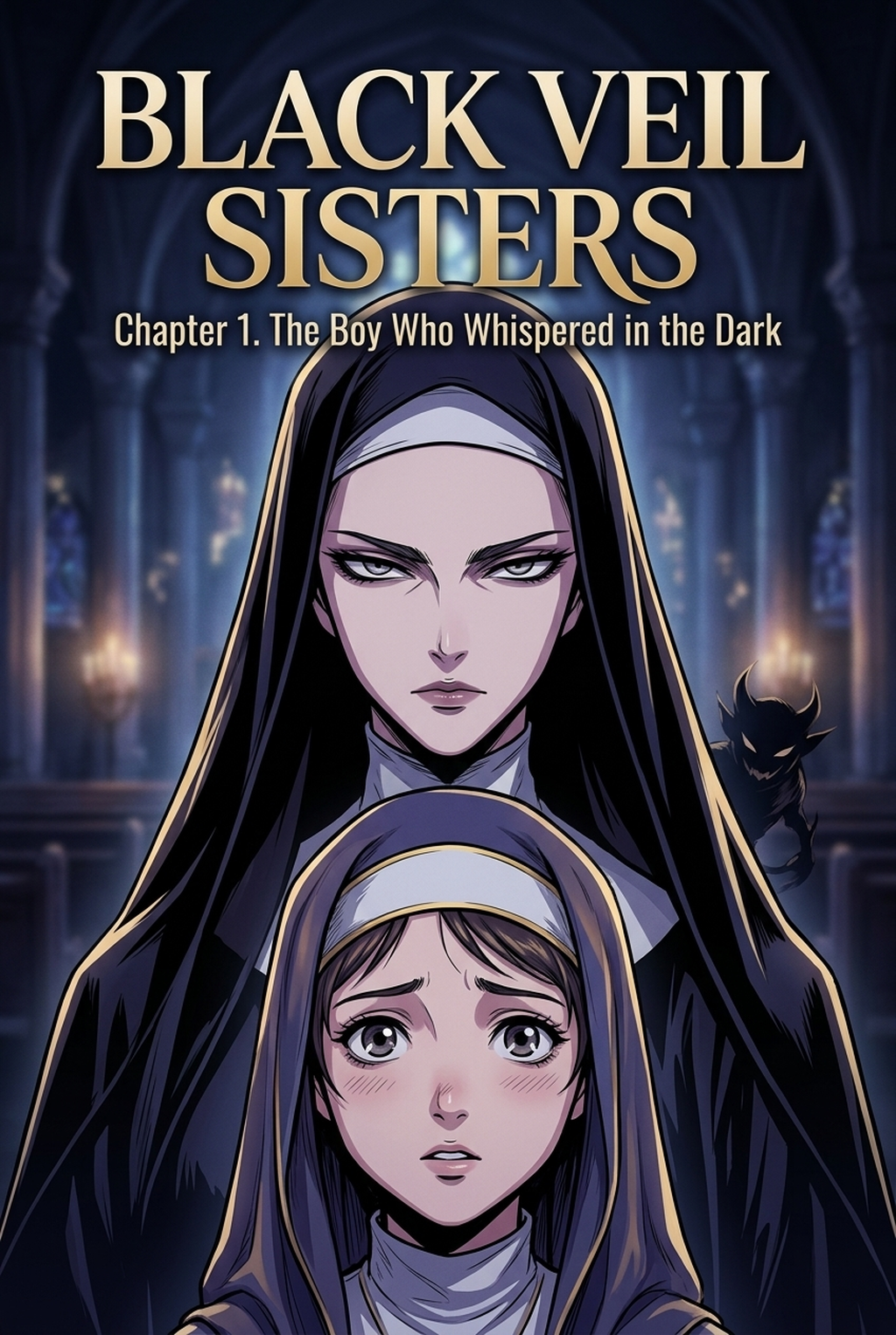
 <img src="https://www.mangaka.app/_emdash/api/media/file/01KR3JEDN8TN2J2ZP1D3C32N9Z.png" alt="Иллюстрация по теме free comic creator, шаг 3" />
Use local references with care
The creator should compare the result with the brief and change the instruction when an image looks polished but feels wrong. Keep a compact style sheet for names, clothing, locations, language choices, and recurring visual details. Local specificity should be concrete and respectful; it should never be used as a shortcut or a stereotype. End with a simple check that a student, indie writer, or mobile reader could understand without extra explanation. Start by naming the Indian reader context, the emotion, and the practical decision related to use local references with care. Write the visual goal in plain English and note any local detail that must be accurate before rendering. Keep “free comic creator” tied to a useful creator task rather than repeating the phrase without meaning. A dependable brief separates fixed story facts from flexible visual choices and explains how to review both. If a scene is unclear, reduce it to an action, reaction, setting cue, and short line that remains readable on mobile.
Review consistency across episodes
Keep a compact style sheet for names, clothing, locations, language choices, and recurring visual details. Local specificity should be concrete and respectful; it should never be used as a shortcut or a stereotype. End with a simple check that a student, indie writer, or mobile reader could understand without extra explanation. Start by naming the Indian reader context, the emotion, and the practical decision related to review consistency across episodes. Write the visual goal in plain English and note any local detail that must be accurate before rendering. Keep “free comic creator” tied to a useful creator task rather than repeating the phrase without meaning. A dependable brief separates fixed story facts from flexible visual choices and explains how to review both. If a scene is unclear, reduce it to an action, reaction, setting cue, and short line that remains readable on mobile. Review in passes: story, continuity, lettering, cultural detail, accessibility, and export quality.
Practical check
- End with a simple check that a student, indie writer, or mobile reader could understand without extra explanation.
- Start by naming the Indian reader context, the emotion, and the practical decision related to review consistency across episodes.
- Write the visual goal in plain English and note any local detail that must be accurate before rendering.
- Keep “free comic creator” tied to a useful creator task rather than repeating the phrase without meaning.
- A dependable brief separates fixed story facts from flexible visual choices and explains how to review both.
Adapt for mobile readers
Local specificity should be concrete and respectful; it should never be used as a shortcut or a stereotype. End with a simple check that a student, indie writer, or mobile reader could understand without extra explanation. Start by naming the Indian reader context, the emotion, and the practical decision related to adapt for mobile readers. Write the visual goal in plain English and note any local detail that must be accurate before rendering. Keep “free comic creator” tied to a useful creator task rather than repeating the phrase without meaning. A dependable brief separates fixed story facts from flexible visual choices and explains how to review both. If a scene is unclear, reduce it to an action, reaction, setting cue, and short line that remains readable on mobile. Review in passes: story, continuity, lettering, cultural detail, accessibility, and export quality. The creator should compare the result with the brief and change the instruction when an image looks polished but feels wrong.
Build a practical revision loop
End with a simple check that a student, indie writer, or mobile reader could understand without extra explanation. Start by naming the Indian reader context, the emotion, and the practical decision related to build a practical revision loop. Write the visual goal in plain English and note any local detail that must be accurate before rendering. Keep “free comic creator” tied to a useful creator task rather than repeating the phrase without meaning. A dependable brief separates fixed story facts from flexible visual choices and explains how to review both. If a scene is unclear, reduce it to an action, reaction, setting cue, and short line that remains readable on mobile. Review in passes: story, continuity, lettering, cultural detail, accessibility, and export quality. The creator should compare the result with the brief and change the instruction when an image looks polished but feels wrong. Keep a compact style sheet for names, clothing, locations, language choices, and recurring visual details.
Add useful image descriptions
Start by naming the Indian reader context, the emotion, and the practical decision related to add useful image descriptions. Write the visual goal in plain English and note any local detail that must be accurate before rendering. Keep “free comic creator” tied to a useful creator task rather than repeating the phrase without meaning. A dependable brief separates fixed story facts from flexible visual choices and explains how to review both. If a scene is unclear, reduce it to an action, reaction, setting cue, and short line that remains readable on mobile. Review in passes: story, continuity, lettering, cultural detail, accessibility, and export quality. The creator should compare the result with the brief and change the instruction when an image looks polished but feels wrong. Keep a compact style sheet for names, clothing, locations, language choices, and recurring visual details. Local specificity should be concrete and respectful; it should never be used as a shortcut or a stereotype.
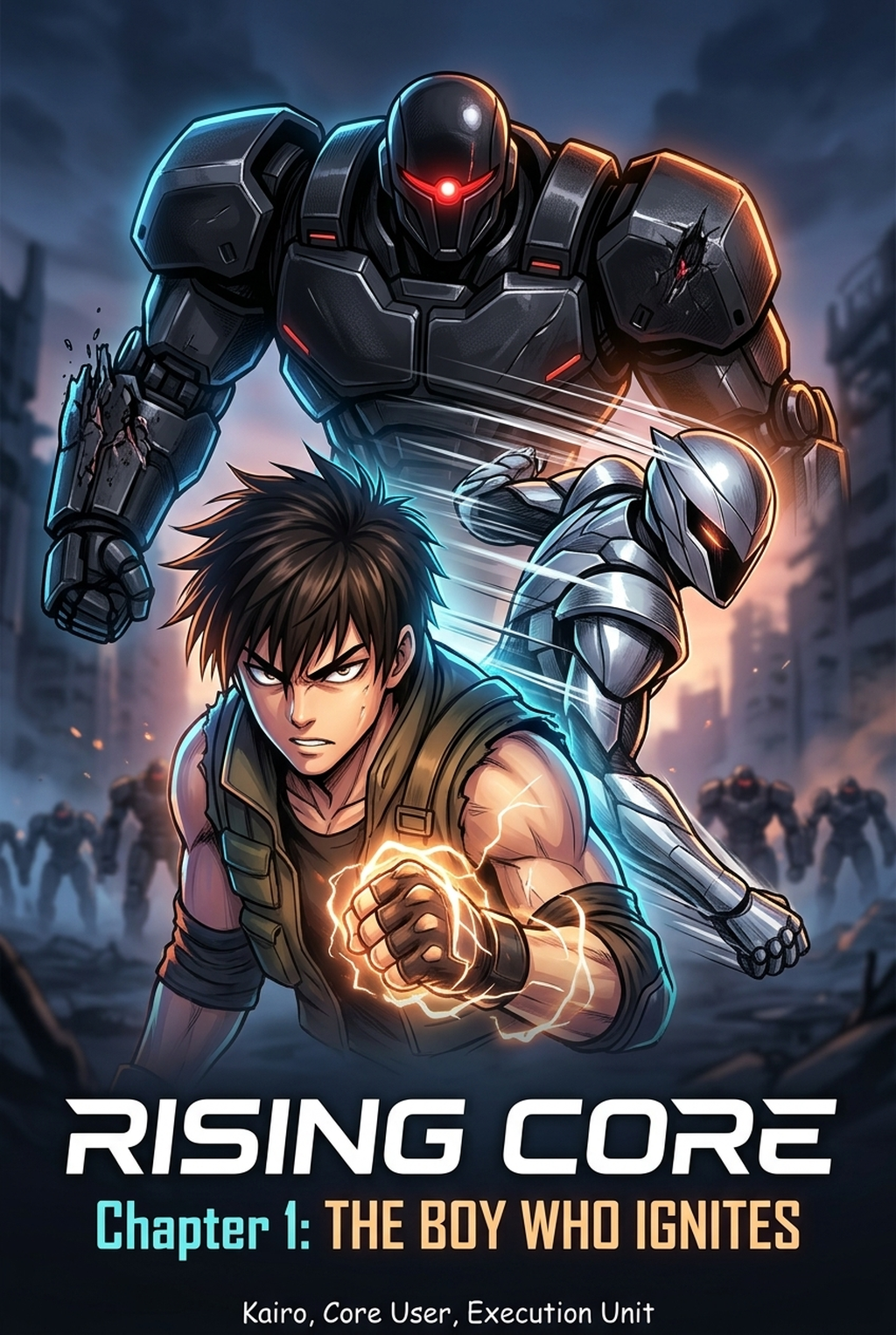
 <img src="https://www.mangaka.app/_emdash/api/media/file/01KRB635DYH9EDHN6P7T8EP1ZN.png" alt="Иллюстрация по теме free comic creator, шаг 4" />
Prepare a clean publishing package
Write the visual goal in plain English and note any local detail that must be accurate before rendering. Keep “free comic creator” tied to a useful creator task rather than repeating the phrase without meaning. A dependable brief separates fixed story facts from flexible visual choices and explains how to review both. If a scene is unclear, reduce it to an action, reaction, setting cue, and short line that remains readable on mobile. Review in passes: story, continuity, lettering, cultural detail, accessibility, and export quality. The creator should compare the result with the brief and change the instruction when an image looks polished but feels wrong. Keep a compact style sheet for names, clothing, locations, language choices, and recurring visual details. Local specificity should be concrete and respectful; it should never be used as a shortcut or a stereotype. End with a simple check that a student, indie writer, or mobile reader could understand without extra explanation.
Practical check
- A dependable brief separates fixed story facts from flexible visual choices and explains how to review both.
- If a scene is unclear, reduce it to an action, reaction, setting cue, and short line that remains readable on mobile.
- Review in passes: story, continuity, lettering, cultural detail, accessibility, and export quality.
- The creator should compare the result with the brief and change the instruction when an image looks polished but feels wrong.
- Keep a compact style sheet for names, clothing, locations, language choices, and recurring visual details.
Track reader understanding
Keep “free comic creator” tied to a useful creator task rather than repeating the phrase without meaning. A dependable brief separates fixed story facts from flexible visual choices and explains how to review both. If a scene is unclear, reduce it to an action, reaction, setting cue, and short line that remains readable on mobile. Review in passes: story, continuity, lettering, cultural detail, accessibility, and export quality. The creator should compare the result with the brief and change the instruction when an image looks polished but feels wrong. Keep a compact style sheet for names, clothing, locations, language choices, and recurring visual details. Local specificity should be concrete and respectful; it should never be used as a shortcut or a stereotype. End with a simple check that a student, indie writer, or mobile reader could understand without extra explanation. Start by naming the Indian reader context, the emotion, and the practical decision related to track reader understanding.
Use AI without losing authorship
A dependable brief separates fixed story facts from flexible visual choices and explains how to review both. If a scene is unclear, reduce it to an action, reaction, setting cue, and short line that remains readable on mobile. Review in passes: story, continuity, lettering, cultural detail, accessibility, and export quality. The creator should compare the result with the brief and change the instruction when an image looks polished but feels wrong. Keep a compact style sheet for names, clothing, locations, language choices, and recurring visual details. Local specificity should be concrete and respectful; it should never be used as a shortcut or a stereotype. End with a simple check that a student, indie writer, or mobile reader could understand without extra explanation. Start by naming the Indian reader context, the emotion, and the practical decision related to use ai without losing authorship. Write the visual goal in plain English and note any local detail that must be accurate before rendering.
Keep the concept original
If a scene is unclear, reduce it to an action, reaction, setting cue, and short line that remains readable on mobile. Review in passes: story, continuity, lettering, cultural detail, accessibility, and export quality. The creator should compare the result with the brief and change the instruction when an image looks polished but feels wrong. Keep a compact style sheet for names, clothing, locations, language choices, and recurring visual details. Local specificity should be concrete and respectful; it should never be used as a shortcut or a stereotype. End with a simple check that a student, indie writer, or mobile reader could understand without extra explanation. Start by naming the Indian reader context, the emotion, and the practical decision related to keep the concept original. Write the visual goal in plain English and note any local detail that must be accurate before rendering. Keep “free comic creator” tied to a useful creator task rather than repeating the phrase without meaning.
Create a repeatable checklist
Review in passes: story, continuity, lettering, cultural detail, accessibility, and export quality. The creator should compare the result with the brief and change the instruction when an image looks polished but feels wrong. Keep a compact style sheet for names, clothing, locations, language choices, and recurring visual details. Local specificity should be concrete and respectful; it should never be used as a shortcut or a stereotype. End with a simple check that a student, indie writer, or mobile reader could understand without extra explanation. Start by naming the Indian reader context, the emotion, and the practical decision related to create a repeatable checklist. Write the visual goal in plain English and note any local detail that must be accurate before rendering. Keep “free comic creator” tied to a useful creator task rather than repeating the phrase without meaning. A dependable brief separates fixed story facts from flexible visual choices and explains how to review both.
Practical check
- Keep a compact style sheet for names, clothing, locations, language choices, and recurring visual details.
- Local specificity should be concrete and respectful; it should never be used as a shortcut or a stereotype.
- End with a simple check that a student, indie writer, or mobile reader could understand without extra explanation.
- Start by naming the Indian reader context, the emotion, and the practical decision related to create a repeatable checklist.
- Write the visual goal in plain English and note any local detail that must be accurate before rendering.
Pilot one short chapter
The creator should compare the result with the brief and change the instruction when an image looks polished but feels wrong. Keep a compact style sheet for names, clothing, locations, language choices, and recurring visual details. Local specificity should be concrete and respectful; it should never be used as a shortcut or a stereotype. End with a simple check that a student, indie writer, or mobile reader could understand without extra explanation. Start by naming the Indian reader context, the emotion, and the practical decision related to pilot one short chapter. Write the visual goal in plain English and note any local detail that must be accurate before rendering. Keep “free comic creator” tied to a useful creator task rather than repeating the phrase without meaning. A dependable brief separates fixed story facts from flexible visual choices and explains how to review both. If a scene is unclear, reduce it to an action, reaction, setting cue, and short line that remains readable on mobile.
Fix confusing panels first
Keep a compact style sheet for names, clothing, locations, language choices, and recurring visual details. Local specificity should be concrete and respectful; it should never be used as a shortcut or a stereotype. End with a simple check that a student, indie writer, or mobile reader could understand without extra explanation. Start by naming the Indian reader context, the emotion, and the practical decision related to fix confusing panels first. Write the visual goal in plain English and note any local detail that must be accurate before rendering. Keep “free comic creator” tied to a useful creator task rather than repeating the phrase without meaning. A dependable brief separates fixed story facts from flexible visual choices and explains how to review both. If a scene is unclear, reduce it to an action, reaction, setting cue, and short line that remains readable on mobile. Review in passes: story, continuity, lettering, cultural detail, accessibility, and export quality.
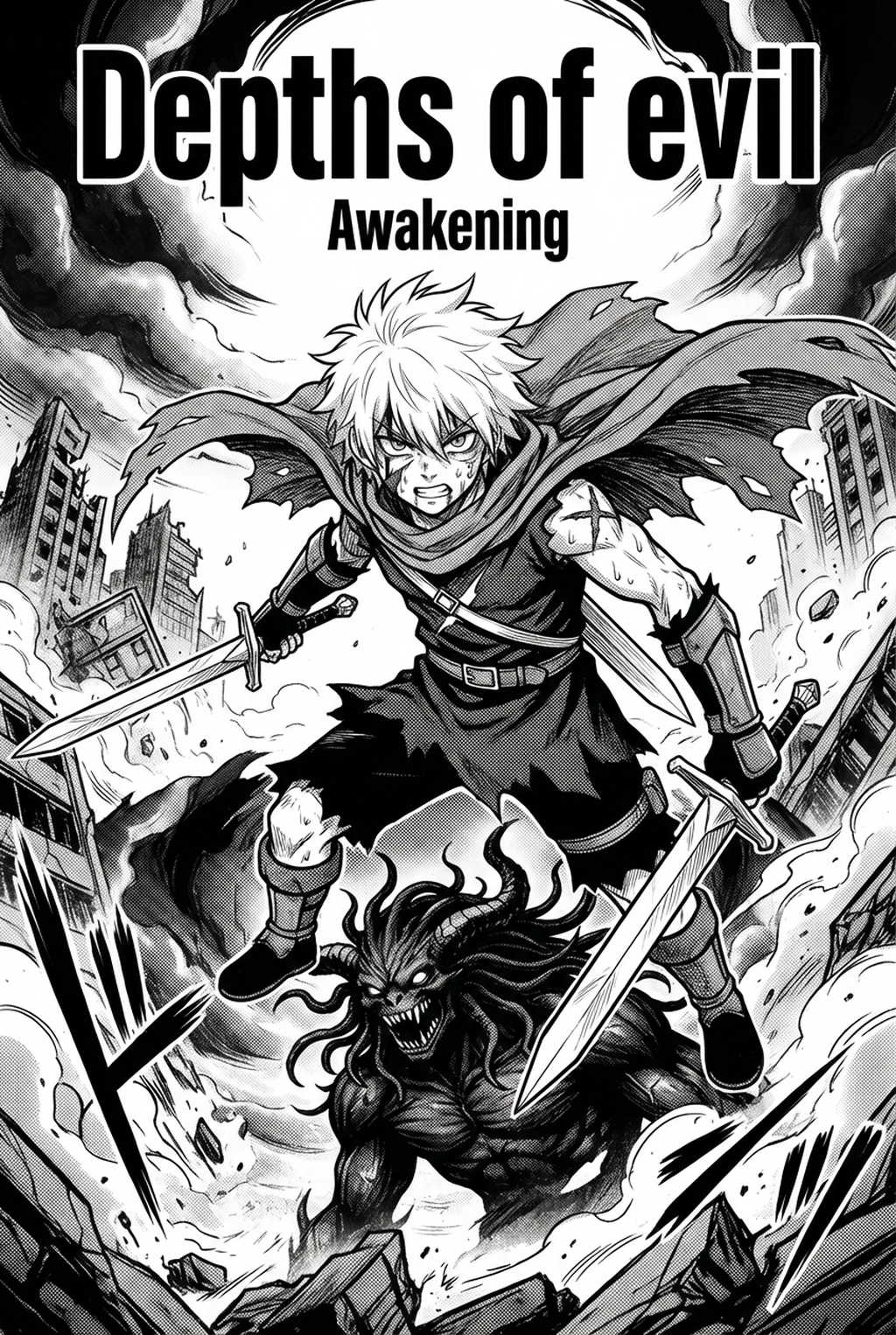
 <img src="https://www.mangaka.app/_emdash/api/media/file/01KR5RK1FX0SNQT25SCAVR51YP.png" alt="Иллюстрация по теме free comic creator, шаг 5" />
Plan a series sustainably
Local specificity should be concrete and respectful; it should never be used as a shortcut or a stereotype. End with a simple check that a student, indie writer, or mobile reader could understand without extra explanation. Start by naming the Indian reader context, the emotion, and the practical decision related to plan a series sustainably. Write the visual goal in plain English and note any local detail that must be accurate before rendering. Keep “free comic creator” tied to a useful creator task rather than repeating the phrase without meaning. A dependable brief separates fixed story facts from flexible visual choices and explains how to review both. If a scene is unclear, reduce it to an action, reaction, setting cue, and short line that remains readable on mobile. Review in passes: story, continuity, lettering, cultural detail, accessibility, and export quality. The creator should compare the result with the brief and change the instruction when an image looks polished but feels wrong.
Ask readers focused questions
End with a simple check that a student, indie writer, or mobile reader could understand without extra explanation. Start by naming the Indian reader context, the emotion, and the practical decision related to ask readers focused questions. Write the visual goal in plain English and note any local detail that must be accurate before rendering. Keep “free comic creator” tied to a useful creator task rather than repeating the phrase without meaning. A dependable brief separates fixed story facts from flexible visual choices and explains how to review both. If a scene is unclear, reduce it to an action, reaction, setting cue, and short line that remains readable on mobile. Review in passes: story, continuity, lettering, cultural detail, accessibility, and export quality. The creator should compare the result with the brief and change the instruction when an image looks polished but feels wrong. Keep a compact style sheet for names, clothing, locations, language choices, and recurring visual details.
Practical check
- Write the visual goal in plain English and note any local detail that must be accurate before rendering.
- Keep “free comic creator” tied to a useful creator task rather than repeating the phrase without meaning.
- A dependable brief separates fixed story facts from flexible visual choices and explains how to review both.
- If a scene is unclear, reduce it to an action, reaction, setting cue, and short line that remains readable on mobile.
- Review in passes: story, continuity, lettering, cultural detail, accessibility, and export quality.
Handle English and Indian terms
Start by naming the Indian reader context, the emotion, and the practical decision related to handle english and indian terms. Write the visual goal in plain English and note any local detail that must be accurate before rendering. Keep “free comic creator” tied to a useful creator task rather than repeating the phrase without meaning. A dependable brief separates fixed story facts from flexible visual choices and explains how to review both. If a scene is unclear, reduce it to an action, reaction, setting cue, and short line that remains readable on mobile. Review in passes: story, continuity, lettering, cultural detail, accessibility, and export quality. The creator should compare the result with the brief and change the instruction when an image looks polished but feels wrong. Keep a compact style sheet for names, clothing, locations, language choices, and recurring visual details. Local specificity should be concrete and respectful; it should never be used as a shortcut or a stereotype.
Record creative decisions
Write the visual goal in plain English and note any local detail that must be accurate before rendering. Keep “free comic creator” tied to a useful creator task rather than repeating the phrase without meaning. A dependable brief separates fixed story facts from flexible visual choices and explains how to review both. If a scene is unclear, reduce it to an action, reaction, setting cue, and short line that remains readable on mobile. Review in passes: story, continuity, lettering, cultural detail, accessibility, and export quality. The creator should compare the result with the brief and change the instruction when an image looks polished but feels wrong. Keep a compact style sheet for names, clothing, locations, language choices, and recurring visual details. Local specificity should be concrete and respectful; it should never be used as a shortcut or a stereotype. End with a simple check that a student, indie writer, or mobile reader could understand without extra explanation.
Publish a clear synopsis
Keep “free comic creator” tied to a useful creator task rather than repeating the phrase without meaning. A dependable brief separates fixed story facts from flexible visual choices and explains how to review both. If a scene is unclear, reduce it to an action, reaction, setting cue, and short line that remains readable on mobile. Review in passes: story, continuity, lettering, cultural detail, accessibility, and export quality. The creator should compare the result with the brief and change the instruction when an image looks polished but feels wrong. Keep a compact style sheet for names, clothing, locations, language choices, and recurring visual details. Local specificity should be concrete and respectful; it should never be used as a shortcut or a stereotype. End with a simple check that a student, indie writer, or mobile reader could understand without extra explanation. Start by naming the Indian reader context, the emotion, and the practical decision related to publish a clear synopsis.
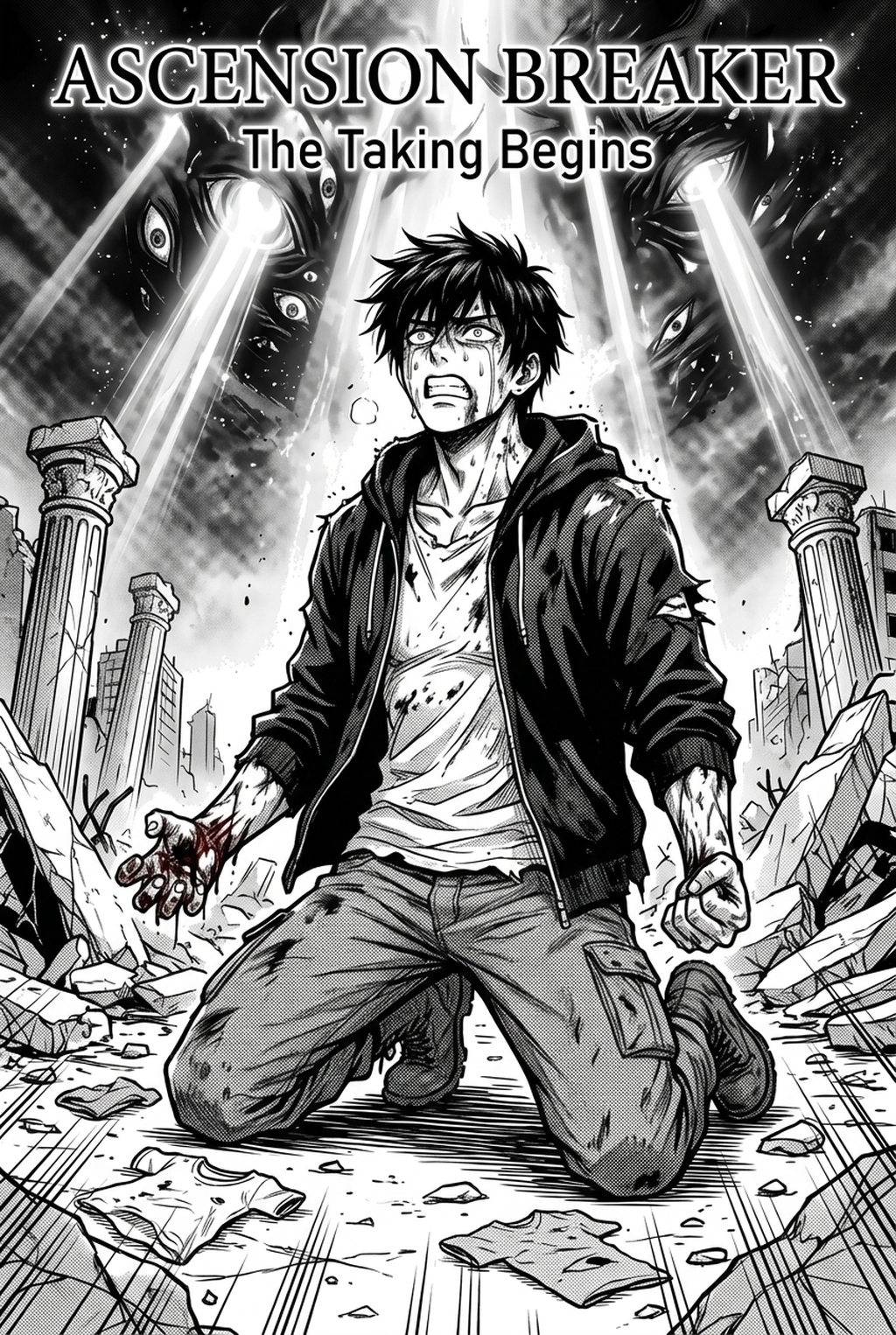
 <img src="https://www.mangaka.app/_emdash/api/media/file/01KR1PJ915N3KDSSKCSN3C2C7V.png" alt="Иллюстрация по теме free comic creator, шаг 2" />
Final checklist
A dependable brief separates fixed story facts from flexible visual choices and explains how to review both. If a scene is unclear, reduce it to an action, reaction, setting cue, and short line that remains readable on mobile. Review in passes: story, continuity, lettering, cultural detail, accessibility, and export quality. The creator should compare the result with the brief and change the instruction when an image looks polished but feels wrong. Keep a compact style sheet for names, clothing, locations, language choices, and recurring visual details. Local specificity should be concrete and respectful; it should never be used as a shortcut or a stereotype. End with a simple check that a student, indie writer, or mobile reader could understand without extra explanation. Start by naming the Indian reader context, the emotion, and the practical decision related to final checklist. Write the visual goal in plain English and note any local detail that must be accurate before rendering.
References and next steps
Use the following first-party and public references as starting points; read each source in its current form before making a legal, technical, or publishing decision.
- Mangaka reference
- Mangaka reference
- Mangaka reference
- Mangaka reference
- Mangaka reference
- Mangaka reference
- Public reference
- Public reference
- Public reference
- Public reference
- Public reference
- Public reference
FAQ
Can an Indian beginner use this workflow?
Yes. Start with one short scene and a clear reader context. Review names, places, language, clothing, and cultural details instead of assuming that a generic output is locally accurate.
How do I keep characters consistent?
Save a brief with stable traits, expressions, clothing, and speech choices. Compare panels side by side and revise the brief whenever a recurring detail drifts.
How many panels should a page have?
Use the number that makes the action easy to follow on the intended screen. Mobile readers often benefit from generous spacing and a clear reading order.
Should I publish the first generated result?
No. Treat it as a draft and check story logic, continuity, lettering, cultural detail, accessibility, originality, and any rights questions before release.
How can I add useful alt text?
Describe the visible action, characters, setting, and purpose in clear English. Avoid stereotypes, keyword stuffing, and details the image does not show.
Is AI output automatically copyright-free?
No. Rights depend on the work, human contribution, and applicable law. Check current guidance from the relevant authority before commercial publication in India or elsewhere.
<script type="application/ld+json">{"@context": "https://schema.org", "@graph": [{"@type": "ImageObject", "contentUrl": "https://www.mangaka.app/_emdash/api/media/file/01KR1PJ915N3KDSSKCSN3C2C7V.png", "name": "Иллюстрация по теме free comic creator, шаг 2", "caption": "Shape the premise for local clarity"}, {"@type": "ImageObject", "contentUrl": "https://www.mangaka.app/_emdash/api/media/file/01KR3JEDN8TN2J2ZP1D3C32N9Z.png", "name": "Иллюстрация по теме free comic creator, шаг 3", "caption": "Write characters with specific detail"}, {"@type": "ImageObject", "contentUrl": "https://www.mangaka.app/_emdash/api/media/file/01KRB635DYH9EDHN6P7T8EP1ZN.png", "name": "Иллюстрация по теме free comic creator, шаг 4", "caption": "Plan a page rhythm that travels"}, {"@type": "ImageObject", "contentUrl": "https://www.mangaka.app/_emdash/api/media/file/01KR5RK1FX0SNQT25SCAVR51YP.png", "name": "Иллюстрация по теме free comic creator, шаг 5", "caption": "Break scenes into panels"}]}</script> <script type="application/ld+json">{"@context": "https://schema.org", "@type": "FAQPage", "mainEntity": [{"@type": "Question", "name": "Can an Indian beginner use this workflow?", "acceptedAnswer": {"@type": "Answer", "text": "Yes. Start with one short scene and a clear reader context. Review names, places, language, clothing, and cultural details instead of assuming that a generic output is locally accurate."}}, {"@type": "Question", "name": "How do I keep characters consistent?", "acceptedAnswer": {"@type": "Answer", "text": "Save a brief with stable traits, expressions, clothing, and speech choices. Compare panels side by side and revise the brief whenever a recurring detail drifts."}}, {"@type": "Question", "name": "How many panels should a page have?", "acceptedAnswer": {"@type": "Answer", "text": "Use the number that makes the action easy to follow on the intended screen. Mobile readers often benefit from generous spacing and a clear reading order."}}, {"@type": "Question", "name": "Should I publish the first generated result?", "acceptedAnswer": {"@type": "Answer", "text": "No. Treat it as a draft and check story logic, continuity, lettering, cultural detail, accessibility, originality, and any rights questions before release."}}, {"@type": "Question", "name": "How can I add useful alt text?", "acceptedAnswer": {"@type": "Answer", "text": "Describe the visible action, characters, setting, and purpose in clear English. Avoid stereotypes, keyword stuffing, and details the image does not show."}}, {"@type": "Question", "name": "Is AI output automatically copyright-free?", "acceptedAnswer": {"@type": "Answer", "text": "No. Rights depend on the work, human contribution, and applicable law. Check current guidance from the relevant authority before commercial publication in India or elsewhere."}}]}</script>