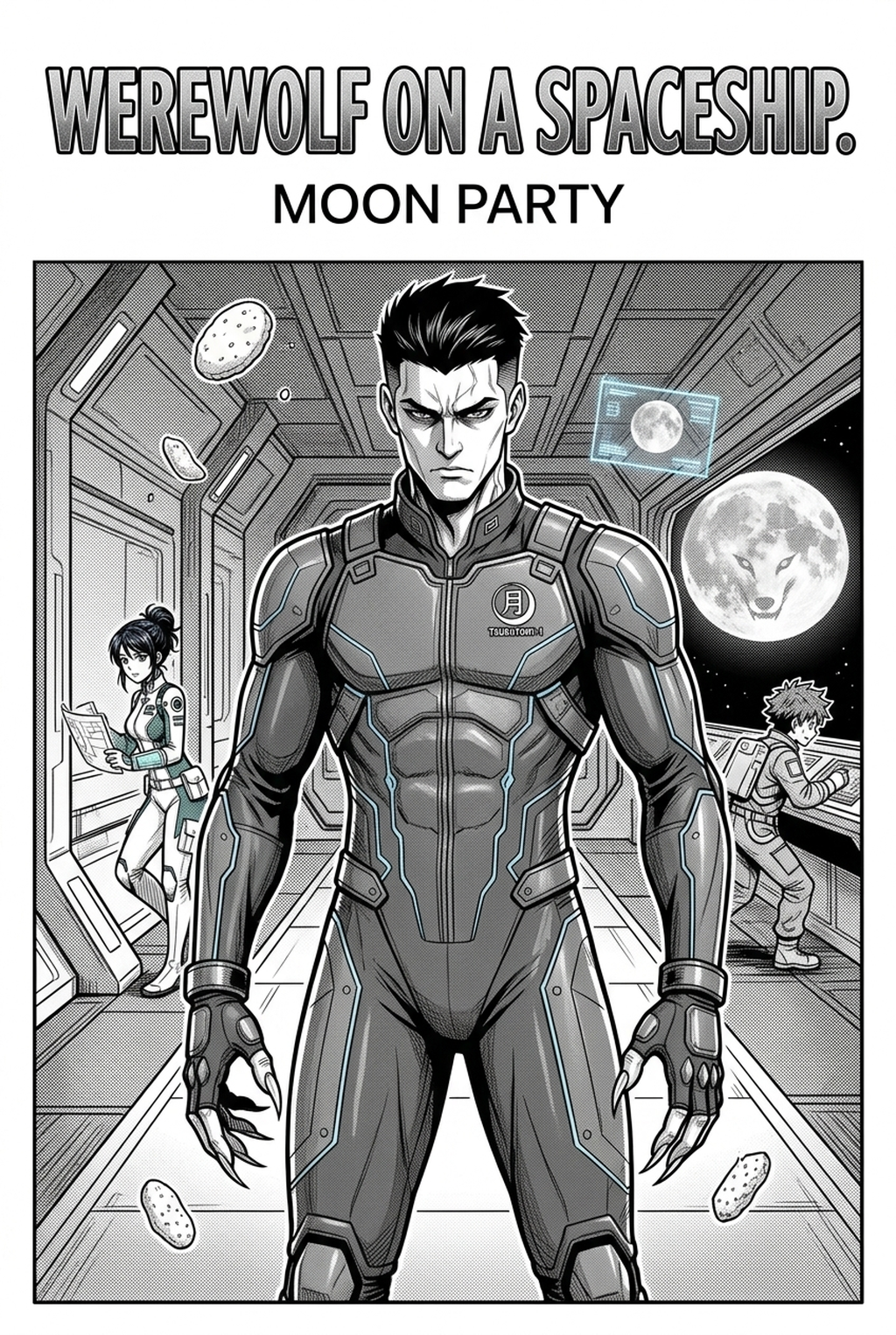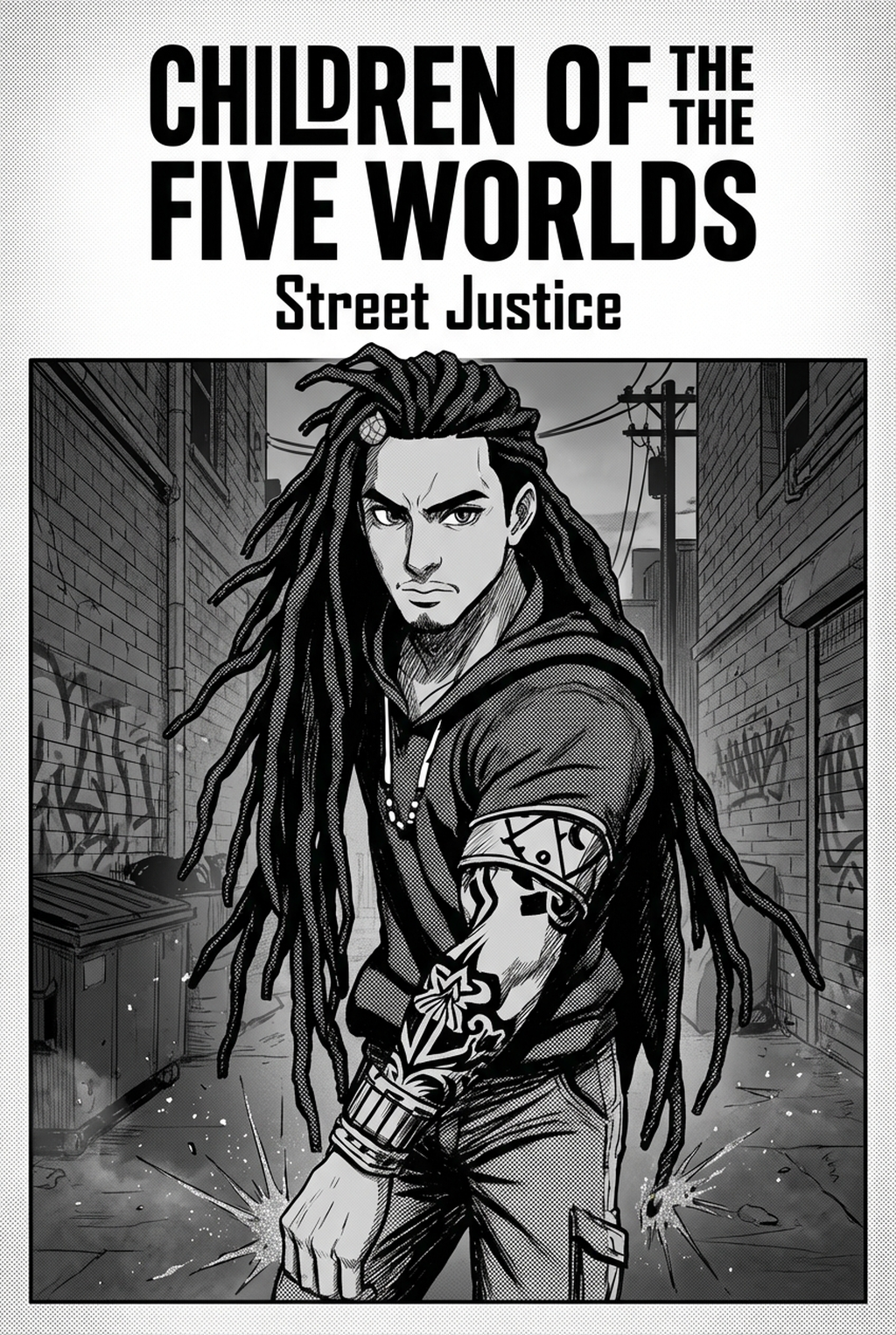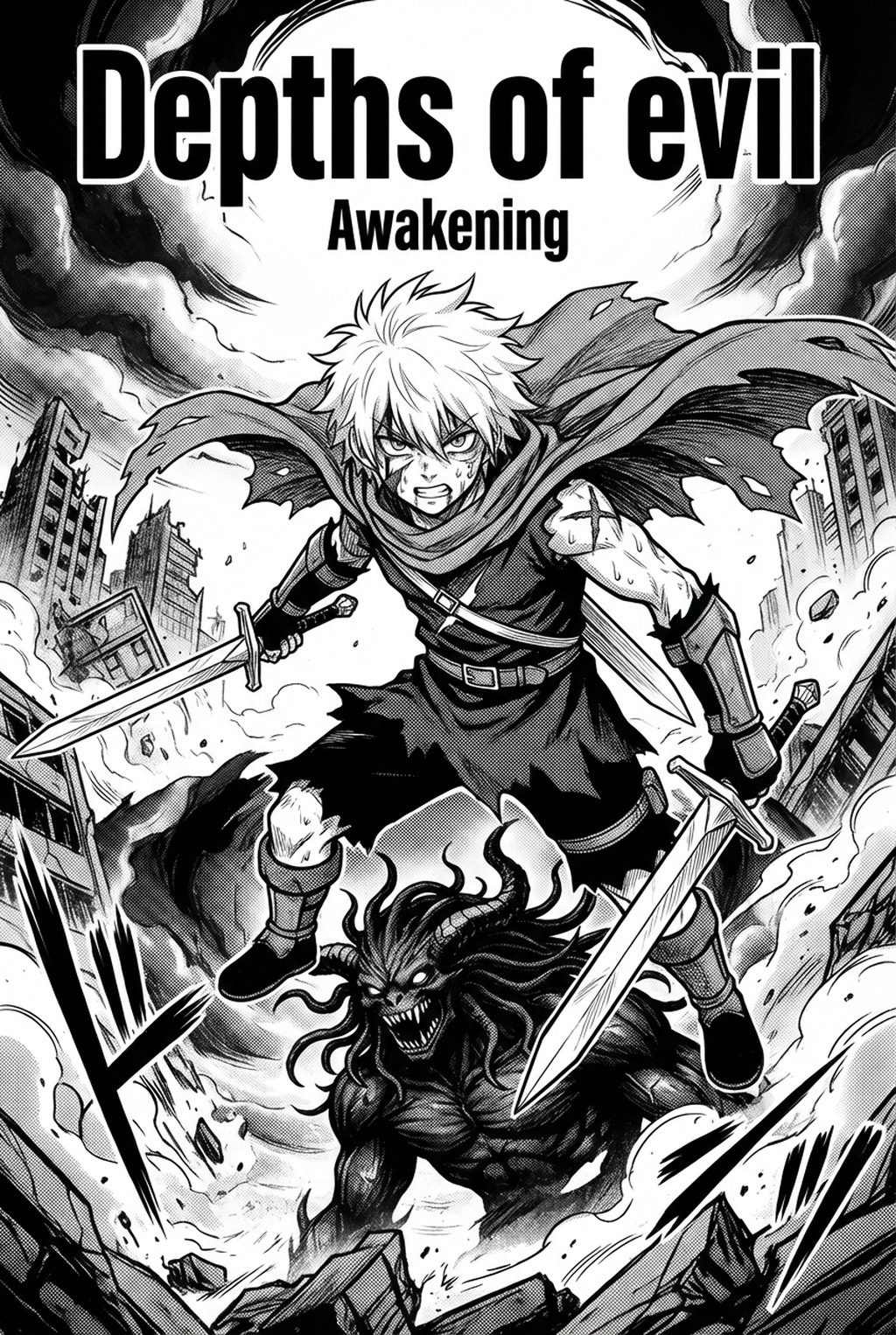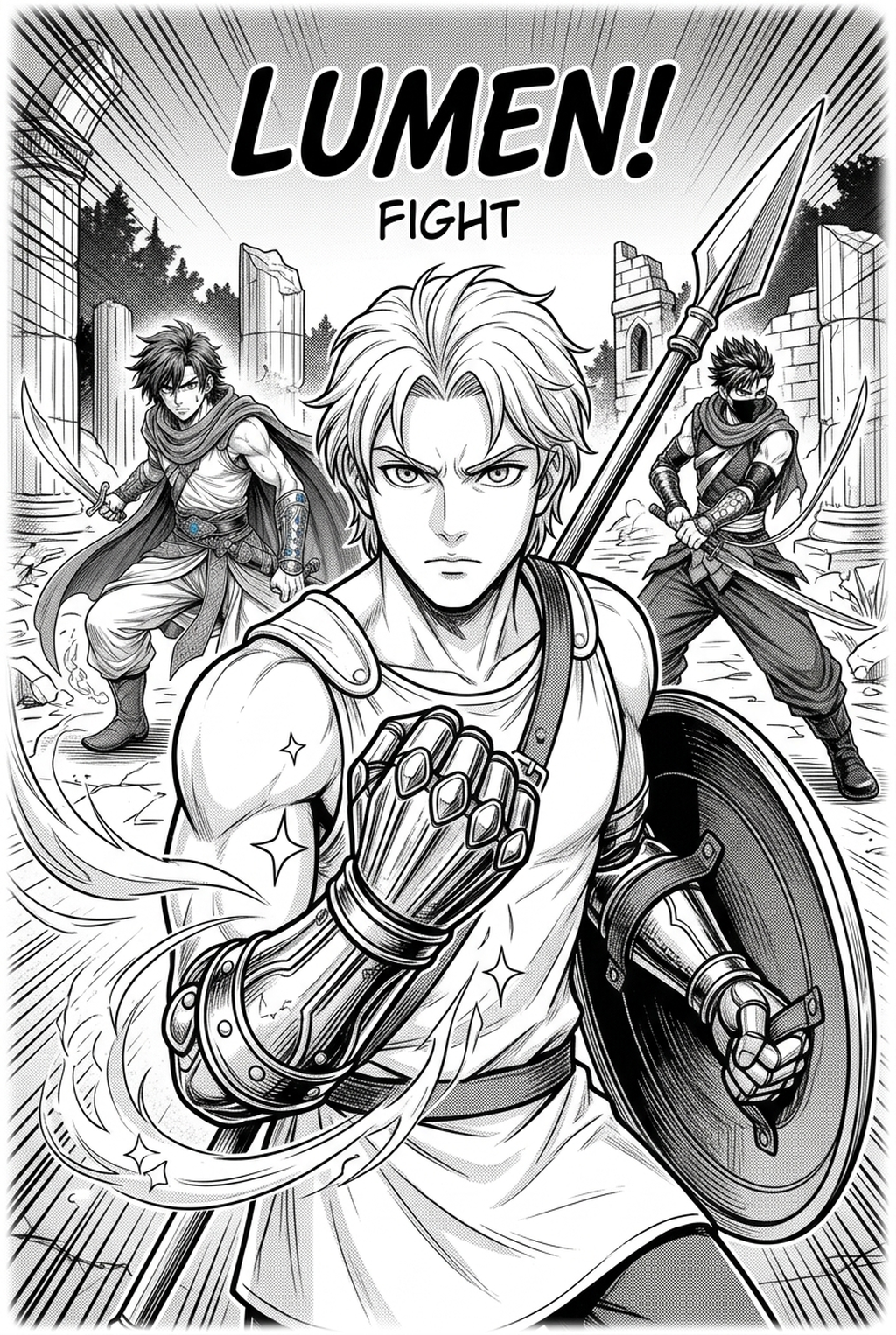
AI Manga Colorist: Defining the Role of the Digital Colorist
A modern creator in this role serves as a bridge between the raw, ink-heavy aesthetic of traditional manga and the digital demands of contemporary publishing. This job centers on managing light and shadow to enhance the emotional tone of the script while strictly adhering to the artist's original line work and style.
- Flatting and Base Assignment: This foundational step requires precise selection of color zones to define base tones, forming the bedrock for all subsequent lighting and texture adjustments. * Rendering and Atmospheric Lighting: Advanced artists utilize cel-shading for high-energy combat sequences or soft, painterly blends for emotional atmosphere, effectively controlling the visual hierarchy of the page. * Format and Delivery Coordination: Professional output requires a granular understanding of the target display, ensuring that color profiles for vertical-scroll vertical comic platforms differ correctly from those optimized for high-density, ink-heavy print volumes.
Why Color Rendering Determines Narrative Impact
If your color work obscures the original inking, you lose the "source context" that keeps the manga authentic to its creator’s vision. Effective color application creates a rhythm on the page, helping readers differentiate between rapid, chaotic action panels and quiet, dialogue-driven beats that require a different color temperature.
- Directing Reader Attention: Strategic use of color saturation and contrast highlights the focal point of a panel, ensuring the reader doesn’t miss key narrative cues buried in the linework. * Maintaining Stylistic Cohesion: When working on large-scale projects, the biggest operational bottleneck is "line-weight drift," where inconsistent shading makes characters look disconnected from their surroundings across multiple chapters. * Preserving Artistic Fidelity: Proper coloring enhances the line weight rather than burying it under heavy rendering, keeping the grit and texture of the original ink pens visible in every export.
How to Use Automation to Optimize Your Workflow
Mangaka functions as an automated layer that handles the repetitive "flatting" process by identifying line-art boundaries, effectively protecting your initial sketch and ink integrity. By offloading the technical burden of color segregation to the AI, you retain the role of the "review owner," focusing your energy on high-level artistic direction and final polish.
You can integrate this technology directly into your existing digital workspace to accelerate production cycles while maintaining your unique, custom brush feel. The system parses your black-and-white panels, applying base colors that honor the original line art, which is critical for preventing the muddy, over-rendered appearance that often occurs with manual, bulk-processing workflows.
This prevents the common problem where a character’s hair color changes intensity from page one to page thirty, a failure that frequently breaks immersion for readers. For this criterion, check character consistency, panel readability, line quality, and export readiness before publishing. Creators should also record why the page passed review, which panel details still need manual cleanup, and which export format the next collaborator will use. That makes the subsection useful instead of leaving a short checklist under a large heading.
Strategic Applications by Project Genre
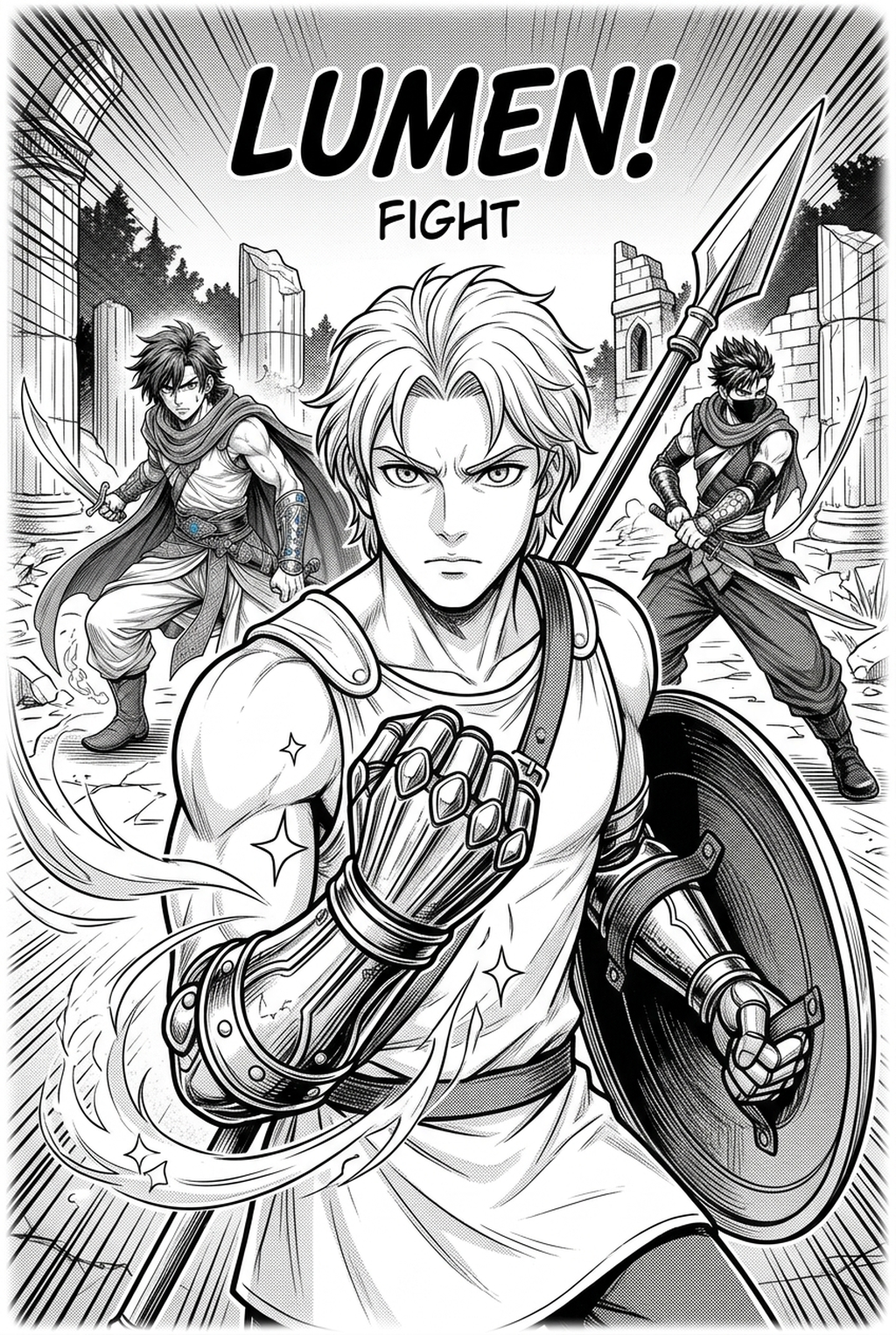
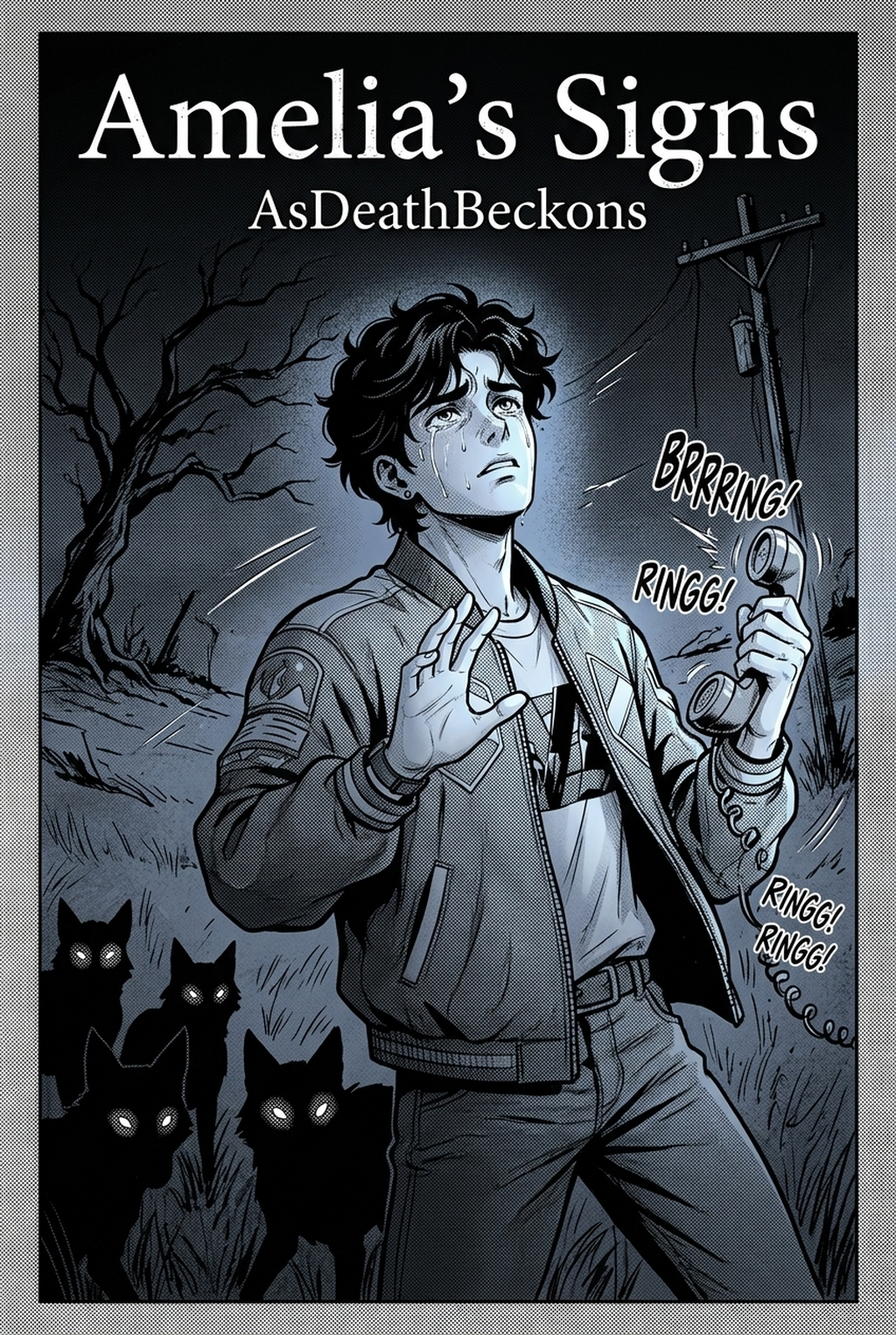
The needs of your project vary wildly depending on the narrative genre and the intended reader experience. Shonen projects demand bold, high-contrast palettes that emphasize explosive action, whereas Seinen works often benefit from muted, atmospheric color palettes that reflect a more mature, somber narrative style.
| Feature | Shonen Action | Seinen Atmosphere |
|---|---|---|
| Color Palette | High Saturation | Desaturated/Natural |
| Lighting Style | Hard Edge Cel-Shade | Soft Gradient Blend |
| Visual Focus | High Contrast | Depth and Texture |
- High-Octane Shonen Needs: These projects require rapid, punchy color application that doesn't compromise the clarity of fast-paced fight scenes or character power-up sequences. * Nuanced Seinen Approaches: Atmospheric works rely on layered lighting and deep shadows to establish tone, which requires a deliberate "review owner" approach to ensure colors aren't too bright for the mature tone. * vertical comic platforms vs Print Resolution: You must calibrate your colors to account for backlighting on mobile devices versus the ink-absorption qualities of traditional physical paper stock.
Getting Started with Professional Coloring Tools
You can begin integrating these tools today without replacing your unique creative touch, as the goal is to shift your labor from manual execution to high-level digital direction. Even if you are coloring legacy projects or older black-and-white pages, the system can interpret your original, distinct linework to bring older work into a modern, full-color format.
- Maintaining Consistency: Utilize consistent style presets to ensure that lighting and saturation remain locked across all panels in a sequence, creating a professional, uniform reading experience. * Workflow Efficiency: By eliminating the manual selection of base colors, you reduce your per-page production time by hours, giving you more flexibility for creative revisions. * Final Review Protocol: Because the AI manages the technical heavy lifting, you gain the freedom to act as the director of your own work, spending your remaining time on detail-oriented color grading and final export quality.
Creators should compare the generated line art with the original sketch and confirm that facial expressions, props, speed lines, and speech-bubble space still support the scene. A repeatable review pass should cover character consistency, panel readability, background clarity, and whether the final file is ready for coloring, lettering, or editor feedback. For longer projects, creators should save approved examples of line weight, face detail, clothing folds, and background density. Those references keep later chapters closer to the intended style.
Creators can evaluate manga colorist with Mangaka mid-workflow when they need the product path tied directly to review, refinement, and export. A real test should use the same sketch, character goal, or panel sequence that would otherwise need manual cleanup after generation.
The Bottom Line
The modern colorist is increasingly acting as a digital director who leverages automated systems to scale output while maintaining high artistic fidelity. By removing the tedious manual execution from your production, you can focus on the narrative-driven decisions that actually define your signature style. Start your first automated coloring project by uploading your B&W line art to manga colorist with Mangaka to see how the AI preserves your specific line work.