AI Manga Character Designer: Why Structural Consistency Governs Manga Outcomes
Adhering to strict design ratios is the only way to avoid 'off-model' occurrences that ruin the suspension of disbelief. When a character’s proportions drift, the reader’s focus shifts from the narrative stakes to the technical inconsistency, breaking the immersion essential for professional-grade storytelling.
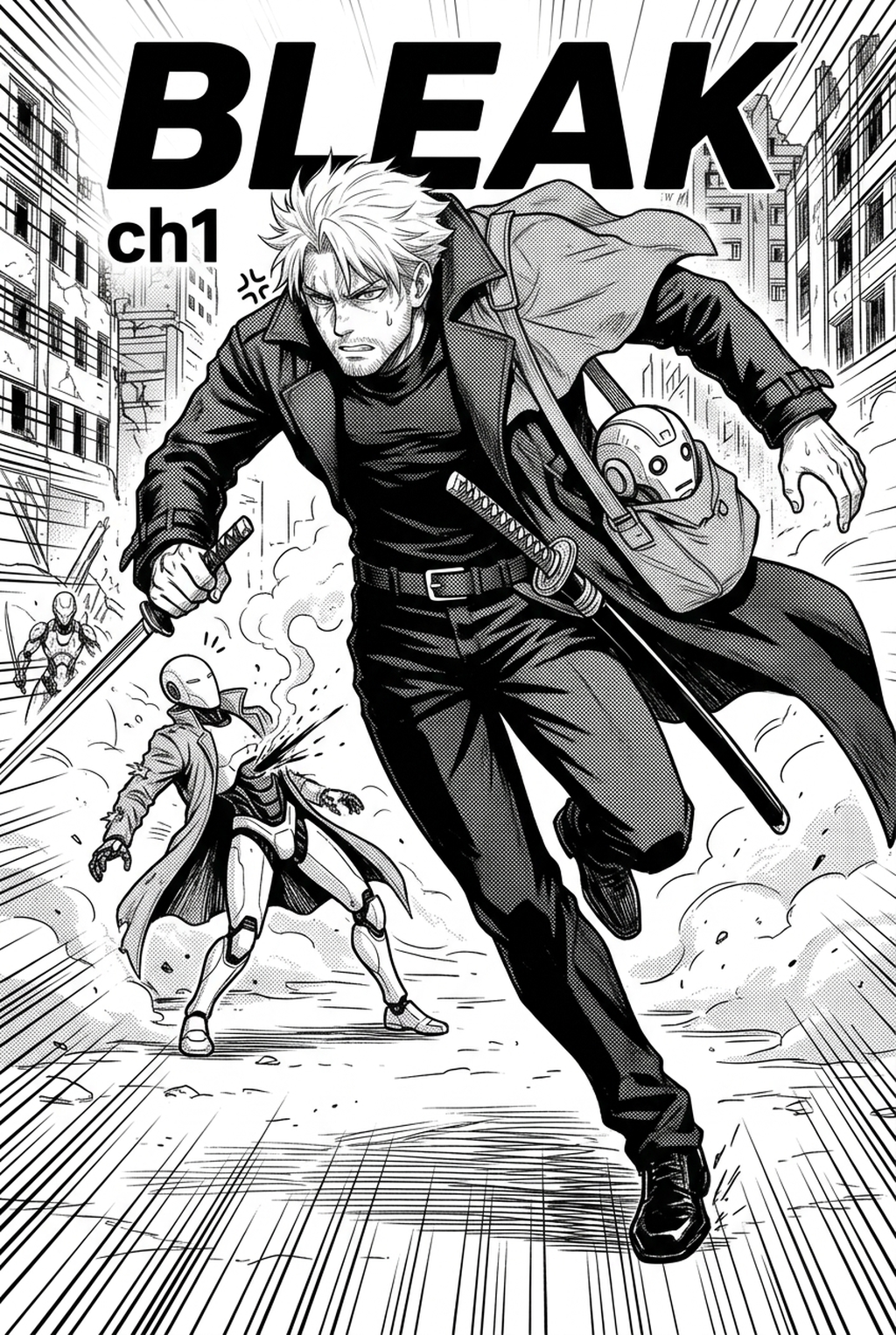
The design sheet must prioritize 'dynamic silhouettes' to ensure characters remain readable during chaotic choreography. If your character’s core shape is not anchored by clear, exaggerated limbs or distinct gear, complex motion panels will quickly dissolve into indecipherable noise. Check character consistency, panel readability, line quality, and export readiness before publishing. Creators should also record why the page passed review, which panel details still need manual cleanup, and which export format the next collaborator will use. That makes the subsection useful instead of leaving a short checklist under a large heading.
Seinen creators often focus on mature, high-contrast psychological depth, where subtle facial muscle patterns dictate the character’s emotional state. By documenting these patterns on your reference sheet, you maintain a consistent internal logic, ensuring that a character’s somber or manic expressions remain recognizable even under heavy inking or dramatic chiaroscuro.
Leveraging Automation for Design Workflows
The Mangaka character design sheet with Mangaka transforms the tedious labor of manual drafting into a rapid, streamlined process. By generating consistent manga-style characters from simple text descriptions, you eliminate the hours spent sketching repetitive angles while ensuring every export retains the same line-art fidelity.
- Feature Locking: The tool anchors specific gear or costume accessories to the character, guaranteeing these elements appear in the correct position on every generated panel. * Automated Angles: Instead of manually calculating perspective shifts, you can trigger multiple views from a single source frame, effectively acting as an automated model-sheet developer. * Style Synchronization: Modern AI tools utilize style-locking to ensure the generated sheets match your unique inking delivery format, allowing for seamless integration into your current project.
Strategic Deployment of Reference Assets
Your design sheet should strictly focus on the character, but you must decide when and how to update this documentation. Many creators mistakenly include background elements in their reference files, which creates unnecessary clutter and leads to confusion during the page-layout phase.
- Version Control: Always create a new reference file whenever a character undergoes a 'time skip' or dramatic aesthetic shift; never overwrite original sheets, as this creates conflicting references that destroy long-term continuity. * Export Standards: Save your design sheets as high-resolution PSD or PNG files to maintain the integrity of your line art, which ensures your reference remains crisp when imported into your preferred software. * Anatomy Verification: Review your sheets every ten pages to verify that the current panel work still aligns with your original proportions.
Consider a scenario where you are drawing a 24-page chapter. You generate a character sheet using Mangaka, which includes a 360-degree rotation and an accessory guide. When you begin inking panel 12—a complex scene with heavy lighting—you use the sheet to confirm the placement of a character's shoulder guard.
How to Get Started with Professional Design Tools
The AI Manga Character Designer workflow is the primary mechanism for preventing art degradation and ensuring production efficiency in professional manga. Leveraging AI to handle the heavy lifting of reference generation allows you to maintain high-quality standards without sacrificing the speed required for regular, reliable releases. By establishing this scalable foundation for your manga universe now, you create a baseline that allows for faster iterations and more complex, visually engaging narratives as your series grows. Creative Brief and Source Input.
Creative Brief and Source Input
- Before Export. Creators should compare the generated line art with the original sketch and confirm that facial expressions, props, speed lines, and speech-bubble space still support the scene. A repeatable review pass should cover character consistency, panel readability, background clarity, and whether the final file is ready for coloring, lettering, or editor feedback. - For Longer Projects. Creators should save approved examples of line weight, face detail, clothing folds, and background density. Those references keep later chapters closer to the intended style. For collaboration, creators should mark which panels are final and which panels still need redraws. Clear status labels prevent an assistant, editor, or colorist from polishing the wrong version. - For Publishing. Creators should review the page at the actual reading size before export. Small screens expose crowded dialogue, weak silhouettes, and line details that looked fine while zoomed in. For style control, creators should keep a short reference board beside the draft and compare hair shapes, eye details, costume folds, and texture choices before approving the final page.
Creators should compare the generated line art with the original sketch and confirm that facial expressions, props, speed lines, and speech-bubble space still support the scene. This keeps the review focused on story intent, line weight, panel readability, and the export quality behind the final AI Manga Character Designer output.
Generation Review and Export
A repeatable review pass should cover character consistency, panel readability, background clarity, and whether the final file is ready for coloring, lettering, or editor feedback. For longer projects, creators should save approved examples of line weight, face detail, clothing folds, and background density. Those references keep later chapters closer to the intended style.
The Bottom Line
A professionally constructed creator workflow is the most effective way to eliminate technical inconsistencies and keep your creative focus on the story rather than corrective cleanup. By using automated tools to generate and maintain your character models, you ensure that every panel remains on-model throughout your entire project. To begin building a scalable foundation for your manga universe, you can character design sheet and see how AI-driven consistency elevates your workflow.
Related articles
AI Character Design for Manga: A Creator's Guide in 2026
Character Sheet Design: A Guide for Manga Artists in 2026
Character Design Tips: Professional Manga Consistency 2026