Defining the AI Manga Background Artist
A professional manga background functions as an extension of the narrative, providing context without obscuring the character's emotional delivery. Effective environmental art requires precise perspective points, a cohesive light source to prevent shadows from conflicting with character inking, and a strategic application of line density to ensure the reader’s eye moves naturally across the panel gutter.
Maintaining consistent line-weight throughout a page prevents the viewer from feeling visually overwhelmed, especially in complex urban settings. If your background lines are as thick as your character’s primary contours, the character will inevitably "sink" into the environment. Digital tone layers should be applied to create depth, simulating the look of physical screen tones while keeping the file sizes of your PSD or TIFF exports manageable for digital distribution.
Why Environmental Consistency Matters
Consistent environments act as a silent narrative anchor, grounding the reader in your world while facilitating clear visual tracking during rapid location shifts. A lack of architectural continuity—such as a building’s window configuration changing between panels—breaks the reader's suspension of disbelief and undermines the professionalism of your story.
Linking environment metadata to your storyboard templates ensures that recurring locations retain their structural integrity. By defining the "look and feel" of a setting once, you remove the guesswork during the ink stage, allowing you to focus on dynamic action poses and emotional character expressions. This practice significantly reduces the risk of visual errors that often trigger negative reviews from readers regarding inconsistent world-building.
How the Mangaka Tool Generates Environments
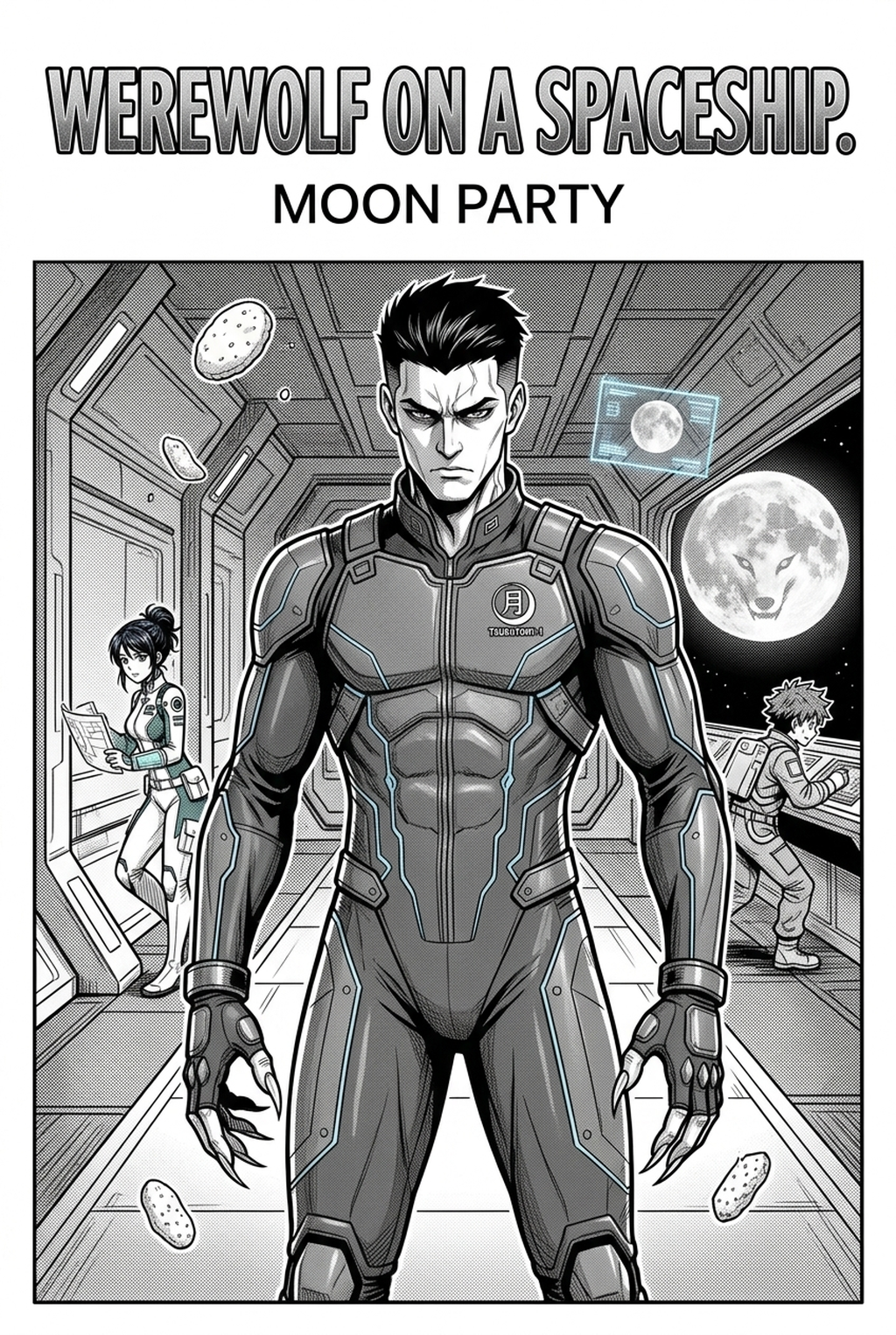
The Mangaka tool streamlines this production process by converting your scene text into high-fidelity, perspective-corrected environment art in seconds. By providing a descriptive scene brief, creators can generate accurate architectural layouts that align with their specific artistic style, effectively functioning as their own remote Art Director.
When you face a complex street-level shot, the traditional manual process involves drawing hundreds of parallel lines for windows and roof tiles. This platform bypasses the common failure point of architectural "line drift," where perspective grids warp over a large two-page spread. The tool outputs assets that match your existing character art, ensuring the background doesn't stand out as an alien element within the panel composition.
Use Cases for Environment Generation
Many indie artists struggle with the "uncanny valley" effect, where overly cluttered, manually drawn backgrounds distract from the character’s dialogue. A common failure occurs when an artist attempts to capture every brick and cobblestone, resulting in a composition that lacks a clear focal point.
- Serialized Consistency: Maintain uniform architectural design across 20+ chapters without needing to store or manage physical reference sketches. * Density Balancing: Control the level of environmental detail, allowing you to simplify non-essential panels while saving high-detail renders for dramatic "reveal" shots. * Perspective Correction: Resolve complex multi-point perspective scenes that would typically require hours of manual grid setup in software like CSP. * Time Allocation: Reclaim time from background rendering to improve character inking or refine the pacing of the panel-to-panel flow.
- Chapter cadence. Use the AI pass for pages where speed matters most, such as repeated action poses, transformation beats, or dense speed-line panels. Keep manual cleanup for hero panels where the line style defines the emotional peak.
- Character continuity. Compare the generated lines against the same model sheet, costume notes, and facial-expression range used during sketching. This prevents a fast inking pass from drifting away from the character identity readers recognize.
- Export readiness. Check whether the final manga output can move into lettering, coloring, or final layout without rebuilding panel borders or speech-bubble space. A good manga workflow should save time while keeping the next production step predictable.
Getting Started with Environment Production
You can integrate AI AI Manga Background Artist workflow Artist workflow with Mangaka directly into your existing workflow by using the platform to generate individual panels that drop seamlessly into your project. Whether you are working on a 40-page one-shot or a long-running series, the ability to control lighting, style, and architectural density lets you maintain a cohesive visual identity across your work.
Inputting specific scene-description criteria allows you to dictate exactly how a location looks and feels without needing to draw it by hand. This shift enables you to treat your production as a director would, focusing on composition, lighting, and narrative impact, rather than the mechanical fatigue of drawing every static asset from scratch.
- Before Export. Creators should compare the generated line art with the original sketch and confirm that facial expressions, props, speed lines, and speech-bubble space still support the scene. A repeatable review pass should cover character consistency, panel readability, background clarity, and whether the final file is ready for coloring, lettering, or editor feedback. For longer projects, creators should save approved examples of line weight, face detail, clothing folds, and background density. Those references keep later chapters closer to the intended style.
- For Collaboration. Creators should mark which panels are final and which panels still need redraws. Clear status labels prevent an assistant, editor, or colorist from polishing the wrong version. For publishing, creators should review the page at the actual reading size before export. Small screens expose crowded dialogue, weak silhouettes, and line details that looked fine while zoomed in.
- For Style Control. Creators should keep a short reference board beside the draft and compare hair shapes, eye details, costume folds, and texture choices before approving the final page. For revision planning, creators should separate art fixes from story fixes. Line cleanup, panel order, dialogue clarity, and character acting each need a different review question.
The Bottom Line
Quality manga backgrounds are the cornerstone of immersive world-building, but they no longer need to be the primary bottleneck that halts your production process. By integrating modern AI tools, you can maintain high production standards and visual continuity while liberating significant time for writing and character development. manga background to start building consistent, professional-grade environments for your next chapter.