AI Manga Background Artist: The Role of Atmospheric Setting
A professional background acts as the silent storyteller, dictating the narrative pacing and emotional weight of a panel. Without a grounded setting, character action feels disconnected from the reader’s perception of space, leading to a loss of immersion in dense urban or sprawling natural landscapes.
The foundation of any successful panel is precise one- or two-point perspective that aligns with your characters. If the horizon line shifts between panels, your spatial continuity suffers, causing "proportional drift" where characters seem to float or shrink unnaturally.
Check character consistency, panel readability, line quality, and export readiness before publishing. Creators should also record why the page passed review, which panel details still need manual cleanup, and which export format the next collaborator will use. That makes the subsection useful instead of leaving a short checklist under a large heading.
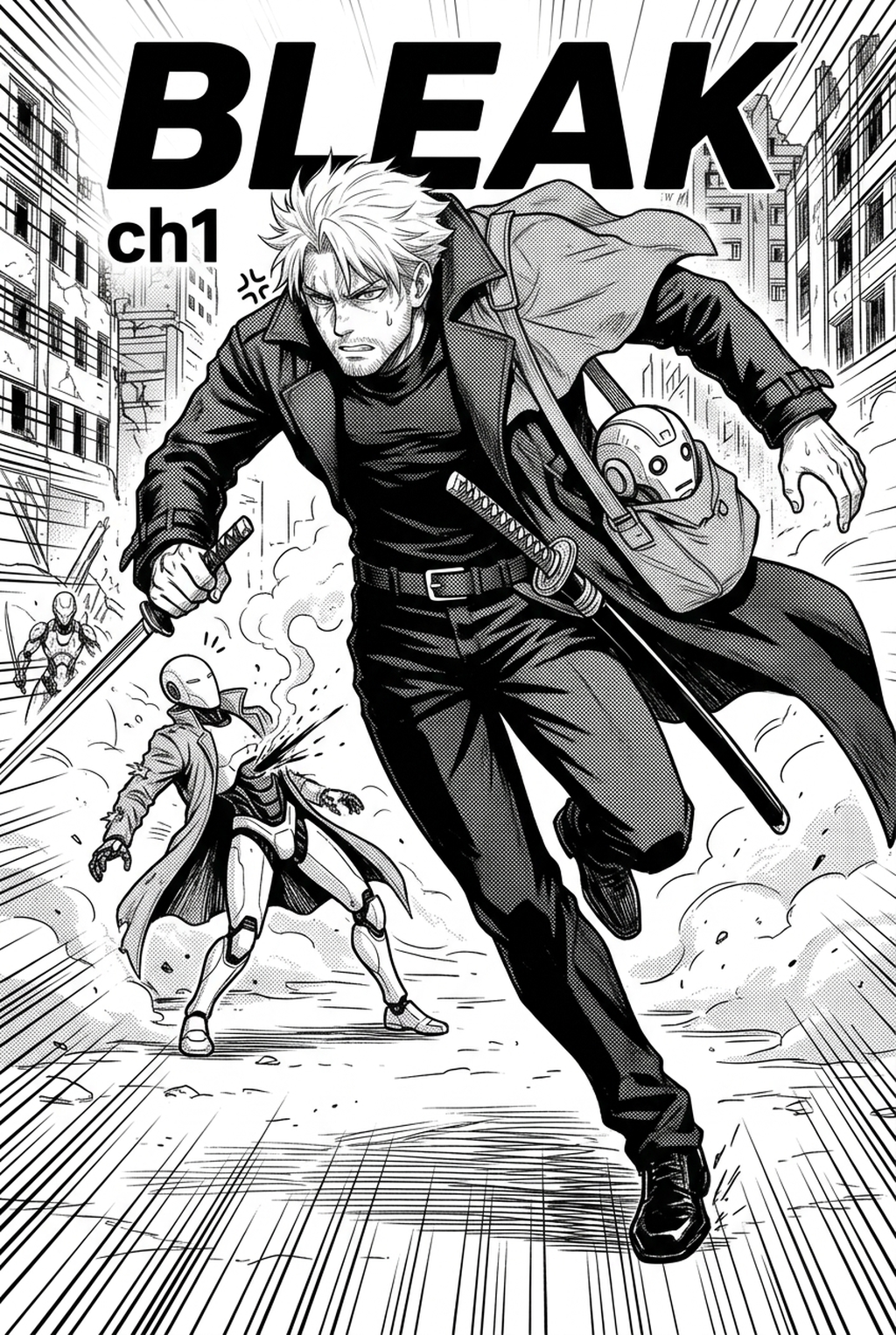
Creators must distinguish between high-octane dynamic backgrounds and steady environmental ones. While speed lines and motion blurs effectively convey kinetic energy in action-heavy pages, stable environmental scenes require clean, consistent linework that grounds the narrative in a believable, tangible location.
Why Background Consistency Challenges Creators
Background production frequently consumes over 60% of a creator’s total workflow, acting as a massive bottleneck for those targeting weekly publication cycles. When you are under pressure to churn out high-fidelity pages, the mental load of mapping out building angles and foliage density often results in artistic burnout or unintentional stylistic shifts that break visual consistency.
The modern reader expects high-fidelity world-building, yet the industry demands rapid output for digital platforms. This creates a dangerous "efficiency gap" where you must choose between polished backgrounds that delay your next update and simplified, empty panels that lower the overall production value of your work.
How Mangaka Automates Scene Generation
Mangaka converts your descriptive input into structured visual assets, bypassing the need for labor-intensive manual sketching or tedious reference tracing. By shifting the workload to an manga background scene with Mangaka , you reclaim the hours typically lost to basic construction, allowing you to focus on the expressive, high-impact character work that defines your unique brand.
You can specify weather, time of day, and structural complexity through intuitive creative brief engineering. This ensures that the generated output retains the specific source context you need, such as the cramped, high-contrast alleyways of a gritty seinen noir or the soft, sun-drenched school courtyard of a slice-of-life romance.
Integrate generated outputs as a base layer for your final inking. By utilizing these precise perspective frameworks, you can apply your personal touch-up passes—like hand-drawn cross-hatching or specific line-weight variances—to ensure the final page aligns perfectly with your distinct visual terminology.
Specialized Use Cases for Backgrounds
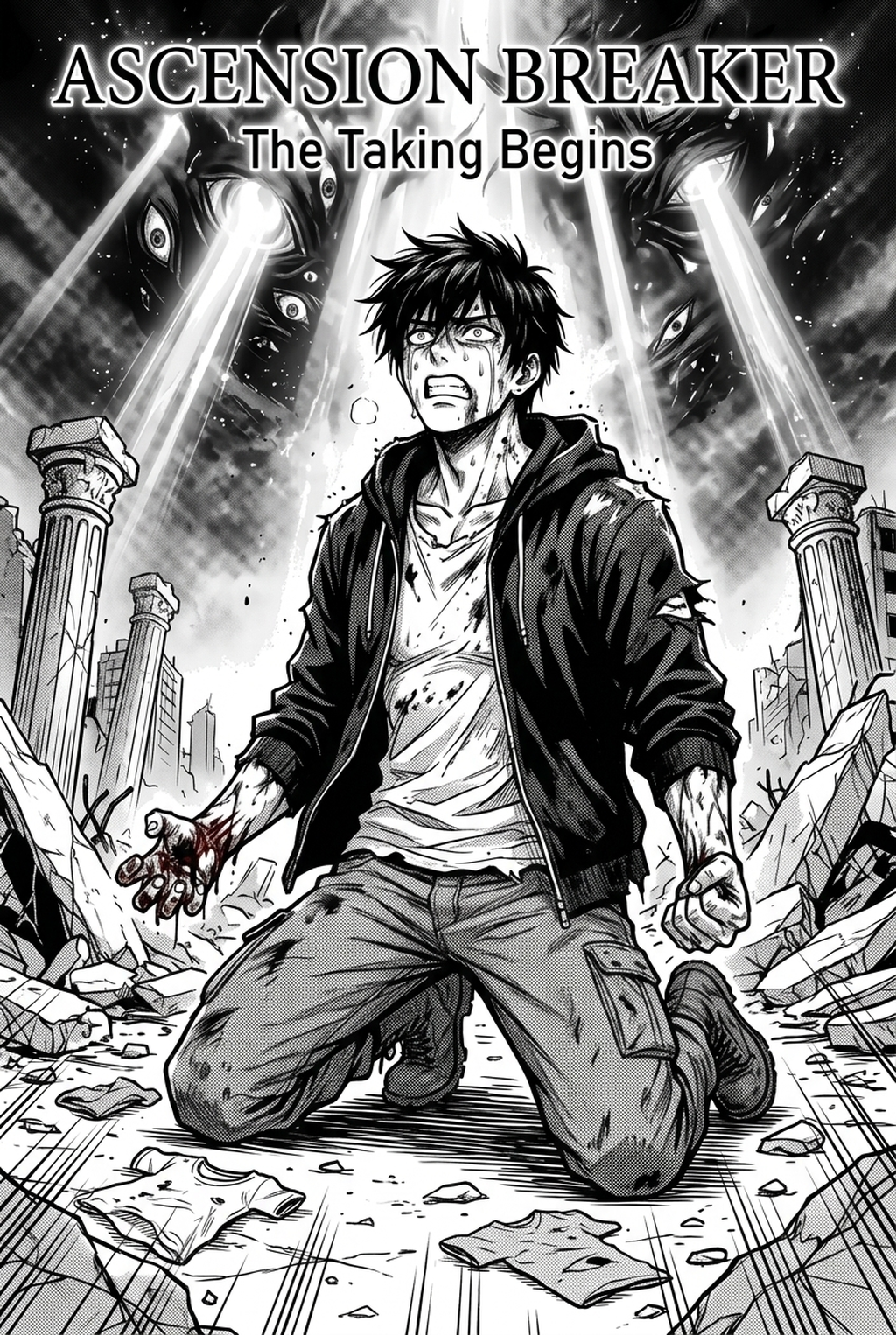
Different genres require drastically different aesthetic signatures for their settings. You must tailor your environmental settings to reflect the tone of the story, as an incorrectly styled background can ruin the emotional buildup of a crucial scene. Shonen titles rely on a sense of scale, where vast cities or intricate industrial complexes communicate the threat level to the protagonist. AI tools allow you to generate complex architectural wreckage in seconds, ensuring that your destruction scenes maintain high visual density without requiring you to manually draw every collapsed pillar or shattered window.
The focus shifts toward intimate, cozy interiors and soft, emotive lighting. You can leverage parameter adjustments to favor ambient light, warm tones, and rounded architectural details, creating environments that feel lived-in and welcoming rather than sterile or cold. Seinen psychological thrillers often utilize distorted environments to reflect the protagonist's fragile mental state. By adjusting your output settings to emphasize high-contrast shadows and sharp, angular, or surreal geometry, you create an oppressive atmosphere that enhances the tension of your narrative panels.
Getting Started with Automated Backgrounds
Many creators worry about the "perfect" look of AI art clashing with their hand-drawn characters, but this is managed through strategic post-processing. Use filters, paper textures, or custom brushes to unify the line weights of your generated background with your hand-inked character layers.
To keep your art style consistent, utilize reference image injection if the platform allows it. This ensures that the generated lines mimic your signature stroke width, preventing the "too perfect" AI aesthetic from standing out awkwardly against your personal artistic style.
Check the specific terms of service regarding the copyright of generated assets for your commercial projects. Most professional tools clarify that you retain the rights to the creative output you generate, but it is standard practice to maintain a clear record of your creative briefs and base-layer iterations as your proprietary process.
Creators should compare the generated line art with the original sketch and confirm that facial expressions, props, speed lines, and speech-bubble space still support the scene. A repeatable review pass should cover character consistency, panel readability, background clarity, and whether the final file is ready for coloring, lettering, or editor feedback. For longer projects, creators should save approved examples of line weight, face detail, clothing folds, and background density. Those references keep later chapters closer to the intended style.
The Bottom Line
Mastering background efficiency is essential for any mangaka aiming for long-term project viability in a demanding market. By reclaiming the time spent on perspective construction, you prioritize your character-driven storytelling without ever sacrificing the visual polish of your work. Start streamlining your production by manga background scene with Mangaka to see how quickly you can elevate your page quality while protecting your creative energy.