Understanding AI Manga Background Artist Terminology
A high-quality background serves as a functional anchor, providing necessary spatial context without competing with the focal action within a panel. In the professional manga workflow, this means the environment must adhere to specific genre-defined visual rules, such as clean, high-contrast inking and the strategic application of screentones to denote depth and texture.
The primary goal is to ensure your background supports the character-focused action rather than distracting from it. If your architectural lines are too thick or your halftone patterns are overly chaotic, the reader’s eye will naturally gravitate away from the character's facial expressions and toward the scenery. Professional background design often utilizes varied line weights—thinner for distant objects and thicker for foreground elements—to create an intuitive sense of spatial layering that keeps the panel readable at a glance.
Authenticity relies on keeping the same "source context" or stylistic identity across a sequence of panels. If your scene transitions from a wide cityscape to an interior office, the perspective distortion and line-art density must remain cohesive. Without this continuity, the reader experiences "line-weight drift," where the visual style feels jarring or disconnected from one panel to the next, ultimately breaking the narrative immersion.
Why Background Rendering Demands Efficiency
Rendering intricate environments by hand is frequently the most significant bottleneck for solo artists and small production teams. Manual perspective drawing often forces creators to spend hours constructing grids for every single panel, a technical task that frequently clashes with the more fluid, expressive nature of character illustration.
Most artists find that the time required to build a three-point perspective view for a busy street scene outweighs the actual storytelling value of that panel. By automating the geometry of these structures, you can reclaim hours of production time each week. This technical relief is essential for maintaining a healthy page-per-week output without sacrificing the high-contrast aesthetic required for traditional printing.
The "delivery format" of manga—specifically the requirement for clean, reproducible black-and-white contrast—complicates digital composition. Traditional inking requires careful management of grayscale data to ensure that when converted to screentones, the image doesn't end up as a muddy, unreadable mess. Background elements must be optimized for these constraints from the very first sketch, or they will inevitably fail during the final export pass.
How Mangaka Automates Your Workflow
Mangaka transforms your production process by converting text-based scene descriptions into high-fidelity backgrounds, eliminating the need for scratch-built perspective. By automating the technical construction of the environment, you ensure that line quality and screentone density remain perfectly calibrated to your specific aesthetic.
When you describe a scene, the system generates a base layer that respects the established perspective of your existing panel layout. You retain full control over the final output, using these generated layers as the "source context" that can be inked over or modified to perfectly match your hand-drawn character layers. This hybrid approach ensures that your final PSD or PNG files are ready for assembly without requiring extensive cleanup or post-processing.
You can adjust the creative brief parameters to align the output with your current narrative tone, whether you need heavy, dramatic shadows for a thriller or crisp, clean lines for a lighthearted slice-of-life story. This flexibility means you never have to choose between speed and creative intent.
Specific Use Cases for Background Assets
Different genres require drastically different approaches to environment design to communicate mood effectively. This keeps the review focused on story intent, line weight, panel readability, and the export quality behind the final AI Manga Background Artist output.
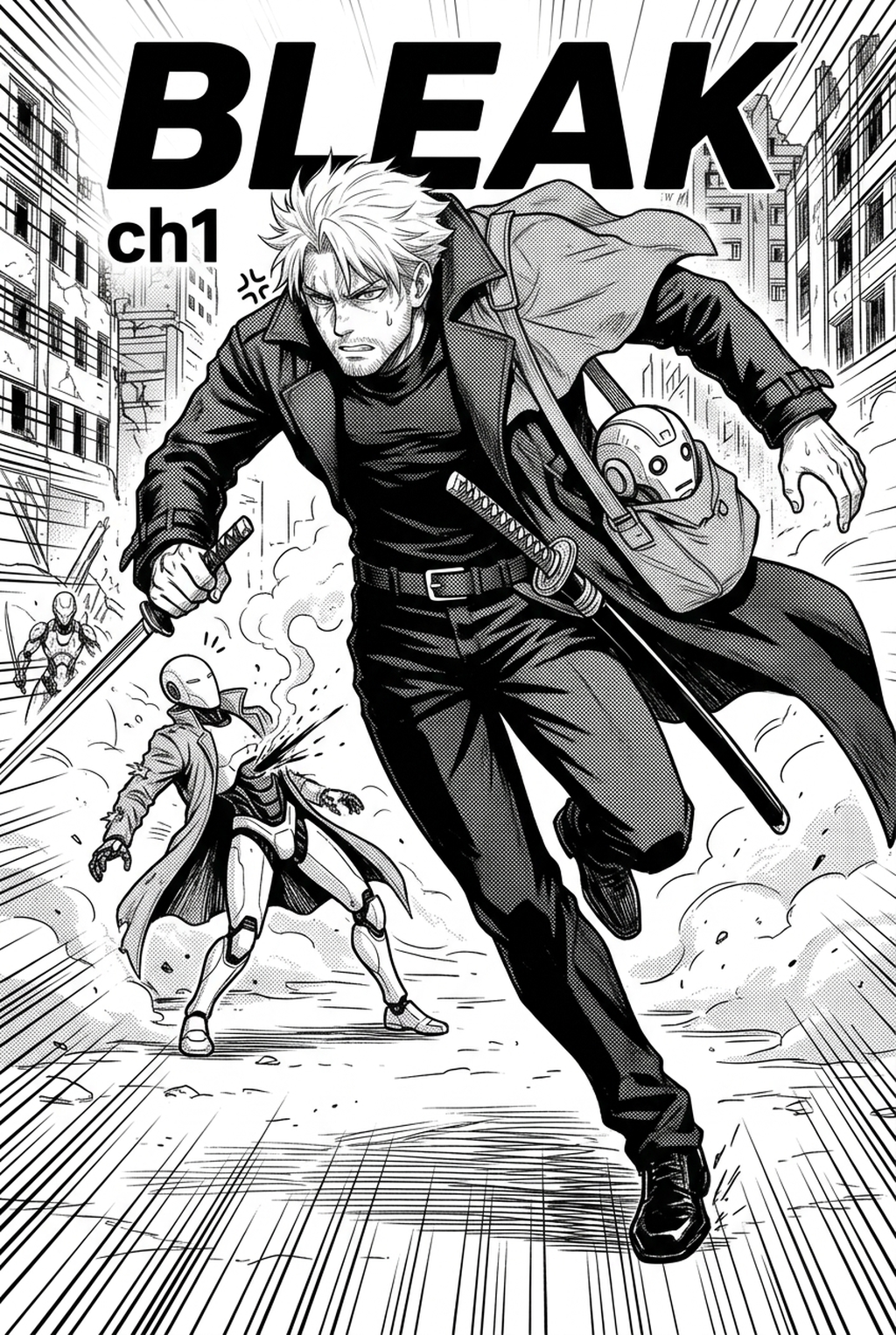
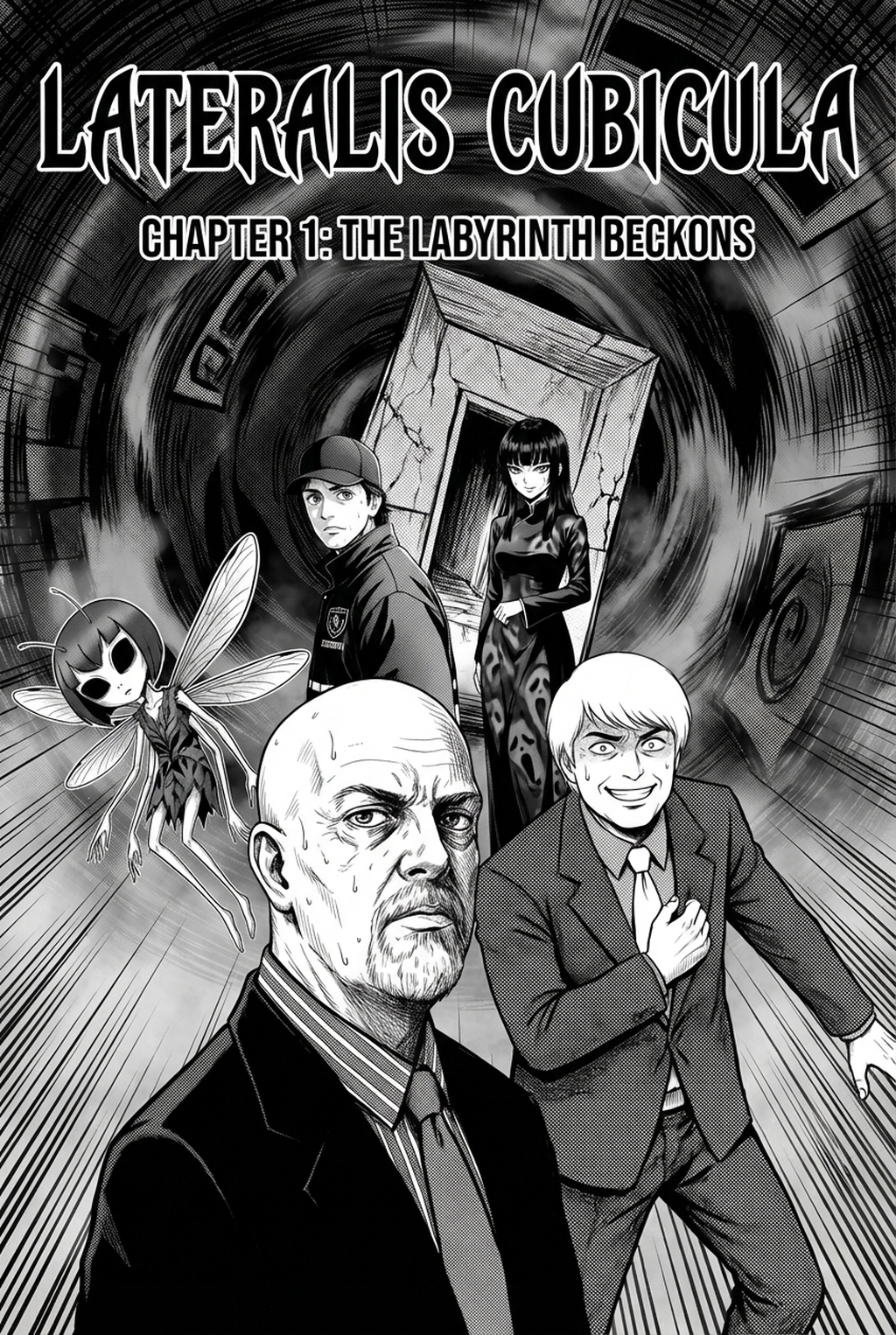
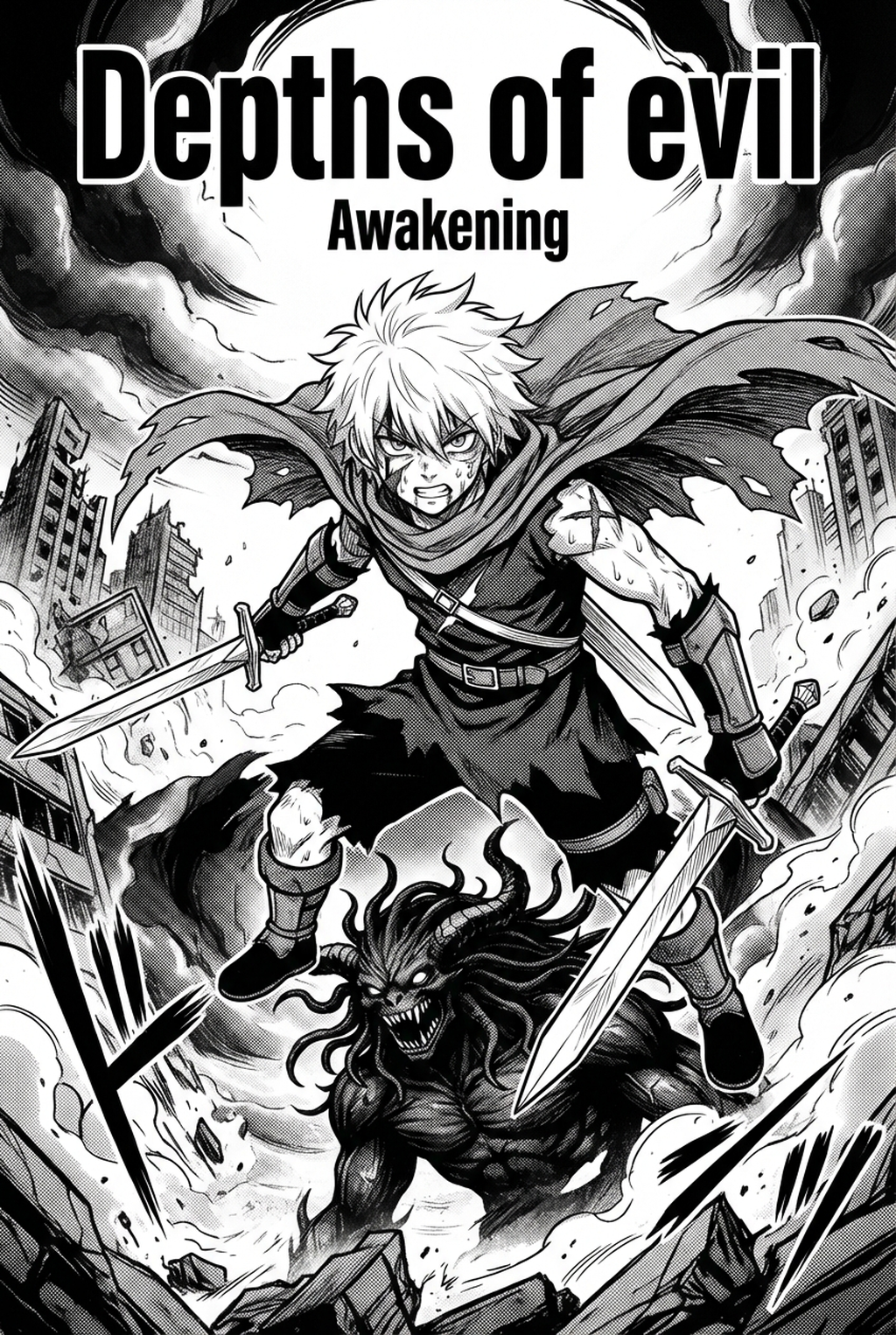
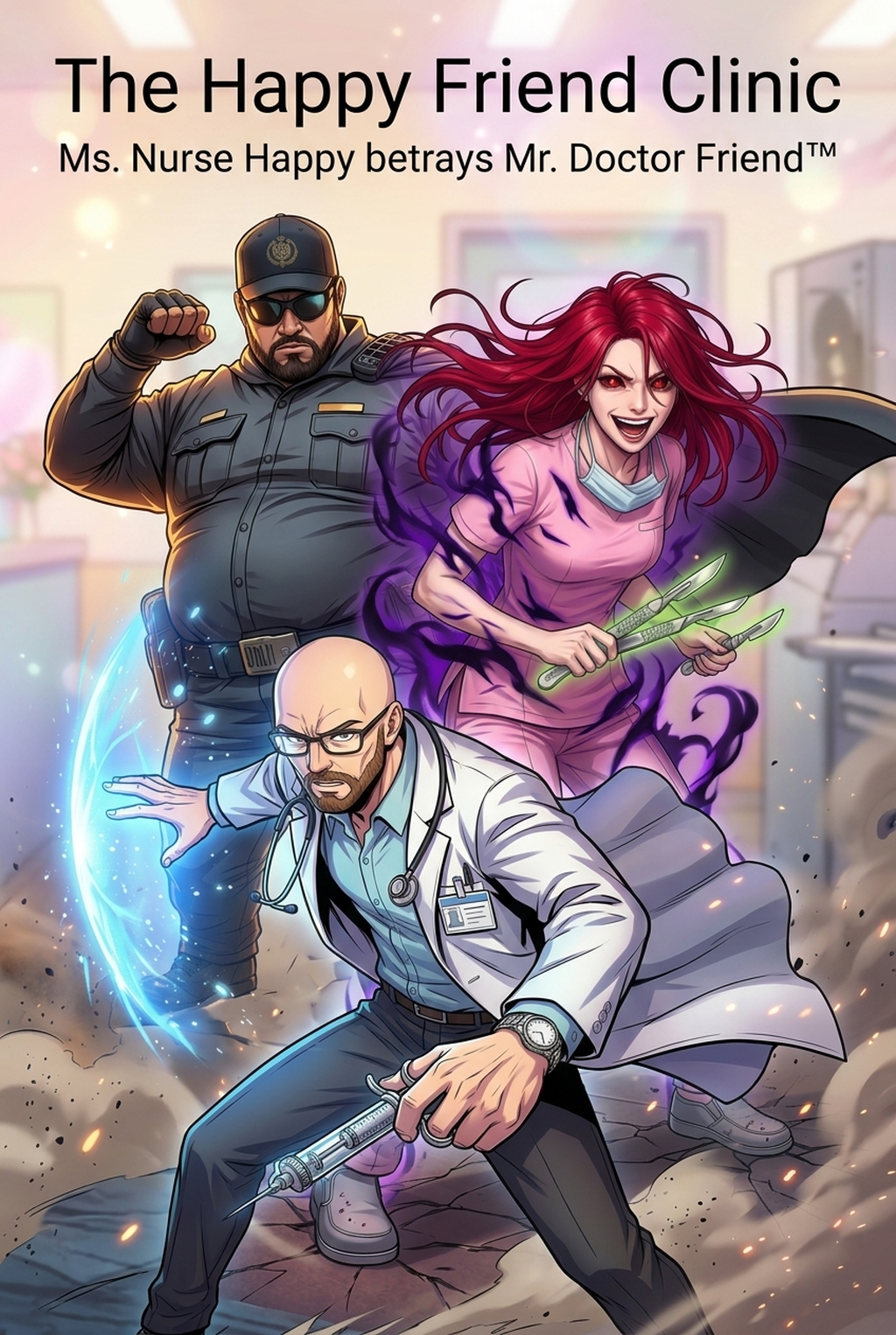
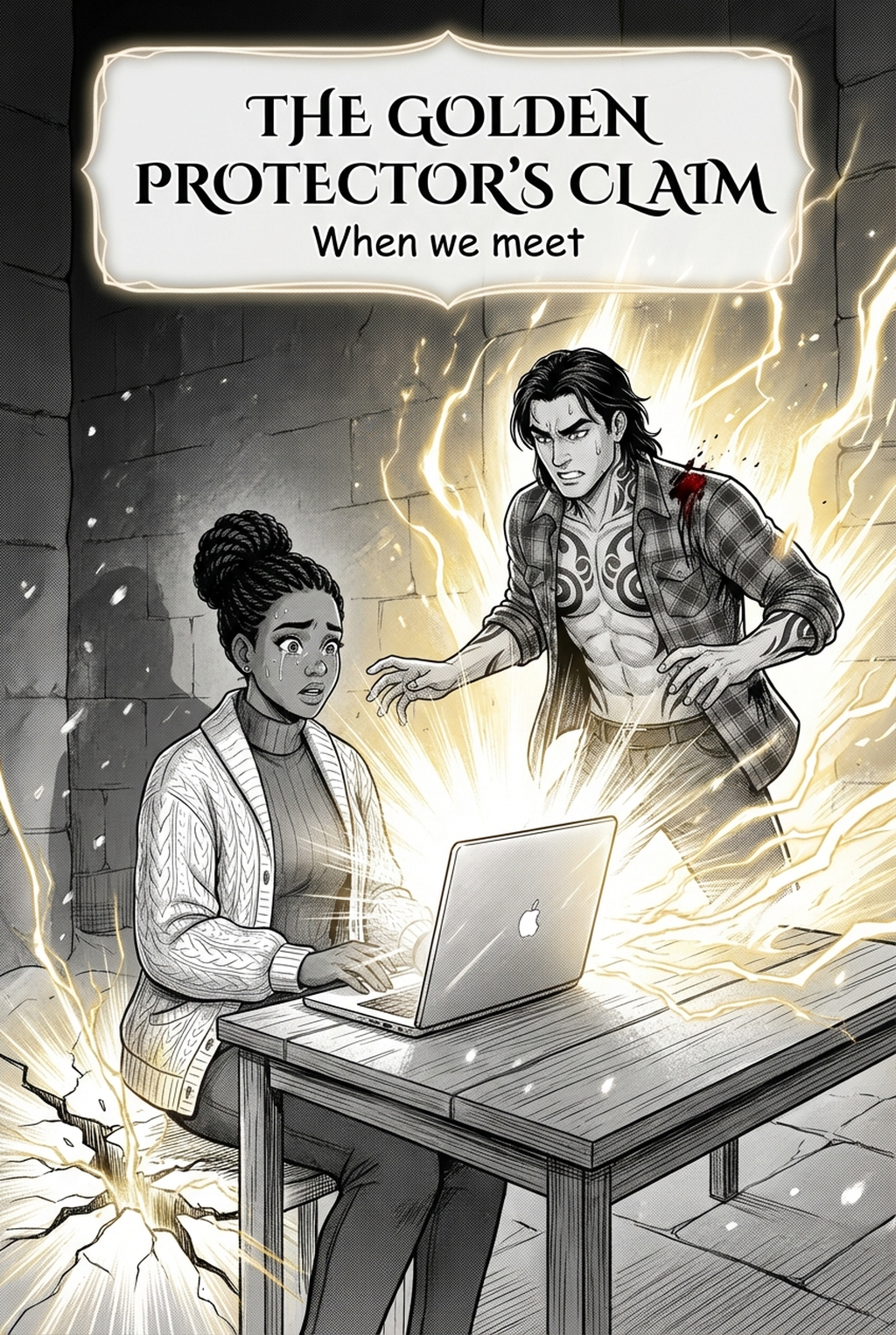
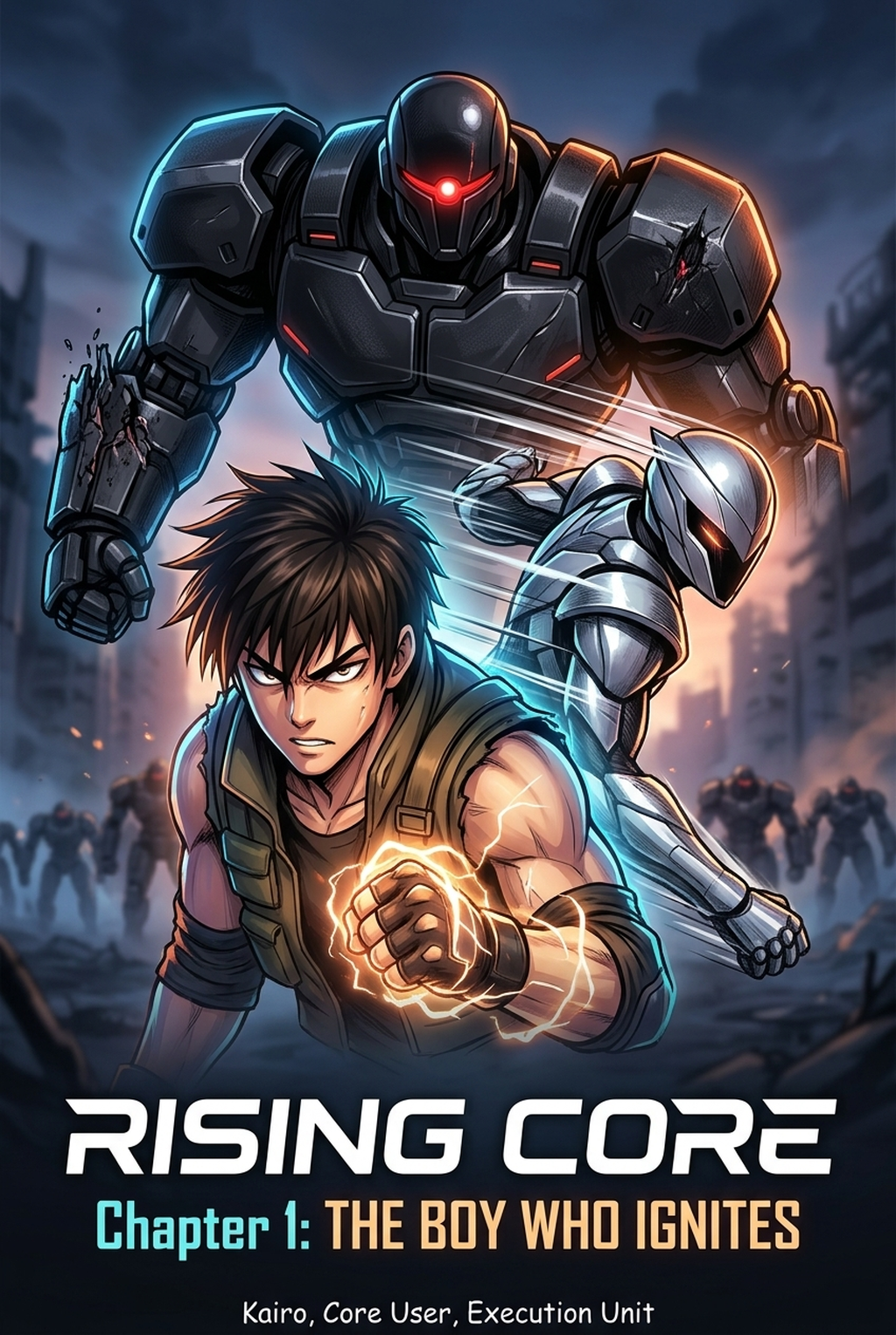
- Action-heavy Shonen: These sequences demand dynamic, wide-angle cityscapes or industrial settings that emphasize scale and rapid movement. High-perspective shots help the reader track the speed of characters, and the background must feel expansive to heighten the intensity of combat. * Atmospheric Seinen: Focus on detailed, melancholic architectural interiors that convey history and stillness. In these panels, the density of the line art and the subtle application of tone are used to build a lingering sense of place that defines the character's internal state.
Strategic Integration Methods. Using generated backgrounds as a base layer allows you to selectively modify parts of the image, such as adding hand-drawn debris or adjusting lighting effects to suit your character’s position. By layering your manual character sketches on top of the manga background with Mangaka , you can achieve a professional finish that blends automated precision with your unique, personal touch.
Getting Started with AI Production
Starting your journey with automated art tools involves focusing on scene description accuracy and aesthetic alignment. Modern AI tools are now capable of mimicking the specific ink-and-tone appearance that makes traditional manga look professional, ensuring that your backgrounds do not look like generic digital renders.
The most critical concern is ownership of the final output. Before incorporating any tool, confirm that the platform grants you full rights to the generated art for publication. Creators can use each revision decision to clarify panel readability, character consistency, and export quality before publishing or sharing.
Check character consistency, panel readability, line quality, and export readiness before publishing. Creators should also record why the page passed review, which panel details still need manual cleanup, and which export format the next collaborator will use. That makes the subsection useful instead of leaving a short checklist under a large heading.
You do not need to master perspective drawing to use these tools effectively. The AI handles the heavy lifting of geometric alignment and depth calculation, freeing you to focus on what matters most: the story. By removing the technical barrier of complex drawing, you gain the freedom to prioritize character development and effective panel pacing, which are the hallmarks of a compelling manga.
The Bottom Line
Automated background creation represents a massive shift in how solo artists and small studios manage their production load. By offloading the technical frustration of perspective and line-weight management to intelligent tools, you can ensure your final pages look professional while focusing your limited time on storytelling and character artistry. If you are ready to refine your workflow and produce high-quality panels faster, manga background and see the difference it makes for your project.
Related articles
Create Professional 4-Koma Strip Layouts Instantly in 2026
How to Create Stunning Manga Background Art in 2026
A Guide to Manga Inking: From Traditional Pens to AI (2026)