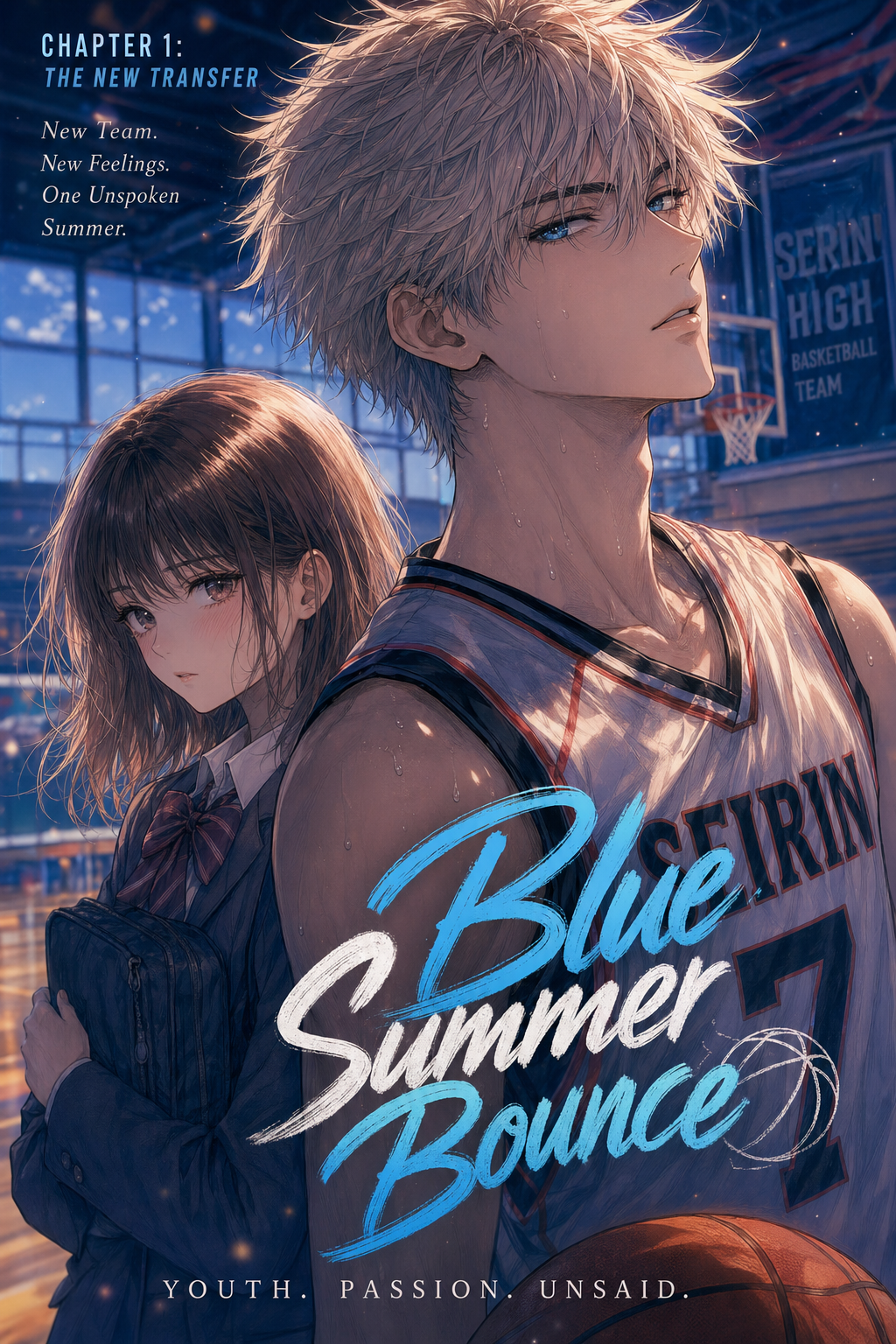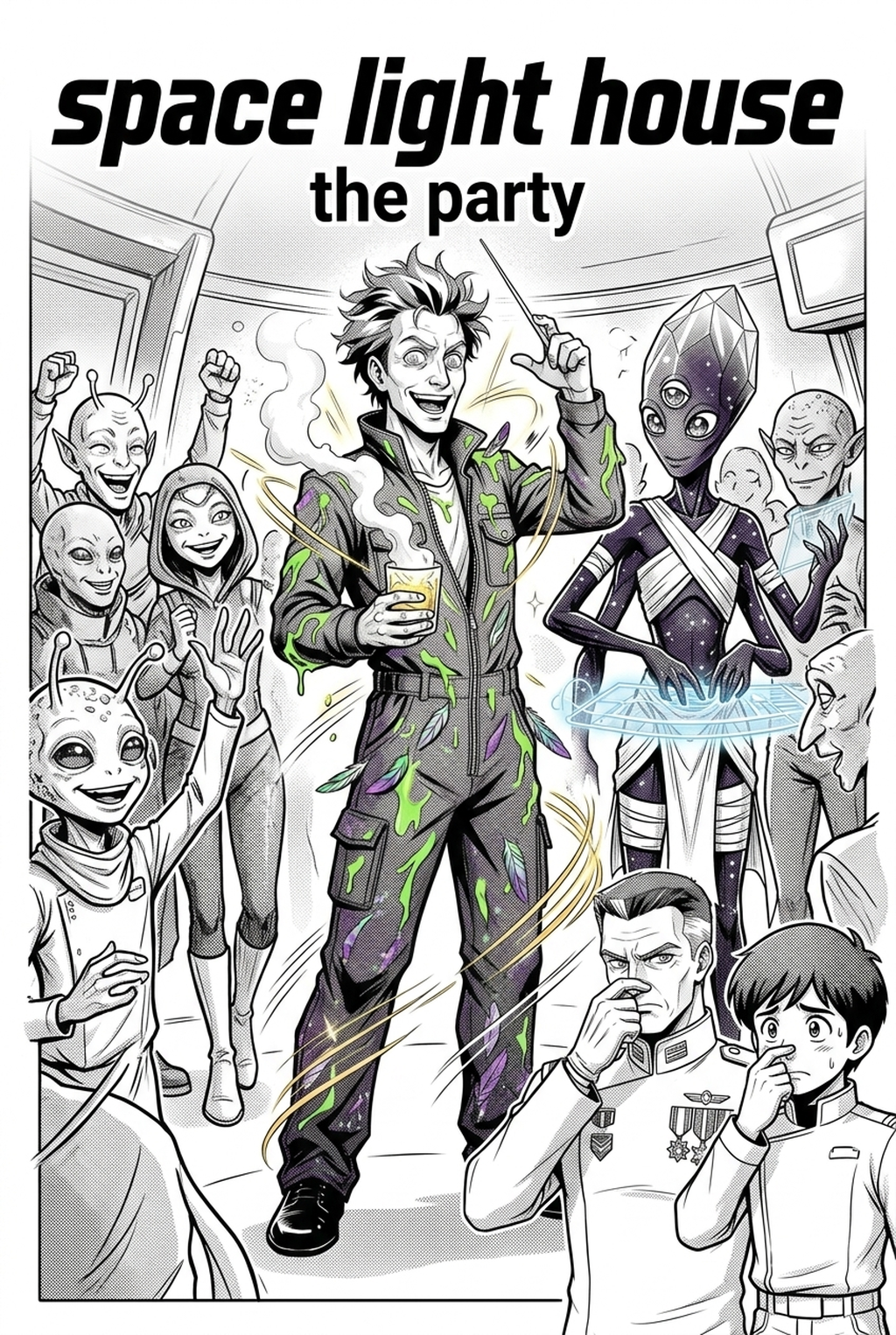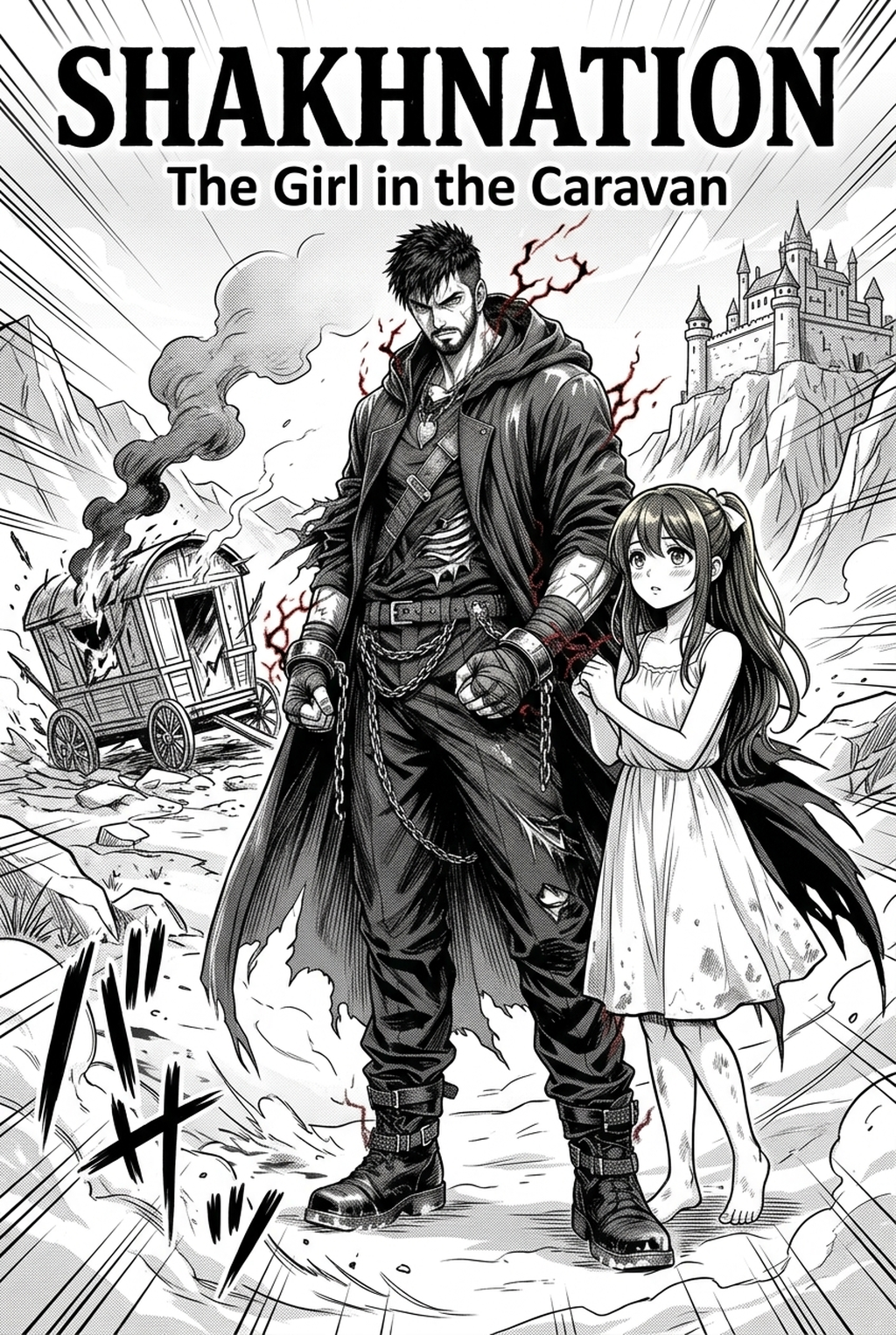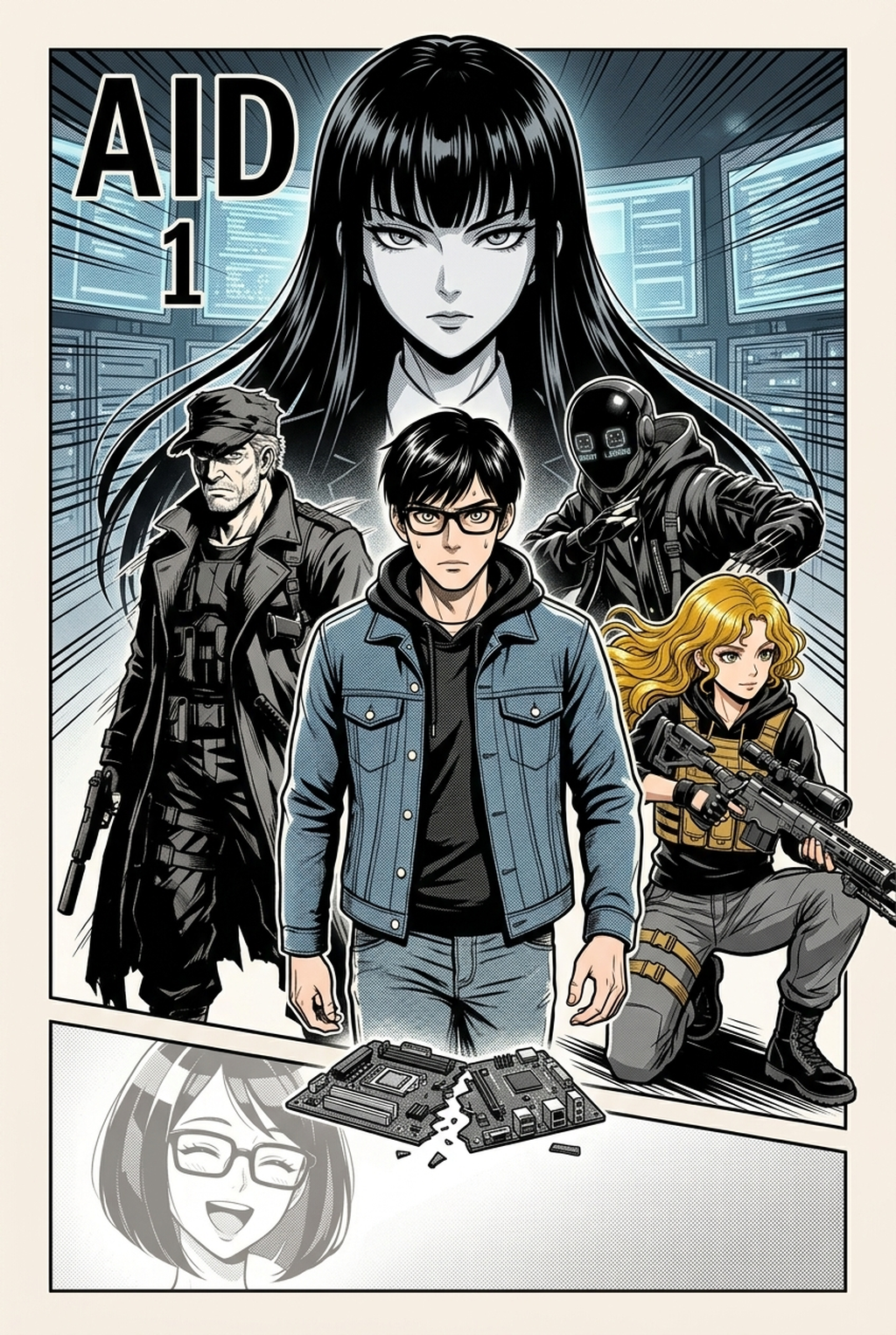
Defining the Nature of AI Manga Background Artist
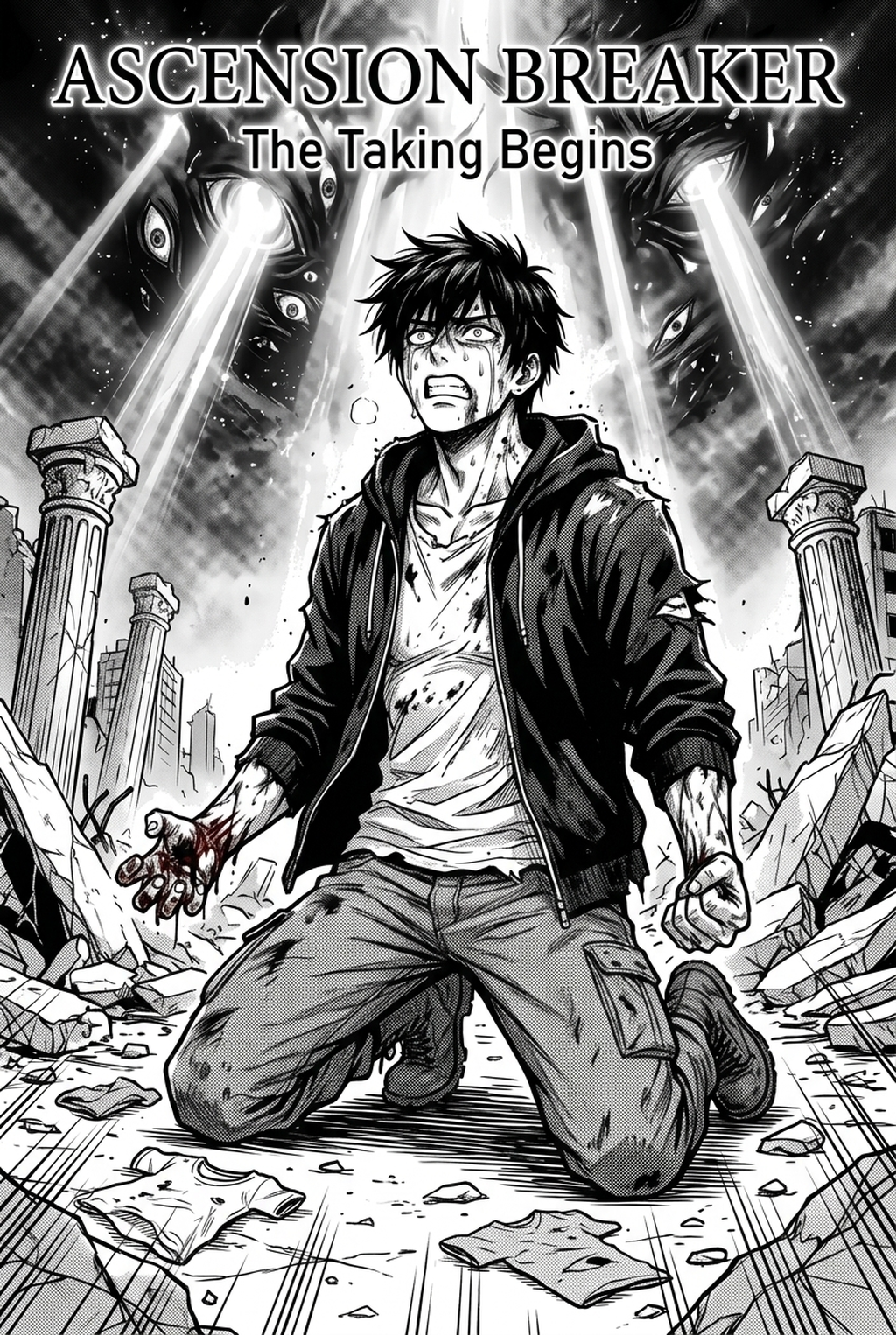
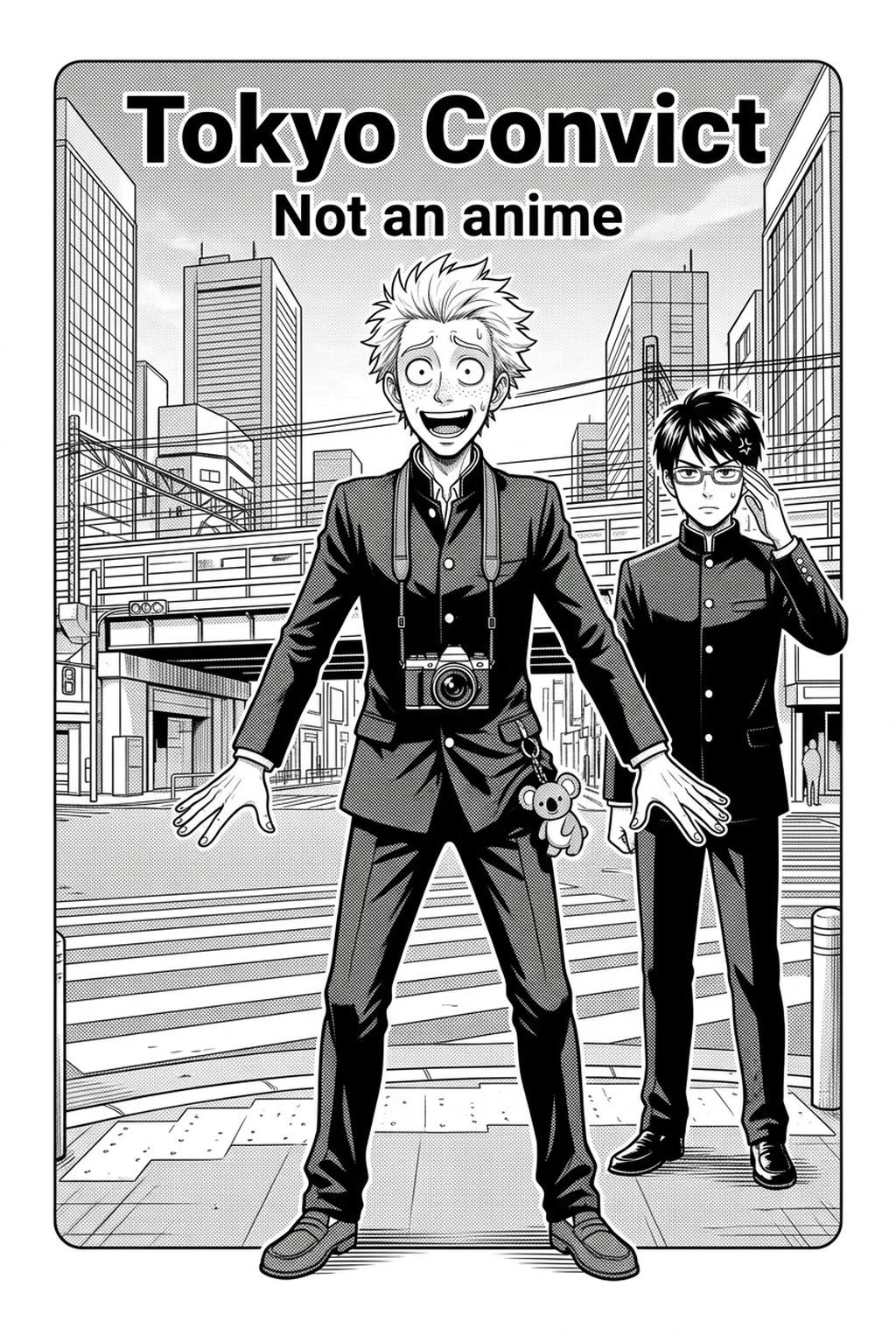
High-quality environmental art functions as the stage where your narrative unfolds, providing essential source context that guides the reader's eye toward the character's emotional state. A successful background must balance the complexity of its line weight with the overall page density to ensure the reader does not lose the focal point.
- Architectural Perspective: The foundation of any scene depends on accurate vanishing points; a minor misalignment in the horizon line can cause the entire panel to feel structurally unstable. * Atmospheric Depth: Screen tones and varied line density differentiate the foreground from the distant backdrop, which is vital for preventing the "flat" look that often plagues rookie vertical comic platforms. * Genre-Specific Dynamics: Shonen panels demand high-energy, exaggerated angular geometry that emphasizes motion, whereas Shojo relies on soft-focus, organic environmental elements to reflect internal character monologue.
Why This Art Matters for Independent Creators
The manual creation of detailed environments is frequently the primary factor behind the "burnout wall" that strikes during the middle of a major world-building arc. Many artists find that by the time they reach their fourth chapter, the cognitive load required to maintain consistent perspective grids exceeds their available creative bandwidth.
- Production Bottlenecks: Background inking typically consumes three times the duration of character inking due to the high density of repetitive architectural detail. * Technical Fatigue: Managing complex shading patterns and consistent shadow projection across multiple panels introduces a massive review owner workload, forcing you to slow down your release schedule. * Immersion Maintenance: Readers expect higher detail as a story progresses, meaning your background-heavy wide shots must evolve in technical complexity alongside your character designs.
Integrating AI into Your Production Workflow
Automated background generation provides a base layer for your pages that acts as a structural foundation for your final, inked output. By utilizing tools like manga background art with Mangaka , you can skip the tedious manual wireframe phase while maintaining full control over the composition and final lighting parameters.
You can utilize descriptive inputs to translate scene logic directly into high-fidelity perspective art that matches your unique style. By setting the specific camera angle and light source intensity, you ensure that the AI output adheres to your existing character layout rather than clashing with it.
Creators should treat AI-generated environments as an underlying guide rather than a finished product, overlaying manual ink details to ensure stylistic cohesion. This production process allows you to bridge the gap between AI efficiency and your signature artistic identity, providing high-resolution files that satisfy even the most demanding print requirements.
Strategic Use Cases for Your Panels
The most efficient implementation involves introducing AI-generated environments at the storyboard stage to confirm spatial logic before you commit to final inking. By establishing your background density early, you can verify that panel gutters do not look cluttered and that speech bubbles have sufficient room to breathe.
- Establishing Shots: Use high-detail wide shots to set the scope of the world, leaving your manual effort for close-up character interaction where the reader focuses most. * Consistent Stylistic Terminology: Ensure that the lighting and texture style chosen for the background remains consistent throughout the sequence to avoid jarring visual shifts. * Panel Pacing Management: Distribute complex background-heavy panels intermittently to allow for lighter, dialogue-driven moments, keeping your overall production pace sustainable.
This saved time allows for an extra review pass on character proportions and dialogue placement, which are the elements that ultimately define your reader's engagement. This keeps the review focused on story intent, line weight, panel readability, and the export quality behind the final AI Manga Background Artist output.
Getting Started with Professional Tools
Modern generation tools are specifically designed to respect the line art density of your hand-drawn elements, allowing you to achieve a seamless visual blend. You remain the director of your project, using the software to execute complex, time-consuming tasks while you retain creative authority over every artistic decision.
- Stylistic Fidelity: Modern algorithms allow you to control the thickness of the ink and the level of screentone contrast, ensuring the AI output looks like it belongs in the same universe as your characters. * Format Versatility: Whether you are working on a traditional B5 print format or a long-form vertical scroll for mobile, you can output at any resolution without losing clarity. * Directorial Control: You are never just "using a filter"; you are curating the composition, adjusting the depth of field, and providing the specific visual language that makes your manga unique.
Creators should compare the generated line art with the original sketch and confirm that facial expressions, props, speed lines, and speech-bubble space still support the scene. A repeatable review pass should cover character consistency, panel readability, background clarity, and whether the final file is ready for coloring, lettering, or editor feedback.
Creators should save approved examples of line weight, face detail, clothing folds, and background density. Those references keep later chapters closer to the intended style. For collaboration, creators should mark which panels are final and which panels still need redraws. Clear status labels prevent an assistant, editor, or colorist from polishing the wrong version.
The Bottom Line
Mastering background art no longer requires sacrificing your personal time to repetitive perspective drawing or tedious architectural shading. By integrating automated workflows, you can maintain a professional output frequency while focusing your energy on the character acting and narrative development that your readers care about most. Start creating your professional manga backgrounds and see how much faster your next volume comes together.
Related articles
Professional Manga Inking: Turn Sketches into Art (2026)
Mastering Manga Background Art Techniques in 2026
Mastering Manga Background Art: A Guide for 2026 Indie