AI Manga Character Designer: Defining the Scope of Isekai Character Design
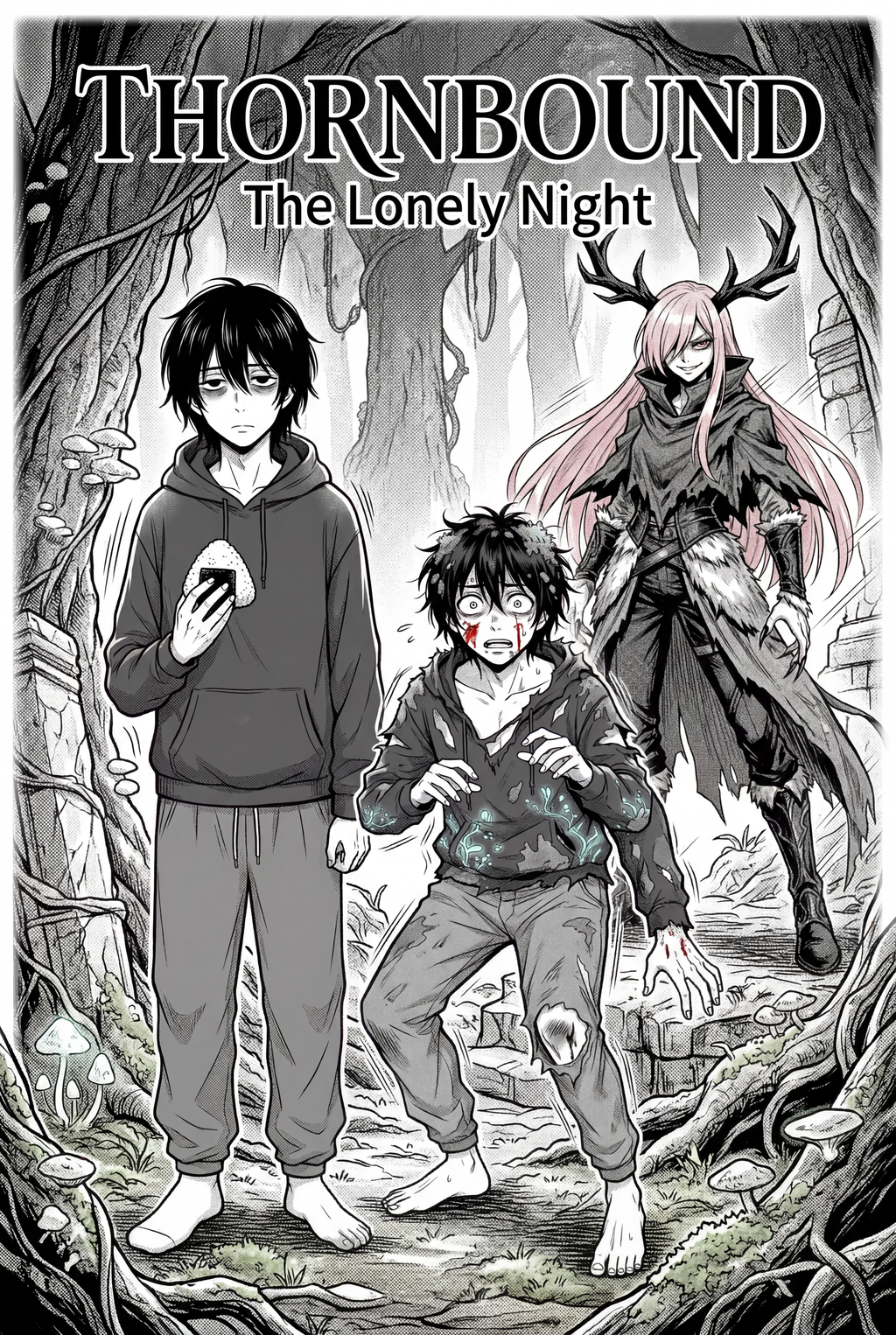
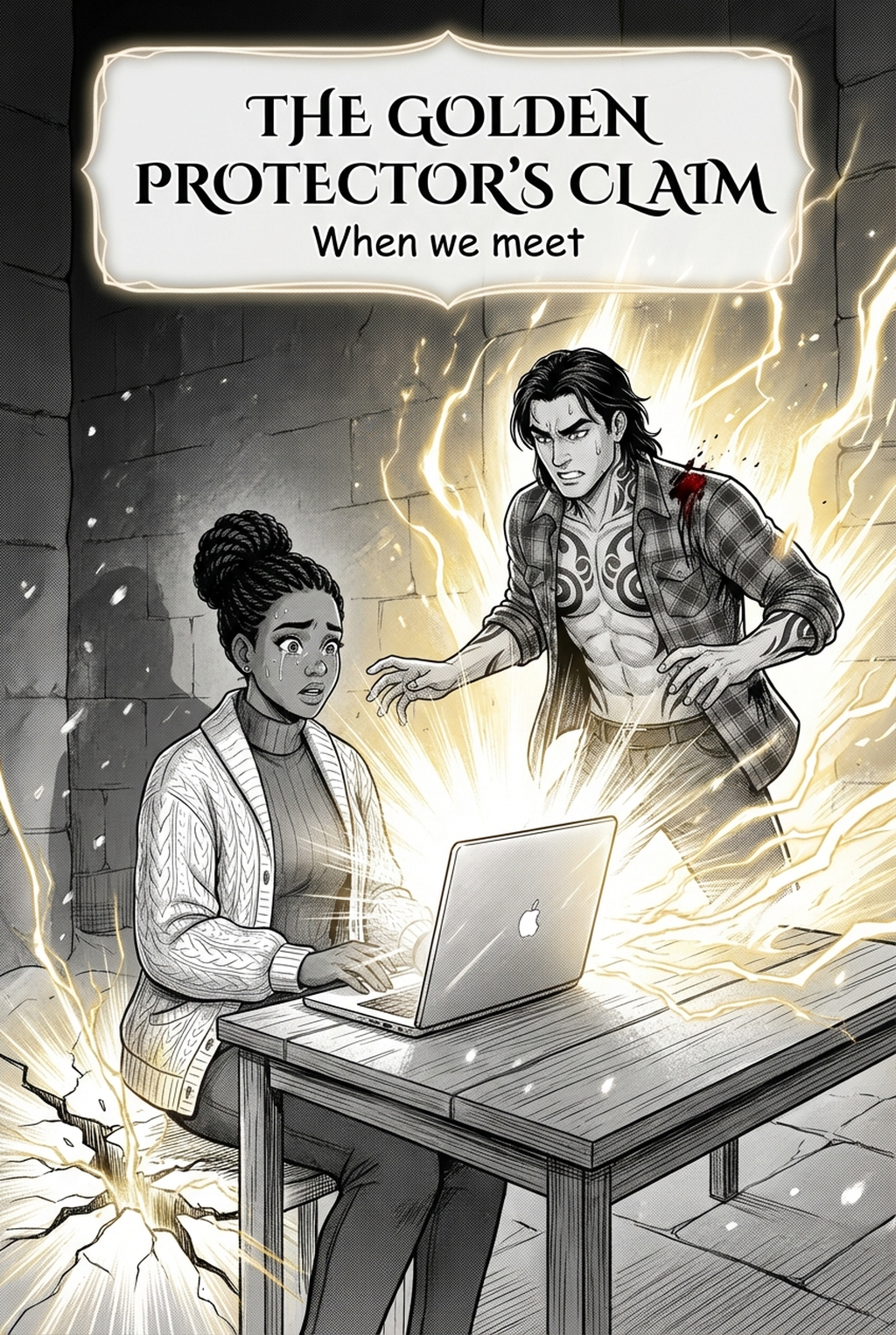
Effective design relies on the visual contrast between the protagonist's modern-world origin and their new fantasy environment, where every detail serves as a narrative marker. When you drop a modern hero into a high-fantasy landscape, the design must clearly signal their status as an outsider rather than a native member of the world.
The core challenge involves layering 'Modern Casual' items, like a hoodie or sneakers, against the 'High Fantasy' armor or robes worn by indigenous characters. If you over-rely on contemporary fashion, your character feels like a tourist; if you lean too hard into traditional fantasy tropes, the "reincarnated outsider" theme vanishes. You should look to establish a core color palette that distinguishes your lead from the commoners of the realm. A vibrant, high-saturation color scheme on the protagonist often forces them into the foreground of crowded town panels, ensuring the reader’s eye never loses the focal point during complex action sequences.
- Chapter cadence. Use the AI pass for pages where speed matters most, such as repeated action poses, transformation beats, or dense speed-line panels. Keep manual cleanup for hero panels where the line style defines the emotional peak.
- Character continuity. Compare the generated lines against the same model sheet, costume notes, and facial-expression range used during sketching. This prevents a fast inking pass from drifting away from the character identity readers recognize.
- Export readiness. Check whether the final manga output can move into lettering, coloring, or final layout without rebuilding panel borders or speech-bubble space. A good manga workflow should save time while keeping the next production step predictable.
Why Consistency Matters for Creator Immersion
Visual consistency functions as the foundation of reader retention, as character proportion drift can break the suspension of disbelief during critical emotional payoffs. When a reader spends fifty chapters with a protagonist, they subconsciously memorize the character’s specific 'Identity Anchors'—such as a recurring accessory, a unique hair pattern, or distinct armor plating. If the line work or proportions shift, it triggers a subconscious "uncanny valley" response that signals a lack of professional polish. Maintaining style stability is not just about aesthetics; it is about respecting the time the reader has invested in the narrative.
When you skip the design phase, you invite inconsistency into your panel workflow, which leads to bloated revision passes. A character who is two heads taller in a combat sequence than they were in a village social scene breaks the page flow. Experienced artists often use a 5-point turn-around reference sheet to keep their team on track, but solo creators often lack the time to manually check every pose. Ensuring that your character’s 'Signature Look' remains unchanged—regardless of the lighting conditions or the combat density of the panel—is what keeps the story grounded over hundreds of chapters.
Implementing Consistency Through Mangaka Workflows
Mangaka allows creators to iterate on character concepts at speed, converting text-based lore into stable visual character sheets that prevent common scaling errors. By defining your character's traits as an anchor, the tool ensures the protagonist looks identical in both quiet, internal monologue scenes and high-action, multi-panel battle sequences.
Automating Character Stability with AI. Creators often struggle with maintaining line-art fidelity when shifting from a wide establishing shot to a close-up reaction panel. Mangaka addresses this by locking in design parameters, so that your protagonist's specific features—like a scar, a unique cape fastener, or custom eye patterns—do not vanish during complex rendering. This system uses automated inking and color-tagging to ensure that your character's 'Signature Look' remains visually locked throughout the entire production cycle. Instead of manually redrawing every detail, you can focus on Isekai manga character design with Mangaka and managing the narrative pacing, while the tool handles the heavy lifting of maintaining character visual fidelity across the entire page layout.
Genre-Based Design and Visual Languages
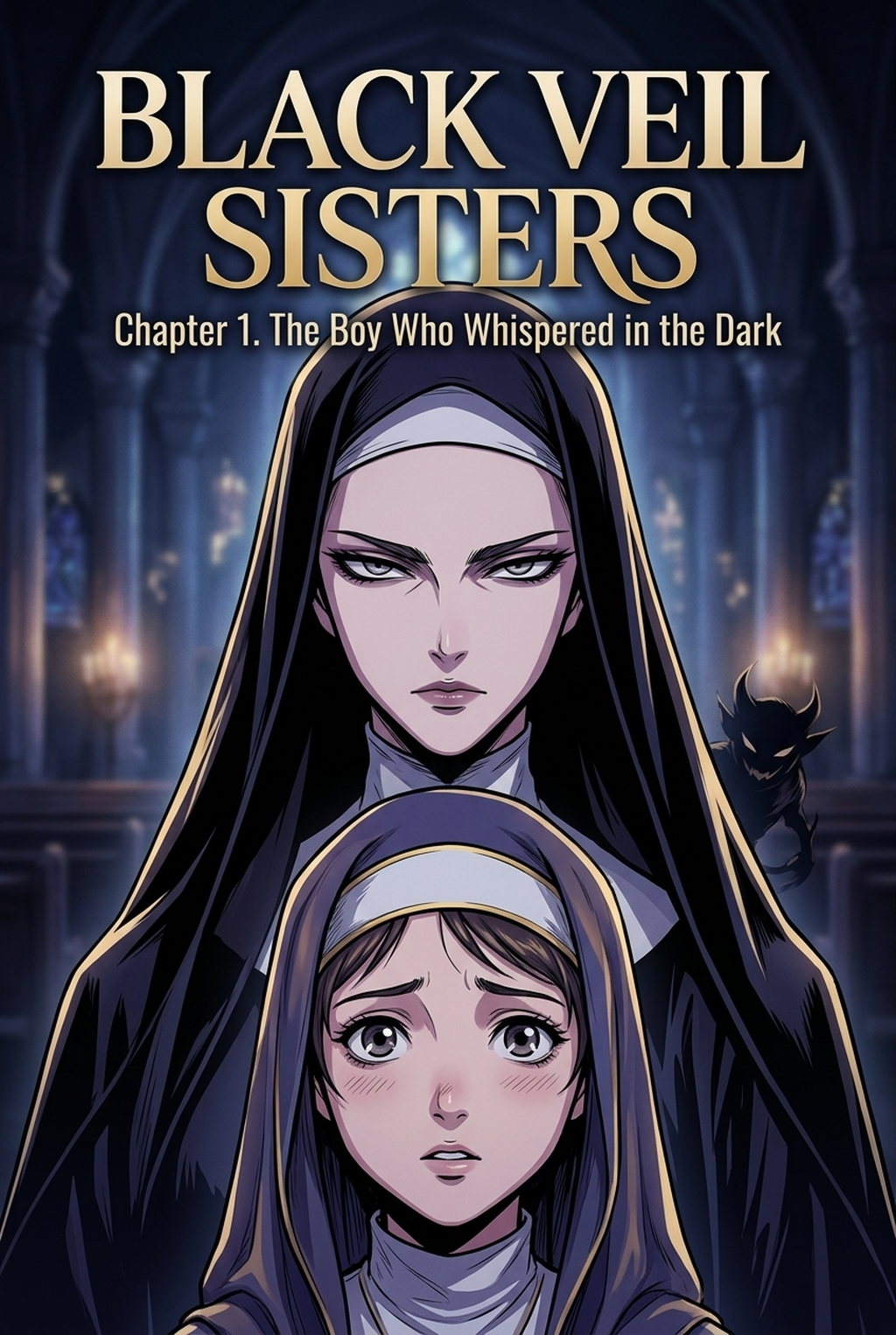
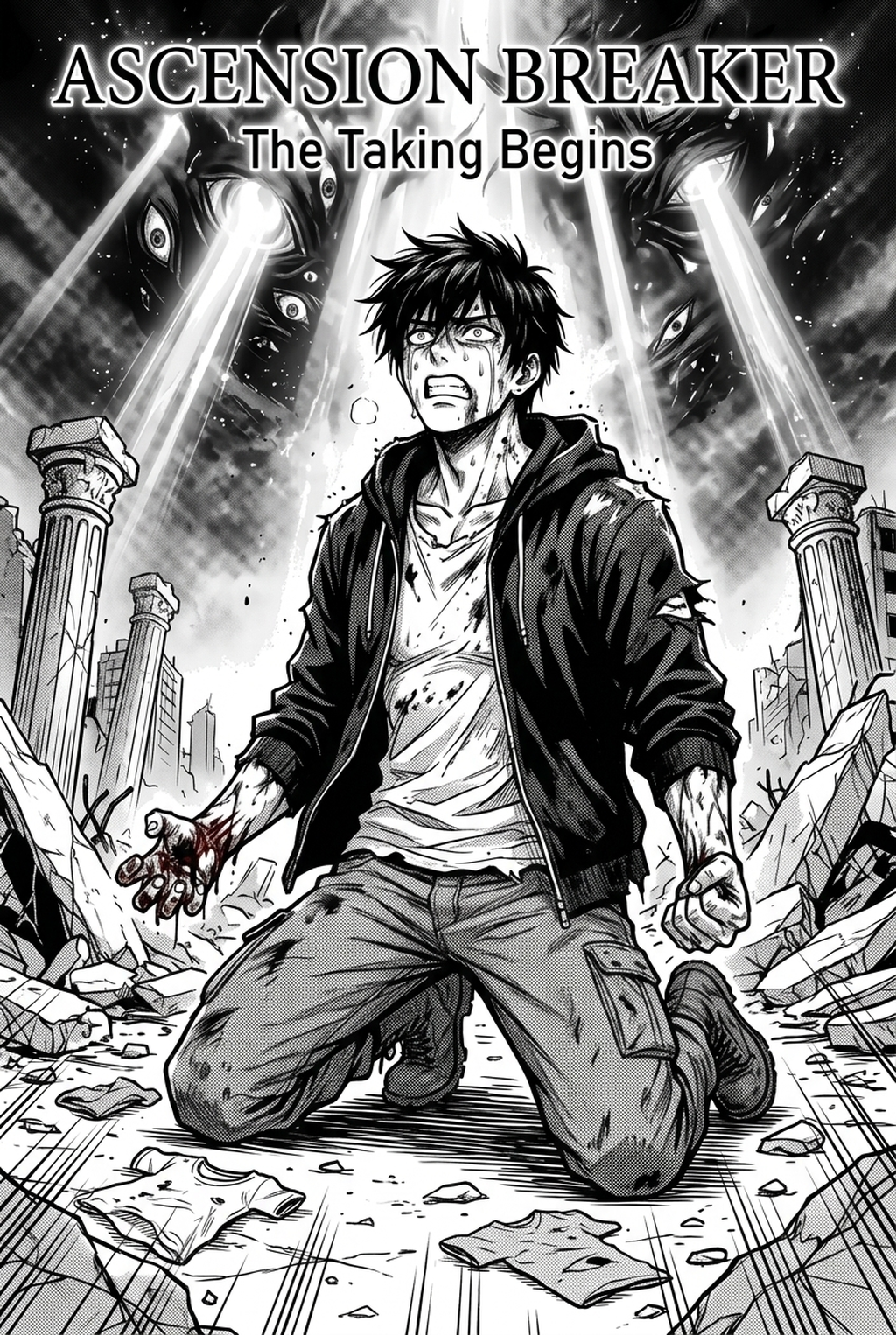
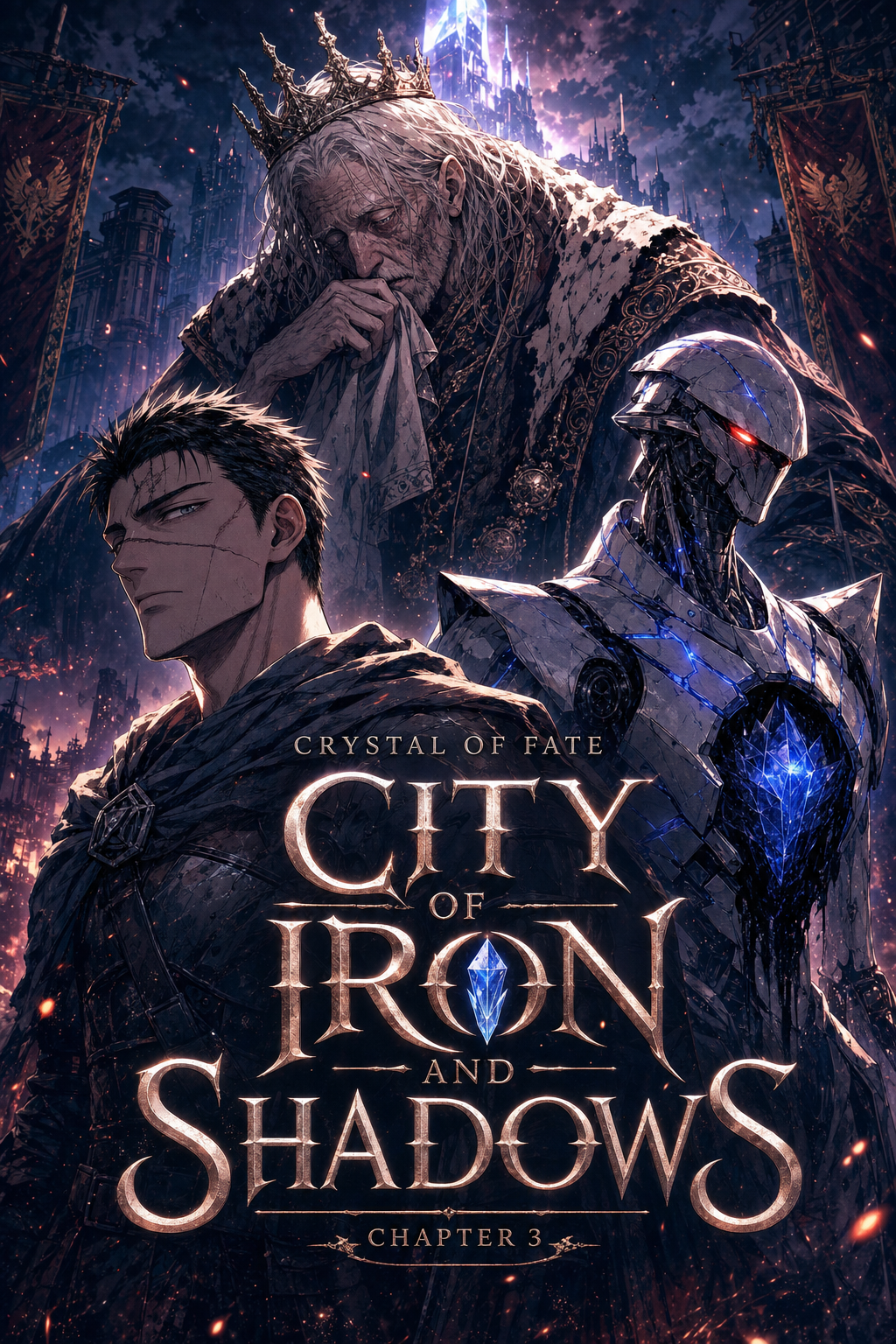
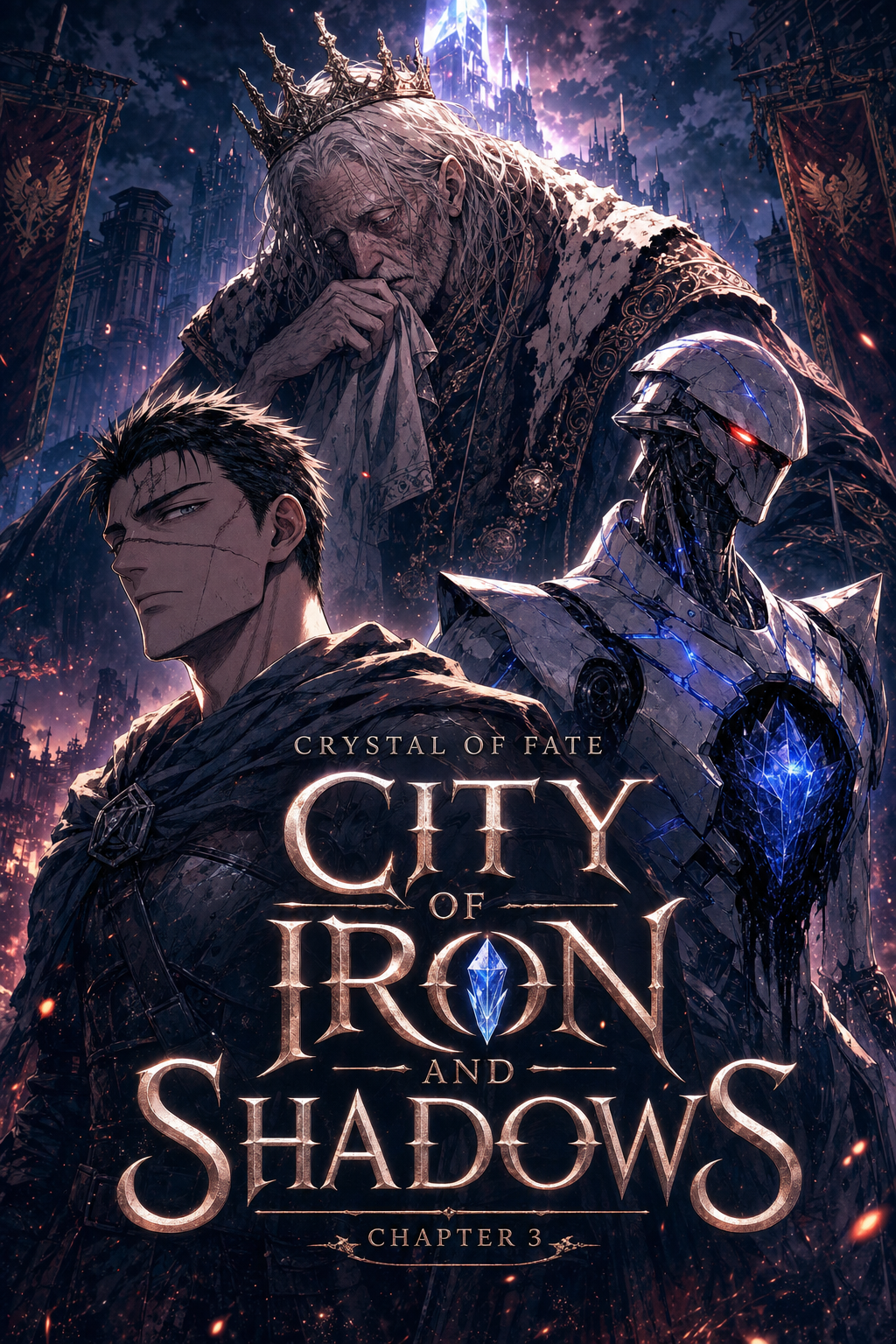
Different sub-genres require distinct design visual languages, and your protagonist’s growth should dictate how their silhouette evolves as they traverse the world. A 'Slow Life' fantasy series requires a different visual intensity than a high-stakes 'Shonen' power fantasy.
- Shonen-Style Design: This category requires exaggerated proportions and high-impact silhouettes. Focus on accessories that look dynamic in motion, like flowing cloaks or large, recognizable weaponry, to ensure the character remains readable during chaotic combat sequences. * Seinen-Style Design: This genre favors grounded, expressive facial details and realistic, functional gear. Prioritize subtle character markers, such as specific weathering on their clothing or expressive line work around the eyes, to emphasize the gravity of the protagonist's strategic decisions.
Character design should never be static, yet drastic changes can alienate your audience if they occur too quickly. Plan for "design milestones" that align with your plot: a hero might start with worn, modern clothing and slowly incorporate fantasy elements as they master the local magic system. This progression provides a visual timeline of their growth, showing the reader exactly how much the world has changed them without needing a line of dialogue.
Creators should compare the generated line art with the original sketch and confirm that facial expressions, props, speed lines, and speech-bubble space still support the scene. A repeatable review pass should cover character consistency, panel readability, background clarity, and whether the final file is ready for coloring, lettering, or editor feedback. For longer projects, creators should save approved examples of line weight, face detail, clothing folds, and background density. Those references keep later chapters closer to the intended style.
The Bottom Line
Successful AI Manga Character Designer workflow rests on your ability to bridge modern identity with a fantasy environment while maintaining iron-clad visual consistency. By integrating an AI-assisted design workflow into your production, you can eliminate the technical friction of character drift and focus on the artistry of your story. Start your design process at Isekai manga character design to build consistent characters that define your next hit series.