Kishōtenketsu Narrative Structure in Modern Shonen Manga (2026)
Language: English (EN) Status: Complete English draft, awaiting Phương Thảo Tô’s review; not published to CMS.
TL;DR
- Kishōtenketsu moves through Ki, Shō, Ten and Ketsu: introduction, development, turn and result.
- Ten can change perspective or rules; it does not require a villain.
- Modern shonen can combine the structure with goals, confrontations and cliffhangers.
Direct Answer: Establish the world and goal in Ki, expand the rules in Shō, introduce a prepared event that changes the reader’s understanding in Ten, and end with a consequence or question in Ketsu. Each section should change what the reader knows or feels.
The four movements
| Movement | Question | Result |
|---|---|---|
| Ki | Who is here, where, and what do they want? | Foundation and expectation |
| Shō | How do the rules or relationships work? | Depth and investment |
| Ten | What changes the interpretation? | Prepared surprise |
| Ketsu | What is the consequence? | Meaning or new motivation |
Relation to the three-act model
Three-act structures often emphasize goal and conflict; Kishōtenketsu emphasizes changed understanding. A shonen arc can combine them: Ki and Shō establish the world, Ten reveals a hidden condition, and Ketsu creates the consequence that drives the next confrontation.
Seven-step planning method
- Write the premise in one sentence.
- Define what the reader believes at the beginning.
- Expand two rules or relationships.
- Plant fair foreshadowing.
- Design Ten to change interpretation, not merely shock.
- Let Ketsu answer at least one question.
- End with a choice, consequence or causal cliffhanger.
Avoiding arbitrary twists
A twist fails when new information has no preparation, no thematic connection or no relationship to the character’s behavior. Plant clues through images, dialogue, objects and panel rhythm. Readers may be surprised, but a reread should make the turn feel earned.
Panel rhythm
Ki benefits from clear, low-noise panels; Shō can widen the world; Ten can change angle, pacing or panel size; Ketsu needs a concluding image with enough weight. Do not use a splash page merely to signal importance: form must serve the change.
CTA
Choose a one-shot, write four Ki–Shō–Ten–Ketsu lines and turn them into a storyboard on Mangaka. Check that every line contains a concrete change.
FAQ
- Does Kishōtenketsu require conflict? Not necessarily, but goals and consequences still create momentum.
- Must Ten introduce a villain? No. It can change perspective, location or rules.
- How can foreshadowing remain fair? Plant clues that become recognizable on rereading without explaining them too early.
- Can it work for battle manga? Yes, when Ten changes the understood condition of the fight.
- Must Ketsu close the entire story? No. It can create clear motivation for the next chapter.
- What is the common mistake? An unprepared twist or a Shō section that only repeats information.
<script type="application/ld+json">{"@context":"https://schema.org","@type":"FAQPage","mainEntity":[{"@type":"Question","name":"Does Kishōtenketsu require conflict?","acceptedAnswer":{"@type":"Answer","text":"Not necessarily, but goals and consequences still create momentum."}},{"@type":"Question","name":"Must Ten introduce a villain?","acceptedAnswer":{"@type":"Answer","text":"No. It can change perspective, location or rules."}}]}</script>
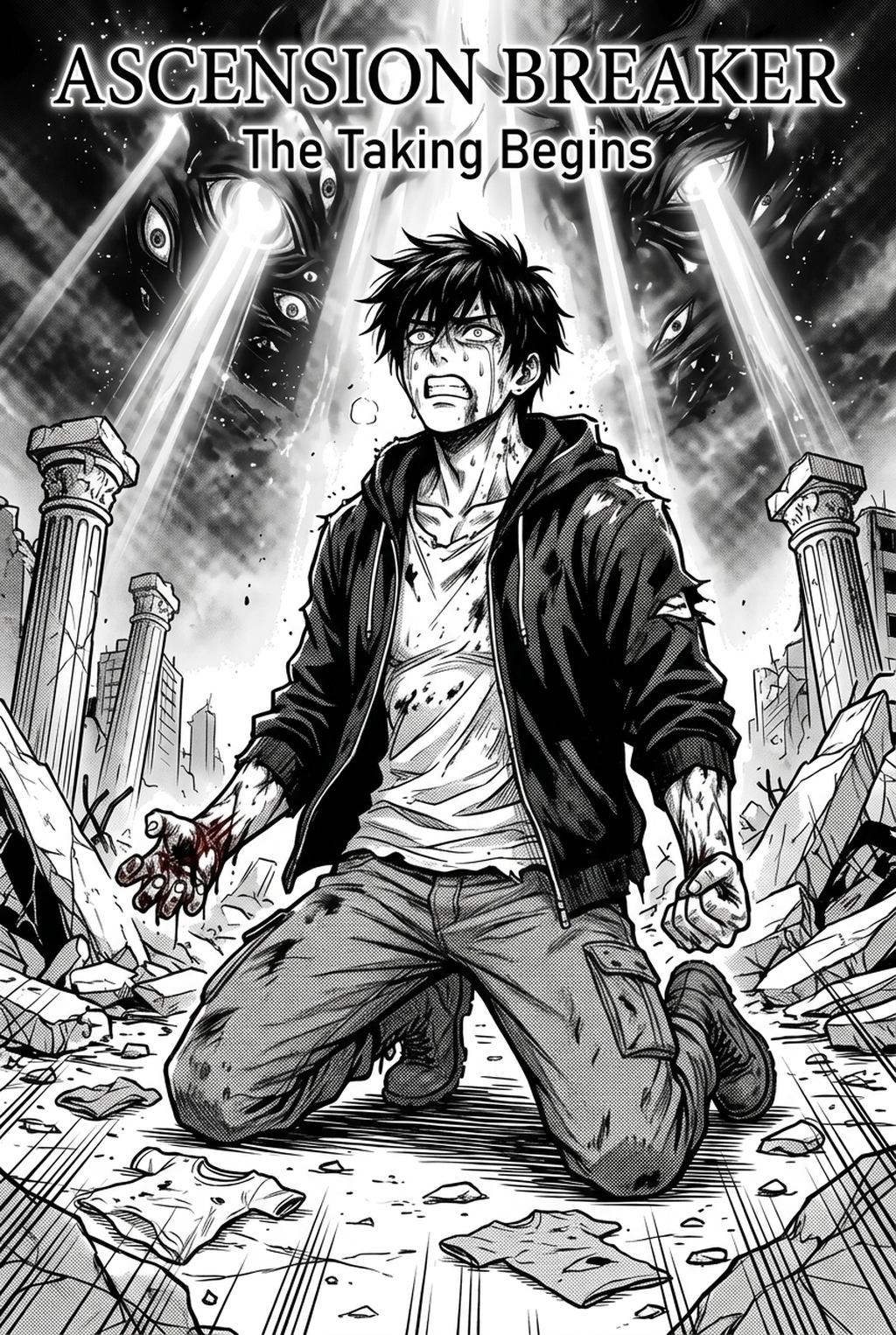
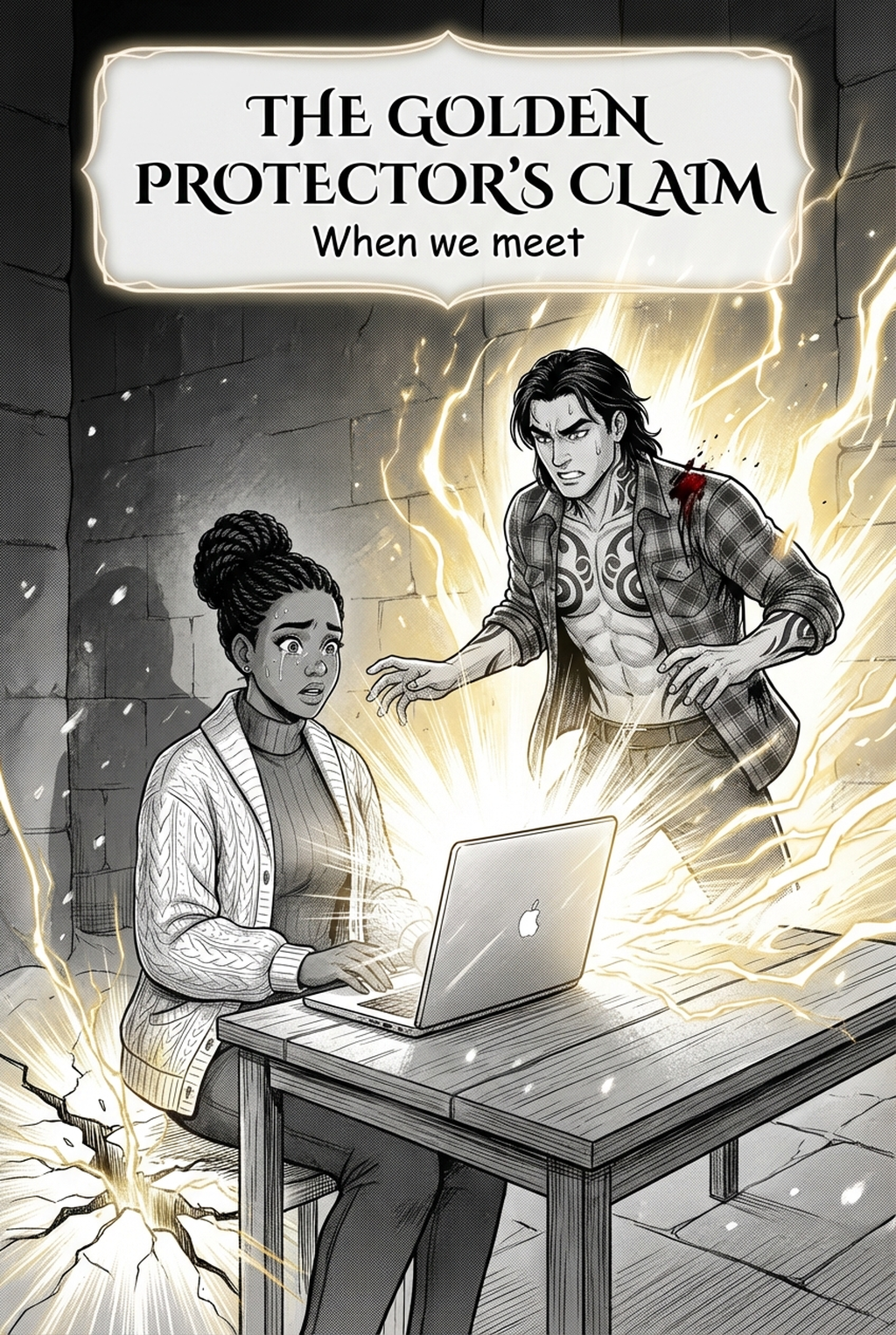
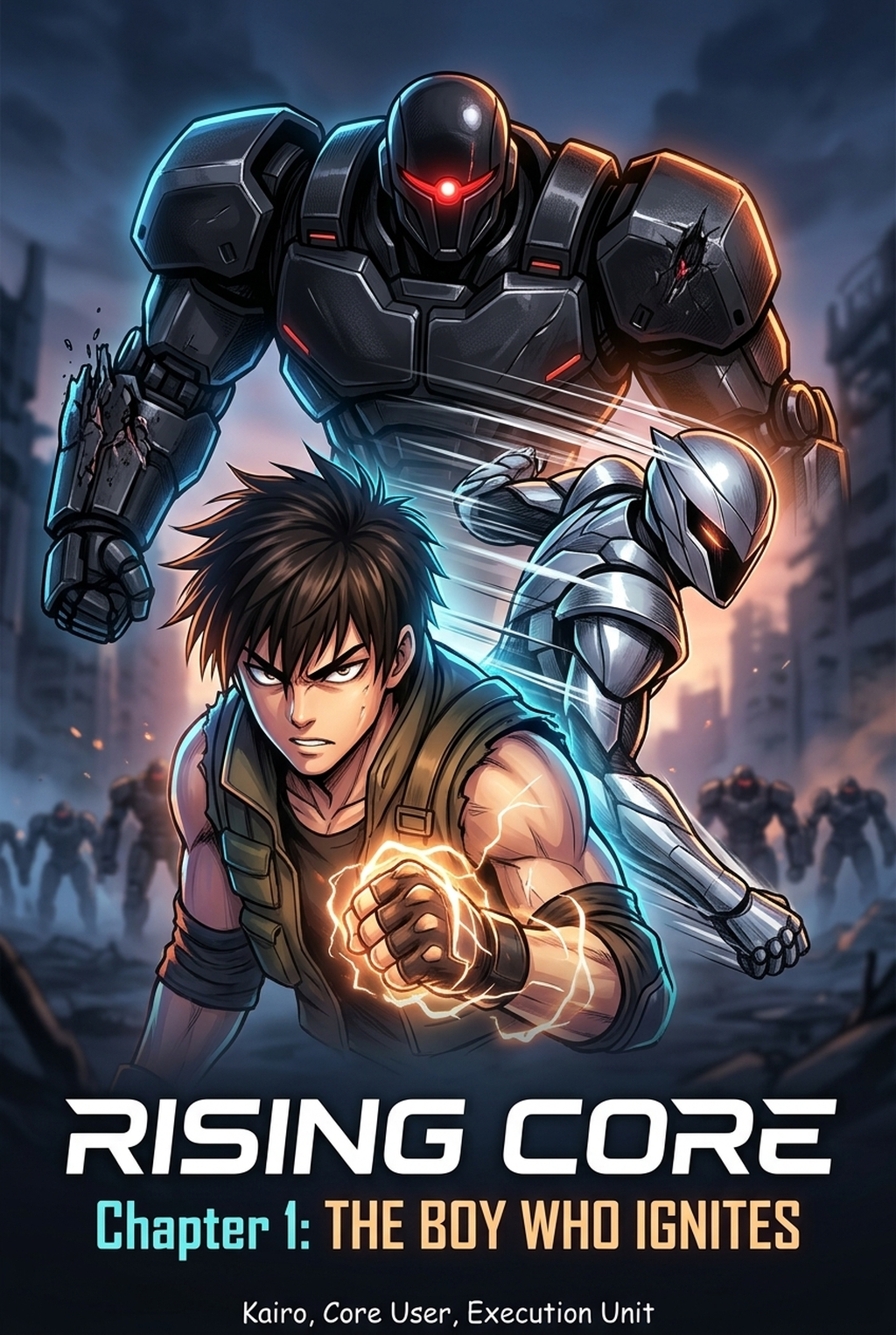
Image plan: five approved library images are reserved as cover plus four process illustrations; image URLs will be inserted after asset mapping is confirmed. Internal link: https://www.mangaka.app