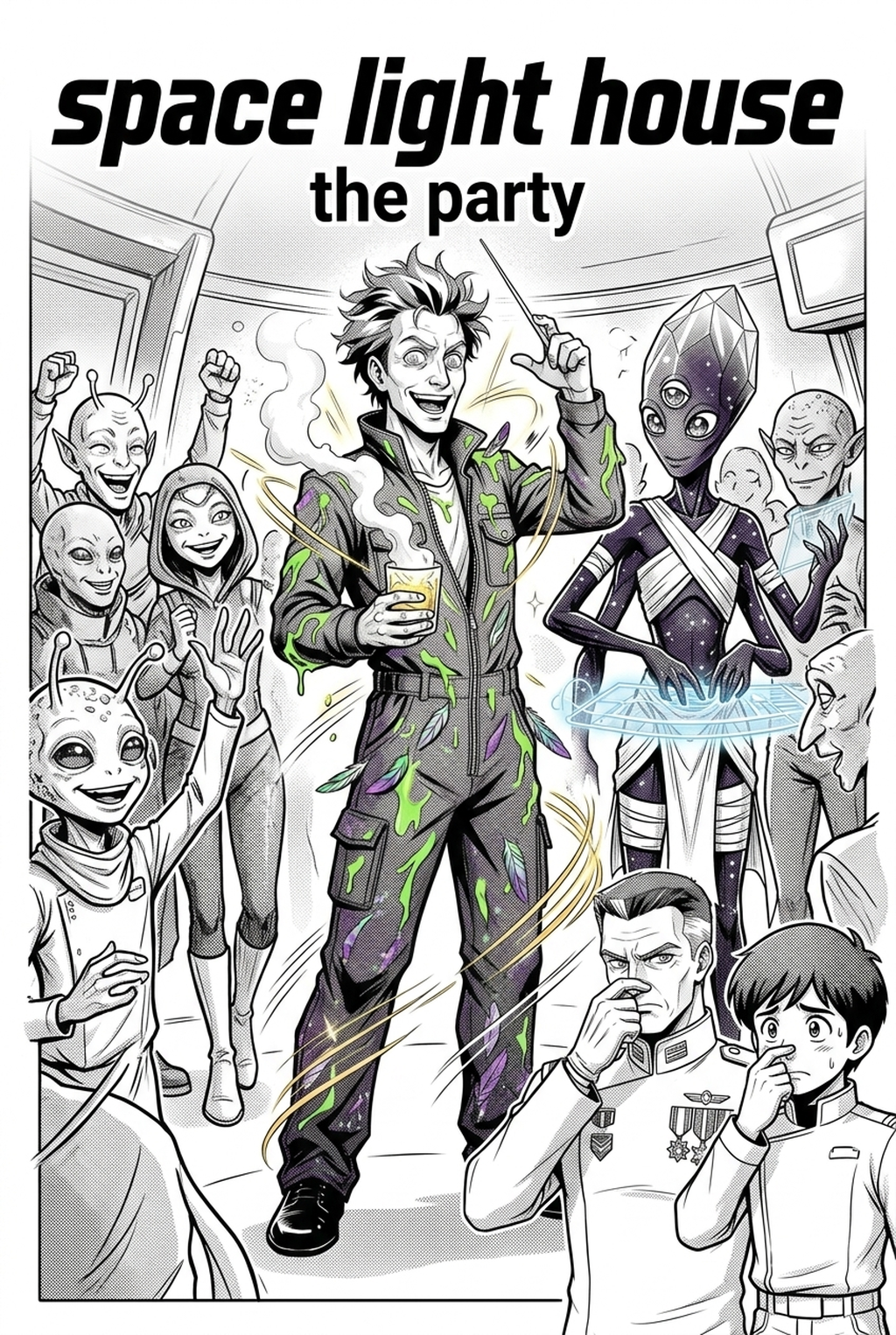
Defining the Visual Landscape of Your Manga
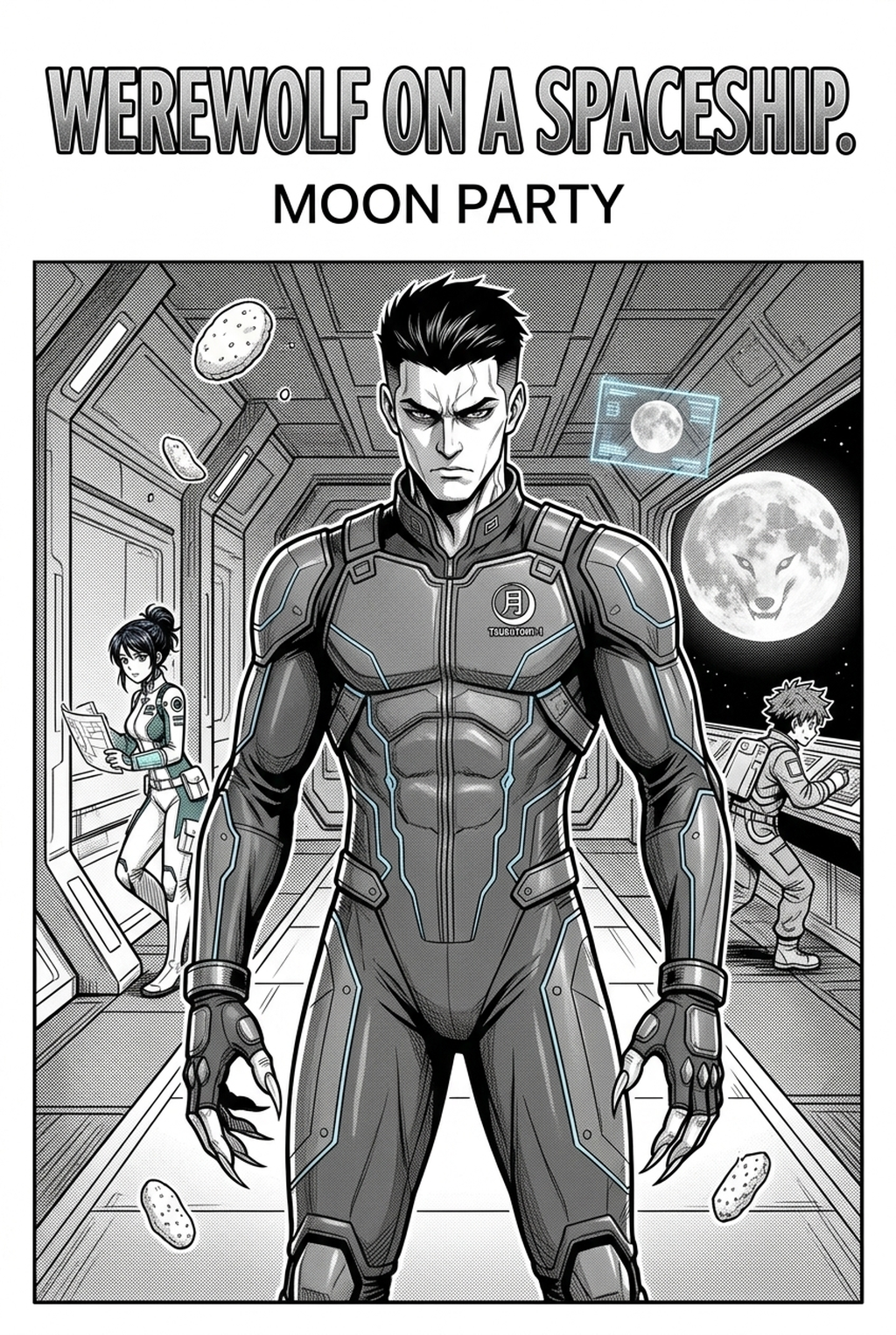
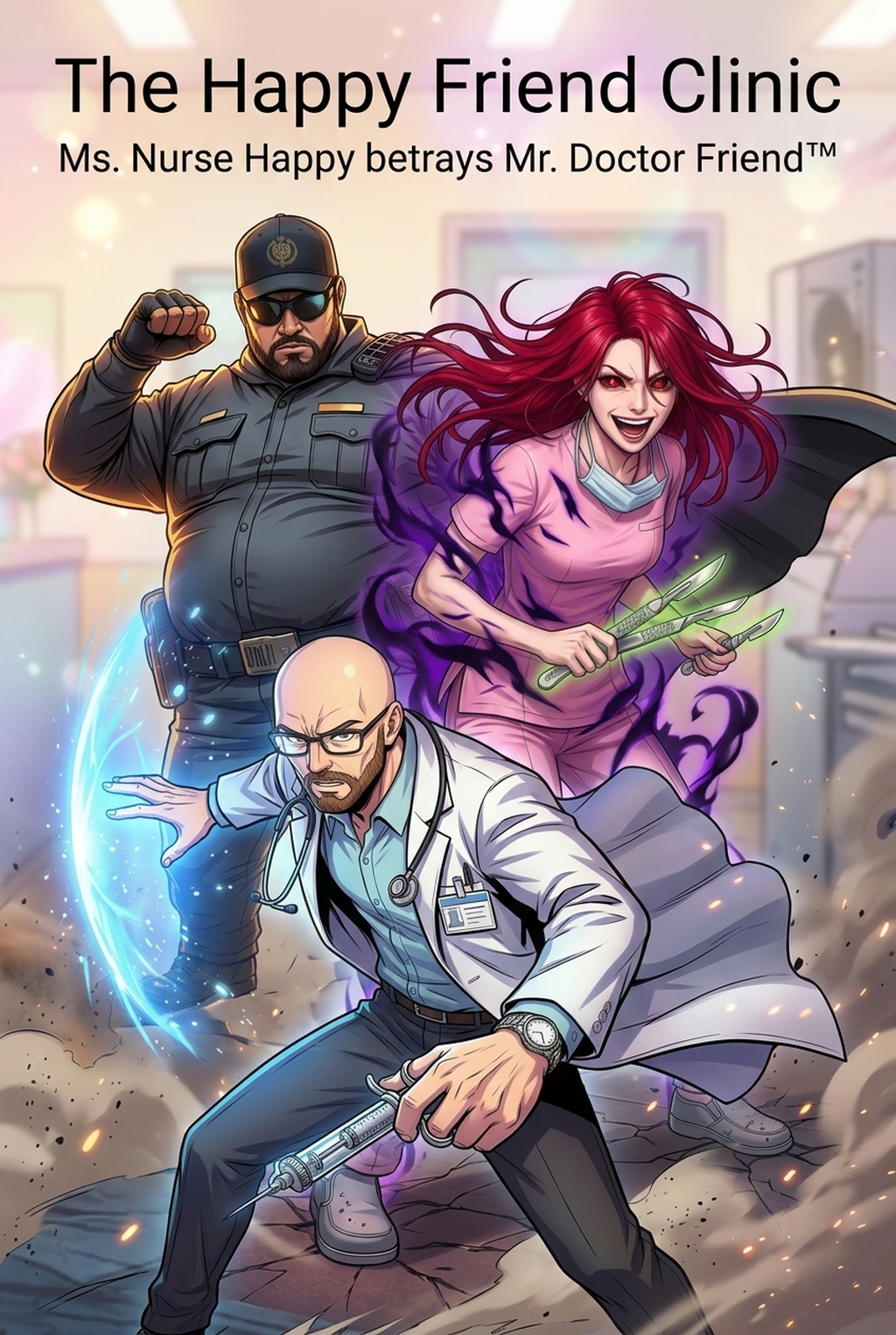
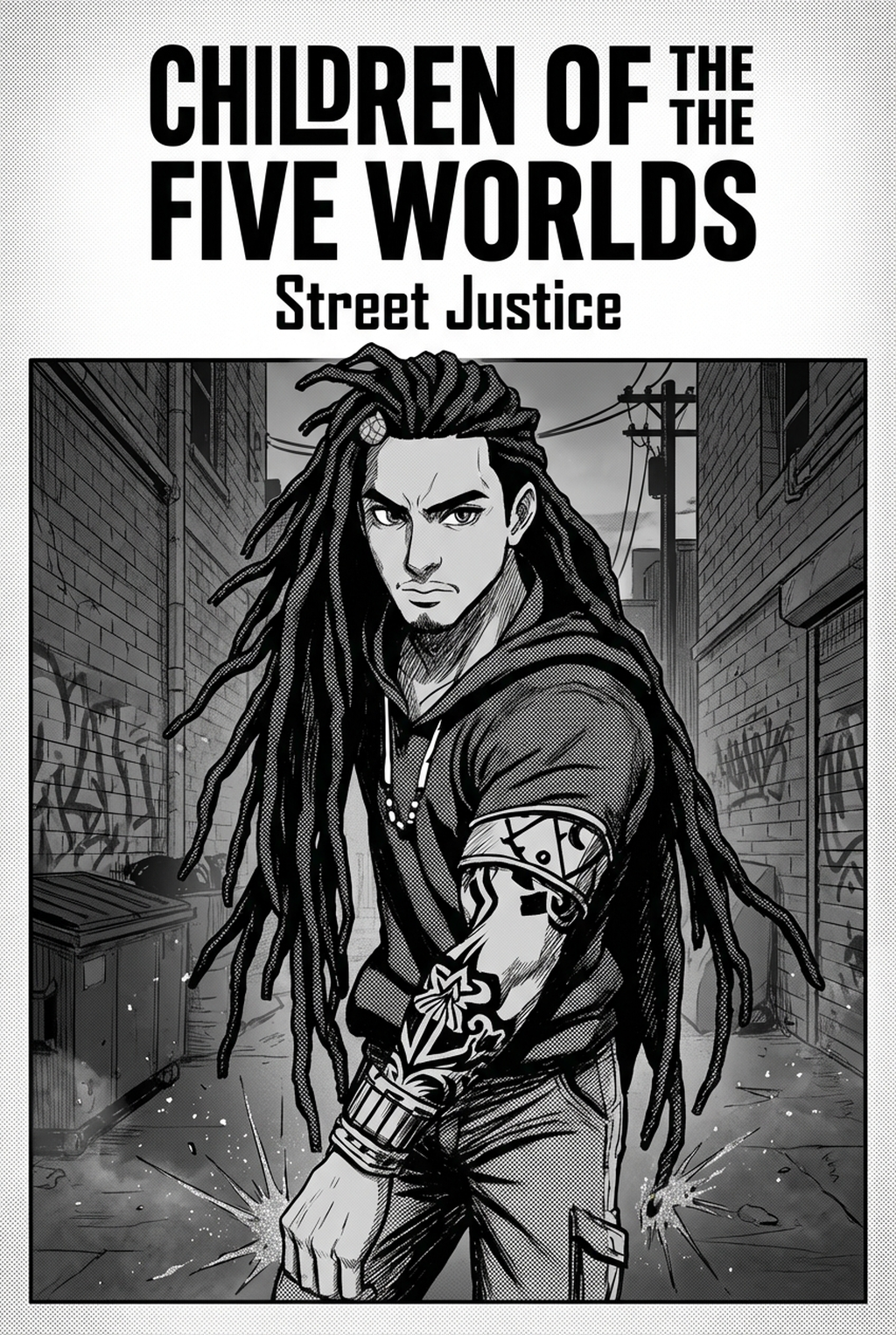
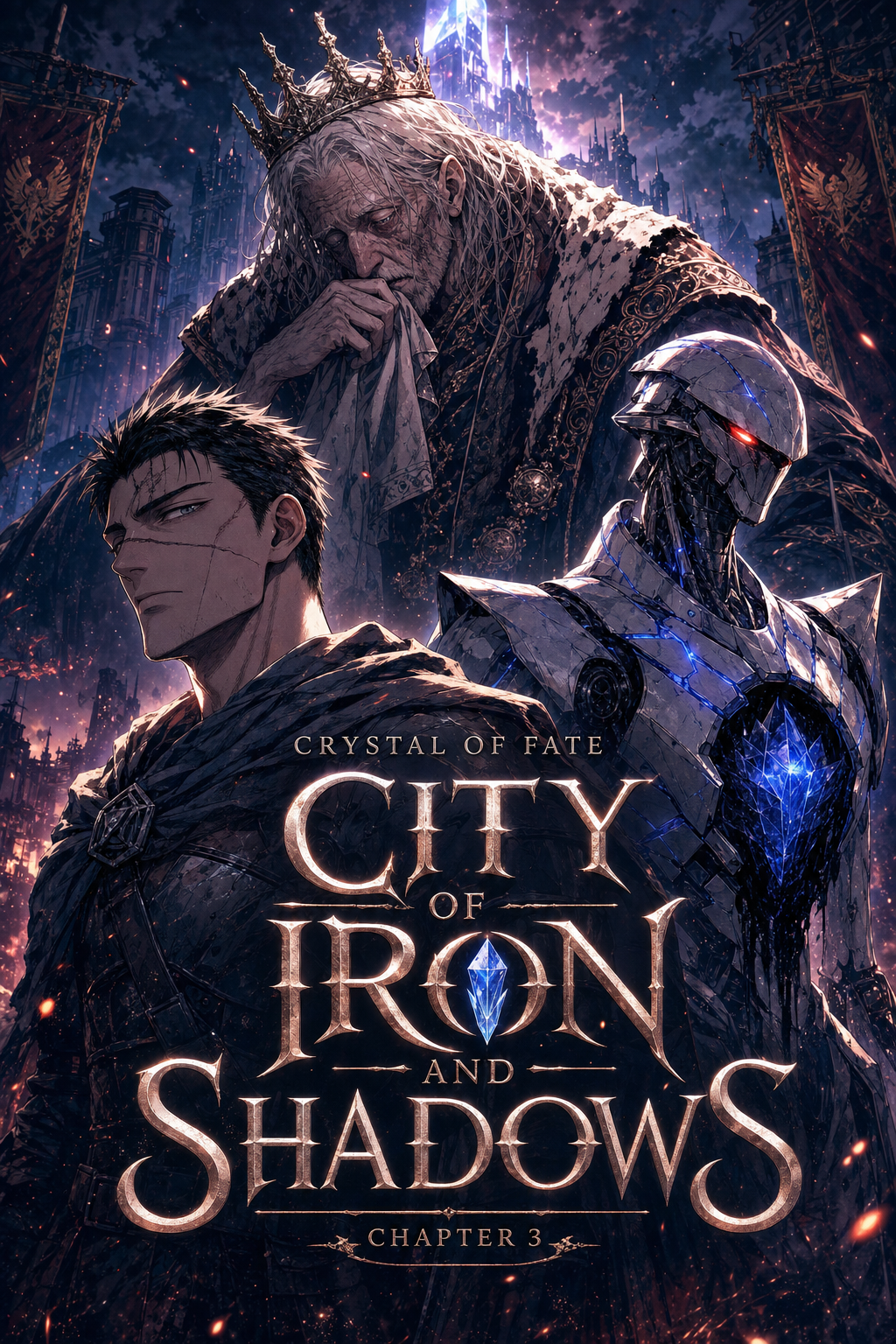
Manga background art establishes the foundational environmental context, dictating the mood, scale, and narrative pacing that guides the reader's eye through a scene. High-quality environments act as a visual anchor, allowing the review owner to verify narrative continuity across chapters and prevent visual plot holes, such as an urban school block that changes layout from page 12 to page 45.
- Architectural Stability: Consistent depiction of recurring locations like fantasy taverns or dense city intersections prevents reader disorientation. * Narrative Pacing: Detailed surroundings slow the reading speed, signaling moments of heavy exposition or quiet contemplation. * Visual Continuity: Uniform line weight and texture density ensure that the world feels inhabited rather than hollow or sketch-like.
Maintaining structural consistency is arguably the most difficult aspect of a long-running series. When background elements drift in proportion or scale, the resulting dissonance breaks the reader's suspension of disbelief, effectively turning a professional narrative into an amateur effort.
Why Precision in Environments Matters
Creating intricate scenes manually requires hours spent on perspective grids, precise architectural rendering, and the meticulous application of wood grain or brick textures. The delivery format requirements for print—often demanding 600 DPI resolution—versus vertical comic platforms mobile-optimized formats dictate vastly different levels of line density, which significantly increases the artist's total workload per chapter.
- The Inking Bottleneck: Excessive manual labor on single-panel interiors creates a structural failure in the production schedule, leading to release delays that hurt reader engagement. * Perspective Fatigue: Spending three hours calculating vanishing points for a single room leaves little mental bandwidth for the character-driven storytelling that defines the manga medium. * Texture Uniformity: Replicating repetitive patterns across large-scale panels often results in inconsistent line-art quality, especially when fatigue sets in during the final stages of a project.
Many artists fall into the trap of over-detailing early pages only to settle for low-effort scratch work by the chapter's climax. By acknowledging that backgrounds serve as the framing mechanism for character emotion, creators can allocate their manual focus to where it matters most: the faces and physical performances of their cast.
How Mangaka Simplifies the Rendering Process
Mangaka streamlines the production of intricate scenes by transforming descriptive text into fully rendered environments that replicate hand-drawn aesthetics, effectively removing the need for manual sketching or tedious inking of repetitive surfaces. Creators can input specific parameters regarding lighting, perspective, and architectural terminology, generating multiple high-fidelity variations in seconds rather than hours.
- creative brief-to-Perspective Integration: By syncing AI-generated output with your hand-drawn character camera angles, you ensure that the environment depth correctly frames your subjects, preventing awkward perspective mismatches. * Scalable Output: You can instantly switch between high-resolution print exports and optimized digital files, allowing the background complexity to adjust to your specific delivery format. * Efficiency Gains: Replacing manual perspective calculations with AI-driven base renders allows the creator to focus solely on applying the final finishing touches that distinguish their personal style.
](AI Manga Background Artist) offers a critical advantage for solo creators who cannot afford to sacrifice time on background geometry. Instead of spending an entire afternoon drafting a cityscape, you can generate the base layer and spend those precious hours refining your character expressions.
Strategic Use Cases for Environmental Assets
The professional integration process involves generating a base environment, applying digital screentone filters to match your unique manga style, and layering the character artwork directly on top for maximum synergy. You should treat these generated files as modular assets, maintaining a library of recurring locations to ensure stylistic uniformity across a single volume.
- Background-Character Synergy: Ensure the AI-generated depth matches the stroke-style of your hand-drawn elements by adjusting the final line-art intensity in your editing software. * Asset Reuse: Build a repository of "master files" for locations like school gates or park benches, allowing you to drag and drop consistent backgrounds into new panels as the script demands. * Screentone Calibration: Use standard dot-pattern overlays to unify the AI-rendered base, masking any overly sterile geometry with the classic grain associated with traditional print media.
If you are illustrating a 10-page sequence in a library, you can generate five distinct angles of the room using the same creative brief parameters to ensure the shelving layout remains consistent. Once you export these at 300 DPI or higher, your primary task shifts from drafting complex layouts to simply placing your characters and dialogue bubbles within the pre-composed space.
Establishing Your Production Workflow
Getting started with automated background creation requires a clear understanding of how to bridge the gap between AI generation and professional print standards. It is important to treat these generated assets as the first draft of your background, requiring a final polish to ensure the tone and texture fit your specific series.
- Commercial Usage: Ensure that the tool's license covers your specific publishing platform, allowing for full commercial rights for your manga assets. * Style Matching: Apply post-generation filters to unify the image texture, ensuring that the AI base does not appear too "clean" compared to your hand-inked line work. * Perspective Fundamentals: While technology handles the heavy drafting, a foundational understanding of perspective is still necessary to effectively direct the composition and camera framing.
Creators can use manga background art when they need a reviewed path from rough sketch to clean manga output. This keeps the review focused on story intent, line weight, panel readability, and the export quality behind the final AI Manga Background Artist output.
Creators can evaluate manga background art with Mangaka mid-workflow when they need the product path tied directly to review, refinement, and export. A real test should use the same sketch, character goal, or panel sequence that would otherwise need manual cleanup after generation.
The Bottom Line
Professional manga creation is as much about efficient asset management as it is about artistic talent, and automating background geometry is a key step toward achieving a sustainable release cadence. By integrating specialized tools into your workflow, you can move past the technical limitations of manual perspective drawing and reclaim your time for character performance. ](AI Manga Background Artist) for your next chapter.
Related articles
Essential Manga Inking Techniques for Professional Pages
Manga Inking: A Guide to Professional Line Art for 2026
Mastering the 4-Koma Manga Layout: A Creator’S Guide 2026