AI Manga Character Designer: Foundational Principles of Character Architecture
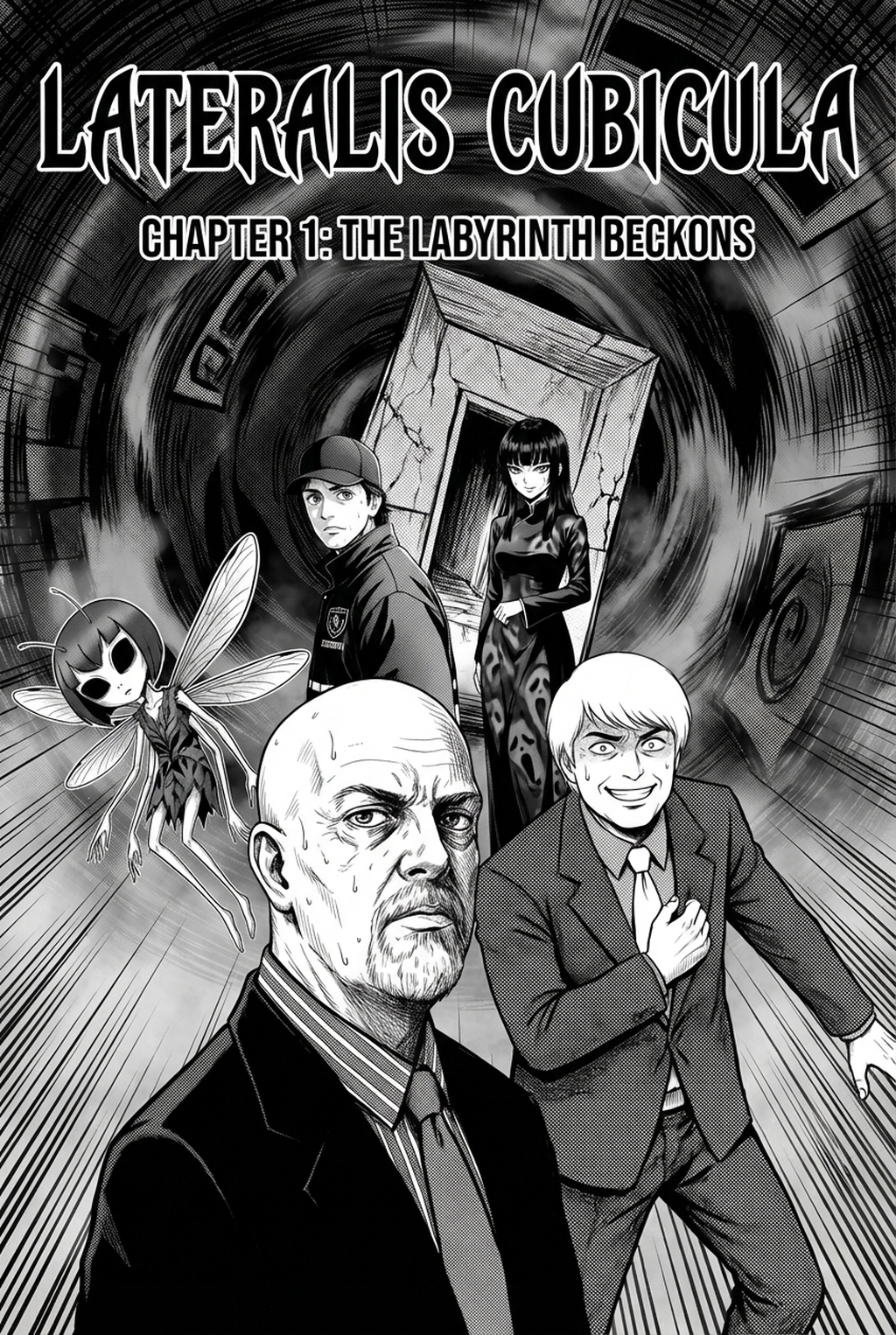
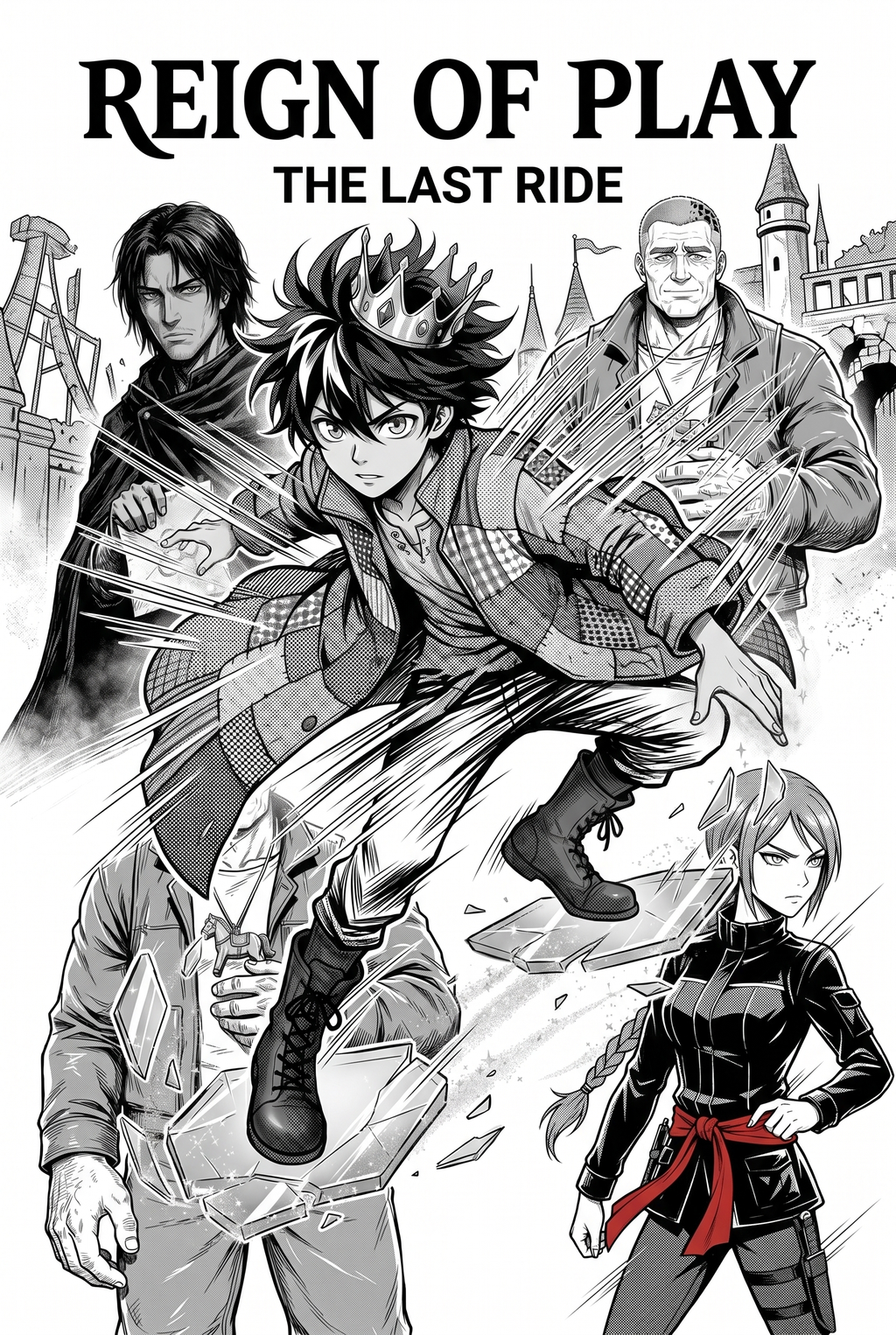
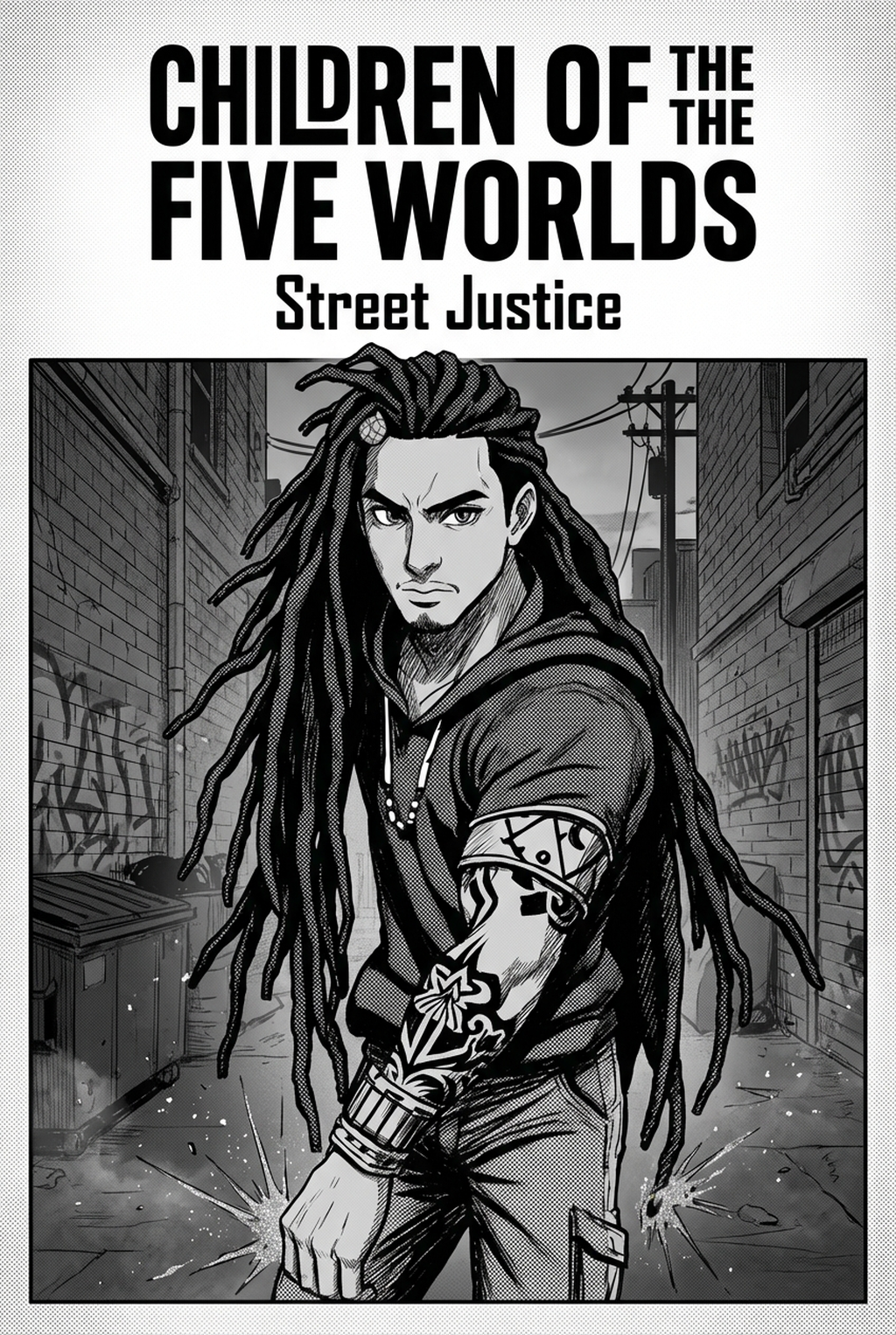
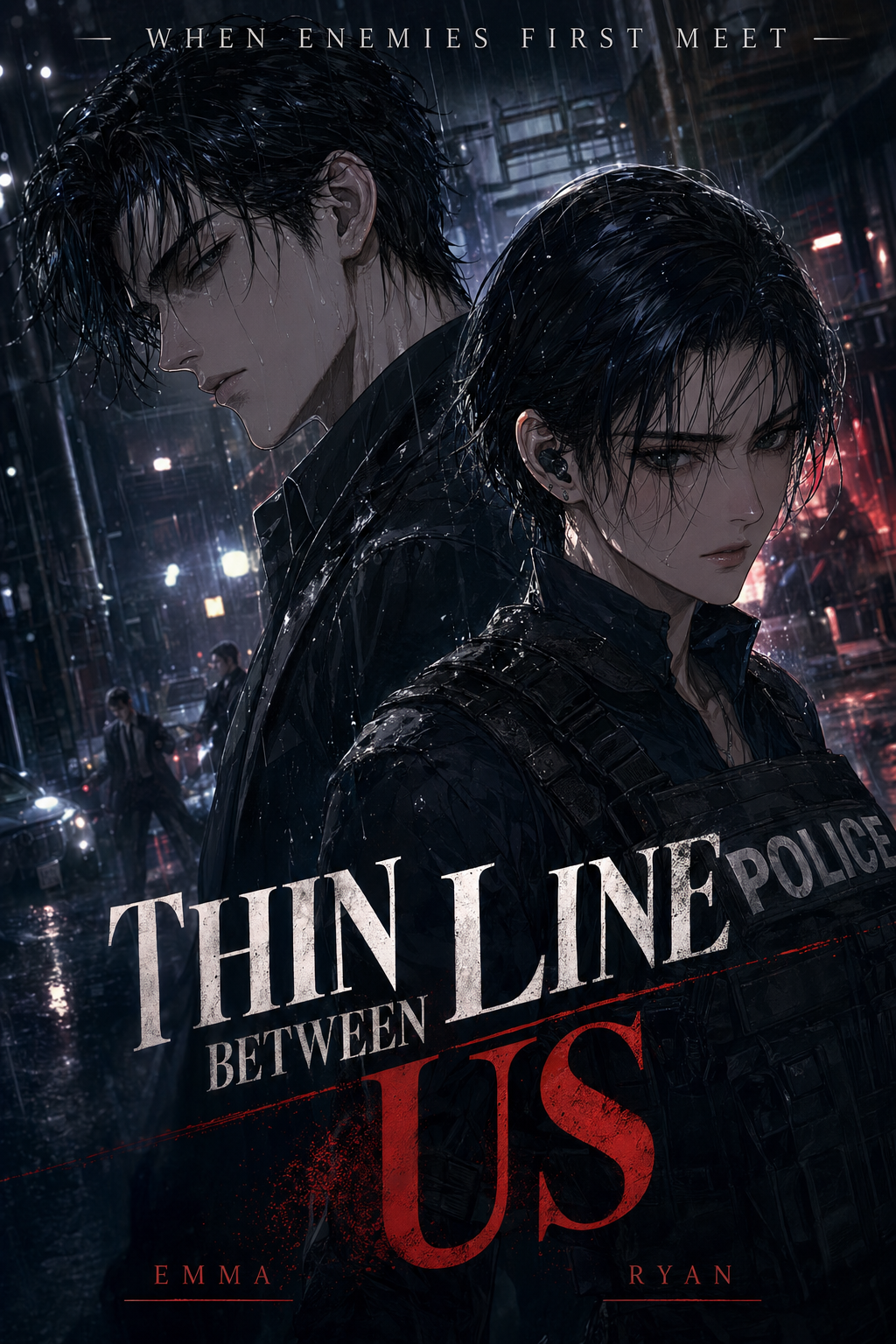
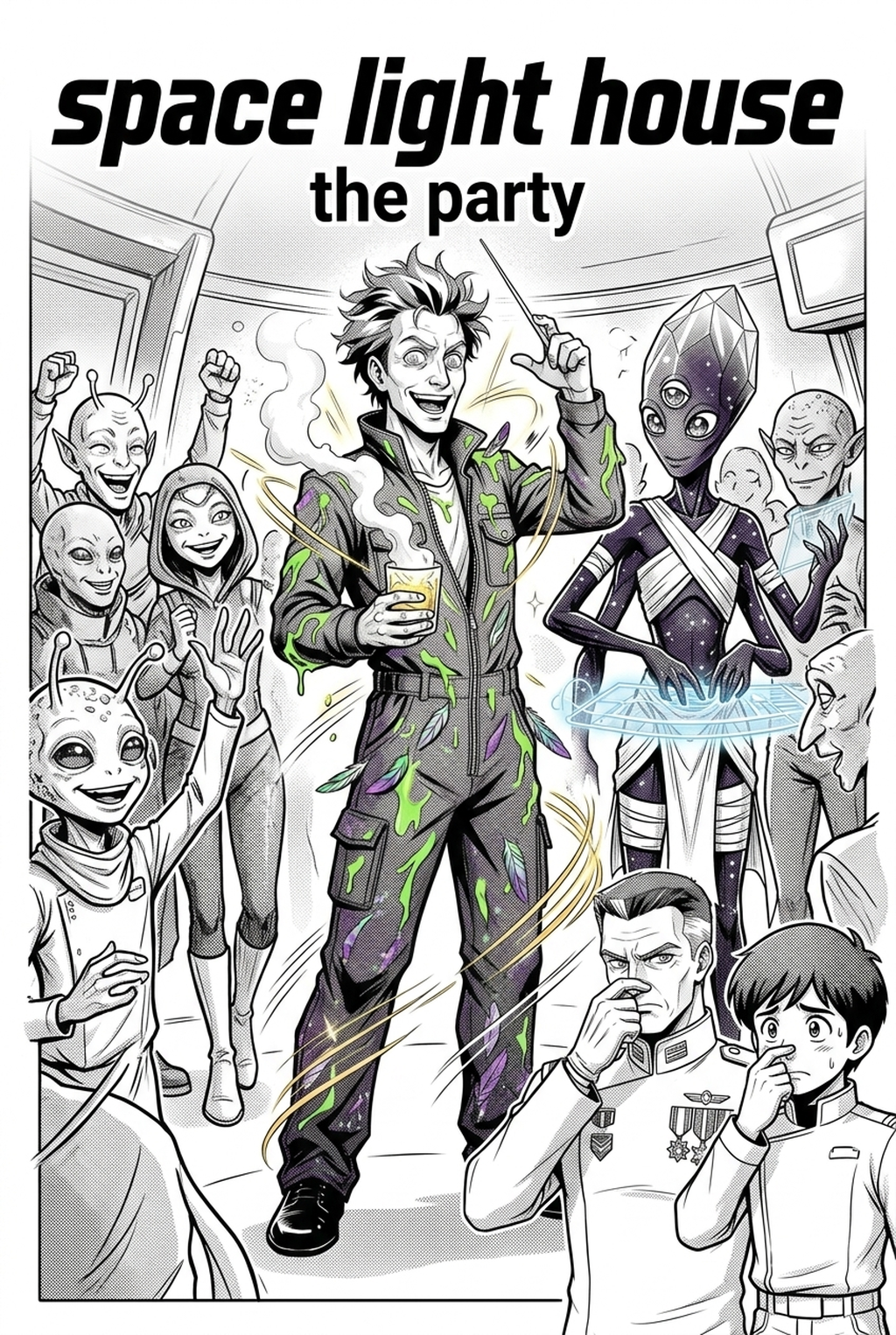
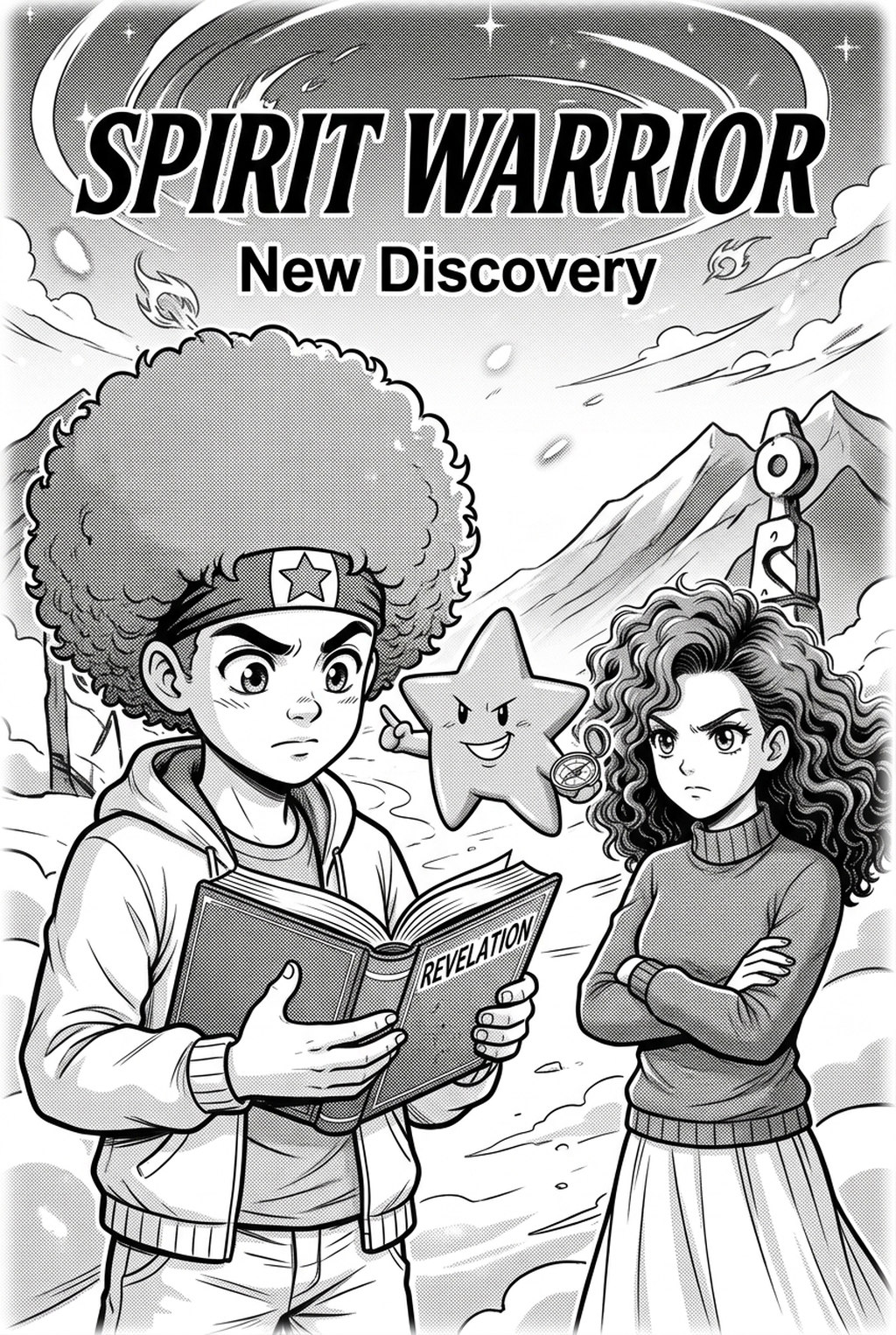
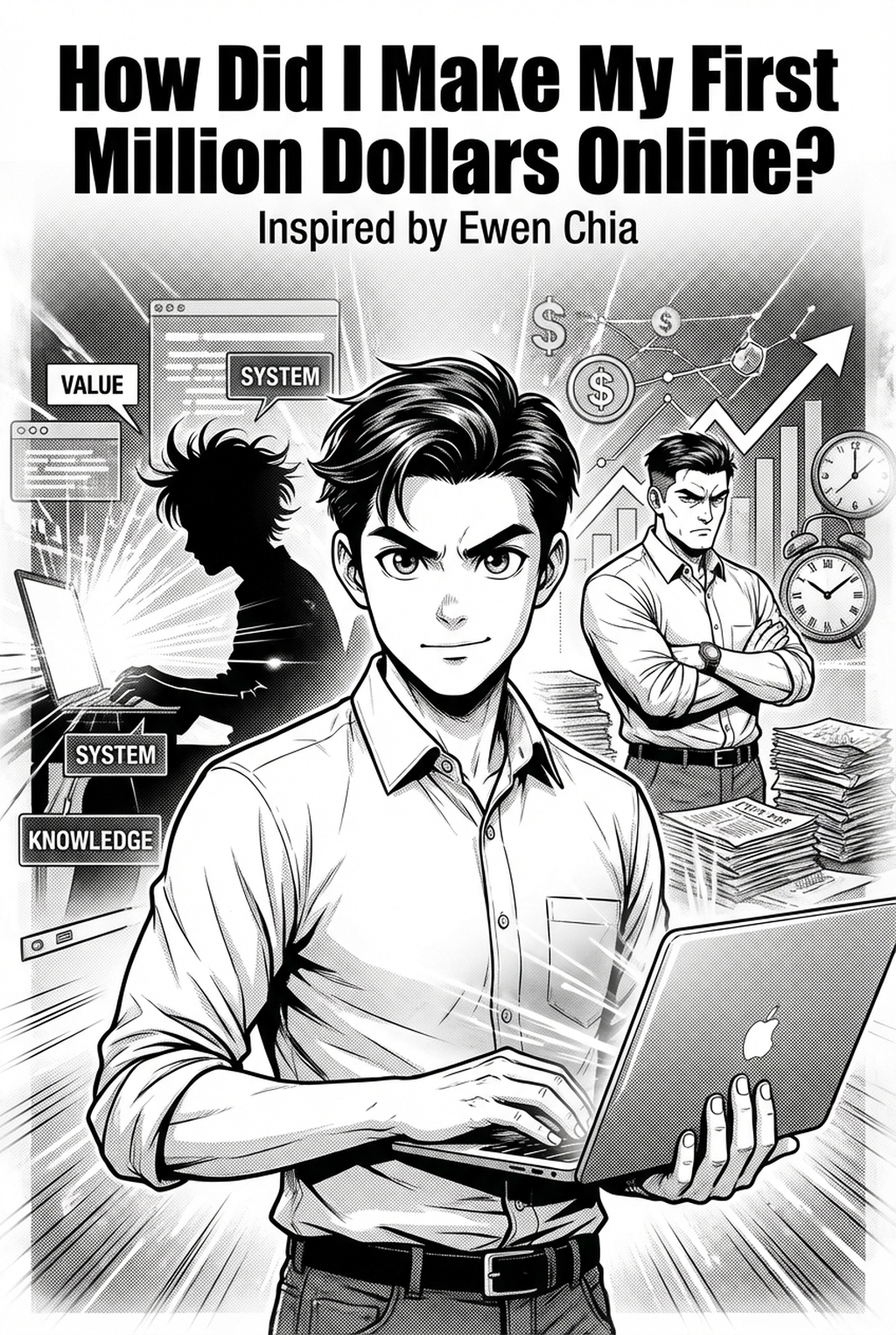
Effective design relies on silhouette readability, feature exaggeration, and clear visual markers that stay recognizable during high-velocity action sequences. You must prioritize building a "visual anchor" for every cast member—a combination of specific scar placements, unique hair-parting, or iconic costume accessories—that the reader can track instantly without needing to decipher facial details in the middle of a frantic sequence.
- Shonen Protagonist Silhouettes: These designs demand dynamic, action-ready outlines that communicate power and movement; if the silhouette looks static or muddy in a thumbnail, the final panel will lose impact during a fight. * Seinen Psychological Depth: Creators in this genre should lean toward grounded, asymmetric facial features and subtle, variable line-weights to convey internal conflict rather than the stylized, exaggerated tropes of Shonen. * Turnaround Consistency: You must maintain a strict set of anatomical proportions that define the character's height and shoulder width, ensuring they look identical whether you are drafting a ten-panel spread or a single extreme close-up.
Why Visual Anchors Stabilize Narrative Flow
Consistent design serves as a silent guide for your audience, preventing reader fatigue caused by visual errors or unintentional morphological changes. When a character’s hair highlight or cloak accessory shifts position or shape from one page to the next, the reader’s focus breaks from the narrative tension to wonder if the character has been replaced or if a drawing error occurred.
Professional-grade indie manga succeeds by minimizing these distractions, turning the art into a seamless conduit for the script. Readers rely on these anchor points as visual stabilizers, especially when the plot shifts into fast-paced sequences where panel gutters and speed lines might otherwise obscure a character's identity. If your design lacks these immutable identifiers, your work risks feeling like a collection of disjointed sketches rather than a cohesive, high-production story.
Integrating AI into Your Creative Production
Modern workflows now allow for the generation of base assets that respect anatomical proportions, significantly reducing the manual labor required during the concept phase. Using platforms like Manga character design with Mangaka , you can store specific character sheets as a reference source, ensuring the AI generates new poses that align with your existing established visual language.
- Proportion Fidelity: By using the tool to generate base characters, you eliminate the risk of accidental proportion drift that often plagues long-form projects where you might return to a character design after a week-long break. * The Human-AI Synthesis: The most efficient creative process uses AI-assisted generation for the foundational layout and figure work, leaving the artist free to apply the essential "human touch"—such as custom inking, specific emotional nuance in the eyes, and final cross-hatching—directly onto the generated file. * Workflow Efficiency: You can skip the tedious hours of sketching recurring characters from zero, instead importing your custom character references into the engine to output panel-ready assets at high resolution.
Strategic Applications for Solo Artists
Creators often face the challenge of keeping characters consistent during complex, multi-page battle sequences. You should address this by centralizing your character sheet and treating it as a technical manual for your production. This keeps the review focused on story intent, line weight, panel readability, and the export quality behind the final AI Manga Character Designer output.
| Feature Type | Manual Sketching | AI-Assisted Design |
|---|---|---|
| Consistency | High risk of drift | High (Reference-locked) |
| Panel Speed | Slow, iterative | Rapid base generation |
| Stylization | Hand-drawn freedom | Controlled, stable output |
If you are concerned about whether this approach is "cheating," consider it a force multiplier rather than a replacement for your creative intent. The industry is moving toward a standard where solo artists act as directors of their own production, using tools to handle the repetitive, mechanical iterations of character anatomy so they can spend more time on complex storyboards and world-building depth.
Getting Started with Professional Workflows
Developing a readable, engaging series starts with a design foundation that can withstand the rigors of an entire season of content. By leveraging AI-powered tools, you can ensure that your character model remains stable regardless of the panel angle or the intensity of the scene.
- Define Your Core Identifiers: List three physical traits—such as a specific coat collar, a signature eye shape, or a recurring headband—and ensure these appear in every iteration of your character. * Establish Your Baseline: Use your initial character sheet as the anchor for all future panel generation to ensure consistency. * Prioritize Narrative Impact: Once your design remains consistent, shift your focus to panel pacing, dialogue placement, and the emotional resonance of your characters' expressions during critical story beats.
Creators should compare the generated line art with the original sketch and confirm that facial expressions, props, speed lines, and speech-bubble space still support the scene. A repeatable review pass should cover character consistency, panel readability, background clarity, and whether the final file is ready for coloring, lettering, or editor feedback.
Creators should save approved examples of line weight, face detail, clothing folds, and background density. Those references keep later chapters closer to the intended style. For collaboration, creators should mark which panels are final and which panels still need redraws. Clear status labels prevent an assistant, editor, or colorist from polishing the wrong version.
The Bottom Line
AI Manga Character Designer workflow is the backbone of your narrative, and maintaining visual stability is what separates a polished, professional project from an amateur effort. By integrating Manga character design into your workflow, you can ensure your characters remain iconic, readable, and consistent across every page you produce.
Related articles
Mastering Manga Background Art: Techniques for Indie
Understanding the Manga Character Design Sheet for 2026
Manga Character Design: The Modern Workflow for 2026