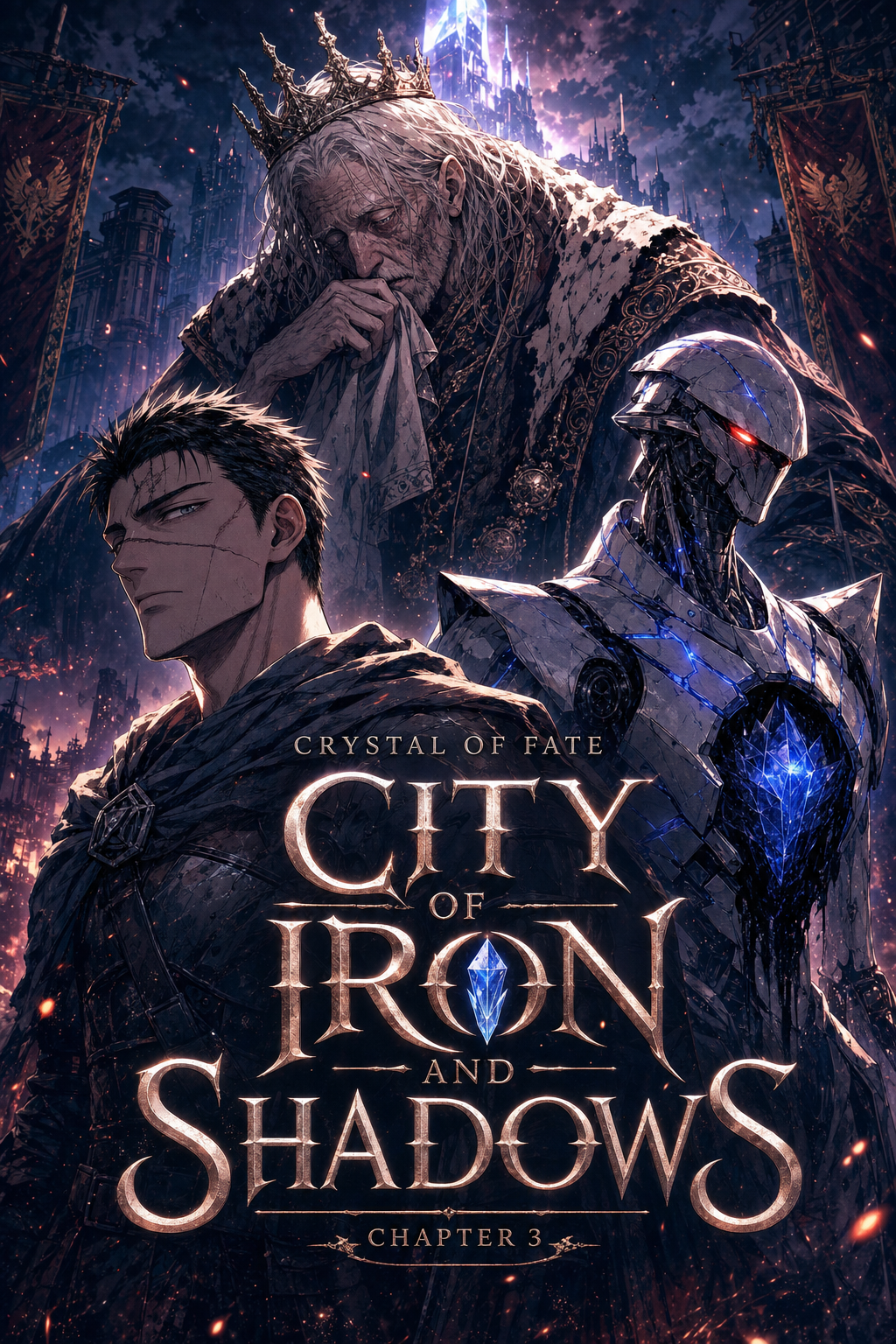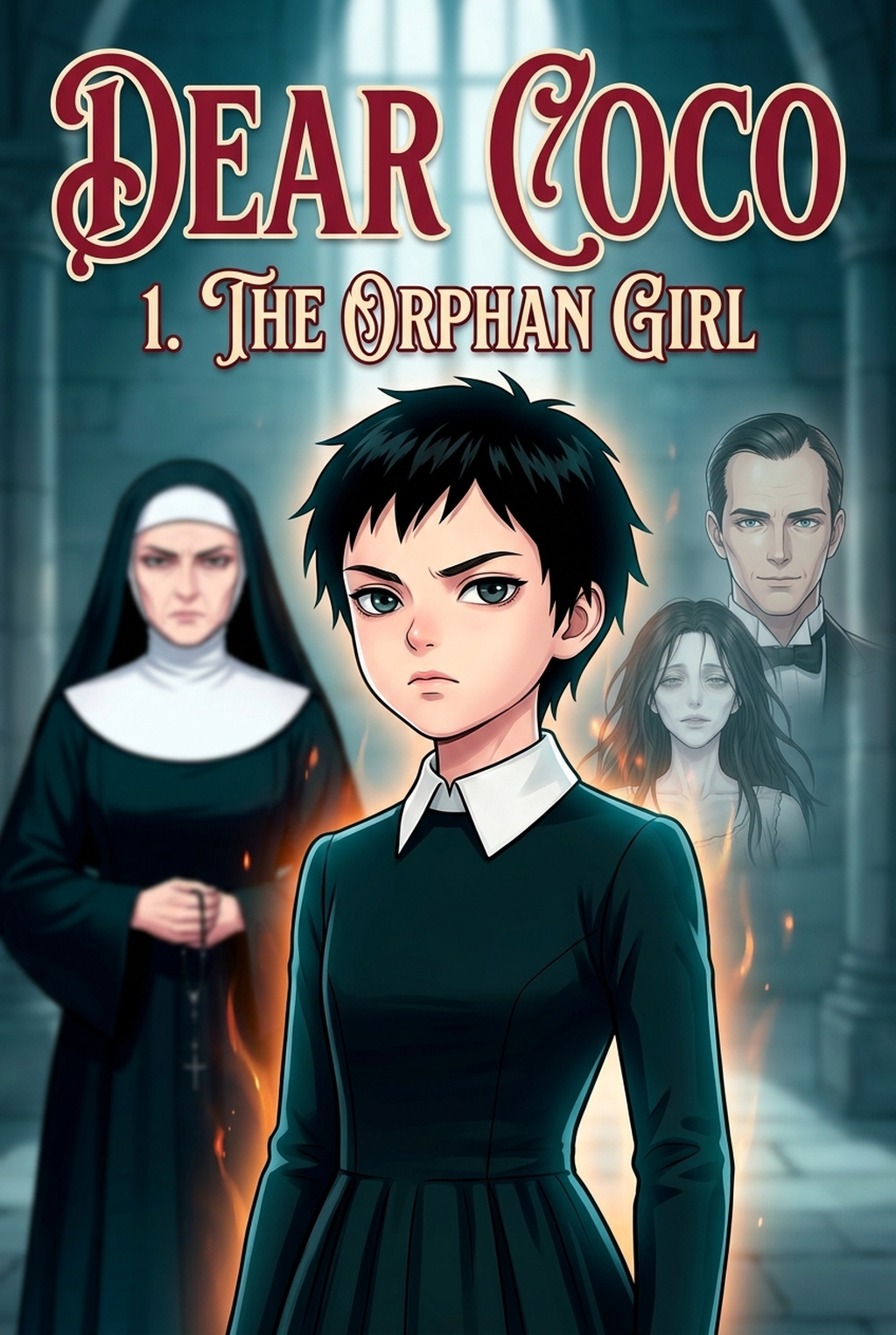
AI Manga Character Designer: The Fundamentals of Character Development
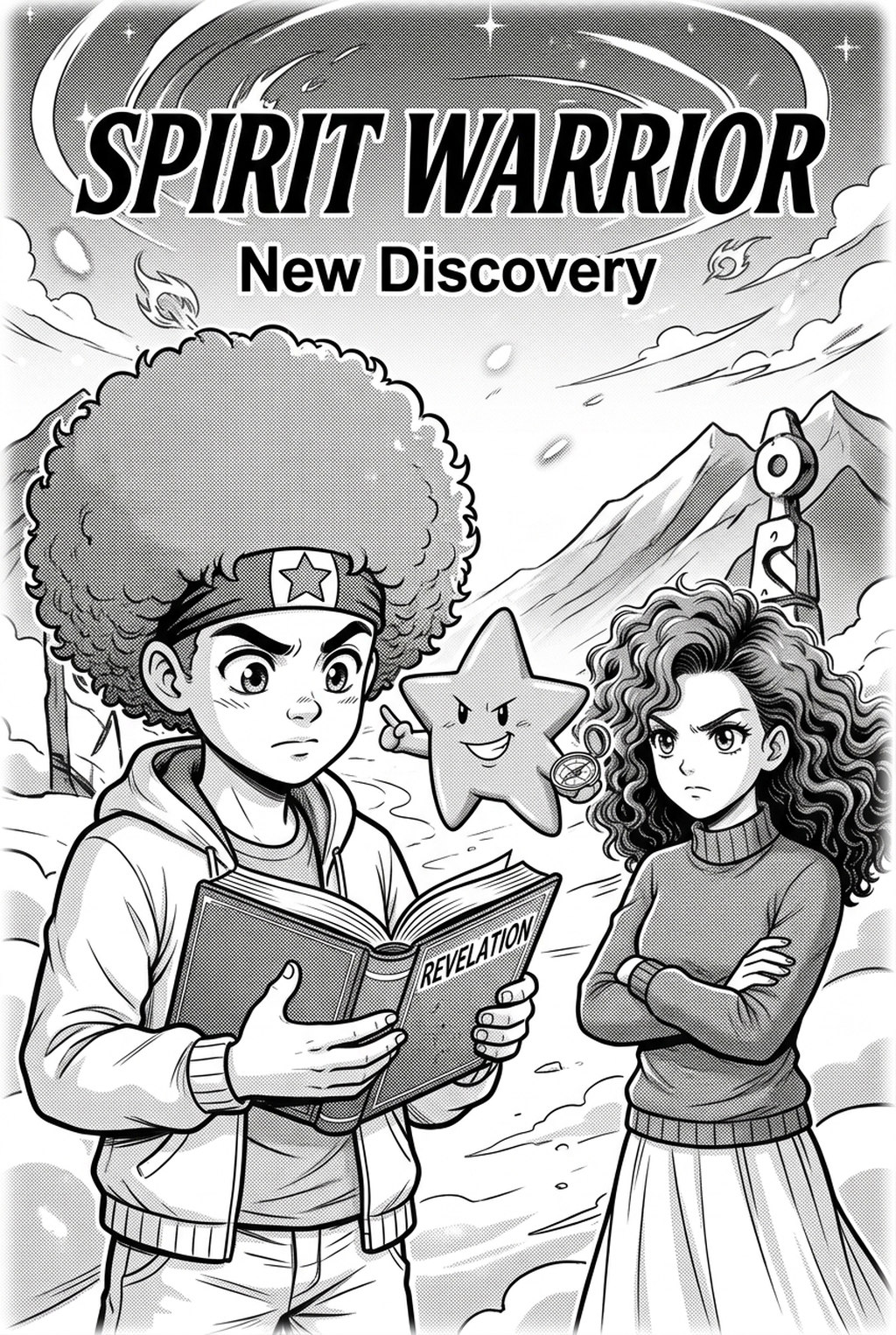
Effective design revolves around a recognizable silhouette and deliberate 'key features' that function as visual shorthand for your audience. These markers allow readers to instantly identify a character even when they are obscured by motion blur or complex background line art.
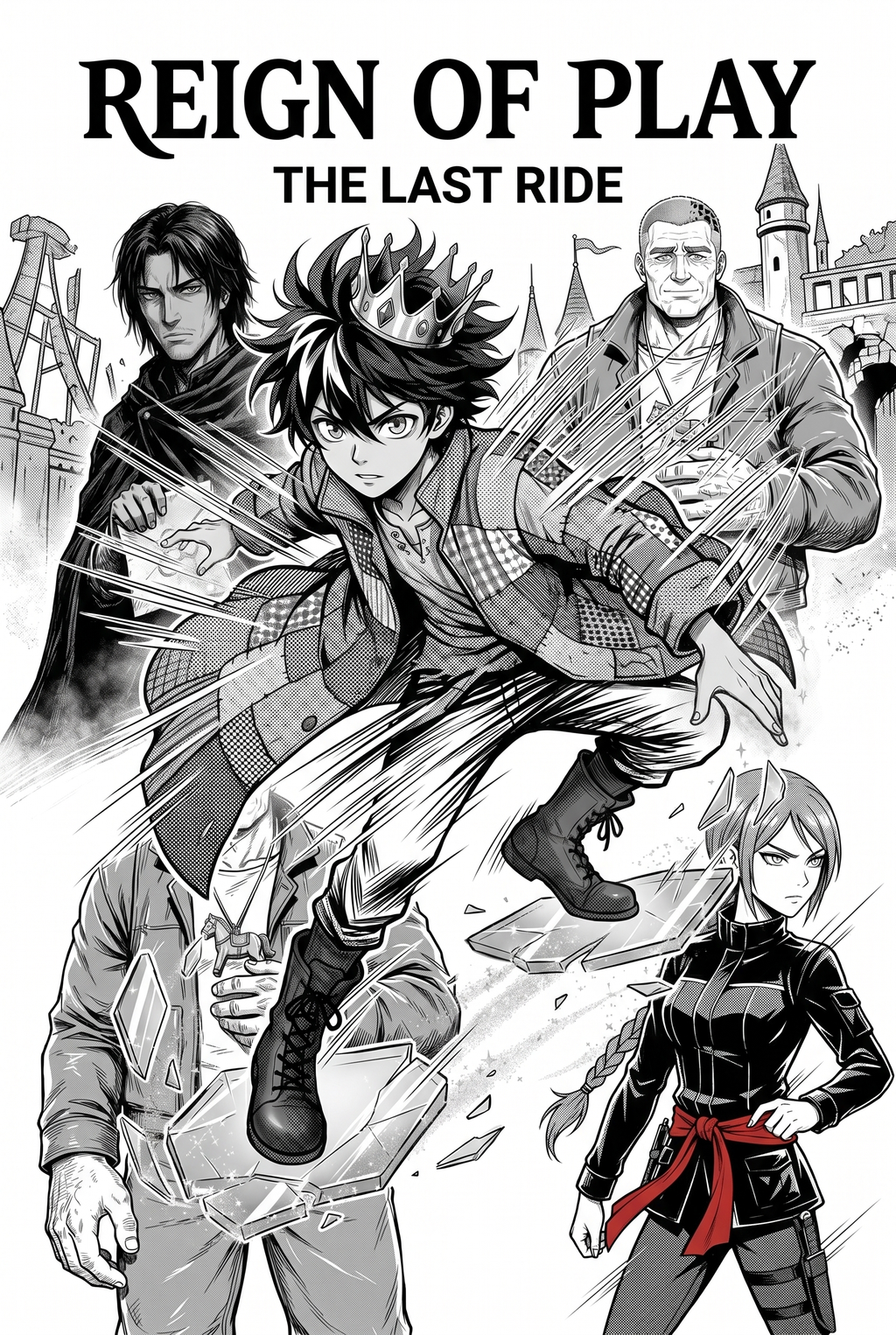
Action-heavy narratives require dynamic postures and high-impact accessories that retain legibility during fast-paced sequences. When you design a lead character for this genre, prioritize sharp angles and distinct silhouettes—such as a signature cloak or oversized weaponry—that remain clear even when the character is compressed into a small, half-page action frame.
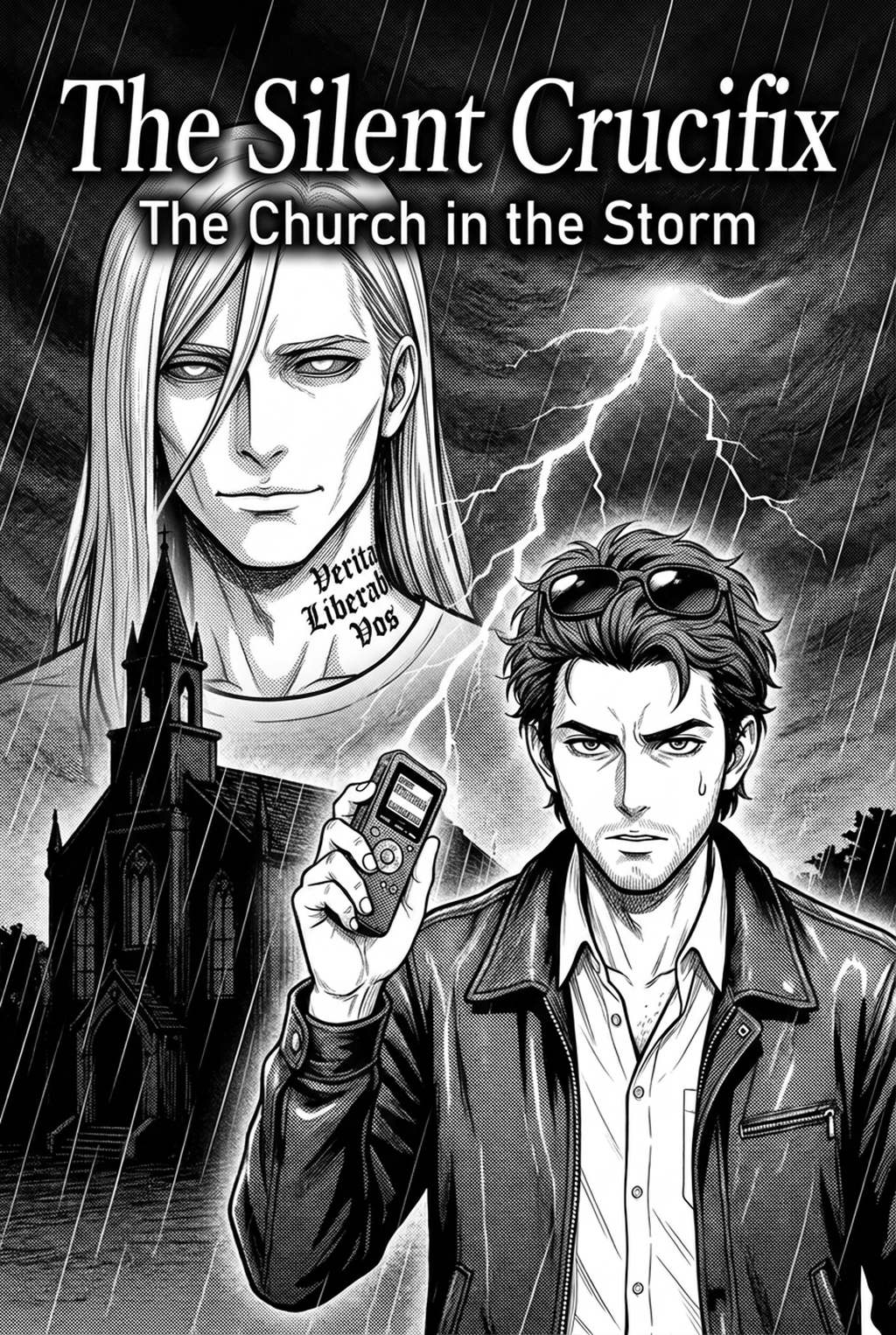
Romantic or character-driven stories rely on expressive facial anatomy and textural details on clothing to communicate shifting emotional states. Prioritize subtle variations in eye-line and mouth curvature to convey interiority during static dialogue scenes, ensuring that the reader remains tethered to the character's mood through simple, consistent visual cues.
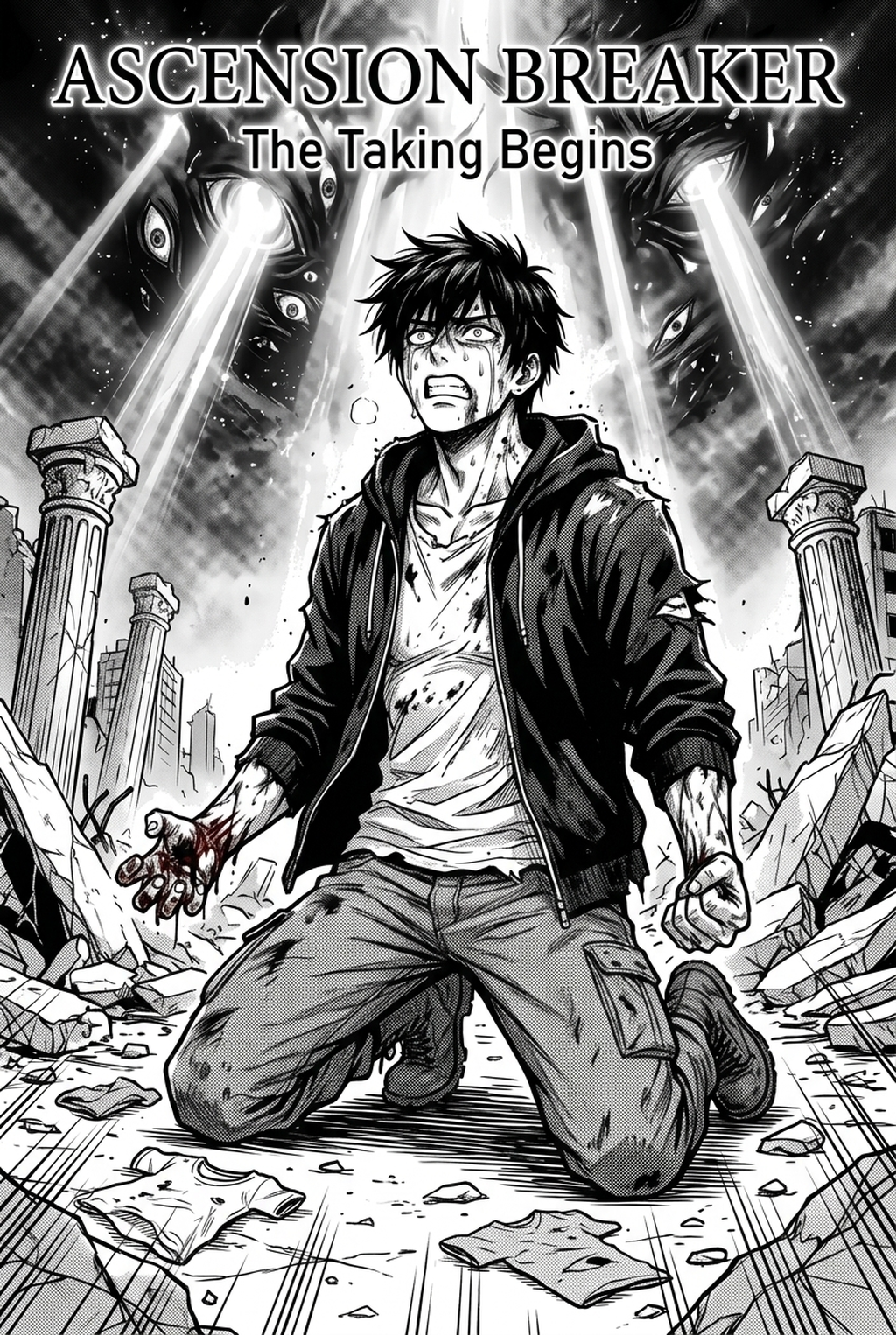
Psychological works thrive on incremental physical changes that signal internal growth or moral decay. Focus on posture shifts, such as a slightly slumped shoulder or a deepening of the brow line over time, to show how your character is evolving without needing dialogue to state the obvious.
Maintaining Identity in Long-Running Series
Consistency is the single most significant hurdle for independent creators managing high-volume page production. Achieving a professional look requires a standardized model sheet that captures front, profile, and three-quarter views, providing a constant reference point to avoid the common trap of gradual proportion drift.
Artists often overestimate how much detail they can realistically sustain throughout a full chapter of line art. A design that looks stunning in a promotional splash page may become a significant bottleneck when you are forced to re-draw it dozens of times under a tight production schedule. Balance your stylistic ambitions against the practical time-cost of inking, as overly intricate costume elements often result in diminished visual impact when scaled down for standard tablet or mobile reading.
Streamlining Workflows with Modern Tools
AI manga character designers serve as a force multiplier for solo creators, allowing you to iterate on proportions and outfit iterations in seconds rather than hours of manual sketching. By establishing a fixed manga character design with Mangaka for your character’s appearance, you can ensure that their core identity remains stable even when the background or camera angle changes radically across a sequence of storyboards.
Manually drawing the 'turnaround' phase—the essential front, side, and back views—is a repetitive task that eats into your creative time. By using AI to generate these foundational assets, you can offload the geometric heavy lifting and dedicate your energy toward the narrative pacing and panel composition that define your unique voice.
Modern tools now enable users to lock in specific aesthetic values, which prevents your character design from losing its 'manga feel' during the generation process. This control is vital for maintaining the correct line weight and shading density across different characters within the same page layout, ensuring your final export is ready for professional-grade panel insertion.
Strategic Use Cases for Design Assets
Treat the design phase as an essential prerequisite to actual storyboarding to ensure every panel is populated with a verified, production-ready iteration of your main cast. You should treat these prototypes as digital assets that save you time at the inking and coloring stages, especially when you are dealing with a recurring cast that appears in multiple chapters.
Scenario Fit and Creator Goals. Review your character prototypes against the established terminology of your target genre to confirm that your work resonates with the intended reader base. If your character design feels out of place—such as a hyper-realistic character design placed into a minimalist gag manga—you can quickly use AI to adjust the aesthetic to match the desired tone before you ever touch a stylus for the final page.
Maintain a folder of your character’s most common outfits and poses to serve as a library for future chapters. When you start a new page, having these assets ready allows you to drop in pre-validated character shapes, drastically reducing the time spent on basic construction lines and allowing you to focus immediately on expressive detail. Before export, creators should compare the generated line art with the original sketch and confirm that facial expressions, props, speed lines, and speech-bubble space still support the scene.
A repeatable review pass should cover character consistency, panel readability, background clarity, and whether the final file is ready for coloring, lettering, or editor feedback. For longer projects, creators should save approved examples of line weight, face detail, clothing folds, and background density. Those references keep later chapters closer to the intended style.
Creators should mark which panels are final and which panels still need redraws. Clear status labels prevent an assistant, editor, or colorist from polishing the wrong version. For publishing, creators should review the page at the actual reading size before export. Small screens expose crowded dialogue, weak silhouettes, and line details that looked fine while zoomed in.
- Chapter cadence. Use the AI pass for pages where speed matters most, such as repeated action poses, transformation beats, or dense speed-line panels. Keep manual cleanup for hero panels where the line style defines the emotional peak.
- Character continuity. Compare the generated lines against the same model sheet, costume notes, and facial-expression range used during sketching. This prevents a fast inking pass from drifting away from the character identity readers recognize.
- Export readiness. Check whether the final manga output can move into lettering, coloring, or final layout without rebuilding panel borders or speech-bubble space. A good manga workflow should save time while keeping the next production step predictable.
The Bottom Line
Mastering character design is about finding the sweet spot between unique visual hooks and the technical discipline required for high-volume, professional production. By utilizing the AI Manga Character Designer to handle repetitive geometry and model consistency, you can reclaim your time for the storytelling and panel staging that make your manga memorable.
Related articles
Automate Your Manga Inking: Get Clean Lines in 2026
Create Professional Manga Character Design in 2026
Manga Character Design: A Complete Guide for Creators 2026