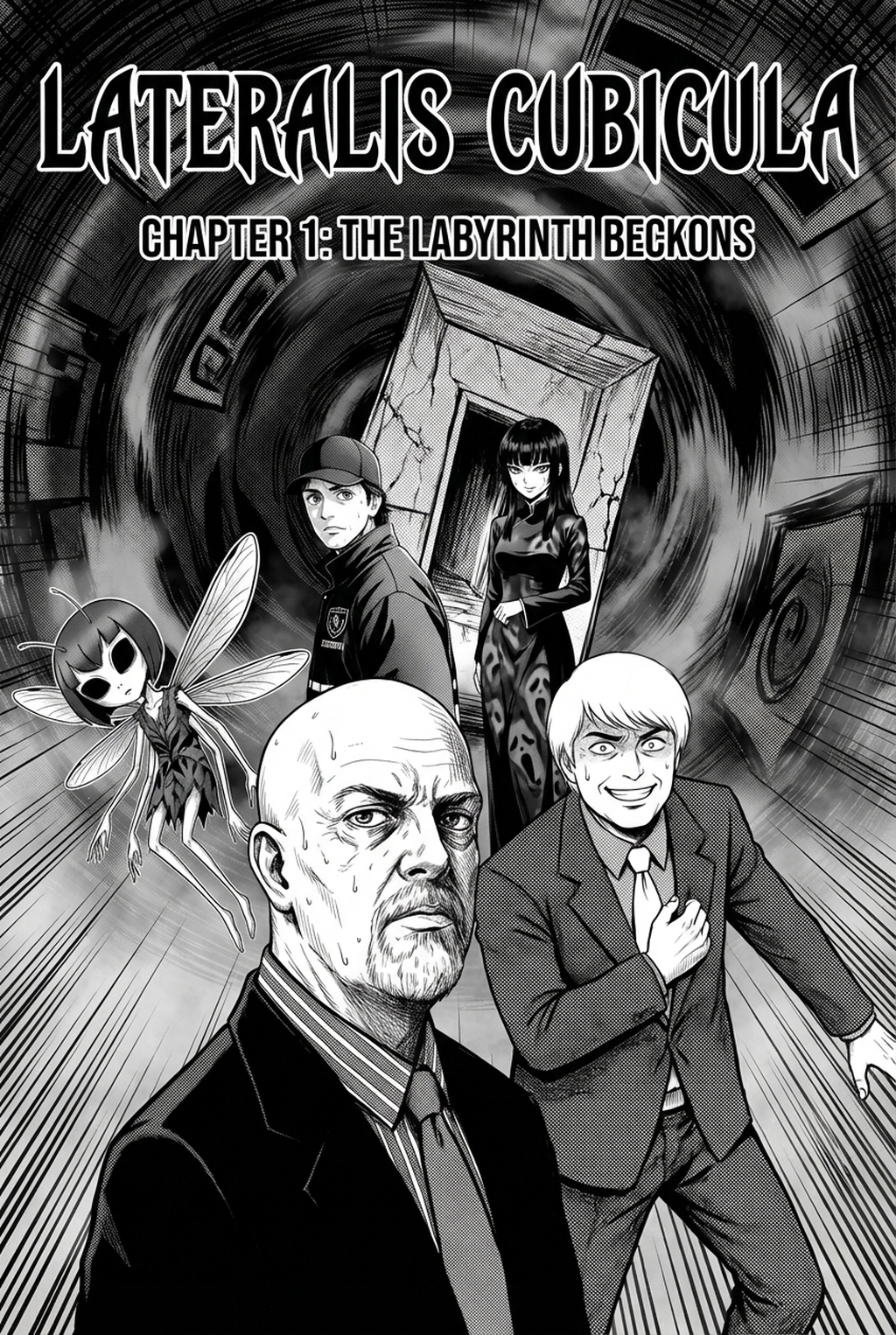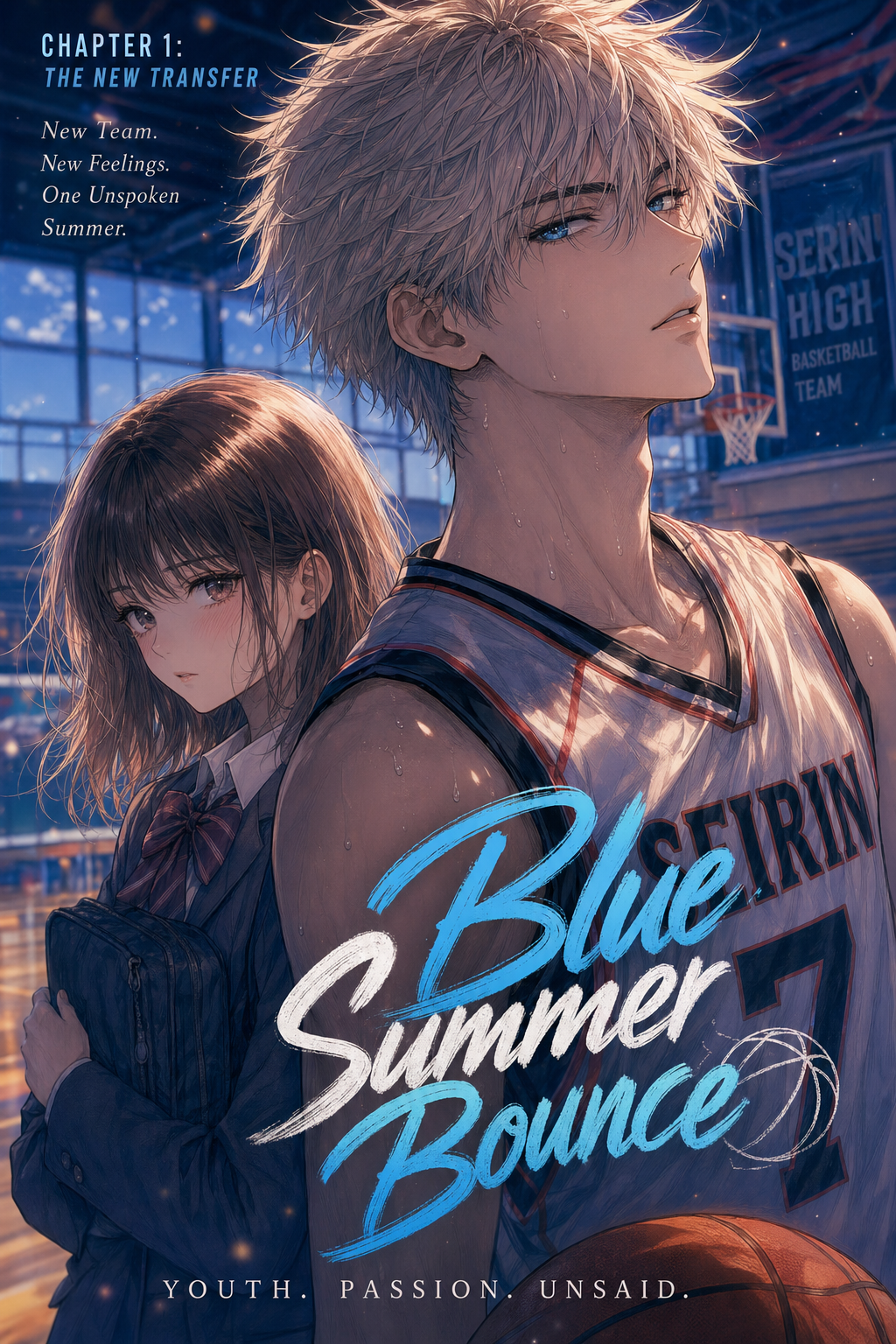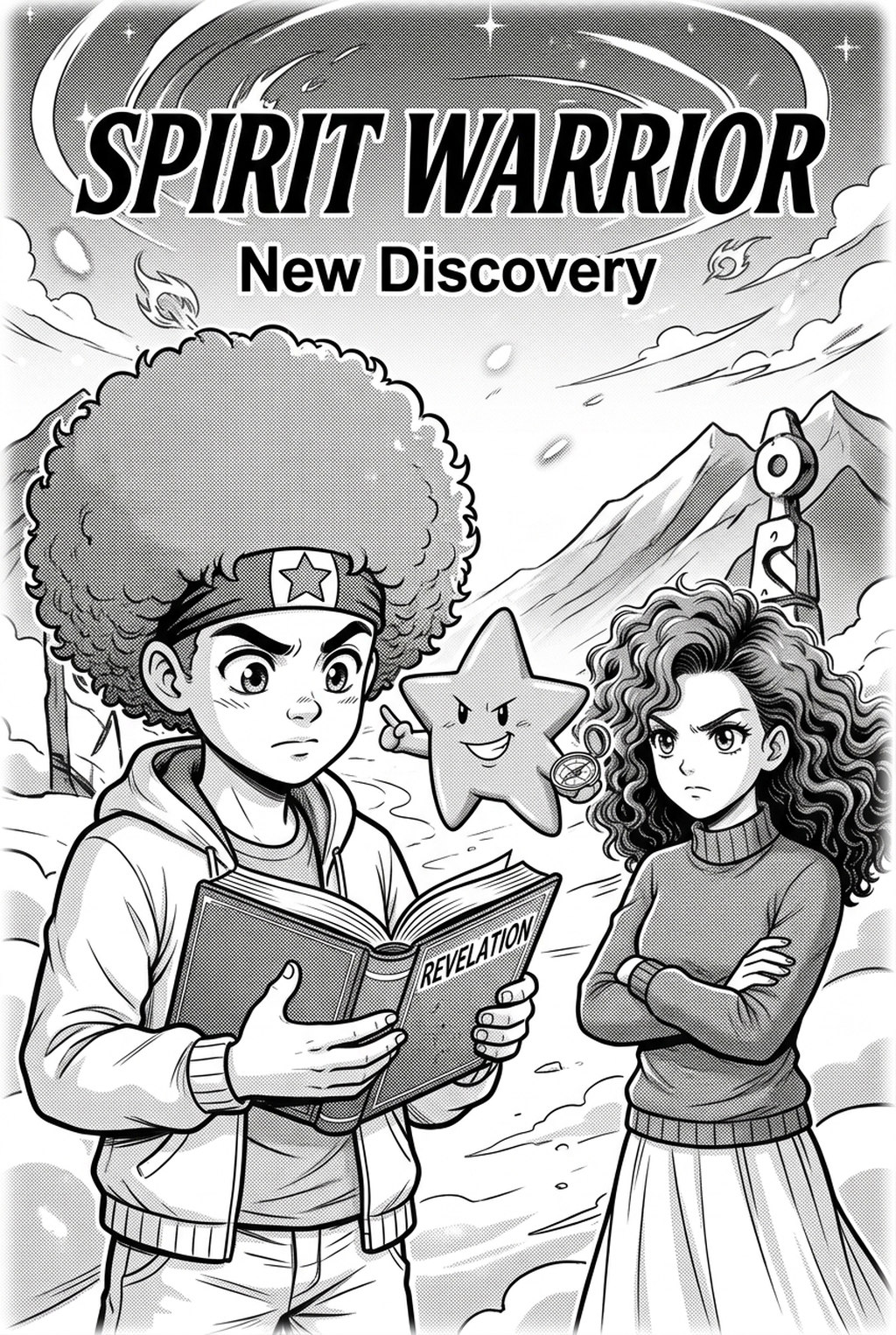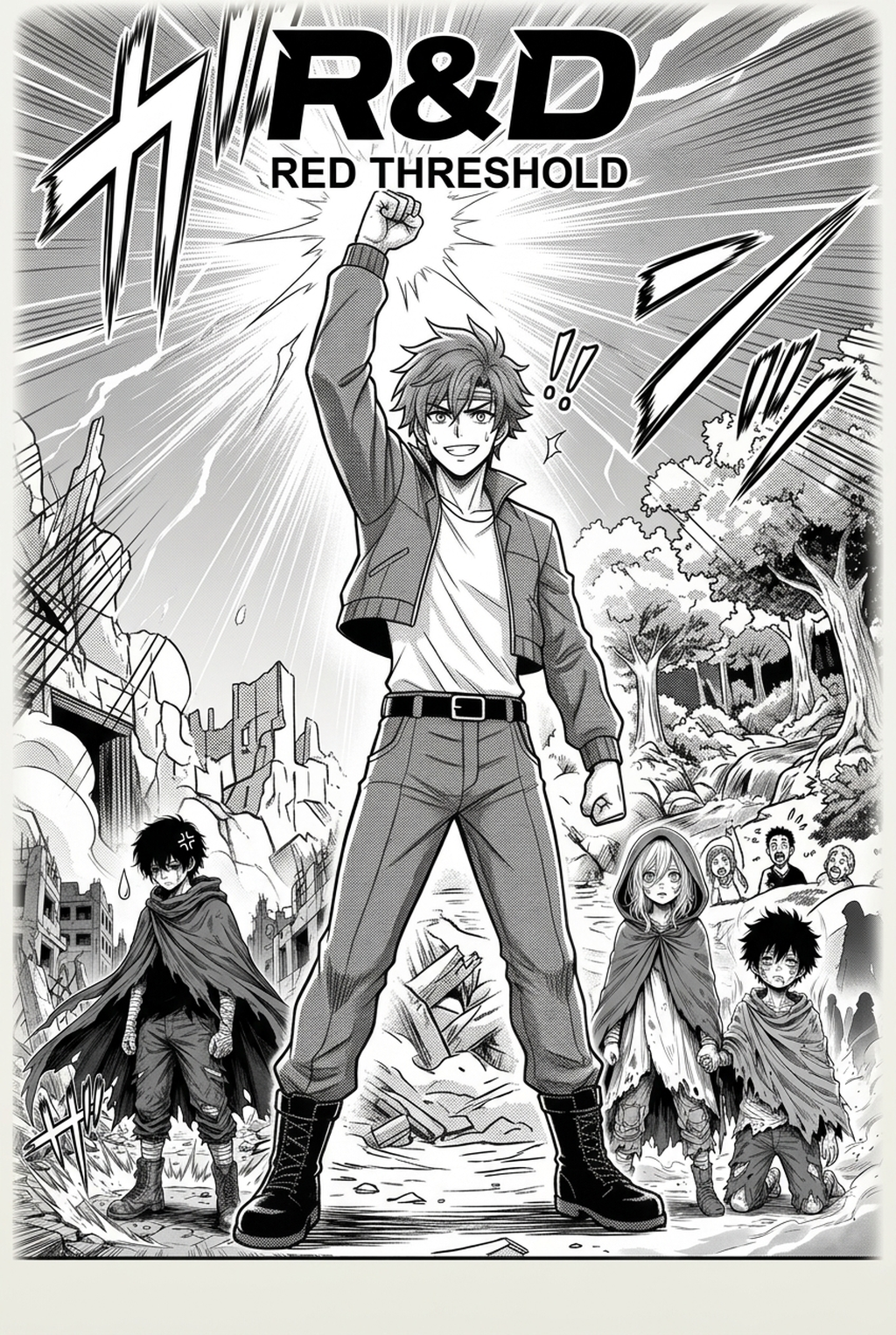
What Is Manga Character Design?
A successful character design relies on a structured 'model sheet' that establishes key views including front, side, and three-quarter angles alongside expression references. This technical foundation acts as your project's North Star, preventing anatomy from fluctuating as you transition from loose storyboards to final inking. Consistency is maintained by establishing high-impact visual anchors that serve as the character's signature.
- Unique Hair Spikes: Define a specific cluster count or flow direction for the hair that stays constant regardless of the camera angle. * Recurring Clothing Markings: Utilize distinct patches, straps, or wear-and-tear patterns that survive even under extreme motion blur. * Facial Geometry: Lock in a specific jawline or pupil-to-iris ratio that acts as the source context for every expression, from neutral to enraged.
The priority must be 'action-readability,' which requires ensuring that the character's primary silhouette remains instantly recognizable during high-motion choreography. If your silhouette loses its distinct shape when reduced to a 50% scale, the design requires further simplification of clothing or hair accessories to regain legibility.
Why AI Manga Character Designer Matters for Manga Creators
Serializing a manga often forces artists to sacrifice precision for speed, leading to 'artistic drift' where character proportions slowly diverge from the original concept over hundreds of pages. Without a hardened production standard, the subtle widening of a jaw or the shifting of a shoulder line can fundamentally change how a reader perceives a character's growth or age.
Maintaining character integrity requires a defined visual language—specific line weights, shading styles, and base proportions—that acts as your central production authority. When these values are documented, the final inking process becomes a matter of applying a repeatable set of stylistic rules rather than reinventing the anatomy in every new frame.
Prioritize 'mood-consistency' by ensuring your shading density and grit levels remain uniform to support a darker narrative tone. Inconsistent hatching or inconsistent lighting sources in the same scene break the suspension of disbelief and diminish the impact of dramatic narrative beats.
How Manga Character Design Works with Mangaka
The AI Manga Character Designer solves the problem of manual inconsistency by generating character iterations based on a fixed text-based creative brief or a specific style seed. Instead of redrawing the base anatomy from scratch, creators can feed core terminology regarding hair flow, facial geometry, and costume details into the tool to generate fresh panels that adhere to the established model.
Digital-first studios use these tools to build a 'reference library' that reduces the per-panel prep time for background characters and recurring side-cast members. By offloading the generation of base character positions to the tool, artists can shift their focus toward directorial intent and complex panel composition during the final inking stage.
This approach provides the 'review owner' capability for your visual assets, ensuring that no matter the scene or angle, the character’s core specs remain locked. When you define your character's silhouette in the initial creation phase, you reduce the risk of needing to redo entire pages due to anatomy errors caught only during the final review pass.
Use Cases for AI Manga Character Designer
Character designs must be rigorously tested during the storyboard phase to ensure they function well across different delivery formats, from mobile vertical scrolling to traditional book layouts. A design that looks perfect on a desktop screen might become unreadable when compressed for a mobile feed, necessitating a review of line-weight density before moving to the final inking stage.
Integrating design assets into the final inking stage requires a disciplined approach to layer management and reference anchoring. Keeping your character reference on a locked, high-contrast layer allows you to cross-check your inking progress against the original model without introducing the risk of accidental proportion drift.
- Chapter cadence. Use the AI pass for pages where speed matters most, such as repeated action poses, transformation beats, or dense speed-line panels. Keep manual cleanup for hero panels where the line style defines the emotional peak.
- Character continuity. Compare the generated lines against the same model sheet, costume notes, and facial-expression range used during sketching. This prevents a fast inking pass from drifting away from the character identity readers recognize.
- Export readiness. Check whether the final manga output can move into lettering, coloring, or final layout without rebuilding panel borders or speech-bubble space. A good manga workflow should save time while keeping the next production step predictable.
How to Get Started with Mangaka
Iconic design involves a combination of a distinct silhouette, a memorable color palette, and a clear personality trait expressed through visual cues. AI serves as a production accelerator for asset generation and consistency, while the mangaka provides the narrative soul and directorial intent required for a series to succeed.
To start building your character collection, define your lead's primary traits in a descriptive format, including age, archetype, and key costume items. Use this text-based description to generate a standard model sheet in the tool, and then export these base poses to use as your production source context for the entire first chapter.
Creators should compare the generated line art with the original sketch and confirm that facial expressions, props, speed lines, and speech-bubble space still support the scene. A repeatable review pass should cover character consistency, panel readability, background clarity, and whether the final file is ready for coloring, lettering, or editor feedback. For longer projects, creators should save approved examples of line weight, face detail, clothing folds, and background density. Those references keep later chapters closer to the intended style.
The Bottom Line
Effective design provides the structural integrity necessary to keep readers engaged throughout a long-running series, bridging the gap between your creative vision and production efficiency. Start building your own consistent character library by exploring the manga character design to ensure your story remains visually cohesive from the first panel to the final page.
Maintaining character consistency with Mangaka
Visual drift across long serialization runs is one of the hardest hurdles for indie mangaka. Mangaka locks character reference vectors to ensure hairstyles, eye shapes, and silhouettes remain recognizable in every panel.
- Anchor core character facial landmarks to prevent model drift.
- Switch outfits and lighting scenarios while keeping character faces locked.
- Verify multi-character panel compositions with consistent relative height markers.