AI Manga Character Designer: Why Character Stability Drives Narrative Flow
Consistency ensures that readers remain immersed in the story without being distracted by fluctuating limb proportions or mismatched facial features. Indie creators frequently struggle with art drift, where character details change across dozens of panels, complicating the review process and lowering production quality.
The most significant risk in indie production is the repetitive, manual reconstruction of characters during the inking phase. When you redraw a hero from scratch for a new page, even a two-pixel variation in eye height can make the character feel alien to the reader. A visual style guide, maintained from the inception of the project, acts as a necessary quality gate to ensure each panel aligns with the original concept, regardless of how many months have passed since the character's last appearance.
How Mangaka Facilitates Visual Unity
Modern workflows utilize AI-assisted tools to store source context, allowing creators to generate poses without losing the character's established aesthetic. This approach solves the bottleneck of repetitive drawing by automating the reference generation process, enabling you to focus on composition and narrative beats rather than manual model sheet friction.
By automating the generation of base references, you can maintain a high delivery format standard even when working under the pressures of weekly publication deadlines. The tool acts as a review owner for your character’s appearance, verifying that color palettes, line weights, and shading styles remain uniform throughout the entire production lifecycle.
If you are currently spending three hours per panel manually sketching and inking the same protagonist to avoid proportion drift, integrating an AI-assisted design tool shifts this labor significantly. You can generate a new pose from your base character template in seconds, ensuring the proportions match the master sheet perfectly before you move to final line art or tonal work. This process allows you to iterate on storyboards at high speed, moving from the initial layout to the final inked panel without the need to manually model your protagonist repeatedly. You can find the tools to build your master templates at manga character design with Mangaka and see how it fits your specific page layout requirements.
Practical Use Cases for Character Templates
Mangaka provides a centralized platform where text-based descriptions are converted into consistent character templates, reducing the time spent on manual drafting. This tech-integrated approach allows for rapid iteration of scenes, moving from the initial storyboard to the finished panel without the friction associated with traditional model sheet maintenance.
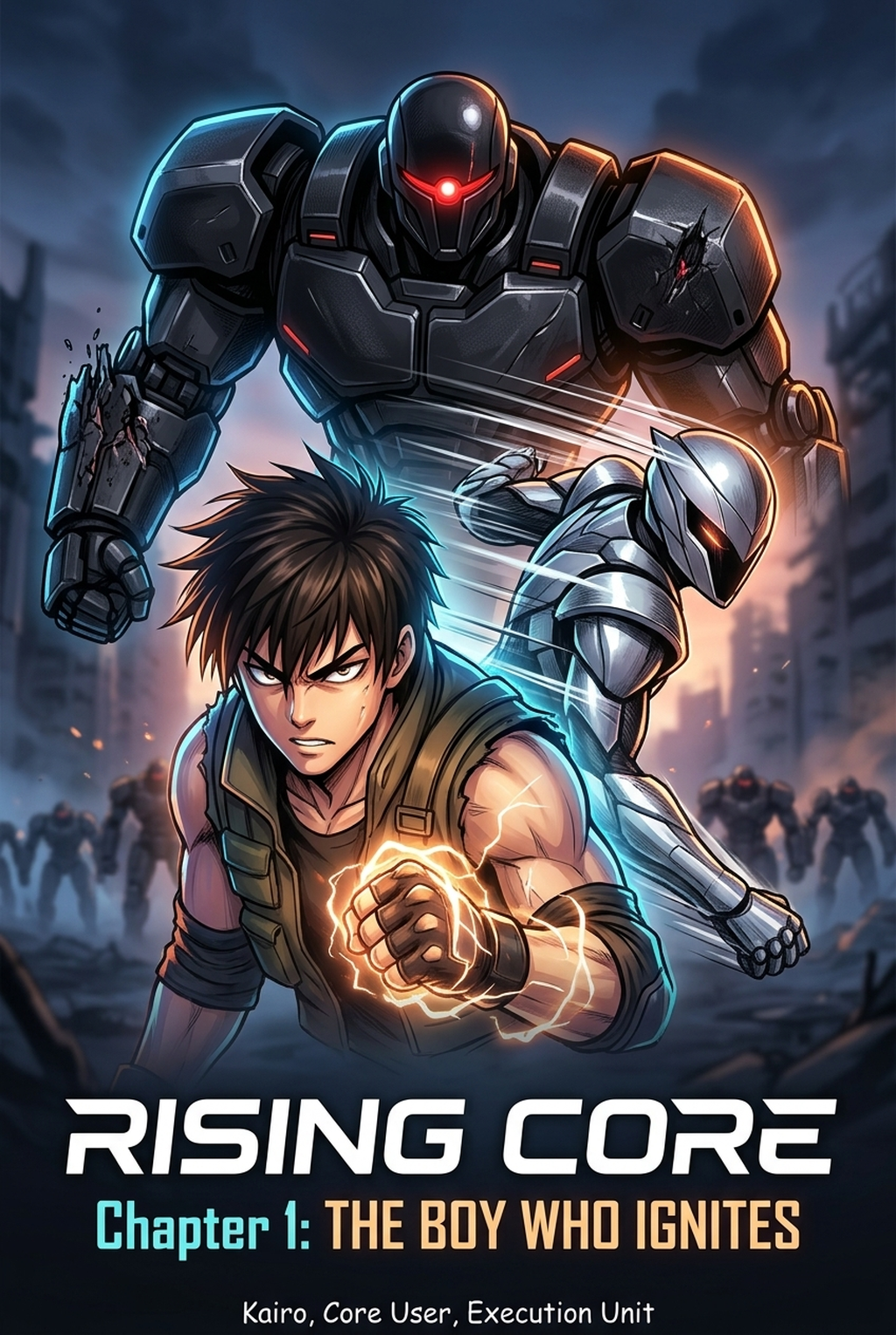
In a high-action Shonen chapter, you might need to depict the same character in twelve different combat stances within a single 20-page installment. Instead of sketching each stance from a blank canvas, you input your master character context to ensure that the armor plating, weapon grip, and facial expression remain identical across every movement. This minimizes the risk of line-weight drift, which often occurs when artists fatigue after drawing dozens of complex panels in one sitting.
Using a centralized asset manager prevents the subtle "flicker" effect where a character’s hair length or eye shape seems to expand and contract from one panel to the next. By locking your character's base geometry within the generation tool, you gain a persistent baseline that supports high-quality, professional-level output consistently.
Getting Started with Your Design Workflow
To begin, define your character's primary visual traits in a clear, written format, focusing on distinctive features like hair style, clothing details, and eye shape. Use these descriptions to create your initial master template, then test this reference against a variety of dynamic poses to see if the silhouette remains recognizable.
- How do I keep my AI Manga Character Designer workflow consistent across different chapters? Establish a strict visual style guide and use a centralized tool to generate pose references from a single master character file, ensuring that every new page is derived from the same source context. * Can AI tools help me create character sheets for my original stories? Yes, these tools automate the creation of front, side, and back views, acting as a technical backbone that prevents proportion drift while you focus on the creative storyboards. * What is the most important element when designing a Shonen protagonist? A recognizable, bold silhouette that stands out during high-speed action sequences is paramount, as this allows readers to track your character's position and intent immediately. * Does using design tools reduce my personal artistic control? On the contrary, it removes the repetitive manual labor of redrawing, giving you more time to refine complex panel layouts, intricate backgrounds, and emotive character acting.
Creators should compare the generated line art with the original sketch and confirm that facial expressions, props, speed lines, and speech-bubble space still support the scene. A repeatable review pass should cover character consistency, panel readability, background clarity, and whether the final file is ready for coloring, lettering, or editor feedback.
Creators should save approved examples of line weight, face detail, clothing folds, and background density. Those references keep later chapters closer to the intended style. For collaboration, creators should mark which panels are final and which panels still need redraws. Clear status labels prevent an assistant, editor, or colorist from polishing the wrong version.
The Bottom Line
Successful creator workflow is a mix of creative vision and rigid structural discipline. By leveraging modern AI tools, creators can remove the technical barriers that often stall indie projects, allowing them to focus entirely on storytelling. If you are ready to stabilize your character assets and accelerate your production pace, AI Manga Character Designer workflow .
Related articles
Mastering AI Character Design for Professional Manga in 2026
AI Character Design: A Guide for Modern Manga Creators 2026
Mastering AI Manga Character Design for Consistent Results