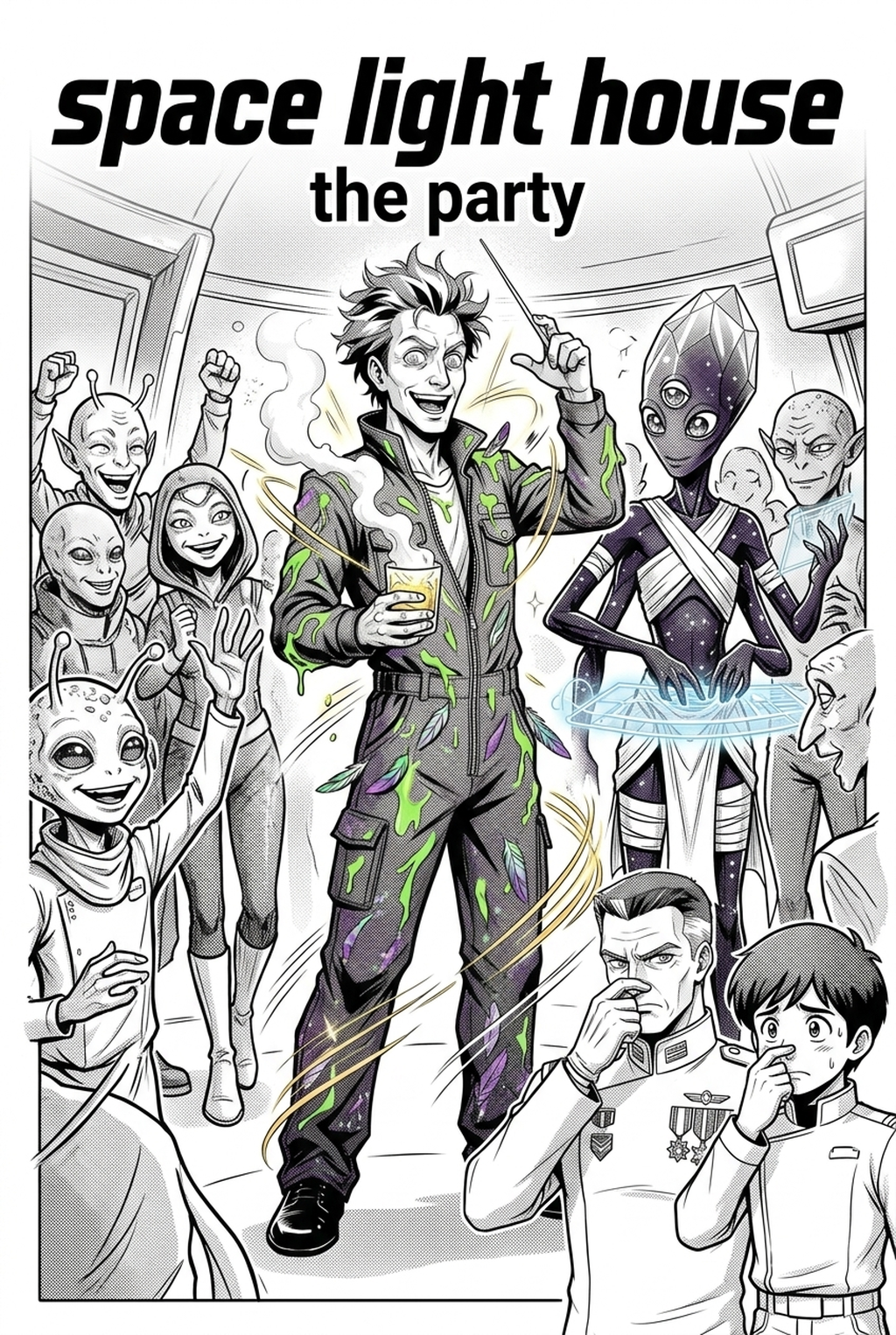
Defining Essential Visual Hierarchies
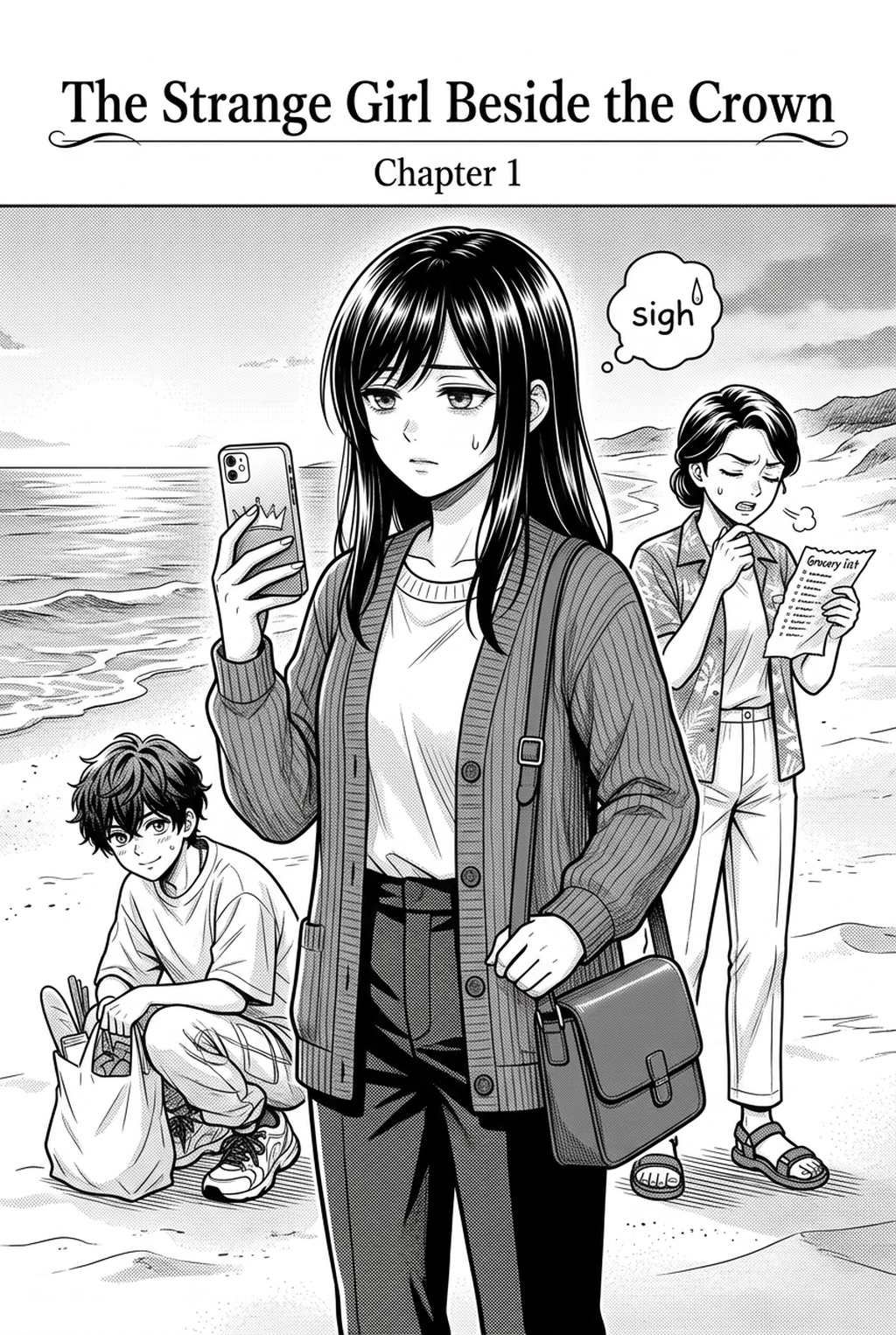
Effective manga character design relies on the 'Silhouette Rule,' where a character’s personality is instantly identifiable by their outer shape alone. If a reader cannot tell your protagonist apart from a background character at a glance, the design lacks the necessary visual contrast to drive a long-form narrative.
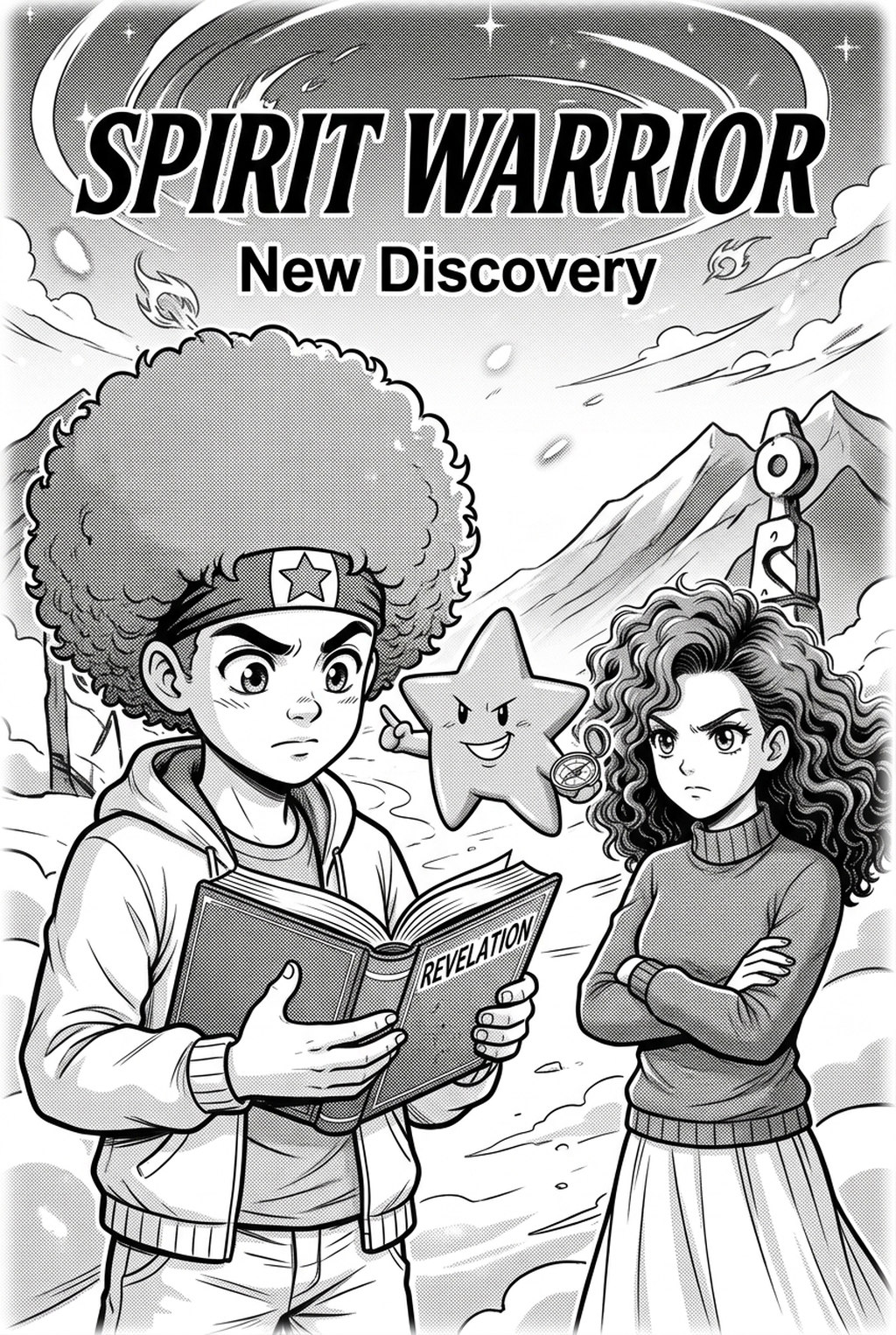
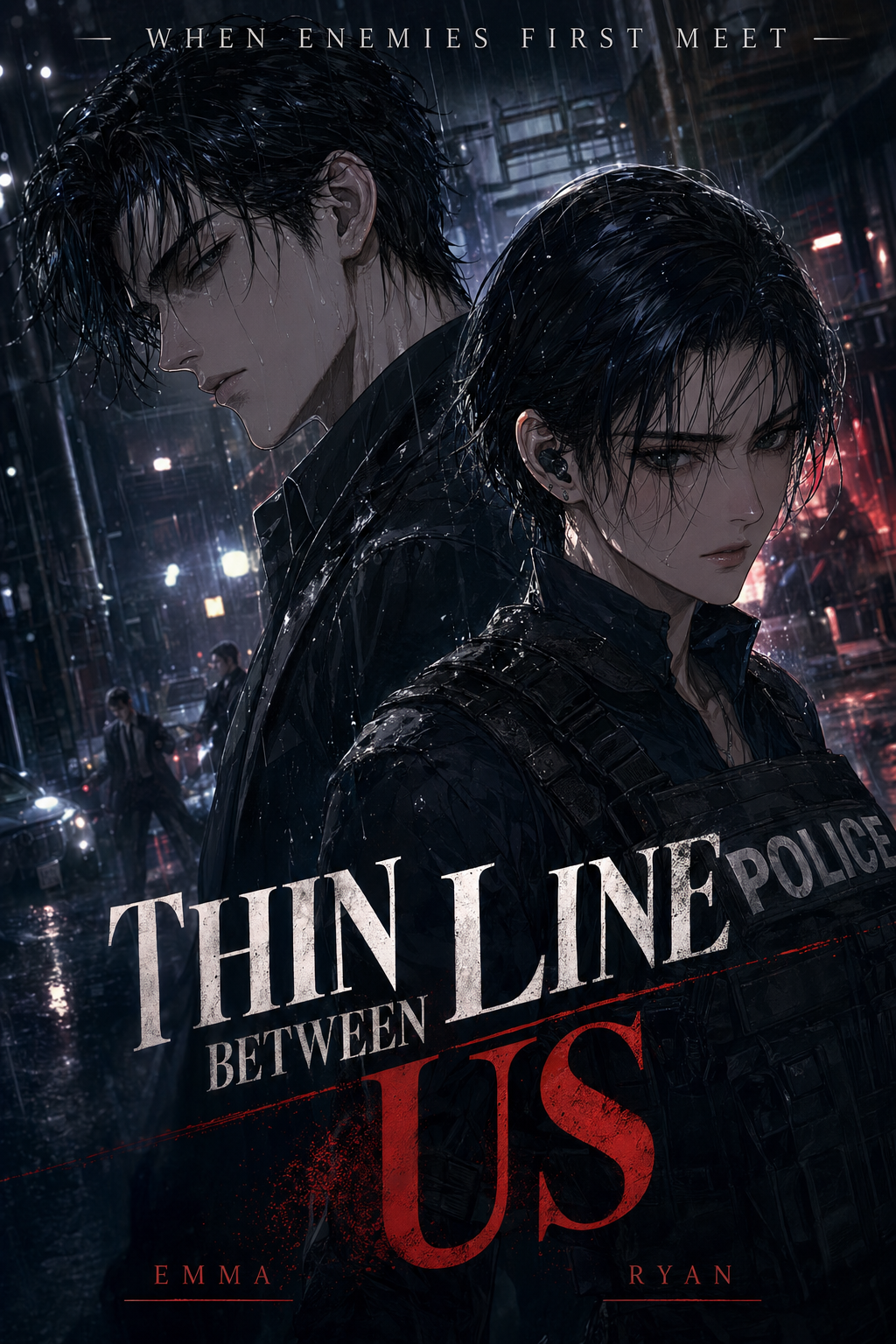
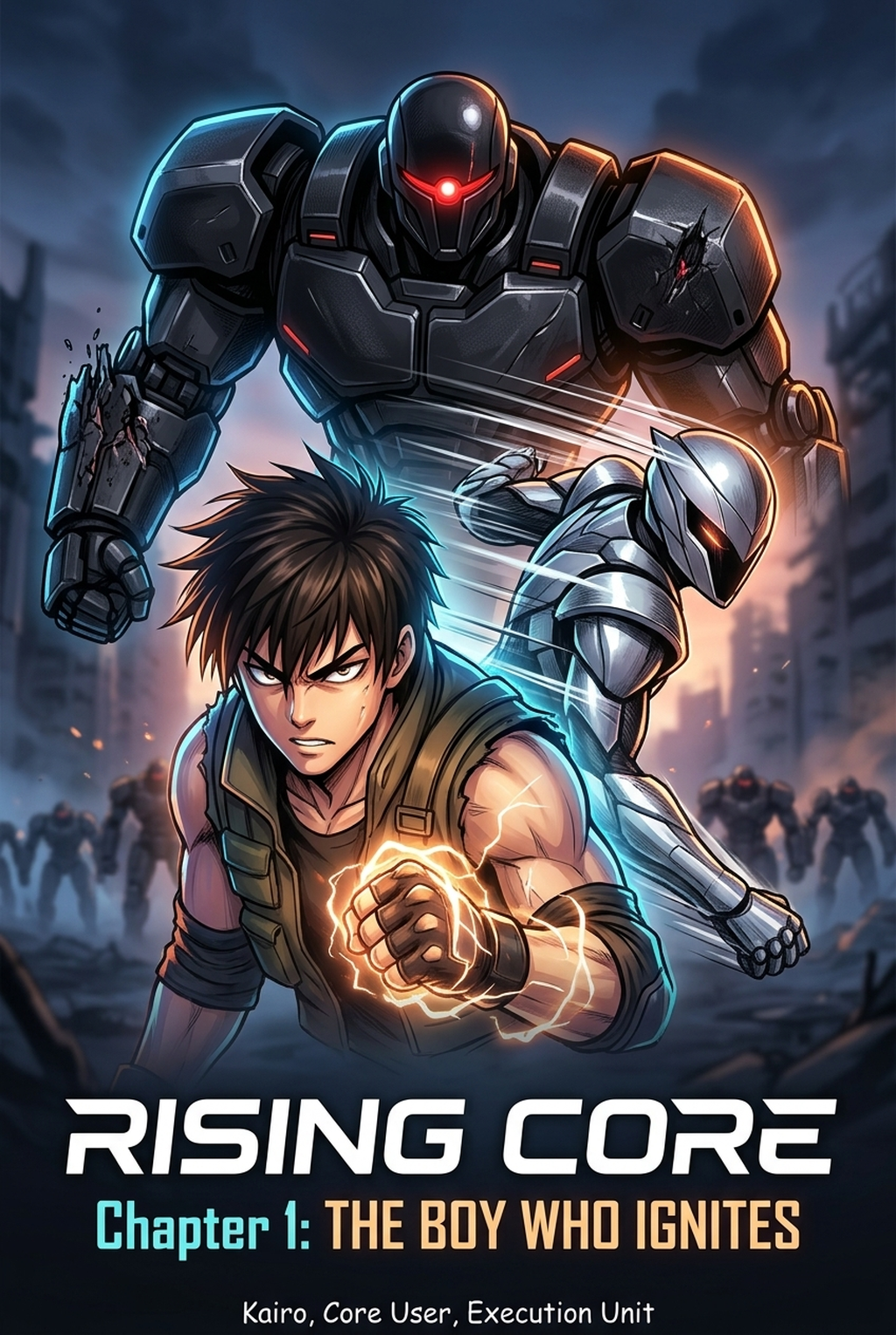
Balancing your artistic approach requires matching your design to the expected pace of your genre. Shonen titles demand sharp, angular lines and exaggerated proportions that communicate raw kinetic energy, essential for action-heavy layouts where the eye must follow movement across panel gutters. In contrast, Seinen projects thrive on anatomical depth and grounded, realistic shading that supports mature themes. Relying on complex, textured hair patterns and nuanced facial expressions helps establish the psychological weight required for slower, dialogue-driven page layouts.
Why Visual Integrity Defines the Workflow
Maintaining character integrity across dozens of pages is the hardest part of manga production, often requiring strict reference management to avoid costly errors. Without a rigid 'Model Sheet' as your source context, you risk losing subtle costume details like shoulder pad alignment or accessory placement in high-speed, multi-panel fight sequences.
Professional creators establish a formal 'Review Owner' process, where every finished page is cross-referenced against the original concept art before inking. This step is essential for indie creators; skip it, and your character will inevitably lose their signature look within three chapters.
By defining 'Character DNA'—fixed visual markers like specific eye shapes, distinct hair flow, and immutable costume markings—you create a baseline that survives every rotation. Modern tools now allow creators to lock these markers into the generative process, ensuring that even when a character is drawn from a non-standard perspective, their core identity remains untouched.
How Your Production Relies on Mangaka
Modern manga creation tools enable rapid prototyping of character iterations, moving from initial concept to high-fidelity reference sheets in minutes. You can now generate specific delivery formats like 'turnaround sheets' or 'expression grids' that act as a visual blueprint for your entire story.
If you find yourself manually redrawing the same character base just to test a new outfit, you are losing hours of production time. Using AI to generate variant costumes for an existing character base allows you to maintain consistent anatomy while exploring different narrative looks.
When you use manga character design with Mangaka for your character designs, you bypass the need to sketch complex turnarounds from scratch, letting you focus on panel pacing and dialogue flow instead of technical anatomy hurdles. This shift in workflow means your reference sheets arrive ready for the final inking phase, ensuring your character’s proportions remain stable regardless of the scene's complexity.
Use Cases for Specialized Visual Styles
Aligning your chosen art style with the intended market ensures the visual rhythm meets reader expectations for your specific demographic. A design that works perfectly for a light-hearted school comedy will likely fail to capture the grit required for a seinen thriller set in a post-apocalyptic cityscape.
- Shonen dynamic energy: Emphasize bold, thick lines and heroic, larger-than-life proportions that pop against dense background panels. * Seinen psychological depth: Incorporate detailed hatching and realistic, muted color palettes to mirror the internal monologue of complex characters. * Target demographic rhythm: Ensure the density of your character detail matches the complexity of your page layout to avoid overwhelming the reader’s eye.
How to Get Started with Your Character Cast
You do not need to be a professional illustrator to design compelling manga characters; modern generative tools provide the professional-grade anatomy foundation needed to focus on your actual storytelling. By prioritizing consistency through structured references, you can produce long-form stories that compete with industry standards without requiring a decade of formal training.
When building your character sheet, you should always include at least three key expressions—happy, angry, and contemplative—to demonstrate emotional range. A complete sheet must include a front, side, and back view to ensure you can replicate the character from any angle during the page layout process.
- Before Export. Creators should compare the generated line art with the original sketch and confirm that facial expressions, props, speed lines, and speech-bubble space still support the scene. A repeatable review pass should cover character consistency, panel readability, background clarity, and whether the final file is ready for coloring, lettering, or editor feedback.
- For Longer Projects. Creators should save approved examples of line weight, face detail, clothing folds, and background density. Those references keep later chapters closer to the intended style. For collaboration, creators should mark which panels are final and which panels still need redraws. Clear status labels prevent an assistant, editor, or colorist from polishing the wrong version.
- For Publishing. Creators should review the page at the actual reading size before export. Small screens expose crowded dialogue, weak silhouettes, and line details that looked fine while zoomed in. This keeps the review focused on story intent, line weight, panel readability, and the export quality behind the final AI Manga Character Designer output.
The Bottom Line
AI Manga Character Designer workflow is the anchor for your entire series, providing the structural consistency required to deliver a professional-grade reading experience. By utilizing tools that enforce visual DNA and provide accurate reference sheets, indie creators can maintain their creative momentum and avoid the common pitfalls of stylistic drift. Explore the AI Manga Character Designer at Mangaka to start building your own consistent, high-impact character cast today.
Related articles
Character Sheet Design: A Guide for Modern Manga 2026
Character Sheet Design: A Guide for Manga Consistency 2026
Mastering Character Design for Your Original Manga 2026