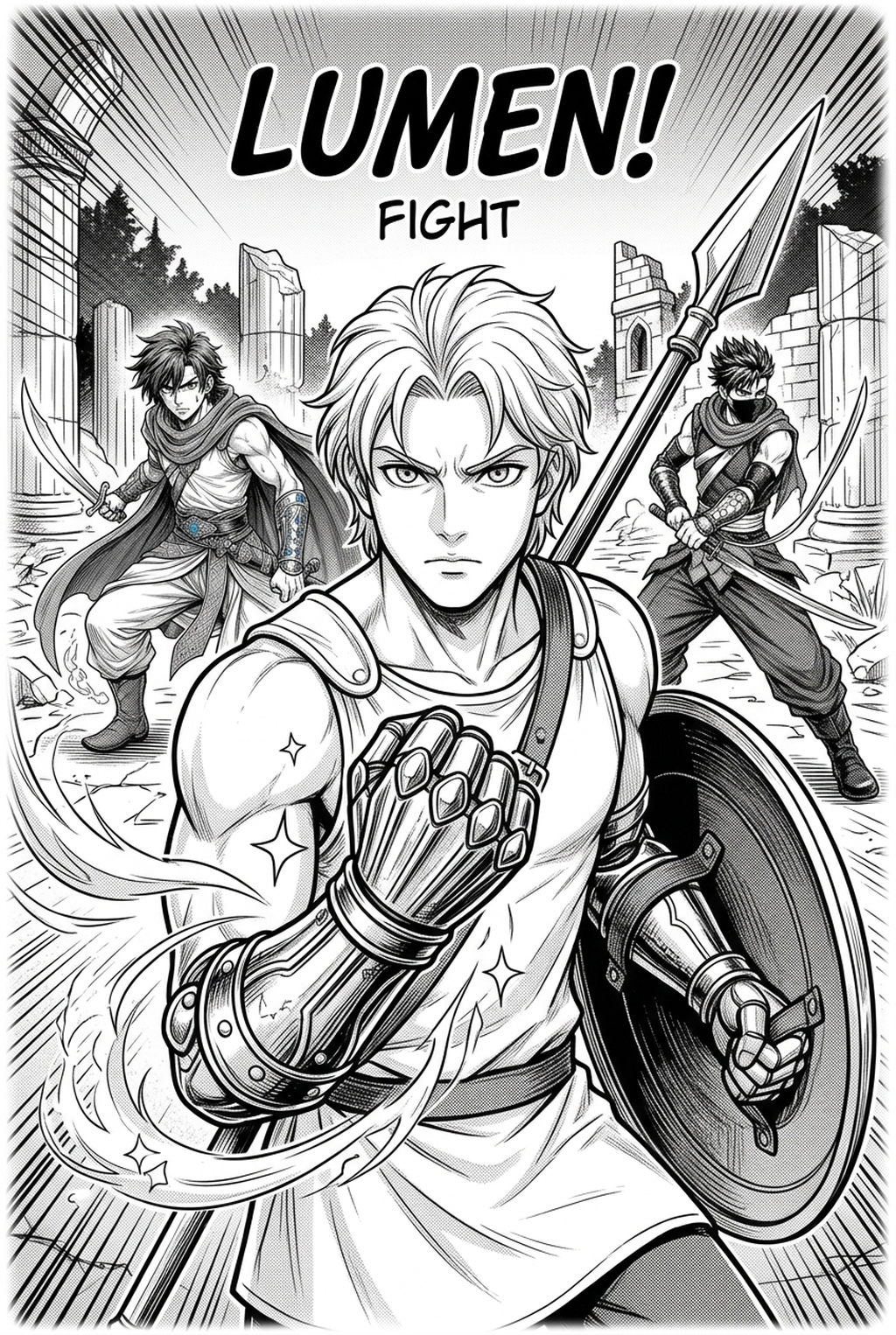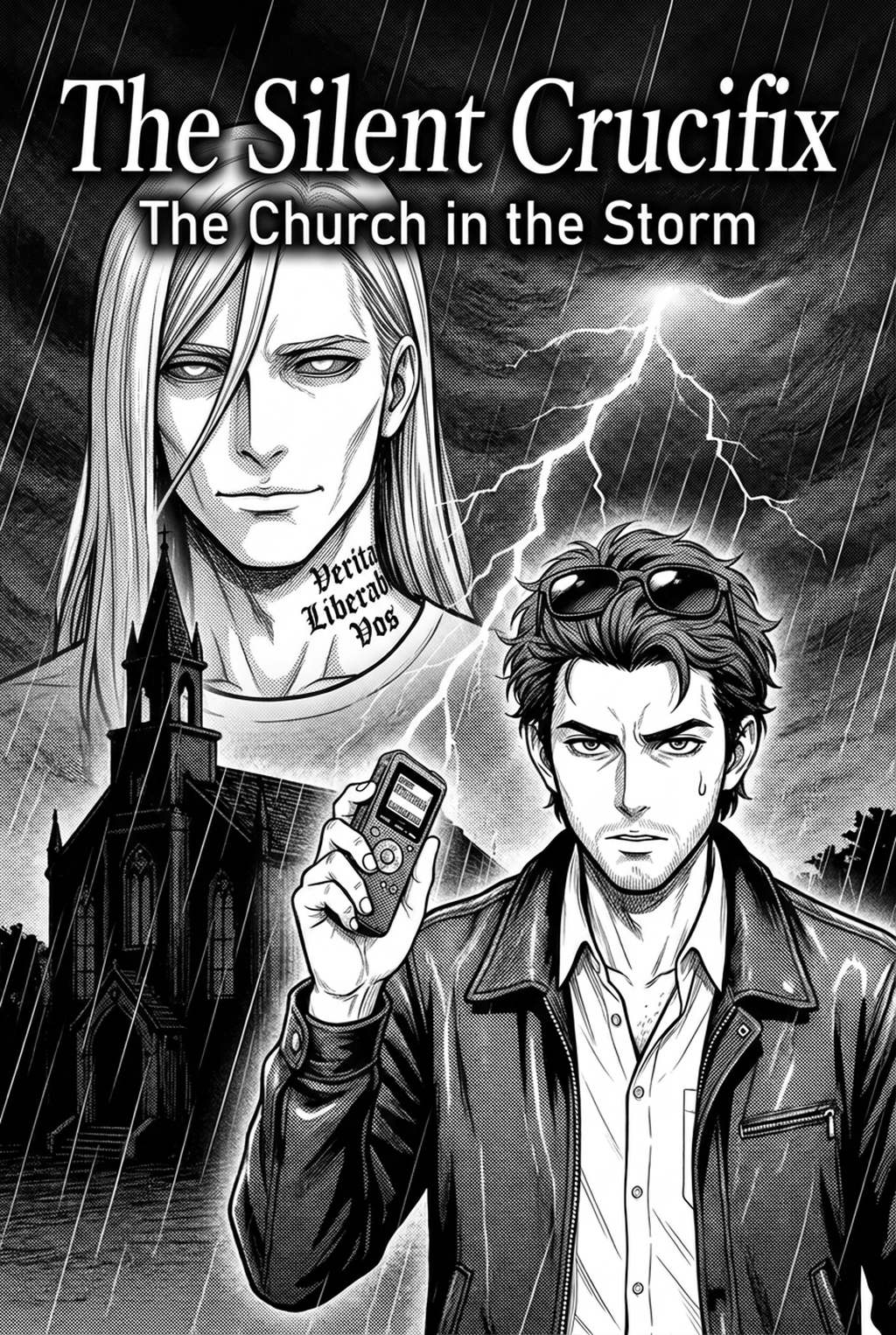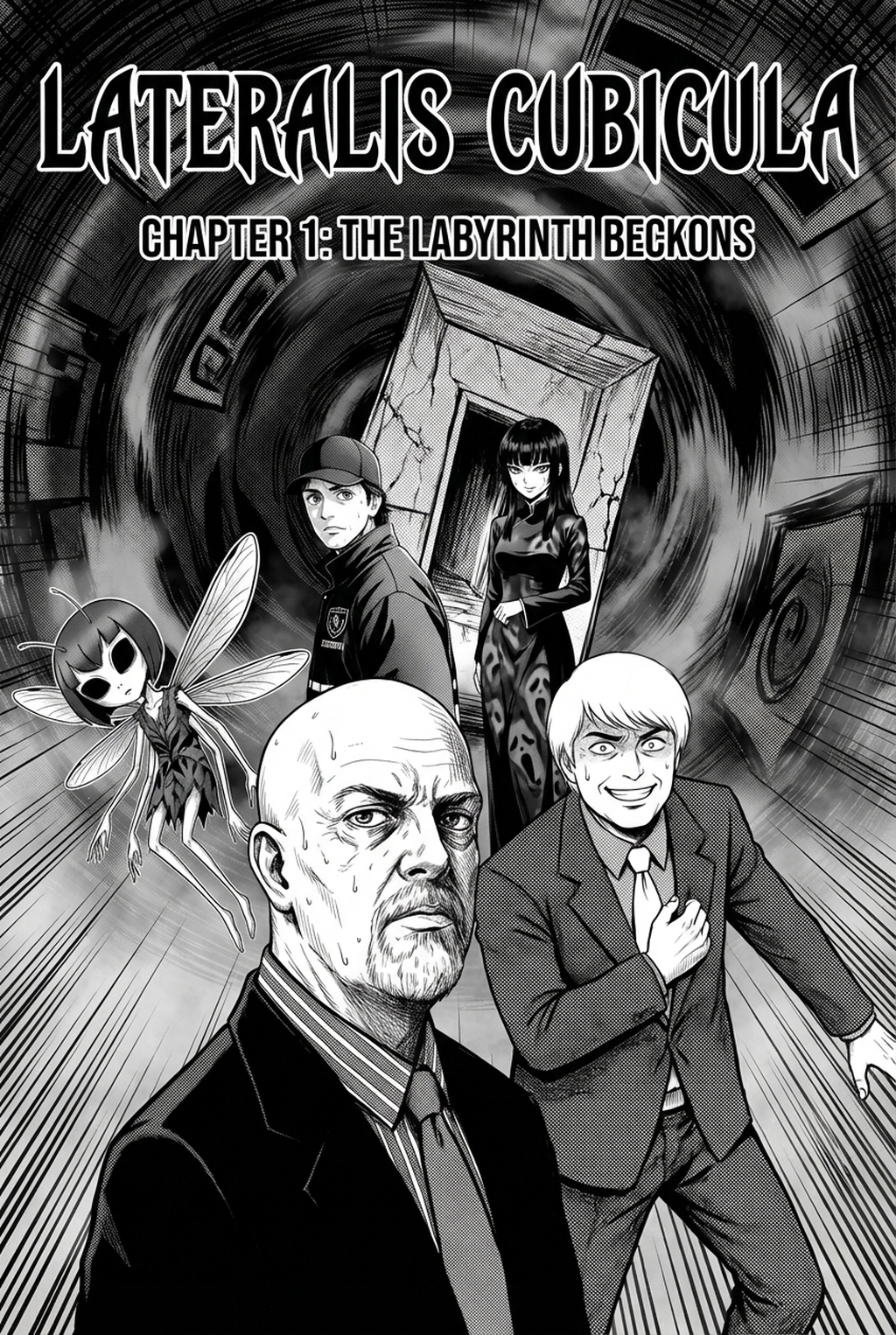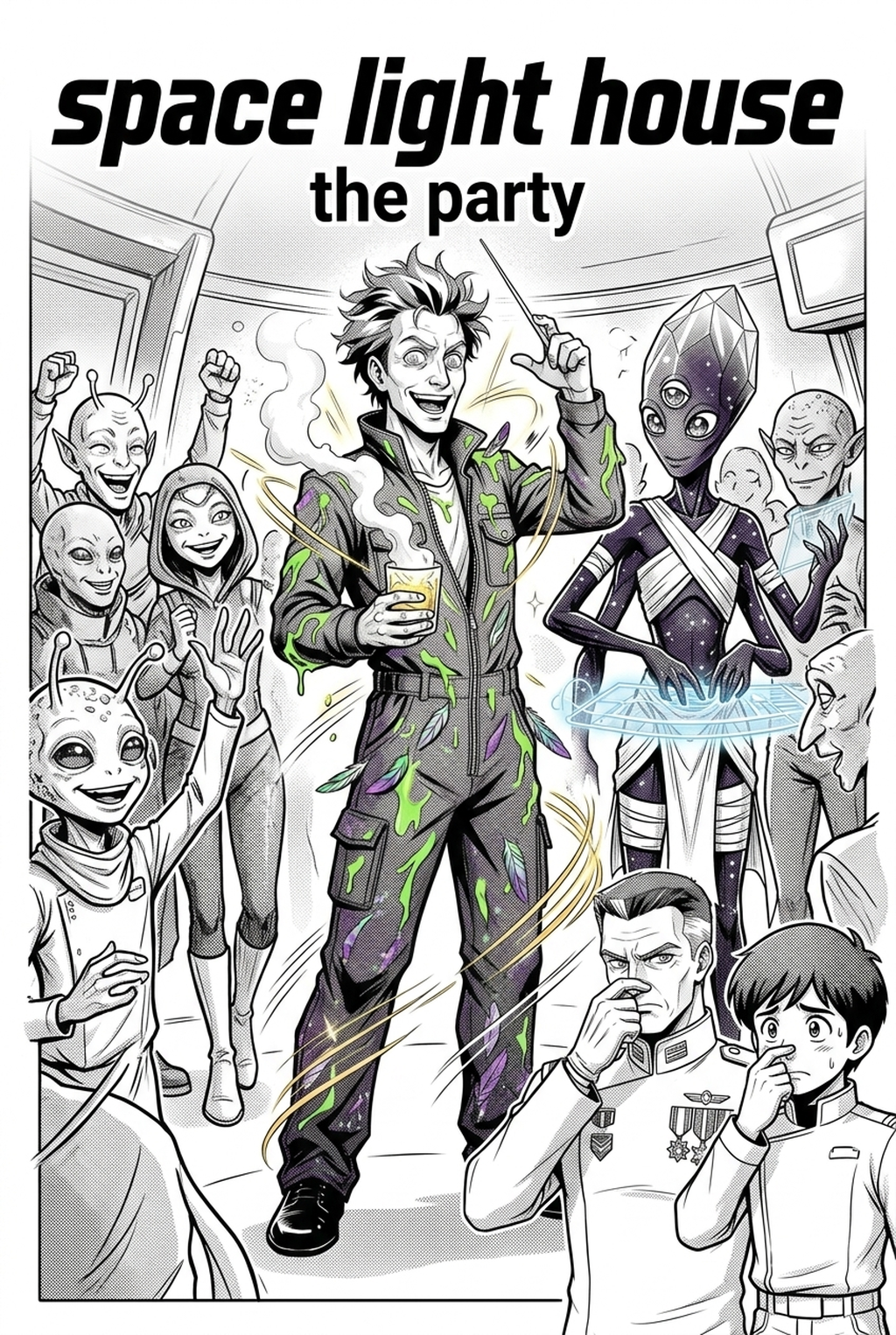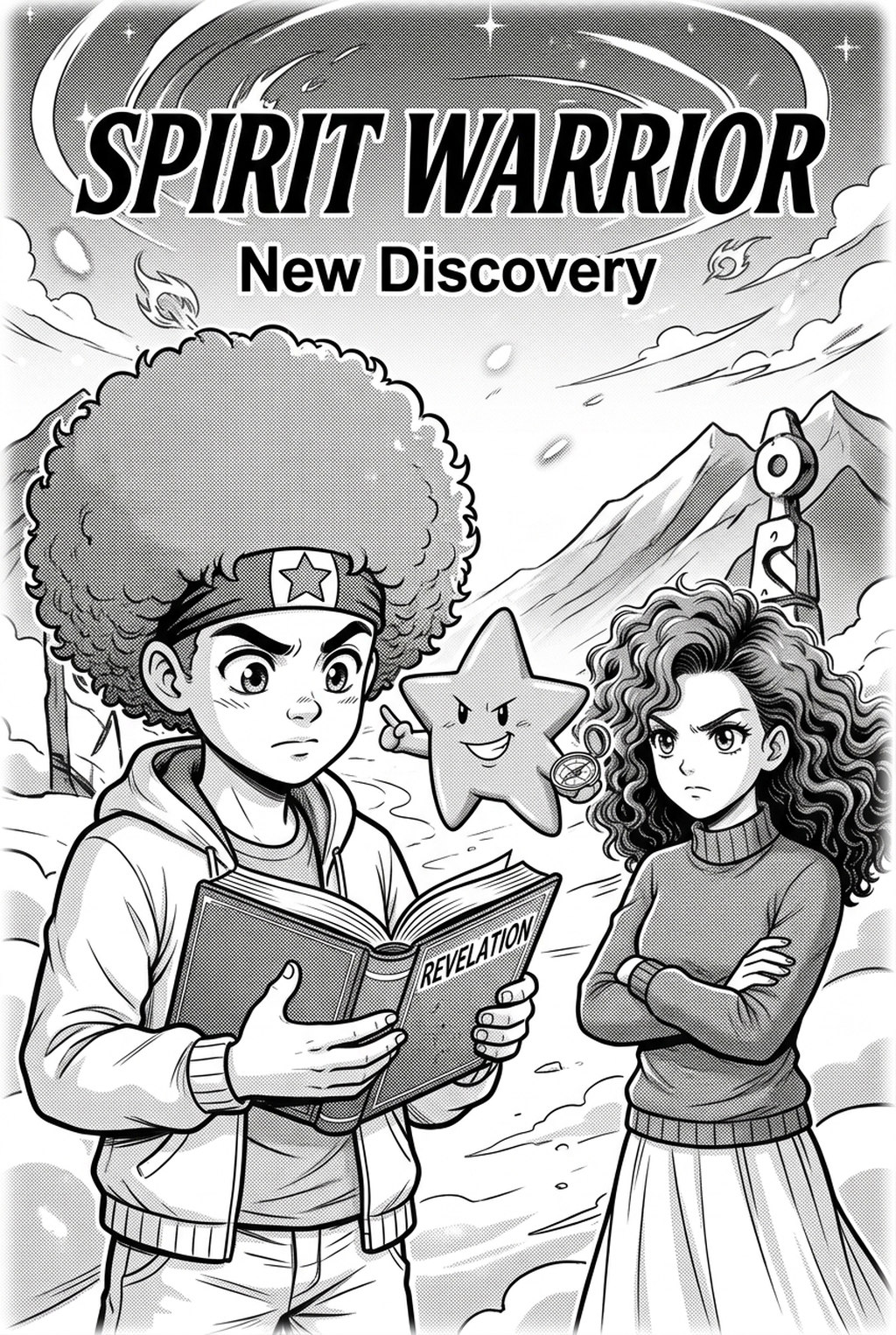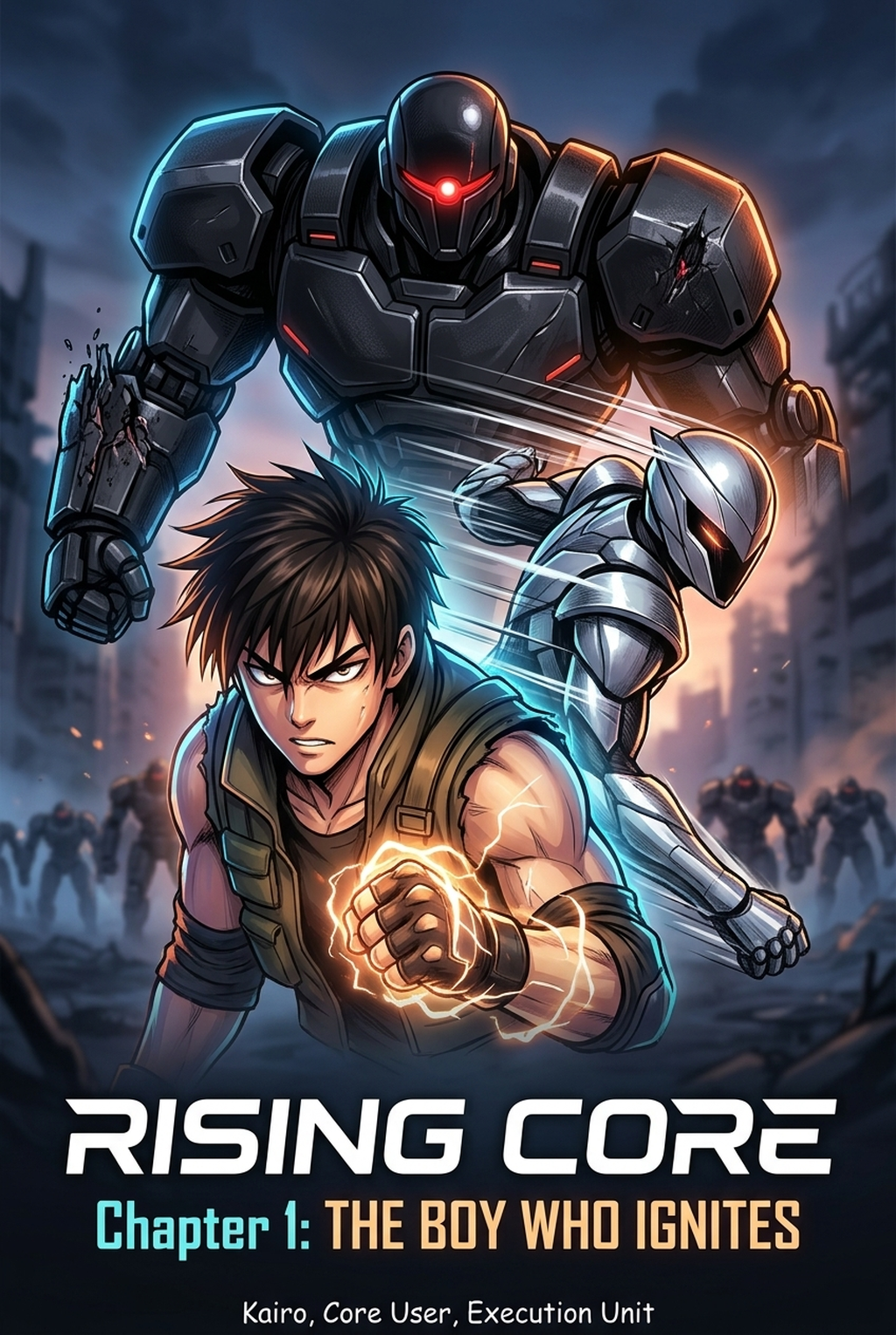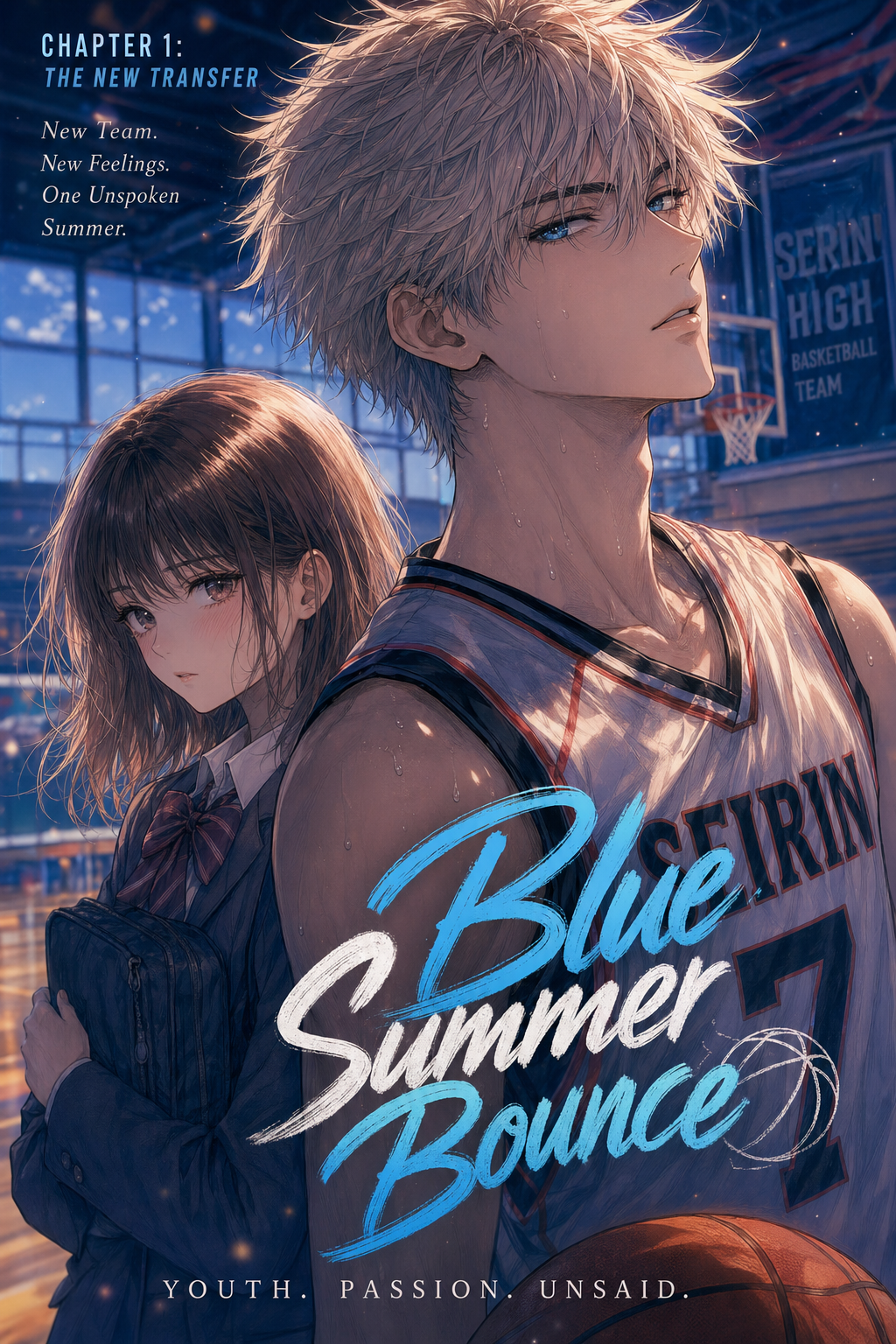
AI Manga Character Designer: Why Structural Consistency Governs Manga Production
Visual consistency is achieved by establishing a 'design reference sheet' that acts as a single source of truth for proportions, line weights, and shading styles. In digital workflows, creators use character models to lock in specific physical attributes, preventing the accidental morphing of facial structures or stature as the story progresses.
- Design Reference Sheets: Compiled documents containing front, side, and three-quarter views, along with color flats and line-weight standards. * Modular Assets: Standardized head-turnarounds and emotion charts that can be reused across different chapters, saving significant time during high-volume production. * Proportion Lock: Maintaining consistent head-to-body ratios prevents "drifting," where a character appears to grow or shrink relative to their peers. * Shading Discipline: Using fixed ink-line width standards, such as a consistent 4px line for outlines, ensures that the character pops against the background consistently.
Indie creators who ignore these standardization protocols often suffer from "art style fatigue," where the character looks significantly different by page 50 compared to page 1. By treating the character as a fixed asset rather than a fresh drawing every time, you effectively stabilize your production cycle.
How Mangaka Simplifies the Design Workflow
Mangaka allows creators to input text descriptions to generate consistent character iterations, drastically reducing the time spent on manual drafting while maintaining the unique aesthetic of your manga. This AI-powered tool uses a seed-based approach to lock in specific traits—such as a character's eye shape or hair volume—while allowing you to vary angles and expressions for different panel requirements.
- creative brief-Driven Stability: By anchoring the generation to a specific seed, you bridge the gap between initial ideation and final inking. * Anatomical Integrity: The system ensures that limb lengths and torso proportions remain consistent across varied dynamic poses. * Iterative Speed: You can generate a dozen variations of a specific costume or character angle in the time it would take to pencil a single rough sketch.
For Creators Looking to Experiment. You can access the platform at manga character design with Mangaka to begin locking in your character models. This feature acts as an extension of your own hand, enabling you to generate complex action poses that retain the line-weight fidelity needed for professional publishing. If you struggle with inconsistent limb proportions in high-action sequences, using the character model as a reference overlay ensures your finished output maintains a professional, uniform quality.
Strategic Applications for Character Archetypes
Once a design is finalized, the challenge moves to composition, where the character's 'negative space' must be considered for text bubbles and dynamic flow. Maintaining a library of 'pose archetypes' allows you to assemble action panels without drawing from scratch every time, ensuring that the dialogue layout does not collide with critical action lines.
- Negative Space Planning: Reserved areas on the page where characters are positioned specifically to allow for clean text bubble placement. * Scale Reference Overlays: Using your character model as a layer transparency during storyboarding to check relative height between a protagonist and a villain. * Archetype Libraries: Storing common stances—such as the "hero landing" or "defensive crouch"—as digital presets for rapid assembly.
When working on a 20-page chapter, you should aim to have at least three unique pose archetypes pre-loaded. This prep work prevents "inking drift," where the character's proportions feel off due to rushing the composition process to hit a deadline.
Practical Steps for Design Iteration
To ensure your characters stand out, focus on specific, exaggerated "visual hooks" such as a distinct accessory or a recurring scar that the reader can track easily. While modern tools can replicate complex styles, the human element of choosing which features to emphasize remains the most important part of the process.
- Visual Hook Selection: Identify one defining feature that is easy to draw but instantly memorable. * Updating for Growth: Use minor design shifts, such as a new hairstyle or a different jacket after a time jump, to signify character evolution without losing the core silhouette. * Style Fidelity: Rely on your digital library to ensure that the line-art style remains uniform even if you alter the character's clothing.
- Before Export. Creators should compare the generated line art with the original sketch and confirm that facial expressions, props, speed lines, and speech-bubble space still support the scene. A repeatable review pass should cover character consistency, panel readability, background clarity, and whether the final file is ready for coloring, lettering, or editor feedback.
- For Longer Projects. Creators should save approved examples of line weight, face detail, clothing folds, and background density. Those references keep later chapters closer to the intended style. For collaboration, creators should mark which panels are final and which panels still need redraws. Clear status labels prevent an assistant, editor, or colorist from polishing the wrong version.
- For Publishing. Creators should review the page at the actual reading size before export. Small screens expose crowded dialogue, weak silhouettes, and line details that looked fine while zoomed in. This keeps the review focused on story intent, line weight, panel readability, and the export quality behind the final AI Manga Character Designer output.
The Bottom Line
Successful character design is the foundation of any long-form manga, providing the visual continuity necessary for readers to connect with your story. Integrating AI-assisted design tools allows indie creators to scale their production without sacrificing the unique style that makes their series stand out in a crowded market. By focusing on repeatable assets and consistent creative brief-driven workflows, you can dedicate more time to plot development and less to the technical burden of maintaining visual consistency. Use manga character design to optimize your creative workflow for your next project.