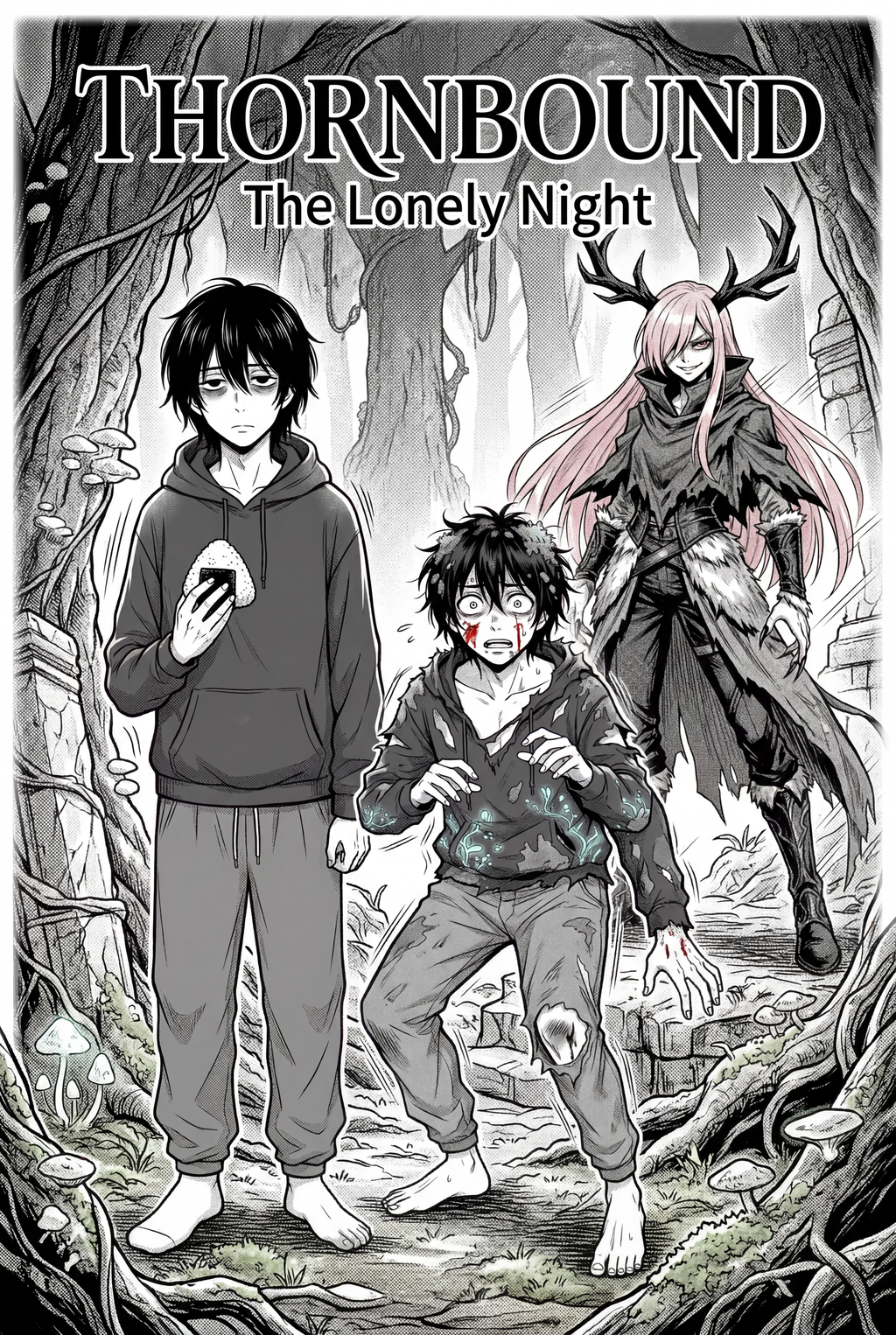
AI Manga Character Designer: Elements of Effective Character Anatomy
Successful designs rely on defining a rigid silhouette and specific visual markers that remain identifiable from any camera angle. If a reader cannot distinguish your lead from the supporting cast by their silhouette alone, the composition will likely fail during complex action scenes.
- Fixed Visual Anchors: Establish at least three distinct physical traits, such as a specific scar placement, a recurring hair cowlick, or a unique accessory shape that must appear in every panel. * Geometric Base: Use simple shapes like circles for the cranium and trapezoids for the torso to maintain character proportions during rapid sketching. * Personality Motifs: Incorporate design elements that visually signal a character’s role, such as heavy, jagged line-weight for antagonistic, aggressive characters versus softer, flowing outlines for protagonists.
Why Structural Consistency Governs Production
A model sheet acts as the primary source context for the entire series, documenting front, side, and three-quarter views to ensure that every panel aligns with the established visual language. Without this documentation, even seasoned creators struggle with 'design fatigue,' where line-weight drift and shrinking limb proportions slowly erode the quality of a 200-page volume.
- Elimination of Anatomy Drift: By keeping a reference sheet open, you ensure the review owner can verify that the character’s height and build remain stable across different pages. * Standardized Terminology: Defining specific names for recurring design elements helps maintain internal project consistency, especially when collaborating on complex storyboards. * Simplified Inking: Knowing exactly where a belt buckle or jacket zipper sits allows you to ink with confidence, preventing the smudged inking that happens when adjusting details on the fly.
How Character Design Works with Mangaka
Solo creators often hit a bottleneck when manual drawing inaccuracies accumulate, leading to jarring inconsistencies between a dialogue-heavy page and an action-packed spread. The integration of the AI Manga Character Designer automates the replication of these established traits, acting as a technical safeguard for your project’s long-term fidelity.
Instead of manually drawing every variation of a complex outfit, you input your narrative-driven text description into the tool. The system then generates a multi-angle reference sheet that locks in the character's core features. This delivery format ensures that when you move from layout to high-fidelity line art, the character’s silhouette remains identical to the vision you established in your initial storyboards. By automating the tedious process of drawing repetitive character sheets, you regain the creative bandwidth to focus on complex panel sequencing and plot pacing.
Implementation of Multi-Angle Design Assets
AI platforms translate simple, descriptive notes into professional-grade assets that integrate directly into your existing workflow. By generating these sheets at the start of a chapter, you establish a baseline that prevents the "reset" problem where a character looks significantly different after a long hiatus.
- Rapid Iteration: Use text parameters to generate multiple hair variations or clothing styles for a single base model, saving hours of draft time. * File Format Compatibility: Export your generated models as high-resolution references to use as an underlay for your digital inking process. * Storyboarding Efficiency: Use these sheets as placeholders in your panel layout to visualize how characters interact with their environment before finalizing the perspective.
Guidelines for Initial Character Projects
What is the most important element of a new manga design? It is the silhouette—the character should be identifiable even in a black-and-white outline. If your character’s shadow is generic, the design needs more aggressive visual motifs like an oversized accessory or a distinctive hairstyle.
- Centralized Reference: Always keep a master model sheet active on a secondary screen or as a layer in your workspace, serving as the ultimate authority for every page you draw. * Style Parameter Matching: Modern generation tools allow for deep style control, ensuring that the generated character matches the specific line density and shading aesthetic of your hand-drawn panels. * Workflow Integration: Treat these AI-generated models as raw, baseline material, then apply your unique stylistic ink touches to finalize them for your specific manga genre, whether it is high-contrast Seinen or expressive Shonen.
- Before Export. Creators should compare the generated line art with the original sketch and confirm that facial expressions, props, speed lines, and speech-bubble space still support the scene. A repeatable review pass should cover character consistency, panel readability, background clarity, and whether the final file is ready for coloring, lettering, or editor feedback.
- For Longer Projects. Creators should save approved examples of line weight, face detail, clothing folds, and background density. Those references keep later chapters closer to the intended style. For collaboration, creators should mark which panels are final and which panels still need redraws. Clear status labels prevent an assistant, editor, or colorist from polishing the wrong version.
- For Publishing. Creators should review the page at the actual reading size before export. Small screens expose crowded dialogue, weak silhouettes, and line details that looked fine while zoomed in. For style control, creators should keep a short reference board beside the draft and compare hair shapes, eye details, costume folds, and texture choices before approving the final page.
The Bottom Line
Mastering character consistency is the primary differentiator between amateur projects and professional-grade manga series. By leveraging technology to handle the repetitive aspects of character sheets, you secure your production timeline against the hazards of visual drift. Visit manga character design to build your first set of consistent character references for your next manga project today.
Related articles
Create a Pro Character Design Sheet for Manga Artists 2026
Mastering Character Sheet Design for Manga: A 2026 Guide
AI Manga Character Design: A Guide to Consistent Storytellin