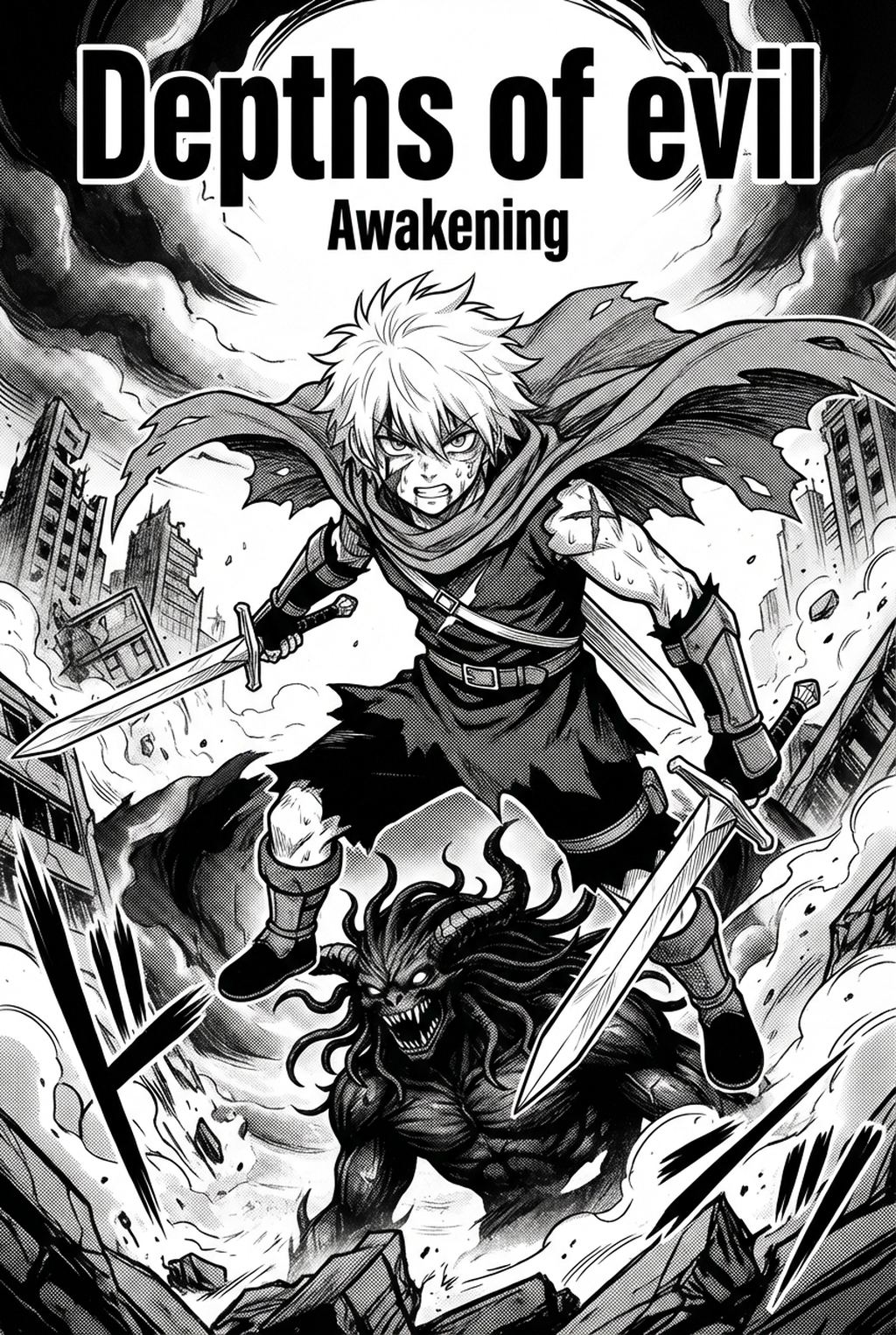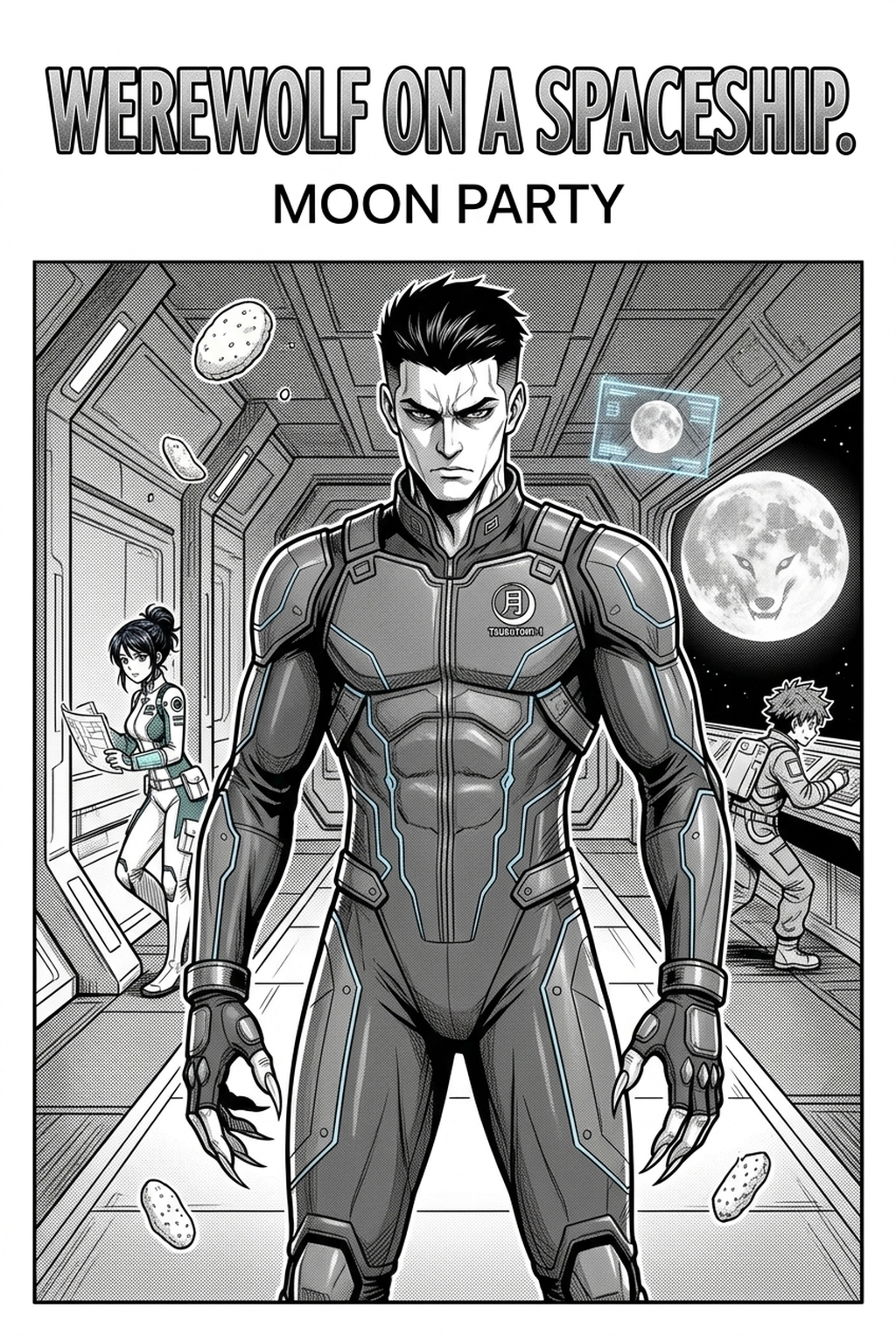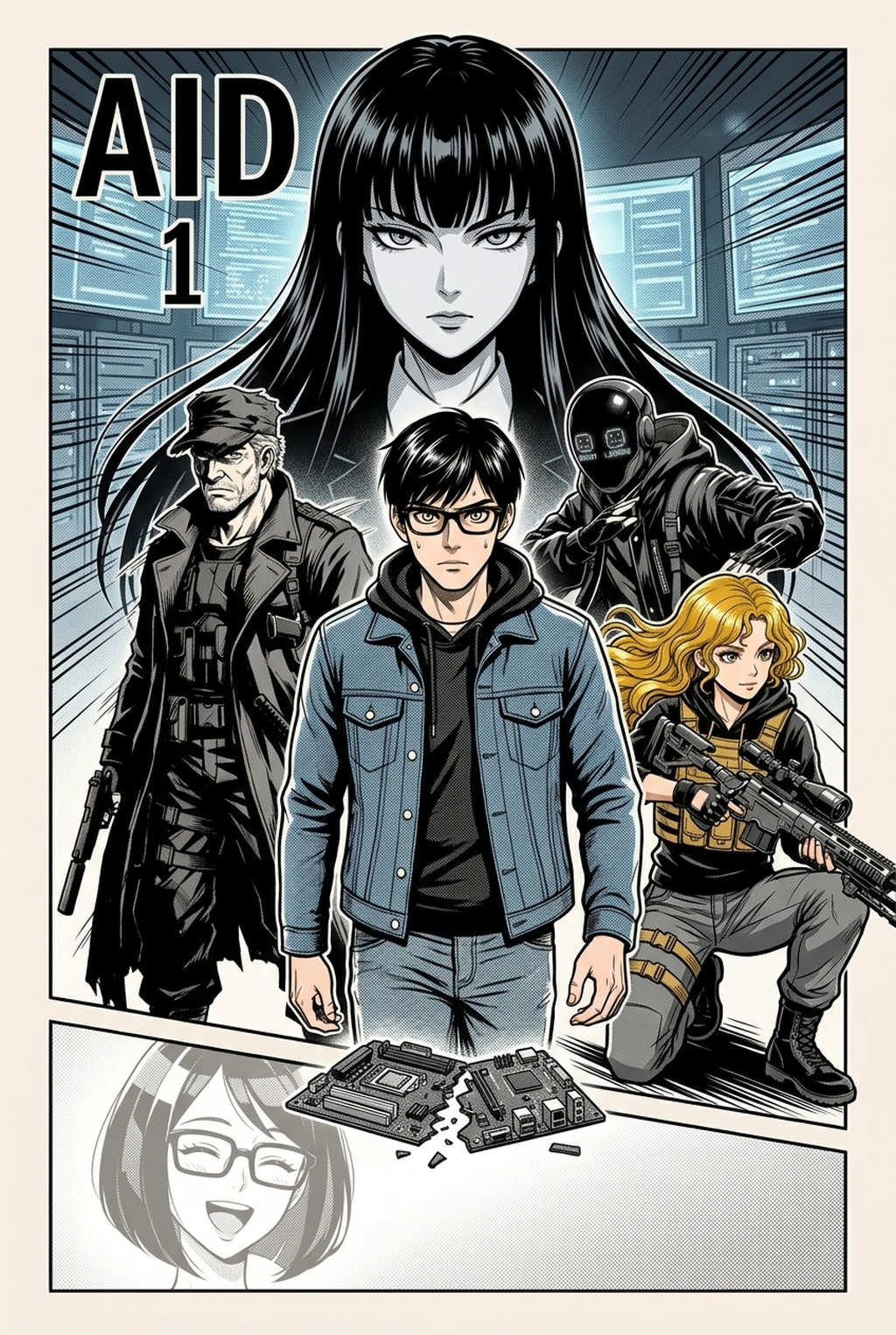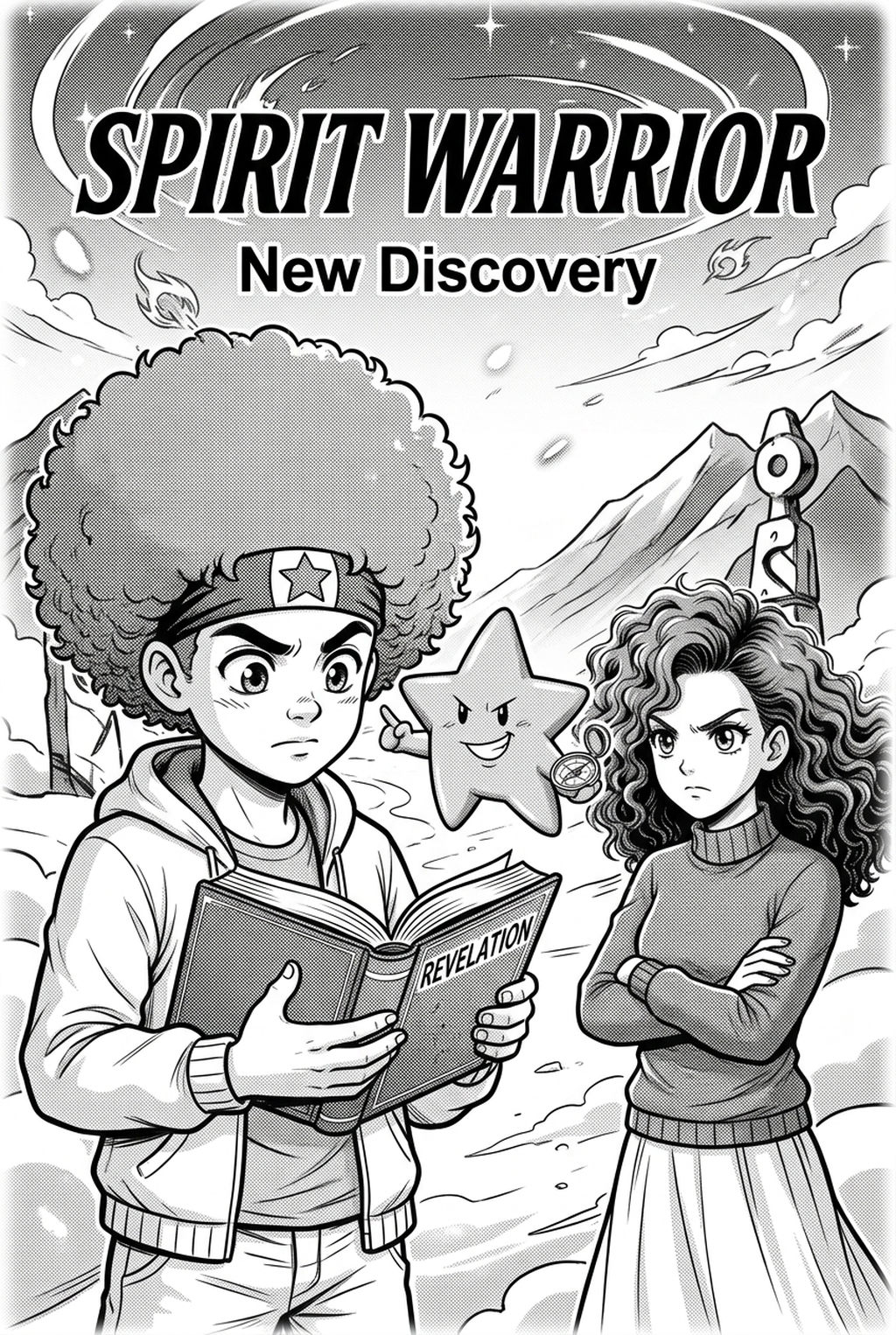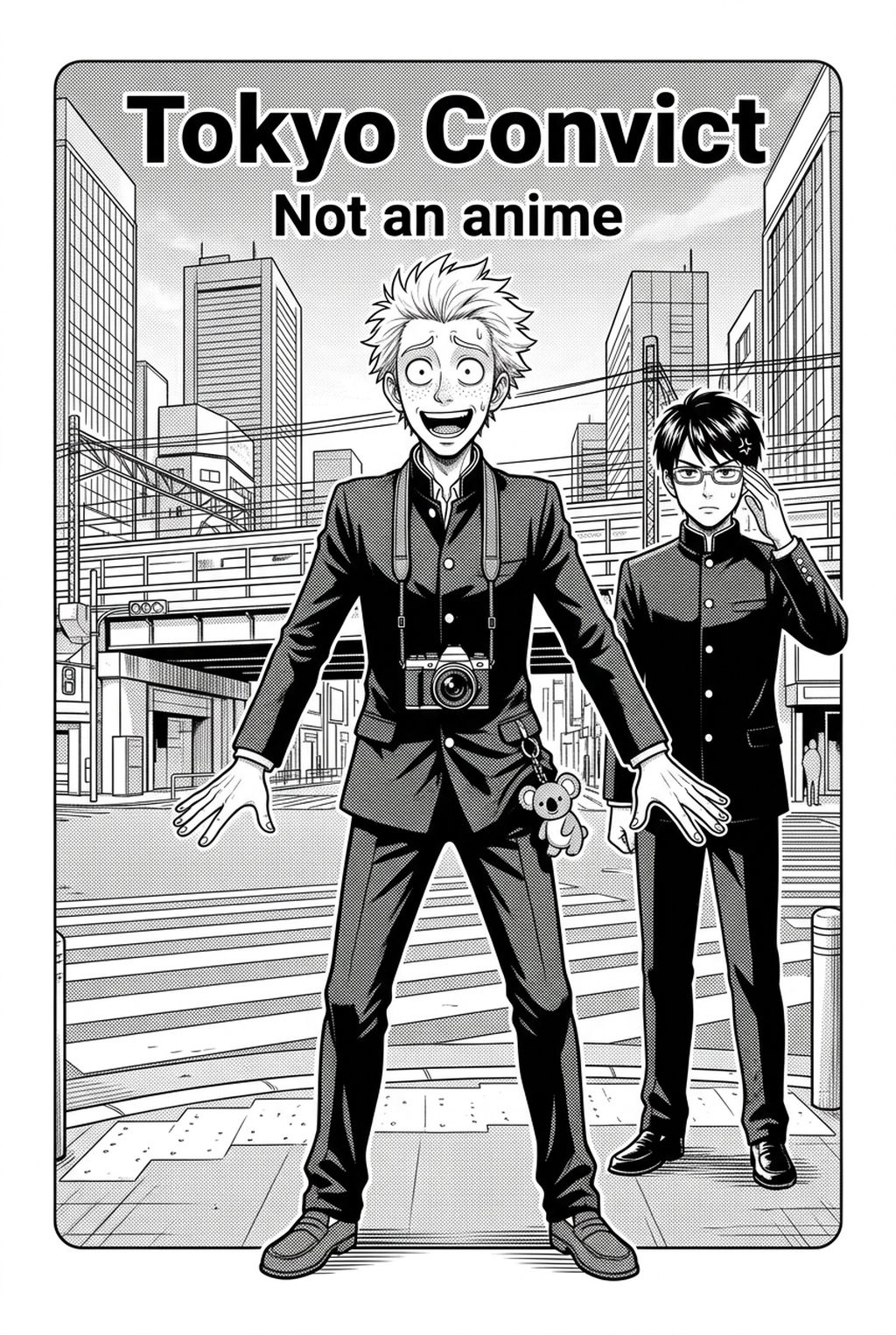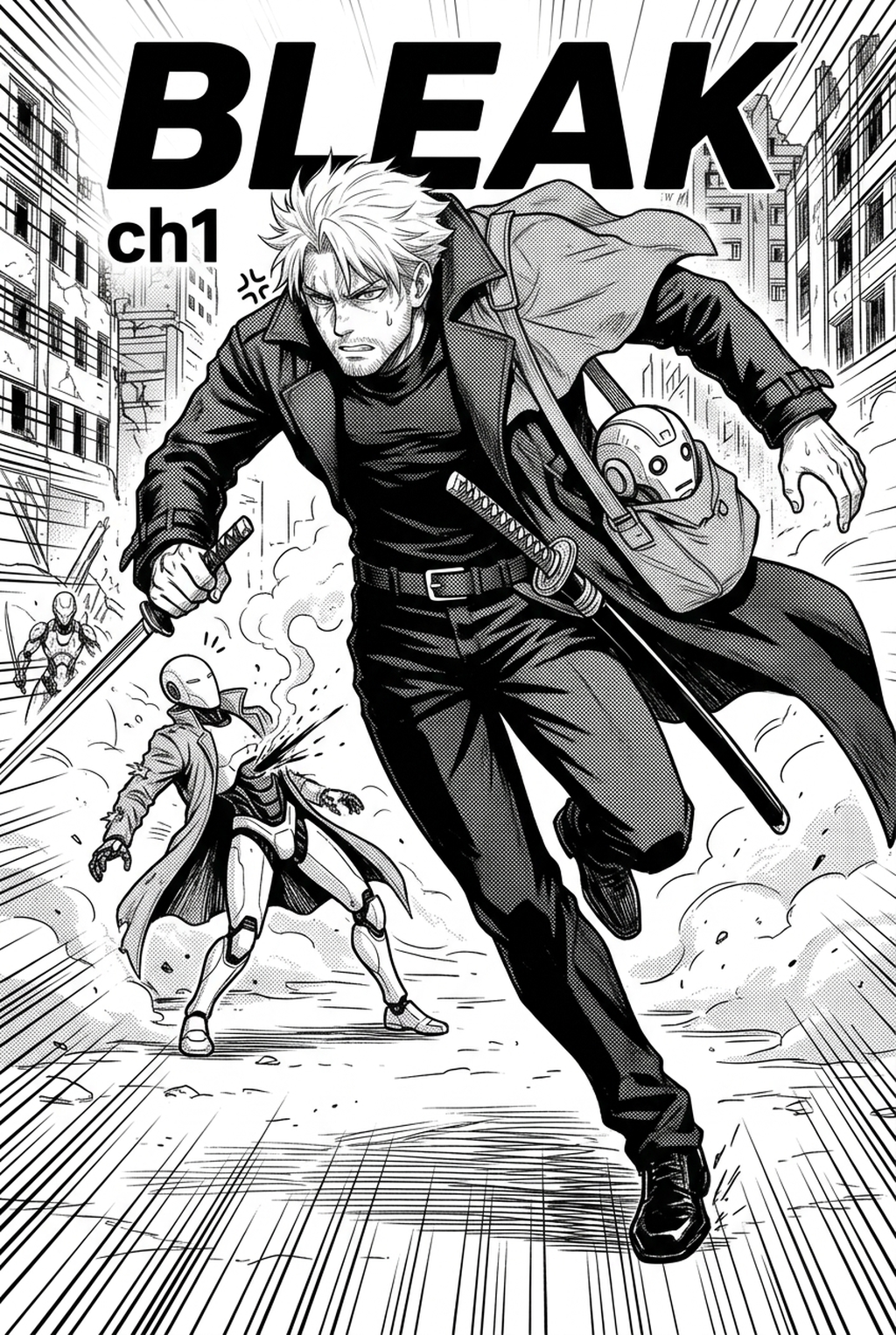
Definition of This Automated Panel Generation Technology
A manga panel generator for light novels AI is a specialized software environment that parses text-heavy scripts to produce sequential visual panels compliant with standard manga publication formats. Unlike broad-spectrum image generators, this system anchors every output to a predefined "style-sheet" that governs line density, shading intensity, and screen-tone distribution, preventing the visual jarring that occurs when panels are generated independently.
Integrating this technology happens during the storyboard and inking phases, where creators transition from a script to the finalized page layout. By offloading the initial panel construction to the AI, you resolve the time-consuming problem of manual panel framing, allowing for more time dedicated to refining specific character emotions or perfecting background composition.
Generic models lack the context of narrative pacing or the ability to respect the specific "flow" of eye-tracking required by Japanese reading standards. Mangaka recognizes the difference between a high-tension combat scene and a quiet slice-of-life interaction, adjusting panel density and gutter spacing to ensure the visual hierarchy aligns with your original text cues.
- Chapter cadence. Use the AI pass for pages where speed matters most, such as repeated action poses, transformation beats, or dense speed-line panels. Keep manual cleanup for hero panels where the line style defines the emotional peak.
- Character continuity. Compare the generated lines against the same model sheet, costume notes, and facial-expression range used during sketching. This prevents a fast inking pass from drifting away from the character identity readers recognize.
- Export readiness. Check whether the final manga output can move into lettering, coloring, or final layout without rebuilding panel borders or speech-bubble space. A good manga workflow should save time while keeping the next production step predictable.
Why This Technology Matters for Indie Manga Creators
Traditional manual illustration requires hours of repetitive inking and layout work, often leading to burn-out before a single chapter is completed. By automating the foundational structure, creators can focus on refining high-impact panels while the software ensures that minor, repetitive panels—such as standard reaction shots or simple dialogue transitions—adhere to a professional, consistent style throughout the chapter.
Maintaining character integrity remains the primary challenge in long-form manga, as proportions tend to shift across different drawing sessions. This technology uses a persistent model reference, which locks facial features and costume details, ensuring that a lead protagonist looks identical in page one as they do on page fifty.
Many talented writers possess vivid narrative visions but lack the decades of traditional art training required for technical inking. Lowering the barrier to entry means that creative output is no longer gated by the ability to perfectly render complex perspectives or anatomy, as the generator manages these technical requirements while the creator maintains control over the narrative heart of the work.
Integrating the System into Your Creation Process
You begin your work by inputting your script directly into the interface, where the system breaks down scenes into distinct visual sequences. You then select the desired manga-style parameters—such as Seinen grit" or Shonen dynamic"—before the system populates the pages with draft-level layouts that you can later refine or export.
Once the initial generation completes, you move into a review phase to calibrate the composition or modify individual panel contents. If a character’s posture feels off or a panel lacks sufficient depth, you can re-creative brief that specific segment without regenerating the entire page, which saves you from losing work on already finalized, high-quality panels.
After Finalizing the Sequence. manga panel generator for light novels ai with Mangaka allows you to export your files in formats like PSD or high-resolution PNG, which preserve the layered structure for further inking or digital tone application. This export-first design ensures that you can bring your finished, AI-assisted panels directly into professional editing software for final text-layering or speech-bubble adjustments without needing to re-render.
Scenarios for Utilizing AI-Based Manga Panels
Professional teams and indie creators use this technology to move from script to full chapter output at a velocity that matches modern weekly serialization demands. Writers who do not draw can finally see their light novel worlds realized as visual manga, providing a new dimension to their storytelling without the massive overhead of hiring a full-time illustrator.
- Serialized vertical comic platforms: Efficiently generating the vertical-scroll layouts needed for mobile-first audiences. * Rapid Prototyping: Visualizing entire story arcs to check pacing before committing to final inking. * Production Scaling: Large studios use these tools to generate backgrounds and supplemental panels, allowing their lead artists to focus exclusively on character faces and high-stakes action scenes.
Steps to Begin Your First Project
Creating your first project involves initializing a fresh canvas and defining the visual constraints for your characters. Start by describing your character’s appearance in detail—including hair, eye color, and primary outfit—before providing the script for a single scene to observe how the engine handles your narrative.
Creative Brief and Source Input. Focus your initial creative brief on the action and camera angle rather than describing every small texture. The most successful attempts use descriptive language for the mood, such as "low-angle shot highlighting dramatic shadow" or "close-up focusing on eyes," which gives the generator a clear instruction on how to frame the narrative.
The dashboard provides a workspace where you toggle between script-input and visual-review modes, allowing for seamless iteration. You will spend most of your time in the review section, where you can "lock in" panels that meet your standards while adjusting the creative briefs for panels that need a different visual focus.
- Before Export. Creators should compare the generated line art with the original sketch and confirm that facial expressions, props, speed lines, and speech-bubble space still support the scene. A repeatable review pass should cover character consistency, panel readability, background clarity, and whether the final file is ready for coloring, lettering, or editor feedback. For longer projects, creators should save approved examples of line weight, face detail, clothing folds, and background density. Those references keep later chapters closer to the intended style.
- For Collaboration. Creators should mark which panels are final and which panels still need redraws. Clear status labels prevent an assistant, editor, or colorist from polishing the wrong version. For publishing, creators should review the page at the actual reading size before export. Small screens expose crowded dialogue, weak silhouettes, and line details that looked fine while zoomed in.
- For Style Control. Creators should keep a short reference board beside the draft and compare hair shapes, eye details, costume folds, and texture choices before approving the final page. For revision planning, creators should separate art fixes from story fixes. Line cleanup, panel order, dialogue clarity, and character acting each need a different review question.
- For Solo Creators. The most useful workflow is one that keeps rough ideas editable until the final pass. That reduces rework when the scene mood changes after the first read-through. For teams, handoff notes should explain why a panel was accepted, not just whether it was accepted. That context helps later coloring, lettering, and export decisions stay consistent.
The Bottom Line
A AI Manga Panel Generator workflow significantly reduces the mechanical friction associated with transforming text into professional-grade manga pages. By specializing in sequential storytelling rather than isolated imagery, the technology ensures character consistency and proper panel pacing that standard art tools cannot maintain. For creators looking to bypass the tedious manual labor of foundational layout and inking, manga panel generator for light novels ai to begin your project today and see how these tools handle your specific narrative style.
Related articles
Automate Your Manga Inking: Clean Line Art Guide 2026
Professional Manga Speech Bubble Placement: Use AI Tool 2026
Understanding the K-Comics Art Style: A Creator's Guide 2026