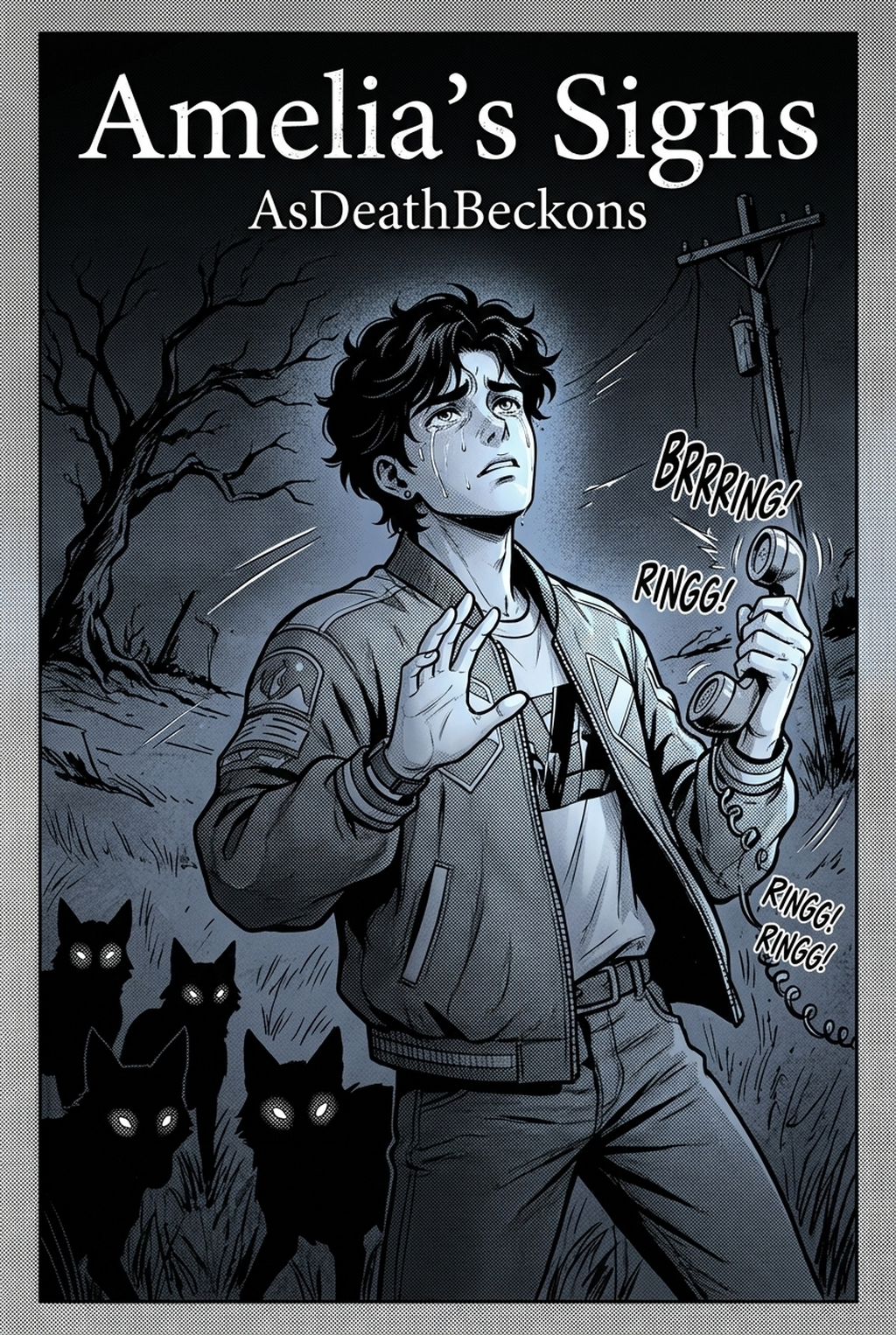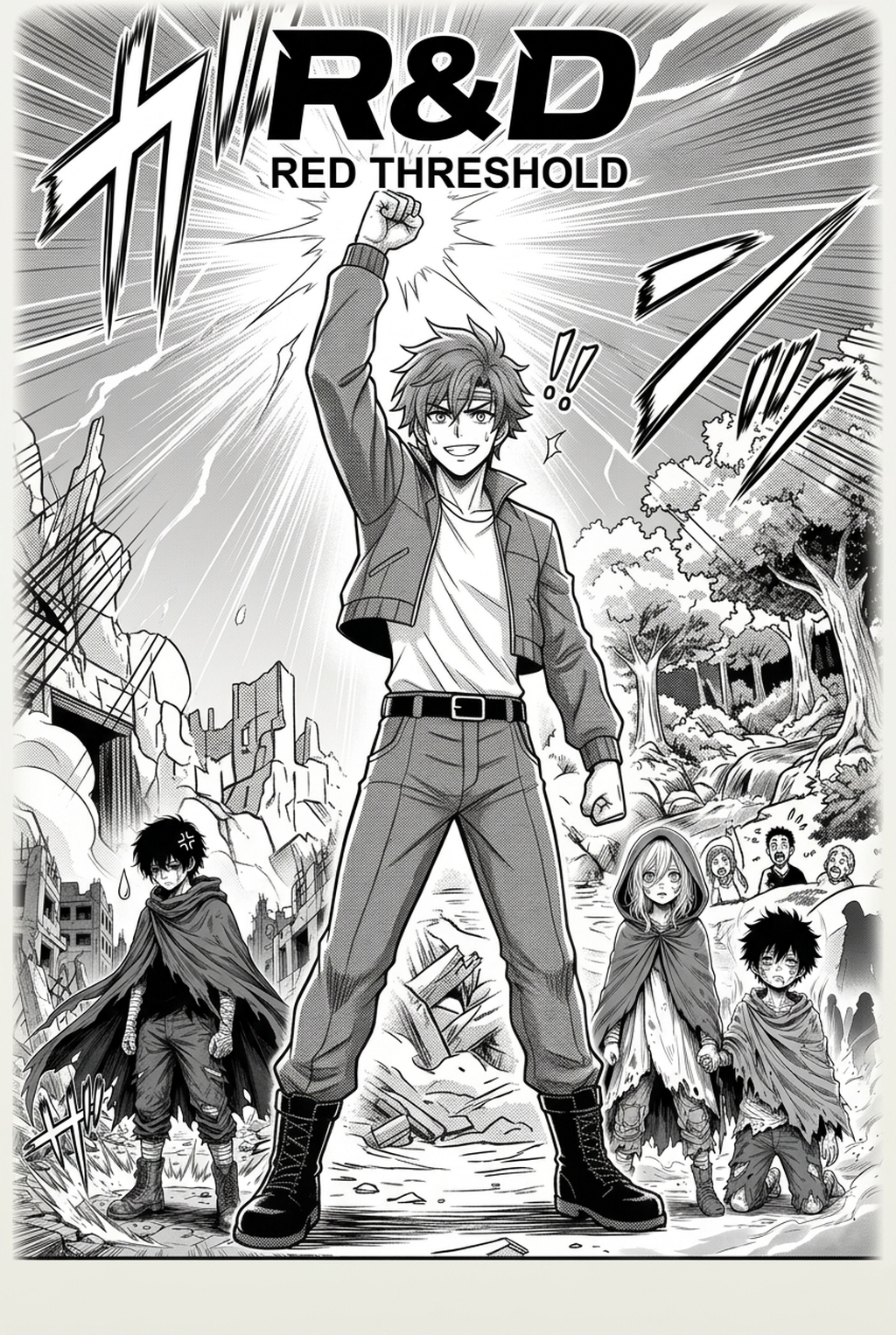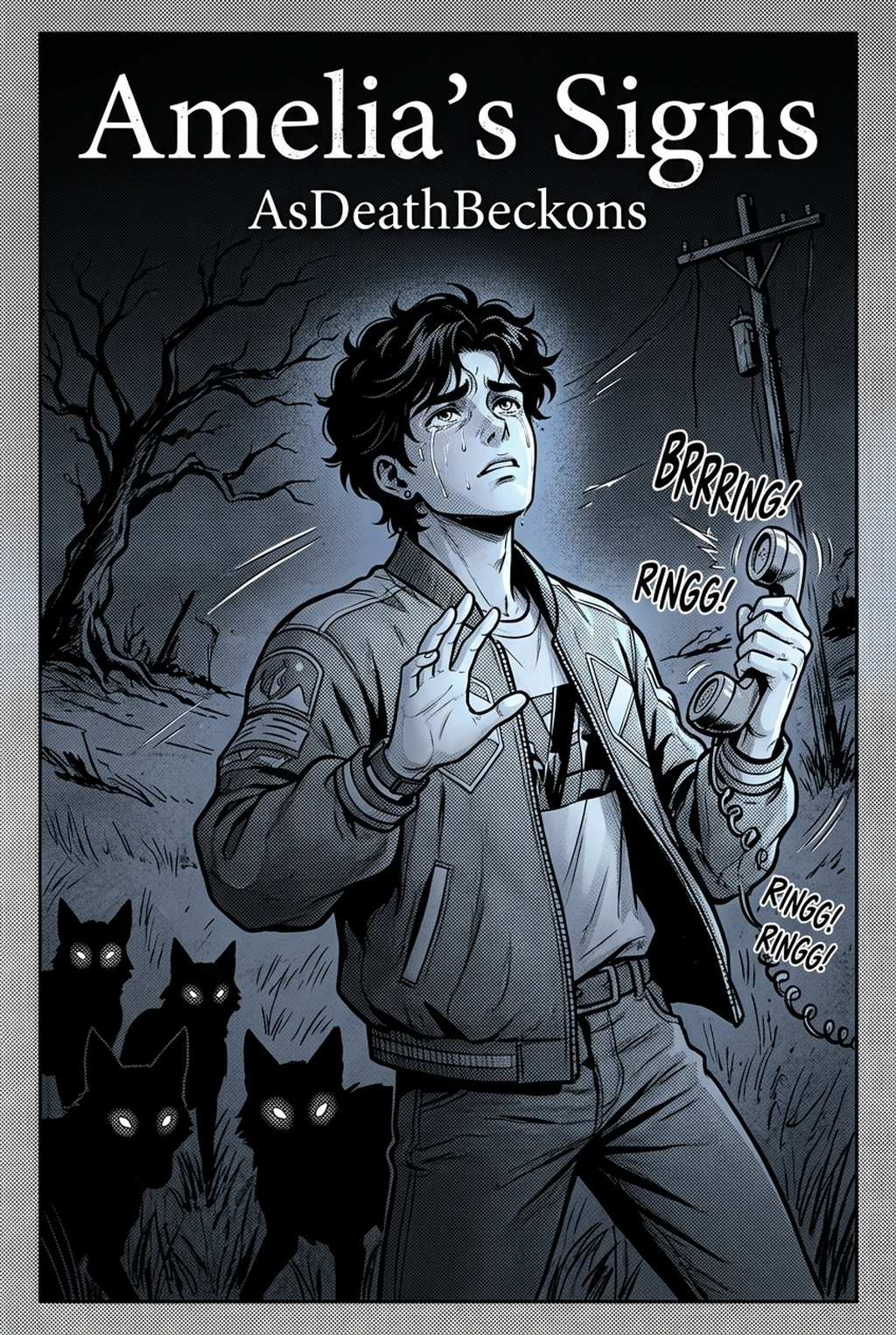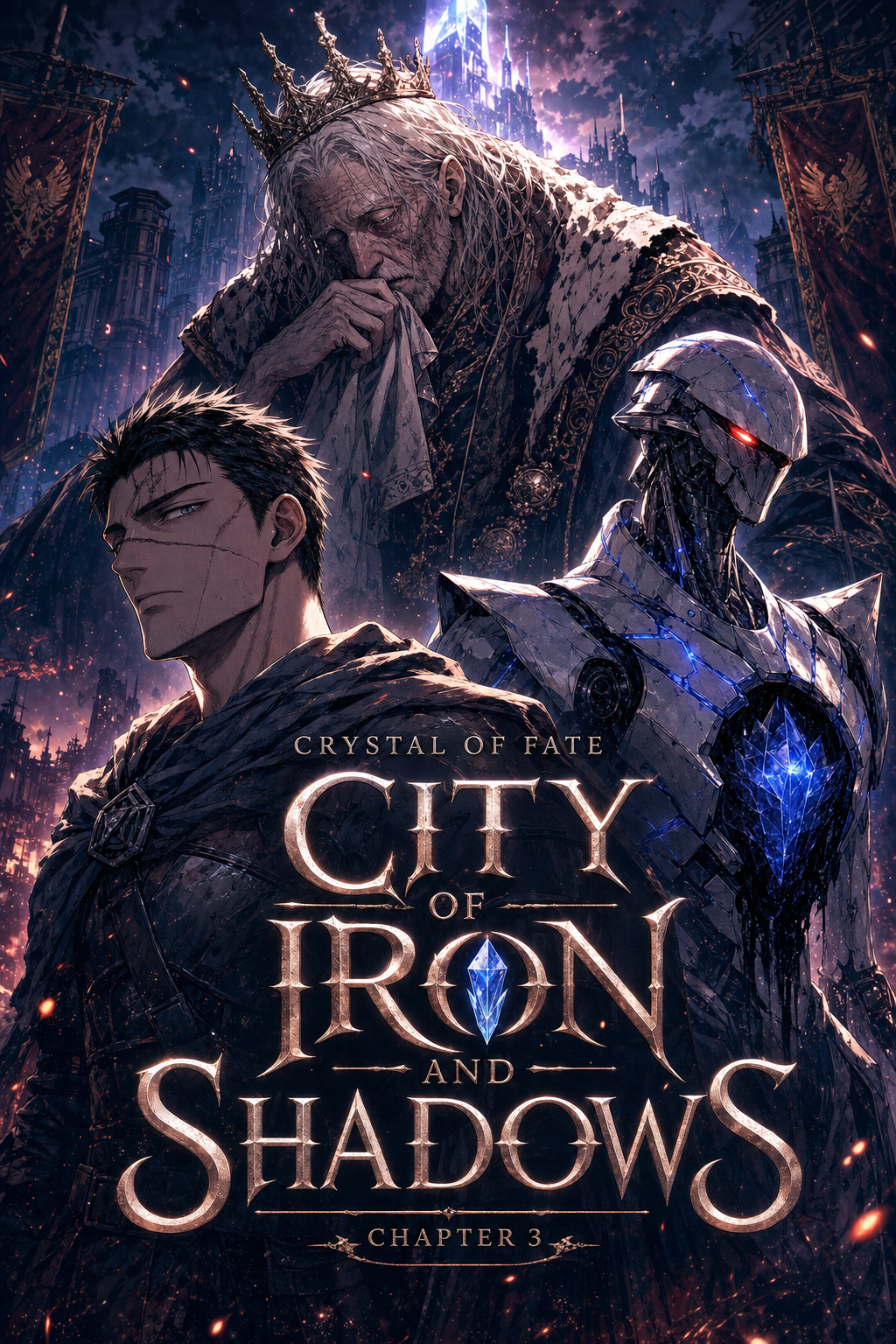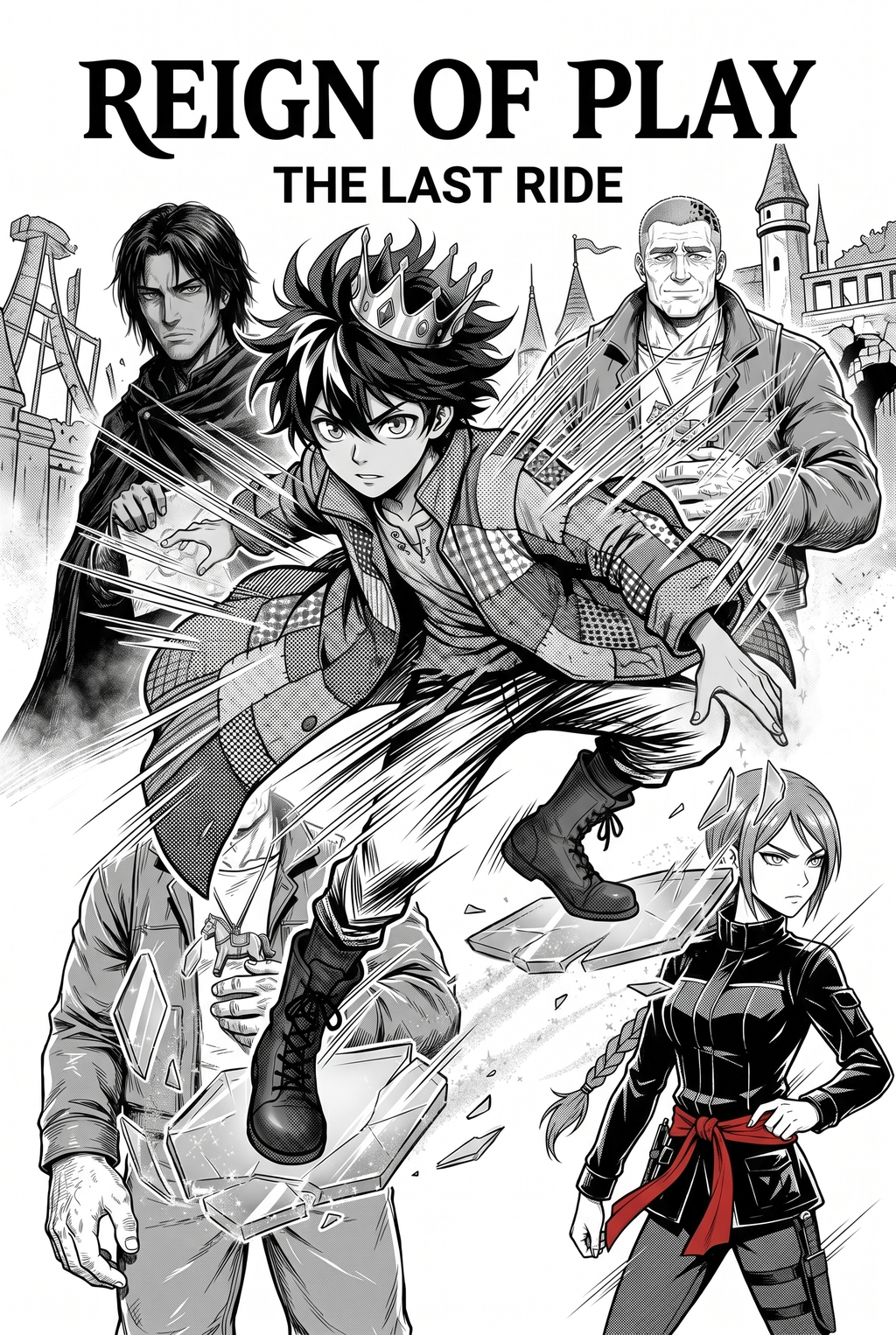
What Is Manga Storyboard?
A manga storyboard serves as the rough, thumbnail-level architectural map that dictates the spatial organization of your entire page layout. It acts as the primary quality gate where you determine if your narrative beats translate across panel breaks before committing to the labor-intensive inking phase.
The storyboard focuses strictly on the placement of key visual information, such as character placement relative to the background and the specific dimensions of each panel. By testing these arrangements early, you ensure the composition maintains internal logic. Check character consistency, panel readability, line quality, and export readiness before publishing. Creators should also record why the page passed review, which panel details still need manual cleanup, and which export format the next collaborator will use. That makes the subsection useful instead of leaving a short checklist under a large heading.
Think of this stage as your technical safety net against perspective errors or flat compositions. You are mapping out where the reader’s eye needs to land, identifying where to place a close-up for emotional intensity versus a wide shot for environmental scale.
Why AI Manga Storyboard Builder Matters for Manga Creators
Effective layout planning prevents the common pitfall of disconnected action, ensuring that your panels follow a logical sequence that keeps the reader fully immersed in the story. When you finalize your structure at this stage, you eliminate the risk of needing to redraw complex background elements because a foreground character was improperly framed.
a well-structured plan ensures the reader perceives speed and impact, not just a static mess of lines. Proper panel variance allows you to control the "beats" of a fight, using large splash panels to highlight climactic attacks while using thin, rapid-fire panels to convey the intensity of a clash.
Redrawing a full page because a dialogue balloon obscures a vital visual detail is a massive drain on your production time. By finalizing the placement of text containers during the storyboard phase, you ensure that every inch of your page serves both the narrative flow and the visual aesthetics without compromise.
How Manga Storyboard Works with Mangaka
Modern AI tools allow creators to input specific narrative beats and automatically generate panel arrangements that strictly adhere to professional industry standards for flow and pacing. By leveraging the Mangaka AI AI AI Manga Storyboard Builder workflow Builder workflow Builder , you can offload the tedious geometry of calculating gutter widths and panel ratios, allowing your creative energy to remain fixed on character expressions and dynamic inking.
The builder manages the mathematical complexity of panel variance, ensuring your gutters remain consistent even when you scale up for dramatic effect. This automation guarantees that your final output maintains a high standard of professional readability, regardless of the screen size on which the page is viewed.
Because the structural heavy lifting is automated, you spend less time manually resizing boxes and more time refining your line art. This shift in the workflow allows you to maintain consistent character proportions and style integrity, as you aren't constantly fighting with layout technicalities during the rendering phase.
Use Cases for AI Manga Storyboard Builder
Many creators hit a plateau when they rely on "static framing," where every panel occupies the same amount of space, which turns an engaging narrative into a monotonous, repetitive grid. Proper storyboarding allows you to break this grid to signal importance and emotional weight.
Consider a scenario where you have a 3-character confrontation scene; using three equal-sized panels creates a "talk-head" effect that kills tension. A more effective storyboard would use a large, dominant panel for the lead character’s emotional pivot, flanked by smaller panels that show the reactions of the other two characters.
In Seinen storytelling, visual breathability is critical to maintaining a mature, somber atmosphere that prevents the reader from feeling overwhelmed by text. A thoughtful layout avoids overcrowding; it strategically places dialogue-heavy panels where the art can remain minimalist, letting the reader pause and process the narrative tension.
How to Get Started with Mangaka
Begin by defining your narrative sequence in the app, which allows the builder to calculate the optimal panel distribution based on the specific action beats you provide for that scene. Once the system proposes a structure, you retain full control to adjust the panel size, perspective, and visual hierarchy to ensure your key action moments pop.
You move from the layout phase to the high-fidelity generation phase by importing your unique character templates directly into the established panels. This ensures that the technical foundation you built remains perfectly aligned while you proceed with your final line-weight and tone application.
Drag and drop your panel elements to experiment with how the "visual weight" of the page shifts. Giving a critical impact-frame more surface area than a dialogue-focused frame creates an intuitive path for the reader's eye, which is the hallmark of professional-grade manga composition. Before export, creators should compare the generated line art with the original sketch and confirm that facial expressions, props, speed lines, and speech-bubble space still support the scene.
The Bottom Line
The creator workflow is the backbone of your project, dictating the success of your narrative rhythm and the overall visual hierarchy of your pages. By adopting modern AI-assisted workflows, you skip the tedious manual drafting phase and move straight to artistic execution, ensuring your final artwork is as sharp as your vision. manga storyboard with a structured plan to ensure your storytelling is perfectly paced and visually engaging.
Mastering storyboard fundamentals with Mangaka
Whether drafting your first 4-koma or a full 32-page one-shot, solid storyboarding establishes panel hierarchy. Mangaka provides clean templates and pacing aids designed around Japanese comic storytelling traditions.
- Choose from pre-set shonen, shojo, and seinen page grid templates.
- Refine panel composition hierarchy from establishing shots to tight close-ups.
- Iterate storyboard pacing rapidly before finalizing inking.