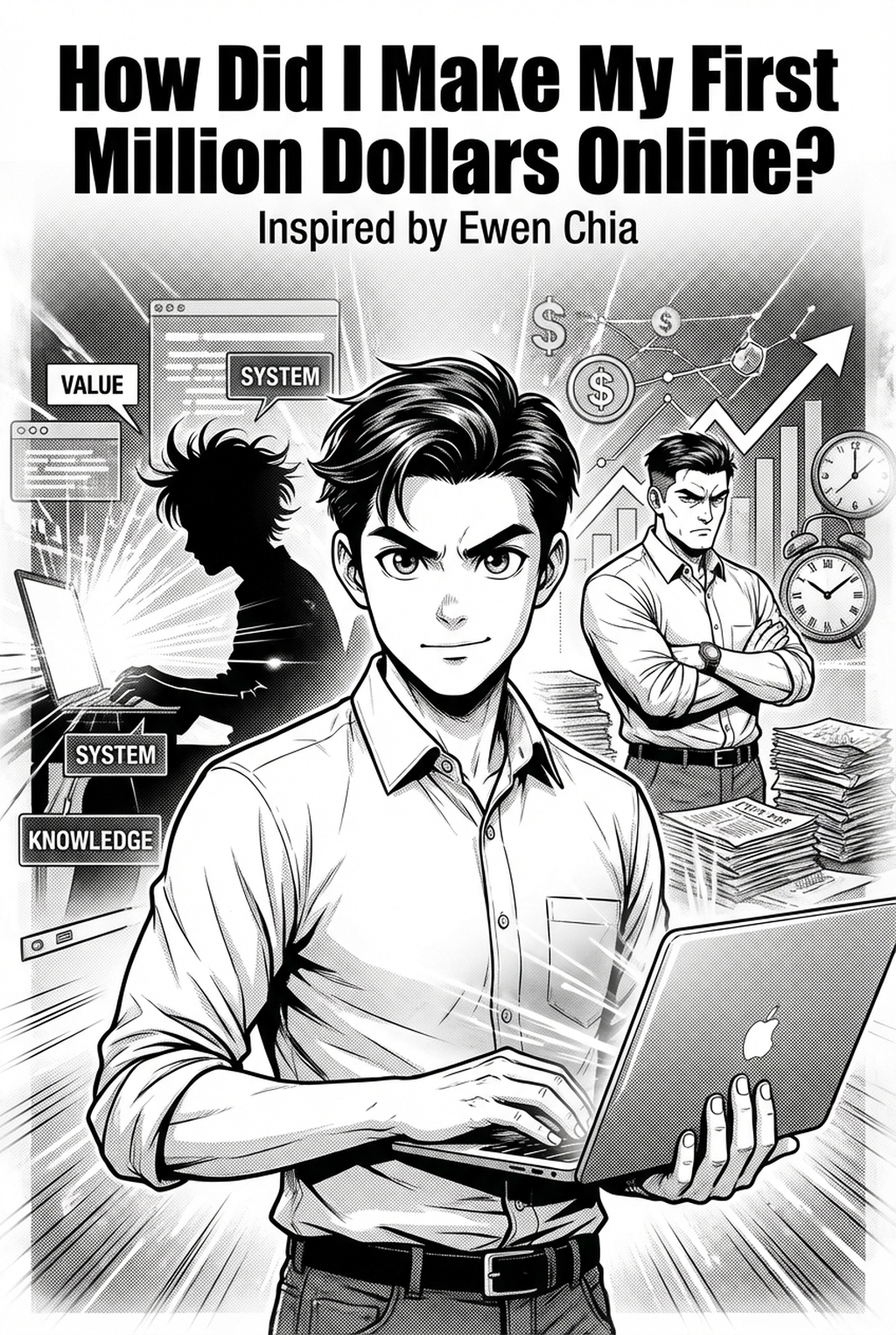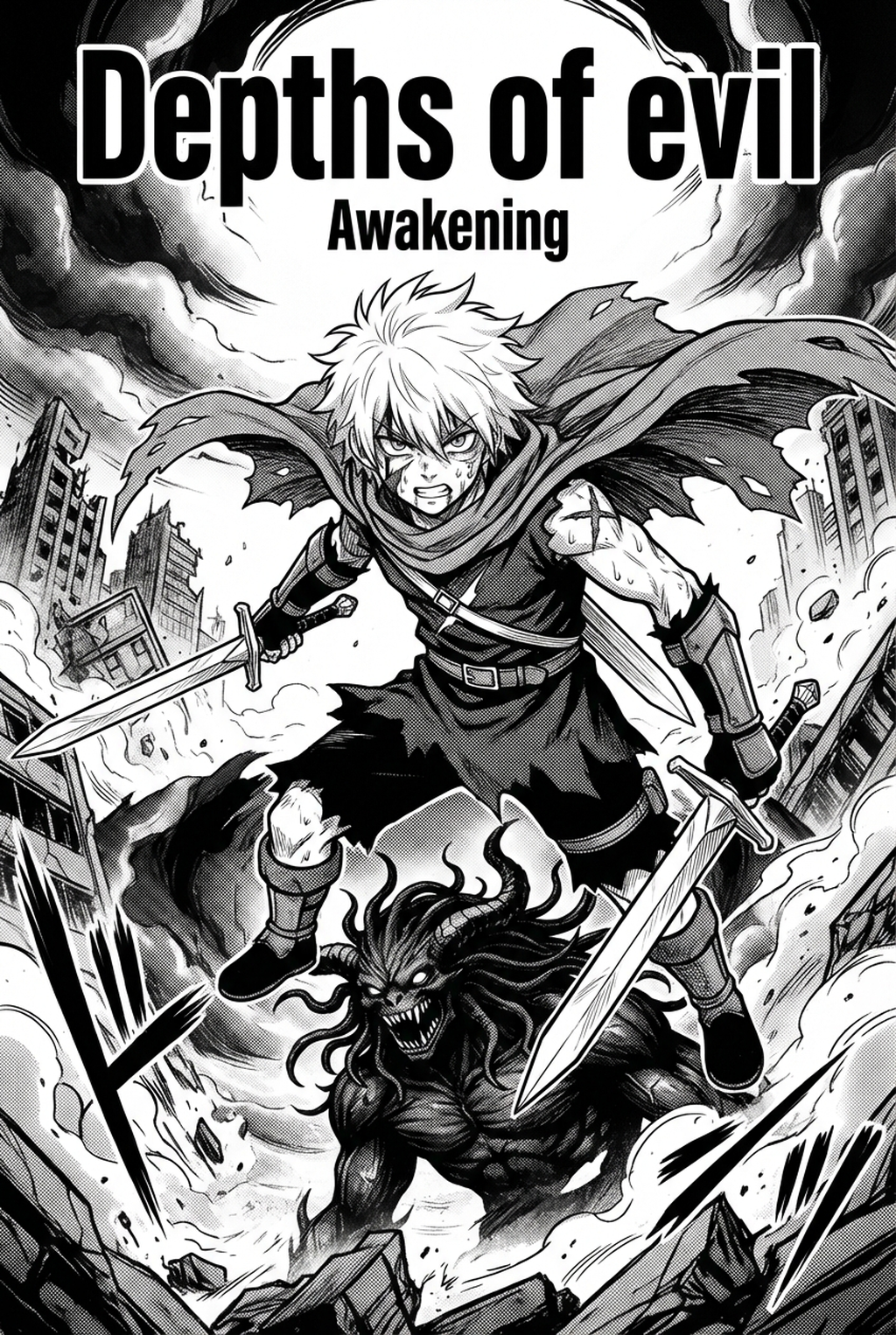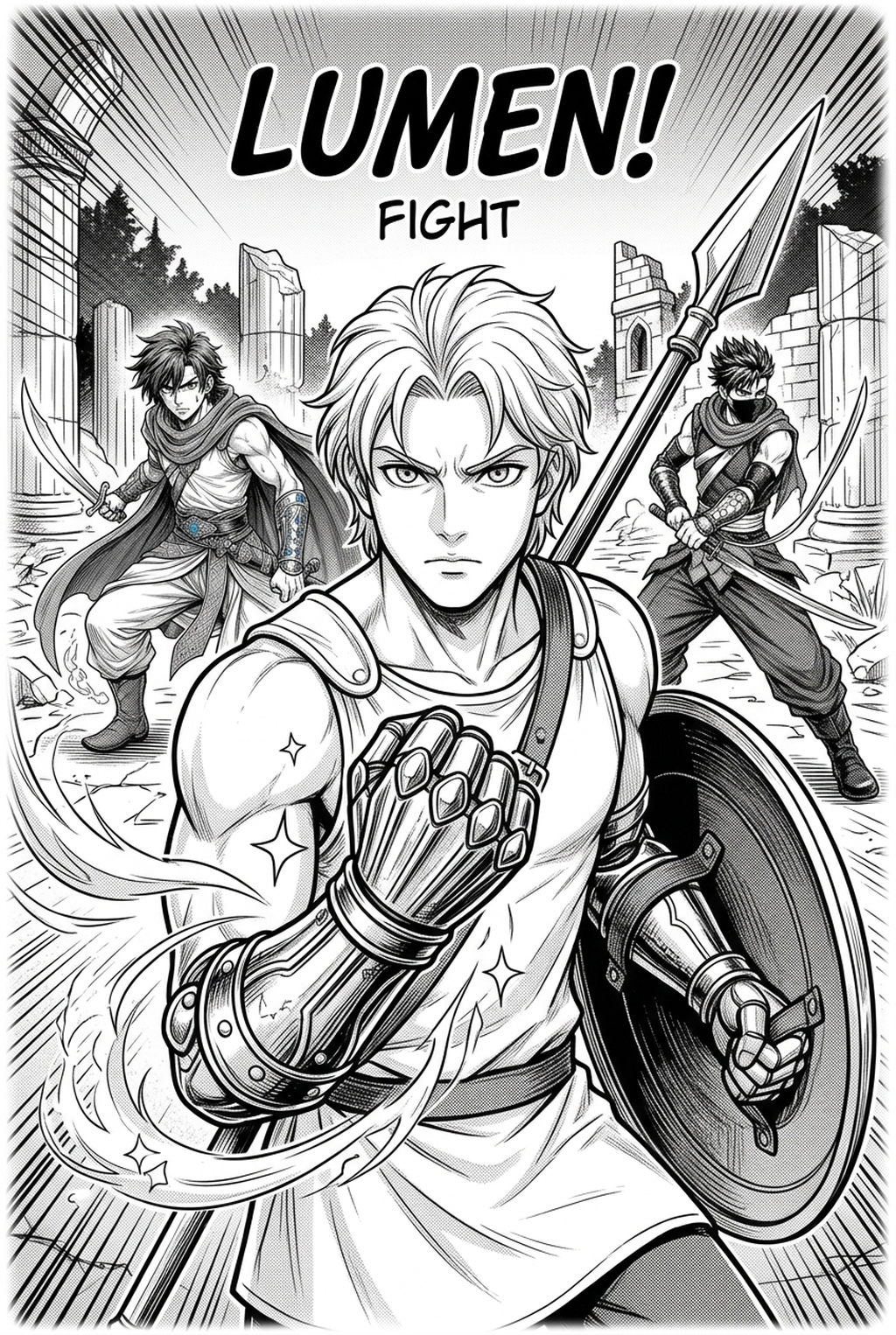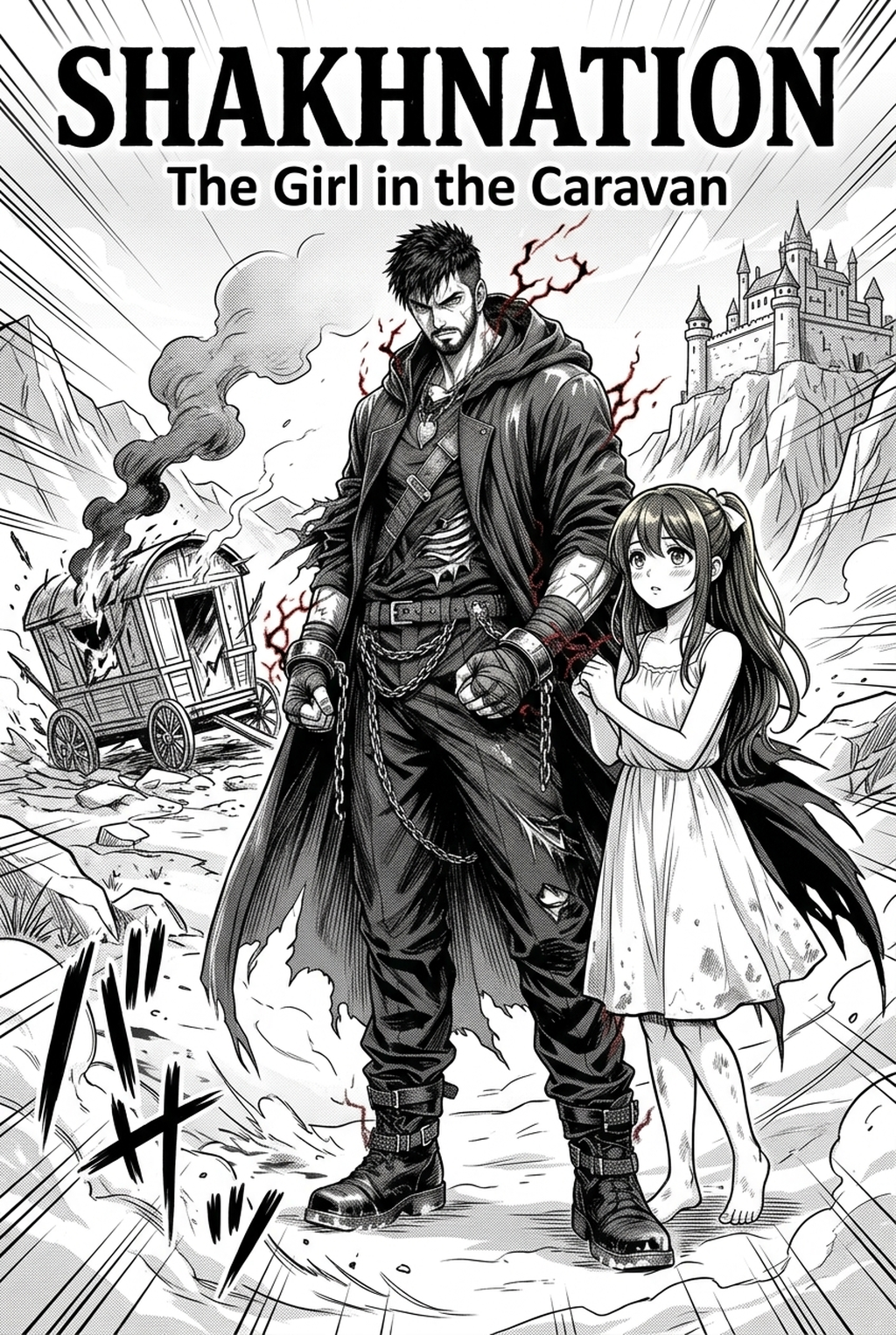
AI Manga Storyboard Builder: Defining the Visual Blueprint
A storyboard functions as the foundational architecture of your manuscript, mapping out the precise placement of every panel, character, and dialogue bubble before a single pixel of final art is rendered. It translates your script’s text-based action into a sequence of frames that respect the natural reading direction.
While final line art focuses on the nuance of ink depth and screentone density, the storyboard serves exclusively as a communication tool for narrative intent. By establishing the "structural skeleton" early, you ensure the action sequence remains legible, preventing the common failure of drawing overly complex background details in a panel that ultimately requires a tight, punchy composition to deliver a plot beat.
Why Structural Pacing Matters for Manga Creators
Effective flow prevents reader friction by guiding the gaze naturally across the page, typically utilizing a Z-pattern or N-pattern to manage transition speed. You are not just drawing pictures; you are managing the reader's heartbeat through the careful manipulation of white space and panel geometry.
Crowded, dense panels force the eye to slow down, signaling to the reader that the narrative has shifted to a quiet, exposition-heavy moment or an internal monologue. Conversely, large, sparse panels serve as a visual "breather," providing the necessary negative space to let the impact of a previous action land. If your composition lacks these intentional shifts, even the most polished illustrations will feel flat, as the reader lacks the necessary visual cues to distinguish between a climactic reveal and a background transition shot.
Strategic Panel Orchestration with Mangaka
Modern creators use AI-assisted tools to prototype these layouts by inputting specific beat-by-beat requirements, effectively removing the technical labor of manual container sizing. Instead of wrestling with alignment tools in legacy software, you define the desired emotional intensity of a scene—such as an urgent chase or a slow-burn romance—and let the platform organize the spatial logic accordingly.
| Feature Type | Manual Workflow | AI-Assisted Workflow |
|---|---|---|
| Panel Sizing | Drag-and-drop manual adjustment | Auto-calculated narrative flow |
| Layout Iteration | Time-intensive re-drawing | Non-destructive structural swap |
| Gutter Alignment | Manual ruler checking | Automatic bleed margin compliance |
This non-destructive editing approach is essential for maintaining production momentum. If you decide that a specific fight sequence requires a wider, cinematic perspective to capture the environment, you can reorganize the container sequence in seconds without losing the underlying narrative continuity. You can start exploring these capabilities at manga storyboard with Mangaka to see how instant layout adjustment changes your page output.
Common Pitfalls in Visual Composition
Many creators fall into the "detail trap" by polishing character expressions while the fundamental layout remains flawed, leading to hours of wasted effort. When you commit to high-fidelity inking before the panel flow is finalized, you essentially lock yourself into a broken narrative structure that is prohibitively expensive to correct later.
Another recurring issue involves ignoring the functional constraints of the print or digital medium, such as failing to account for gutter spacing or safe-bleed margins. A layout that looks acceptable on a computer screen might collapse into a cramped, unreadable mess when compressed into a standard tankōbon format. Each page must perform a clear function: advancing the plot, deepening character development, or escalating the conflict; if a panel fails to serve one of these three masters, it should be removed or merged to tighten the overall page tension.
Developing a High-Fidelity Workflow
Mangaka allows you to input narrative beats directly into an interface that automatically maps your story to a professional-grade sequence of frames. This bridge between the rough conceptual phase and the high-fidelity output preserves the integrity of your visual design through every subsequent stage, including inking, color grading, and speech bubble placement.
- Focus on Composition: Prioritize the "what" and "where" of characters before applying final line weight. * Maintain Integrity: Ensure that the spatial logic defined in your storyboard remains consistent as you transition into full color. * Iterate Quickly: Swap panel sizes to experiment with different dramatic perspectives without manual redrawing.
By automating the tedious task of container arrangement, you save precious energy for the creative tasks that AI cannot replicate, such as nuanced facial micro-expressions or specific lighting choices that define your artistic voice. Before export, creators should compare the generated line art with the original sketch and confirm that facial expressions, props, speed lines, and speech-bubble space still support the scene.
A repeatable review pass should cover character consistency, panel readability, background clarity, and whether the final file is ready for coloring, lettering, or editor feedback. For longer projects, creators should save approved examples of line weight, face detail, clothing folds, and background density. Those references keep later chapters closer to the intended style.
Creators should mark which panels are final and which panels still need redraws. Clear status labels prevent an assistant, editor, or colorist from polishing the wrong version. For publishing, creators should review the page at the actual reading size before export. Small screens expose crowded dialogue, weak silhouettes, and line details that looked fine while zoomed in.
The Bottom Line
A professional AI AI Manga Storyboard Builder workflow Builder workflow is the fundamental difference between a confused reader and a fully immersed audience; it is the most critical stage for establishing professional pacing. Leveraging AI to handle the heavy lifting of layout arrangement empowers creators to maintain control over their narrative while removing technical barriers. By adopting a structured workflow at manga storyboard , you ensure your final pages are not only aesthetically polished but also tell the story you intended with perfect clarity.
Related articles
Mastering Manga Storyboard Techniques: A Pro Workflow Guide
Streamline Your Manga Storyboard Workflow with Mangaka AI
Mastering Manga Storyboard Techniques: A Pro Guide in 2026