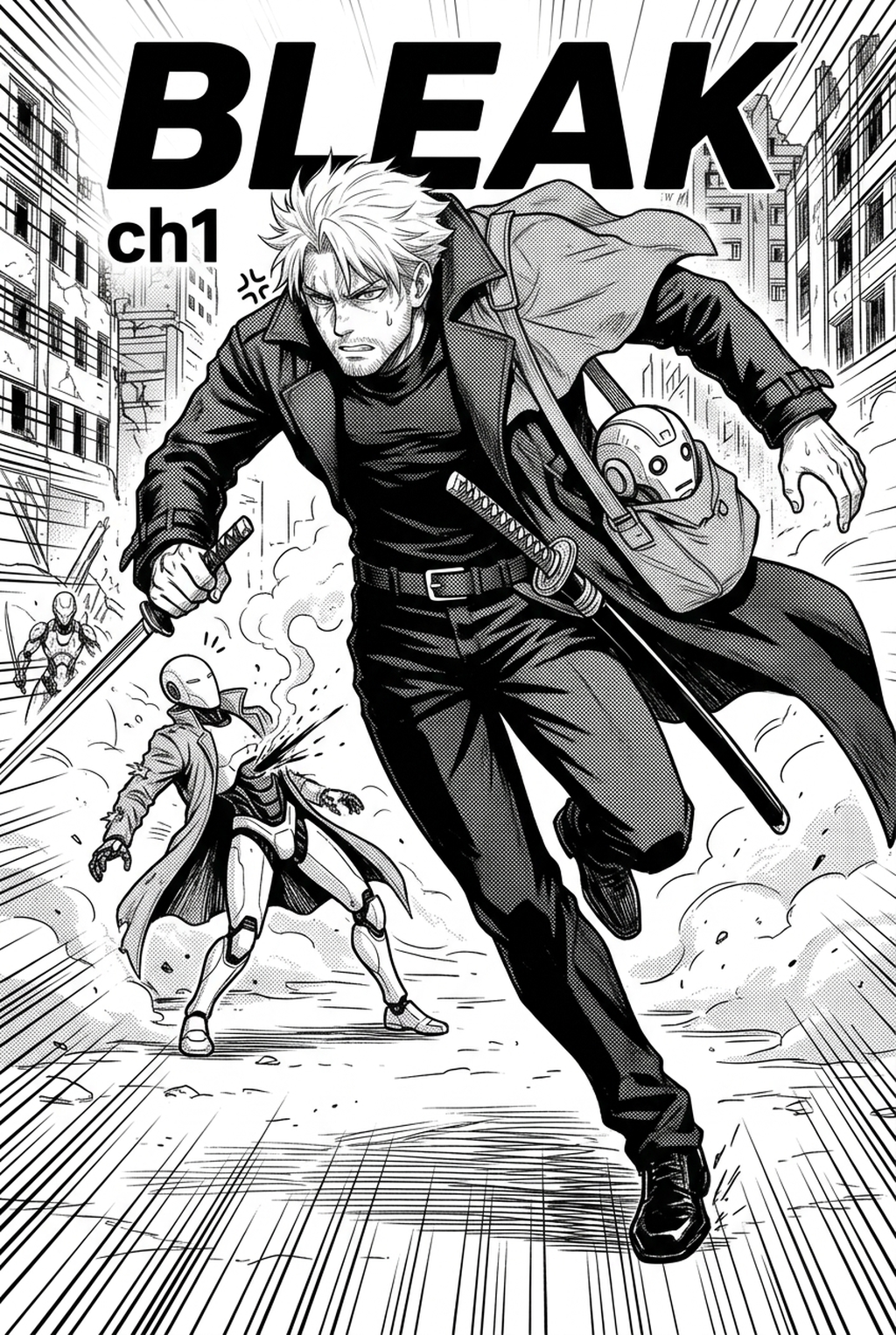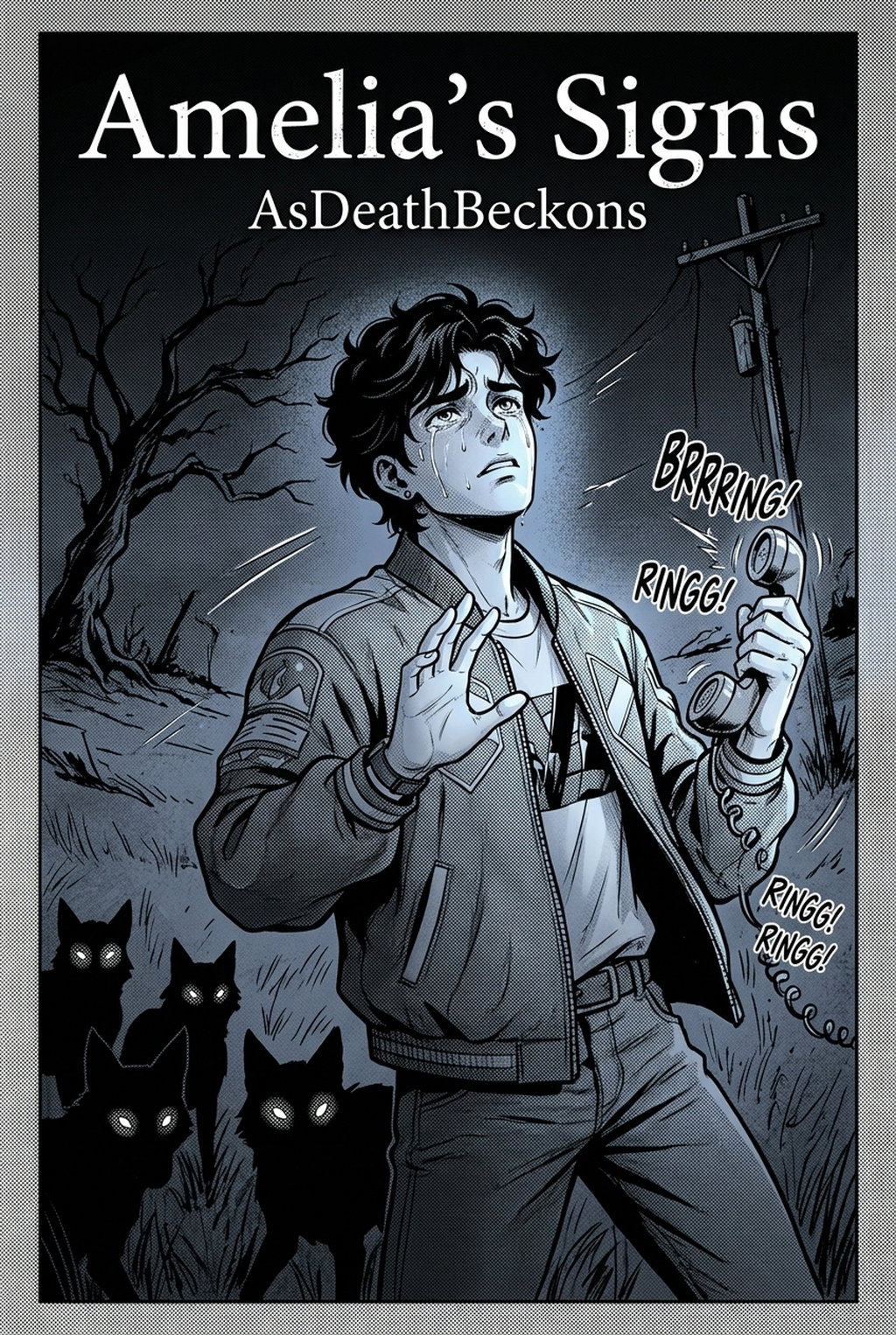
AI Manga Storyboard Builder: Why Structural Planning Protects Your Budget
Building your narrative arc through early sketches prevents the "page-revision" bottleneck, a common disaster where late-stage composition changes invalidate hours of inking or tone work. When you treat the storyboard as a essential gate for your production flow, you eliminate the risk of the editor or assistant team misunderstanding the visual direction of a chapter.
By validating the rhythm of your scenes early, you essentially conduct a visual audit of your chapter's pacing before you spend the production budget on final assets. This rigor mimics the professional standards seen in major publishing houses where every P&L statement is calculated against the number of unique background layouts and character interactions required per page.
Mangaka Panel Composition Mechanics
Mangaka analyzes your provided script content and calculates optimal panel compositions that enforce professional reading ergonomics. By inputting your specific scene details, you bypass the psychological toll of staring at a blank canvas and allow the engine to map out logical, high-impact page layouts.
- Sightline-alignment standards: The tool automatically adjusts gutter widths and panel edges to maintain the industry-standard Z-pattern reading flow, ensuring the eye always follows the intended path. * Panel-sequence optimization: You can generate a variety of layouts for a single narrative beat, allowing you to choose the configuration that provides the best balance between character prominence and background depth. * Efficiency in prototyping: By generating these layouts, you eliminate the tedious manual measurement of panel frames, allowing you to jump straight into character consistency and posing checks.
Common Layout Friction Points
Over-crowding panels creates cognitive overload, which muddies action scenes and makes high-stakes moments look disjointed or amateurish. If you ignore the natural Z-pattern of reading, your audience will lose track of dialogue flow, effectively breaking their immersion in the story.
- Misaligned speech bubbles: When bubbles are placed without considering the gutter, they often get lost, leading to "text-drift" where readers skip lines of dialogue. * Weak focal points: Failing to establish a clear visual anchor in dramatic splash pages leads to visual clutter, reducing the emotional impact of a character reveal or a transformation. * Improper gutter usage: Uniform gutter widths that do not change based on action intensity will make a fight look static rather than fluid, stripping your panels of their inherent energy.
Initiating Your Digital Workflow
Transitioning from manual to AI-assisted storyboarding shifts your role from a draftsman to a creative director. Unlike manual methods that require you to draw every single frame, AI-powered tools provide a robust architectural foundation that you can iterate upon until the rhythm feels perfect. Creative Brief and Source Input. Creative Brief and Source Input.
- Customizing layout logic: You retain full control over the AI’s suggestions; you can manually shift individual panel boundaries or increase the scale of a focal panel to emphasize a specific character action.
- Technical prerequisites: You do not need years of specialized training in architectural drafting to succeed here, as the software handles the underlying math of panel distribution and aspect ratio compliance.
- Prototyping example: Imagine a sequence where a protagonist performs a three-hit combo. Instead of drawing three panels and realizing the spacing is cramped, you generate the layout via manga storyboard with Mangaka and see the sequence mapped out as a wide panel followed by two smaller, tilted squares that amplify the kinetic energy of the impact.
- Before Export. Creators should compare the generated line art with the original sketch and confirm that facial expressions, props, speed lines, and speech-bubble space still support the scene. A repeatable review pass should cover character consistency, panel readability, background clarity, and whether the final file is ready for coloring, lettering, or editor feedback. For longer projects, creators should save approved examples of line weight, face detail, clothing folds, and background density. Those references keep later chapters closer to the intended style. - For Collaboration. Creators should mark which panels are final and which panels still need redraws. Clear status labels prevent an assistant, editor, or colorist from polishing the wrong version. For publishing, creators should review the page at the actual reading size before export. Small screens expose crowded dialogue, weak silhouettes, and line details that looked fine while zoomed in. - For Style Control. Creators should keep a short reference board beside the draft and compare hair shapes, eye details, costume folds, and texture choices before approving the final page. For revision planning, creators should separate art fixes from story fixes. Line cleanup, panel order, dialogue clarity, and character acting each need a different review question.
Creators should compare the generated line art with the original sketch and confirm that facial expressions, props, speed lines, and speech-bubble space still support the scene. This keeps the review focused on story intent, line weight, panel readability, and the export quality behind the final AI Manga Storyboard Builder output.
A repeatable review pass should cover character consistency, panel readability, background clarity, and whether the final file is ready for coloring, lettering, or editor feedback. For longer projects, creators should save approved examples of line weight, face detail, clothing folds, and background density. Those references keep later chapters closer to the intended style.
The Bottom Line
A professional storyboard represents the difference between a disorganized chapter that loses reader attention and a tightly-paced masterpiece that delivers on every page turn. By offloading the mechanical constraints of panel architecture to high-end tools, you preserve your energy for the creative artistry that defines your unique voice. You can streamline your production cycle by visiting AI AI Manga Storyboard Builder workflow Builder workflow to generate your next chapter's layout today.
Directing narrative eye flow with Mangaka
Eye tracking in manga depends on disciplined diagonal panel compositions and speech bubble placement. Mangaka helps creators sequence action beats and character reactions with intuitive reading flow guides.
- Preview reader eye-paths across Japanese right-to-left layout grids.
- Balance dialogue balloon spacing to avoid covering focal actions.
- Test cliffhanger page-turn panels before committing to full linework.